2025 Top 10 Home Solar Systems to Maximize Your Energy Savings
As the world continues to pivot toward sustainable energy solutions, homeowners are increasingly considering home solar systems as a viable option to reduce energy costs and minimize their carbon footprint. According to Dr. Emily Carter, a renowned expert in renewable energy technologies, "Investing in home solar systems not only empowers homeowners to control their energy bills, but it also contributes to a more sustainable future." With advancements in technology and reductions in system costs, the opportunity for maximizing energy savings has never been greater.
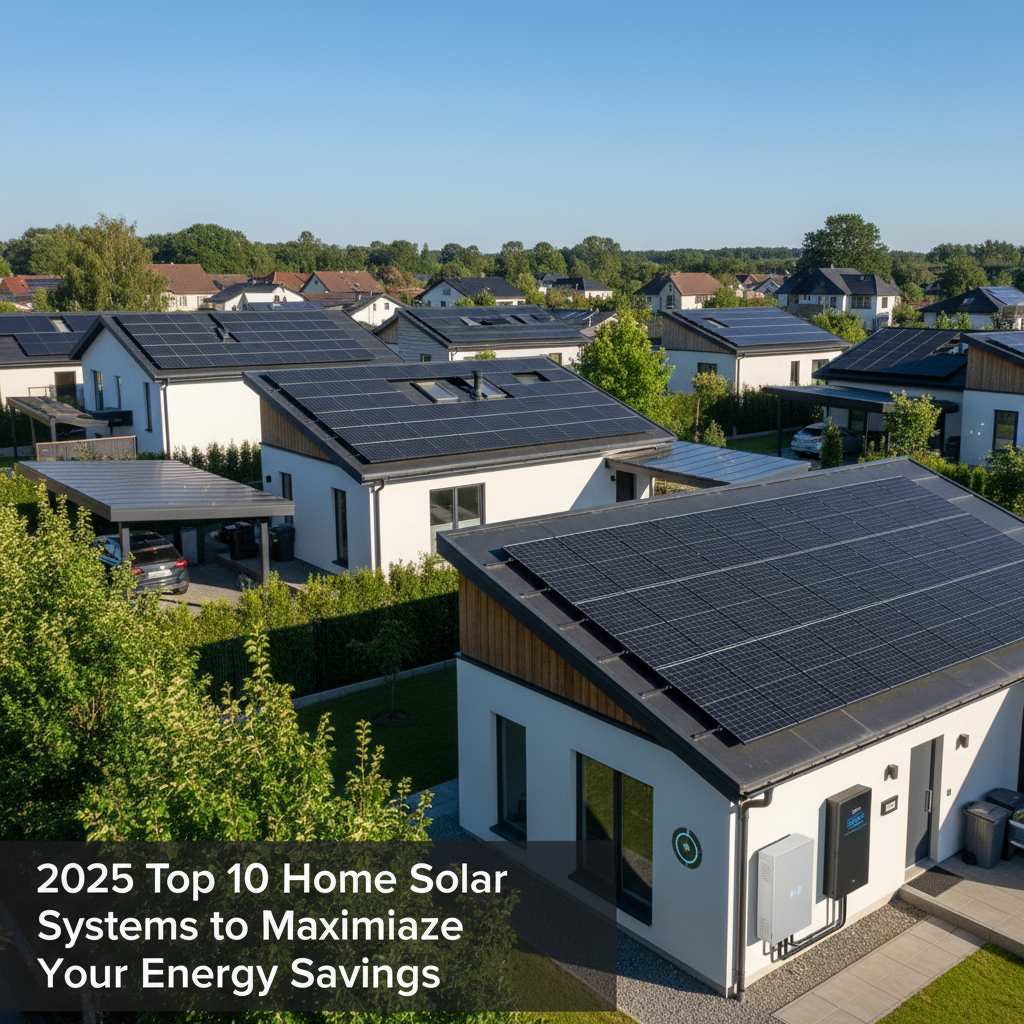
In 2025, the landscape of home solar systems is set to evolve, showcasing innovative designs and enhanced efficiencies that cater to diverse residential needs. Homeowners can look forward to a range of products that not only complement their lifestyle but also integrate seamlessly with smart technologies. This article will explore the top 10 home solar systems available in 2025, highlighting features, benefits, and how each option stands out in the quest for energy savings. From cutting-edge solar panels to smart inverters, understanding these systems will empower homeowners to make informed decisions about their energy future.
The Rise of Solar Technology: Innovations Shaping Home Energy Savings
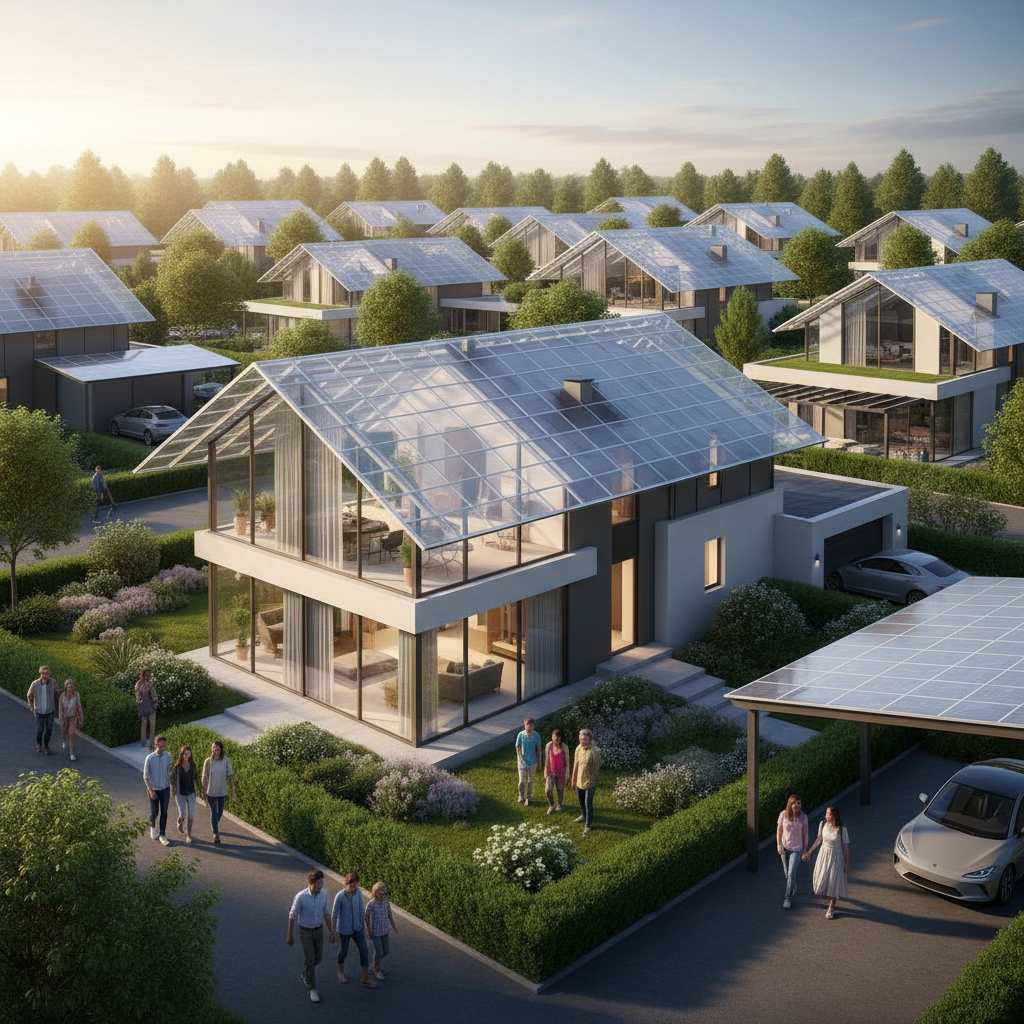
The rise of solar technology is revolutionizing home energy savings, driven by a wave of innovative approaches that unlock the potential of rooftop solar systems. With advancements such as transparent solar cells, which are projected to reach a market size of $89.88 million by 2032, homeowners are increasingly able to harness the sun’s energy without sacrificing aesthetic values.
These developments not only enhance energy efficiency but also contribute to the growing acceptance of solar technology across various demographics, making renewable energy more accessible.
Moreover, recent breakthroughs in solar panel technology, particularly with perovskite solar cells, demonstrate a significant leap in efficiency and cost-effectiveness. Researchers are focused on improving the microstructural design of these panels, enabling them to capture more sunlight and convert it into usable energy. As the
Solar Energy Innovation Network (SEIN) brings together diverse teams to enhance collective expertise, the integration of these advanced systems into homes and small businesses is likely to accelerate, fostering a sustainable energy future that promises substantial savings on energy bills.
Key Features to Look for in Top-Rated Home Solar Systems
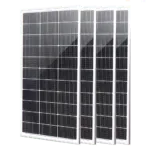
When considering a home solar system, several key features can significantly influence your decision and maximize energy savings. First and foremost, it's essential to evaluate the efficiency of the solar panels. Higher efficiency panels convert more sunlight into electricity, which directly impacts the energy output of your system. Look for solar panels with at least 20% efficiency, as this ensures you reap more benefits from your investment, especially in areas with limited roof space.
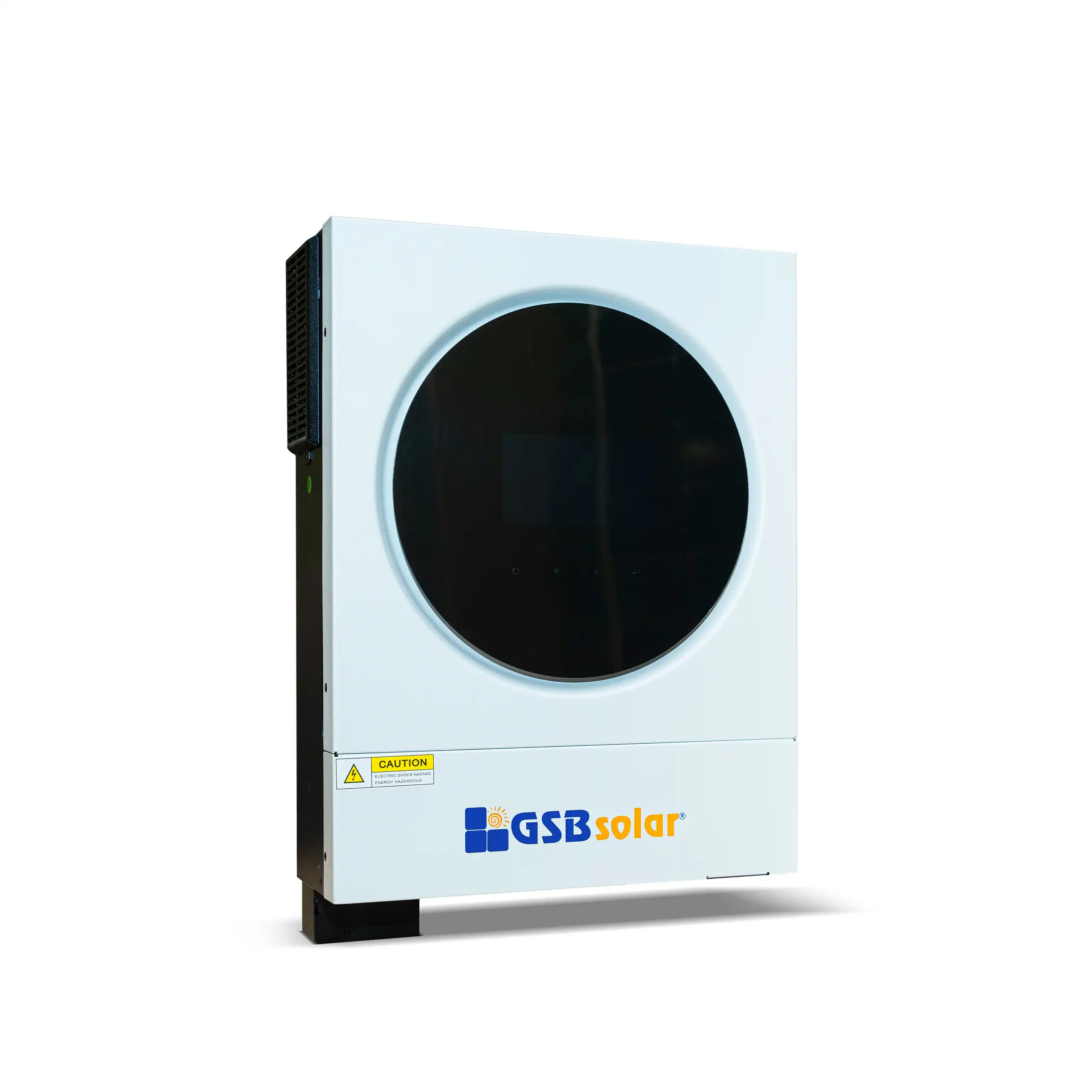
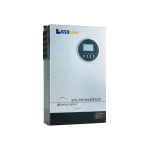
Another critical factor is the inverter type. The inverter is responsible for converting the DC electricity generated by the solar panels into AC electricity for home use. Microinverters are often recommended due to their ability to optimize performance for individual panels, allowing for better energy production even in partially shaded conditions. Additionally, consider warranties and durability; a robust warranty can provide peace of mind, indicating the manufacturer’s confidence in their product. Overall, focusing on these features can help guide you in selecting a top-rated solar system that enhances your home’s energy savings.
2025 Top 10 Home Solar Systems to Maximize Your Energy Savings
Cost-Benefit Analysis: Evaluating the Financial Impact of Solar Installations
When considering the financial impact of solar installations, a comprehensive
cost-benefit analysis is crucial for homeowners aiming to maximize their energy savings. According to the
Solar Energy Industries Association (SEIA), the average cost of a
residential solar system has dropped by over 70%
since 2010, making solar energy more accessible than ever. Homeowners can expect to see a return on investment
(ROI) of approximately 20% in many regions, significantly outperforming
traditional investment avenues like stocks and bonds.
Furthermore, a study by the National Renewable Energy Laboratory (NREL)
revealed that solar-powered homes can appreciate in value, typically by 4-7% more
than comparable non-solar homes. This appreciation, combined with utility savings of around
$20,000 over the first 20 years of solar panel use, demonstrates the
financial viability of solar energy. With federal tax incentives, such as
the Investment Tax Credit (ITC) allowing homeowners to deduct a significant
percentage of their solar system cost from their federal taxes, the long-term benefits become even more attractive.
As the industry continues to evolve, these financial metrics highlight the compelling case for investing
in solar technology.
Maintenance and Longevity: Ensuring Your Solar System's Performance
Ensuring the optimal performance of home solar systems not only maximizes energy savings but also extends their longevity. Regular maintenance plays a pivotal role in achieving this balance. According to the Solar Energy Industries Association (SEIA), a well-maintained solar system can increase efficiency by up to 15%. This efficiency boost can significantly enhance energy output over the system's operational lifespan, which averages between 25 to 30 years.
Furthermore, routine inspections can help identify potential issues before they escalate into costly repairs. The National Renewable Energy Laboratory (NREL) states that simple upkeep tasks, such as cleaning panels and checking electrical connections, can reduce system degradation. Their studies suggest that improper maintenance could lead to a drop in energy production by as much as 20%. By prioritizing maintenance, homeowners not only safeguard their investment but also contribute to a more sustainable energy future. Adopting best practices ensures that solar systems operate at peak performance while securing long-term savings on energy bills.
Top Picks for 2025: A Comprehensive Review of Leading Home Solar Solutions
As the demand for renewable energy continues to grow, homeowners are increasingly investing in solar systems to cut down on energy costs. According to the Solar Energy Industries Association (SEIA), the U.S. solar market is projected to grow by 20% annually through 2025, highlighting the urgency in choosing the right system that can maximize energy savings. In our comprehensive review, we have analyzed the top 10 home solar systems for 2025 that not only offer high efficiency but also long-term sustainability for your household energy needs.
When selecting a home solar solution, it's essential to consider factors like efficiency ratings, warranties, and integration with energy storage systems. For example, a recent report from the National Renewable Energy Laboratory indicates that efficient solar panels can produce 20-25% more energy over their lifespan compared to standard models.
**Tip:** Always analyze your energy consumption patterns to determine the best system for your needs. In addition, explore local and federal incentives for solar technology; studies show that homeowners can save up to 30% on installation costs through tax credits and rebates. Investing in a solar system not only benefits the environment but also enhances your home's value, making it a smart financial decision for the future.
2025 Top 10 Home Solar Systems to Maximize Your Energy Savings
| Rank |
System Type |
Efficiency (%) |
Average Cost ($) |
Wattage (W) |
Warranty (Years) |
Installation Time (Hours) |
| 1 |
Monocrystalline |
22.0 |
15,000 |
300 |
25 |
6 |
| 2 |
Polycrystalline |
18.0 |
12,000 |
270 |
20 |
7 |
| 3 |
Bifacial |
21.5 |
17,000 |
320 |
30 |
5 |
| 4 |
Thin Film |
12.0 |
8,000 |
200 |
10 |
9 |
| 5 |
Hybrid |
20.0 |
18,000 |
310 |
25 |
8 |
| 6 |
PERC |
21.0 |
16,000 |
295 |
25 |
6 |
| 7 |
Building-Integrated |
19.0 |
22,000 |
280 |
20 |
10 |
| 8 |
Flexible |
15.0 |
10,000 |
150 |
5 |
12 |
| 9 |
Concentrated PV |
24.0 |
30,000 |
400 |
25 |
4 |
| 10 |
Solar Tiles |
17.0 |
25,000 |
220 |
20 |
11 |