ALL PRODUCTS
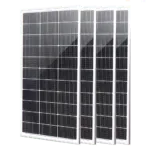
- Solar Panel
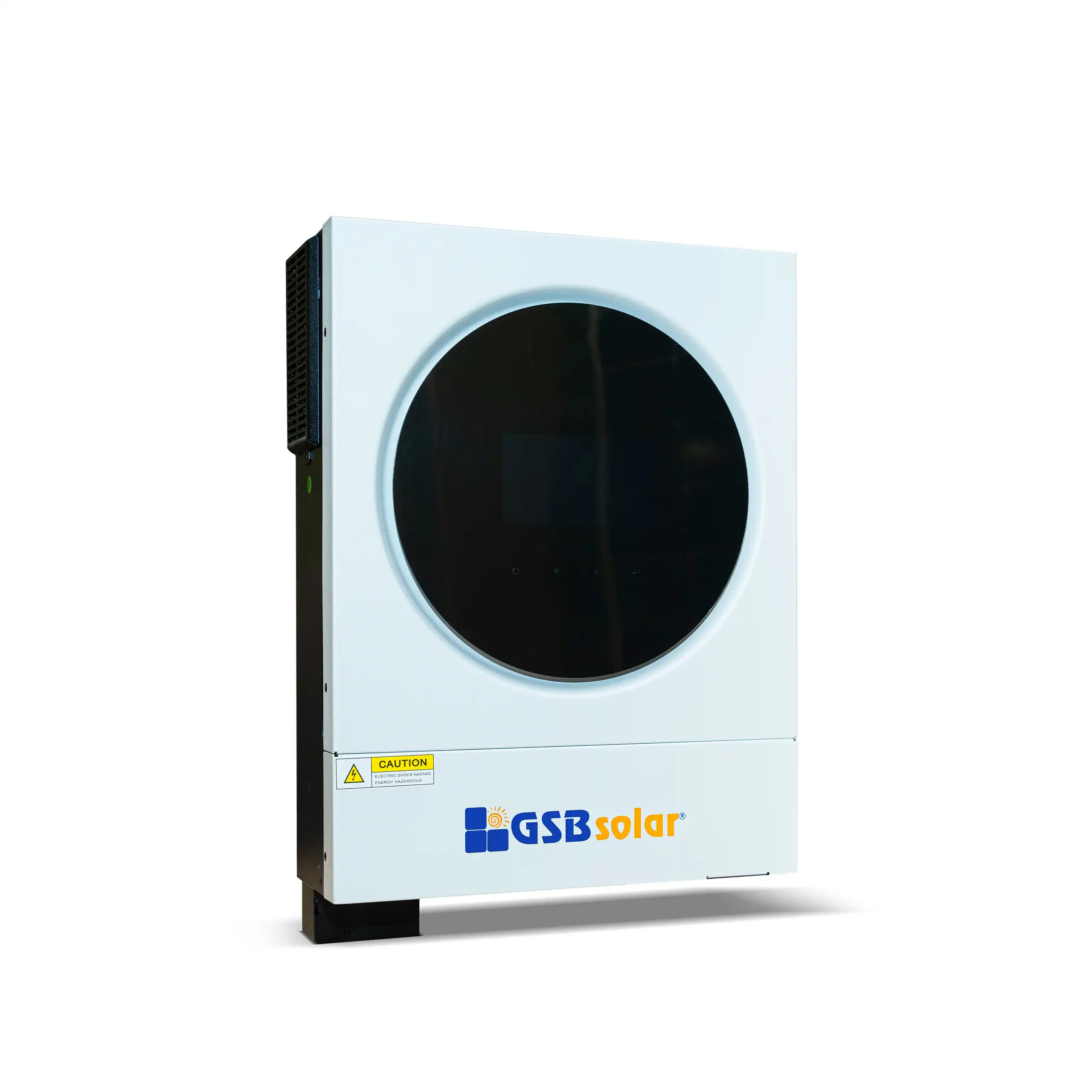
- Hybrid Inverter
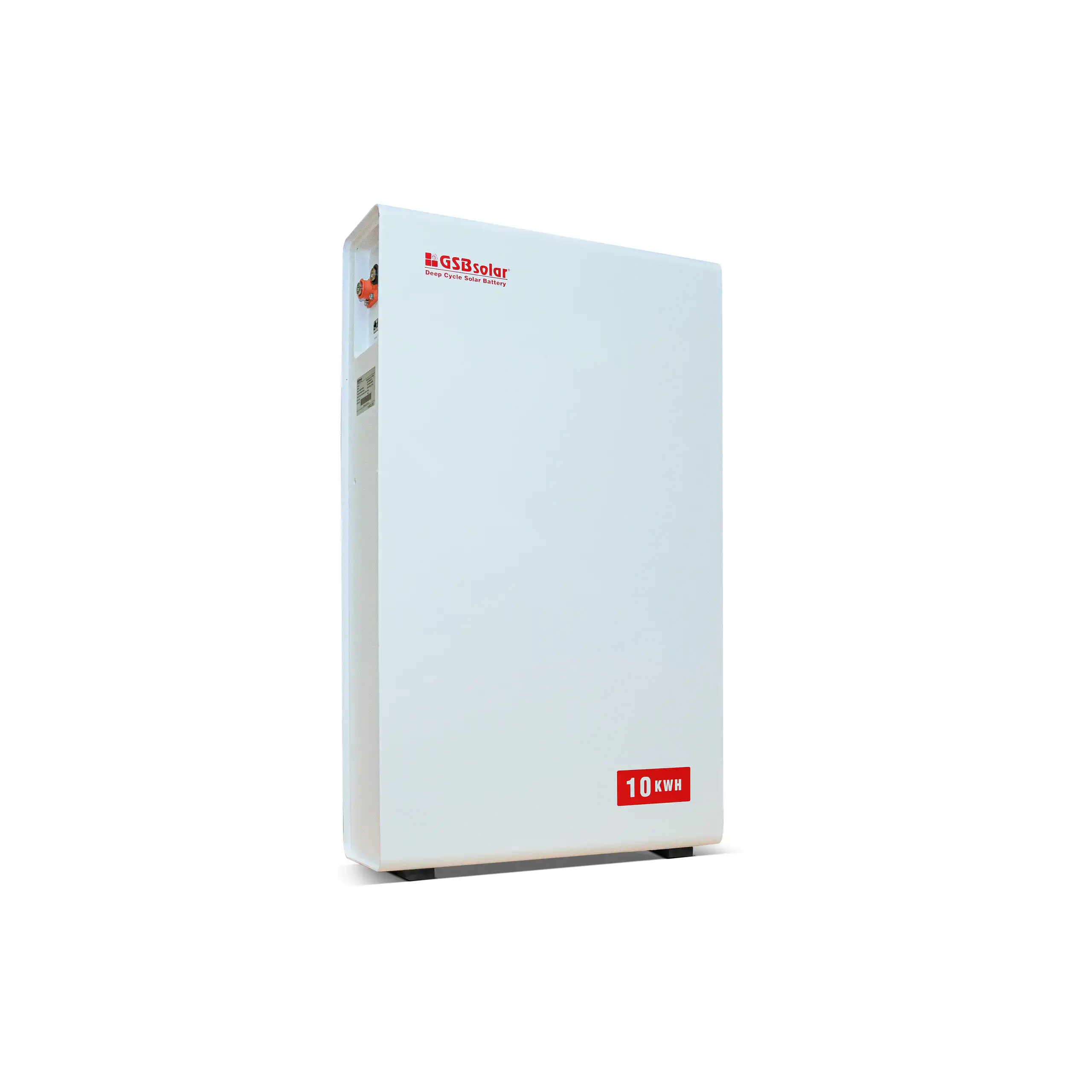
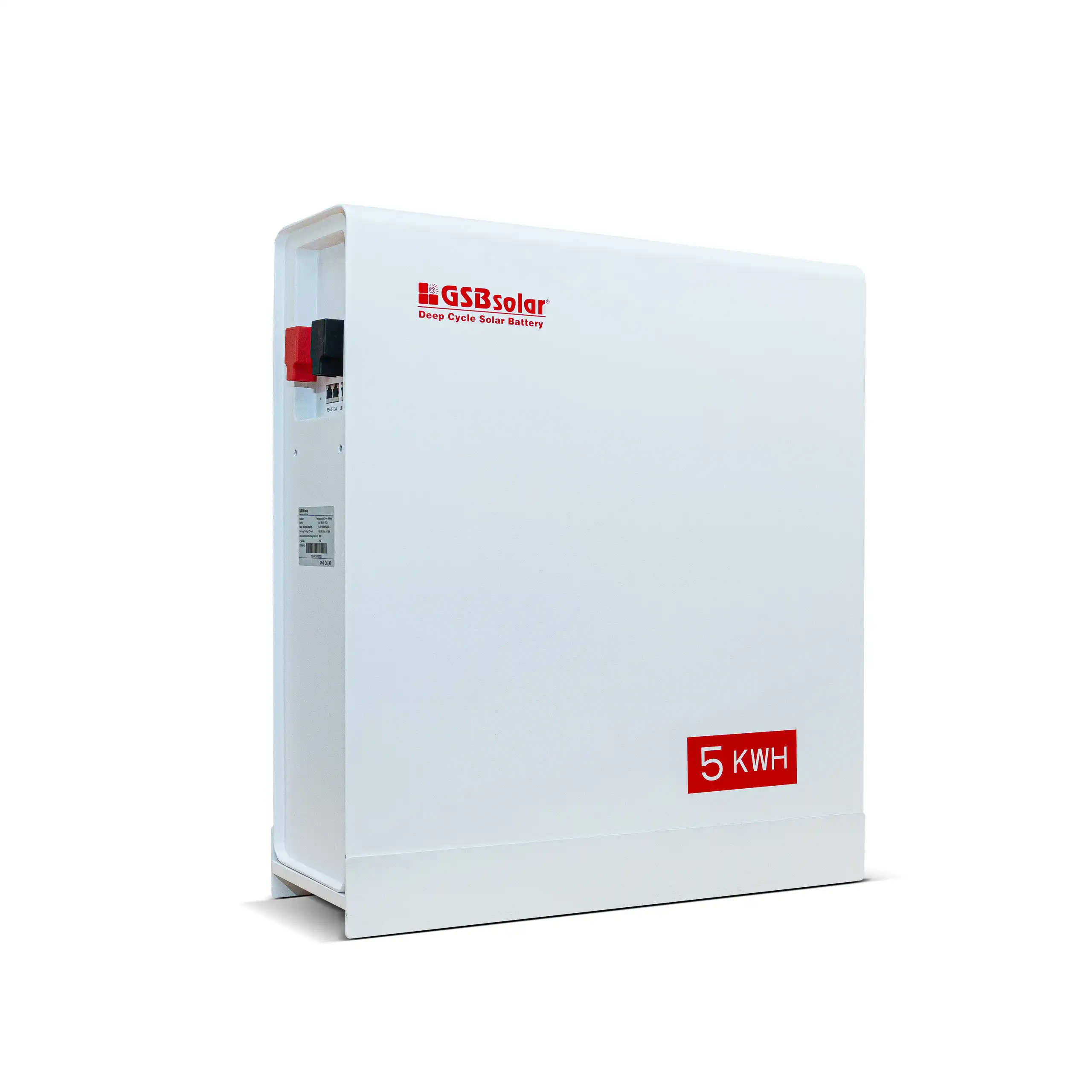
- Lithium Battery
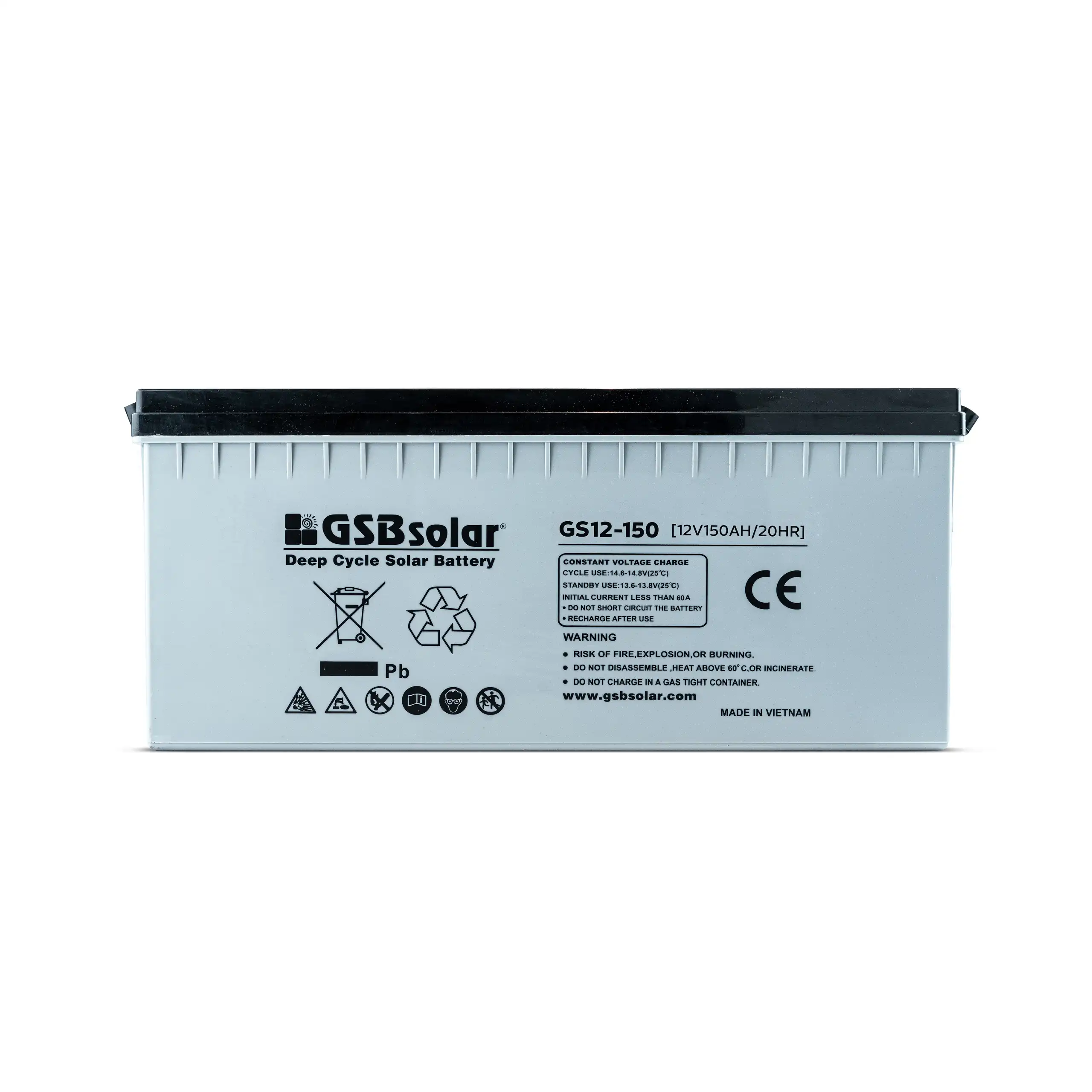
GSB SOLAR LITHIUM BATTERIES
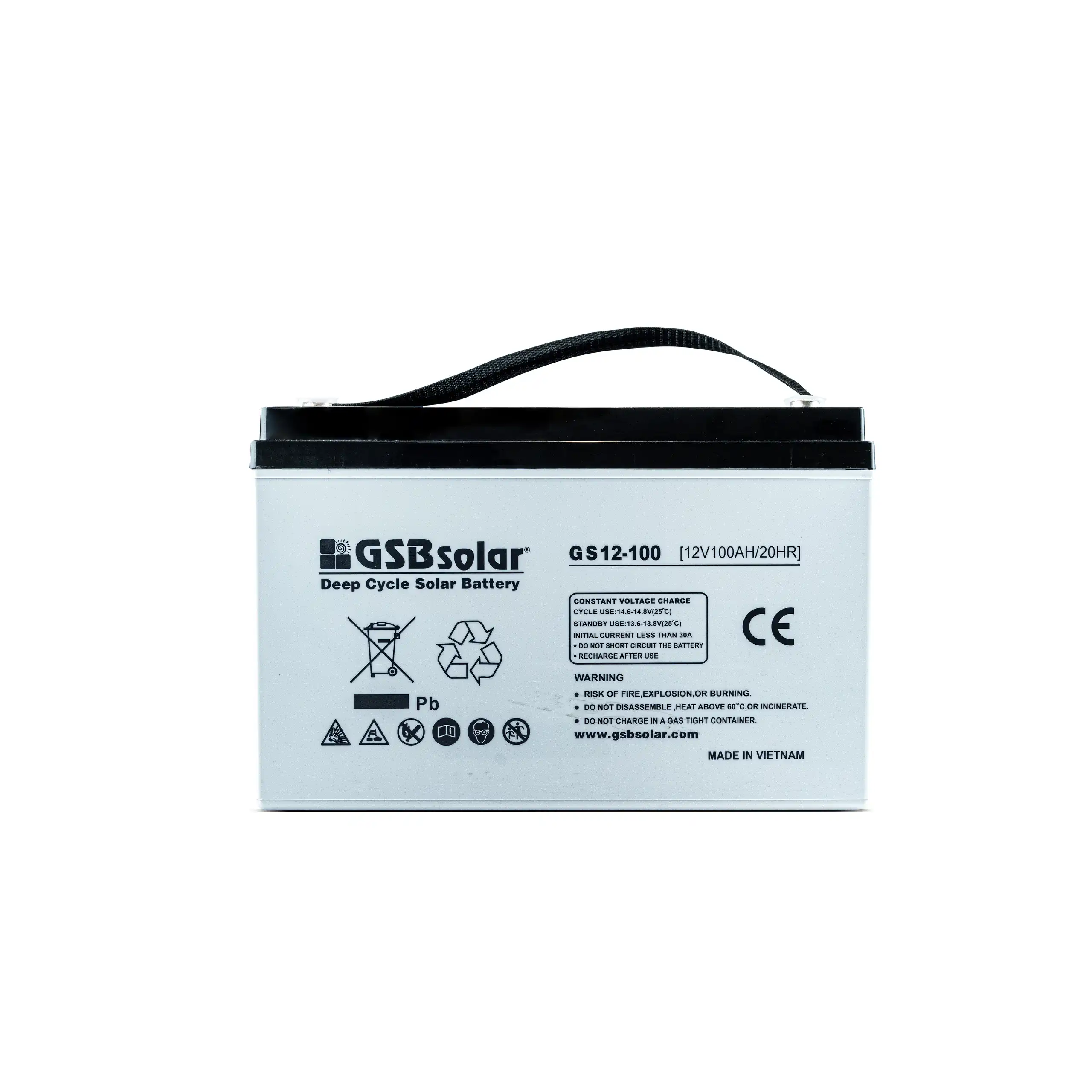
- Gel Battery
- Solar Street Lights
- Pump Inverter
Choosing the 2026 best solar and battery systems for global buyers requires more than comparing panel wattage or battery capacity. Climate, electricity tariffs, grid reliability, installation quality, and local service can change the real value of every system. A compact rooftop array may suit a sunny apartment in Spain, while a larger hybrid system may better serve a remote home in South Africa or Australia. The details matter.
Energy analyst Michael Liebreich has warned that “the clean energy transition will not be a smooth, linear process.” His observation applies directly to solar and battery purchasing. Technology improves quickly, but supply chains, certification rules, financing costs, and installer skills remain uneven. A high-performance battery can disappoint if poor ventilation, weak monitoring, or incorrect sizing limits its daily use. Sometimes, the cheapest quotation becomes the most expensive decision.
This guide will examine reliable systems for different regions, budgets, and energy needs. It will compare usable storage, round-trip efficiency, backup performance, warranty conditions, software quality, and recyclability. It will also consider real household routines, such as running a heat pump after sunset or charging an electric vehicle during midday production. No system is perfect. Buyers should question dramatic savings claims and request independent calculations. Product availability may also change before installation. Careful verification remains essential.
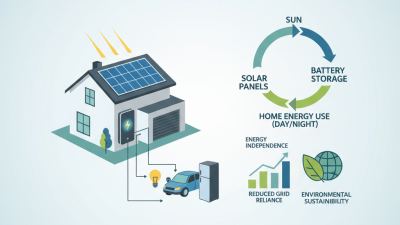
A solar and battery system usually combines panels, an inverter, mounting equipment, monitoring controls, and energy storage. Solar panels produce direct current, while the inverter converts it for household appliances. The battery stores surplus energy for evening use or outages. Start with loads. List refrigerators, pumps, medical equipment, lighting, and heating devices separately. Their starting power can exceed their running power, creating unexpected inverter failures.
A professional assessment should review annual electricity use, roof direction, shading, local weather, and grid reliability. Weather matters. Hot climates can reduce battery performance, while dust may increase cleaning needs. Coastal air can accelerate corrosion without suitable protection. Battery capacity should match essential loads and expected backup hours, not just the largest possible number. Lithium-based systems are common, but chemistry, operating temperature, fire protection, and service access still require careful evaluation.
Global buyers should verify electrical standards, grid-connection rules, import duties, warranty terms, and qualified installation support before payment. Check the paperwork. Certifications should apply to the complete system where required, not only individual components. A clear warranty must explain capacity retention, replacement conditions, labor coverage, and response times. No sizing method is perfect. Household habits change, sunlight varies, and batteries age. A system that looks economical on paper may perform poorly if maintenance, recycling, or future expansion is ignored. Reviewing real consumption after installation can reveal assumptions that were too optimistic.
Choosing the best solar and battery system in 2026 starts with measuring real energy needs. Daily consumption matters, but peak demand matters more. A kettle, pump, and air conditioner can overload a small inverter within seconds. Record monthly usage, evening demand, and essential circuits during an outage. A 10 kWh battery may provide one night of lighting and refrigeration, but less if cooling runs continuously.
Solar conditions vary sharply across regions. Roof direction, seasonal shadows, dust, humidity, and high temperatures can reduce production. Check the roof at 9 a.m., noon, and 4 p.m. during different seasons. A professional assessment should include local sunlight data, structural strength, grid voltage, and electrical safety requirements. Field evaluations often uncover simple problems, such as a chimney shadow covering several panels each afternoon. That detail can change the entire design.
Backup priorities should guide battery size. Some households need refrigerators, medical equipment, internet devices, and lights. Others expect whole-home backup during long outages. These goals require different budgets and inverter capacities. Leave reserve capacity for battery aging. Do not rely on perfect weather forecasts. A spreadsheet may predict excellent output, yet real dust or unexpected cloud cover can disappoint. Review maintenance access, warranty terms, installer qualifications, and local service availability before purchase. Reliability is partly hardware, but also competent installation and honest planning.
Choosing the best solar and battery system in 2026 requires matching equipment to climate, tariffs, and daily consumption. The International Energy Agency reported that global solar photovoltaic additions reached about 407 gigawatts in 2023. That scale has improved module efficiency, but real performance still depends on roof angle, heat, dust, and shading.
Panels with higher efficiency save roof space, while bifacial designs can help on bright, reflective surfaces. A hybrid inverter can coordinate solar production, battery charging, and backup loads. Battery capacity should follow evening demand, not marketing claims. The IEA reported that battery storage additions exceeded 40 gigawatts globally in 2023. BloombergNEF also recorded a 2024 average battery-pack price near 115 dollars per kilowatt-hour. Installed prices remain higher because wiring, protection, labor, and local permits matter.
Tips: Measure one year of electricity bills before choosing capacity. Keep refrigerators, pumps, and medical equipment on a separate backup circuit. Lithium iron phosphate batteries offer strong cycle stability, but cold-weather charging needs careful control. Oversizing the battery can create unused capacity. I learned that estimates often look precise until shading changes by one hour. Buyers should request independent test data, round-trip efficiency, usable capacity, warranty conditions, and installer credentials. Regional grid rules can also change the safest configuration.
| System Component or Configuration | Typical Technical Range | Main Advantages | Important Limitations | Best-Fit Applications | Global Buyer Considerations |
|---|---|---|---|---|---|
| High-Efficiency Monocrystalline Panels | Approximately 19%–23% module efficiency; commonly 400–600 W per panel; 25–30 year performance warranty period | High energy output per square metre; widely available; suitable for residential and commercial rooftops | Higher upfront cost than basic lower-efficiency modules; output decreases under heat and shading | Space-constrained roofs, urban homes, commercial buildings, and ground-mounted systems | Check local certification, wind and snow-load ratings, temperature coefficient, dimensions, and after-sales support |
| Bifacial Solar Panels | Typically 5%–20% additional rear-side energy yield when installed above reflective surfaces; commonly 450–650 W per panel | Can produce more energy from reflected light; useful for elevated ground mounts and light-coloured roofs | Rear-side gain is limited on low-clearance roofs, dark surfaces, and shaded installations | Utility-scale projects, carports, elevated ground mounts, and high-albedo surfaces | Evaluate site reflectivity, mounting height, row spacing, rear shading, and local irradiance conditions |
| N-Type Silicon Panels | Commonly about 21%–23% efficiency; lower light-induced degradation than many older p-type designs | Strong performance in hot climates; generally lower long-term degradation; good energy density | May have a higher purchase price; actual performance varies by cell architecture and manufacturing quality | Hot climates, premium residential systems, commercial rooftops, and long-life projects | Compare temperature coefficient, annual degradation rate, product warranty, and independent test data |
| Lithium Iron Phosphate Battery | Usually 80%–95% usable depth of discharge; approximately 3,000–8,000 cycles depending on operating conditions | Good thermal stability; long cycle life; no cobalt or nickel in the cathode chemistry; suitable for daily cycling | Lower energy density than some other lithium chemistries; performance can be restricted below freezing without heating | Home energy storage, small commercial systems, backup power, and frequent time-of-use cycling | Confirm battery-management-system functions, operating temperature range, enclosure rating, transport rules, and local fire requirements |
| High-Voltage Modular Battery | Common system sizes from approximately 5–30 kWh for residential use; scalable for larger commercial installations | Lower current at the same power; efficient cable design; modular expansion; suitable for hybrid inverter platforms | Requires compatible high-voltage equipment and trained installation; expansion may require matching battery modules | Large homes, villas, small businesses, and systems requiring high backup output | Verify voltage window, module compatibility, communications protocol, warranty conditions, and installer qualification |
| AC-Coupled Battery System | Battery connects through a separate battery inverter; commonly used with existing grid-tied solar installations | Can be added to an existing solar system; flexible retrofit path; independent sizing of solar and storage | Additional conversion stages can reduce round-trip efficiency; more equipment may increase installation complexity | Solar retrofits, buildings with an existing grid-tied inverter, and phased investment plans | Check backup transfer time, compatibility with the existing inverter, export-control settings, and metering requirements |
| DC-Coupled Hybrid System | Solar panels and battery share a hybrid inverter or DC bus; commonly configured for new installations | Efficient storage of surplus solar before conversion to AC; fewer major conversion stages; integrated energy management | More dependent on inverter and battery compatibility; replacement or expansion choices may be narrower | New residential installations, off-grid homes, and projects prioritising solar self-consumption | Confirm MPPT voltage range, battery charging power, PV oversizing allowance, backup output, and grid-code compliance |
| Grid-Tied Solar Without Battery | Typical system size: 3–10 kW for homes and 10 kW–1 MW or more for commercial projects | Lowest equipment complexity; generally attractive daytime energy economics; no battery replacement requirement | Usually shuts down during a grid outage unless specialised backup equipment is installed; limited evening energy shifting | Reliable grids, daytime loads, net-billing regions, and projects focused on reducing electricity purchases | Review export tariffs, interconnection limits, anti-islanding rules, curtailment risk, and local permitting timelines |
| Solar-Plus-Storage for Self-Consumption | Typical residential design: 5–15 kW solar with 10–30 kWh battery, adjusted to load profile | Stores daytime surplus for evening use; can reduce grid purchases and improve renewable-energy utilisation | Higher capital cost; financial return depends strongly on electricity tariffs and battery utilisation | Homes with high evening demand, time-of-use tariffs, and frequent solar export | Size the battery from actual hourly consumption rather than solar capacity alone; assess tariff structure and seasonal demand |
| Backup-Focused Hybrid System | Often sized for critical loads, with approximately 5–20 kW inverter output and 10–40 kWh battery capacity | Can power selected appliances during outages; supports automatic transfer and load prioritisation | Whole-home backup may require larger inverters, batteries, and electrical upgrades; motor starting loads need special attention | Areas with unreliable grids, medical loads, remote properties, and businesses requiring continuity | Define critical loads, surge power, outage duration, generator integration, transfer time, and local electrical rules |
| Off-Grid Solar and Battery System | Commonly includes oversized solar, battery storage, backup generation, and an inverter-charger; autonomy often designed for 1–3 days | Independent of the utility grid; suitable for remote electrification and isolated properties | Requires careful seasonal sizing; higher battery and generator costs; maintenance and fuel logistics may be significant | Remote homes, telecom sites, agricultural facilities, islands, and weak-grid locations | Use local solar-resource data, worst-month load calculations, generator strategy, spare-parts access, and environmental protection ratings |
| String Inverter Architecture | Usually one or more centralised inverters with multiple MPPT inputs; common residential and commercial range from 3–125 kW per unit | Cost-effective; efficient; relatively simple maintenance; suitable for uniform roof planes | Mismatch and shading can affect a string; a single inverter failure may affect a larger section of the array | Unshaded roofs, commercial buildings, ground mounts, and standardised array layouts | Check MPPT count, maximum DC voltage, oversizing ratio, arc-fault protection, cooling method, and service network |
| Module-Level Power Electronics | One optimiser or microinverter per panel; individual unit ratings commonly range from about 250–600 W | Improved performance on multi-directional or partially shaded roofs; panel-level monitoring; flexible design | More electronic components on the roof; potentially higher installation and replacement costs | Complex roofs, partial shading, multiple orientations, and systems requiring detailed monitoring | Consider rooftop heat, replacement access, communications reliability, rapid-shutdown rules, and installer experience |
| Three-Phase Commercial Hybrid System | Commonly 30–250 kW inverter capacity with 50 kWh–1 MWh battery storage, depending on load and grid connection | Supports balanced commercial loads; enables demand management, peak shaving, and backup for selected circuits | More complex protection, controls, metering, and commissioning; tariff rules can be difficult to model | Retail, manufacturing, offices, farms, cold storage, and medium-sized commercial facilities | Assess demand charges, phase imbalance, transformer limits, export restrictions, fire codes, and control-system interoperability |
| Long-Duration Storage Configuration | Generally designed for 4–12 hours or more of rated discharge; may use larger battery banks or alternative storage technologies | Useful for evening peaks, prolonged grid events, renewable-energy shifting, and microgrid operation | Higher project cost and space requirements; financial performance depends on cycling frequency and market rules | Commercial microgrids, renewable-heavy networks, weak grids, and critical infrastructure | Compare levelised storage cost, cycle profile, land requirements, round-trip efficiency, safety systems, and revenue opportunities |

For global buyers, solar and battery systems should be compared as complete projects, not attractive equipment lists. In 2026, installed costs vary with labor, shipping, exchange rates, roof design, and battery chemistry. A modest home system may cost less upfront, yet poor winter production can increase lifetime expenses. Ask for itemized quotations showing panels, inverter, storage, protection devices, installation, taxes, commissioning, and future service. I have seen estimates omit electrical upgrades. That omission can be expensive.
Incentives deserve careful verification. Rebates may depend on local registration, certified installers, export limits, or battery location. Never treat a sales estimate as official policy. Check government portals and request written eligibility rules. Standards matter too. Confirm grid-connection approval, electrical safety certification, fire protection, weather ratings, and recycling obligations. Importers should verify tariff codes, product declarations, warranty jurisdiction, voltage and frequency compatibility, and customs documents before payment. A system designed for one grid may fail approval elsewhere. Compliance is not a sticker; it affects safety and insurance.
Tips: Compare total delivered cost, not factory price. Keep a five-year maintenance reserve. Ask who handles damaged shipments and warranty claims. Request test reports from recognized laboratories, then check their scope and date. Photograph serial numbers during installation. Leave room for uncertainty. Incentive programs change, and projected savings can be optimistic. A local engineer should review roof loading, backup circuits, and seasonal demand before final selection.
Selecting a solar and battery system in 2026 requires more than comparing panel wattage. IRENA’s Renewable Capacity Statistics 2024 recorded about 346 gigawatts of new solar capacity worldwide in 2023. That growth creates more choices, but also more uneven installation quality. Check the roof structure, shading, local grid rules, and winter sunlight before requesting quotations. A system sized for annual energy may still fail during evening peaks. Compare usable battery capacity, round-trip efficiency, thermal protection, warranty conditions, and replacement access. Ask for measured production estimates, not optimistic website calculators.
Installation quality controls much of the system’s real performance. The installer should document cable routes, grounding, surge protection, ventilation, emergency shutdown, and commissioning tests. I learned this the hard way: a clean-looking installation can still contain poorly labelled isolators. Monitoring should show daily generation, battery state, household demand, and unusual temperature changes. Review the dashboard weekly during the first three months. Small drops may indicate shading, loose connections, or inaccurate settings. IEA’s Batteries and Secure Energy Transitions report estimates global energy storage capacity must expand to around 1,200 gigawatts by 2030 in its net-zero pathway, compared with roughly 85 gigawatts in 2023. That scale makes battery maintenance increasingly important. Keep vents clear, update records after repairs, and schedule professional electrical inspections. Remote alerts are useful, but they are not a substitute for physical checks.
Selecting, installing, monitoring, and maintaining a solar-plus-battery system starts with understanding realistic performance benchmarks. The chart shows representative values for modern residential systems; actual results vary by climate, system design, temperature, installation quality, and operating conditions.
How to use these benchmarks: Prioritize high energy conversion efficiency, sufficient usable battery capacity, professional installation, continuous monitoring, and regular inspections. Solar modules commonly lose about 0.5% of output per year, while battery and inverter performance depends on temperature, loading, cycling, and maintenance.