Top 10 Benefits of Solar and Battery Systems for Homeowners in 2023
As the world increasingly shifts towards sustainable energy solutions, homeowners are discovering the numerous benefits of integrating solar and battery systems into their residences. According to Mark Z. Johnson, a leading expert in renewable energy technologies, "The investment in solar and battery systems is not just a trend; it’s a pathway toward energy independence and environmental stewardship." His insights exemplify the growing recognition of how these systems can enhance both energy efficiency and homeowner resilience.
In 2023, the advantages of adopting solar and battery technologies are more pertinent than ever. From substantial reductions in electricity bills to increased property value, homeowners are finding that these systems offer both financial and ecological incentives. In addition, solar and battery systems empower individuals to produce and store their own energy, resulting in greater control over their electricity usage and a reduced carbon footprint. This not only benefits homeowners but contributes to a cleaner, more sustainable future for all.
As we explore the top ten benefits of solar and battery systems for homeowners this year, it becomes evident that embracing these technologies is a forward-thinking decision that aligns with contemporary energy demands and environmental goals.
Key Advantages of Solar Energy for Homeowners in 2023
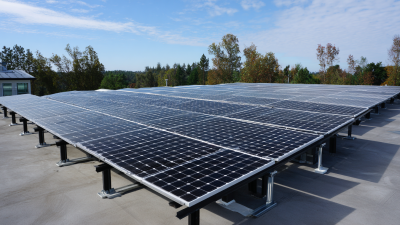
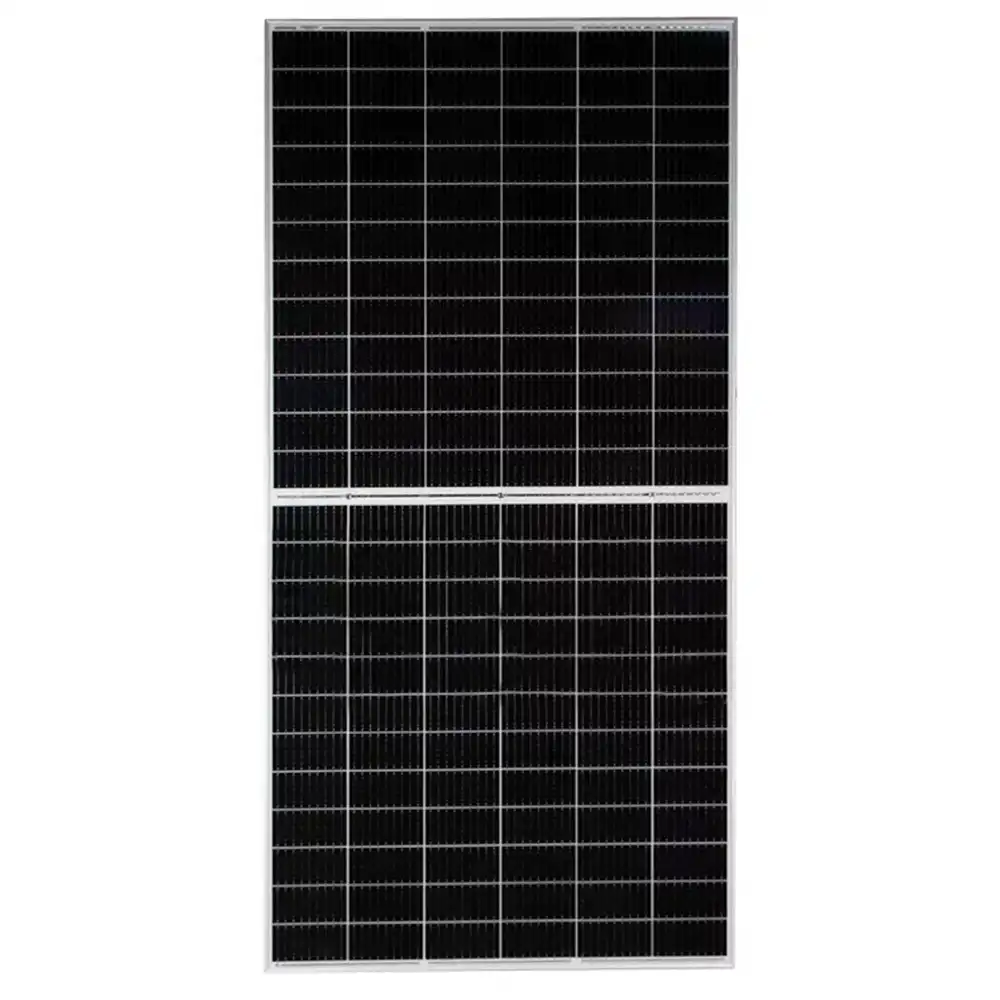
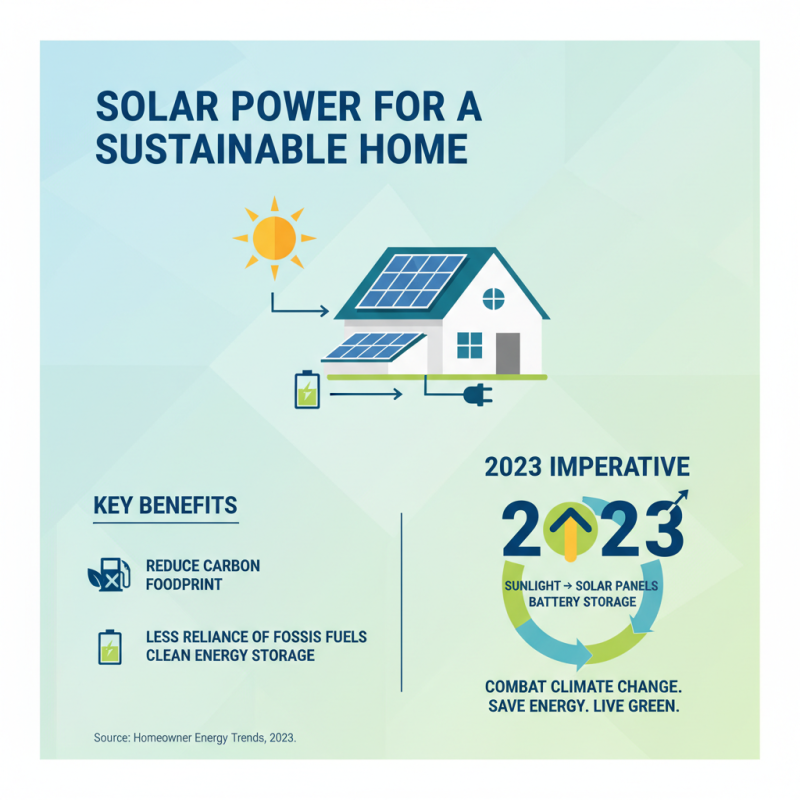
In 2023, the adoption of solar energy systems continues to rise as homeowners recognize the key advantages they offer. One of the most significant benefits is the reduction in energy bills. By harnessing sunlight, homeowners can produce their own electricity, which not only decreases monthly expenses but also provides a buffer against rising utility costs. Over time, this can lead to substantial savings, allowing households to allocate funds to other essential needs or desires.
Additionally, solar energy promotes environmental sustainability. Utilizing solar power reduces reliance on fossil fuels, thereby decreasing greenhouse gas emissions. Homeowners who switch to solar systems contribute to a cleaner environment and a more sustainable future. Furthermore, many regions offer incentives and rebates for solar installation, making it an even more attractive option for those looking to minimize their carbon footprint while reaping financial benefits. As the technology behind solar and battery systems continues to advance, homeowners can increasingly rely on these renewable energy sources for their everyday needs.
Top 10 Benefits of Solar and Battery Systems for Homeowners in 2023
Enhanced Energy Independence Through Solar and Battery Solutions
The transition to solar and battery systems is a pivotal move for homeowners seeking enhanced energy independence in 2023. According to the U.S. Energy Information Administration, residential solar energy generation could reach 36% of total electricity generation by 2030, allowing homeowners to significantly reduce their reliance on conventional power sources. With the added capability of battery storage, homeowners can store excess solar energy and use it during peak demand times or power outages, promoting greater self-sufficiency while minimizing dependence on the grid.
Moreover, the financial benefits of energy independence are compelling. A report by the National Renewable Energy Laboratory highlights that homeowners who invest in solar and battery systems can slash their energy bills by up to 70%, depending on their system size and local energy costs. In addition, the reliability of battery systems ensures that homeowners are insulated from spikes in energy prices, providing a predictable energy expense. As more homeowners embrace renewable energy systems, energy independence not only becomes a practical solution but also contributes to a sustainable future.
Cost Savings from Solar Installations and Battery Storage
In 2023, homeowners are increasingly turning to solar installations and battery storage systems not just for environmental benefits, but also for substantial cost savings. According to the Solar Energy Industries Association (SEIA), the average savings on electricity bills can range from 20% to 50%, depending on the size of the installation and local energy prices. Furthermore, with the continued decrease in solar installation costs—down by about 82% since 2010—homeowners are recognizing that going solar is more financially feasible than ever. Upfront investments are now complemented by incentives like tax credits and rebates, which can cover a significant portion of the initial costs.
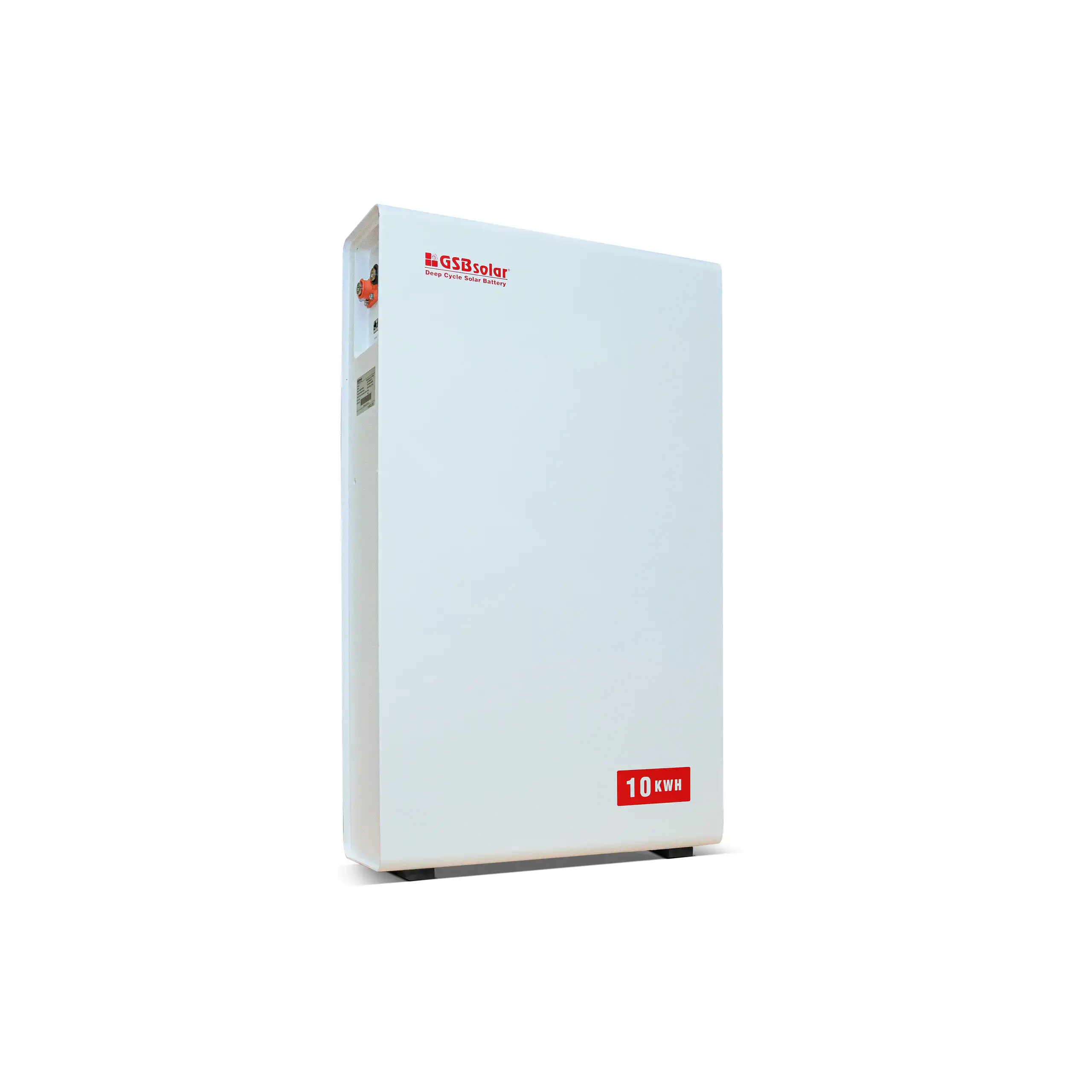
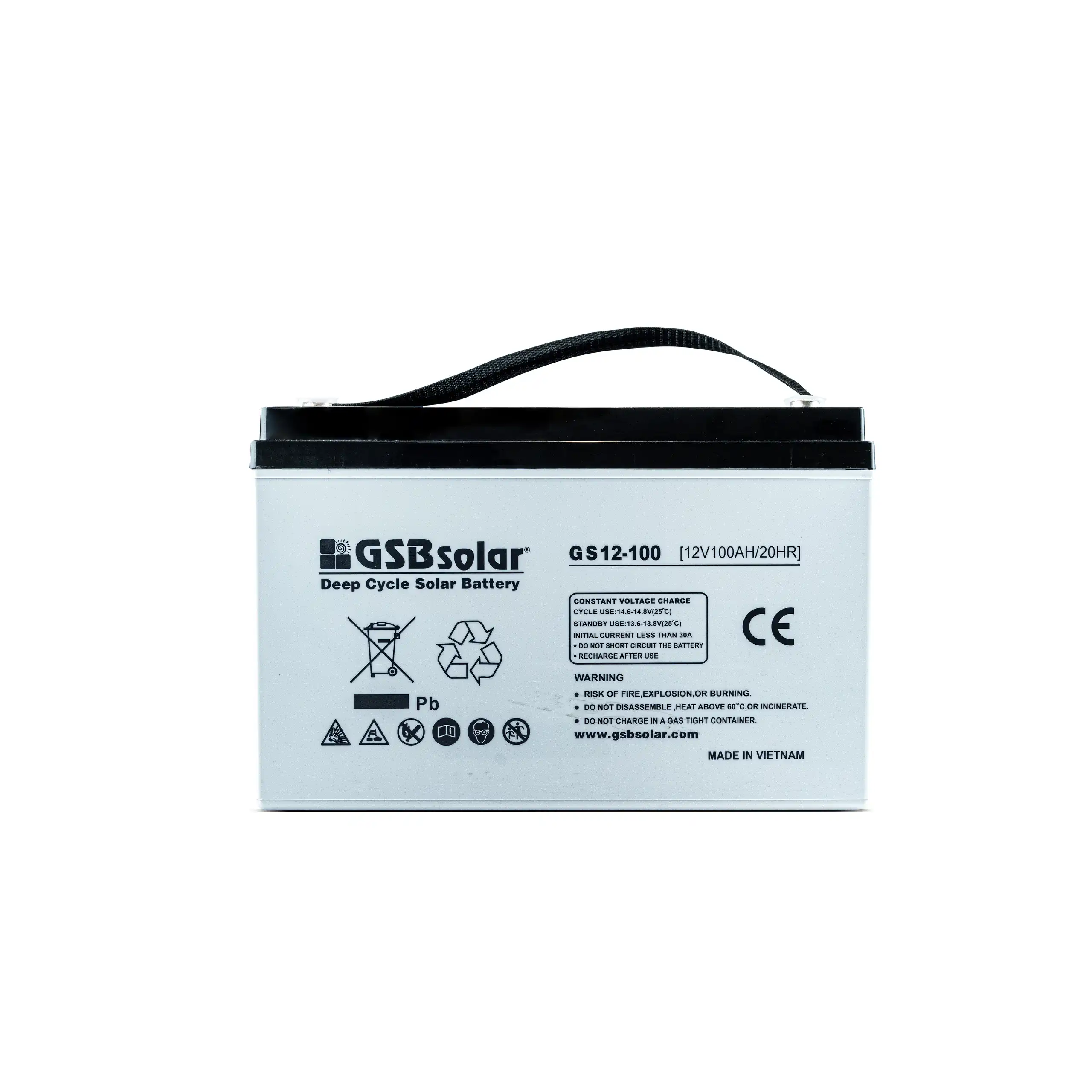
Battery storage systems enhance these savings by allowing homeowners to store excess solar energy generated during the day for use during peak hours or cloudy weather, reducing reliance on the grid. A study conducted by the National Renewable Energy Laboratory (NREL) highlights that integrating battery storage can lead to savings of up to $1,200 annually on energy bills in certain regions.
As utility rates continue to rise, the economic value of coupling solar with battery storage becomes increasingly apparent, solidifying the position of renewable energy technologies as not only a sustainable choice but also a smart financial decision for homeowners.
Environmental Impact: Reducing Carbon Footprint with Solar Power
The adoption of solar power systems has become increasingly essential for homeowners looking to minimize their environmental impact. By harnessing the sun's energy, solar panels significantly reduce reliance on fossil fuels, thereby decreasing greenhouse gas emissions. This transition not only aids in combating climate change but also promotes a more sustainable lifestyle. In 2023, the urgency to lower carbon footprints has driven many households to invest in solar energy and battery systems, allowing them to generate clean energy and store it for later use.
**Tips for Homeowners:**
To maximize the benefits of solar power, homeowners should consider conducting a thorough energy audit to identify areas where consumption can be reduced. Furthermore, pairing solar panels with battery storage systems enhances energy efficiency and ensures that power is available even during outages or periods of low sunlight. It's essential to explore local incentives and rebates as these can significantly offset initial installation costs, encouraging a quicker transition to renewable energy sources.
Integrating solar energy into your home not only leads to lower utility bills but also supports a cleaner environment. Homeowners can further amplify their efforts by adopting energy-efficient appliances and practices, such as using LED lighting and implementing smart home technology. These combined actions contribute to a substantial reduction in overall carbon emissions, fostering a greener future for generations to come.
Smart Technology Integration: Advancements in Solar and Battery Systems
The integration of smart technology into solar and battery systems has revolutionized the way homeowners harness and manage energy. Advanced monitoring systems enable users to track their energy production and consumption in real-time, providing detailed insights into their energy usage patterns. This data allows homeowners to optimize their energy consumption, reducing waste and enhancing efficiency. With smart home integration, these systems can communicate with other devices, automating functions such as peak energy usage management, which can significantly lower electricity bills.
Moreover, innovations in battery technology have led to improved storage solutions, enabling homeowners to store excess solar energy for use during peak times or outages. Smart batteries can intelligently manage energy reserves, deciding when to draw from the grid or when to use stored solar energy based on pricing and demand forecasts. This not only enhances energy independence but also contributes to a more resilient energy system. As these technologies continue to evolve, homeowners can expect even greater efficiency and reliability, making solar and battery systems an increasingly attractive option in 2023 and beyond.
Top 10 Benefits of Solar and Battery Systems for Homeowners in 2023
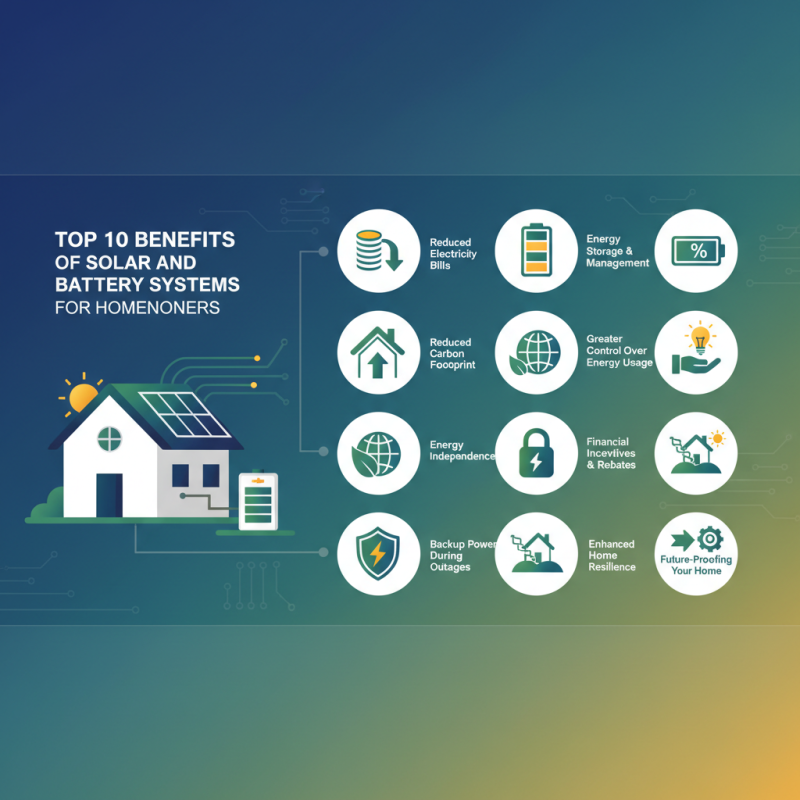
| Benefit |
Description |
Impact |
| Reduced Electricity Bills |
Solar panels generate electricity from sunlight, lowering reliance on the grid. |
Up to 70% reduction in electricity costs. |
| Energy Independence |
Homeowners can produce their own energy, mitigating effects of utility rate increases. |
Greater control over energy sources. |
| Environmental Impact |
Solar energy reduces carbon footprint and reliance on fossil fuels. |
Contributes to a cleaner environment. |
| Increased Property Value |
Homes with solar systems typically sell for more than those without. |
Up to 20% increase in property resale value. |
| Local Job Creation |
The solar industry creates numerous jobs in various sectors. |
Supports local economies and job markets. |
| Government Incentives |
Various tax credits and rebates available for solar installations. |
Reduction in upfront costs. |
| Battery Storage |
Battery systems store excess energy for use during outages or low production times. |
Enhanced energy reliability. |
| Smart Technology Integration |
Integration with home automation systems for better energy management. |
Optimized energy usage and efficiency. |
| Backup Power |
Battery systems provide power during outages. |
Peace of mind during emergencies. |
| Long-Term Savings |
Savings on energy costs over the lifespan of the solar system. |
Significant financial benefits over time. |