Top 10 Benefits of Solar Energy for Homeowners in 2023
As we venture deeper into 2023, the advantages of solar energy for homeowners continue to make waves in the renewable energy sector. According to Dr. Emily Sanders, a leading expert in solar technology, "Harnessing solar energy not only helps reduce utility costs but also contributes to a sustainable future for our planet." This sentiment resonates with many homeowners who are increasingly seeking eco-friendly solutions to reduce their carbon footprint while saving on energy expenses.
The top 10 benefits of solar energy highlight how this innovative power source transforms residential living. Beyond merely lowering electricity bills, solar energy systems offer long-term financial relief, increase property values, and provide energy independence. With the ongoing advancements in solar technology and government incentives, more homeowners are discovering the potential of solar energy to enhance their quality of life and promote environmental stewardship.
In a world grappling with climate change and escalating energy costs, transitioning to solar energy emerges as a promising solution. As the benefits continue to unfold, homeowners are not just investing in energy; they are investing in a cleaner, more sustainable future for generations to come.

Advantages of Solar Energy for Homeowners
Solar energy is becoming an increasingly popular choice for homeowners in 2023, primarily due to its numerous advantages that extend beyond just utility savings. One significant benefit is the reduction in energy costs. According to the Solar Energy Industries Association (SEIA), homeowners can save an average of $20,000 over the lifetime of their solar energy systems. Additionally, with the rising costs of conventional energy sources, solar panels provide a way to lock in energy prices and gain financial stability, making them an attractive investment.
Another compelling advantage is the positive environmental impact. The U.S. Department of Energy states that adopting solar energy can reduce an individual's carbon footprint by 80% or more. By transitioning to solar, homeowners contribute to decreasing greenhouse gas emissions and promoting a sustainable energy future. Furthermore, solar energy systems can increase property values significantly. A study by the National Renewable Energy Laboratory (NREL) found that homes with solar panels sell for an average of 4.1% more than comparable homes without them. This trend demonstrates not only the economic benefits but also the growing recognition of solar energy as a valuable asset in real estate.
Cost Savings Through Reduced Electric Bills
Homeowners are increasingly turning to solar energy as a sustainable way to power their homes, and one of the primary incentives for this shift is the potential for significant cost savings. By installing solar panels, homeowners can drastically reduce their electric bills, allowing them to allocate their money to other essential areas. The initial investment in solar technology is often offset by the long-term savings on utility costs, making it a financially wise decision for many families.
When considering solar energy, it’s important to evaluate your home’s energy consumption patterns. For instance, using energy-efficient appliances and optimizing your home's insulation can further amplify savings. Additionally, homeowners should explore available tax incentives or rebates that can reduce the upfront installation costs of solar systems. This makes the transition smoother and more affordable.
Moreover, utilizing smart home technology can help monitor energy use in real-time, allowing residents to shift their energy consumption to peak sunlight hours when solar power generation is at its highest. By being strategic about energy use and investing in solar power, homeowners not only reduce their bills but also contribute to a more sustainable future.
Top 10 Benefits of Solar Energy for Homeowners in 2023 - Cost Savings Through Reduced Electric Bills
| Benefit |
Description |
Potential Savings ($/Year) |
| Lower Electricity Bills |
Solar energy can significantly reduce monthly electric bills. |
$1,000 - $2,000 |
| Tax Credits |
Homeowners may qualify for federal and state solar tax credits. |
$1,500 - $5,000 |
| Increased Home Value |
Solar installations can increase property resale value. |
$15,000 - $25,000 |
| Low Maintenance Costs |
Solar panels require minimal maintenance. |
$100 - $300 |
| Energy Independence |
Solar power reduces reliance on grid-supplied energy. |
Variable* |
| Environmental Benefits |
Solar power reduces carbon footprint and environmental impact. |
N/A |
| Incentives and Rebates |
Many states offer rebates and incentives for solar installations. |
$500 - $3,000 |
| Grid Support |
Solar energy can aid local grids during peak demand times. |
N/A |
| Job Creation |
Investment in solar creates jobs in manufacturing and installation. |
N/A |
| Energy Storage Options |
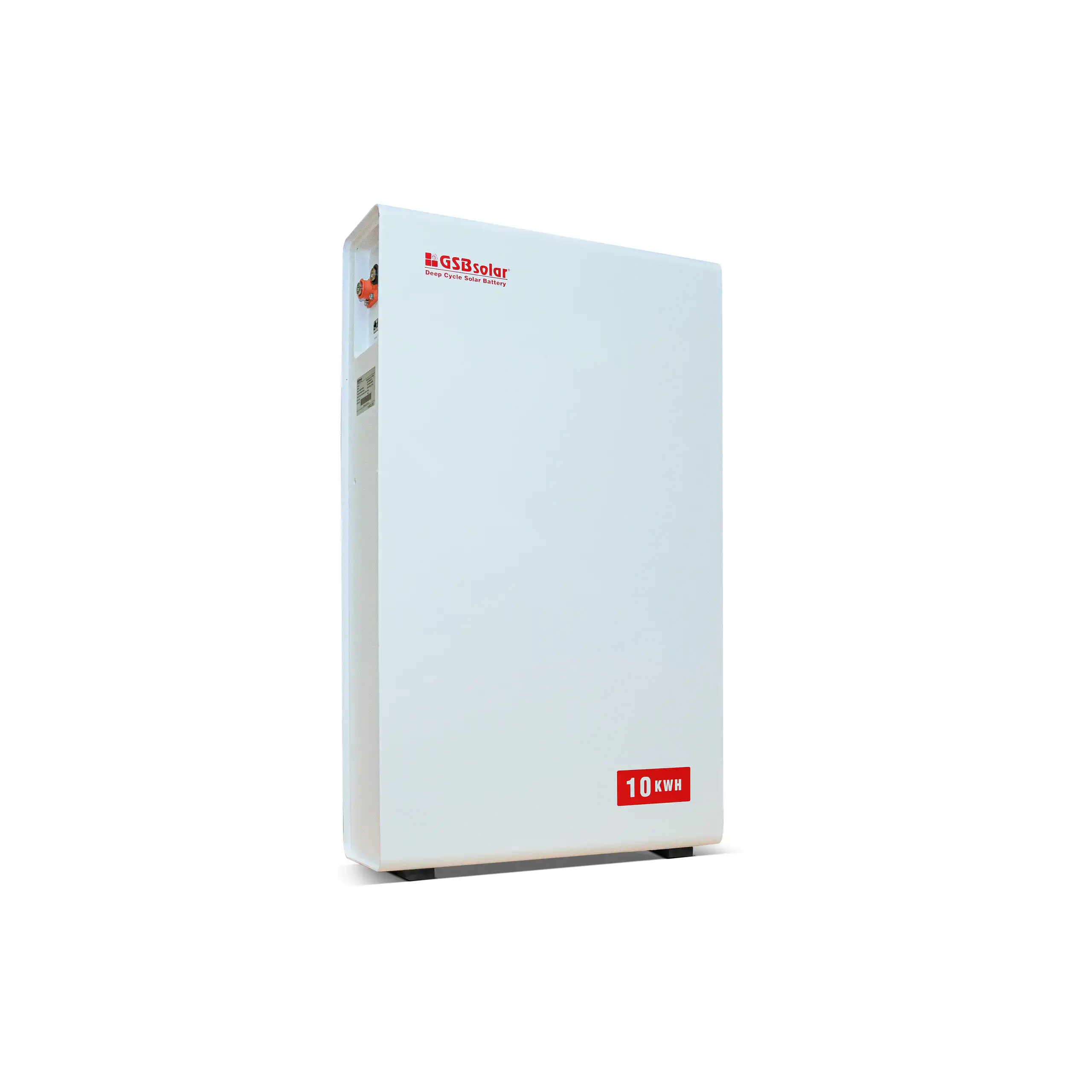
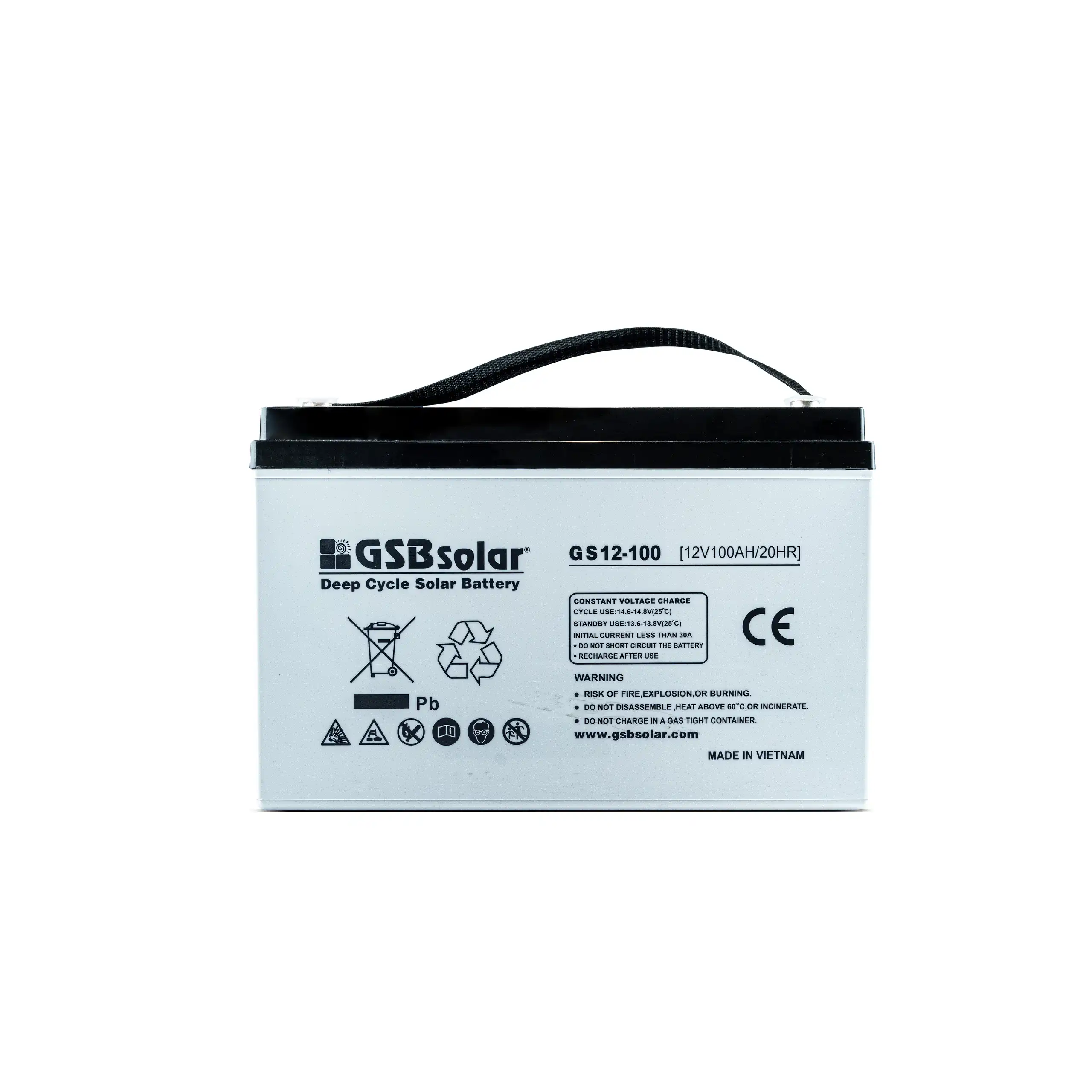
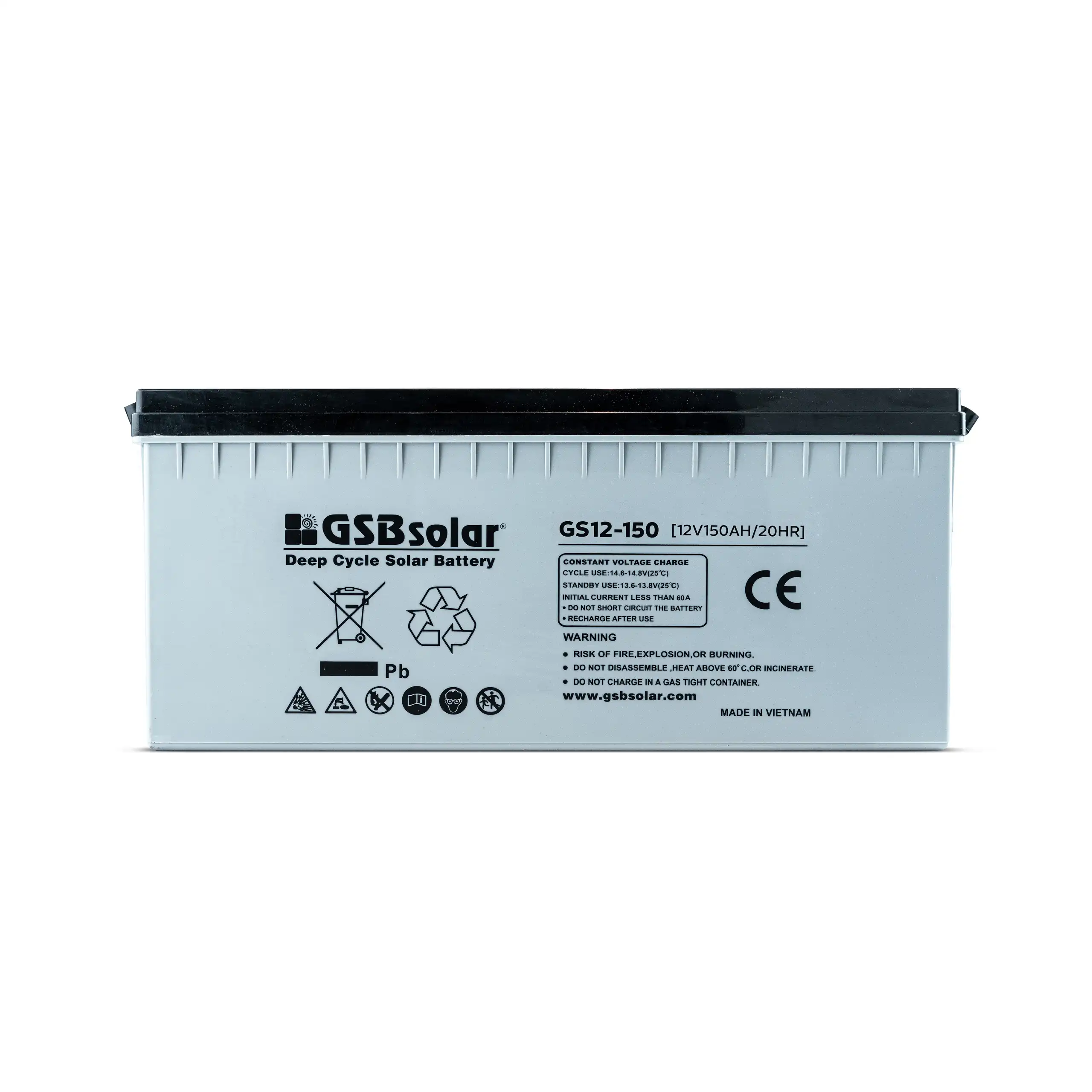
Homeowners can integrate battery storage for energy security. |
$300 - $1,200 |
Environmental Impact and Sustainability Benefits
Solar energy offers significant environmental and sustainability benefits for homeowners in 2023. By harnessing solar power, households can reduce their carbon footprint and contribute to a cleaner planet. Unlike fossil fuels, solar energy is a renewable resource that does not emit harmful greenhouse gases, thereby helping to combat climate change. The transition to solar power can lead to improved air quality, promoting better health for families and communities alike.
Tips for homeowners considering solar energy: Start by assessing your home's solar potential. Check the orientation and shading of your roof to determine the best placement for solar panels. Additionally, reducing energy consumption through energy-efficient appliances can maximize the benefits of your solar system.
Moreover, adopting solar energy contributes to a sustainable future by reducing dependence on non-renewable resources. It encourages the development of green technology and jobs in the renewable energy sector. Homeowners can also engage in local sustainability initiatives and advocate for policies that support clean energy adoption, further amplifying their positive impact on the environment.
Increase in Property Value with Solar Installations
The integration of solar energy into residential properties has become increasingly popular, and one of the most compelling advantages for homeowners in 2023 is the significant increase in property value that comes with solar installations.
Homes equipped with solar panels often command higher market prices compared to those without, as potential buyers are increasingly recognizing the benefits of energy efficiency and reduced electricity costs.
The installation of solar systems not only represents a commitment to sustainability but also delivers a tangible return on investment, making these homes more attractive to environmentally conscious buyers.
In addition to boosting resale value, solar installations enhance a home's appeal in a competitive real estate market.
Homebuyers are actively seeking properties that offer lower utility bills and less reliance on traditional energy sources.
Homes with solar energy systems signal to buyers that they will benefit from long-term savings and have a lower carbon footprint.
This demand drives property values upward, allowing homeowners to potentially recoup their installation costs and even profit from their investment when selling.
The growing interest in renewable energy solutions indicates that homes with solar systems will continue to be a desirable option for future buyers,
further solidifying their increasing worth in the housing market.
Government Incentives and Tax Benefits for Solar Users
In 2023, homeowners considering the transition to solar energy can greatly benefit from various government incentives and tax benefits designed to encourage the adoption of renewable energy sources. One of the most significant advantages is the federal solar tax credit, which allows homeowners to deduct a substantial percentage of their solar system's cost from their federal taxes. This tax incentive not only reduces the upfront investment required but also acts as a motivating factor for those hesitant about solar installation.
Additionally, many states offer their own incentives, including rebates, grants, and property tax exemptions for solar energy systems. These local initiatives can further alleviate the financial burden associated with installing solar panels. Some regions provide performance-based incentives that compensate homeowners for the electricity generated by their solar systems. With these combined benefits, homeowners can enhance their return on investment and contribute to a more sustainable future while enjoying reduced energy costs and increased home value.