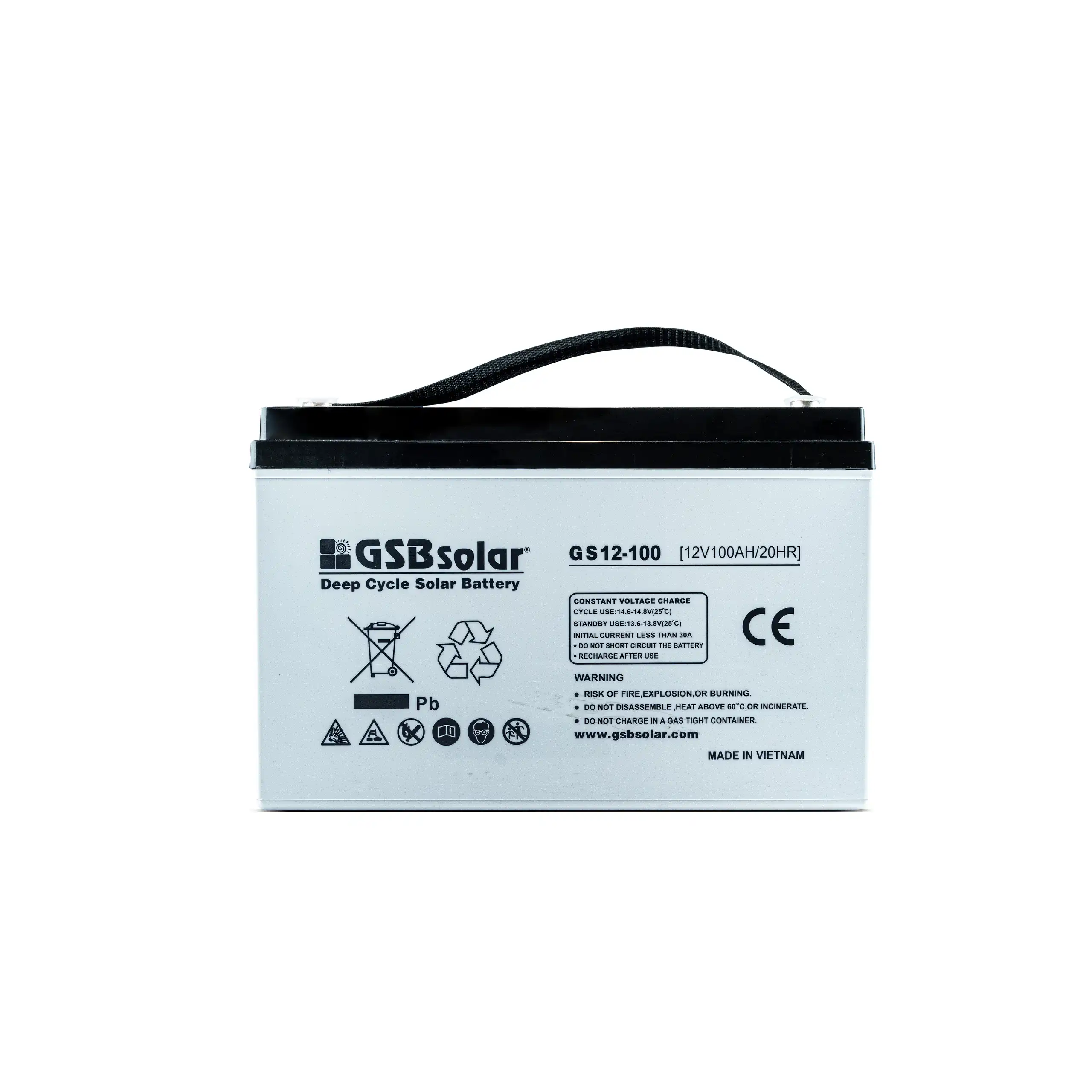
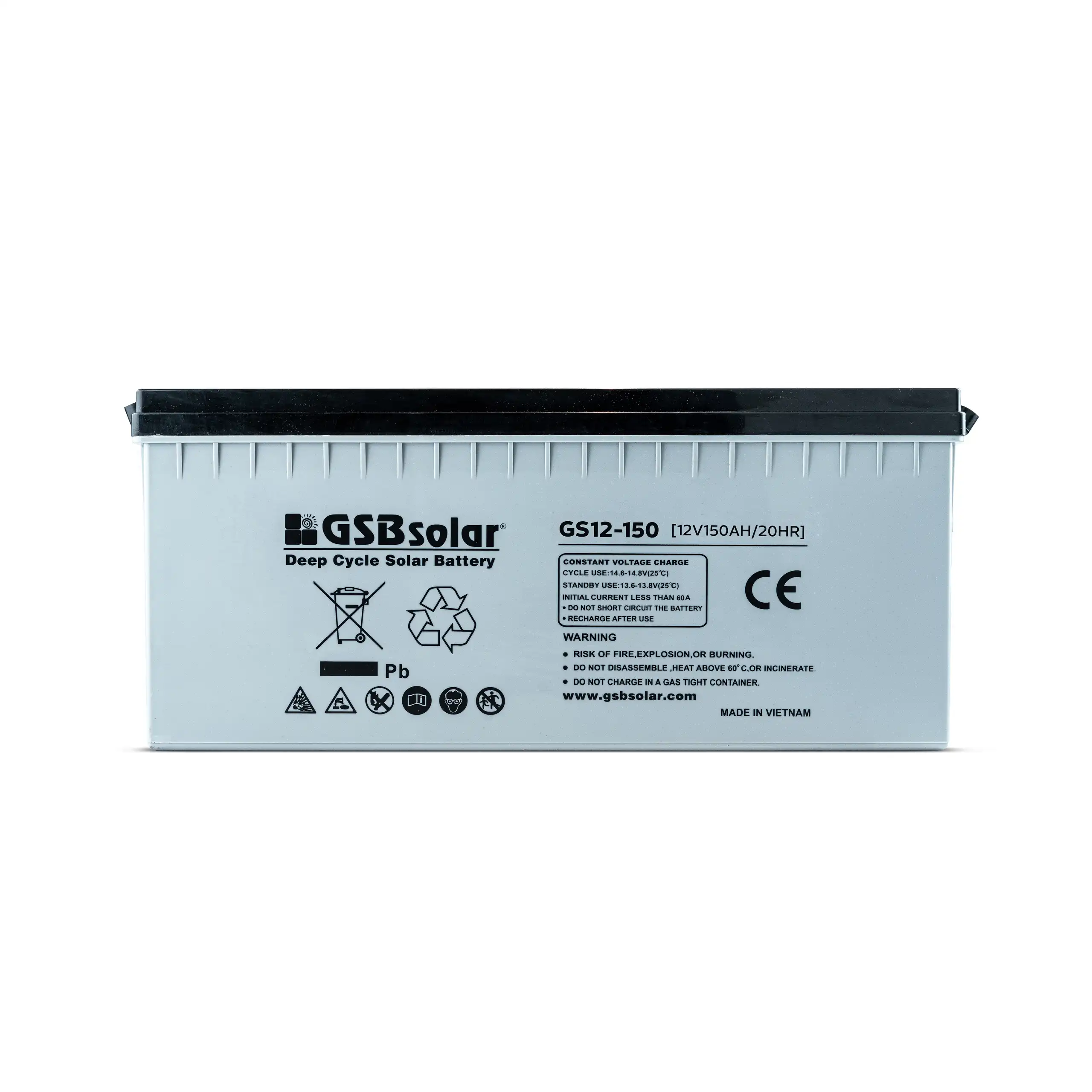
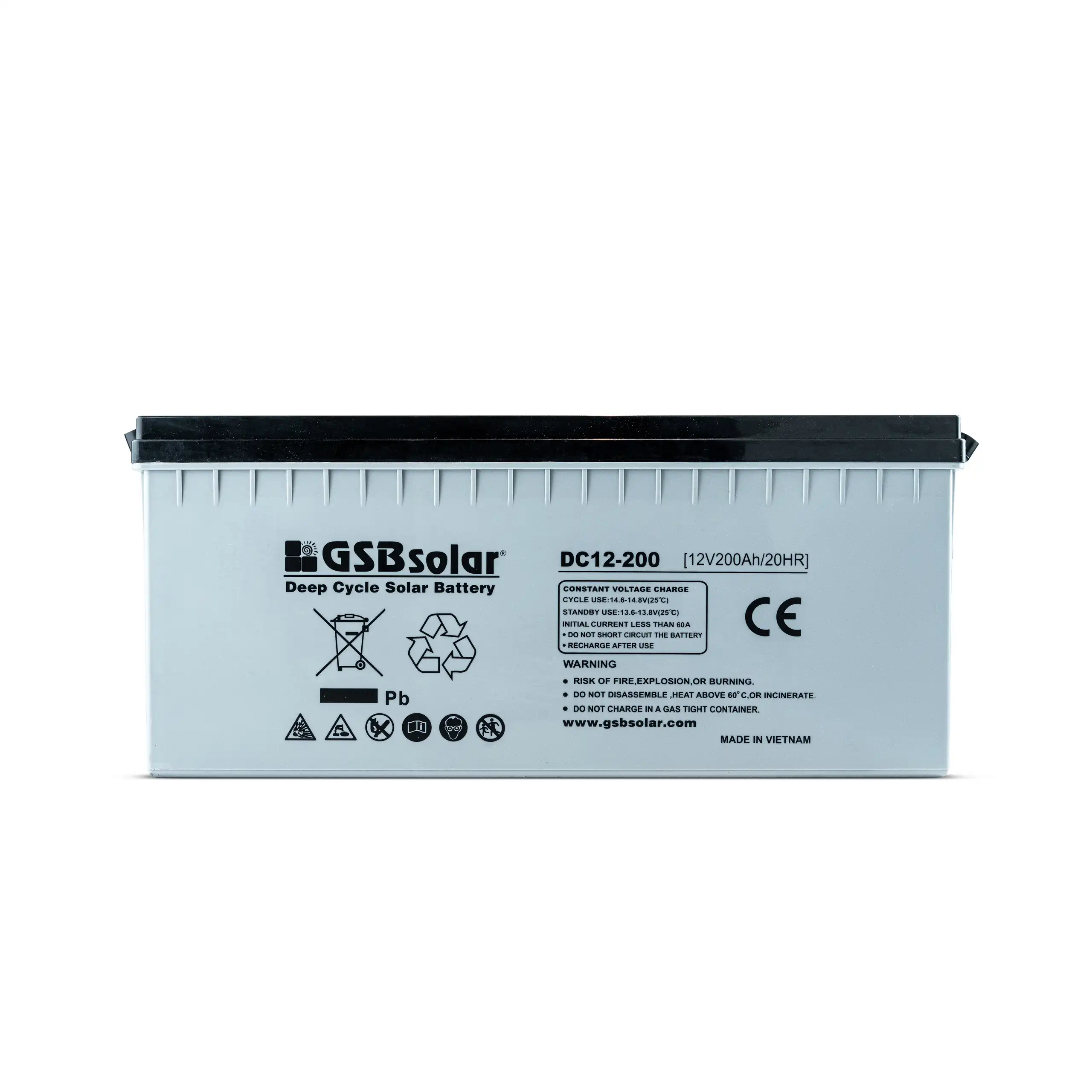
Best Battery for Solar System Tips for Optimal Performance?
The increasing demand for renewable energy has intensified the focus on efficient battery for solar system solutions. According to a report by the International Renewable Energy Agency (IRENA), global solar capacity reached 1,580 GW in 2020, showcasing immense growth. This rise in solar installations amplifies the need for reliable energy storage systems. Batteries play a vital role in optimizing solar efficiency.
Selecting the right battery type can significantly impact performance. Lithium-ion batteries dominate the market, making up over 80% of global storage capacity, as per BloombergNEF. However, not all batteries are created equal. Users often encounter challenges like longevity, cost, and efficiency. It’s crucial to consider factors such as cycle life and discharge rates when choosing a battery for solar system applications.
Optimizing battery usage doesn’t come without obstacles. Issues like overcharging, temperature sensitivity, and maintenance often arise. Overcoming these barriers can enhance performance and increase lifespan. Decision-makers must weigh options carefully, ensuring their battery choice aligns with their specific solar energy needs.
Understanding Battery Types for Solar Systems
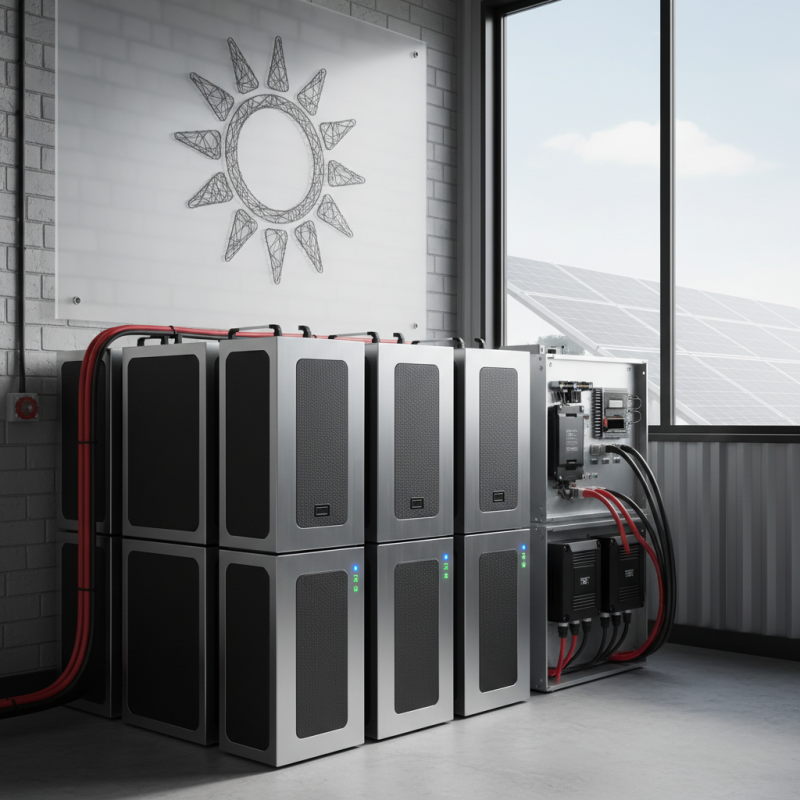
Understanding the right battery type for solar systems is crucial. Lithium-ion and lead-acid batteries are two common options. Lithium-ion batteries offer longer cycle life. They can last up to 10 years. In contrast, lead-acid batteries typically last about 3 to 5 years. This difference can influence long-term costs.
Efficiency plays a major role too. Lithium-ion batteries have a depth of discharge (DoD) of 80-90%. Lead-acid batteries, however, perform best at a 50% DoD. This means lithium-ion systems can utilize more energy from storage. A study showed that lithium-ion systems had a round-trip efficiency of around 95%. Lead-acid systems only reach about 70-80%.
However, lithium-ion batteries can be more expensive upfront. Storage capacity is another factor to consider. A household may require a minimum of 5 kWh for daily use. Oversizing can lead to additional costs. Choosing the right battery isn't just about current needs. It's also about future energy demands and potential lifestyle changes.
Best Battery for Solar System Tips for Optimal Performance
| Battery Type |
Cycle Life (Cycles) |
Depth of Discharge (%) |
Efficiency (%) |
Temperature Range (°C) |
| Lead Acid |
500 - 1,000 |
50 |
70 - 85 |
-20 to 50 |
| Lithium-ion |
2,000 - 5,000 |
80 - 100 |
90 - 95 |
-20 to 60 |
| Nickel-Cadmium |
1,000 - 2,000 |
100 |
70 - 85 |
-20 to 40 |
| Sodium-ion |
1,000 - 3,000 |
90 |
80 - 90 |
-20 to 55 |
Factors to Consider When Choosing Solar Batteries
Choosing the right solar battery is crucial for efficiency. Several factors come into play.
First, consider the battery capacity. It should match your energy needs. Too small, and you’ll frequently run out of power. Too large, and you may waste resources.
Next, look at the battery's lifespan. A good solar battery lasts for years, but not all batteries are created equal. Some may degrade faster, especially in extreme temperatures. It's essential to understand the warranty terms. A lengthy warranty reflects the manufacturer's confidence.
Finally, think about the charging speed. Some batteries charge quickly, while others take longer. This difference can impact your overall energy management. Reflect on your daily usage patterns. You want a battery that aligns with your lifestyle and energy requirements.
Optimal Placement and Installation for Solar Batteries
Optimal placement and installation of solar batteries largely dictates their performance and lifespan. Studies suggest that positioning batteries in cooler, well-ventilated areas can enhance efficiency. Ideally, temperatures between 20-25°C are considered optimal for battery operation. Exceeding this range can significantly reduce capacity and longevity. Also, placing batteries close to solar panels reduces energy loss during transmission. It’s key to minimize the length of cables used to connect them.
Installation angle also matters in this context. A slight tilt, ideally around 15 degrees, can promote better airflow and reduce heat buildup. Not all spaces provide the perfect environment. Some setups may end up in attics or poorly ventilated rooms. This could lead to overheating and power loss. In fact, a report from the National Renewable Energy Laboratory highlights that poor thermal management can decrease battery efficiency by up to 30%. Therefore, careful consideration should be given to the installation location.
Regular maintenance checks are essential as well. Many overlook the fact that dust and dirt can accumulate, compromising airflow around batteries. Ensuring cleanliness can prevent undesirable temperature spikes. Attention to these details makes a significant difference in harnessing solar energy effectively. Monitoring the environment constantly can provide invaluable insights into battery performance. This approach is crucial for optimizing any solar energy system.
Maintenance Tips for Maximizing Solar Battery Performance
Proper maintenance is crucial for maximizing solar battery performance. Regularly check the battery's water levels if you have flooded lead-acid batteries. Low water levels can reduce battery life significantly. Ensure the terminals are clean and free of corrosion. Dirty terminals can lead to poor connections and inefficient energy transfer.
Rotate your battery usage if you have multiple batteries. This helps equalize the wear and tear across all units. Monitor the battery's temperature regularly. Extreme temperatures can impact performance and longevity. Keep your batteries in a shaded area to avoid overheating during the day.
Wind and weather can affect battery performance too. Protecting them from the elements can extend their lifespan. Observe the charging cycles; overcharging or deep discharging can cause damage. A balanced charging routine is essential for optimal performance. Remember, consistent monitoring can reveal issues before they become significant problems.
Monitoring and Upgrading Your Solar Battery System
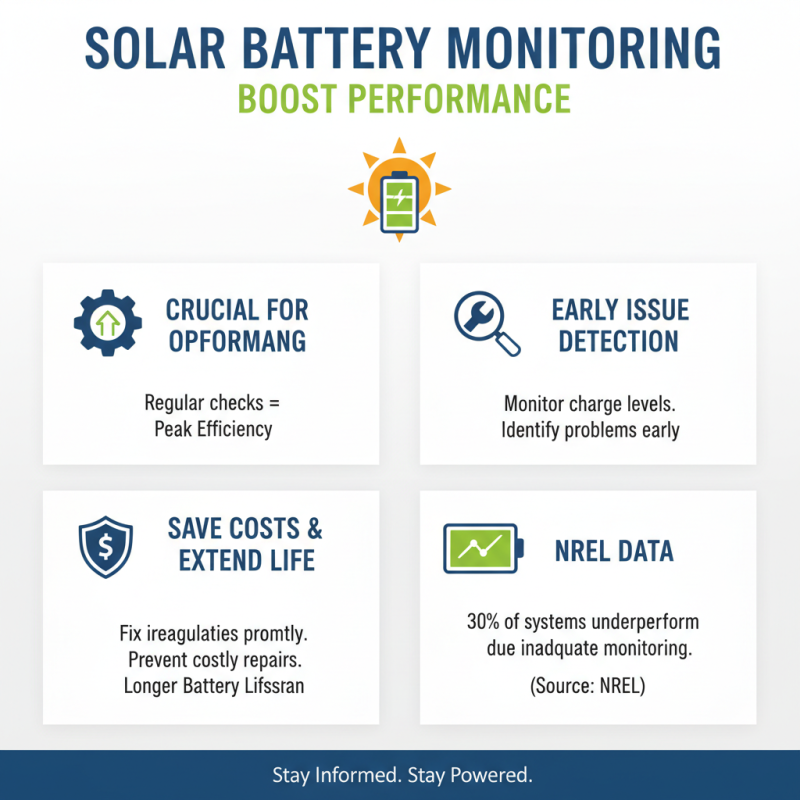
Monitoring your solar battery system is crucial for achieving optimal performance. Regular checks on charge levels help in identifying potential issues early. According to the National Renewable Energy Laboratory, around 30% of solar battery systems underperform due to inadequate monitoring. Noticing irregularities can save costs and extend battery life.
Upgrading is another aspect to consider. Technology advances rapidly, making older systems less efficient. Upgrading to newer battery technology can improve performance significantly. Reports show that newer lithium-ion batteries can be up to 30% more efficient than traditional models. However, upgrades come with challenges. Compatibility issues may arise when integrating new systems with existing infrastructure, which can lead to frustration.
Additionally, maintaining the right temperature is essential. Batteries perform best between 20°C to 25°C. Extreme temperatures can lead to reduced capacity. Adapting monitoring tools to include temperature metrics can provide insights into how environmental factors affect your system. Keeping an eye on these specifics can help prevent potential failures and ensure you get the most from your solar investment.