What is the Best Battery for Solar Systems?
In the quest for sustainable energy, choosing the right battery for solar systems is crucial. Renowned expert Dr. Emily Carter notes, "A reliable battery can maximize solar energy use." This insight highlights the importance of making informed choices. Solar systems require effective energy storage to ensure efficiency and reliability.
Various options exist in the battery market. Lithium-ion batteries are popular due to their high energy density and long lifespan. However, other types like lead-acid batteries still hold significance. Each option has its pros and cons, making the selection process complex.
Some users find lithium batteries too costly. Others encounter challenges with maintenance in traditional batteries. Organizations and homeowners alike must assess their unique needs. Balancing budget constraints with energy requirements can be challenging. The right battery for solar system can greatly enhance overall efficiency and sustainability.
Types of Batteries Used in Solar Energy Systems
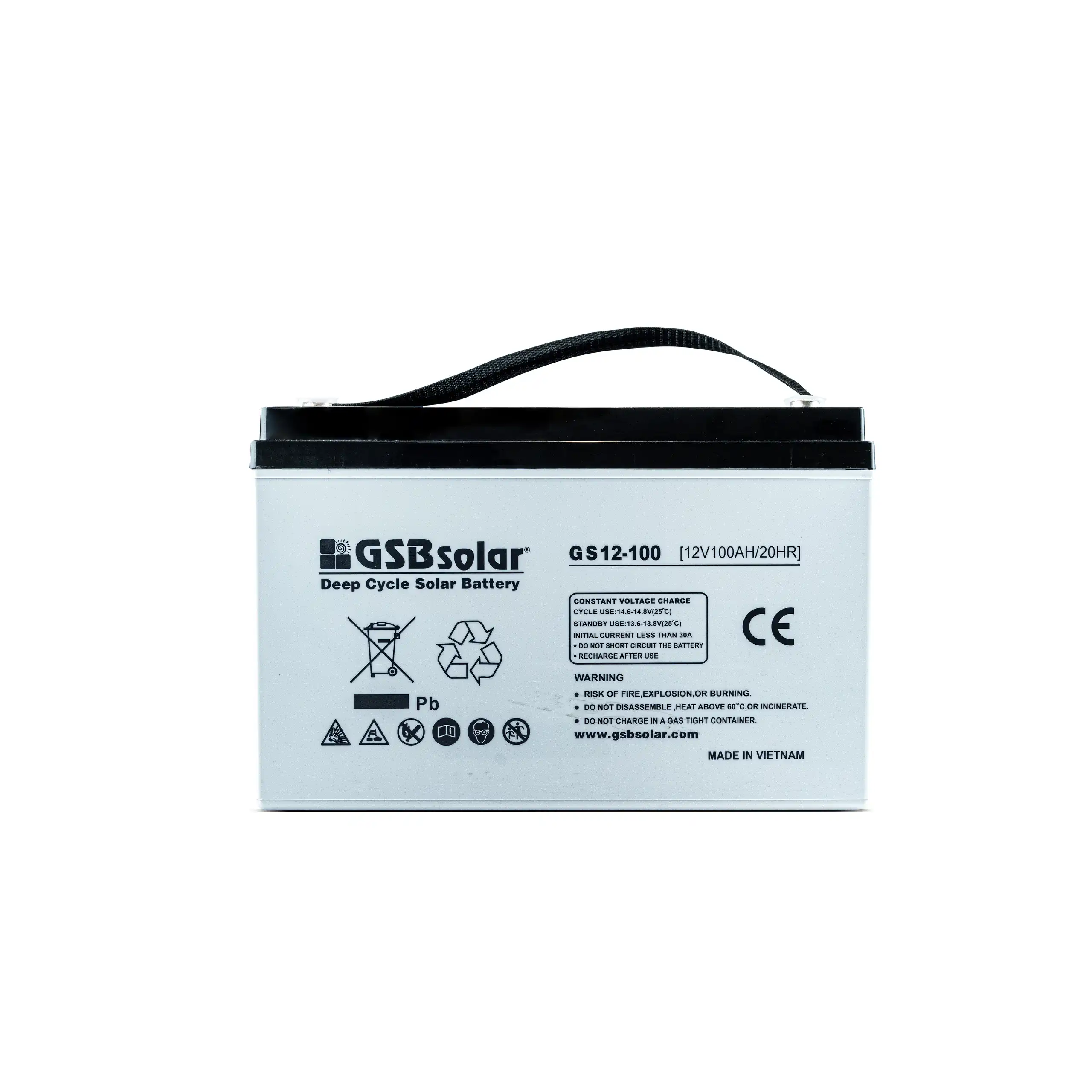
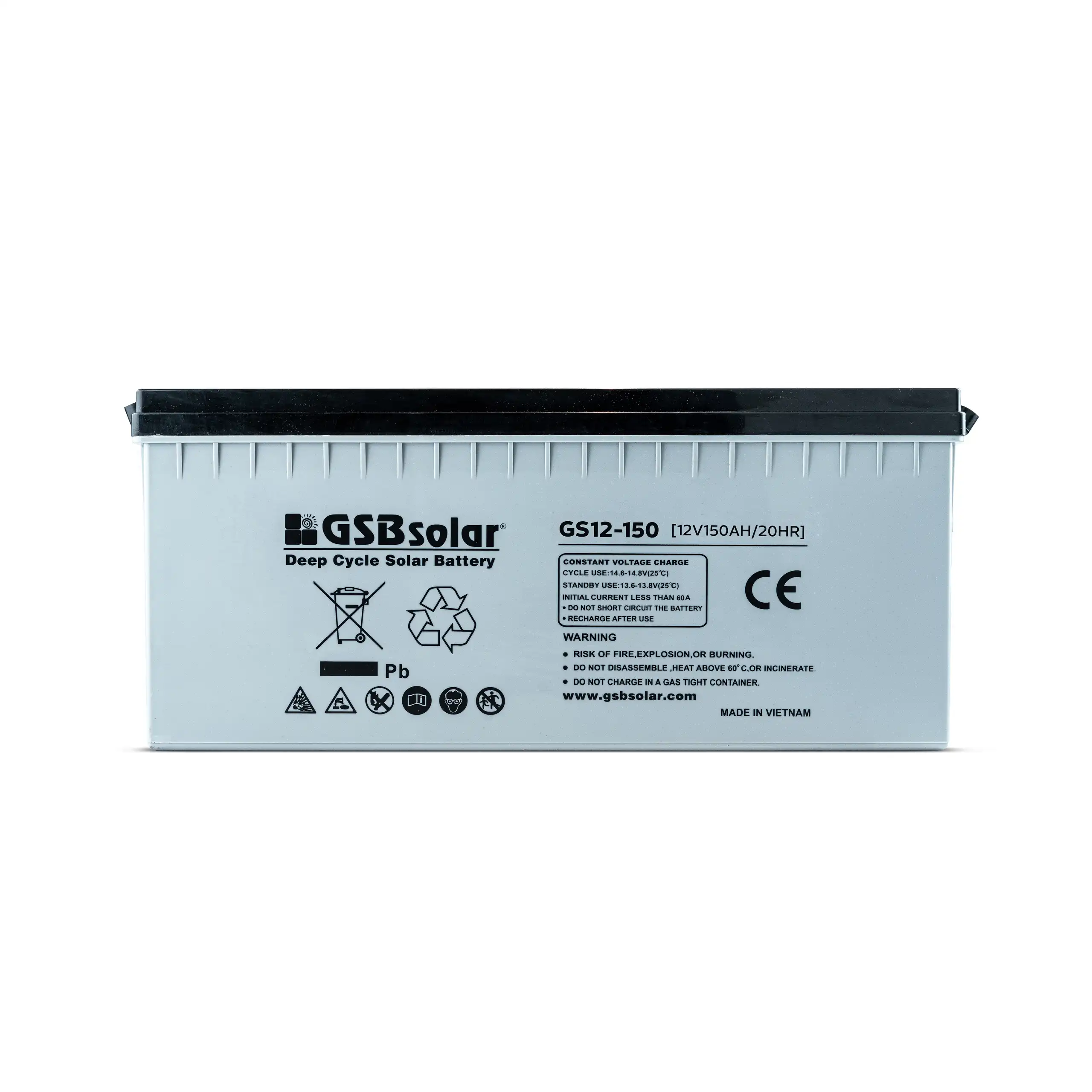
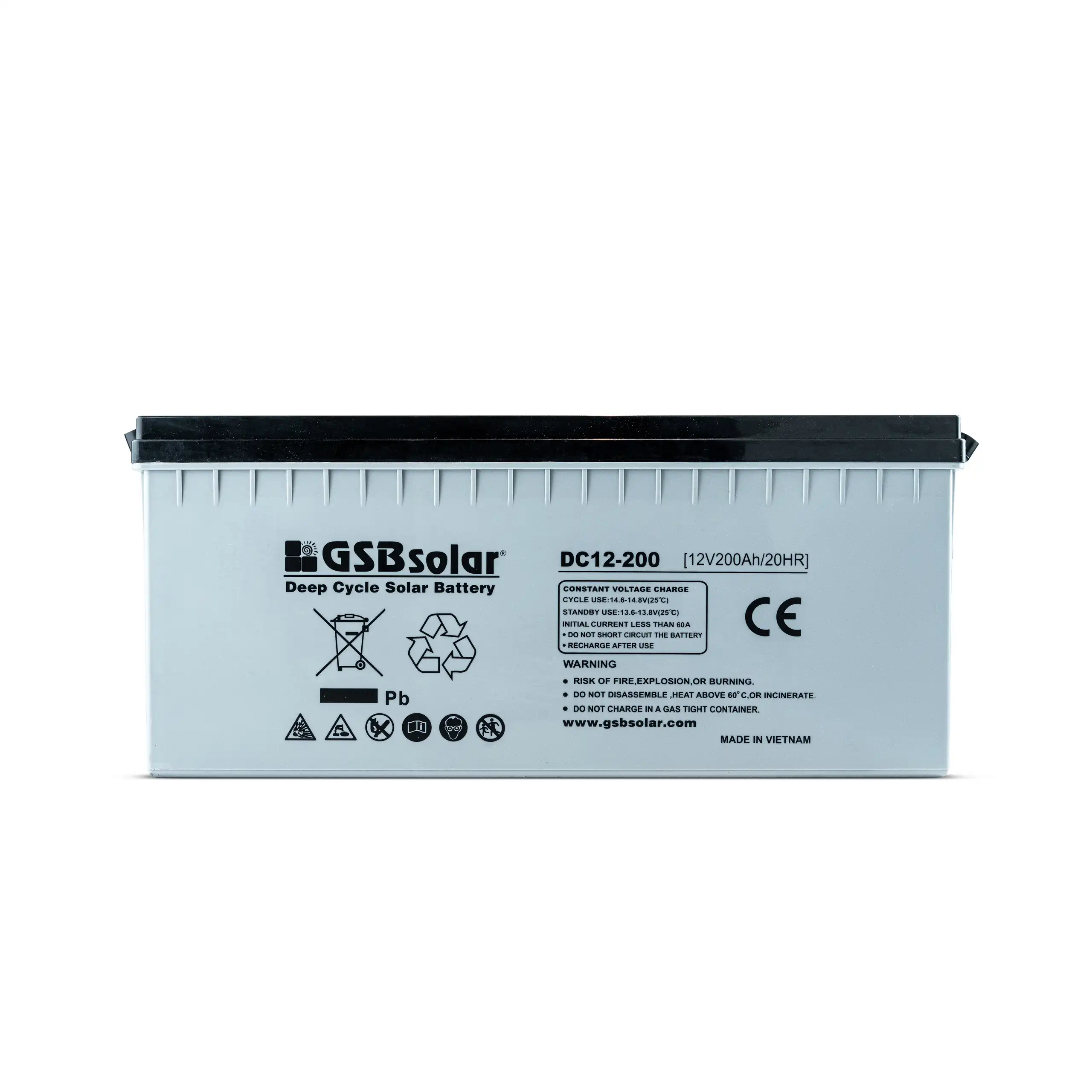
When considering solar systems, exploring battery types is essential. Various batteries support solar energy storage, each with distinct features. Lead-acid batteries are common due to their cost-effectiveness. They have a shorter lifespan and lower efficiency compared to others, but they are still widely used.
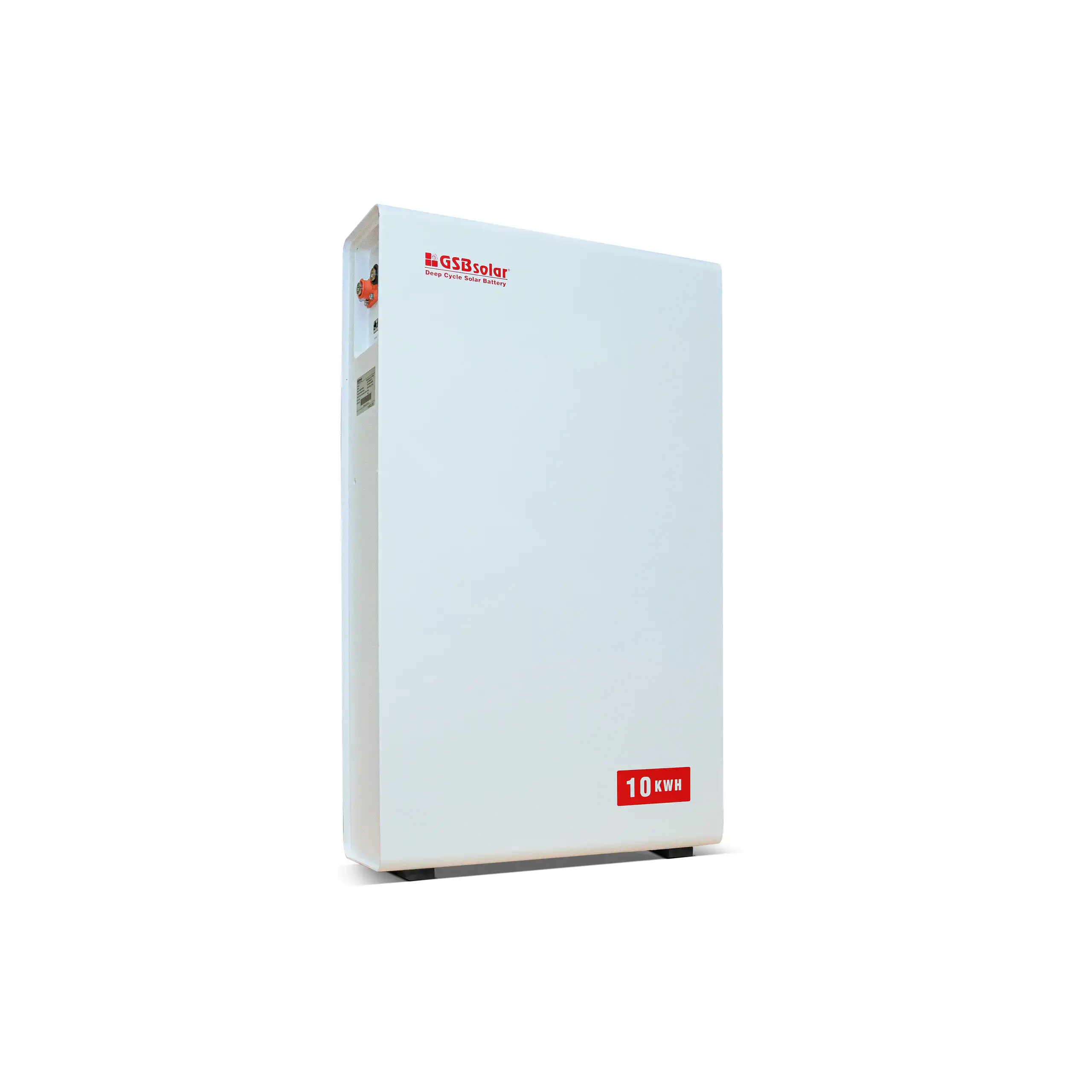
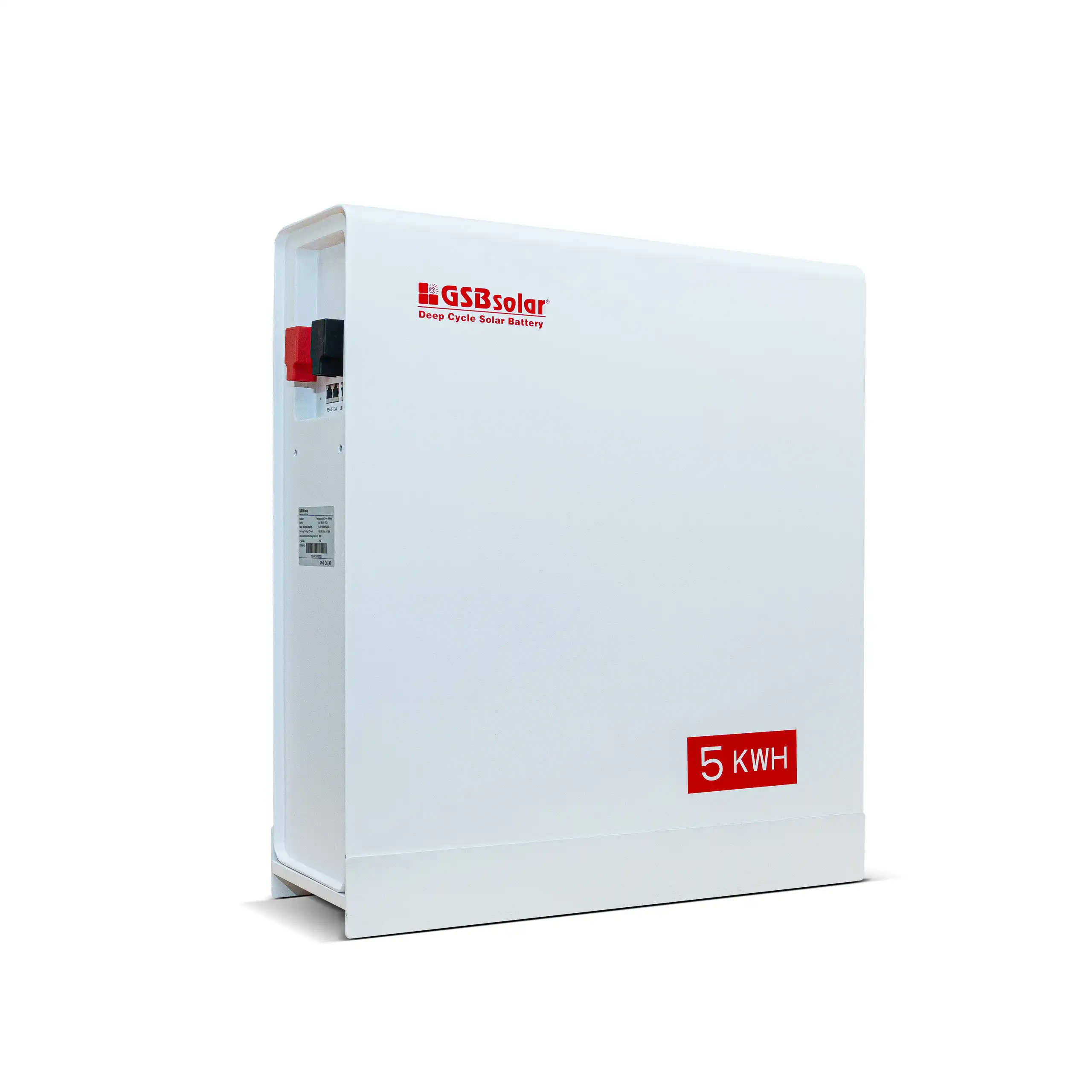
Lithium-ion batteries are gaining popularity. They are lightweight and have a longer life. Their efficiency in energy storage is notable. However, they can be expensive and require careful management. Understanding the pros and cons of these batteries is vital for effective solar energy usage.
Tips: Always evaluate your energy needs before choosing a battery. Monitor battery health regularly. Storage capacity is key, but don’t overlook maintenance requirements. Be aware that some users find it challenging to gauge battery life accurately. Ensure you choose a battery that fits your specific solar setup and energy consumption.
Factors to Consider When Choosing Solar Batteries
Choosing the right battery for solar systems is crucial. One primary factor to consider is the battery type. Lithium-ion and lead-acid are popular choices. Lithium batteries tend to have a longer lifespan and better efficiency. However, they come at a higher initial cost. On the other hand, lead-acid batteries are more affordable but may require replacement sooner.
Capacity is another essential element. Look for batteries that match your energy needs. Assess your daily usage and peak loads. You need enough storage to cover periods without sunlight. Pay attention to depth of discharge as well. Some batteries can only be discharged partially. This affects their overall lifespan and efficiency.
Maintenance requirements also matter. Some batteries need regular checks and water filling. Others are maintenance-free. Think about how much effort you're willing to invest. Lastly, consider warranties and performance ratings. A good warranty can be a safety net. It shows the manufacturer's confidence in their product. Reflect on all these factors carefully. They can significantly impact your solar system's efficiency and reliability.
What is the Best Battery for Solar Systems? - Factors to Consider When Choosing Solar Batteries
| Battery Type |
Capacity (Ah) |
Lifespan (Years) |
Depth of Discharge (%) |
Efficiency (%) |
Cost ($) |
| Lead-Acid |
100 |
5 |
50 |
80 |
150 |
| Lithium-ion |
100 |
10 |
80 |
95 |
800 |
| Nickel Cadmium |
100 |
15 |
100 |
70 |
600 |
| Flow Battery |
100 |
20 |
100 |
75 |
400 |
| Sodium-Ion |
100 |
10 |
80 |
85 |
300 |
Comparison of Lead-Acid and Lithium-Ion Batteries
When choosing a battery for solar systems, lead-acid and lithium-ion batteries are two popular options.
Lead-acid batteries are often cheaper. They have been around for decades. However, they require regular maintenance and have a shorter lifespan.
Most lead-acid batteries last about five to seven years.
Lithium-ion batteries, on the other hand, offer superior performance. They are lightweight and have a longer lifespan, often exceeding ten years.
They can cycle more times without losing capacity. Yet, their initial cost can be a barrier.
This higher upfront investment can be hard to justify for some users.
Both options have their pros and cons.
Lead-acid batteries offer reliability but at the cost of longevity and efficiency.
Lithium-ion batteries shine in performance but can be pricey.
Users need to weigh these factors carefully. Choosing the right battery requires real consideration of individual needs and budgets.
Top Brands and Models for Solar Batteries in 2023
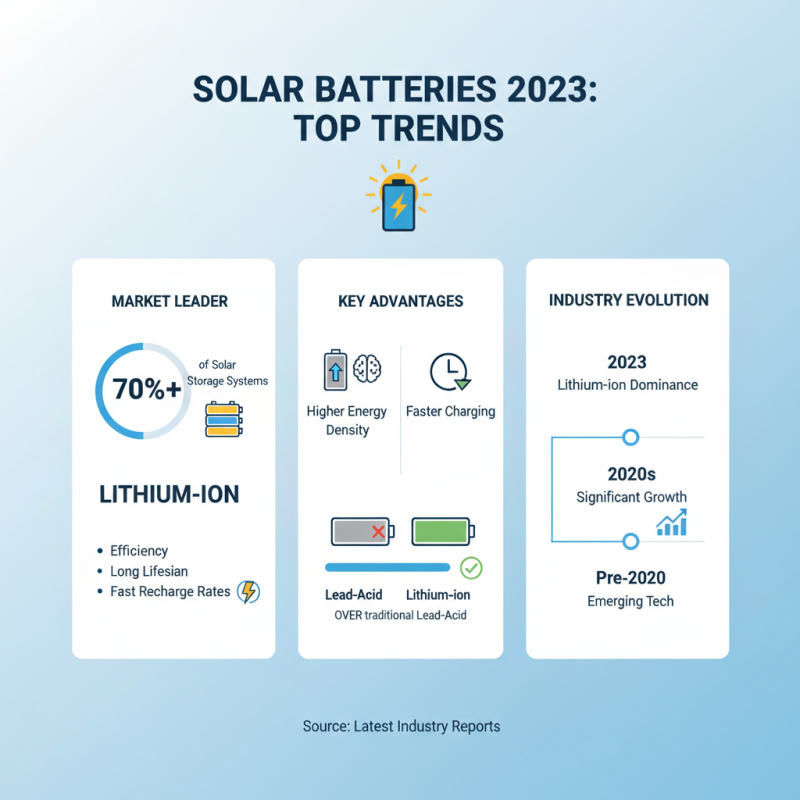
When considering solar batteries in 2023, several top brands and models stand out. The energy storage sector has significantly evolved, with lithium-ion batteries currently leading the market. According to the latest industry reports, these batteries now account for over 70% of solar storage systems. Their efficiency, lifespan, and recharge rates have made them the ideal choice for many homeowners. They offer distinct advantages over traditional lead-acid batteries, such as higher energy density and faster charging times.
While there are many excellent options available, it's crucial to evaluate their capacity and performance. Some models deliver more than 15 kWh of usable energy. However, users often report limitations in their cycling efficiency, which can be a vital factor in overall satisfaction. Additionally, with prices ranging dramatically, assessing cost per watt-hour is essential. Some lower-cost brands may compromise on longevity or reliability.
Battery management systems are also crucial. They ensure safe operation and optimal performance but can add to the complexity. Reports indicate that nearly 40% of users have experienced issues with battery integration into their setups. This highlights the need for thorough research and perhaps professional consultations. Balancing cost, performance, and durability is key in making a wise investment in solar batteries this year.
Maintenance Tips for Improving Solar Battery Longevity
Maintaining solar batteries is essential for maximizing their lifespan. A recent report highlights that proper care can increase battery longevity by up to 50%. Regular maintenance checks are crucial. Clean terminals help prevent corrosion, which can lead to inefficiency. Inspect cables for wear or damage. Replace them if necessary.
Temperature control is vital. Batteries perform best within a specific range, typically between 20°C to 25°C. Extreme temperatures, hot or cold, can significantly affect battery performance. For instance, in temperatures above 30°C, battery life may reduce by 20%. Using battery management systems can help monitor these conditions.
Charge cycles are another critical factor. Deep discharges can shorten battery life. Aim to keep batteries charged between 20% to 80%. This range helps maintain optimal health. Yet, it can be easy to overlook this routine. An awareness of these maintenance practices can yield better system efficiency. Stay vigilant, and your solar battery can serve you well for years.
Solar Battery Types and Their Average Lifespan