What is the Best Solar Inverter for Home Use?
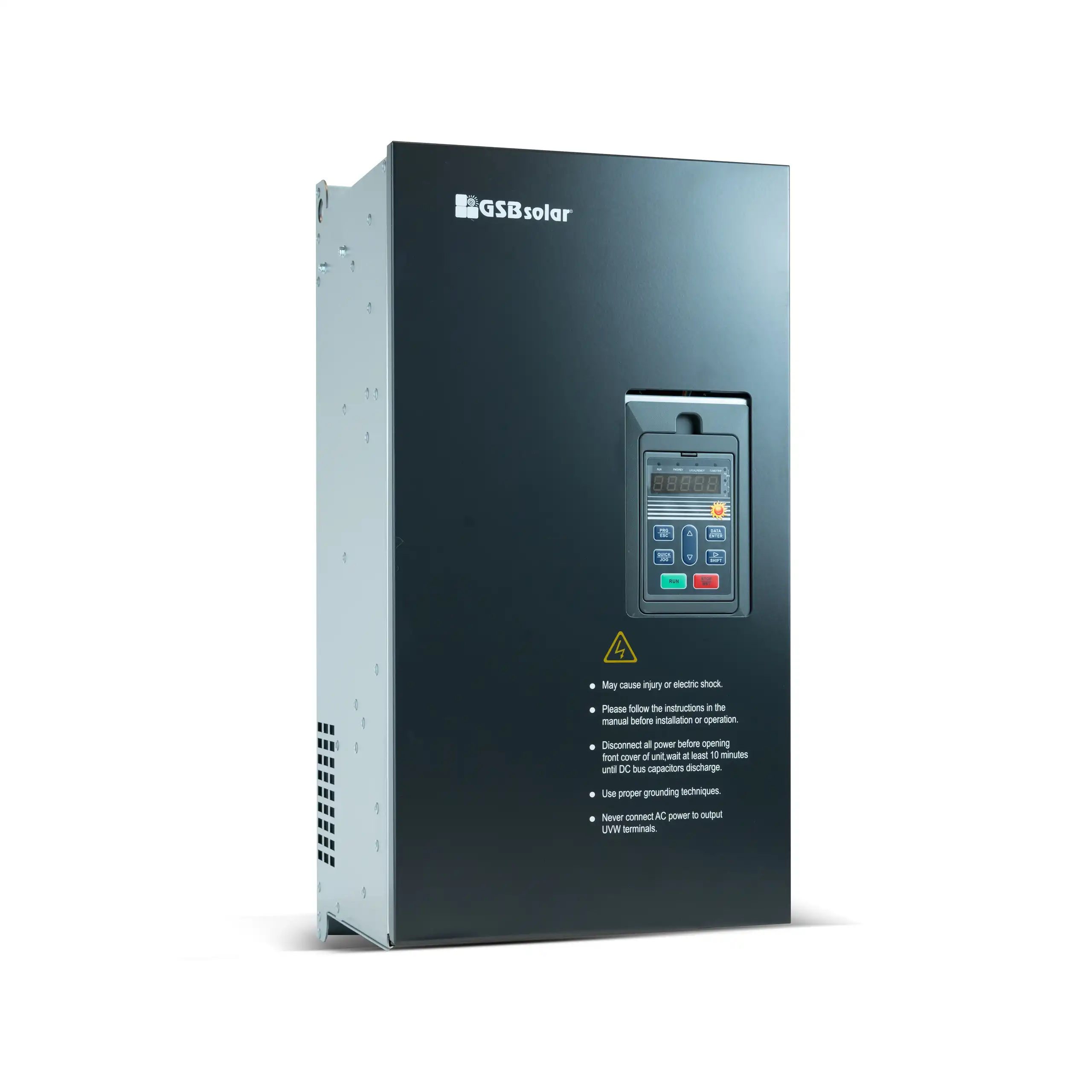
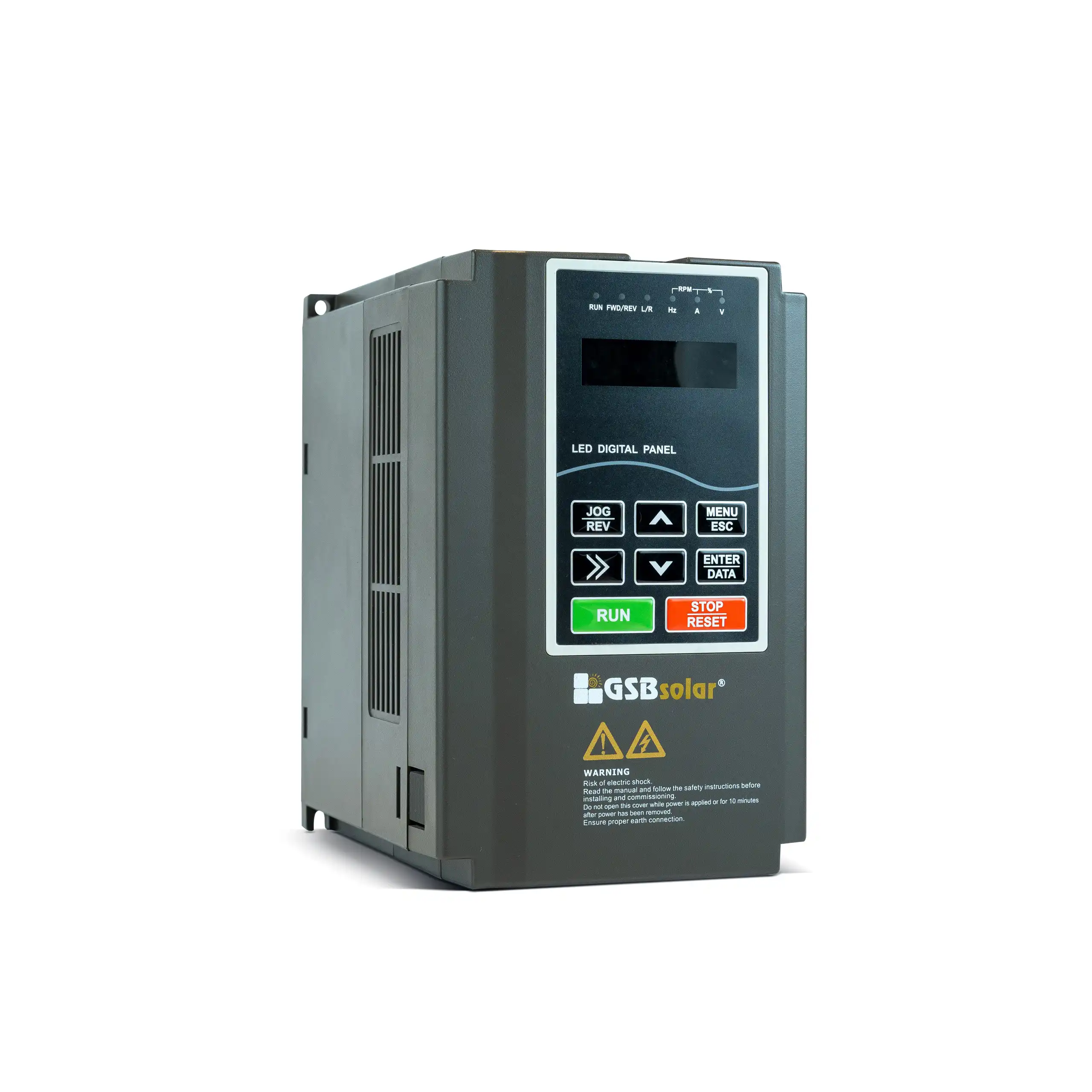
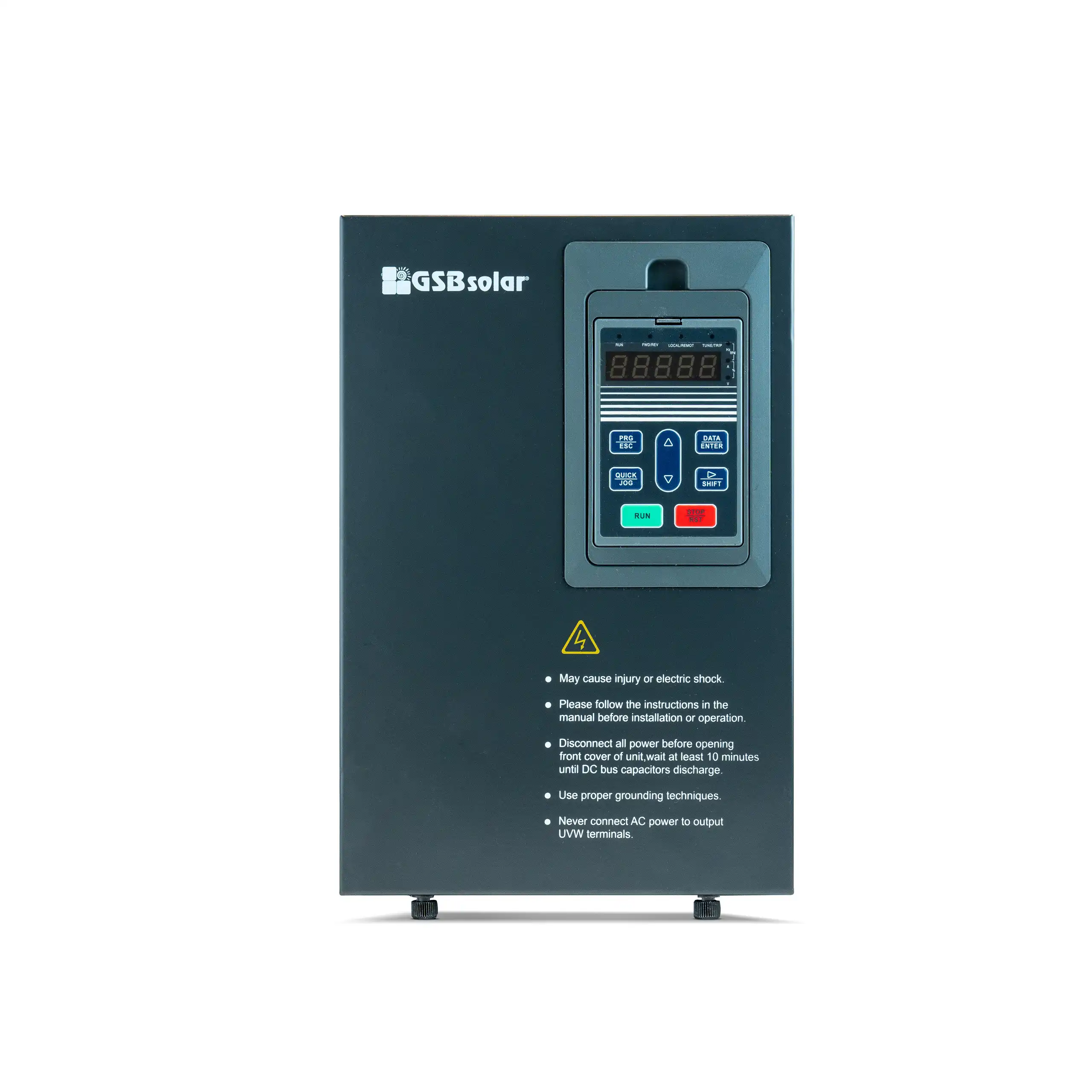
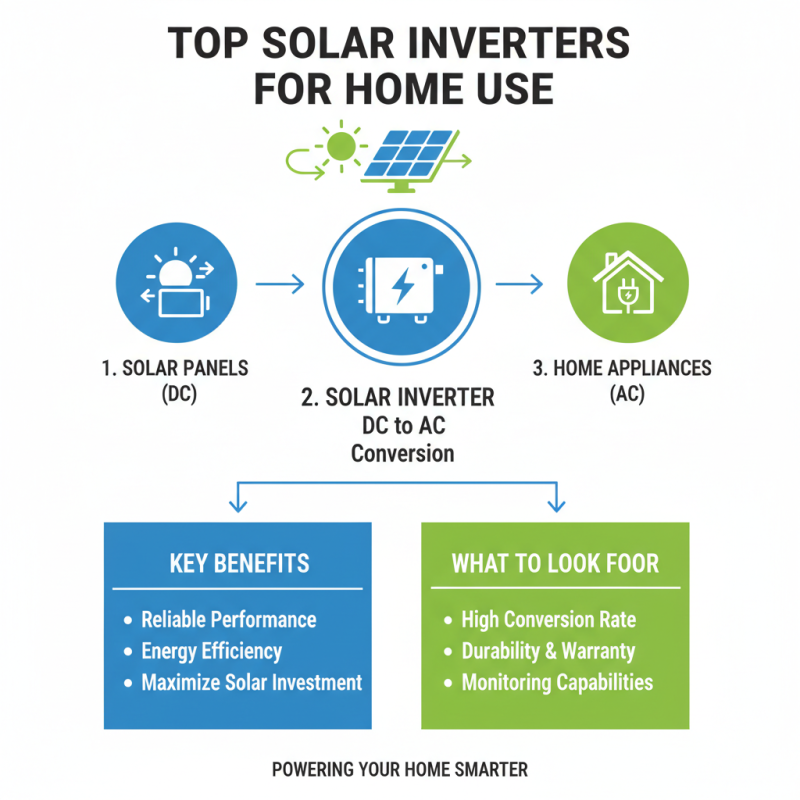
Choosing the right solar inverter is crucial for optimizing your home solar system. A solar inverter converts the direct current generated by solar panels into usable alternating current. This process ensures that your home appliances run efficiently and effectively.
When selecting a solar inverter, consider factors like efficiency, reliability, and features. The market offers various options, but not all inverters are created equal. Some may promise high efficiency but fall short in real-world conditions. A good inverter should provide a balance between cost and performance.
Many homeowners overlook the importance of a quality solar inverter. It can significantly affect energy output and electricity bills. An inefficient inverter can lead to unwanted losses. Take time to research, read reviews, and reflect on your specific needs. Remember, choosing the best solar inverter may require some trial and error.
Understanding Solar Inverters and Their Role in Home Energy Systems
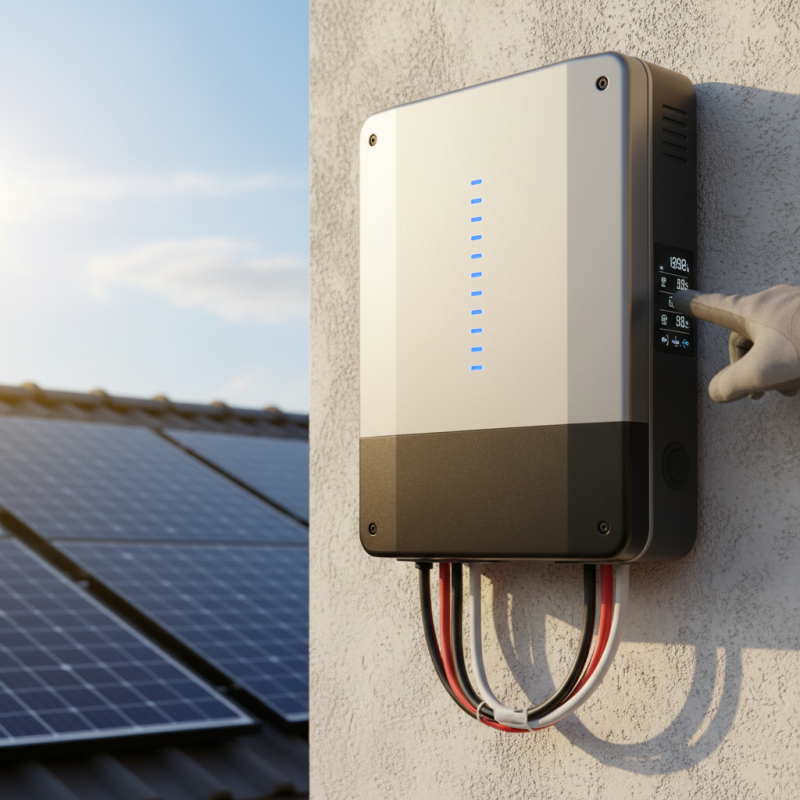
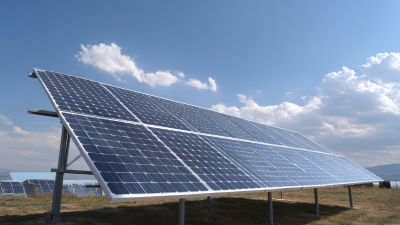
Solar inverters play a crucial role in residential energy systems. They convert direct current (DC) from solar panels into alternating current (AC). This conversion makes solar energy usable for home appliances. Without inverters, the electricity generated by solar panels would not power your home.
Many types of solar inverters exist, each with unique features. String inverters, for instance, are simple and cost-effective. However, they may limit efficiency if some panels are shaded. Microinverters are another option. They work on each panel individually, allowing for greater energy capture. But they can be more expensive. Understanding these differences is essential when choosing the right inverter.
Homeowners often overlook the importance of proper installation. A poorly installed inverter can lead to losses in energy production. It's vital to ensure the inverter is sized correctly for your system. Consider potential needs for future expansions, which may need adjustments. Choosing the right inverter requires careful thought and planning. Make sure to reflect on what would work best for your specific energy needs.
Types of Solar Inverters: String, Micro, and Power Optimizers
When choosing the best solar inverter for home use, understanding the types available is essential.
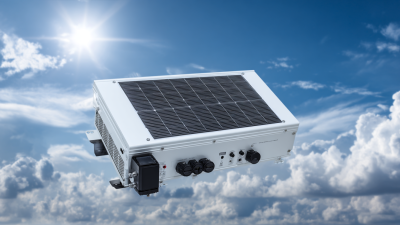
There are three main types: string inverters, microinverters, and power optimizers.
String inverters are the most common. They connect a series of solar panels, making them cost-effective.
However, shading on one panel can lower the entire string's performance. According to industry studies, around 80% of installations utilize string inverters due to their simplicity.
Microinverters, on the other hand, work independently on each panel. This allows for optimized performance, especially in shaded areas.
Data from various reports indicate that installations using microinverters can achieve up to 20% more energy production in these conditions.
However, their cost can be a barrier for some homeowners.
Power optimizers serve as a middle ground. They do not convert energy but optimize panel output before sending it to a string inverter.
They can enhance energy production but may not reach the benefits seen with microinverters.
Each type has its strengths and weaknesses. For instance, while microinverters perform well in diverse conditions, they may complicate installation.
Homeowners should assess their unique situations and energy needs before choosing.
Key Features to Consider When Choosing a Solar Inverter for Home Use
Choosing the right solar inverter for home use can be overwhelming. When evaluating options, start with efficiency. An inverter converts solar energy into usable power. Higher efficiency means more energy savings. Look for models with an efficiency rating above 95%. That's a solid benchmark.
Consider the inverter type. String inverters are common and affordable. However, they may not be ideal for every roof layout. Microinverters offer flexibility. They work independently, optimizing energy from each panel. This can be beneficial if you have shading issues or multiple orientations.
Warranty is another critical factor. A longer warranty often indicates quality. Aim for at least a 10-year warranty. Some brands even offer 25 years. Reflect on your home’s future energy needs. Will you expand your system? This can affect your inverter choice. Ultimately, your decision should align with your unique requirements and energy goals.
What is the Best Solar Inverter for Home Use? - Key Features to Consider When Choosing a Solar Inverter for Home Use
| Feature |
Description |
Importance |
| Efficiency |
The ratio of energy output to input, typically expressed as a percentage. |
High efficiency means more energy savings. |
| Power Rating |
The maximum output power the inverter can handle, measured in watts (W). |
Determines the size of the solar system you can install. |
| Grid Tie |
Ability to connect and feed electricity back into the grid. |
Essential for systems relying on net metering. |
| Warranty |
The period during which the manufacturer guarantees the unit will be free from defects. |
Longer warranties indicate higher quality and reliability. |
| Monitoring Capabilities |
Ability to track energy production and system performance through apps or displays. |
Helpful for maintaining system efficiency and troubleshooting. |
| Size and Weight |
Physical dimensions and total weight of the inverter. |
Influences installation options and space requirements. |
Installation and Maintenance Tips for Home Solar Inverters
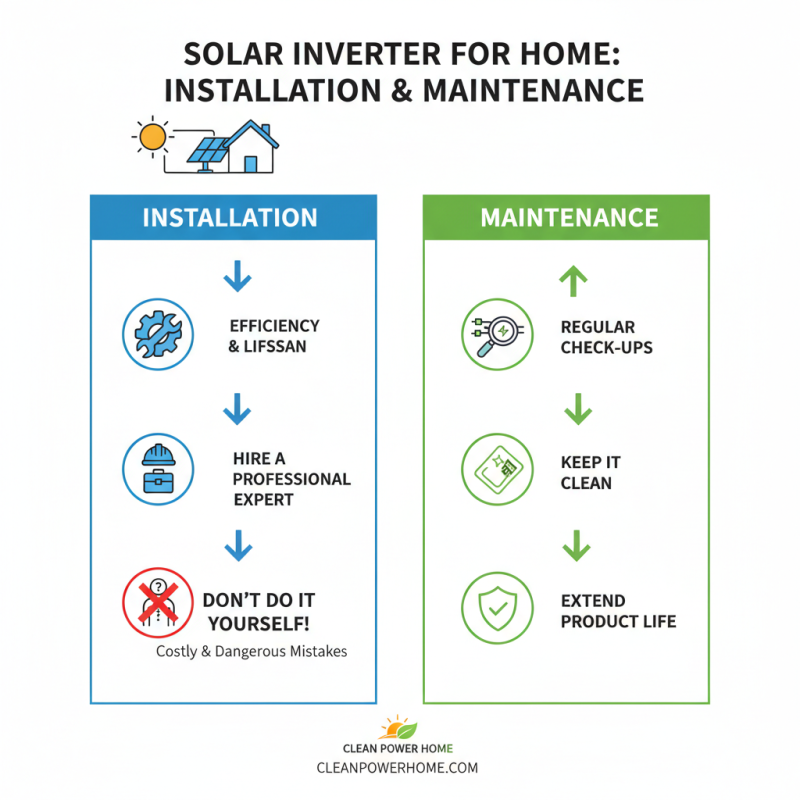
When choosing a solar inverter for home use, installation and maintenance are crucial. Proper installation maximizes efficiency and lifespan. It’s best to hire a professional, especially if you're unfamiliar with electrical systems. Avoid trying to do it yourself; mistakes can be costly and dangerous.
After installation, regular maintenance is key. Keep an eye on the inverter display for any error messages. Clean the unit periodically. Dust and debris can block airflow and lead to overheating. Ensure the area around the inverter is well-ventilated.
Check the connections often; loose wires can reduce performance. Additionally, inspect for any signs of wear or corrosion. Reflect on any changes in energy output. If there are significant drops, it may be time for professional help. Think about your inverter as a long-term investment. Regular care will pay off in the long run.