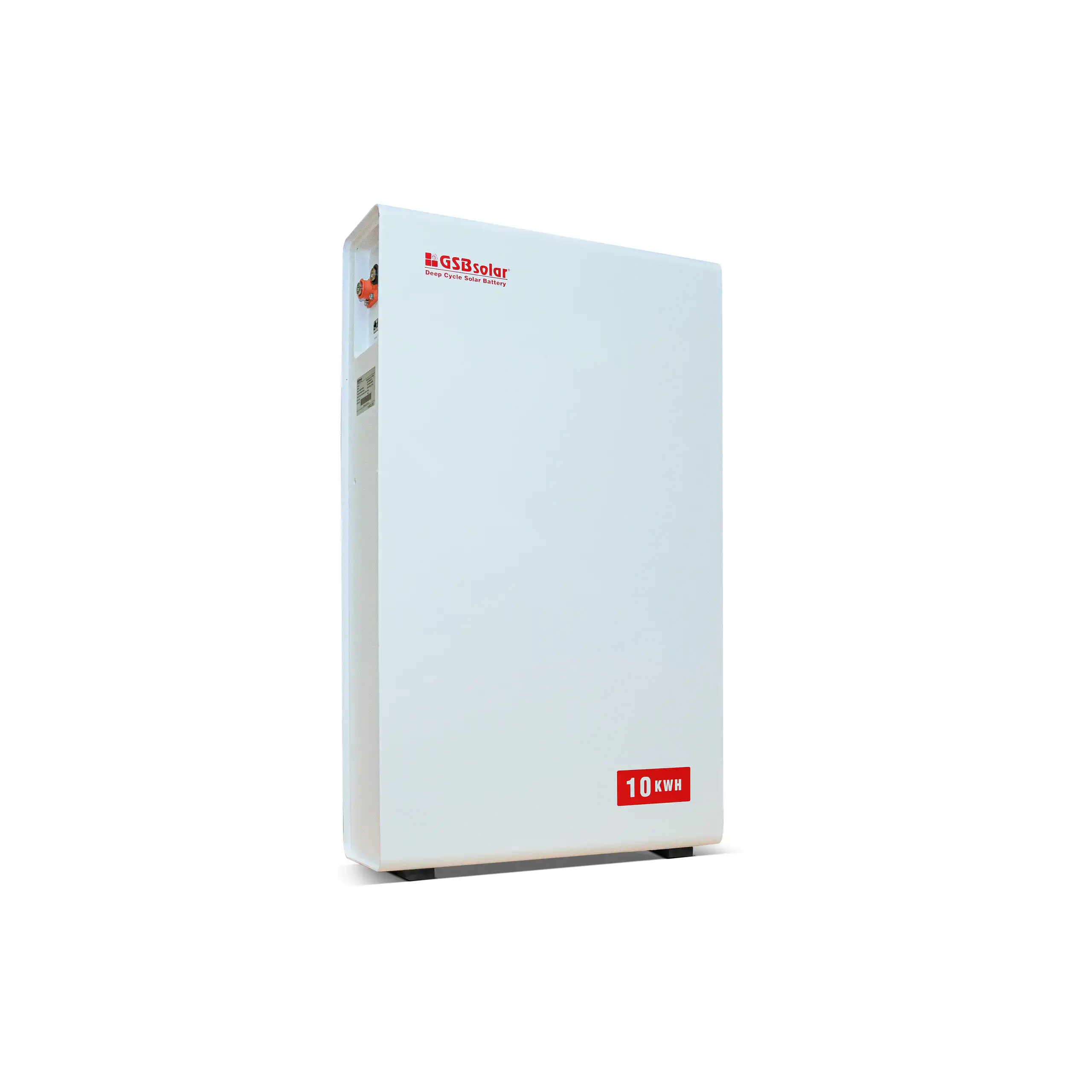
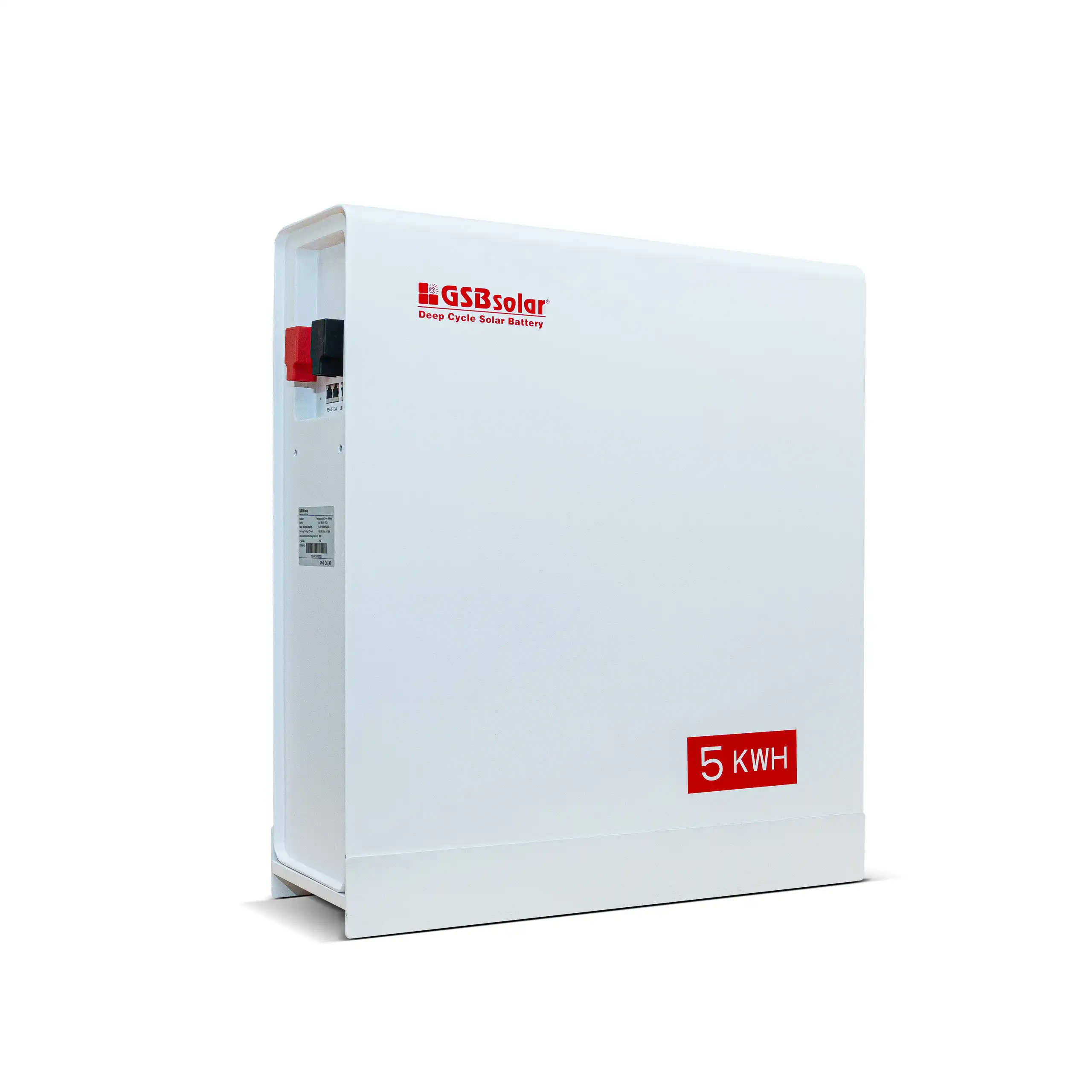
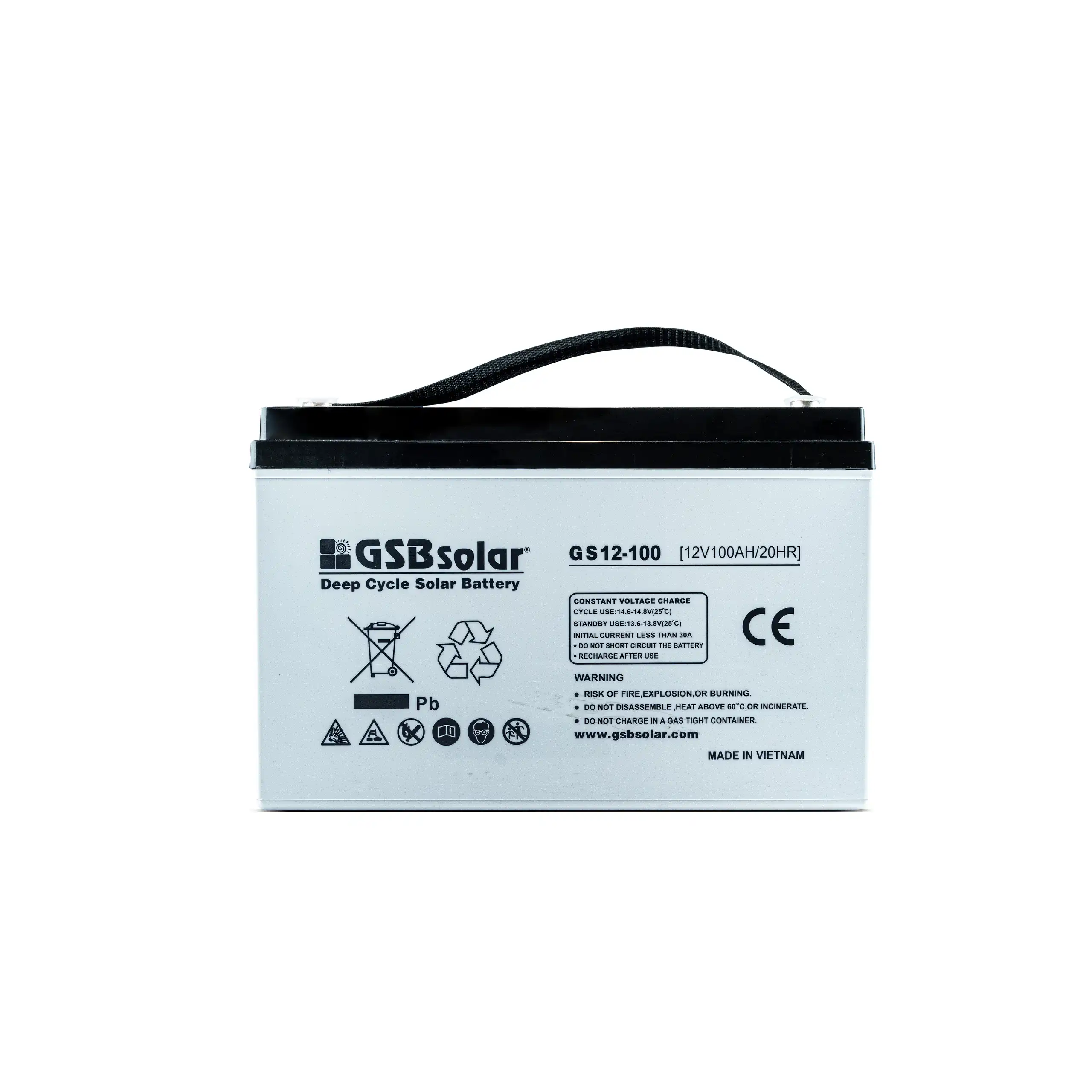
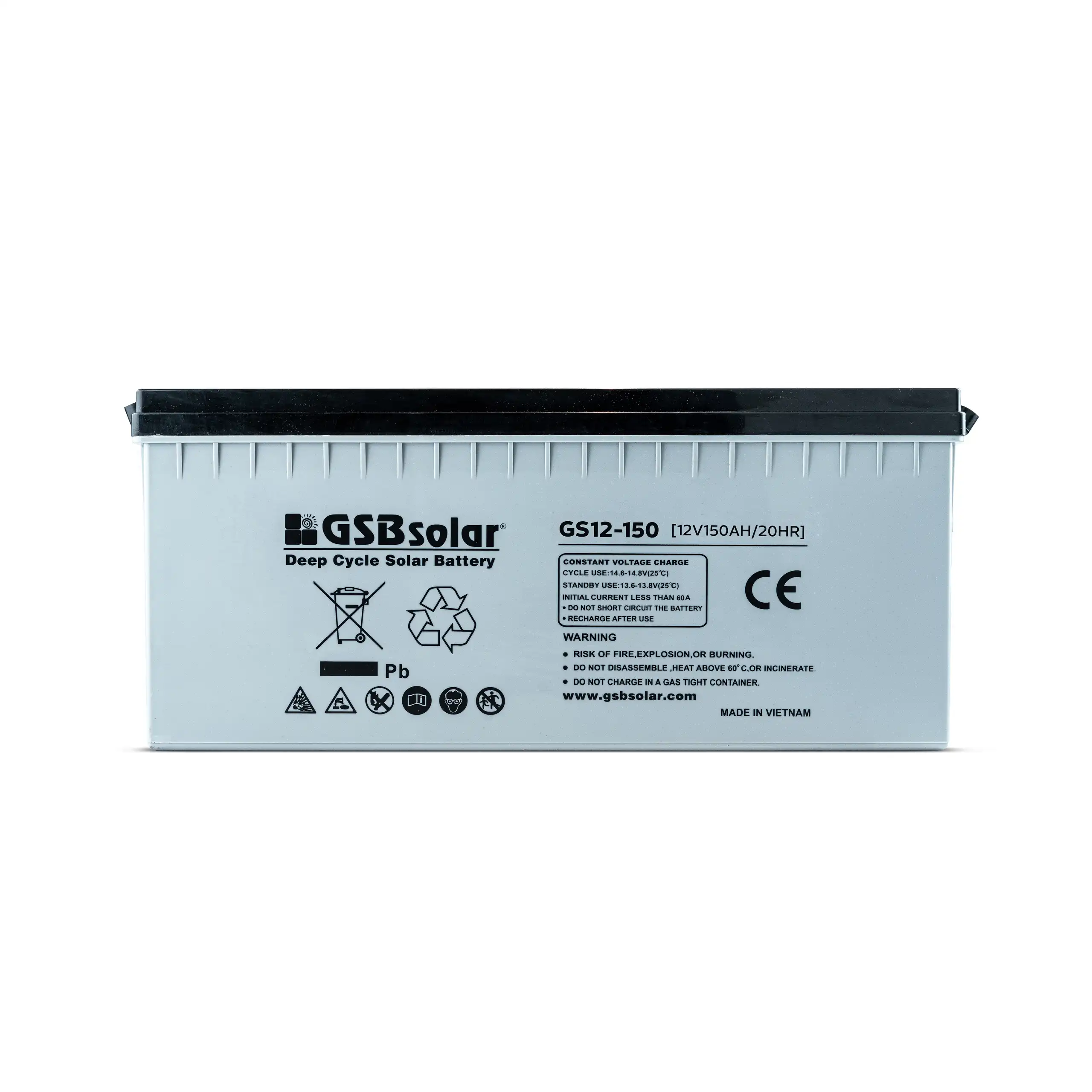
10 Best Solar Panel Kits for Homes and Businesses

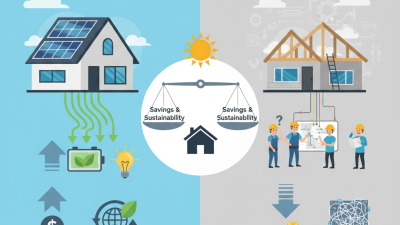
Choosing a solar setup for a home or business starts with more than comparing panel wattage. Daily electricity use, available roof space, local sunlight, and backup needs all affect which system makes sense. A well-matched solar panel kit can simplify the process by pairing key components, but “complete” does not always mean suitable for every building. Check what the package includes, especially the inverter, mounting hardware, cables, and any batteries.

Small details matter. Roof angle matters. So does shade from a chimney or nearby tree. A workshop with daytime equipment may need a different configuration from a home that uses most of its power after sunset. Before buying, compare system capacity, expandability, warranty terms, and installation requirements. Confirm that the equipment works with your existing electrical setup, and consult a qualified installer when the specifications are unclear.

This guide to the 10 best solar panel kits for homes and businesses highlights options for different budgets, building types, and energy goals. It considers practical features alongside published specifications, rather than treating the highest output as an automatic winner. No shortlist can predict every roof or usage pattern; that is an imperfect part of shopping for solar. Use these comparisons as a starting point, then verify current product details and estimate your real energy needs. Good planning beats guesswork.

10 Best Solar Panel Kits for Homes and Businesses

What Solar Panel Kits Include and How They Work

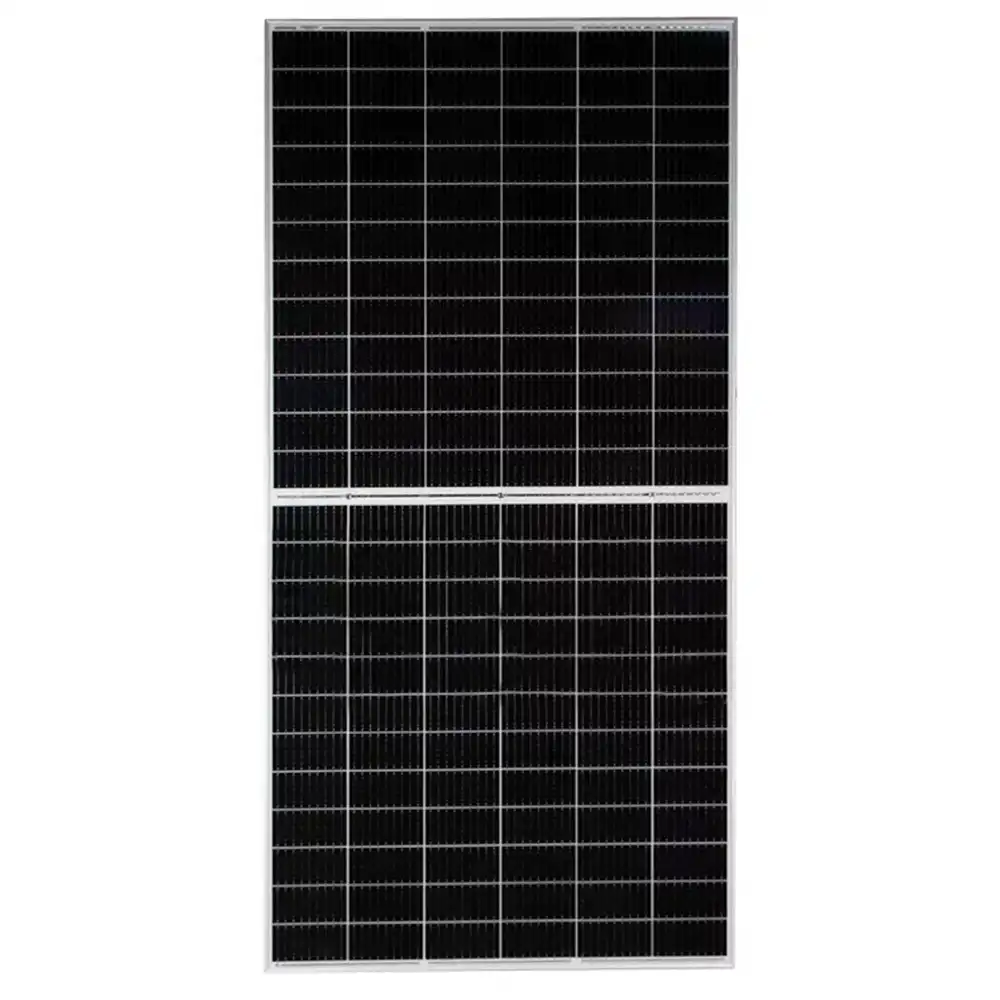
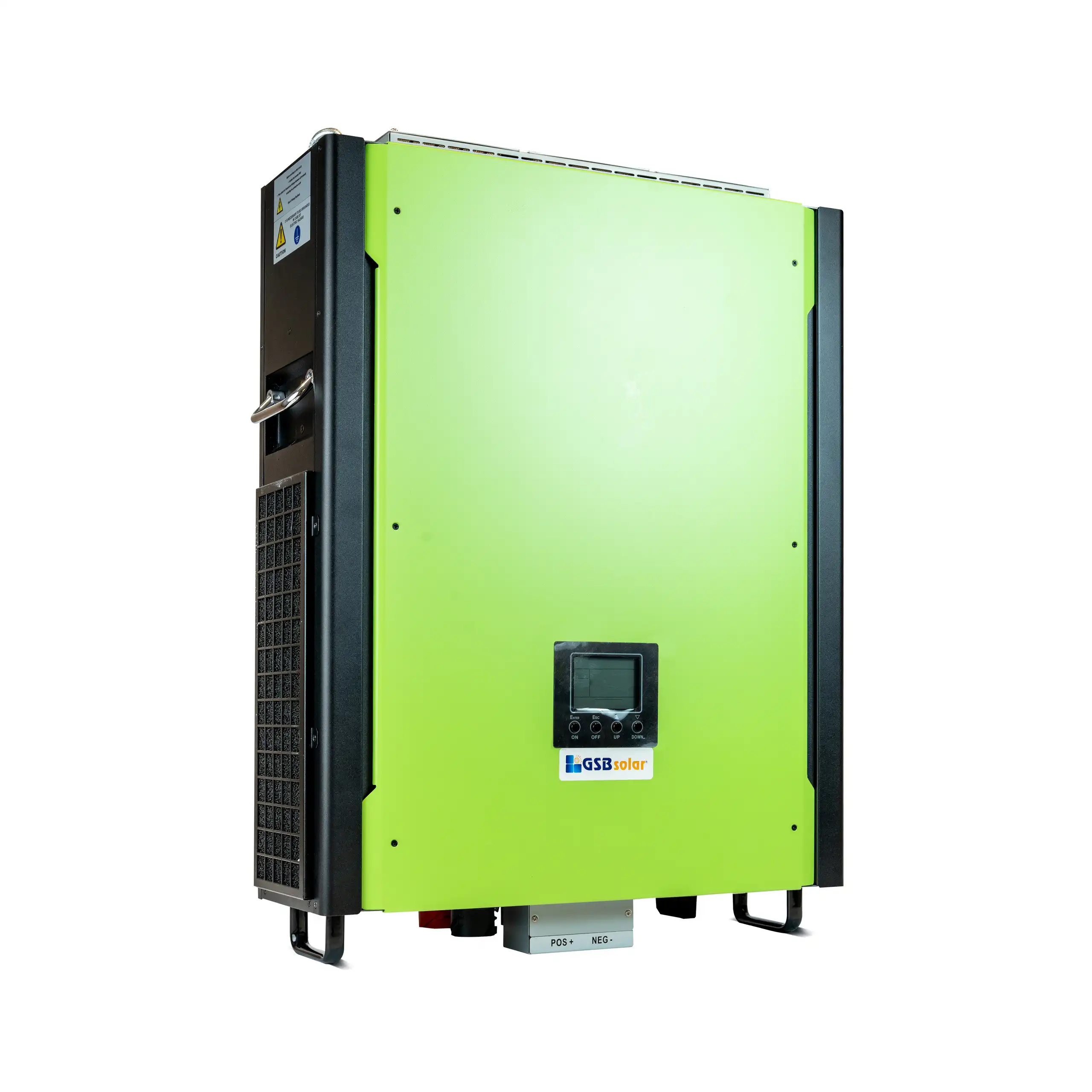
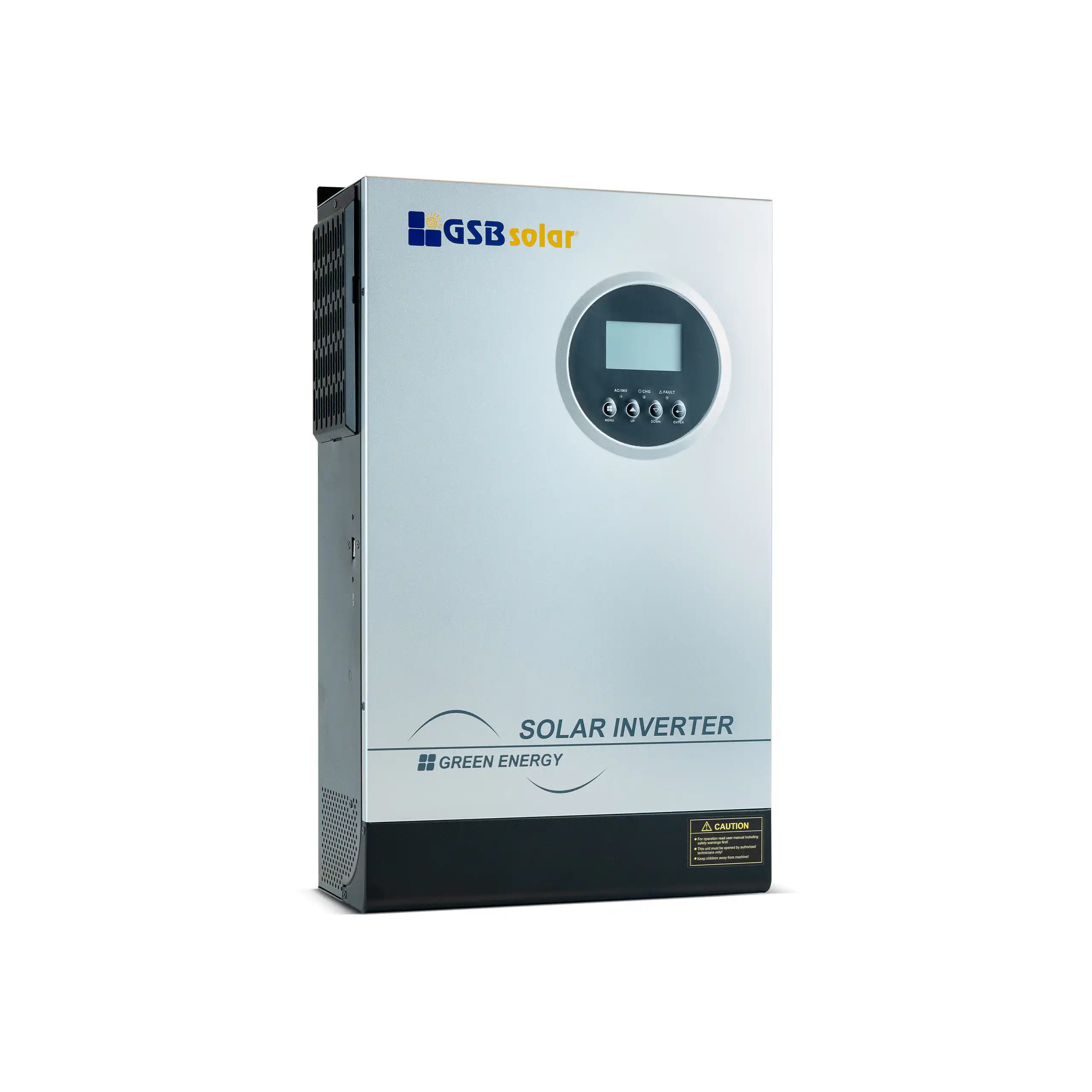
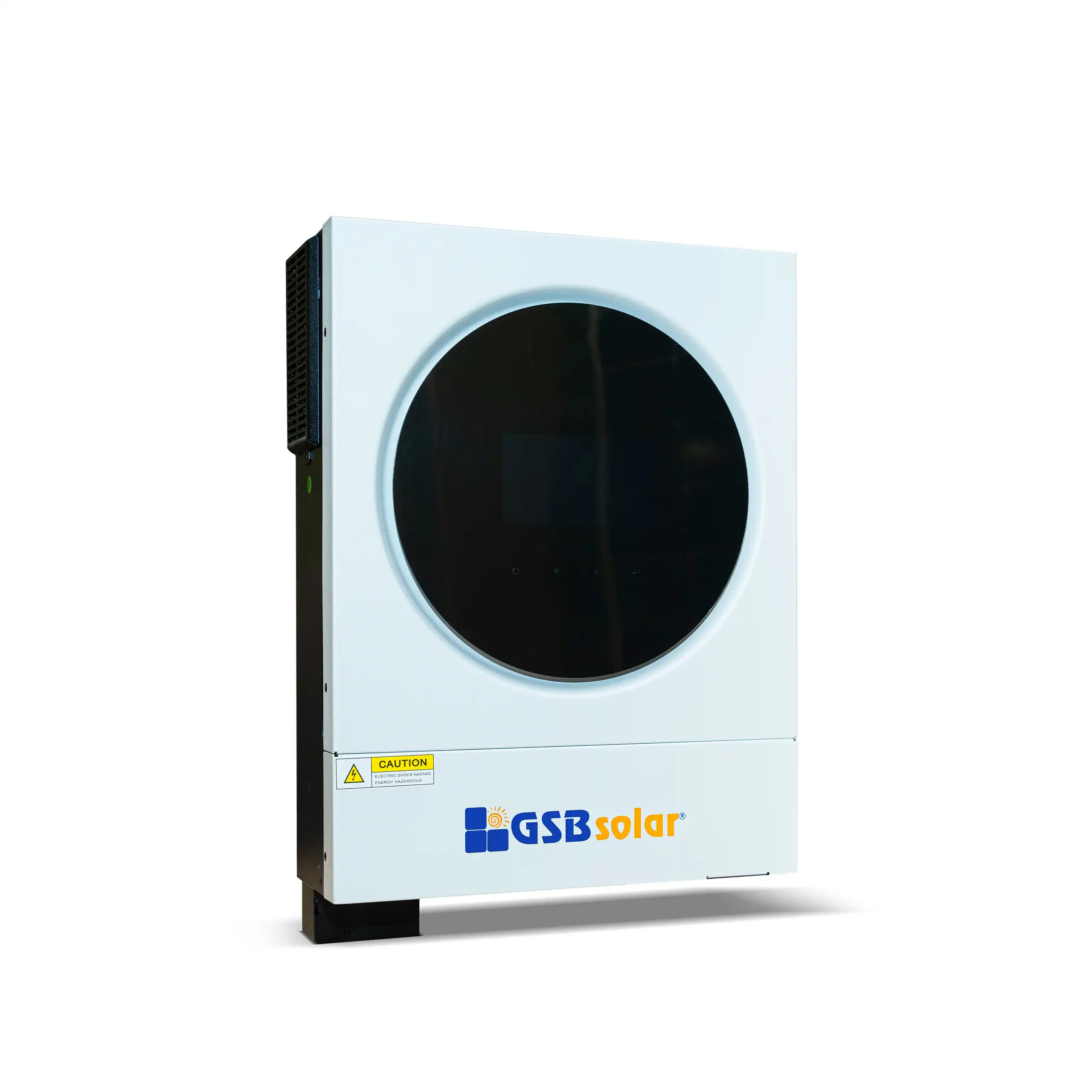
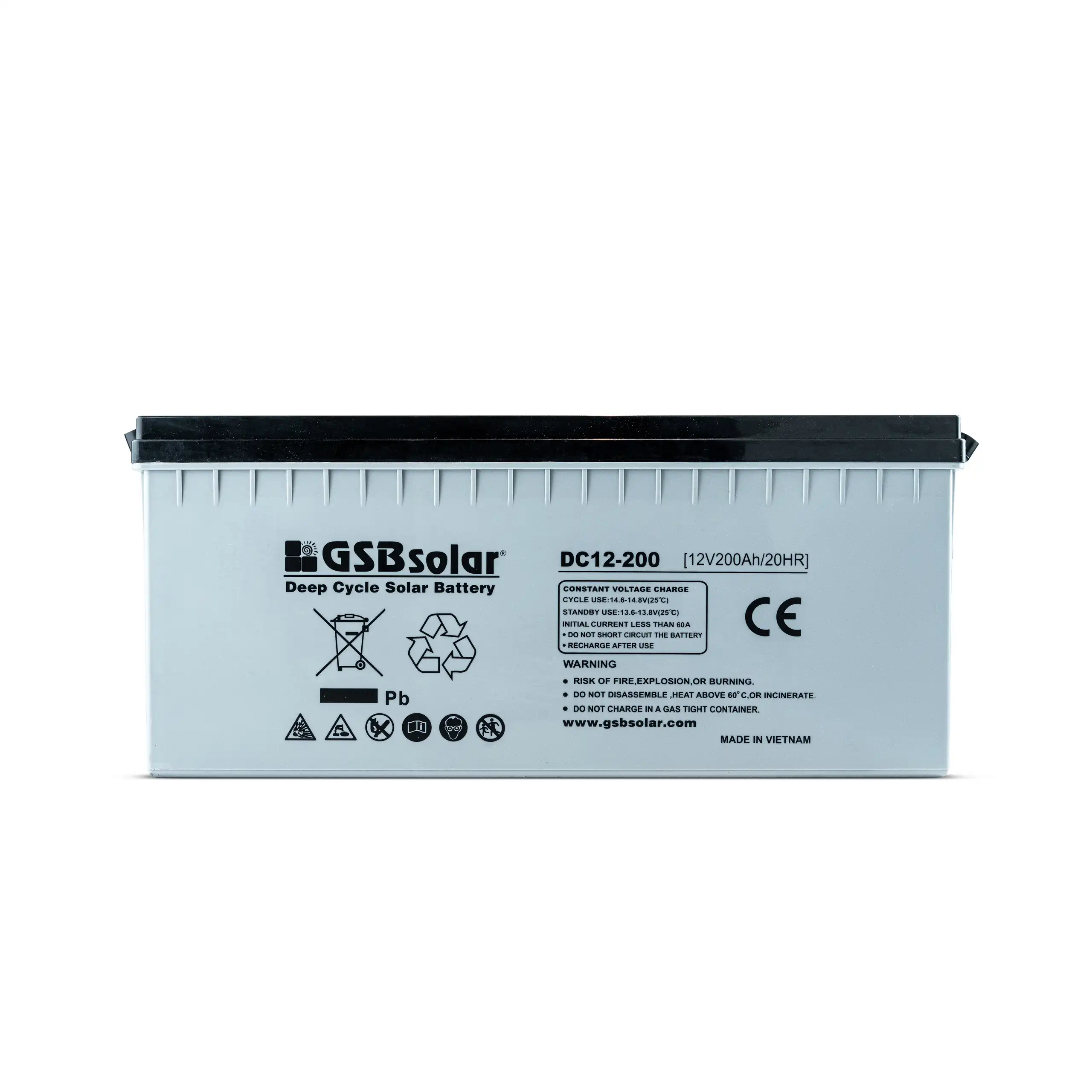
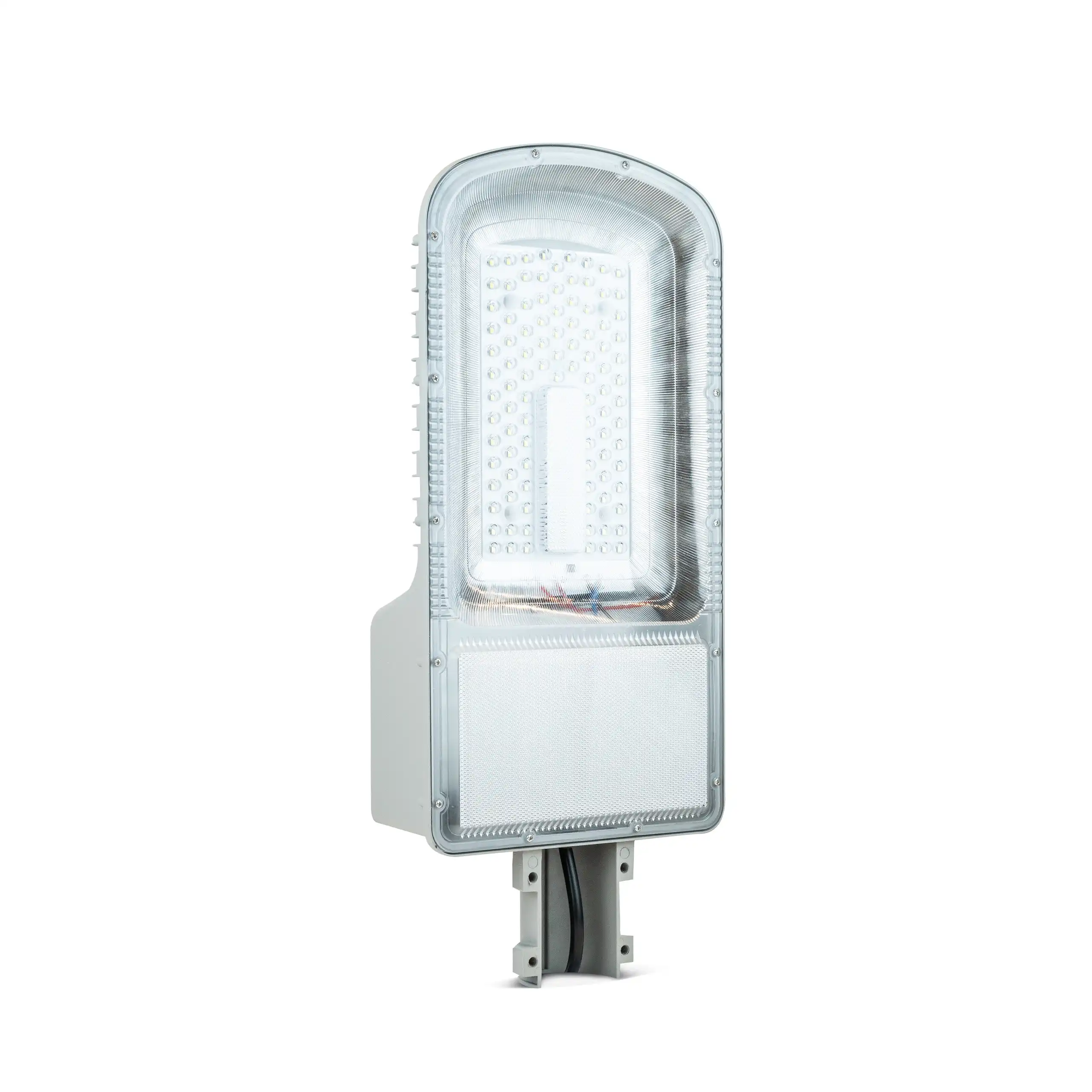
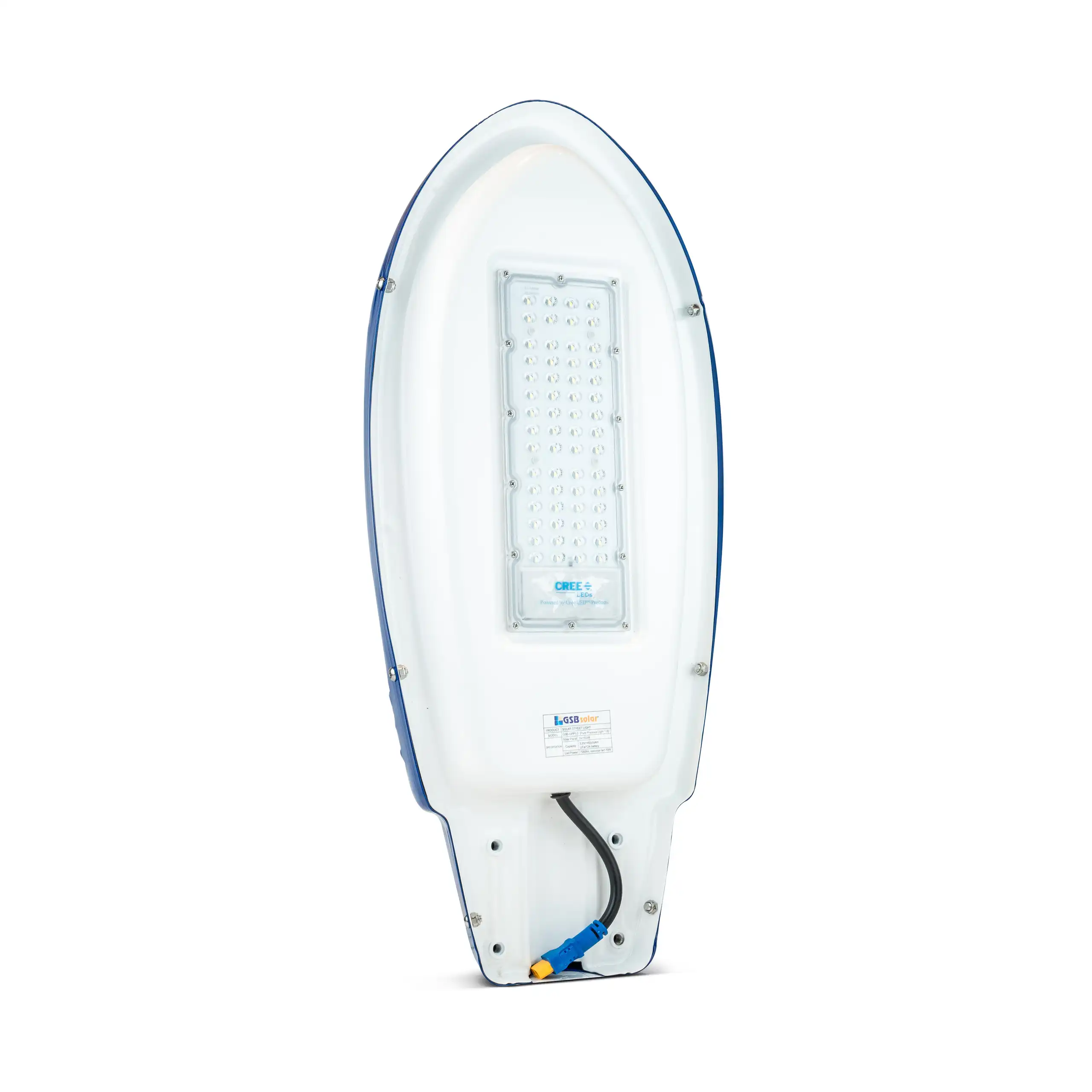
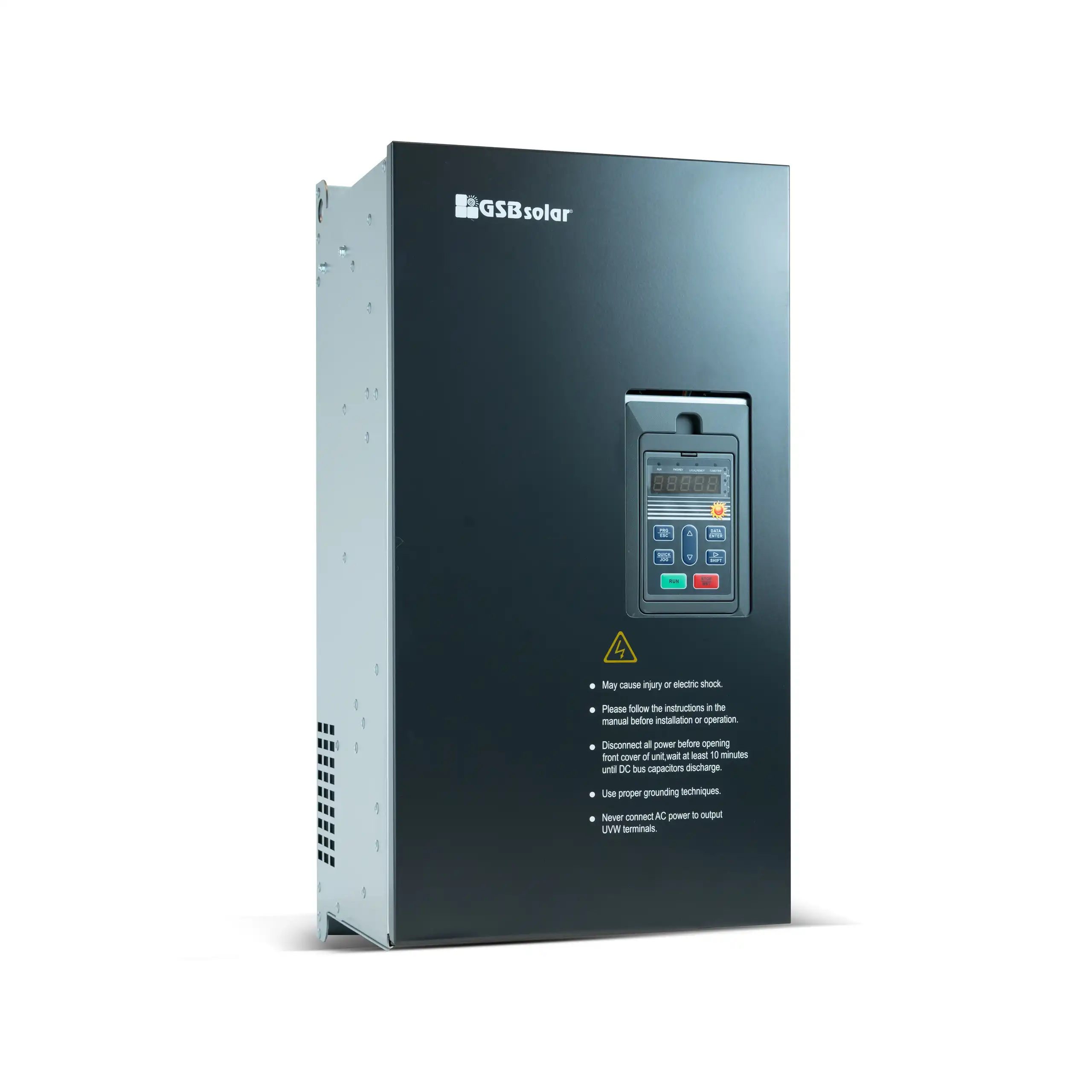
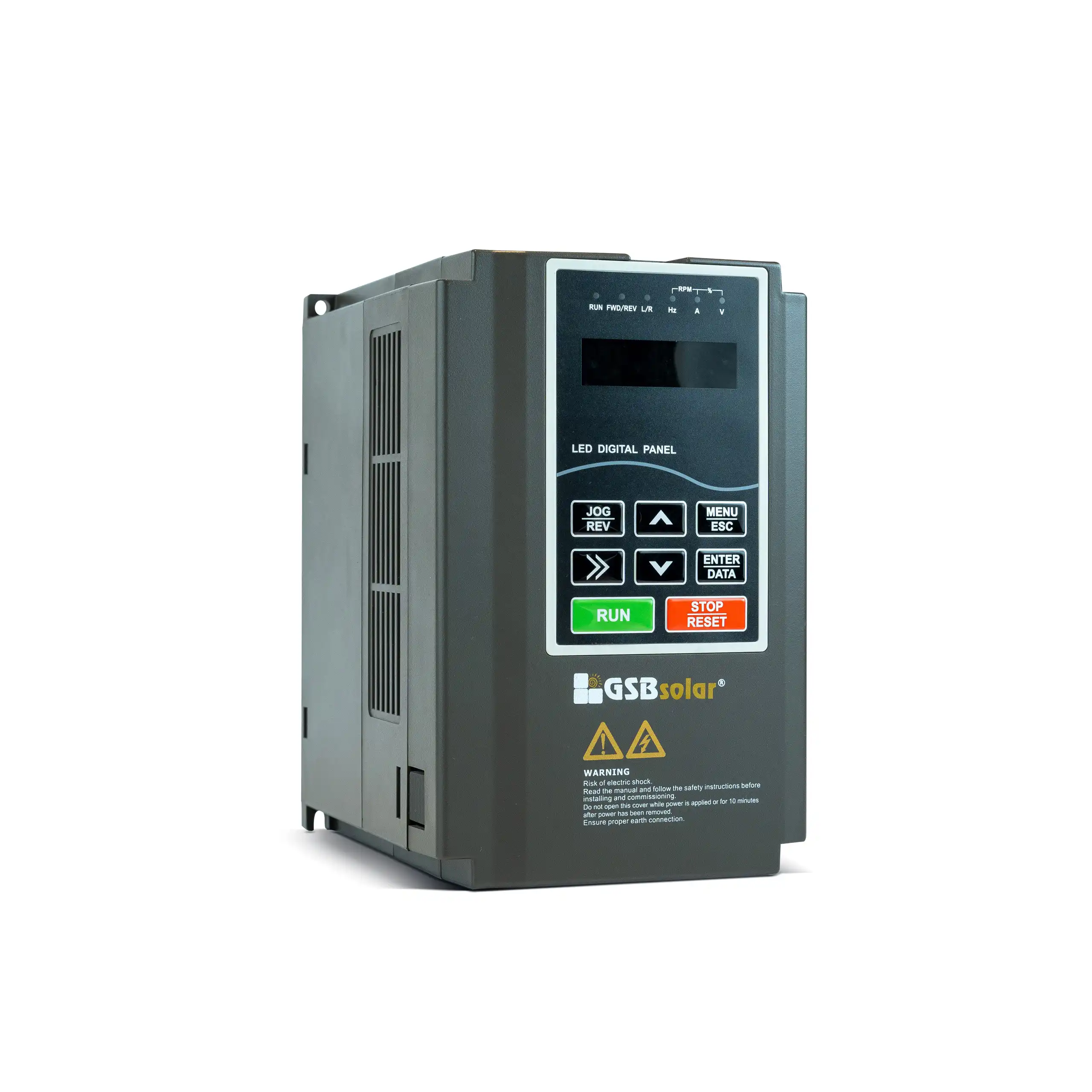
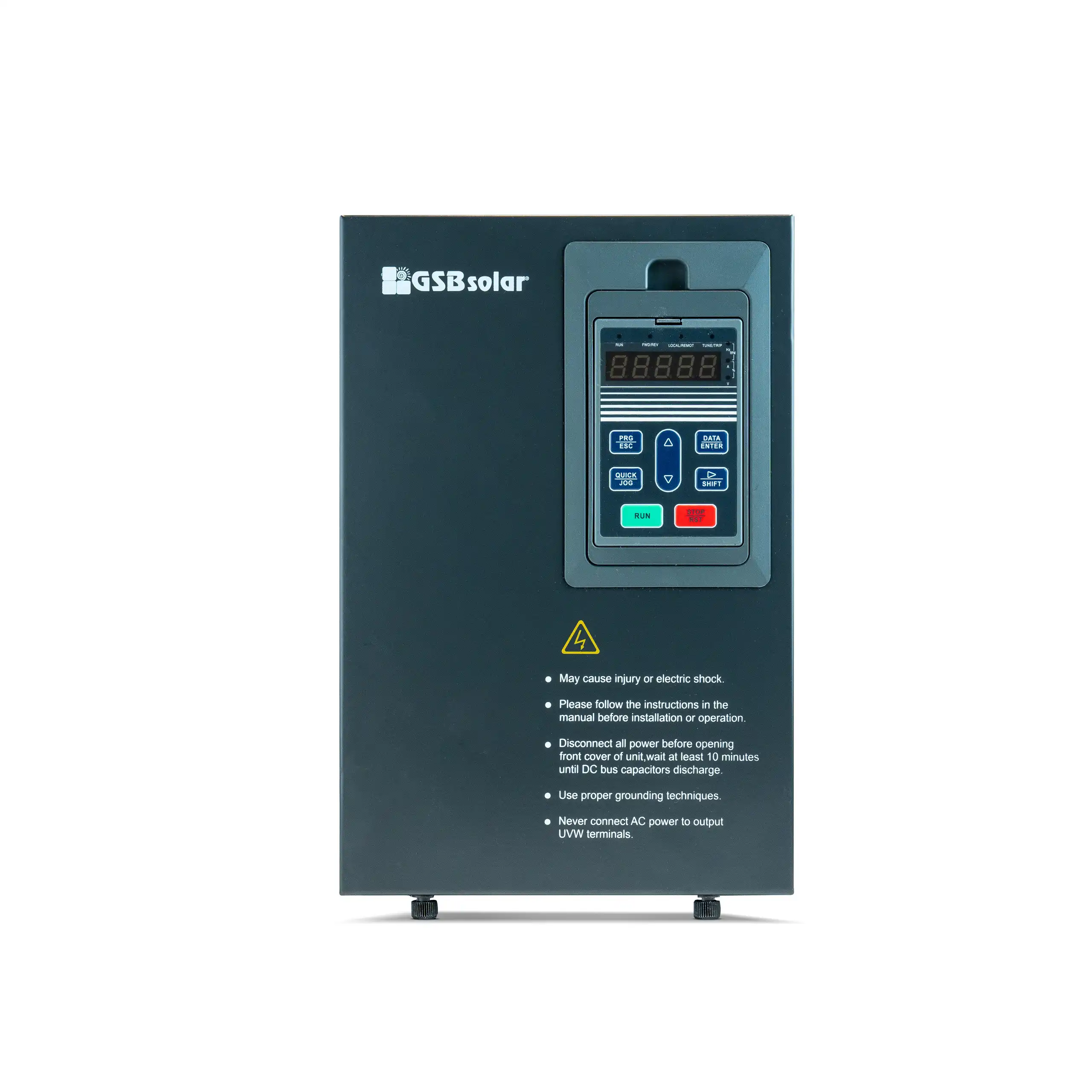
A home or business solar kit usually includes photovoltaic panels, mounting rails, electrical wiring, and an inverter. The panels convert sunlight into direct-current electricity. The inverter changes that power into alternating current, which common building appliances use. Some kits also include a battery, charge controller, monitoring equipment, and safety disconnects. Components vary. Check the kit’s specifications to confirm what is actually included.

On a bright afternoon, panels may produce more power than a building is using at that moment. A grid-connected system can send excess electricity to the utility connection, depending on the system setup and local arrangements. A battery-equipped system can store some energy for later use. Without a battery, a typical grid-connected system may shut down during an outage to protect utility workers. That detail is easy to miss.

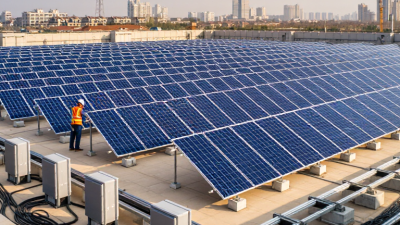
Mounting hardware holds panels in place, while correctly sized wiring carries electricity between components. Roof angle, shade from a chimney, and even a nearby tree can affect production. A kit can make planning feel tidy, but real roofs rarely behave like diagrams. Review electrical ratings and compatibility before buying, and have a qualified solar professional assess installation and connections. Even a small mismatch can create delays.
How to Evaluate Solar Panel Kits for Homes and Businesses

Evaluating a solar panel kit starts with your electricity use, not its advertised maximum output. Review twelve months of utility bills and note when your home or business uses the most power. A workshop running equipment during daylight may need a different setup than a home using more energy after sunset. Compare the kit’s expected daily production with your actual demand, allowing for cloudy days, roof direction, shade, and seasonal changes. A large number on a product sheet is not a promise of real-world output.

Tips: Check what the kit includes. Panels alone are not a complete system; you may also need an inverter, mounting hardware, wiring, and, for backup power, a compatible battery. Confirm that component ratings work together and that the roof can support the equipment. Ask how performance estimates were calculated, and read warranty terms for both parts and labor. For a business, consider whether installation or maintenance could interrupt daily operations. Small details matter.

Be cautious with unusually simple savings claims. Estimates depend on local sunlight, energy prices, system design, and installation quality. Get a site assessment from a qualified solar professional before choosing a kit, especially if the roof is old or heavily shaded. Also check applicable building and electrical requirements. I would compare several written proposals, though comparing them takes time. That extra effort can reveal missing components, unrealistic output assumptions, or costs that were easy to overlook.

10 Best Solar Panel Kit Configurations for Homes and Businesses — How to Evaluate Them
Configuration Rated Solar Capacity Example Panel Array Typical Inverter Setup Battery Storage Estimated Daily Energy Best Suited For What to Evaluate
Compact starter kit 2 kW DC 5 × 400 W panels Approximately 2 kW grid-tied inverter Not included; can be added with compatible equipment About 6.4 kWh Small homes, sheds, or limited roof space Check roof shading, usable roof area, inverter monitoring, and whether mounting hardware is included.
Small-home kit 4 kW DC 10 × 400 W panels Approximately 3.5–4 kW grid-tied inverter Not included; optional storage requires compatible equipment About 12.8 kWh Smaller homes with moderate daytime electricity use Compare inverter sizing, panel warranties, roof attachment requirements, and expected output at the site.
Medium-home kit 6 kW DC 15 × 400 W panels Approximately 5–6 kW inverter; system design may use multiple units Not included; verify battery compatibility if backup is needed About 19.2 kWh Average-sized homes with suitable, mostly unshaded roof space Review panel layout, string voltage limits, local interconnection rules, and whether rapid shutdown equipment is supplied.
Large-home kit 8 kW DC 20 × 400 W panels Approximately 7–8 kW inverter or a microinverter array Not included; storage is a separate design choice About 25.6 kWh Large homes or households with higher electricity consumption Check roof orientation, service-panel capacity, inverter clipping assumptions, and the installer’s production estimate.
High-use home kit 10 kW DC 25 × 400 W panels Approximately 8–10 kW inverter capacity, subject to local design requirements Not included; select storage based on backup loads About 32 kWh Homes with electric heating, cooling, or vehicle charging Compare annual production with the home’s actual usage and confirm roof structure, utility approval, and export limits.
Small-business kit 12 kW DC 30 × 400 W panels Approximately 10–12 kW inverter capacity Not included; optional battery system sized separately About 38.4 kWh Small shops, offices, and other businesses with daytime loads Assess weekday load patterns, three-phase requirements where applicable, monitoring access, and service-panel limits.
Medium-business kit 14.4 kW DC 36 × 400 W panels Approximately 12–15 kW inverter capacity Not included; battery backup may require additional controls About 46.1 kWh Restaurants, workshops, and medium-sized offices Check roof or ground-mount area, demand charges, equipment clearances, and the proposed system’s operating voltage.
Large-business kit 20 kW DC 50 × 400 W panels Approximately 15–20 kW inverter capacity; three-phase equipment may be needed Not included; evaluate storage against critical loads and operating hours About 64 kWh Large offices, retail sites, or light-commercial facilities Review utility interconnection, roof loading, three-phase compatibility, monitoring, and maintenance access.
Commercial rooftop kit 30 kW DC 75 × 400 W panels Approximately 25–30 kW three-phase inverter capacity, subject to site design Not included; storage is typically specified as a separate system About 96 kWh Warehouses, schools, and larger commercial buildings Verify structural engineering, fire-access pathways, roof warranty requirements, and utility export constraints.
Large commercial kit 50 kW DC 125 × 400 W panels Approximately 40–50 kW three-phase inverter capacity Not included; a battery requires separate capacity and power planning About 160 kWh Large commercial facilities with substantial daytime electricity demand Require a site-specific engineering proposal covering interconnection, protection equipment, structural loads, and project permitting.
These are illustrative system configurations, not specific products or guaranteed production figures. Daily energy estimates use 4 peak-sun-hours per day and an 80% overall system performance factor: rated DC capacity × 4 × 0.8. Actual output varies with location, season, shading, orientation, temperature, system design, and utility requirements. Confirm equipment compatibility, included components, permitting, and installation needs before purchasing.

10 Best Solar Panel Kits for Homes and Businesses

The 10 best solar panel kits for homes and businesses are not automatically the largest or most expensive. A useful kit matches the site’s energy use, available roof or ground space, and local sunlight. Check the panel output, inverter capacity, mounting hardware, and warranty terms together. A mismatch can leave panels producing more power than the system can use. Small details matter.

For a home, list major loads such as a refrigerator, water heater, and air conditioner. Compare that daily use with the kit’s estimated production, allowing for cloudy days and seasonal changes. Businesses should also consider operating hours and equipment that draws power continuously. A workshop with daytime machinery has different needs from an office that uses most of its energy after sunset. Batteries add flexibility, but also cost and maintenance.

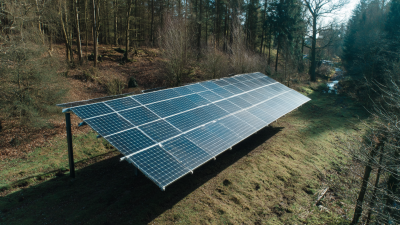
Look closely at installation requirements before ordering. Roof angle, shade from nearby trees, and the distance between panels and electrical equipment can affect performance. Ask a qualified installer to review the design when wiring or structural work is involved. Even a careful estimate can miss a shaded corner or an overlooked load. That happens. Clear product specifications and realistic output estimates are more useful than impressive claims.

Comparing Kit Capacity, Cost, and Installation Requirements

Solar kits differ less by panel count than by the energy they can deliver each day. A small home kit may suit lights, a refrigerator, and device charging, while a business often needs more panels, larger inverters, and battery storage. Compare the kit’s rated output with your actual use, especially during cloudy months. A high number on the package is not a guarantee of high daily production. Roof angle and shade matter.

Cost includes more than panels. Inverters, batteries, mounting hardware, wiring, and monitoring can change the final price substantially. Grid-connected kits may cost less than systems designed for backup power, but they will not serve the same purpose during an outage. Ask for an itemized quote. Battery capacity is easy to misjudge.

Installation requirements vary with roof material, system size, and existing electrical equipment. A compact kit may be manageable for a skilled DIYer, but roof work and electrical connections carry real risks. Larger residential and commercial systems usually call for professional assessment and installation. Check roof condition, available space, and local permitting requirements before buying. I have seen buyers focus on panel output and overlook wiring runs; that can make a seemingly affordable kit more complicated. Compare the included instructions and support, too. An incomplete kit can cost time.

Choosing a Solar Kit for Your Property and Energy Needs

Choosing a solar kit starts with your property, not a product ranking. The best fit depends on daily energy use, available roof or ground space, and local sunlight. A small home using 12 kilowatt-hours daily needs a different setup from a workshop running compressors or refrigeration. Check your recent utility bills and note when major appliances operate. Evening-heavy use may require battery storage, while daytime operations can use solar power directly. Roof shade matters. Even one shaded section can lower a system’s output, depending on its design.

Tips: Measure the usable roof area. Check its age and condition. Compare the kit’s expected output with your actual consumption, not just its advertised maximum. Ask whether batteries, mounting hardware, wiring, and an inverter are included. For complex wiring or structural questions, seek a qualified installer. Small details count.

For a business, consider future demand too. Adding equipment later can make a tightly sized system feel inadequate. Review warranties, monitoring tools, and replacement costs alongside the panel rating. A kit that looks cheaper upfront may need extra components. Estimates are useful, but they can miss seasonal shade or unusual usage patterns. I would leave some room for uncertainty rather than treat one sunny month as a reliable forecast.

Facebook X Instagram Pinterest WhatsApp WhatsApp
We use cookies to improve your experience on our website. By browsing this website, you agree to our use of cookies.