10 Best Solar Panels for Home Use in 2023
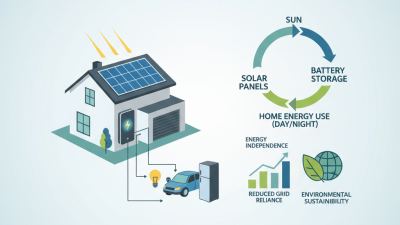
As the world increasingly shifts towards sustainable energy solutions, the use of solar panels in residential settings has gained significant traction. In 2023, homeowners are more empowered than ever to harness the sun's energy for their electricity needs, potentially reducing their energy bills and carbon footprints. According to Dr. Emily Carter, a leading expert in solar energy technology, “The adoption of solar panels can fundamentally transform how we consume energy in our homes, making it cleaner and more efficient.”
With numerous options available on the market, selecting the best solar panel for home use can be a daunting task. Factors such as efficiency, durability, and cost-effectiveness play crucial roles in this decision-making process. Modern solar panels come with advanced technologies that not only maximize energy production but also ensure longevity, appealing to environmentally conscious consumers who desire both performance and sustainability.
In this guide, we will explore the top ten solar panels recommended for residential use in 2023, showcasing their features, advantages, and why they stand out in the ever-evolving solar industry. Transitioning to solar energy is not just about making a purchase; it's about investing in a greener future.
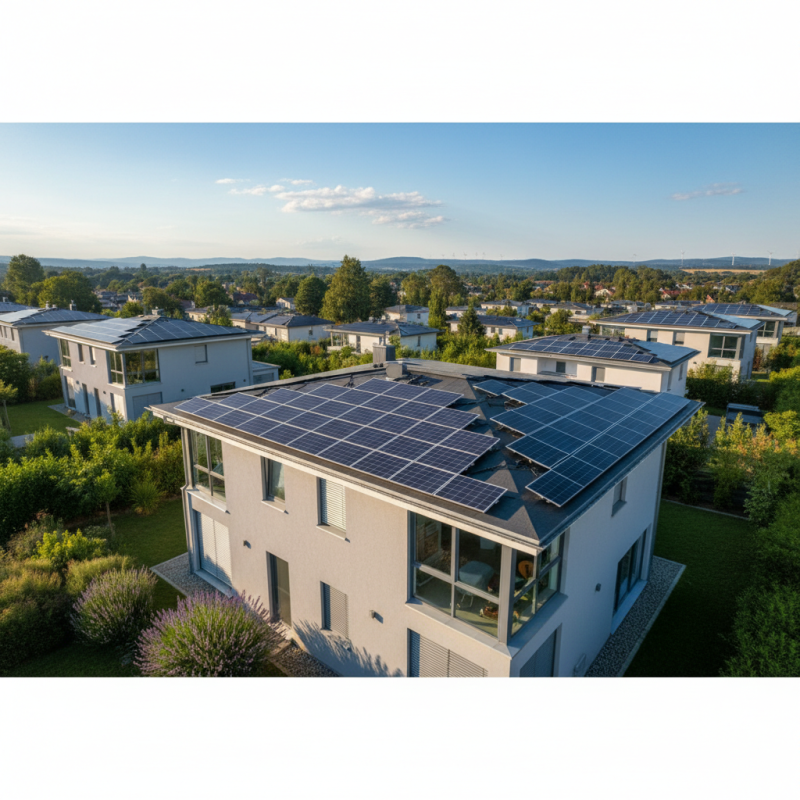
Top Considerations for Choosing Solar Panels for Home Use
When selecting solar panels for home use in 2023, several critical factors must be considered to ensure optimal performance and sustainability. One of the foremost considerations is the efficiency rating of the panels, which indicates how effectively they convert sunlight into electricity. According to the National Renewable Energy Laboratory (NREL), the average efficiency of residential solar panels has significantly improved, with the most advanced models achieving efficiencies upwards of 22%. This higher efficiency translates into more energy output per square foot, which is especially beneficial for homes with limited roof space.
Another important factor to consider is the durability and warranty of the solar panels. The lifespan of solar panels typically ranges from 25 to 30 years, and a robust warranty can provide peace of mind for homeowners. Industry reports highlight that manufacturers offering comprehensive warranties, including performance guarantees, often indicate higher quality products. Additionally, factors like temperature coefficient, which measures how well a panel performs in high temperatures, can greatly influence the reliability of solar installations in diverse climates. A lower temperature coefficient signifies better performance in hotter conditions, which can enhance overall system efficiency.
Lastly, understanding the total cost of ownership, including installation and potential maintenance, is crucial. A study by EnergySage highlights that while initial costs may be high, the return on investment (ROI) for solar panels can be substantial, with savings on energy bills often covering installation costs within 5 to 10 years. Evaluating these considerations will ensure that homeowners make informed decisions when investing in solar technology, paving the way for both sustainable energy use and substantial financial savings.
Comparison of Efficiency Ratings Among the Best Solar Panels
When evaluating the best solar panels for home use in 2023, efficiency ratings play a crucial role in determining the overall effectiveness of the panels. Efficiency refers to the amount of sunlight that can be converted into usable electricity, and it is measured as a percentage of solar energy that the panels can harness. The higher the efficiency rating, the more energy a solar panel can generate in a given space, making it a vital factor for homeowners looking to maximize their energy output while minimizing installation costs.
In 2023, some of the leading solar panels showcase impressive efficiency ratings, with many exceeding 20%. This is particularly relevant for homes with limited roof space, where maximizing energy production is essential. Beyond just efficiency, it’s also important to consider factors such as temperature coefficient and warranty, as these elements can significantly affect long-term performance. Homeowners should carefully compare these ratings alongside installation costs and potential savings to make an informed decision that aligns with their energy needs and environmental goals.
Overview of the Leading Solar Panel Brands in 2023
As the demand for renewable energy sources rises, solar panels have become an essential component in sustainable home energy solutions. In 2023, several brands stand out in the solar panel market, each offering unique innovations and benefits that cater to different homeowner needs. Leading manufacturers are prioritizing efficiency, durability, and aesthetic appeal, ensuring that consumers have access to high-quality products designed to maximize energy production while seamlessly integrating into their home designs.
In recent years, solar panel technology has advanced significantly, with improvements in photovoltaic cell efficiency and energy conversion rates. This progress is not only making solar power more accessible but also more affordable for homeowners. Brands focus on harnessing cutting-edge technology, such as bifacial solar panels and integrated energy storage systems, to enhance energy independence. Furthermore, customer service and warranty options have become key differentiators, as homeowners increasingly seek reliable solutions backed by reputable support, emphasizing the importance of brand reputation in the selection process.
Cost Analysis: Investment and Savings with Solar Panels
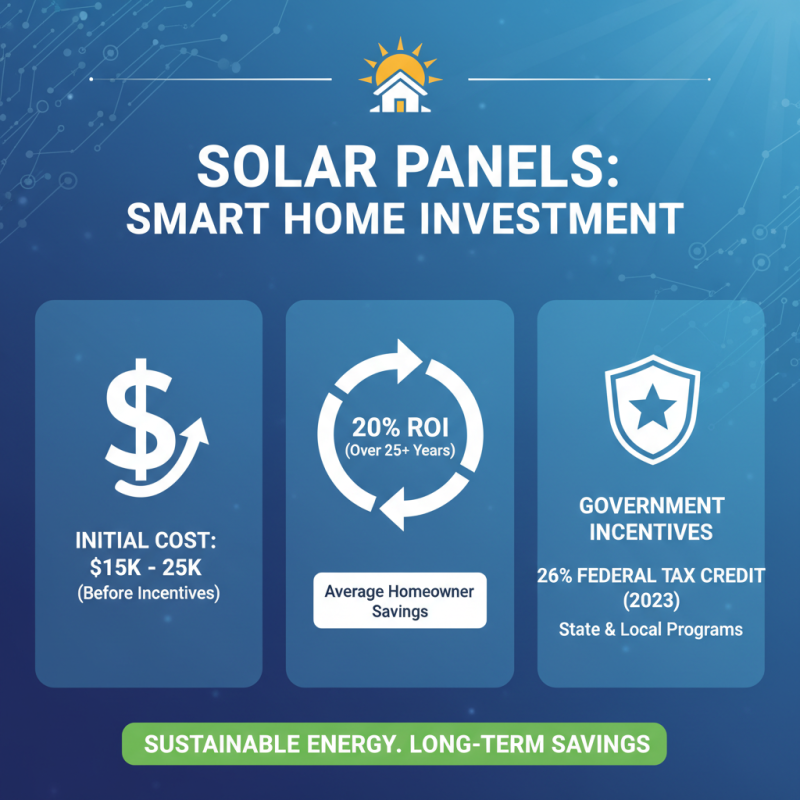
Investing in solar panels for home use is becoming increasingly appealing as households look for sustainable energy solutions. The initial costs of installing solar panels can be substantial, typically ranging from $15,000 to $25,000 before any tax credits or incentives. However, industry reports indicate that the average homeowner can expect a return on investment (ROI) of around 20% over the lifespan of the solar system, which often exceeds 25 years. Many states offer incentives such as tax credits which can offset installation costs significantly, with the Federal Investment Tax Credit currently allowing homeowners to deduct 26% of installation costs in 2023.
In terms of savings, data suggests that solar panels can reduce electricity bills by approximately 50-90%, depending on factors like location and energy consumption. According to the National Renewable Energy Laboratory, homeowners with solar installations can save between $10,000 and $30,000 over the life of the system. Additionally, solar panels increase property values; a study by Zillow found homes with solar power systems sold for an average of 4.1% more than homes without them. Thus, while the upfront investment may appear daunting, the long-term financial benefits and energy independence that solar panels provide make them a smart choice for many homeowners.
Installation and Maintenance Tips for Home Solar Systems
When considering the installation of solar panels for home use, proper planning and maintenance are crucial for maximizing efficiency and longevity. According to the National Renewable Energy Laboratory (NREL), well-installed solar systems can operate at 80% of their original efficiency for up to 25 years, provided they are regularly maintained.
Homeowners should engage certified professionals for installation to ensure compliance with local building codes and safety regulations. This step minimizes risks associated with incorrect installation, often highlighted in reports by the Solar Energy Industries Association (SEIA), which indicate that improperly installed systems can lead to energy losses of up to 30%.
Maintenance involves simple yet essential tasks such as regular inspections and cleaning. The Library of Congress suggests that solar panels are relatively low-maintenance, typically requiring cleaning once or twice a year. Dust, bird droppings, and other debris can accumulate and significantly hinder performance if not addressed. Furthermore, monitoring systems can be employed to track energy production; as noted by the Solar Electric Power Association (SEPA), poor performance alerts enable timely interventions, ensuring the system operates at its peak capability.
By prioritizing installation by professionals and committing to regular maintenance, homeowners can effectively harness the benefits of solar energy, leading to significant cost savings and environmental sustainability over the long term.