How to Choose the Best Solar Panels and Battery Package for Your Home
Choosing the right solar panels and battery package for your home is a crucial decision that can significantly impact your energy efficiency and sustainability efforts. As the world increasingly shifts towards renewable energy sources, many homeowners are exploring solar energy as a viable alternative to traditional power systems. With the right combination of solar panels and battery storage, you can harness the sun's energy to power your home while also ensuring you have a reliable energy supply, even during outages or low sunlight periods.
In developing a comprehensive understanding of what to look for in a solar panels and battery package, it’s important to consider various factors such as energy needs, budget, and the specifics of your property. Each home is unique; therefore, a one-size-fits-all approach may not yield the best results. Evaluating the compatibility of solar panels and batteries, understanding energy consumption patterns, and recognizing incentives or rebates available for such systems are all fundamental steps in the selection process. By making informed choices, you not only enhance your home’s energy independence but also contribute to a more sustainable future.
Factors to Consider When Choosing Solar Panels for Your Home
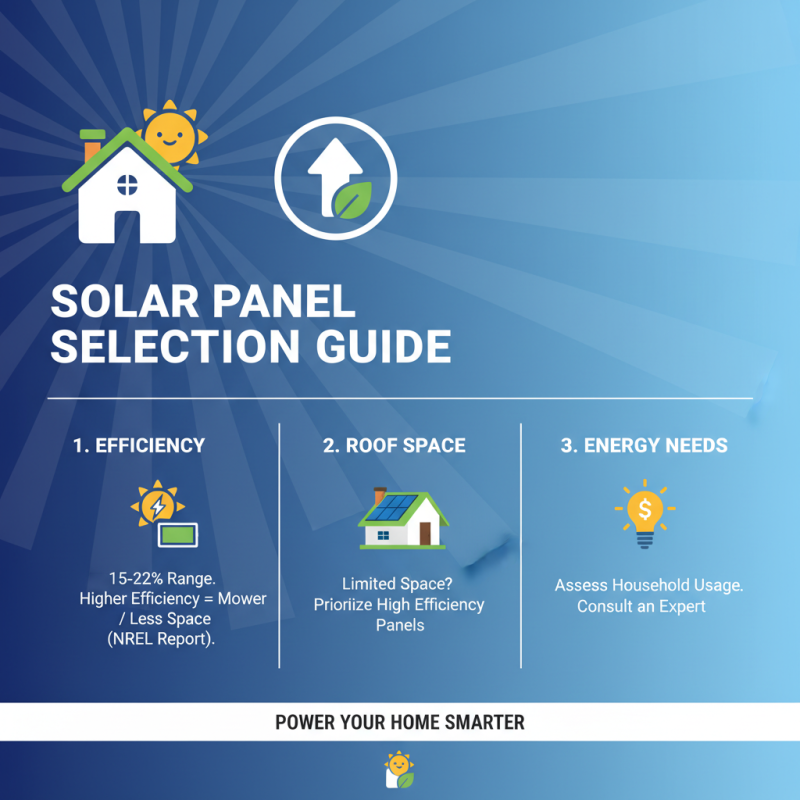
When selecting solar panels for your home, there are several crucial factors to consider to ensure you make the best choice for your energy needs. First and foremost, the efficiency of the solar panels significantly impacts their performance. Most solar panels currently on the market have efficiencies ranging from 15% to 22%. According to a recent report from the National Renewable Energy Laboratory (NREL), higher efficiency panels can convert more sunlight into electricity, allowing homeowners to generate more power from a smaller surface area. This is particularly valuable for homes with limited roof space.
Another critical factor is the durability and warranty of the panels. Solar panels are an investment typically designed to last over 25 years. A comprehensive study by the Solar Energy Industries Association (SEIA) indicates that reputable manufacturers often provide warranties of 25 years or more, covering performance and potential defects. This ensures that your investment is protected, and it’s essential to review the warranty specifics to understand coverage levels and conditions. Additionally, consider the environmental impact by choosing panels with certifications, such as those from the International Organization for Standardization (ISO), which indicate adherence to sustainability practices in their production.
Types of Solar Panels: Monocrystalline, Polycrystalline, and Thin-Film
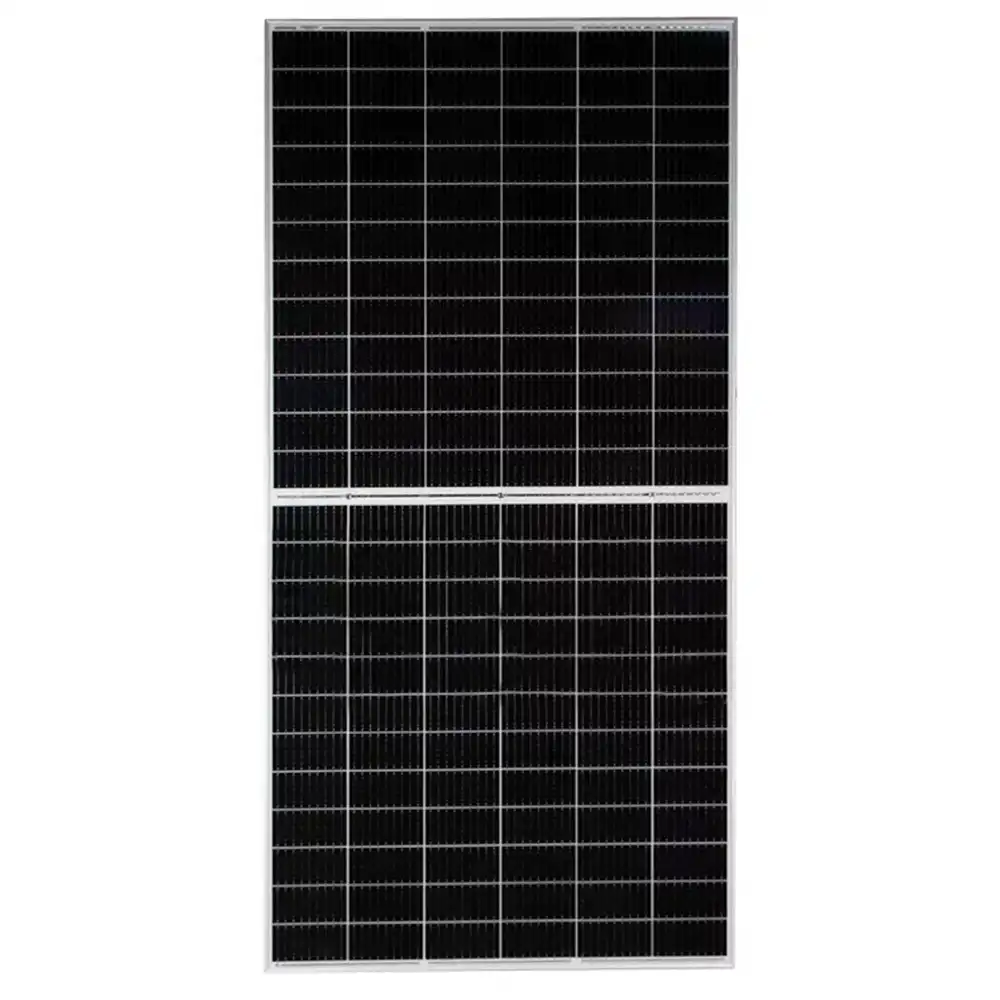
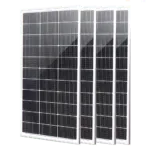
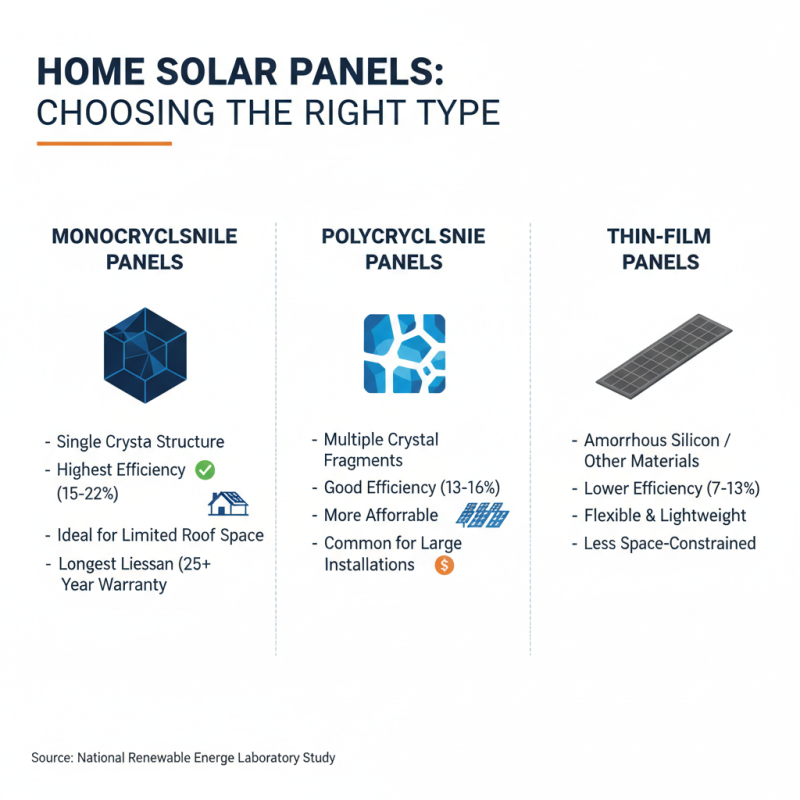
When selecting solar panels for your home, understanding the different types available is crucial. The three primary types of solar panels are monocrystalline, polycrystalline, and thin-film. Monocrystalline panels, made from a single crystal structure, are renowned for their high efficiency rates, often ranging between 15% to 22%. This makes them ideal for homeowners with limited roof space, as they produce more power per square foot compared to other types. A study by the National Renewable Energy Laboratory noted that monocrystalline panels have the longest lifespan and often come with warranties of up to 25 years, showcasing their reliability as a long-term investment.
On the other hand, polycrystalline panels are produced from multiple crystal structures and typically have efficiency ratings between 13% to 16%. These panels tend to be more affordable than their monocrystalline counterparts, making them a popular choice for those on a budget. However, they require more space to install due to their lower efficiency. Thin-film solar panels consist of a variety of materials, including cadmium telluride or amorphous silicon, and are known for their lightweight and flexible nature. While they usually have lower efficiency rates ranging from 10% to 12%, their adaptability allows them to be installed in diverse locations, including unconventional surfaces. According to the Solar Energy Industries Association, thin-film technology's market share has been gradually increasing, driven by innovations and decreasing production costs. Each type offers distinct advantages, and understanding these differences can help homeowners make an informed choice that aligns with their energy needs and budget.
Evaluating Solar Battery Options: Capacity, Lifespan, and Efficiency
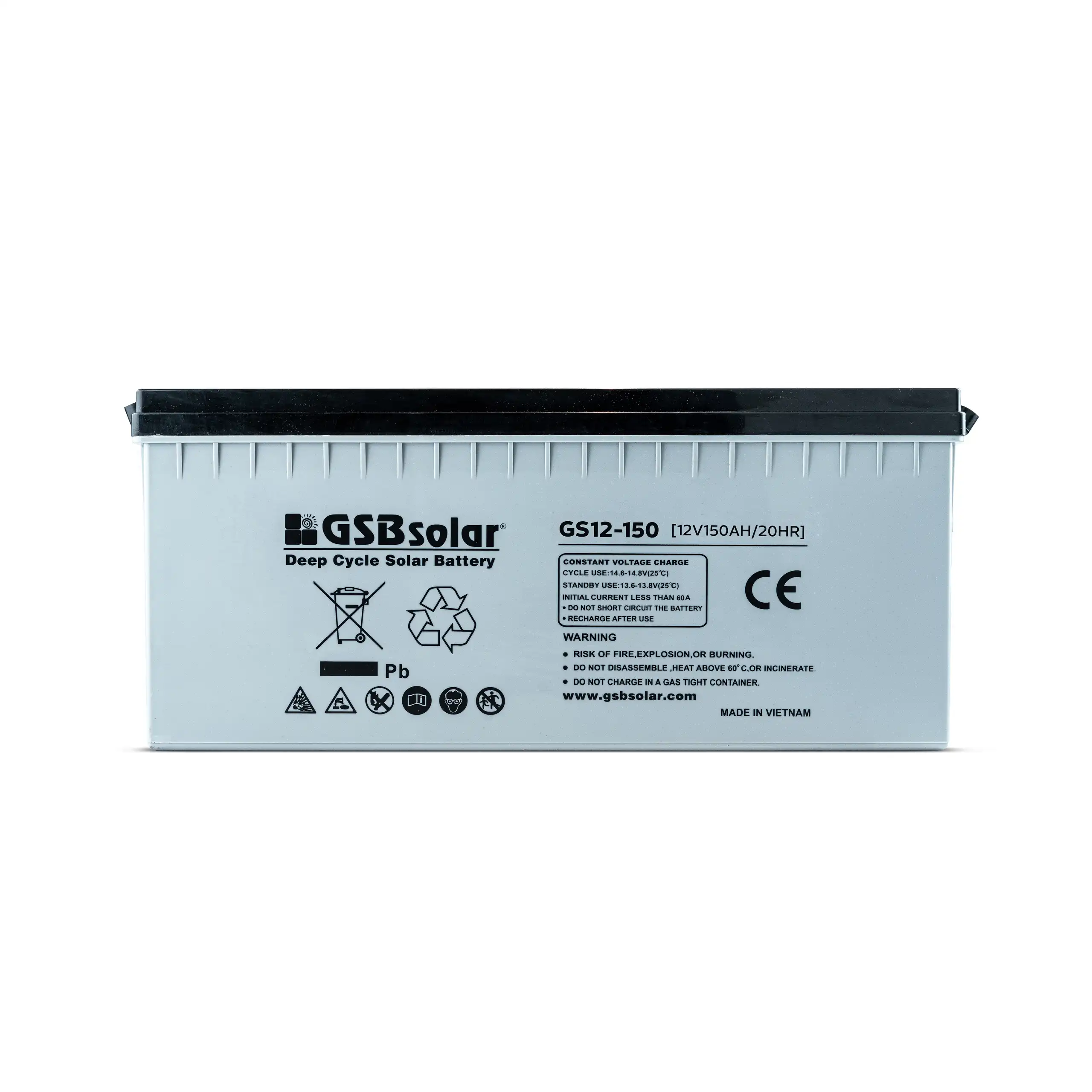
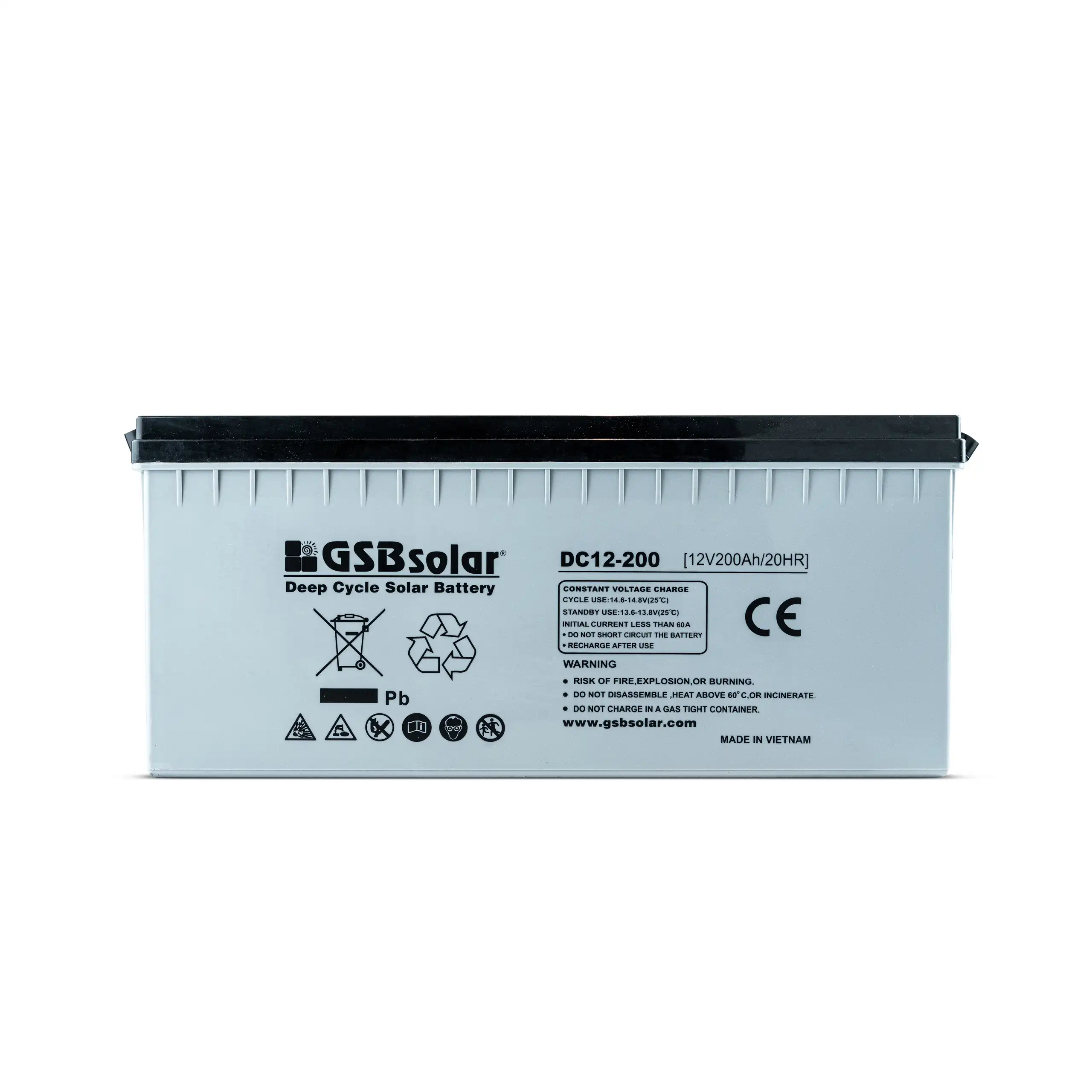
When evaluating solar battery options for your home, three critical factors come into play:
capacity,
lifespan, and
efficiency.
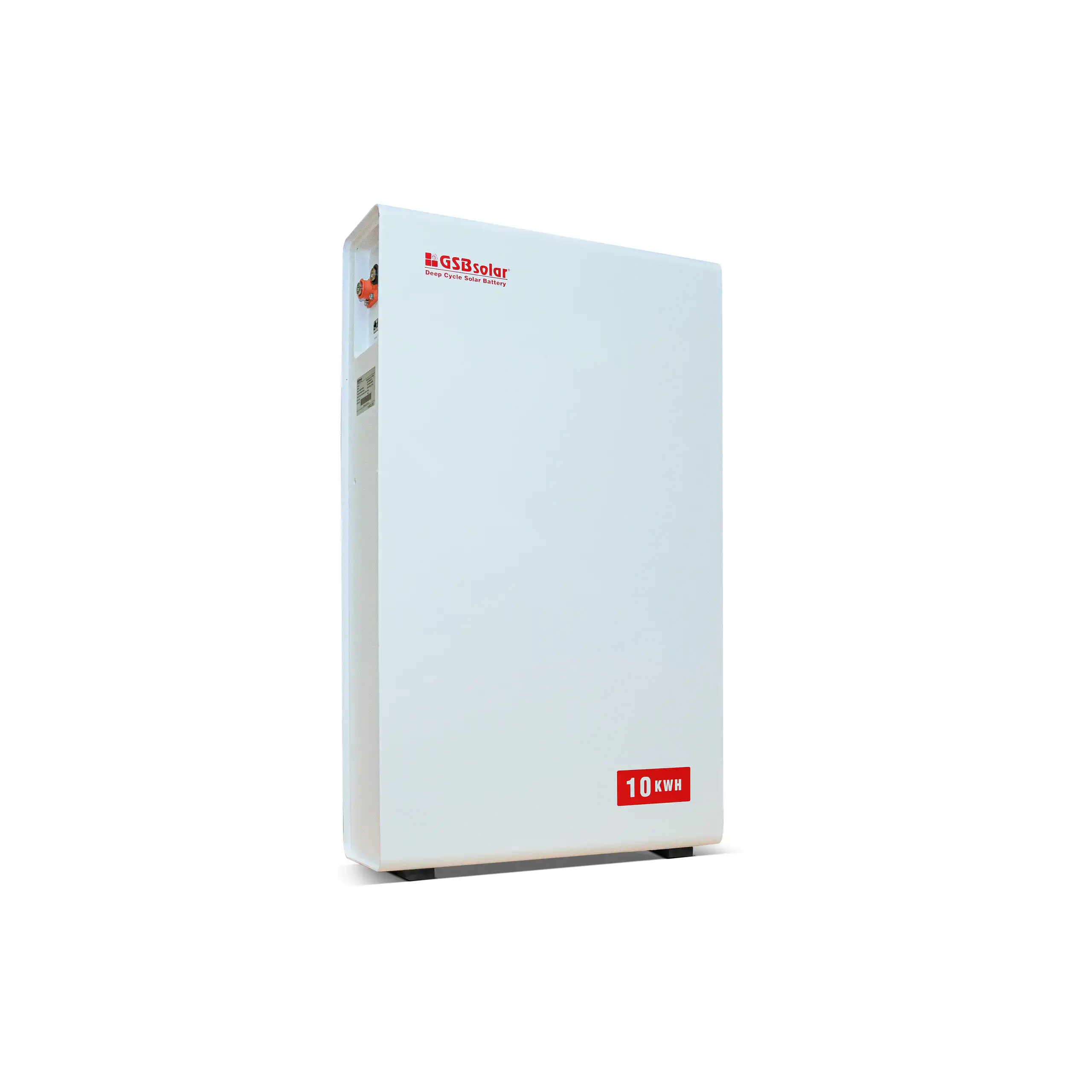
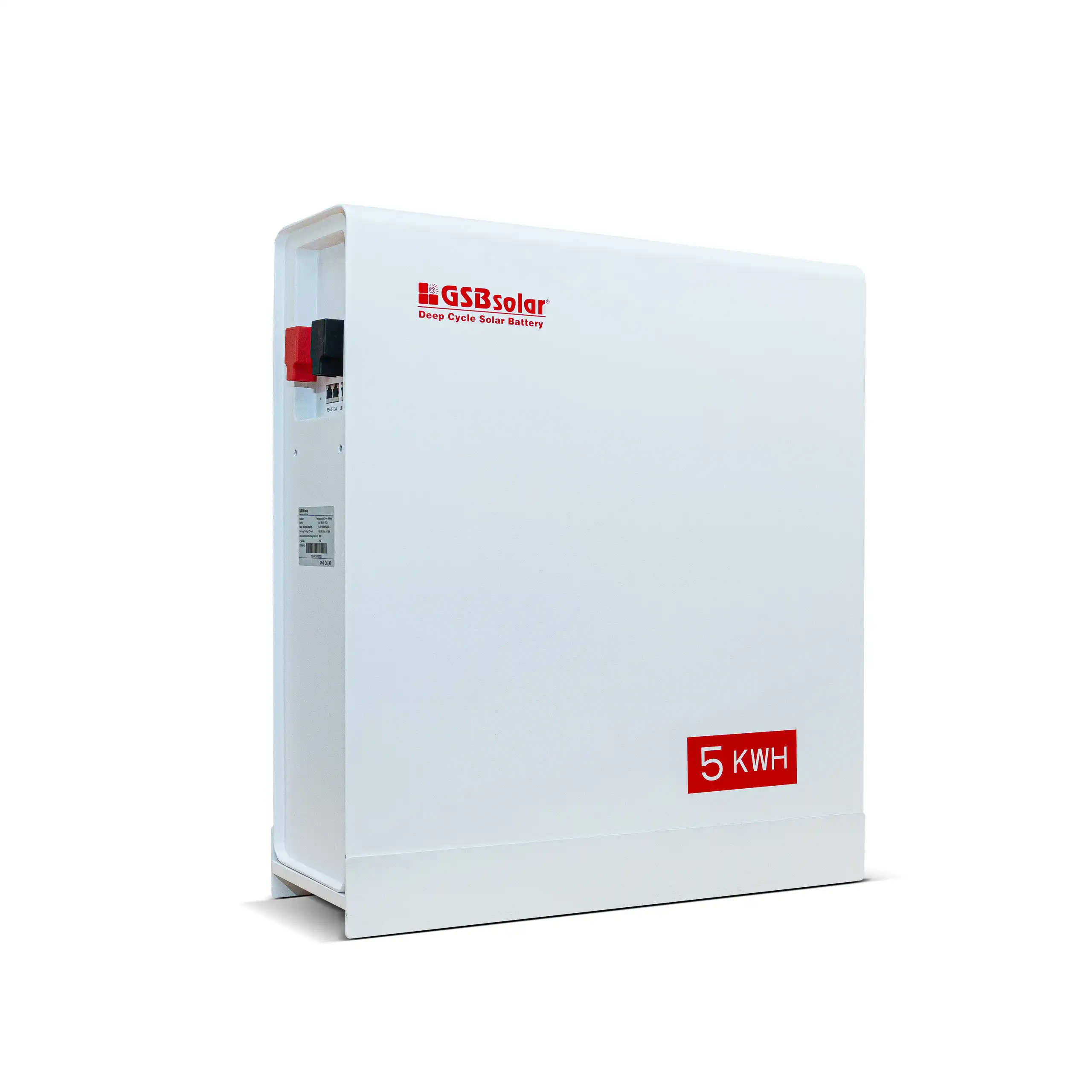
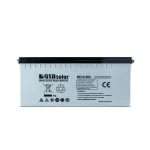
Capacity, often measured in kilowatt-hours (kWh), indicates the amount of energy a battery can store and is vital for ensuring that your energy needs are met, especially during peak usage times.
According to the U.S. Department of Energy, the average American household consumes about 30 kWh per day; therefore, selecting a battery with an appropriate capacity—generally between 10 kWh to 15 kWh for most homes—is essential for maintaining energy independence and optimizing solar power benefits.
Lifespan is another crucial consideration, as it determines how long you can expect your solar battery to last before needing replacement. The lifespan of solar batteries is typically measured in charge cycles, with most lithium-ion batteries averaging between 3,000 to 5,000 cycles, equating to about 10 to 15 years of use, depending on depth of discharge and other factors.
Reports indicate that as technology improves, newer models are achieving even longer lifespans.
Additionally, efficiency, which refers to how well a battery converts and stores energy, plays a significant role in overall performance.
High-quality batteries can achieve a round-trip efficiency of around 90-95%, meaning you can utilize the majority of the energy stored, maximizing the return on your solar investment.
Understanding Energy Needs: Calculating Your Home's Power Consumption
Calculating your home's power consumption is the first step in selecting the right solar panels and battery system. Begin by taking a detailed inventory of all the electrical appliances and devices in your home, noting their wattage and average daily usage. Common household items like refrigerators, heating systems, and lighting can often contribute significantly to your total energy consumption. By using a wattage calculator or simple multiplication of wattage by hours used, you can get a clearer picture of your overall energy needs.
Once you have a comprehensive understanding of your power consumption, the next step is assessing your energy goals. Determine whether you aim to cover all your energy needs with solar, or just a portion to complement your existing grid supply. This will influence both the size of the solar panel system you will require and the capacity of the battery. It's important to consider seasonal variations in energy usage, as determinations made in peak usage months might lead to oversizing or undersizing your system later on. Knowing your monthly and seasonal energy patterns will help in making an informed decision in your solar energy investment.
Installation and Maintenance: What to Expect from Solar Systems
When considering the installation of solar panels and battery systems for residential use, it's crucial to understand the maintenance and operational expectations post-installation. According to a 2023 study by the National Renewable Energy Laboratory (NREL), regular maintenance can enhance the efficiency and longevity of solar systems. Typically, solar panels require minimal upkeep; a general cleaning every six months to a year is often sufficient to remove dust, debris, and other contaminants that can impede sunlight absorption. Additionally, the NREL report highlights that the average lifespan of solar panels is around 25 to 30 years, but this can be affected by local weather conditions and installation quality.
Moreover, battery systems, such as those used for energy storage, necessitate attentiveness for optimal performance. As per the Solar Energy Industries Association (SEIA), lithium-ion batteries—the most common type used in household systems—benefit from routine monitoring to ensure they are charging and discharging correctly. Homeowners should expect to perform checks on battery health and efficiency regularly, as well as troubleshooting any issues that may arise. Furthermore, while the initial investment for solar installations can be substantial, studies project a decreasing trend in maintenance costs, making solar energy a more viable option for long-term savings. Understanding these maintenance requirements is key to maximizing the investment in solar technology for home energy solutions.
How to Choose the Best Solar Panels and Battery Package for Your Home - Installation and Maintenance: What to Expect from Solar Systems
| Feature |
Solar Panel Type |
Efficiency (%) |
Warranty (Years) |
Cost per Watt ($) |
Battery Capacity (kWh) |
Installation Cost ($) |
| Standard Monocrystalline |
Monocrystalline |
20-22 |
25 |
2.50 |
10 |
5000 |
| Premium Polycrystalline |
Polycrystalline |
15-18 |
25 |
1.80 |
8 |
4500 |
| Advanced Bifacial Panels |
Bifacial |
18-22 |
30 |
3.00 |
12 |
6000 |
| Basic Lead-Acid Battery |
Lead-Acid |
N/A |
5 |
0.15 |
5 |
1000 |
| Lithium-Ion Battery |
Lithium-Ion |
N/A |
10 |
0.40 |
10 |
3000 |