Why Choose a Solar Panel and Battery Kit for Your Home Energy Needs?
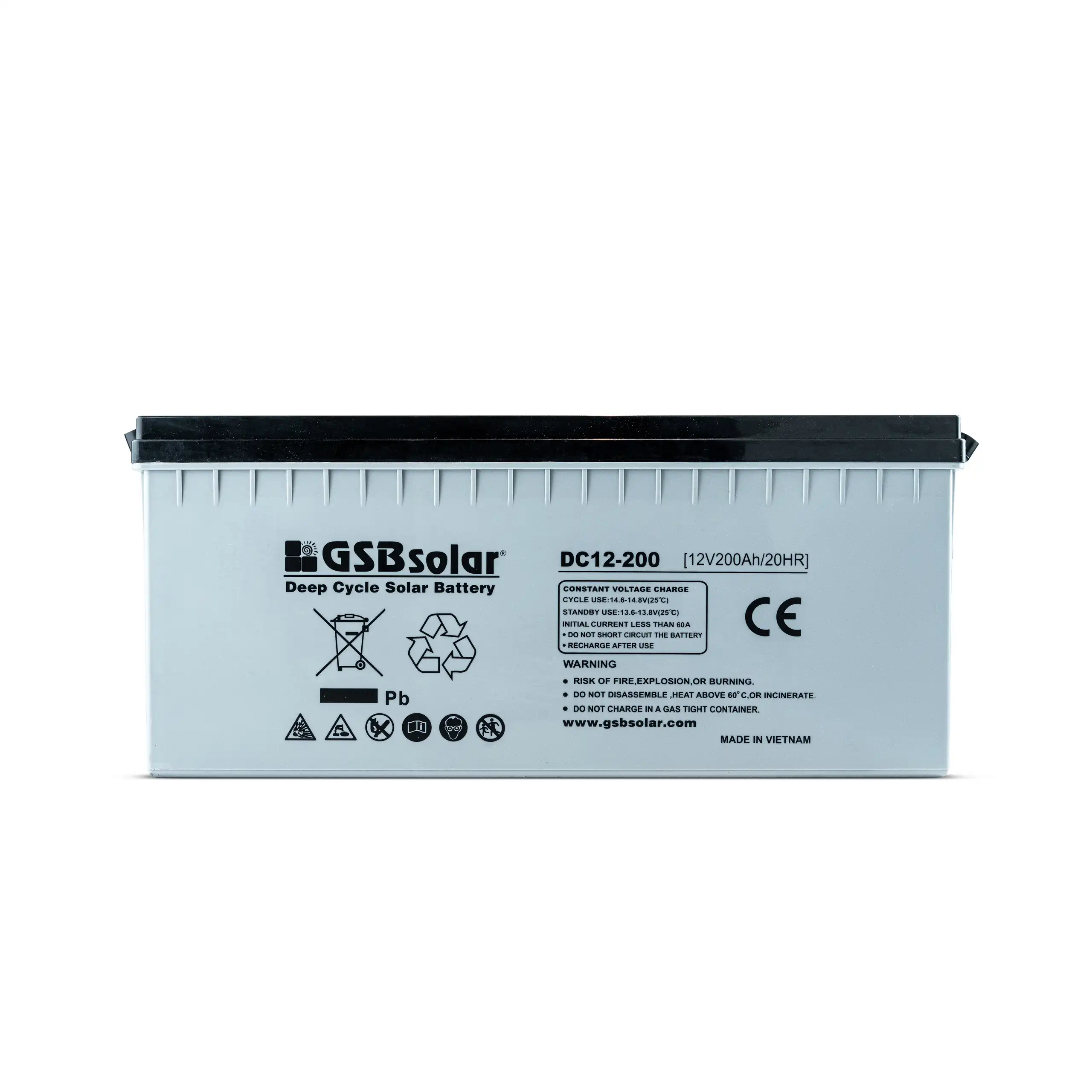
In recent years, the shift towards sustainable energy solutions has gained significant momentum, with many homeowners seeking effective ways to reduce their carbon footprint and energy costs. One of the most compelling options in this green revolution is the solar panel and battery kit, an innovative combination that harnesses the power of the sun and stores it for use when needed. This technology not only enables homeowners to generate their own electricity but also provides a reliable backup during power outages, enhancing the resilience of their energy systems.
Investing in a solar panel and battery kit offers numerous benefits. It empowers homeowners to take control of their energy production and consumption while contributing to environmental preservation. With advancements in solar technology and battery storage, these kits have become more efficient and affordable, making them an attractive choice for those looking to modernize their homes. As we delve deeper into the reasons for choosing a solar panel and battery kit, it becomes clear that this choice is not just about saving money, but also about embracing a sustainable future that promotes energy independence.
Benefits of Solar Panel and Battery Kits for Home Energy Solutions
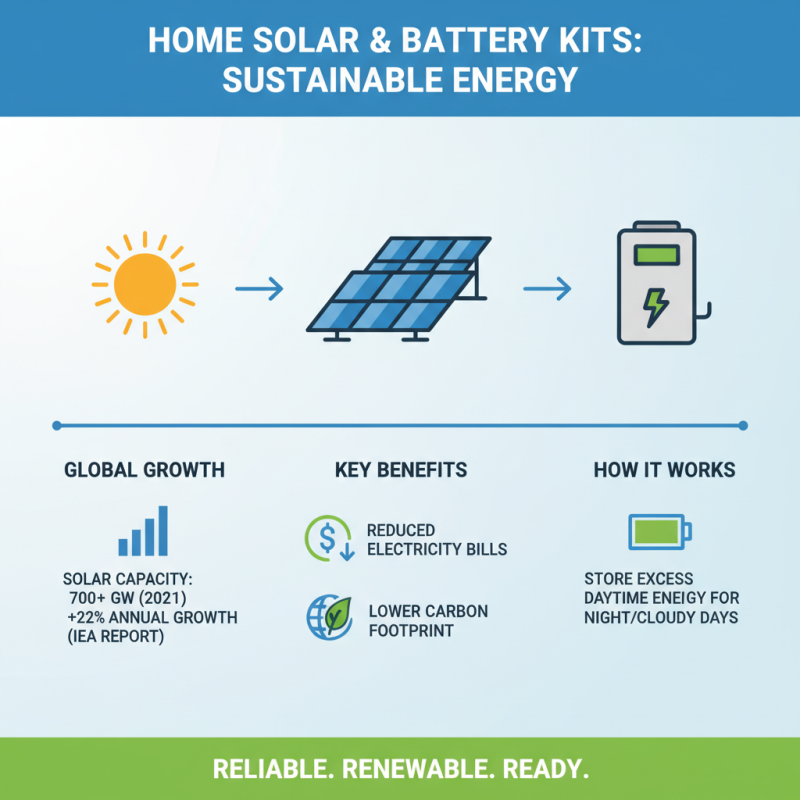
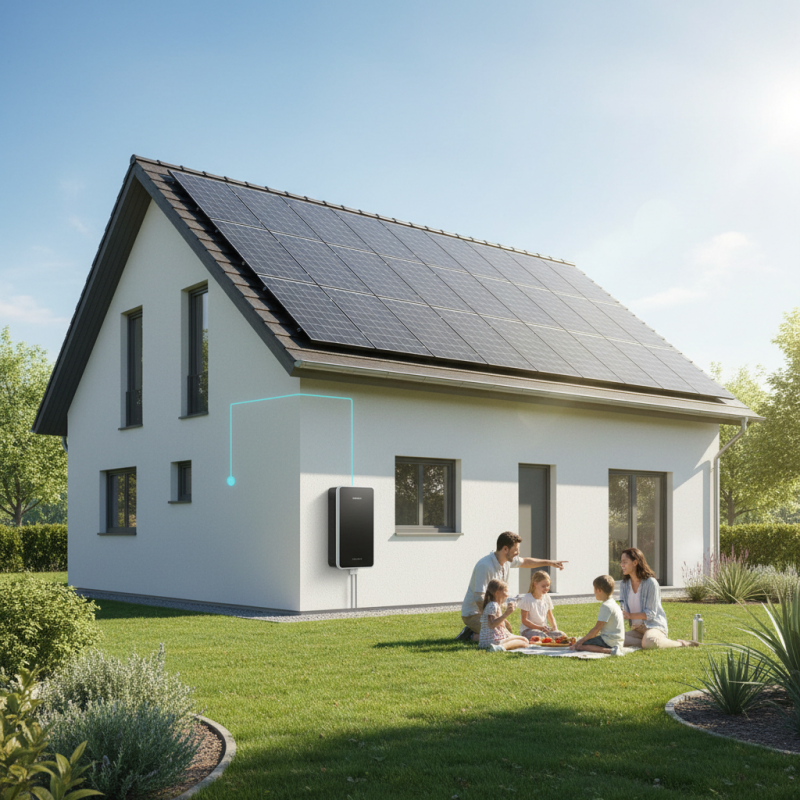
Solar panel and battery kits are becoming increasingly popular as homeowners seek sustainable energy solutions. A report by the International Energy Agency (IEA) indicates that global solar power capacity reached over 700 gigawatts in 2021, with an annual growth rate of approximately 22%. This surge reflects a growing awareness of the benefits associated with renewable energy sources, particularly in reducing electricity bills and minimizing carbon footprints. By installing a solar panel system coupled with a battery kit, homeowners can store excess energy generated during the day for use during the night or on cloudy days, providing a reliable energy supply.
Moreover, the financial advantages of solar panel and battery kits are significant. According to a study by the U.S. Department of Energy, homeowners can save between $10,000 to $30,000 over 20 years when utilizing solar energy. The combination of federal tax credits, state incentives, and decreasing equipment costs make this investment more accessible than ever. In addition, a battery backup system enhances energy independence, allowing homeowners to avoid fluctuations in energy prices and protect themselves from grid outages. This energy autonomy is not only economically beneficial but also contributes to a more resilient and sustainable energy infrastructure.
How Solar Panels Convert Sunlight into Usable Electricity
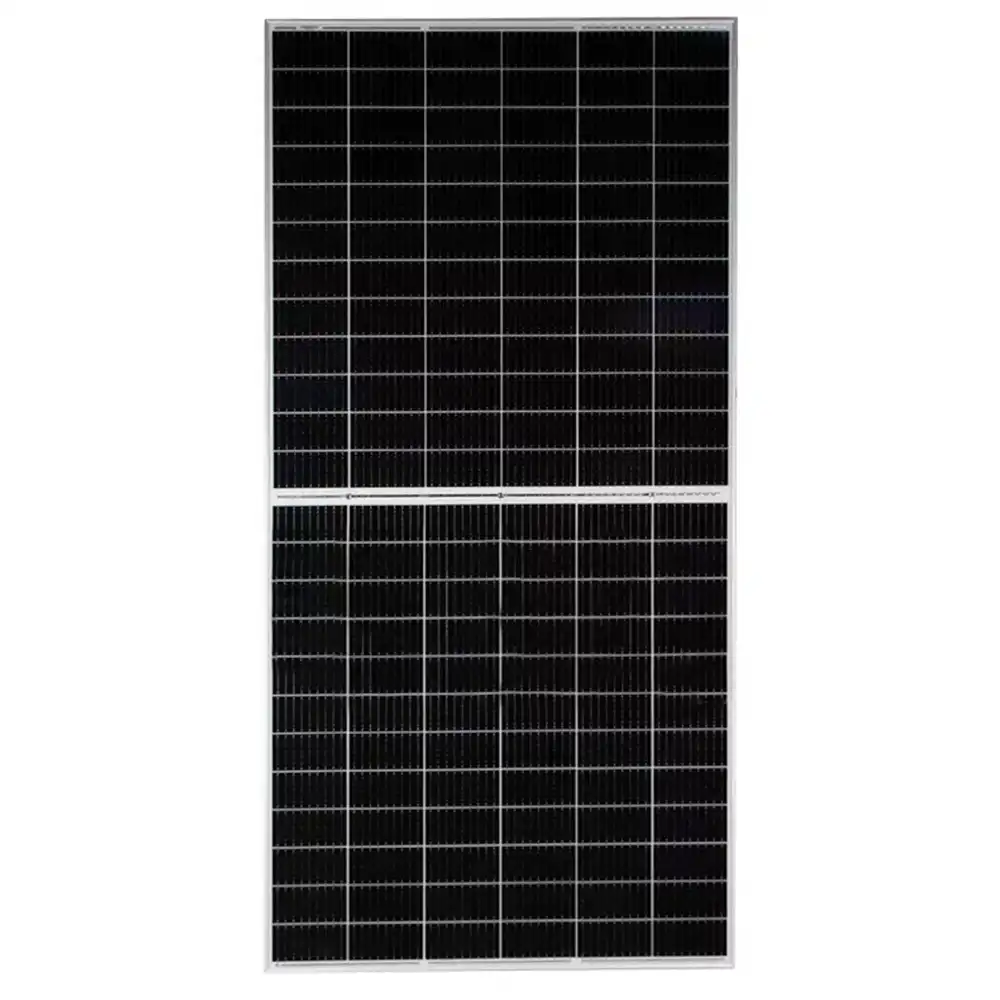
Solar panels play a crucial role in converting sunlight into usable electricity, harnessing one of the most abundant resources available. Through a process known as the photovoltaic effect, solar panels utilize semiconductor materials, typically silicon, to absorb photons from sunlight. When these photons hit the silicon atoms, they free electrons, generating direct current (DC) electricity. According to the U.S. Department of Energy, residential solar installations have grown by over 42% in 2020 alone, with the average home now capable of producing around 9-15 kilowatts of electricity annually, significantly reducing reliance on conventional power sources.
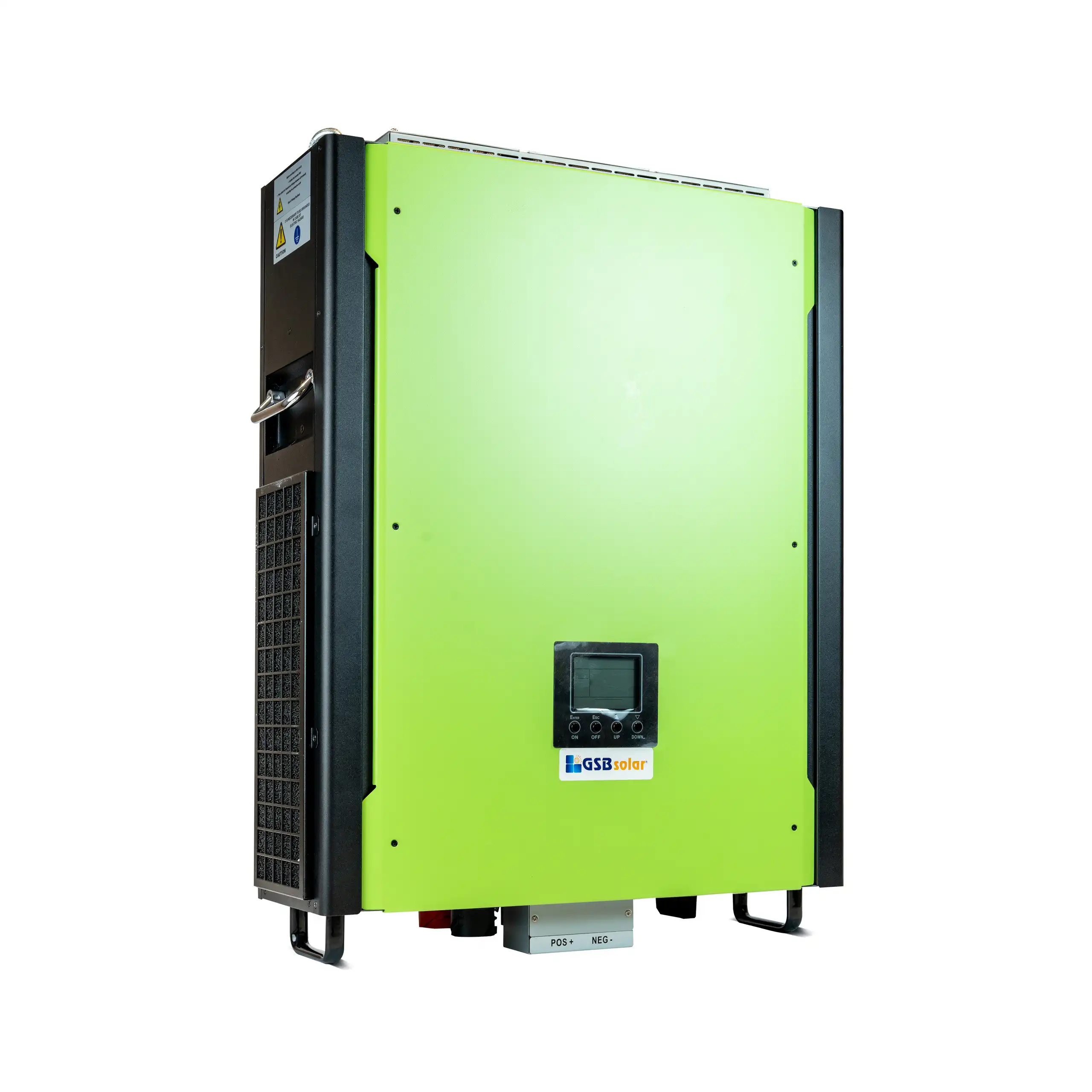
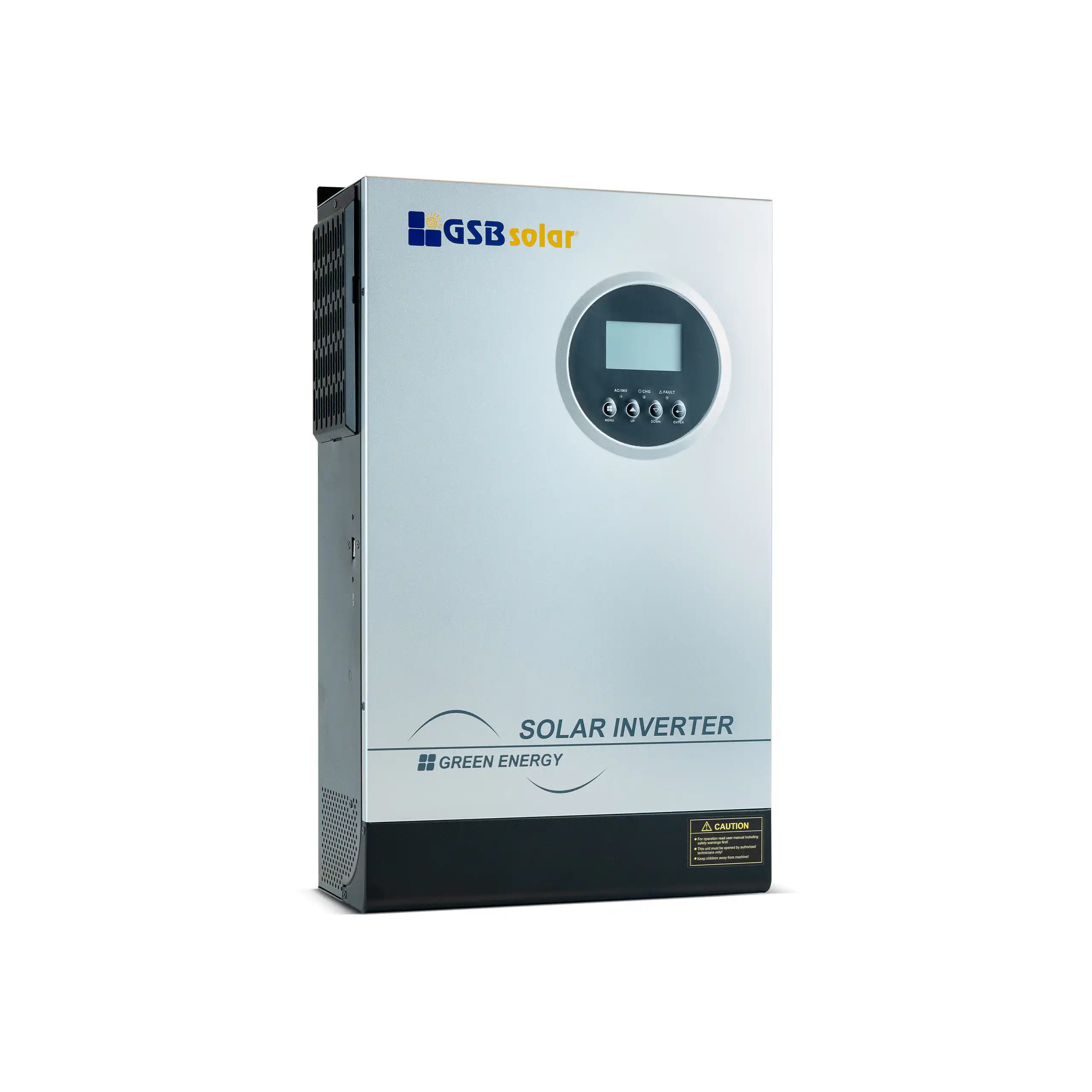
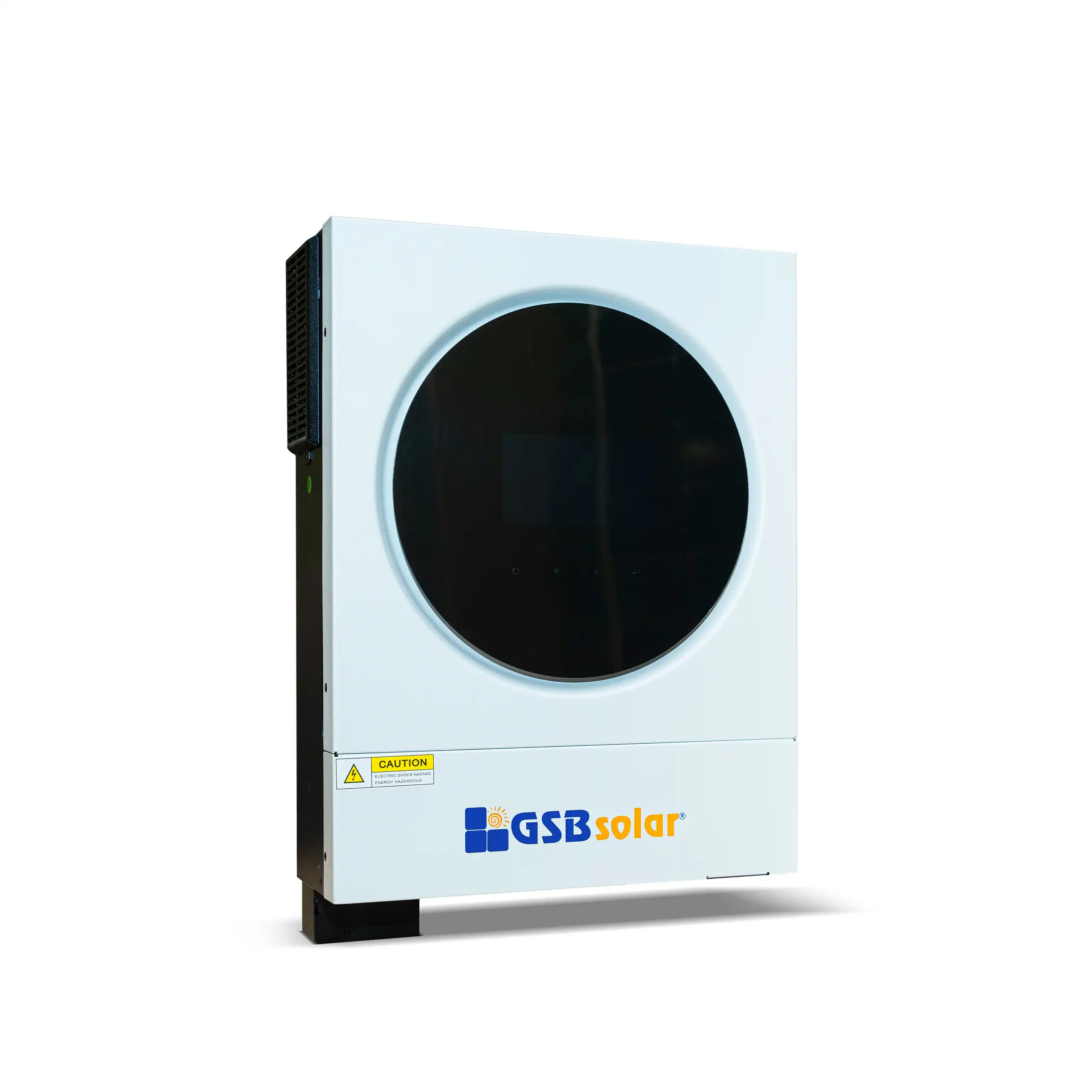
Once the DC electricity is produced, it typically flows to an inverter that converts it into alternating current (AC) electricity, which is what homes use for their appliances and systems. The National Renewable Energy Laboratory estimates that solar energy has the potential to supply about 40% of the United States’ electricity needs by 2035. Moreover, integrating battery storage systems with solar panel installations allows homeowners to store excess energy generated during the day for use at night or during cloudy weather, optimizing energy consumption and enhancing energy independence. This integration not only provides resilience against power outages but also maximizes the return on investment for clean energy solutions.
Understanding the Role of Battery Storage in Home Energy Systems
Battery storage plays a crucial role in optimizing home energy systems, especially when paired with solar panel installations. According to the U.S. Department of Energy, residential battery storage can increase energy independence by allowing homeowners to store excess solar energy generated during the day for use during the evening or during power outages. This capability is becoming increasingly essential; markets for home battery systems are expected to grow significantly, with analysts predicting a compound annual growth rate (CAGR) of over 20% through 2026.
Moreover, integrating battery storage into home energy systems enhances the overall efficiency and sustainability of energy consumption. The National Renewable Energy Laboratory highlights that utilizing battery systems can reduce reliance on the grid, mitigate peak demand charges, and improve energy resilience. By storing energy when production exceeds demand and using it when consumption is higher, homeowners can effectively manage their energy use and costs, as well as decrease their carbon footprint. As the technology continues to advance and prices decrease, more homeowners are considering these systems as a viable solution to meet their energy needs sustainably.
Cost Considerations: Investment vs. Savings with Solar Kits
When considering the cost implications of a solar panel and battery kit, it's essential to weigh the initial investment against long-term savings. The upfront costs for purchasing and installing a solar system can be significant, but they often lead to substantial reductions in electricity bills over time. In fact, many homeowners see a return on their investment within five to seven years, depending on factors such as location, local energy rates, and available incentives.
Tip: Research available tax credits and rebates in your area to maximize your savings on solar installations. Many states offer financial incentives that can dramatically lower your initial costs.
Moreover, investing in a solar kit not only decreases reliance on grid electricity but also helps protect against rising energy prices. With a solar battery storage system, homeowners can store excess energy generated during the day for nighttime use, further enhancing savings. This self-sufficiency can lead to a more stable and predictable energy expense, shielding homeowners from fluctuating utility rates.
Tip: Conduct an energy audit to determine your current usage, which can guide you in selecting the right size solar system and battery to maximize efficiency and savings.
Environmental Impact of Switching to Solar Energy for Homes
Transitioning to solar energy for home use presents significant environmental benefits. Solar panels harness sunlight, which is a clean and renewable energy source, drastically reducing reliance on fossil fuels that contribute to greenhouse gas emissions. By generating electricity on-site, homeowners can significantly diminish their carbon footprints, leading to a decrease in air pollution and a healthier environment.
Moreover, the use of a solar panel and battery kit enhances energy efficiency. These systems enable homeowners to store excess energy generated during sunny days, which can be utilized during peak hours or cloudy days. This not only optimizes energy use but also reduces strain on the electrical grid, especially during times of high demand. As more households adopt solar energy, the cumulative effect can lead to a substantial reduction in overall emissions from traditional energy sources, fostering a more sustainable future for our planet.
Why Choose a Solar Panel and Battery Kit for Your Home Energy Needs?
| Feature |
Benefits |
Environmental Impact |
Cost Savings |
| Solar Panels |
Generate renewable energy, reduce electricity bills |
Reduce carbon footprint by decreasing reliance on fossil fuels |
Up to 50% reduction in energy costs |
| Battery Storage |
Store excess energy for later use, increase energy independence |
Allows for better management of renewable energy resources |
Potential for long-term savings on utility bills |
| Incentives |
Tax credits and rebates available for solar and battery installs |
Encourages adoption of clean energy solutions |
Saves thousands in installation costs |
| Energy Resilience |
Provides backup power during outages |
Decreases demand on grid during peak times |
Reduces dependence on traditional electricity sources |