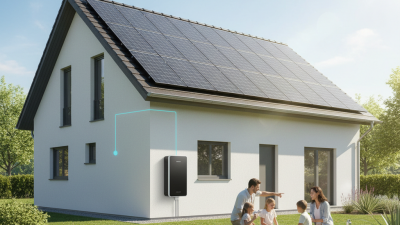
Why Choose a Solar Power System for Your Home
In an age of rising energy costs, many homeowners are exploring renewable alternatives. A solar power system stands out as a promising solution. According to Dr. Emily Carter, a renowned expert in renewable energy, "Investing in a solar power system can transform your home's energy efficiency." Her insight captures the essence of why more households are considering this option.
Solar power systems are not just about cutting electricity bills. They contribute to environmental sustainability. Harnessing energy from the sun reduces reliance on fossil fuels. This shift creates a clean energy future for generations to come. However, the transition is not without its challenges. Installation costs can be significant upfront. Homeowners may also feel overwhelmed by the technology involved. Balancing these factors is essential for an informed decision.
Despite the obstacles, the benefits are evident. Increased energy independence and lower carbon footprints are compelling reasons to invest. A solar power system can lead to long-term savings. Reflection on both the advantages and drawbacks helps potential buyers make a wise choice. Ultimately, the decision to adopt solar power must resonate with a homeowner's values and financial circumstances.
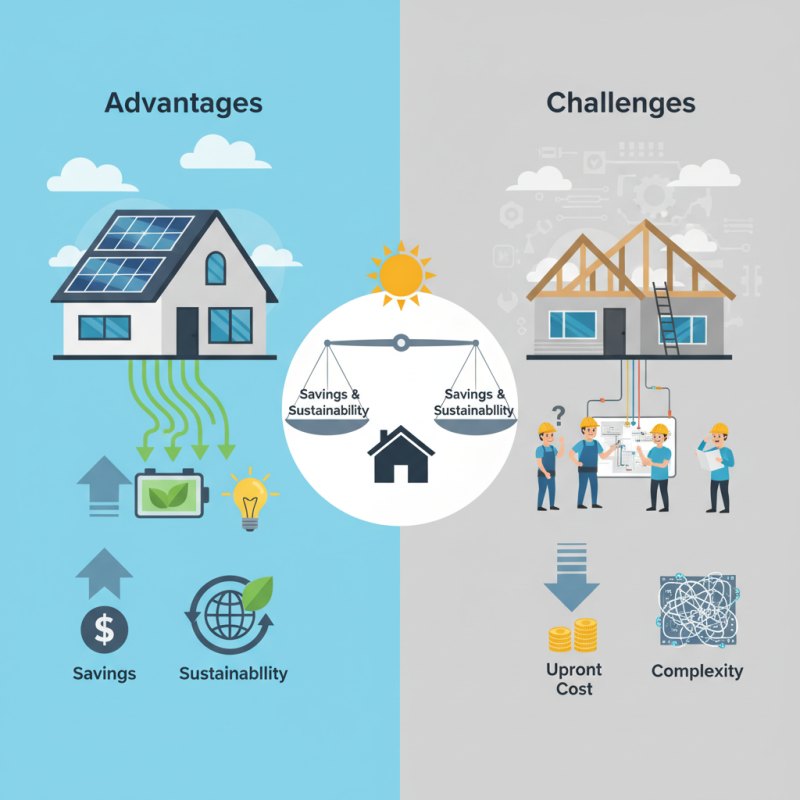
Benefits of Solar Power for Homeowners
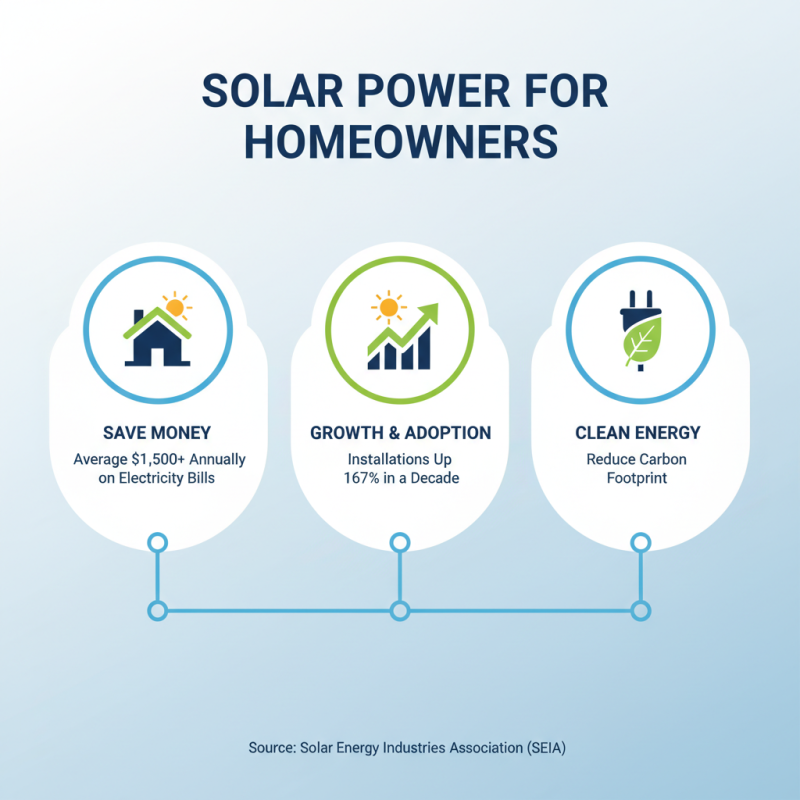
The benefits of solar power for homeowners are substantial. According to the Solar Energy Industries Association, installations have grown by over 167% in the past decade. This growth reflects rising consumer awareness of solar advantages. Many homeowners are reducing their electricity bills significantly by using solar energy. For instance, a typical household can save around $1,500 each year.
Environmental impacts are equally compelling. Solar panels can reduce carbon emissions and dependence on fossil fuels. The National Renewable Energy Laboratory estimates that switching to solar can offset more than 100 tons of carbon dioxide over 30 years. However, homeowners must consider factors like upfront costs and installation complexity. The transition is not always seamless.
Another area for reflection is the current energy grid's capacity. While solar power is clean, its reliance on weather can lead to inconsistent energy supply. Homeowners should assess local conditions before investing. Overall, solar power offers an opportunity to create a renewable energy source at home. Potential benefits exist, yet challenges are clear.
Understanding the Cost of Solar Power Systems
When considering a solar power system for your home, understanding the costs is crucial. The initial investment can be substantial. Most homeowners face expenses ranging from thousands to tens of thousands of dollars. This upfront cost may seem daunting. However, it is essential to consider long-term savings on energy bills.
In addition to installation, there are ongoing costs to consider. Maintenance is necessary, and prices can vary. Unexpected repairs may arise, adding to the overall cost. Tax incentives can help offset some expenses. Research available rebates in your area. Many homeowners overlook these financial aids, which can significantly reduce total spending.
Adopting solar energy is not just about finances. It involves evaluating personal values and sustainability goals. A solar system can boost a home's value but doesn’t guarantee profit. Reflect on these points before deciding. The path to solar energy requires careful thought, not a hasty decision.
Why Choose a Solar Power System for Your Home - Understanding the Cost of Solar Power Systems
| Feature |
Estimated Cost (USD) |
Potential Savings (Annual) |
Return on Investment (Years) |
| Residential Solar Panel System (5 kW) |
$15,000 |
$1,500 |
10 |
| Installation Costs |
$3,000 |
N/A |
N/A |
| Incentives & Tax Credits |
-$4,500 |
N/A |
N/A |
| Maintenance Costs (Annual) |
$300 |
N/A |
N/A |
| Net Cost After Incentives |
$11,500 |
N/A |
N/A |
Environmental Impact of Solar Energy
The environmental impact of solar energy is profound. Solar power generates clean energy without emitting greenhouse gases during operation. A recent study indicates that solar energy can reduce carbon dioxide emissions by approximately 80% over its lifetime compared to fossil fuels.
In 2020, the National Renewable Energy Laboratory found that solar panels could prevent over 2 billion metric tons of carbon emissions if installed nationwide. This benefit extends beyond the atmosphere. Reduced air pollution can lead to better health outcomes. For every megawatt installed, solar energy can save lives by improving air quality.
However, solar energy isn't without challenges. Manufacturing solar panels requires energy and resources. Solar farms can disrupt local ecosystems. There’s much to consider in the quest for a sustainable future. It’s crucial to balance growth with environmental preservation. The conversation around solar energy must continue as we seek effective solutions for climate change.
Environmental Impact of Solar Energy
Factors to Consider When Choosing a Solar System
When considering a solar power system for your home, several factors come into play. Start by evaluating your energy needs. How much electricity do you consume monthly? This helps determine the size of the solar system required. It's also crucial to assess the sunlight exposure on your property. Some areas receive more sunlight than others, impacting the system's efficiency.
Budget is another critical consideration. Look into initial installation costs versus long-term savings. Consider your local incentives, which can reduce upfront expenses. Also, think about the maintenance of the system. Some setups require regular upkeep, while others have minimal maintenance needs.
Lastly, reflect on the aesthetic impact. Solar panels can alter the look of your home. Think about the design and placement that best fits with your architecture. It's important to balance function and form. Investing time in research will lead to better decisions. Solar energy can significantly benefit your home, but choosing the right system is essential.
Government Incentives and Rebates for Solar Installation
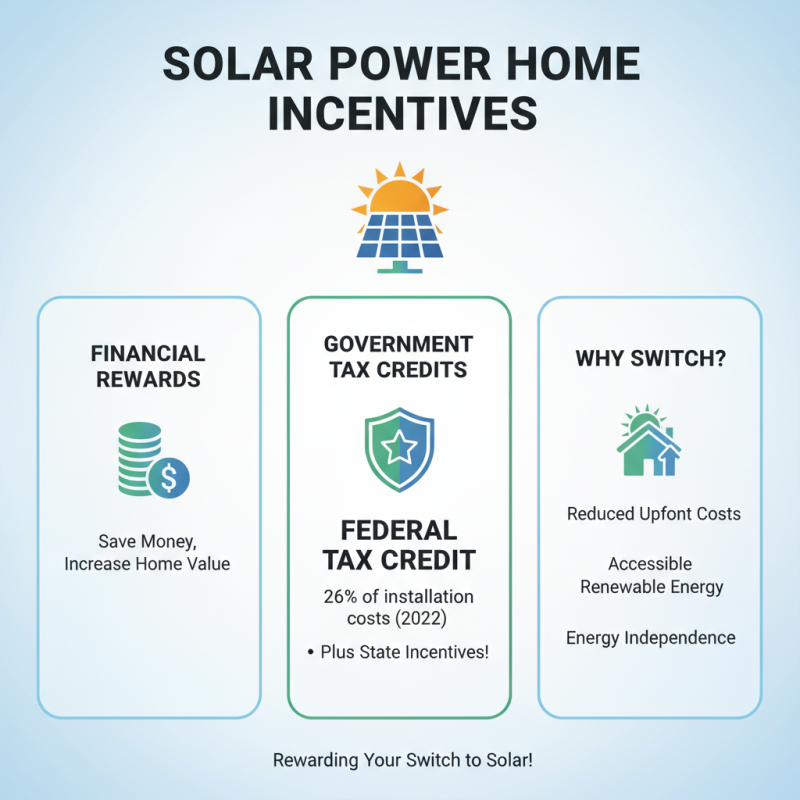
Installing a solar power system for your home can be financially rewarding, especially due to government incentives. Many states offer tax credits that cover a percentage of installation costs. As of 2022, the federal tax credit stands at 26%, giving homeowners a solid reason to switch to solar. This incentive can significantly reduce upfront expenses, making solar more accessible.
In addition to tax credits, rebates are commonly available. Some local governments and utilities provide cash incentives for solar installations. Reports show that these rebates can range from $1,000 to $5,000, depending on installation size. Furthermore, many areas offer grants to support renewable energy projects. This combination of incentives boosts solar adoption rates.
However, not every homeowner takes advantage of these benefits. Awareness remains a significant issue. Many eligible homeowners either don’t know about the incentives or misinterpret the application processes. This confusion can delay the transition to solar power. It's important to research local programs and understand available options clearly. Ignoring these incentives may cost you in the long run.