How to Choose the Best Hybrid Solar Inverter for Your Home Installation
Choosing the best hybrid solar inverter for your home installation is an essential decision that can significantly impact your energy efficiency and sustainability. As the reliance on renewable energy sources grows, so does the importance of selecting the right technology to harness these resources. According to Carl Johnson, a leading expert in the hybrid solar inverter industry, "The right hybrid solar inverter can transform your energy consumption and maximize your savings, making it a cornerstone of any sustainable home."
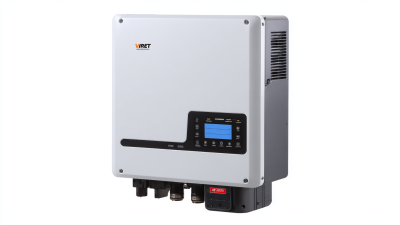
When considering a hybrid solar inverter, it’s crucial to evaluate your specific energy needs, the compatibility with your solar panel system, and the features that enhance performance. Inverters serve as the brains of your solar setup, allowing for seamless integration with both solar and battery systems. The right choice not only provides effective power management and usage but also enhances the reliability and longevity of your home energy system.
In this guide, we will delve into key factors to consider when choosing a hybrid solar inverter, ensuring that homeowners can make informed decisions that suit their unique requirements. With the right information and expert insight, you can confidently select a hybrid solar inverter that aligns with your energy goals and contributes to a cleaner, greener future.
Understanding Hybrid Solar Inverters: Features and Benefits
Hybrid solar inverters are gaining popularity among homeowners looking to maximize energy efficiency and sustainability. These systems combine the functionalities of a traditional inverter and a battery inverter, allowing users to harness and store solar energy effectively. A notable feature of hybrid inverters is their ability to manage energy from multiple sources, balancing solar energy generation, grid consumption, and stored energy use seamlessly. According to recent reports by the International Renewable Energy Agency (IRENA), approximately 64% of new solar photovoltaic installations worldwide in 2022 incorporated hybrid technology, underscoring a significant trend toward integrated energy solutions.
The benefits of hybrid solar inverters are extensive. They provide the flexibility to use solar energy even during outages by leveraging stored battery power, thereby enhancing energy security for homeowners. Furthermore, hybrid systems can optimize energy usage patterns. A study by the U.S. Department of Energy found that homes equipped with hybrid solar inverters can reduce energy bills by up to 30%, compared to conventional setups. Additionally, these systems allow for real-time monitoring and control of energy consumption, offering insights that empower homeowners to make informed decisions about their energy usage. This capability, combined with increasing incentives for renewable energy adoption, makes hybrid solar inverters an attractive option for those looking to invest in reliable, long-term energy solutions.
Key Factors to Consider When Selecting a Hybrid Solar Inverter
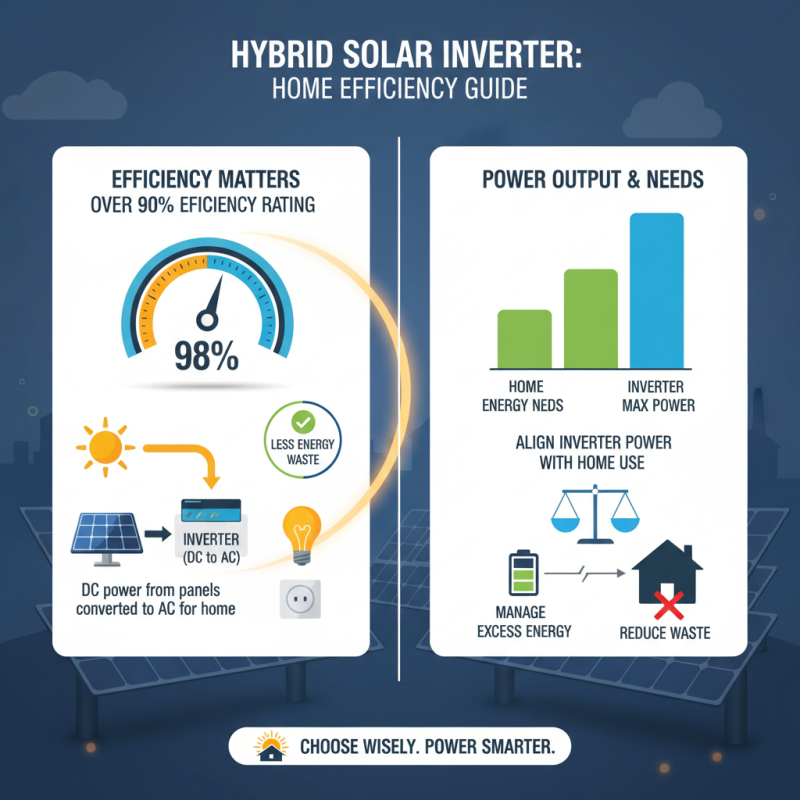
When selecting a hybrid solar inverter for your home installation, one of the most critical factors to consider is the inverter's efficiency. A high-quality inverter should ideally have an efficiency rating over 90%. This rating indicates how well the inverter converts direct current (DC) from your solar panels into alternating current (AC) for your home use. Additionally, you should examine the maximum power output and ensure it aligns with your home’s energy consumption needs. Understanding your energy requirements will help you choose an inverter that can effectively manage excess energy and reduce wastage.
Another vital aspect to look into is the inverter's compatibility with battery storage systems and grid connection. A hybrid solar inverter should seamlessly integrate with both solar batteries and the grid, ensuring you have a reliable power source regardless of weather conditions or grid availability. Features such as advanced monitoring capabilities can also enhance your experience by allowing you to track energy production and consumption in real-time. Lastly, considering the warranty and support services offered by the manufacturer will ensure that you have reliable assistance throughout the inverter's lifespan, providing peace of mind for your investment.
Evaluating Efficiency Ratings: What to Look for in Inverter Performance
When selecting a hybrid solar inverter for your home, understanding the efficiency ratings is crucial for optimal performance. Efficiency ratings indicate how effectively the inverter converts solar energy into usable electricity. Look for inverters with a high efficiency percentage, typically above 95%. This ensures that a minimal amount of energy is wasted during conversion, maximizing the overall output of your solar system.
Tips: Always check the manufacturer's specifications and compare them with other models. Pay attention to the maximum power point tracking (MPPT) efficiency, as this feature enhances performance under varying sunlight conditions. Inverters with dual MPPT channels can better handle energy from multiple arrays, making them a smart choice for complex installations.
Another key factor is the inverter's total harmonic distortion (THD) rating. Lower THD values indicate a cleaner, more stable power output, which is better for your home appliances and overall electrical system. A rating below 5% is generally considered good. Inverters with better THD ratings not only enhance efficiency but also extend the lifespan of your devices, providing long-term benefits for your home energy system.
How to Choose the Best Hybrid Solar Inverter for Your Home Installation
| Model |
Efficiency Rating (%) |
Battery Compatibility |
Total Output Power (kW) |
Warranty Period (years) |
| Model A |
95 |
Lithium-ion |
5 |
10 |
| Model B |
96 |
Lead Acid |
6 |
12 |
| Model C |
97 |
Lithium-ion |
8 |
15 |
| Model D |
94 |
Lead Acid |
4 |
8 |
Comparing Costs: Initial Investment vs. Long-term Savings of Hybrid Systems
When selecting a hybrid solar inverter for your home installation, understanding the financial implications of your choice is crucial. The initial investment for hybrid systems typically includes not just the inverter itself, but also batteries, installation costs, and potentially additional equipment such as a solar panel array. While these costs can be significant upfront, the long-term savings can outweigh those initial expenses. Hybrid systems enable homeowners to maximize self-consumption, store energy for later use, and reduce dependency on the grid, which translates to lower electricity bills over time.
**Tips:** Consider obtaining multiple quotes from solar installers to ensure competitive pricing and analyze the estimated payback period of the system based on your local electricity rates. It’s also essential to factor in potential government incentives or rebates, which can significantly lower the upfront costs.
Additionally, assessing your energy consumption patterns can help you choose the right capacity for your hybrid solar inverter. The more accurately you can estimate your household's energy needs, the better positioned you will be to take advantage of the savings offered by a hybrid system. Investing time in understanding both the short-term and long-term financial aspects will empower you to make an informed decision that aligns with your budget and energy goals.
Comparison of Initial Investment vs. Long-term Savings of Hybrid Solar Inverters
Installation Requirements: Ensuring Compatibility with Home Energy Needs
When selecting the best hybrid solar inverter for your home, understanding installation requirements is crucial to ensure compatibility with your energy needs. A hybrid solar inverter acts as a bridge between solar panels, batteries, and the electrical grid, allowing for a seamless integration of renewable energy into your household. According to the International Energy Agency (IEA), with solar capacity expected to grow significantly, choosing the right equipment becomes pivotal for maximizing efficiency.
Before installation, evaluate your home's energy consumption patterns, which are key to selecting the appropriate inverter size. The average U.S. household uses around 877 kWh per month, according to the U.S. Energy Information Administration (EIA). Factors such as peak energy demand, the number of appliances, and usage habits will directly influence the inverter's power rating and battery storage requirements. Additionally, the inverter's max continuous output must align with the total wattage of appliances that you intend to power during peak hours.
It's also essential to consider the inverter's versatility in handling various energy sources. Some models support grid connection, solar input, and battery integration all at once. This functionality can enhance energy independence and resilience during outages, while flexibility in charging and discharging cycles allows users to tailor their energy management strategy. Understanding these requirements will help ensure that your hybrid solar inverter not only fits your current needs but also accommodates future energy demands as your household evolves.