How to Choose the Best Solar MPPT Controller for Your System?
Choosing the right Solar MPPT controller is crucial for maximizing the efficiency of your solar energy system. Many options are available, and each one promises unique benefits. However, not all controllers are created equal. This makes the selection process challenging for many users.
Understanding the specific needs of your system is essential. Factors like system size, battery type, and power output can significantly influence your choice. A mismatch could lead to wasted energy and reduced lifespan of your components. Additionally, the quality and features of the controller matter. Some controllers may lack important functionalities, which can be a disappointment after installation.
Investing time in research is vital. Reading reviews and comparing products can help. However, many users often overlook smaller brands that might offer better features. Also, pondering over exact specifications can be daunting. Balancing budget and quality is another area requiring attention. Ultimately, making an informed decision about your Solar MPPT controller is key to optimizing your solar system.
Understanding MPPT Controllers and Their Importance in Solar Systems
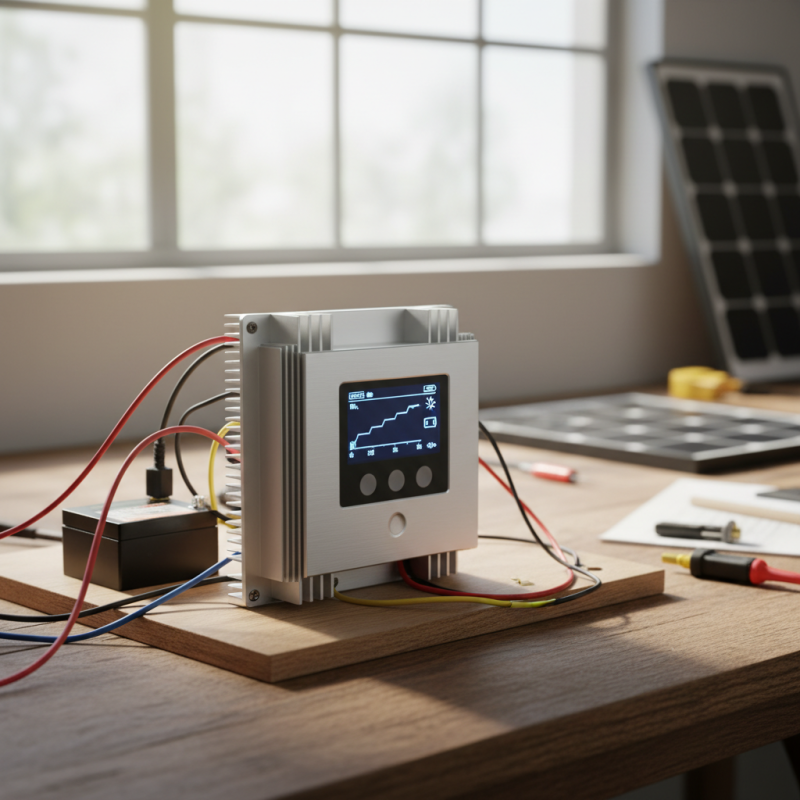
MPPT (Maximum Power Point Tracking) controllers are crucial in maximizing the efficiency of solar systems. They optimize the power output from solar panels by adjusting the electrical parameters. A recent industry report shows that using an MPPT controller can increase energy harvest by up to 30%. This significant boost translates to more energy for households and businesses, emphasizing their importance.
In many installations, the wrong MPPT controller is often chosen. Some users pick a controller based on cost alone, without considering the specifics of their solar setup. This can lead to inefficiencies and lower performance. For instance, a poorly matched controller can limit system output, causing losses over time. Understanding your panel's voltage and current is essential. The right controller can adapt to these changing conditions, ensuring optimal performance.
Furthermore, the quality and features of MPPT controllers vary widely. Some come with advanced monitoring options, while others lack basic functionalities. It’s important to research and compare these features carefully. Many users overlook how environmental factors impact their systems. Temperature variations can significantly affect controller performance. An informed choice can prevent future frustrations and improve the overall solar experience.
Key Factors to Consider When Choosing a Solar MPPT Controller
Choosing the right solar MPPT controller involves several key factors. You need to consider the system voltage. Most systems operate at 12V, 24V, or 48V. Ensure the controller matches your specific system voltage. Mismatches can lead to inefficiencies or damage.
Another important factor is the maximum input power. Assess the total capacity of your solar panels. The controller should handle at least this amount. Different controllers have varying input limits. This is often overlooked. Proper sizing is crucial for optimal performance.
Efficiency ratings also matter. Look for controllers with high efficiency. An efficient controller maximizes power conversion. Small differences can lead to significant energy loss over time. Pay attention to details like temperature compensation. This feature protects your system in extreme conditions. Reflect on what features fit your needs. It's easy to overlook some aspects. Take time to research and evaluate.
Comparing Different Types of MPPT Technologies and Their Benefits
When choosing a solar MPPT controller, it's essential to compare various technologies. There are three primary types: traditional, hybrid, and advanced. Each has distinct benefits while also presenting potential drawbacks. Traditional MPPT controllers are often more affordable. However, they may not perform optimally under diverse weather conditions.
Hybrid controllers offer better efficiency by combining features. They can adjust based on changing solar intensity. This can enhance energy harvesting, but they might be more complex to set up. Advanced MPPT technologies use sophisticated algorithms. These can maximize power output even in partial shading. Yet, their initial cost can be high, leading some to hesitate.
Understanding these differences helps in making an informed choice. The best controller aligns with your specific needs. You might want reliability over cutting-edge features. A balance between cost and efficiency is essential. Errors in selecting the right technology can lead to wasted potential. Reflecting on these aspects is crucial for optimizing your solar system.
Assessing Compatibility with Solar Panels and Battery Systems
When choosing a solar MPPT (Maximum Power Point Tracking) controller, assessing compatibility with your solar panels and battery system is crucial. An optimal controller maximizes energy conversion efficiency. Reports from the Solar Energy Industries Association (SEIA) suggest that compatibility impacts overall system performance by up to 30%.
A compatible MPPT controller considers both the voltage and current ratings of your panels. When the voltage is too high, it can damage the controller. Conversely, if it's too low, the system may underperform. Ensure that your solar panels operate within the input voltage range specified in the controller's documentation.
Tip: Always look up the specifications of your solar panels. They provide the necessary input parameters.
Similarly, the battery type plays a vital role. Different batteries require specific charge parameters. For instance, lithium batteries often need a different charging algorithm compared to lead-acid batteries. Mismatched settings can lead to inefficient charging.
Tip: Consult your battery's technical manual. This document usually details compatible charge settings.
Compatibility is not merely a technical concern; it influences energy capture and storage efficiency. Without proper matching, wasted energy could become an issue. Reflecting on these aspects helps ensure that you choose a suitable MPPT controller for your solar energy system.
How to Choose the Best Solar MPPT Controller for Your System?
| Dimension | Value |
| Rated Input Voltage | 12V / 24V / 48V |
| Maximum PV Input Voltage | 100V |
| Rated Charge Current | 20A / 40A / 60A |
| Efficiency | 95% - 98% |
| Load Control Type | PWM / UL / Manual |
| Communication Protocol | RS232 / Bluetooth / App |
| Protection Features | Overcharge / Overdischarge / Short Circuit |
| Temperature Compensation | Yes / No |
Evaluating Price, Warranty, and Customer Support Options for MPPT Controllers
When selecting an MPPT controller, price is a significant factor. It’s tempting to choose the cheapest option, but that could lead to issues. A low-cost controller may not come with essential features. You might end up replacing it sooner. Consider the price in relation to the quality and capacity of the unit. It’s worth spending a bit more upfront for reliability.
Warranty is another key aspect. Look for a controller that offers a solid warranty. A lengthy warranty period can provide peace of mind. It indicates the manufacturer trusts their product. However, read the fine print. Some warranties have strict conditions. Make sure you understand what is covered.
Customer support cannot be overlooked. Evaluate how easily you can reach support. A prompt response can save you headaches. Read reviews about their service. It reflects their commitment to consumers. You may find that some companies are more responsive than others. It’s okay to ask questions before purchasing. A good support team should be ready to assist.
MPPT Controller Features Comparison