How to Choose the Best Full Solar Panel System for Your Needs?
As the shift towards renewable energy accelerates, choosing the right full solar panel system becomes crucial for homeowners and businesses. According to a report by the International Renewable Energy Agency (IRENA), solar energy capacity has increased by over 20% annually since 2010, indicating a growing reliance on this clean energy source. Yet, the market offers an overwhelming variety of options, making the selection process daunting.
Understanding the specifications of a full solar panel system is essential. Factors such as energy needs, roof size, and geographical location all play a significant role in determining the best match. A study by the National Renewable Energy Laboratory (NREL) indicates that optimal system sizing can improve energy output by up to 30%. However, many users overlook the importance of tailored solutions, often settling for generic systems that may not meet their specific requirements.
Reflecting on common pitfalls can foster better choices. Many consumers rush into purchases without adequate research, which can lead to dissatisfaction and inefficiency. Thus, a thoughtful approach, rooted in understanding personal energy needs and engaging with reliable providers, is vital. By prioritizing knowledge and a customized selection process, you can ensure that your investment in a full solar panel system serves your long-term goals effectively.

Understanding Your Energy Needs and Consumption Patterns
Understanding your energy needs is crucial in selecting the best solar panel system. Begin by analyzing your monthly energy bills. Many homeowners notice fluctuations in consumption, such as increased usage during summer months due to air conditioning. According to the U.S. Energy Information Administration, the average American household consumes about 877 kWh per month. This can be a helpful benchmark for your calculations.
To gain deeper insights, track your energy usage over time. Use smart meters or apps to gather data on consumption patterns. This approach provides a clearer picture of your daily energy needs and possible peak usage times. Considering that solar panel efficiency can vary throughout the day, understanding when you use the most energy is essential.
Tips: Review energy bills regularly for trends. Smaller households may need fewer panels, while larger homes could require more capacity. Determine how much energy you want to generate. Many homeowners aim for 100% energy offset, but that might not be necessary. Assessing your priorities can lead to a more tailored solar solution. Remember, not all solar panel systems fit every home. Adapting to your specific circumstances is key.
Assessing Different Types of Solar Panel Technologies Available
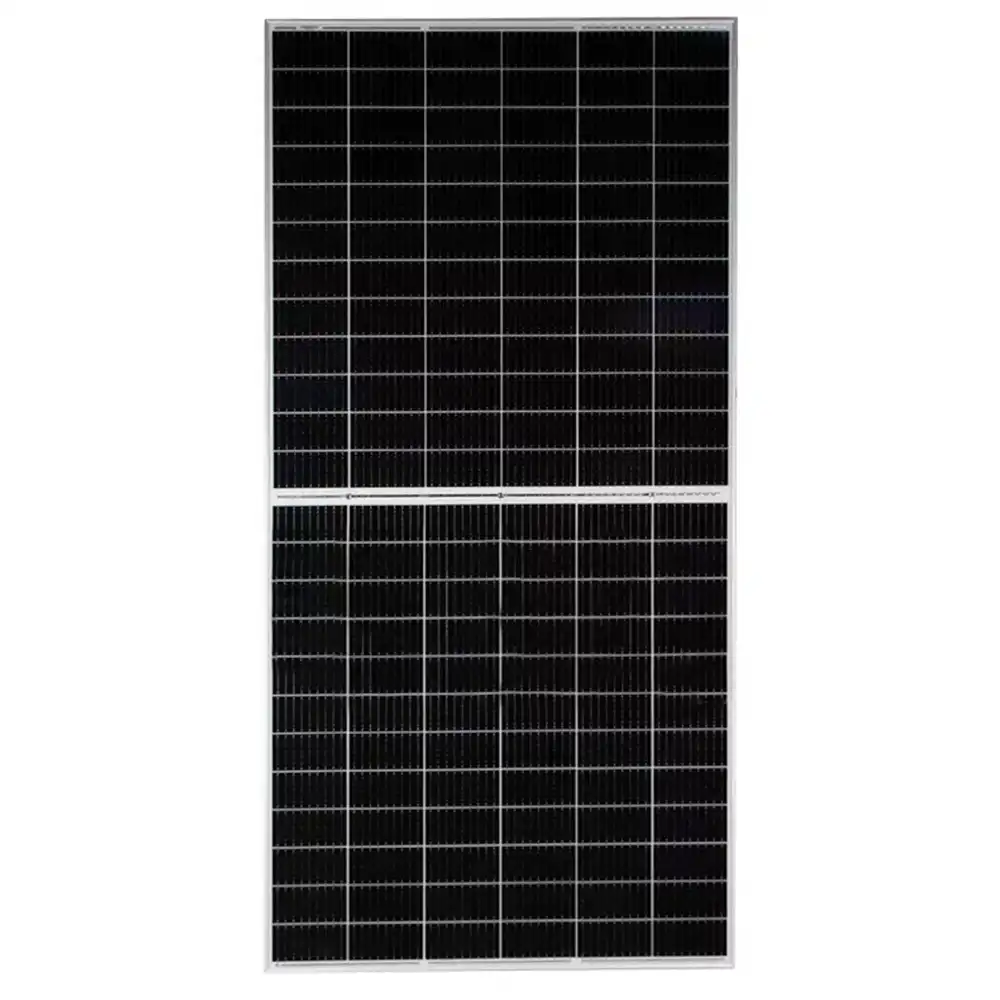
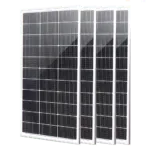
When it comes to choosing a solar panel system, understanding the different types of technologies is crucial. Photovoltaic (PV) panels are the most common. They convert sunlight directly into electricity. Their efficiency varies by type, including monocrystalline, polycrystalline, and thin-film panels. Monocrystalline panels are known for high efficiency and a sleek design. However, they often come with a higher price tag.
Thin-film panels offer flexibility, making them suitable for unique installations. Yet, they generally have lower efficiency levels. Polycrystalline panels strike a balance between cost and performance. Evaluating your space and energy needs will help in making the right choice. Consider factors such as available sunlight and roof space.
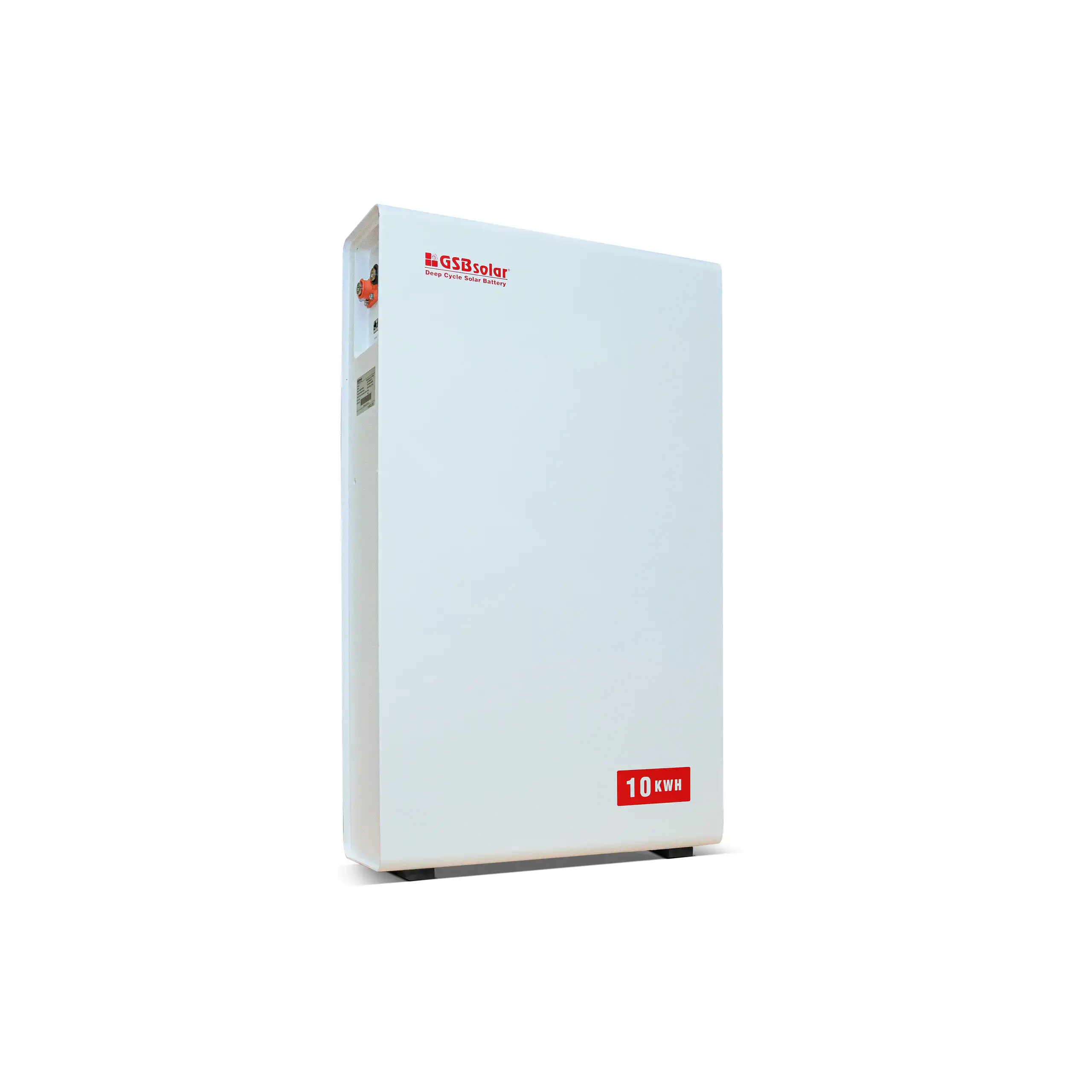
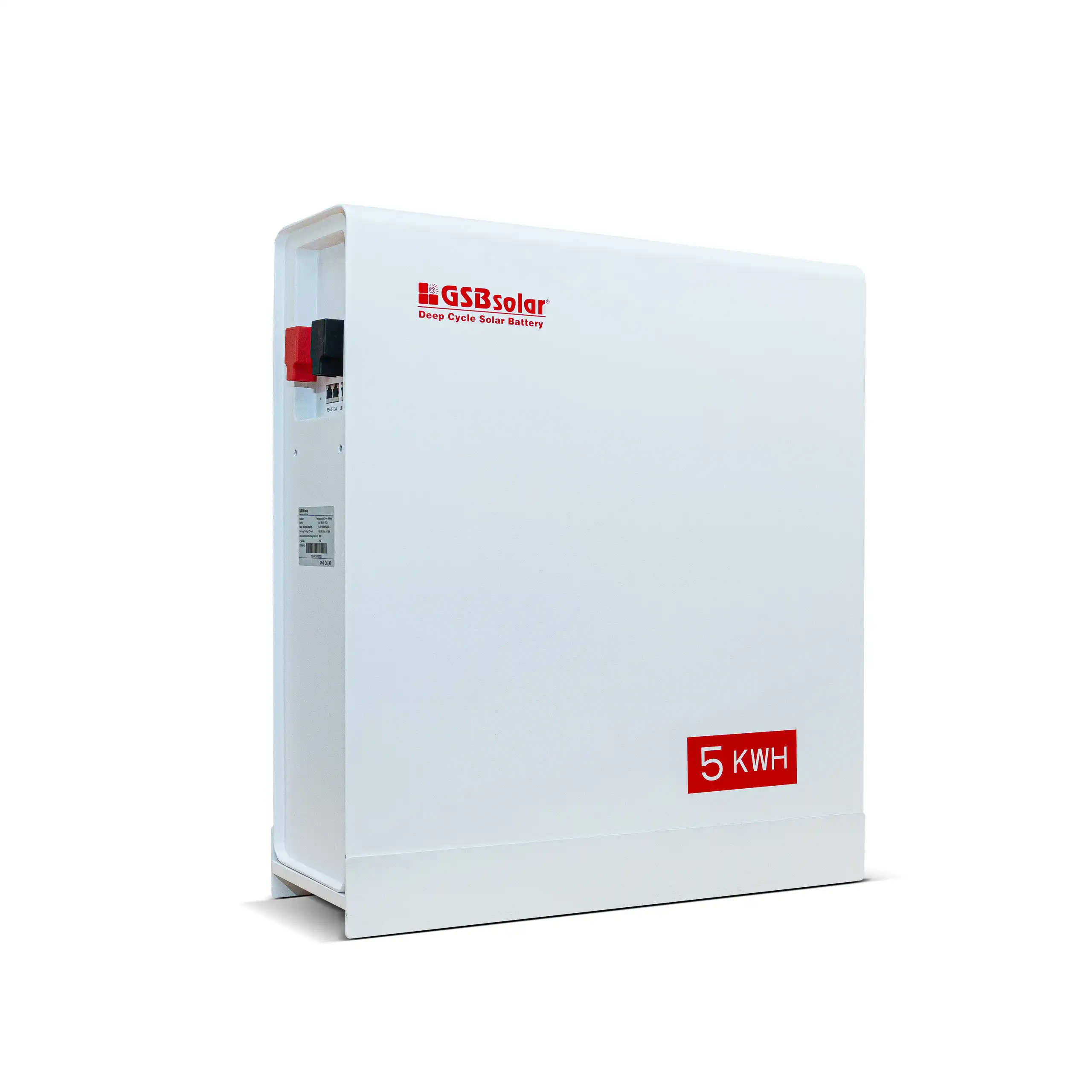
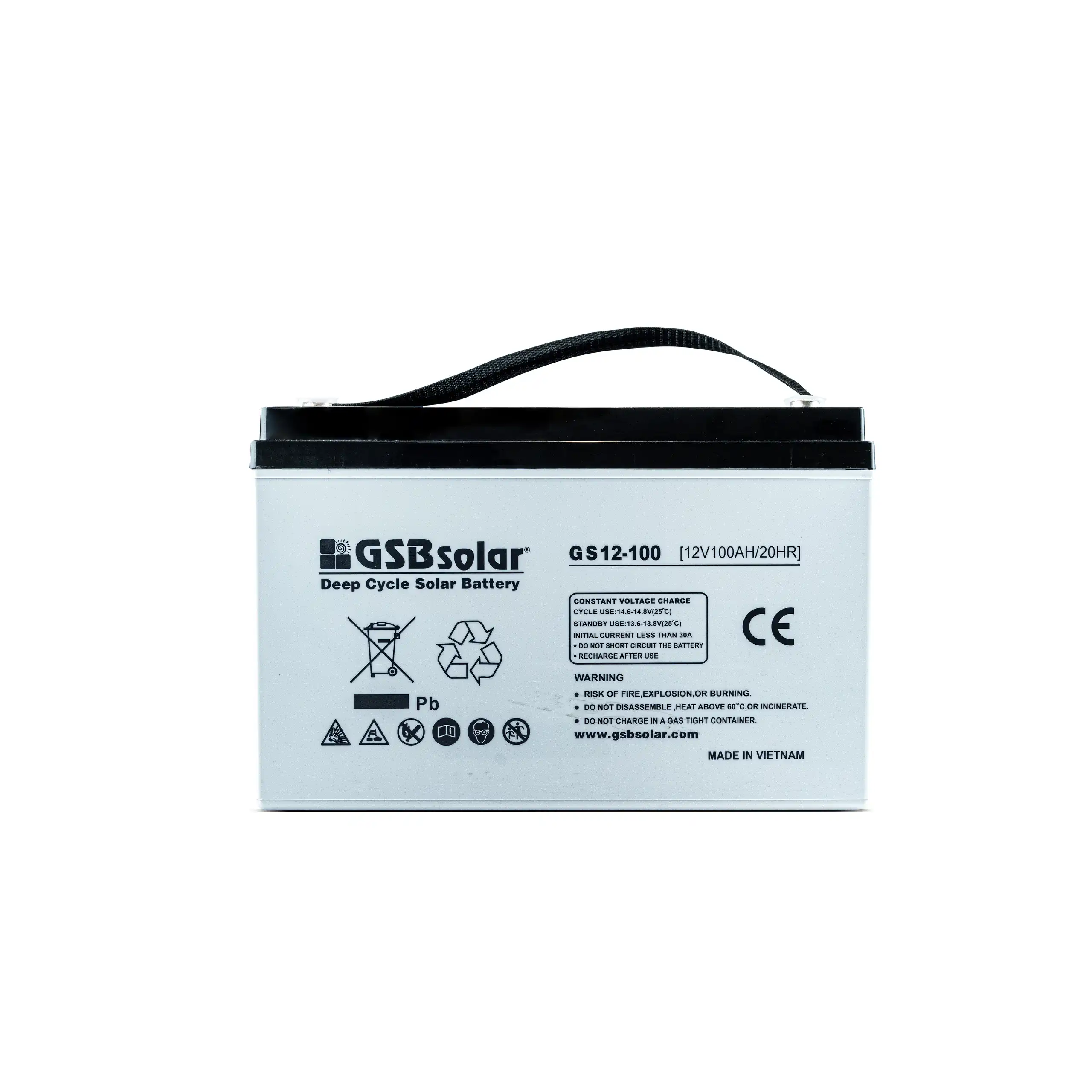
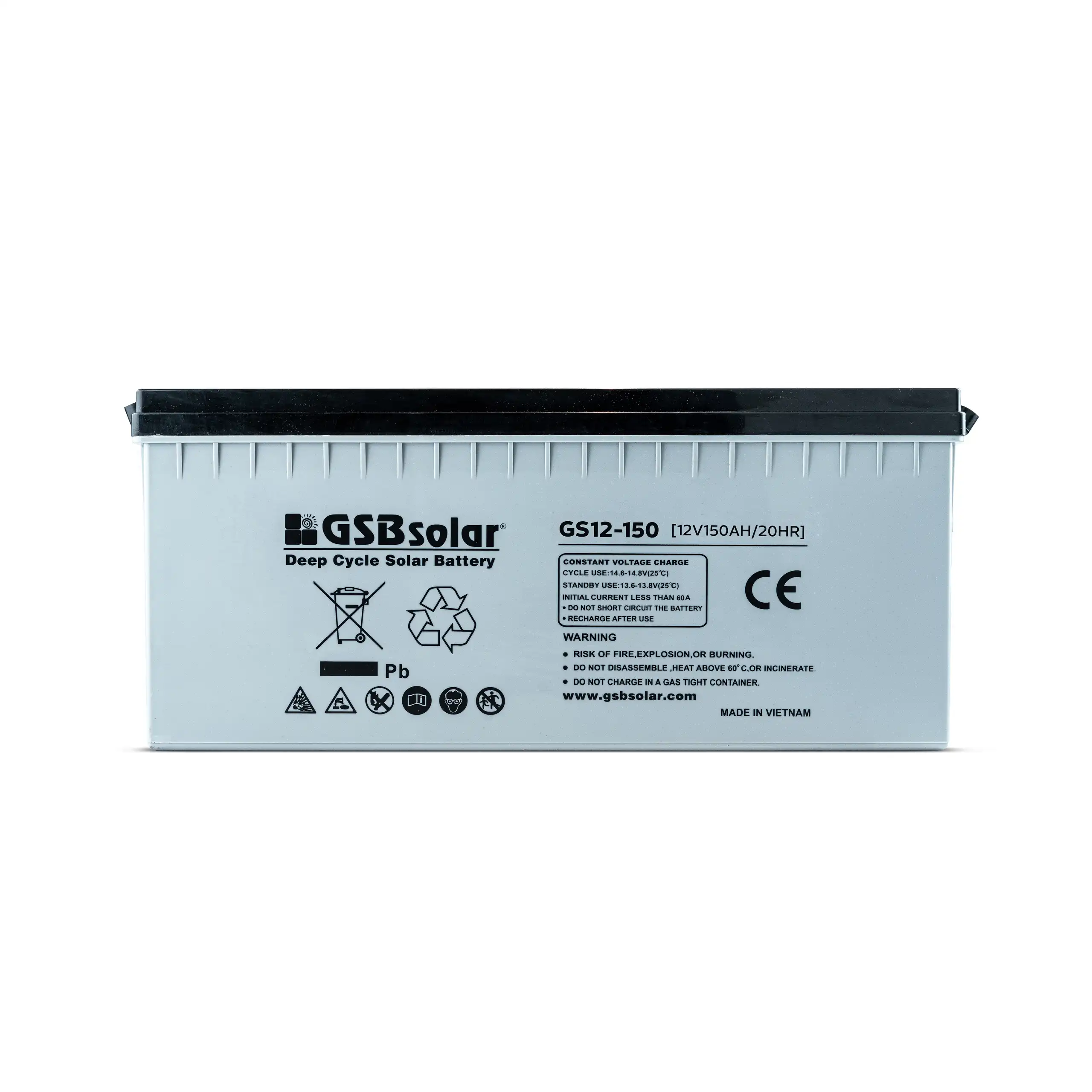
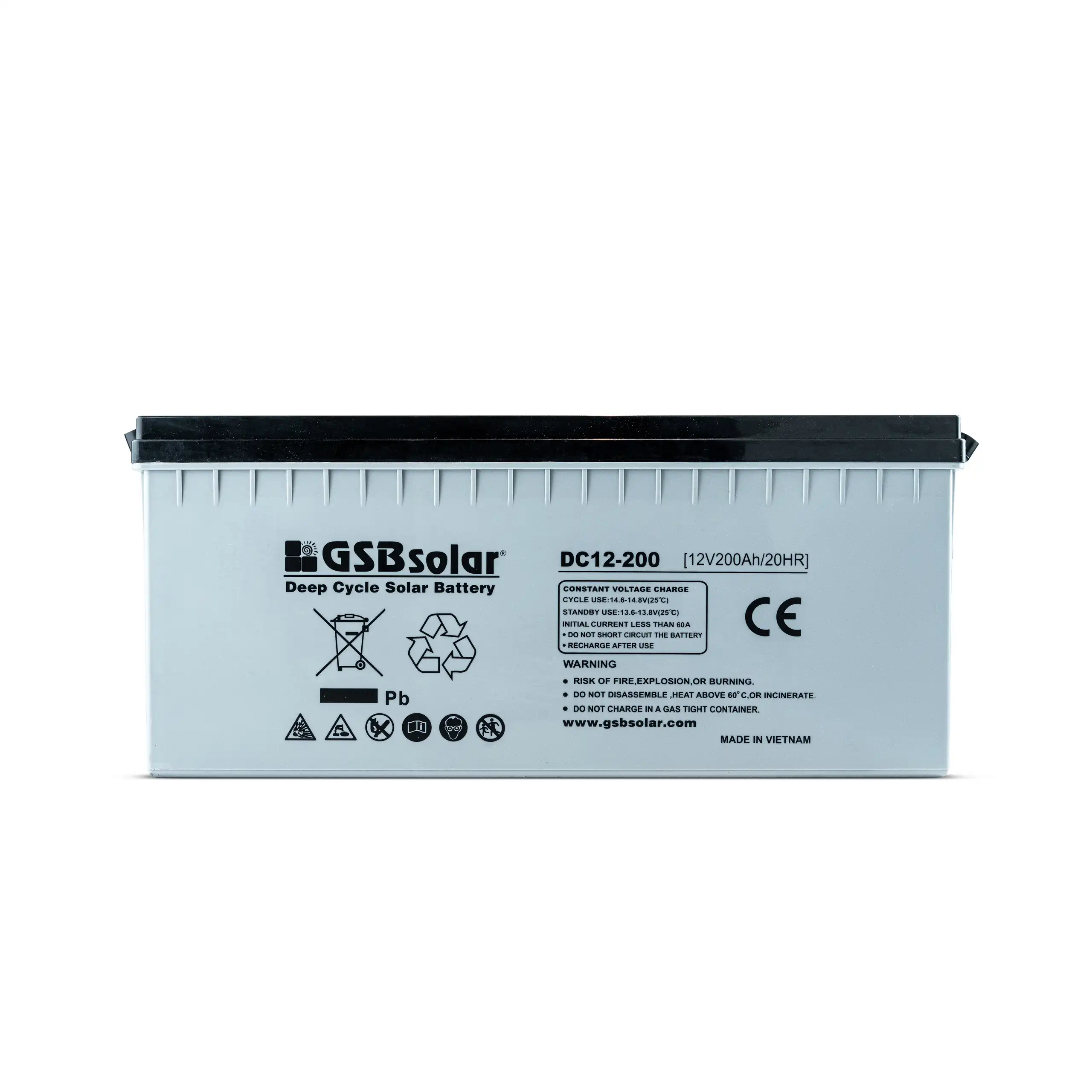
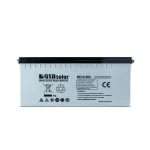
Battery storage systems are another important aspect. They allow you to store excess energy. This can be vital during cloudy days or at night. Each technology has its pros and cons. Reflecting on your specific requirements will lead to better decisions. Keep in mind, selecting the right solar technology involves both research and personal reflection.
How to Choose the Best Full Solar Panel System for Your Needs? - Assessing Different Types of Solar Panel Technologies Available
| Type of Solar Panel |
Efficiency (%) |
Lifespan (Years) |
Cost ($/Watt) |
Best Use Case |
| Monocrystalline |
15-22% |
25-30 |
$1.00 - $3.00 |
Residential and Commercial |
| Polycrystalline |
13-16% |
25-30 |
$0.80 - $2.50 |
Large Ground-mounted Systems |
| Bifacial |
14-20% |
25-30 |
$1.20 - $3.50 |
Areas with High Albedo Surfaces |
| Thin-film |
10-12% |
10-20 |
$0.50 - $1.50 |
Portable Devices and Large Installations |
Evaluating the Costs and Financial Incentives for Solar Installations
When evaluating the costs of solar installations, it's crucial to consider initial expenses versus long-term savings. A study from the National Renewable Energy Laboratory (NREL) reveals that the average cost of solar panel systems has decreased by over 70% in the past decade. This reduction makes solar energy more accessible. However, upfront costs can still be significant, sometimes ranging from $15,000 to $25,000 for an average home system.
Financial incentives play a vital role in making solar installations more appealing. The federal solar tax credit allows homeowners to deduct 26% of the installation costs from their federal taxes. Some states offer additional rebates, which can further lower expenses. According to the Solar Energy Industries Association (SEIA), homeowners can expect an average payback period of 5 to 7 years after factoring in these incentives. While immediate debt might seem daunting, the long-term savings on energy bills can surpass $20,000 over the system's lifetime.
Potential buyers should also reflect on their energy usage and regional incentives. Renewable energy credits (RECs) vary by state and can affect overall savings. The fluctuating nature of financial incentives requires careful research. While promising, solar isn't a one-size-fits-all solution. Each household's needs must be individually assessed.
Selecting the Right Size and Capacity for Your Solar System
Choosing the right size and capacity for your solar panel system is crucial. The average American household consumes about 877 kWh per month. To meet this demand, a typical solar system ranges from 5 kW to 10 kW. However, personal usage can fluctuate widely.
When calculating your needs, consider factors like roof space, local sunlight hours, and future energy requirements. According to the National Renewable Energy Laboratory, a 1 kW solar array can generate around 1,300 to 1,800 kWh annually in optimal conditions. This variability emphasizes the importance of a tailored approach. Additionally, homes with larger energy bills may need a more significant system to achieve energy independence.
Monitoring and adjusting your power usage is equally important. After installation, many users find that their consumption does not match initial calculations. Sometimes, unexpected energy needs arise. Reflecting on this can help optimize your solar system over time. Regularly reviewing your energy habits ensures you maximize the benefits of your investment.