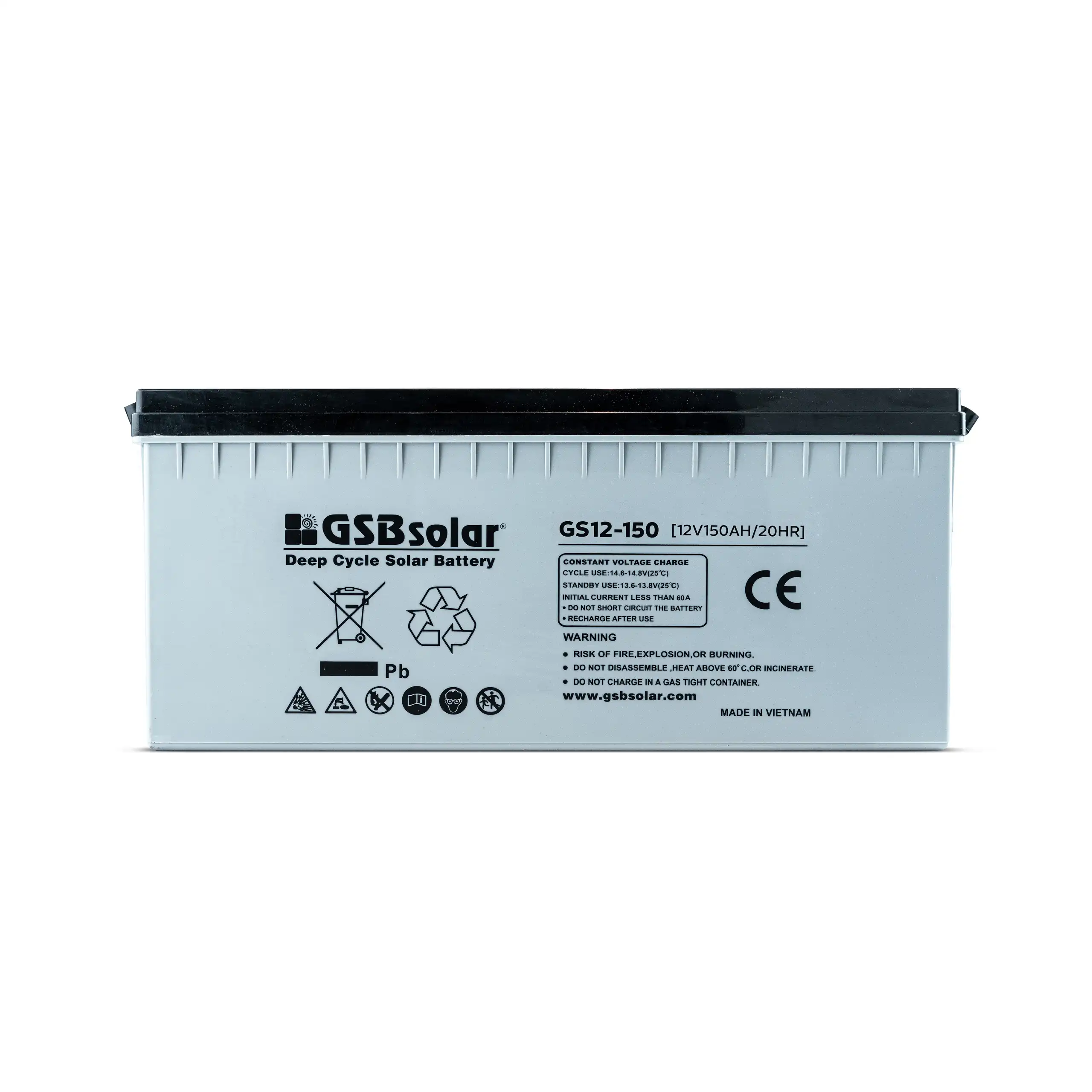
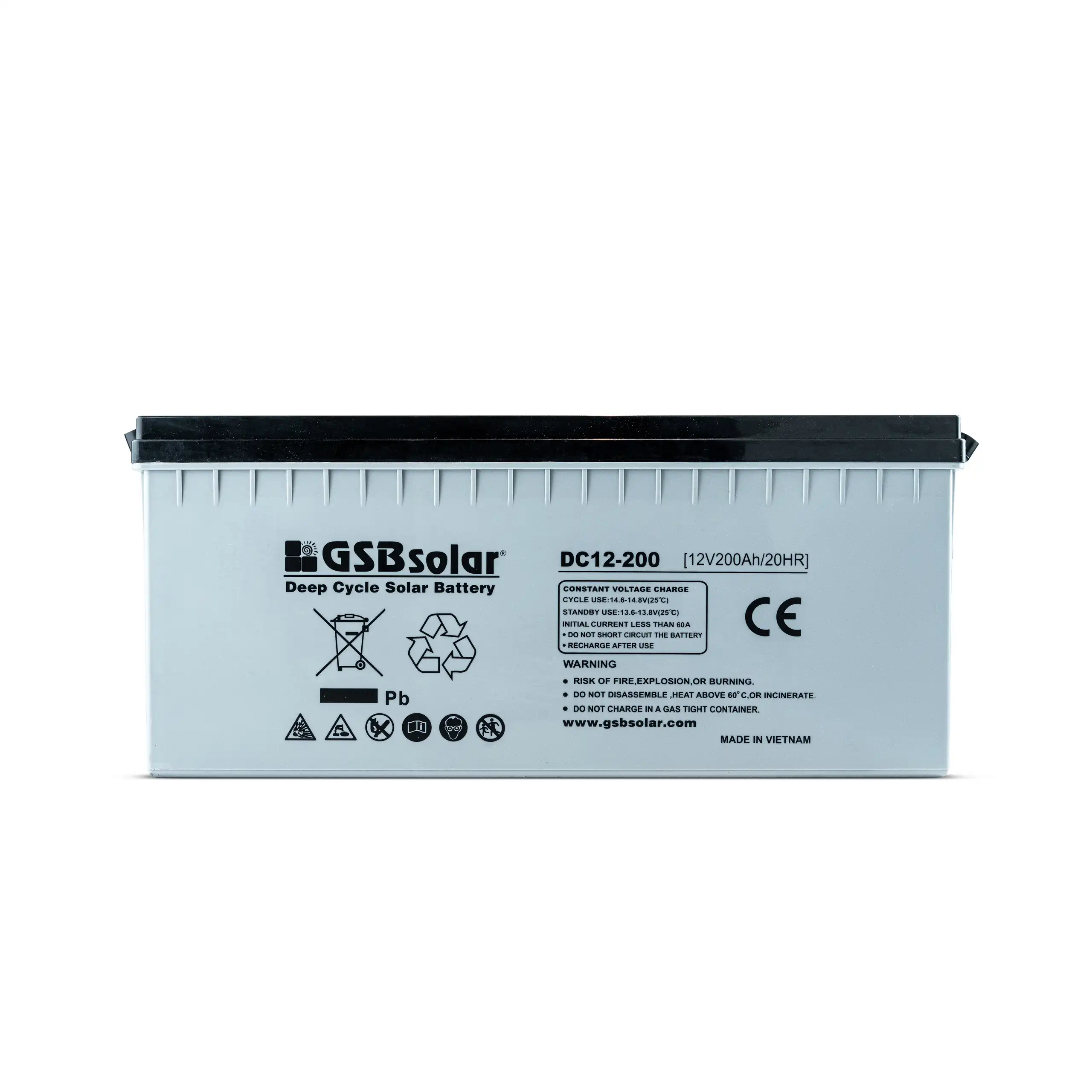
How to Choose the Best Solar Battery Storage System
Choosing the right solar battery storage system is no longer a simple capacity decision. It affects energy bills, backup resilience, safety, and long-term household value. The International Energy Agency reported in Batteries and Secure Energy Transitions 2024 that global battery storage additions in the power sector more than doubled in 2023, reaching about 42 gigawatts. This rapid growth brings more choices, but also more confusing specifications.
Look beyond the battery label.
A reliable comparison should examine usable capacity, round-trip efficiency, continuous power, warranty terms, operating temperature, and inverter compatibility. For example, a 10-kilowatt-hour battery may provide less than 10 kilowatt-hours in daily use after reserve limits and conversion losses. BloombergNEF’s 2024 Battery Price Survey reported an average lithium-ion pack price of $115 per kilowatt-hour, down 20% from 2023. However, pack pricing does not represent the complete installed cost. Labor, controls, permitting, software, and electrical upgrades still matter.
Real homes reveal the practical differences. A family using 25 kilowatt-hours each evening needs different storage from a small home using eight. A battery beside a hot garage wall may perform differently from one installed in a shaded utility room. NREL research and its Annual Technology Baseline show that storage economics vary by duration, technology, and system design. No single ranking works for every property. A neat spreadsheet can still miss outage behavior, maintenance access, or future electricity rates. This guide explains how to assess those details carefully, compare credible products, and avoid paying for capacity your home rarely uses. Some assumptions may need revision. That is part of choosing responsibly.
Understanding the Main Components of a Solar Battery Storage System
How to Choose the Best Solar Battery Storage System
Understanding the Main Components of a Solar Battery Storage System
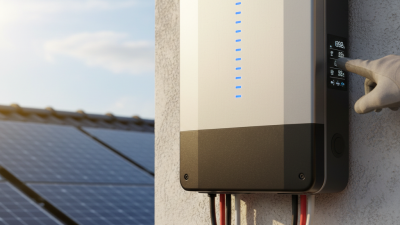
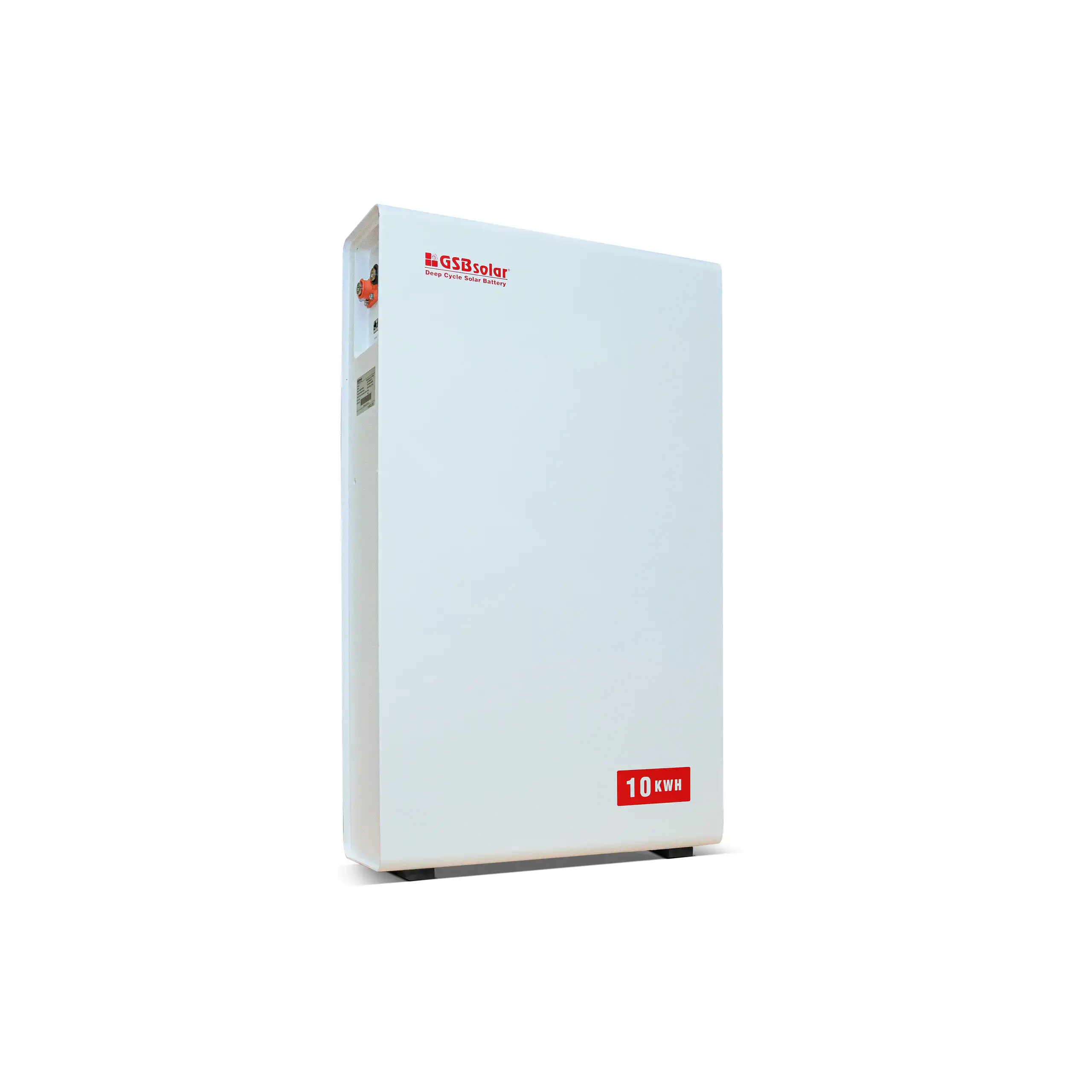
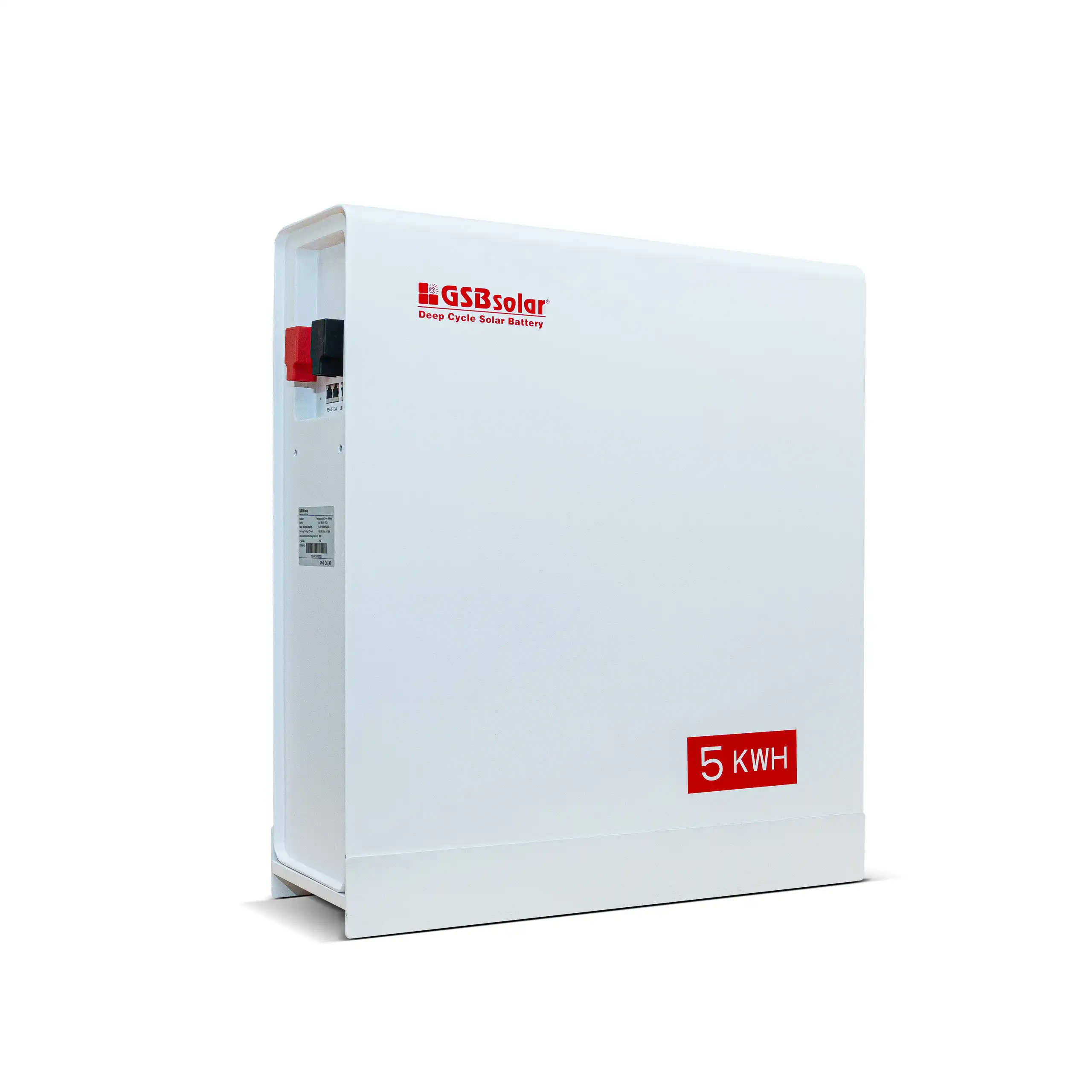
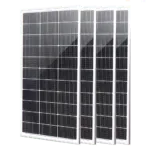
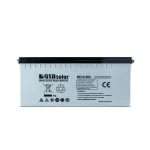
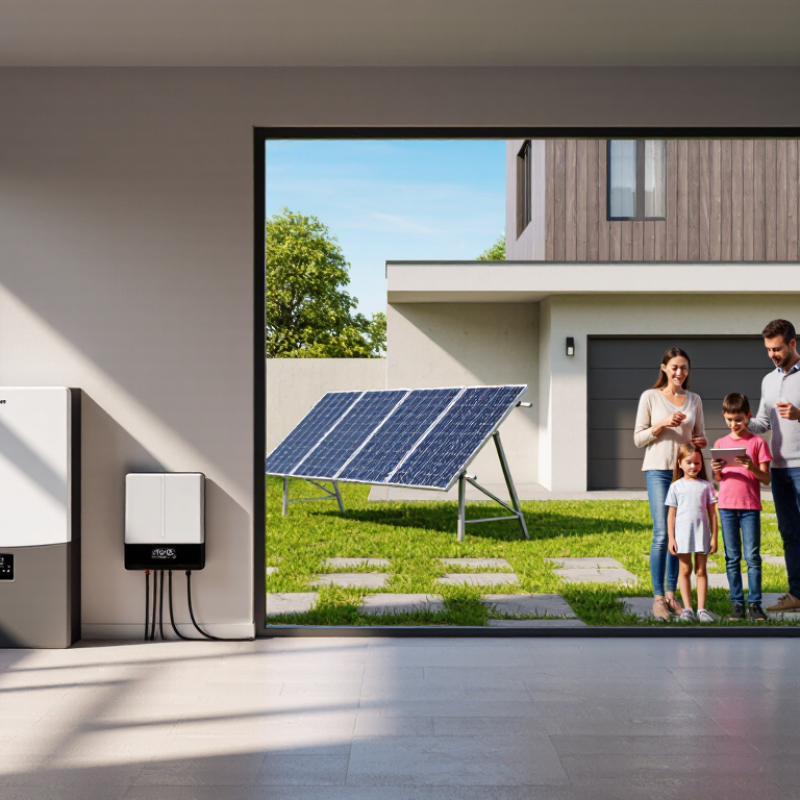
A solar battery storage system is more than a large battery box. Its battery cells store electricity as chemical energy for later use. Lithium-based cells are common because they offer good energy density and efficiency. However, usable capacity falls when temperatures become very high or low.
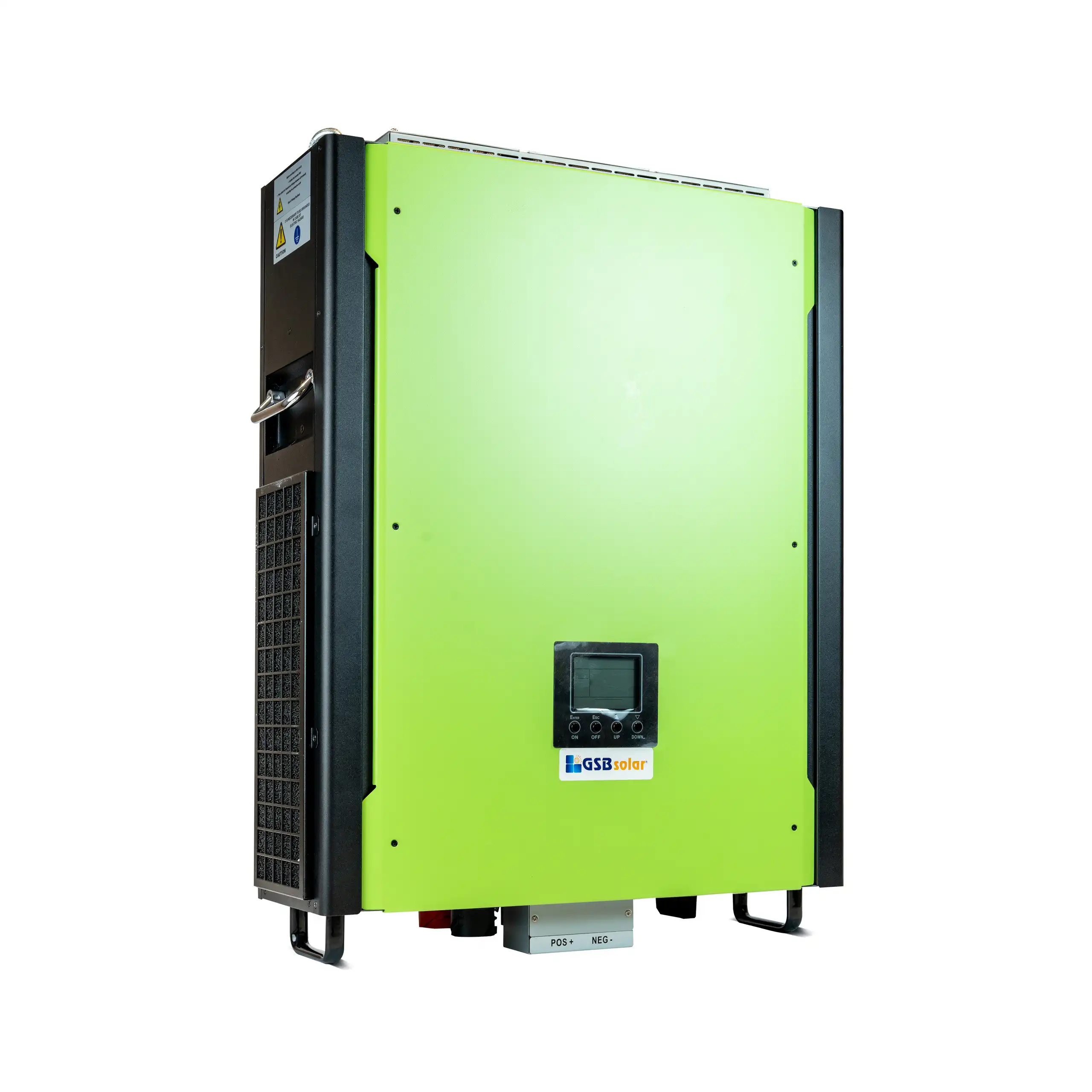
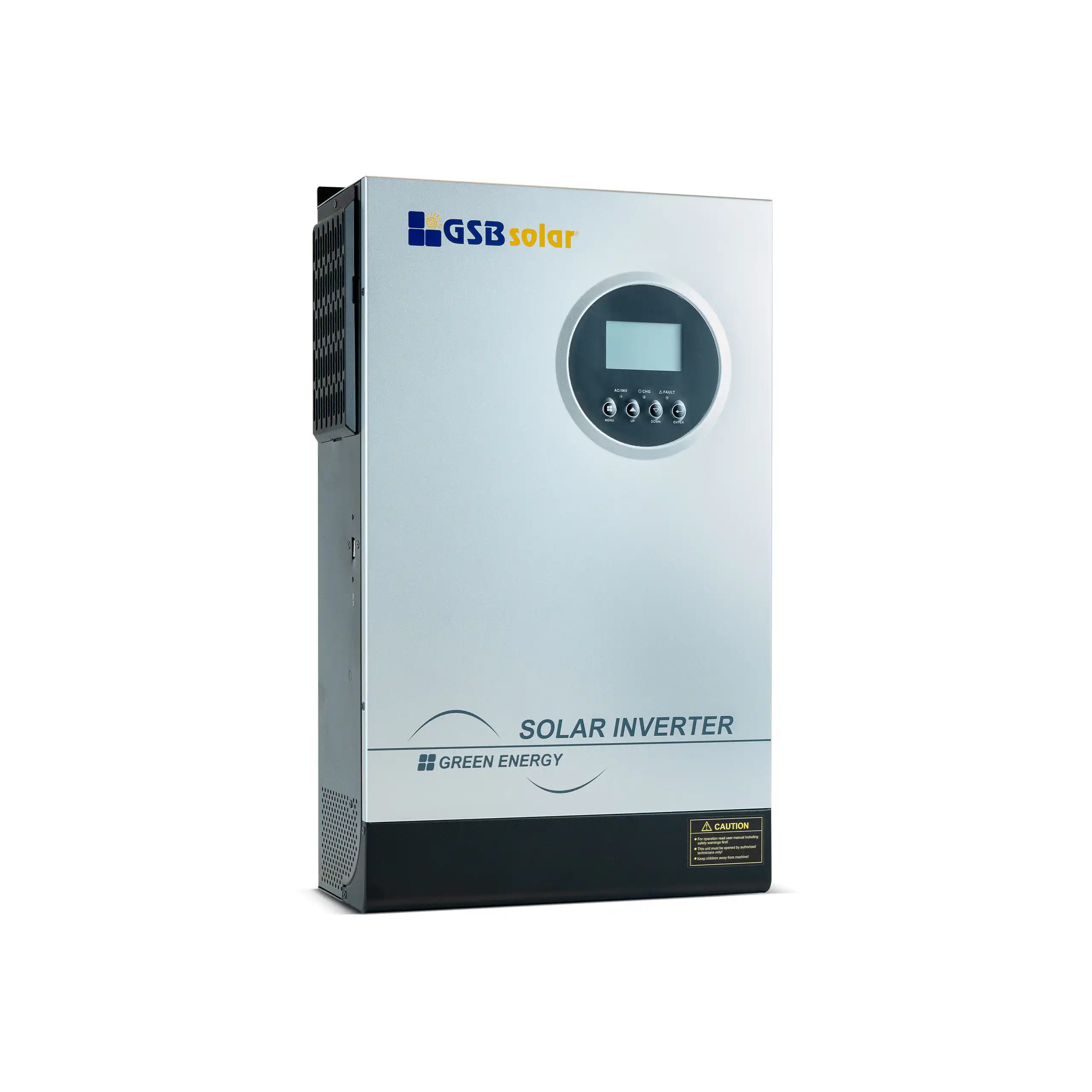
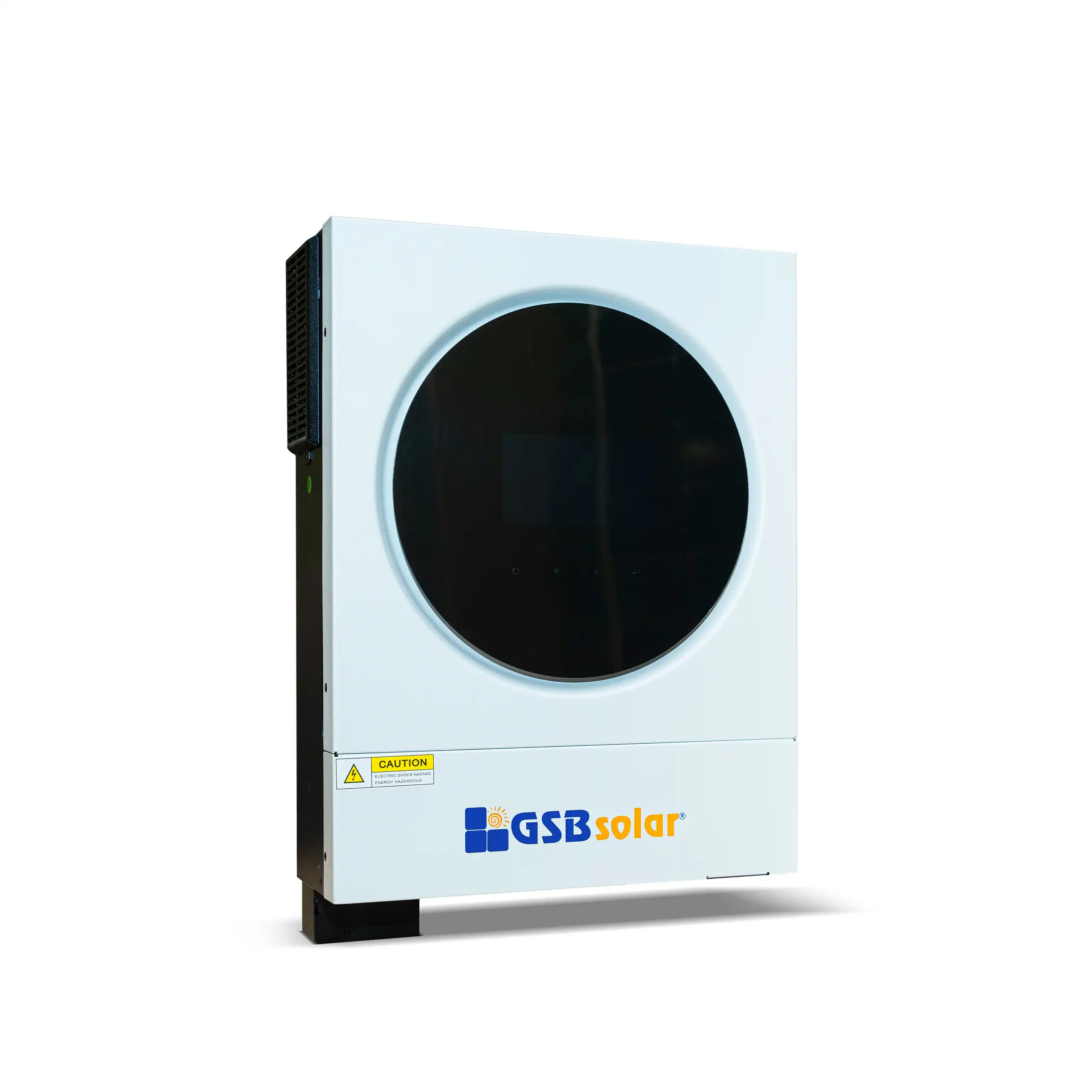
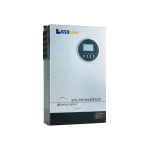
The battery management system, or BMS, monitors cell voltage, temperature, and charging limits. It helps prevent unsafe operating conditions and extends battery life. The inverter converts direct current from the battery into household alternating current. Some systems use a separate charge controller, while others combine these functions. Check the conversion efficiency, power rating, and backup response time before choosing.
Small details matter. The enclosure should resist dust, moisture, and accidental impact. Adequate ventilation or thermal control protects performance during hot afternoons. Monitoring software can show energy flow, remaining capacity, and warning messages. Still, displayed figures are estimates, not perfect measurements. I have seen installation plans look excellent on paper, yet poorly sized cables created avoidable losses. Professional design should match the battery, inverter, solar array, and household loads. Protection devices, isolation switches, and proper grounding also deserve close attention. A system may seem oversized, but frequent deep discharges can shorten its working life. Check local installation requirements and request clear maintenance instructions before signing off.
Assessing Your Home’s Energy Needs and Storage Goals
Choosing a solar battery starts with your household’s energy pattern, not the battery’s advertised capacity. The U.S. Energy Information Administration reported average residential electricity use of about 886 kilowatt-hours per month in its 2020 Residential Energy Consumption Survey. That equals roughly 30 kilowatt-hours daily, but your home may differ greatly. Review twelve months of utility bills, then note evening loads such as cooking, heating, cooling, pumps, and electric vehicles.
Measure your critical circuits separately. A refrigerator, internet router, medical equipment, and several lights may need only a modest backup system. Whole-home backup requires more capacity and higher output power. The National Renewable Energy Laboratory’s 2024 Annual Technology Baseline uses approximately 85% round-trip efficiency for utility-scale lithium-ion storage, reminding us that stored energy is never delivered perfectly. Allow room for conversion losses, cold temperatures, aging, and a sensible emergency reserve.
Your goal also changes the design.
Daily bill reduction needs enough capacity to shift solar energy into evening hours. Outage protection needs dependable reserve capacity and a clear estimate of outage duration. My first draft calculations would probably oversize the system if I ignored seasonal demand. That is a useful warning. Compare winter heating loads with summer cooling loads, and check whether your solar array can refill the battery after cloudy weather. The International Energy Agency identifies battery storage as increasingly important for integrating variable renewable power, but household economics still depend on local tariffs, outage frequency, and installation conditions.
Comparing Battery Types, Capacity, and Performance
How to Choose the Best Solar Battery Storage System
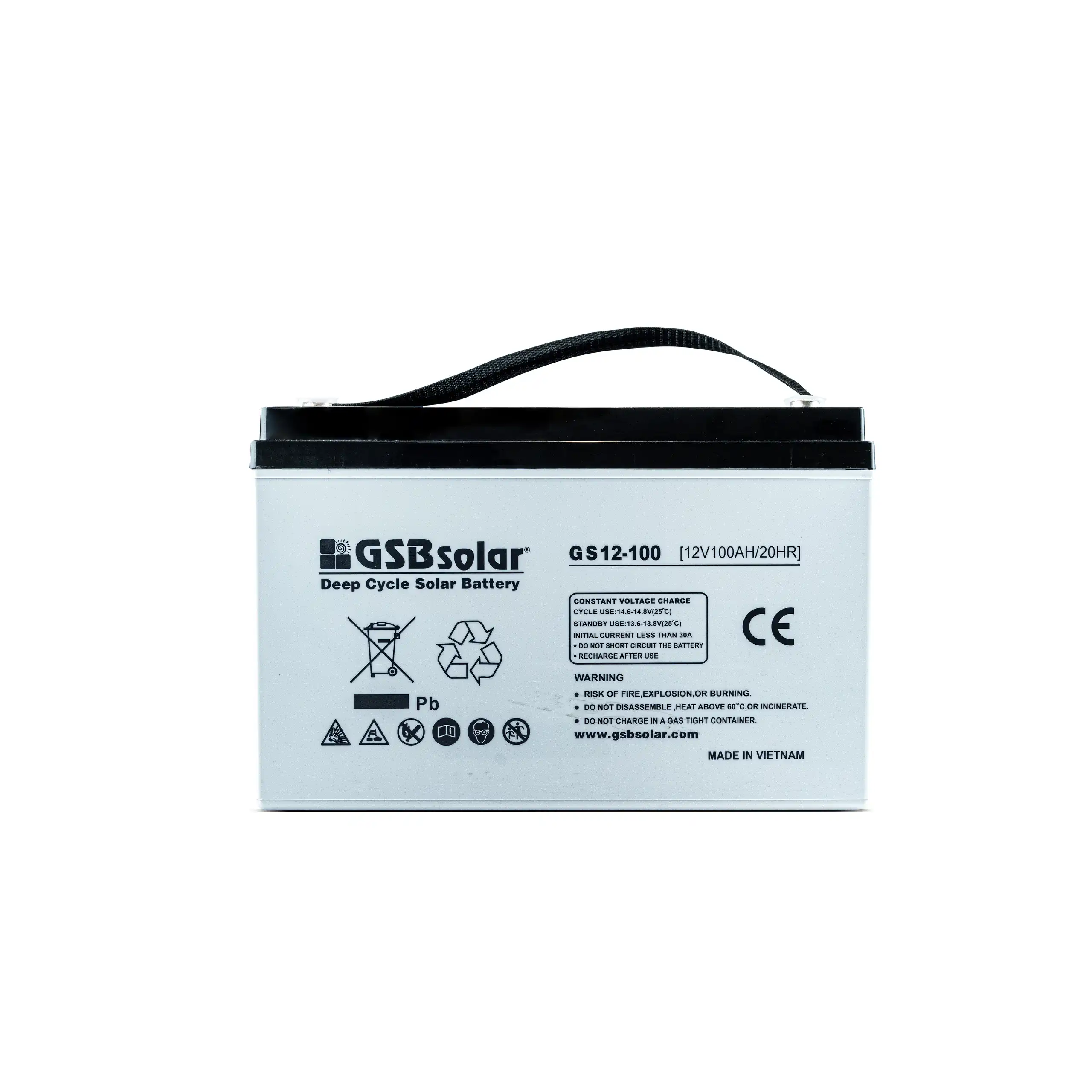
Battery chemistry affects safety, lifespan, usable capacity, and daily performance. Lithium iron phosphate batteries usually offer strong cycle life and stable operation. Lead-acid systems can cost less, but they often need more maintenance and careful ventilation. They also provide less usable energy before recharging. Check the battery’s depth of discharge, not only its advertised capacity. A 10 kWh battery may deliver much less under its recommended limits.
Capacity should match your household’s actual energy pattern. Review electricity bills and note evening loads from refrigerators, lighting, pumps, and heating equipment. A home using 8 kWh overnight may need more than 8 kWh stored. Cold weather, inverter losses, and reserve settings reduce available energy. Oversizing can waste money. Undersizing causes frequent grid dependence. It is an easy mistake to make.
Performance also depends on power rating and response time. A battery with enough energy may still struggle with several appliances starting together. Compare continuous output, peak output, round-trip efficiency, and expected cycle life. Ask how capacity changes after years of use. Real installation conditions matter, too. I would measure the proposed location first, because heat, dust, and limited airflow can affect performance. Manufacturer test data is useful, but household results may differ. That uncertainty deserves honest attention.
How to Choose the Best Solar Battery Storage System: Comparing Battery Types, Capacity, and Performance
| Battery Type |
Typical Usable Depth of Discharge |
Typical Cycle Life |
Round-Trip Efficiency |
Typical System Capacity |
Power Performance |
Temperature Considerations |
Best Suited For |
| Lithium Iron Phosphate (LFP) |
80%–100% |
3,000–7,000 cycles |
90%–98% |
5–30 kWh per residential battery unit; expandable in modular systems |
High continuous power and good response for household loads, backup circuits, and solar self-consumption |
Charging below 0°C may require protection or heating; high temperatures can reduce service life |
Most homes seeking long life, strong safety characteristics, and frequent daily cycling |
| Nickel Manganese Cobalt (NMC) |
80%–95% |
1,500–4,000 cycles |
90%–97% |
5–20 kWh per residential battery unit; often expandable |
High energy density and strong short-duration power output |
Requires effective thermal management; elevated temperatures may accelerate degradation |
Installations where compact size and high energy density are important |
| Lead-Acid |
50%–80% |
500–2,000 cycles |
75%–85% |
2–20 kWh in residential banks; larger capacity requires more batteries |
Reliable for low to moderate power applications, but voltage may drop under heavy loads |
Capacity decreases in cold conditions; ventilation may be required for some battery designs |
Budget-sensitive, occasional-use, or off-grid systems with adequate installation space |
| Flow Battery |
70%–100% |
10,000–20,000+ cycles |
65%–85% |
Typically 10 kWh and above; practical for larger installations |
Well suited to long-duration discharge; lower power density than lithium batteries |
Some designs require controlled operating temperatures and protection from freezing |
Large-scale or long-duration storage where cycle life is more important than compactness |
|
Values are typical industry ranges and vary by model, operating temperature, charge and discharge rate, installation design, and warranty conditions.
|
Solar Battery Sizing and Performance Guidelines
| Selection Factor |
How to Calculate or Assess It |
Typical Residential Guideline |
Why It Matters |
| Daily Energy Consumption |
Review electricity bills or smart-meter data and calculate average daily use in kWh |
Use the average daily consumption, then adjust for seasonal demand |
Prevents selecting a battery that is too small for evening, overnight, or backup needs |
| Usable Battery Capacity |
Usable capacity = nominal capacity × allowable depth of discharge |
For one night of partial backup, many homes begin with approximately 5–15 kWh of usable capacity |
Usable capacity is more meaningful than the nameplate capacity printed on the battery |
| Backup Duration |
Backup duration = usable capacity ÷ average backup load |
A 10 kWh usable battery powering a 1 kW average load can theoretically provide about 10 hours before losses |
Actual runtime changes with inverter losses, temperature, battery reserve settings, and load changes |
| Continuous Power Rating |
Compare the battery inverter's continuous output with the combined power demand of essential appliances |
Approximately 3–8 kW is common for residential systems, depending on the backup loads |
Capacity in kWh determines runtime, while power in kW determines which appliances can run simultaneously |
| Surge Power Rating |
Check the starting current of motors, pumps, refrigerators, and other inductive equipment |
Look for short-term surge capability above the continuous rating when motor loads are included |
Insufficient surge power can cause appliances to fail to start even when the battery has enough energy |
| Round-Trip Efficiency |
Compare the energy returned from the battery with the energy used to charge it |
Approximately 85%–98%, depending on battery chemistry and inverter configuration |
Higher efficiency reduces solar energy lost during charging and discharging |
| Expansion Capability |
Confirm supported battery quantity, inverter limits, communication requirements, and installation rules |
Choose a modular system if future electricity demand or electric-vehicle charging may increase |
Expansion can be more cost-effective than replacing an undersized system |
| Safety and Installation |
Review local electrical codes, clearances, ventilation, fire protection, and installer qualifications |
Use certified equipment and professional installation appropriate to the location |
Correct installation supports safe operation, warranty compliance, and reliable emergency backup |
Evaluating Installation Requirements, Safety, and Compatibility
How to Choose the Best Solar Battery Storage System
A practical site assessment should happen before comparing battery capacity or price. Check the wall, floor, ventilation, and distance from the main electrical panel. A battery may need a clear service area. It should not sit beside fuel, exposed rain, or a heat-producing appliance. Measure doorways and access routes carefully. A system that fits the brochure may not fit the utility room.
Safety requirements deserve close attention. Installation should follow local electrical codes, fire separation rules, and the manufacturer’s approved instructions. A qualified electrician can verify grounding, cable protection, isolation switches, and emergency shutdown access. Ask how the battery behaves during faults or extreme temperatures. Do not rely only on a phone application. Physical inspection still matters. Small details matter.
Compatibility is more than matching voltage. Confirm that the battery works with the inverter, solar array, backup loads, and existing energy meter. Check usable capacity, maximum charging current, communication protocols, and warranty conditions. Some systems cannot support older inverters without extra equipment. That can increase cost and create maintenance problems. It is easy to overlook future solar expansion. A careful installer should record the home’s peak loads, not just daily energy use. However, load estimates are imperfect. Evening cooking, pump motors, or winter heating can change the result. Recheck those assumptions before approving the installation.
Calculating Costs, Lifespan, Warranty, and Long-Term Value
Choosing a solar battery requires more than comparing its advertised capacity.
Calculate usable energy first: rated capacity multiplied by depth of discharge and round-trip efficiency.
A 10 kWh battery delivering 90% usable energy provides about 9 kWh, not 10.
IEA reports that lithium-ion battery pack prices fell to about $115 per kWh in 2024, but household installation costs remain much higher.
My first estimate was too optimistic because it ignored electrical work, permits, software, and inverter replacement.
Estimate annual value from usable energy, local electricity prices, export credits, and outage protection.
Then divide the total purchase and maintenance cost by expected lifetime energy.
NREL’s 2023 cost projections indicate utility-scale battery costs could decline by 18% to 52% by 2030, so buying today may involve timing risk.
Think carefully.
A longer warranty is useful only when it specifies retained capacity, cycle limits, and throughput.
Ten years sounds strong, yet a capacity guarantee near 70% may change the economics.
Review temperature limits, degradation exclusions, labor coverage, and recycling provisions.
The U.S. Department of Energy emphasizes performance, safety, and durability as key storage metrics.
Real household results still vary.
Shade, heat, cycling habits, and tariff changes can weaken a spreadsheet forecast.
Choose the system that remains valuable under conservative assumptions, not the one with the most impressive headline capacity.