How to Choose the Best Solar Kit for Your Needs?
As more individuals and businesses prioritize renewable energy, choosing the right solar kit becomes crucial. According to a recent report by the Solar Energy Industries Association, solar installations increased by 43% in 2020, reflecting a growing demand for efficient solar solutions. The right solar kit can help you harness this energy effectively, making it essential to know what to look for.
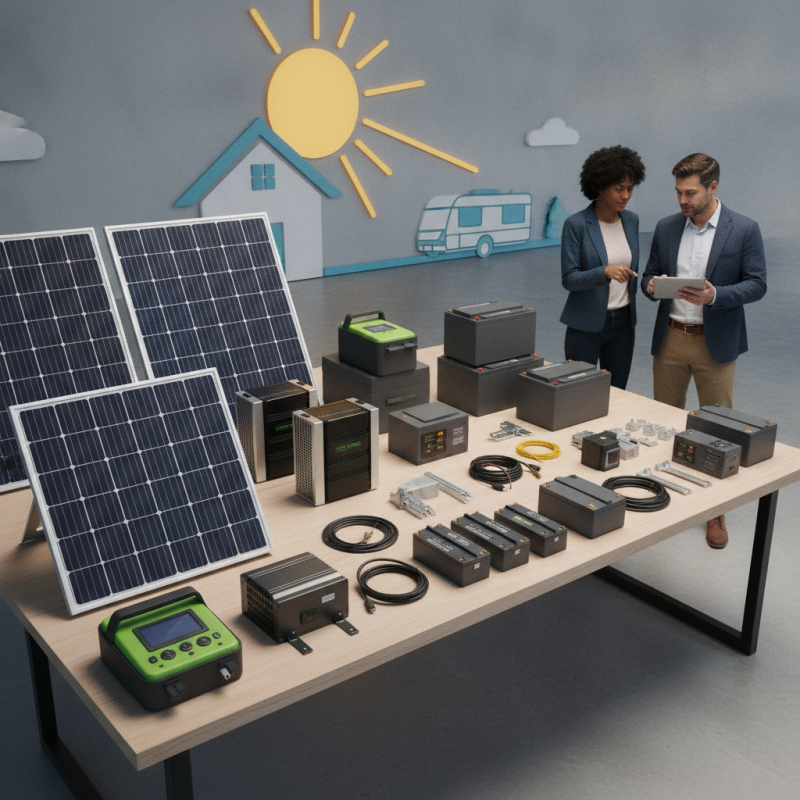
A quality solar kit must match your specific energy needs, whether for home or outdoor use. While many kits are available, understanding their components like panels, inverters, and batteries is key. Industry research indicates that a well-selected solar kit can reduce electricity costs by up to 70%, showcasing potential savings. However, the wrong kit may lead to inefficiency and wasted resources, emphasizing the need for careful consideration.
Not all solar kits are created equal. Each setting poses unique challenges, such as location and energy requirements. Some users report difficulties during installation, revealing that some kits may not be user-friendly. Buyers must weigh these factors and consider reviews and tutorials from reputable sources. These insights can guide your decision-making process, ensuring you invest wisely in a solar kit that meets your needs.
Understanding Your Energy Needs and Goals
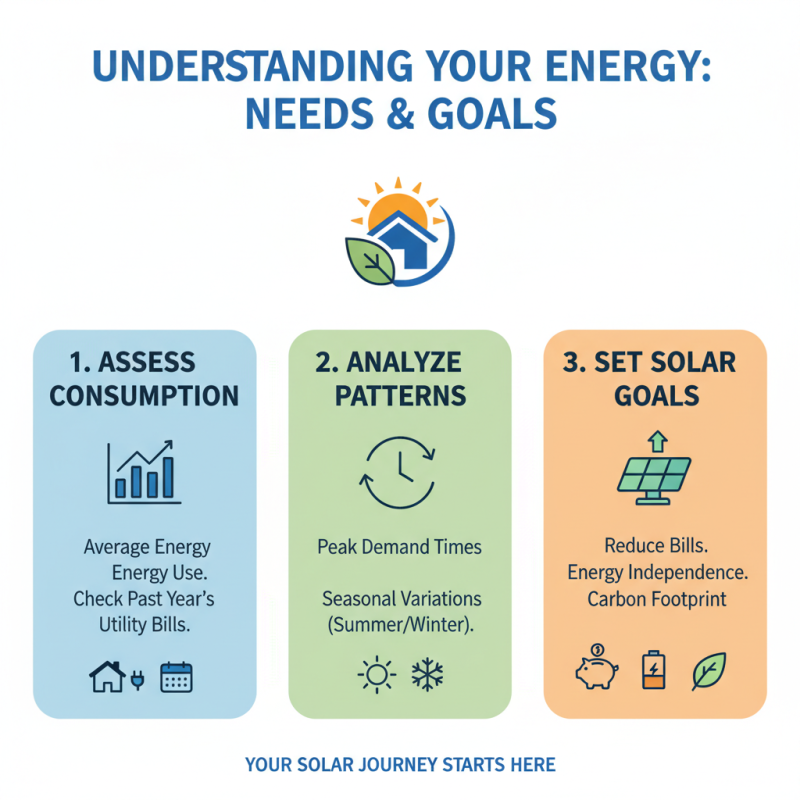
Understanding your energy needs is crucial when selecting a solar kit. Start by assessing your average energy consumption. Look at your utility bills from the past year. This gives you a clear picture of your usage patterns. Take note of peak demand times and seasonal variations.
Consider your long-term energy goals. Do you want to reduce your electricity bill? Or perhaps you aim for complete energy independence? These objectives will influence your choice of solar kit. While larger systems provide more power, they require higher initial investments.
It's also essential to evaluate your location. Sunlight availability varies by region. If you live in an area with frequent cloud cover, you may need a more robust system. Reflect on your roof's orientation and available space. A well-suited installation can maximize efficiency. Balancing your energy needs, budget, and location will help you make an informed decision.
Evaluating Different Types of Solar Kits Available
When evaluating different types of solar kits, several factors come into play. Understanding the specific needs of your household is crucial. This includes energy consumption, the size of your property, and whether you prefer portability. A small off-grid kit may work well for camping. On the other hand, a larger, grid-tied system is better for consistent home use.
The types of solar kits vary significantly. DIY kits often require assembly and proper installation knowledge. This could lead to mistakes if you're not careful. Pre-assembled kits offer convenience but can be pricier. Portable solar panels are designed for travelers. They are easy to set up but may lack efficiency for long-term use. Each type has pros and cons, making it essential to research thoroughly.
Consider the output capacity of each kit. Some might not meet your household energy needs. Additionally, make sure to check the warranties provided. A reliable warranty can indicate a trustworthy product. However, a long warranty doesn’t always mean higher quality. Consumers should remain cautious and scrutinize all options thoroughly to ensure they choose the right solar kit.
Assessing the Key Components of Solar Kits
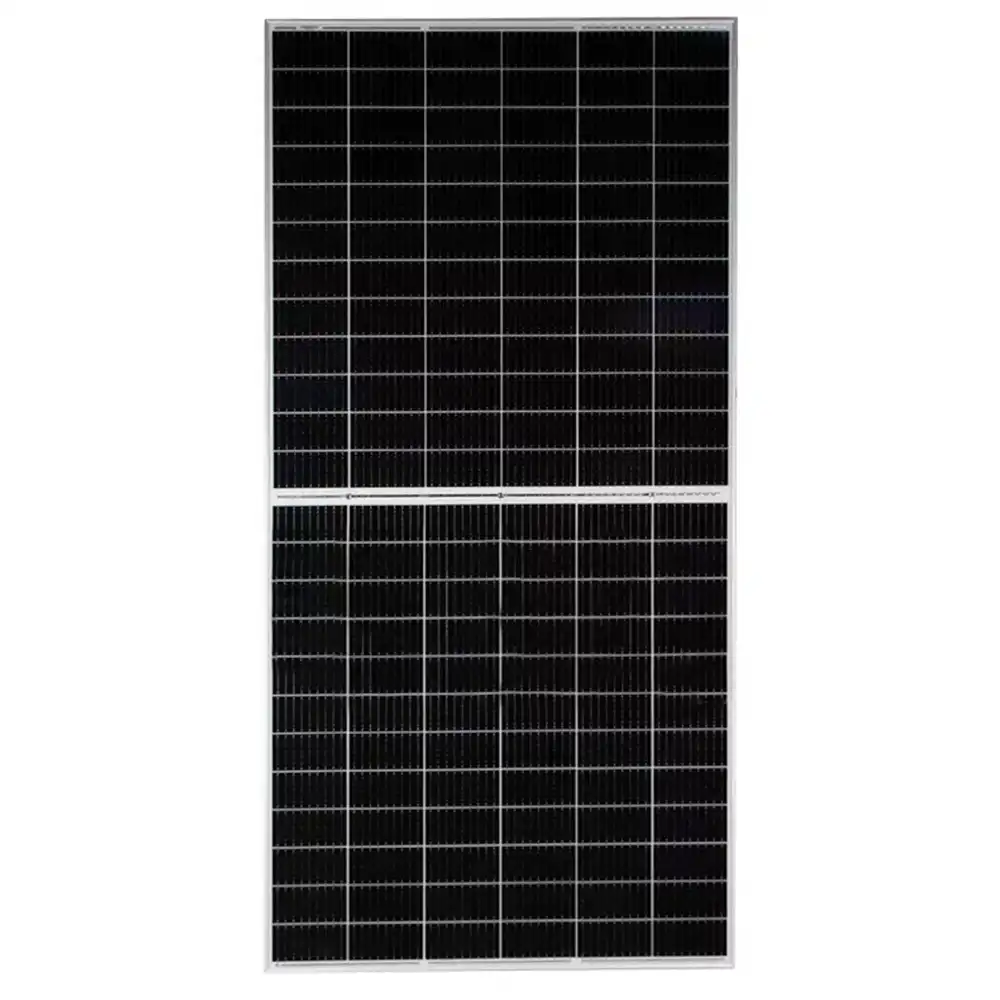
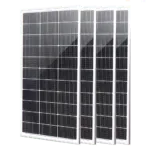
Choosing the right solar kit requires careful evaluation of its key components. The performance of solar panels largely determines the system's efficiency. Most residential solar panels have an efficiency rating between 15% to 22%. Look for panels that offer warranties of 25 years or more, as this indicates reliability.
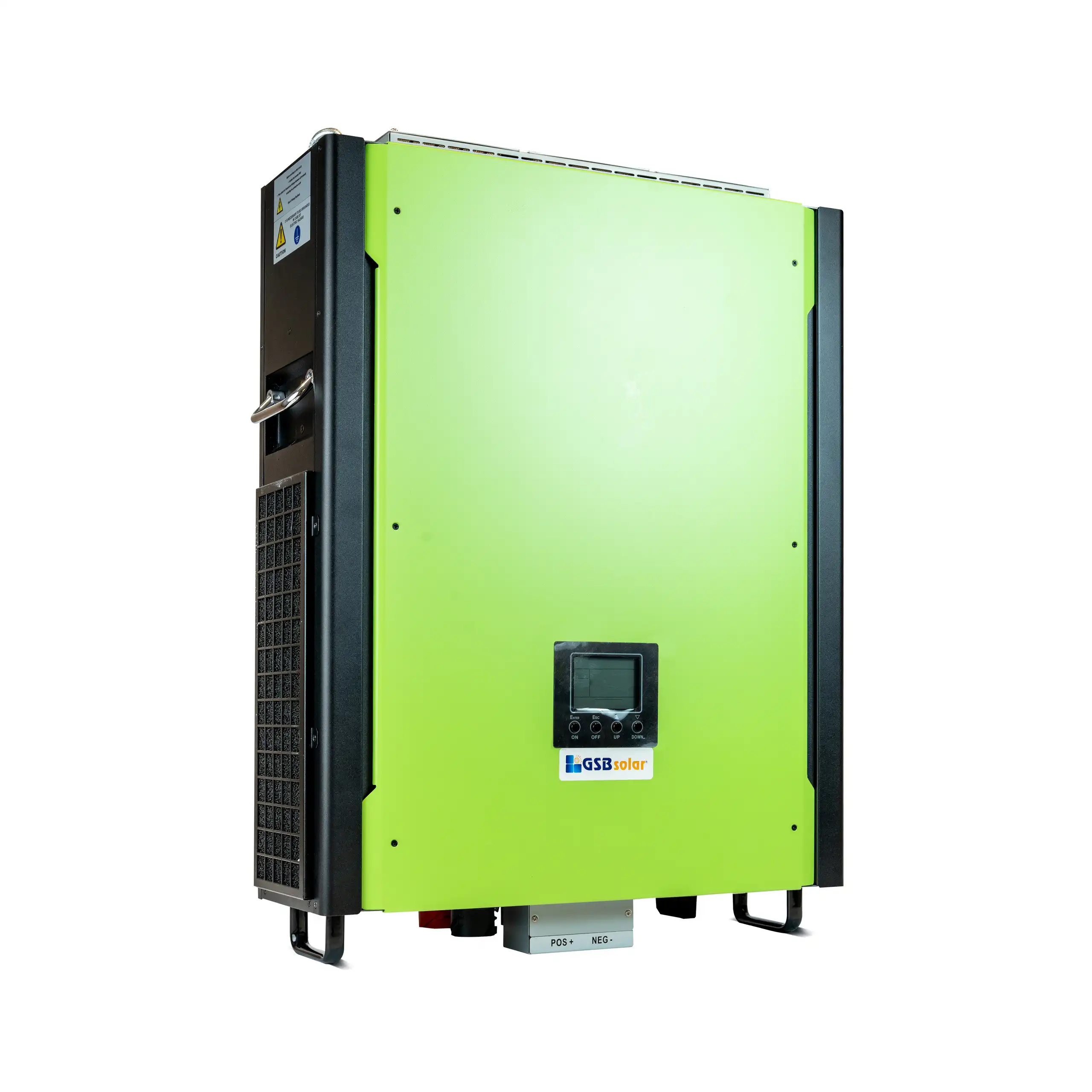
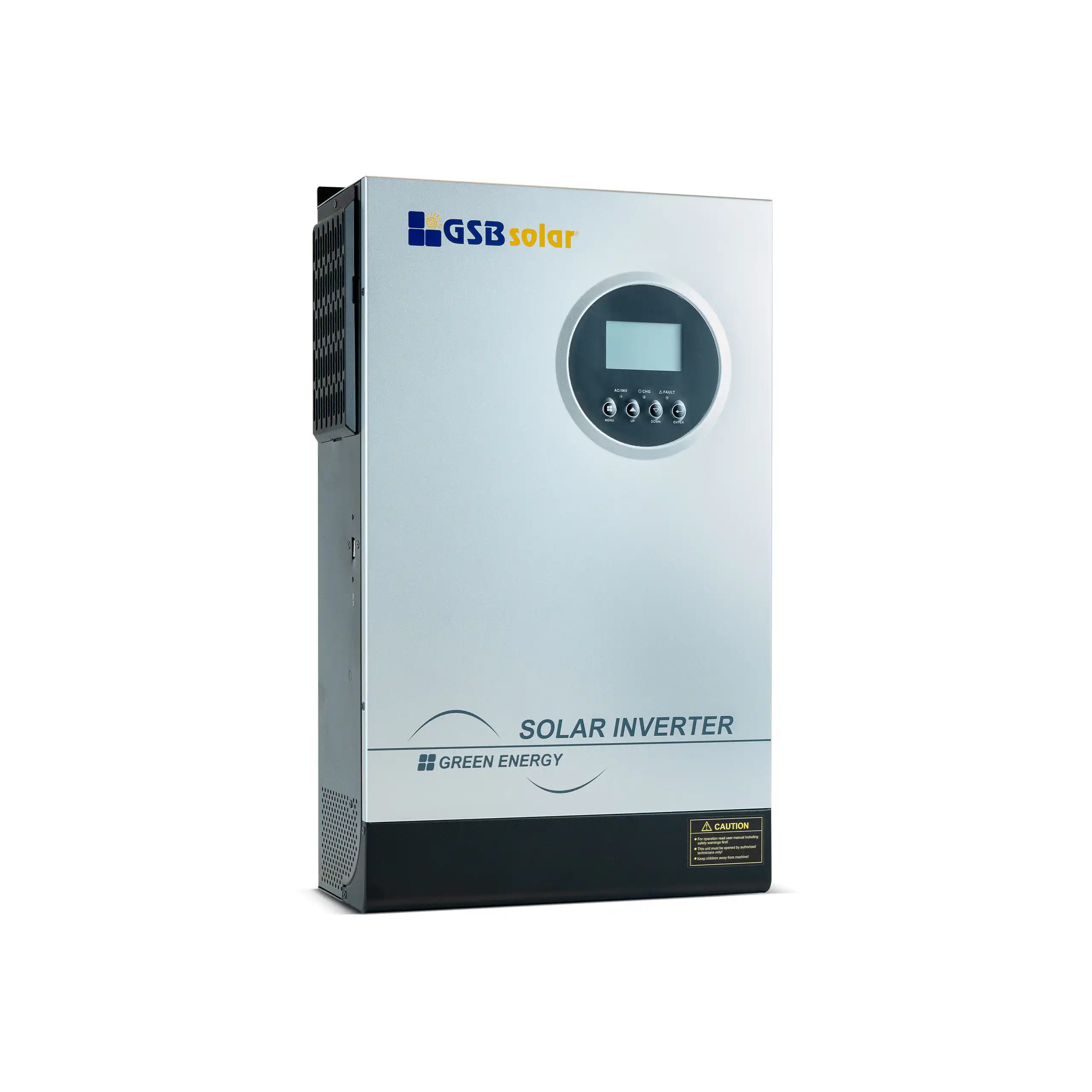
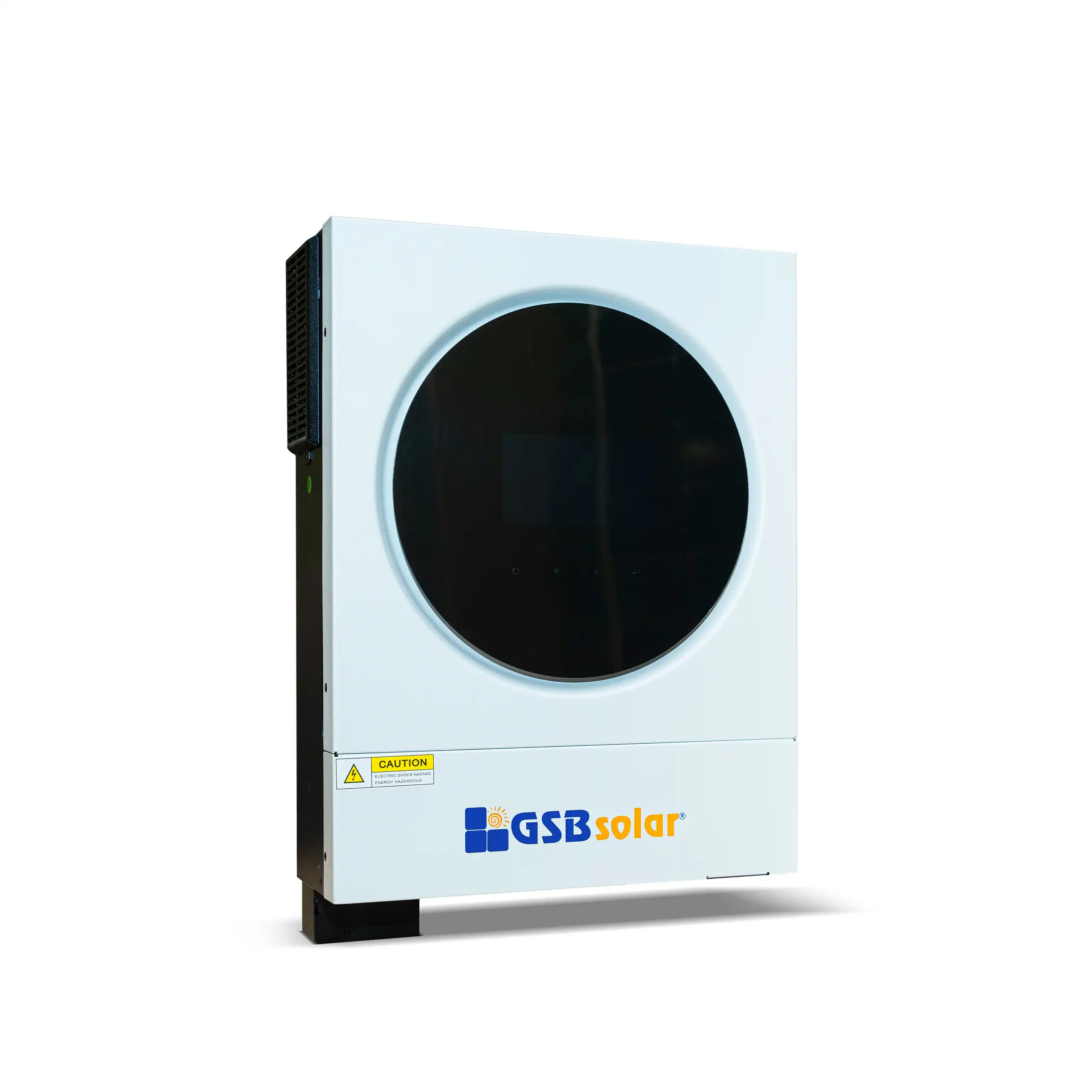
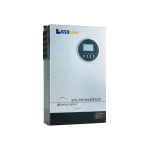
Inverters convert solar energy into usable electricity. A quality inverter can significantly enhance system performance. Studies show that microinverters may increase energy production by 10% compared to traditional string inverters. Consider factors like the inverter’s lifespan, efficiency ratings, and compatibility with your solar panels. It’s crucial that these components work well together to maximize output.
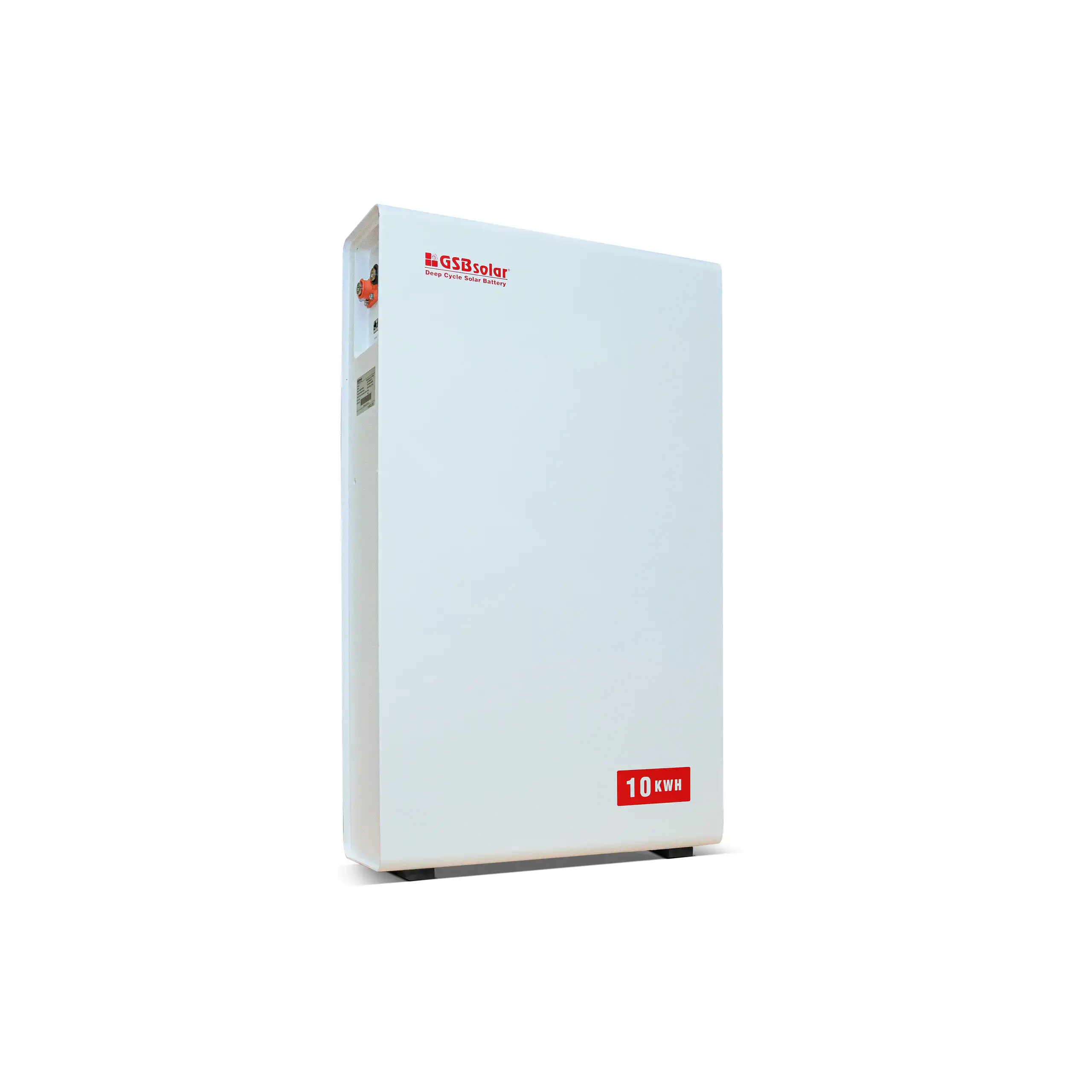
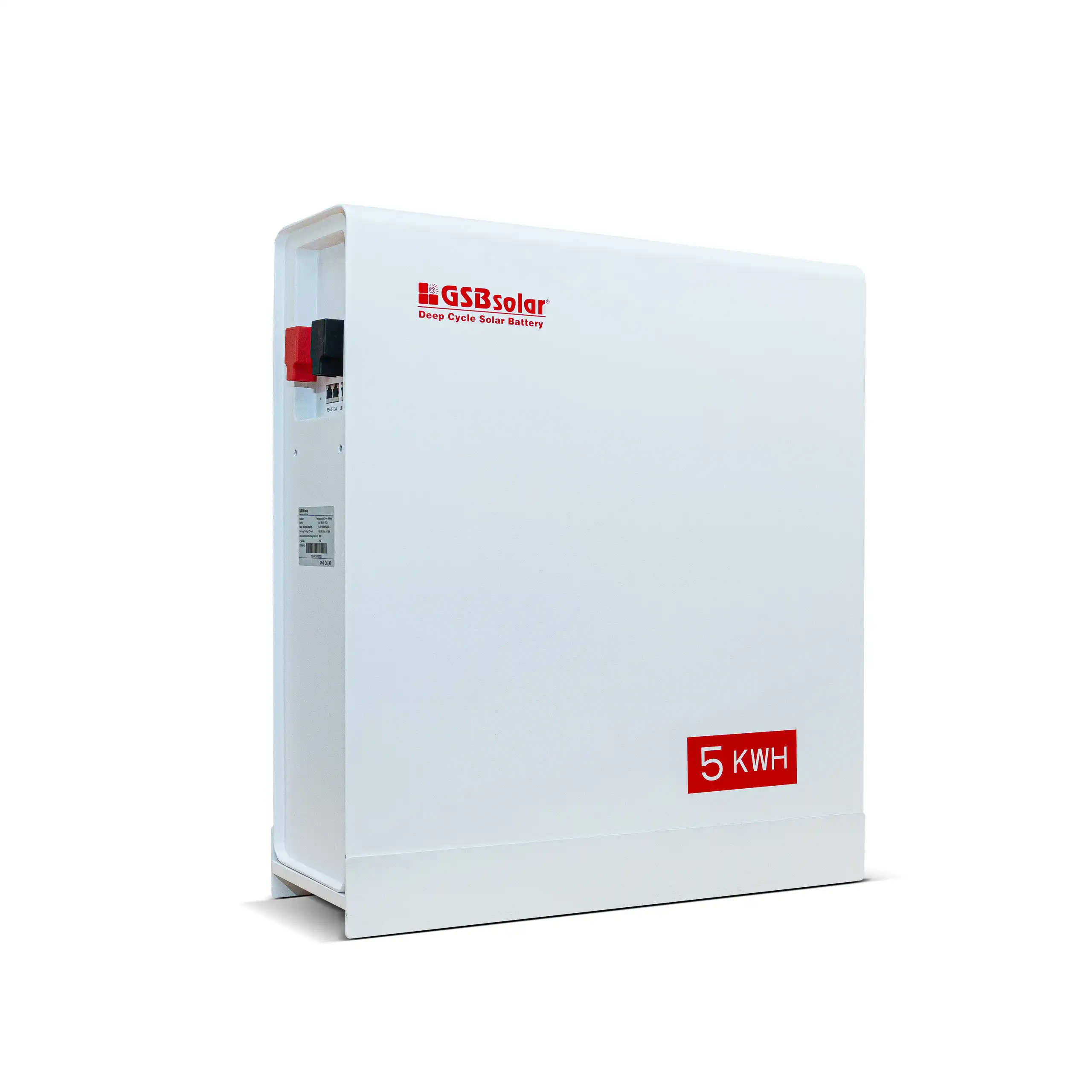
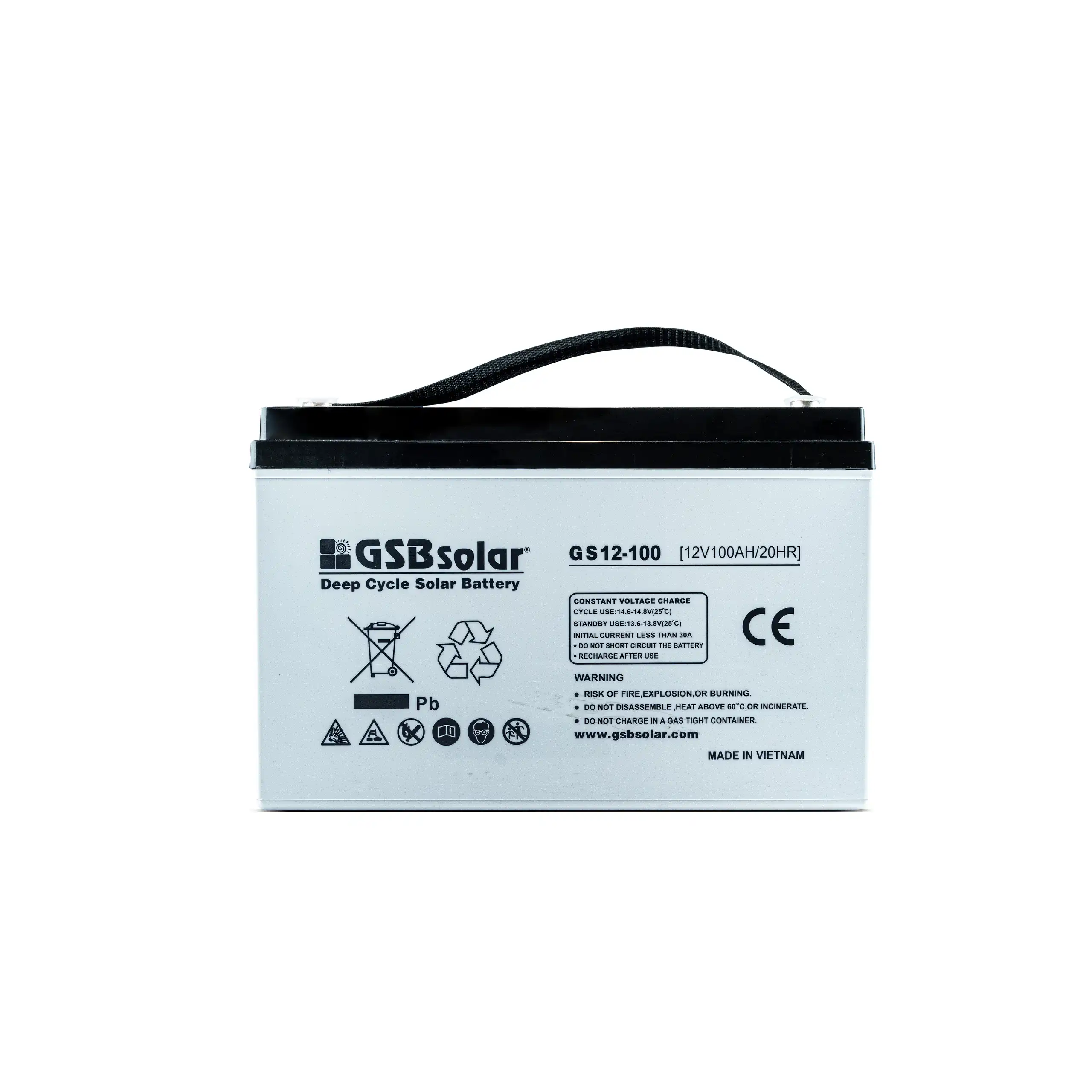
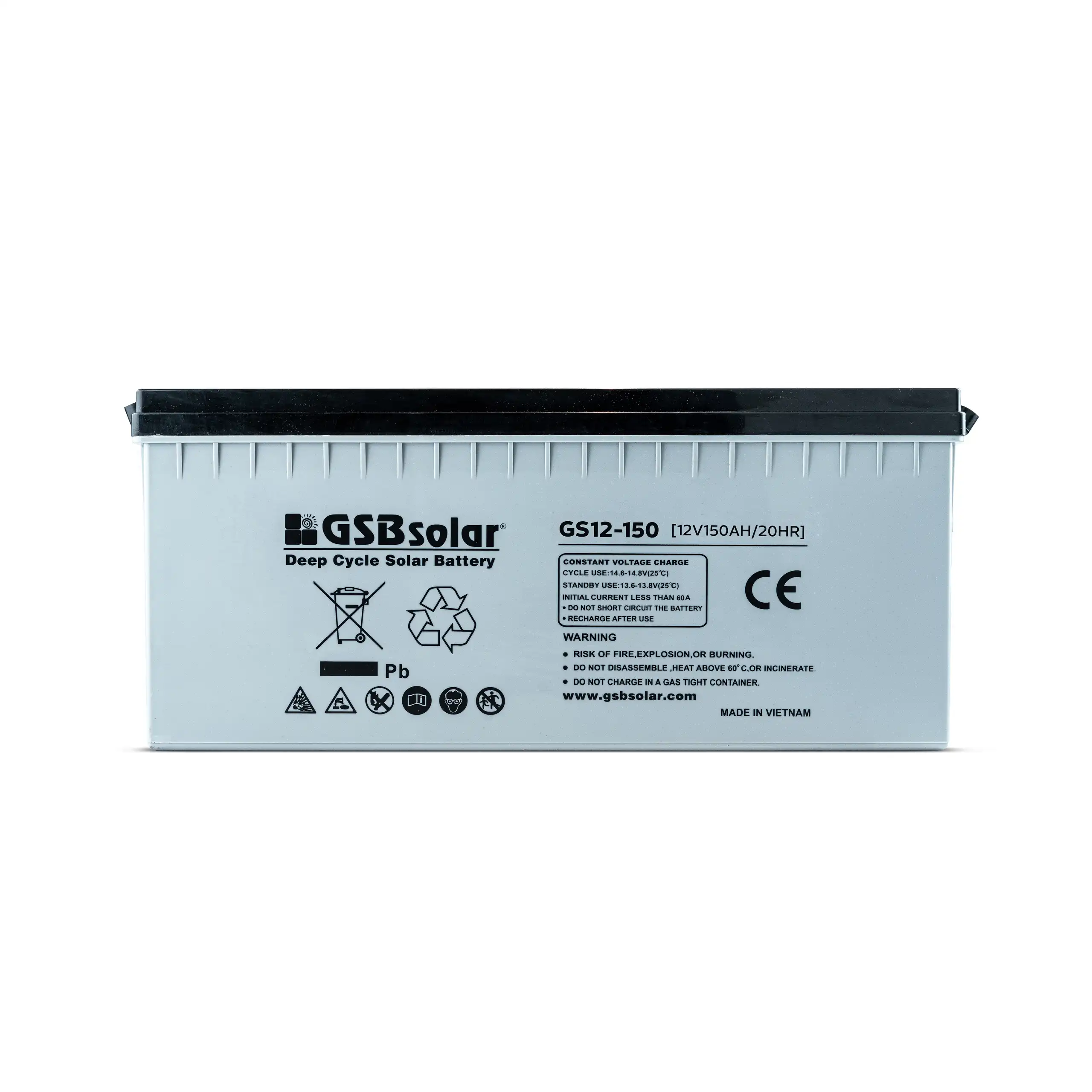
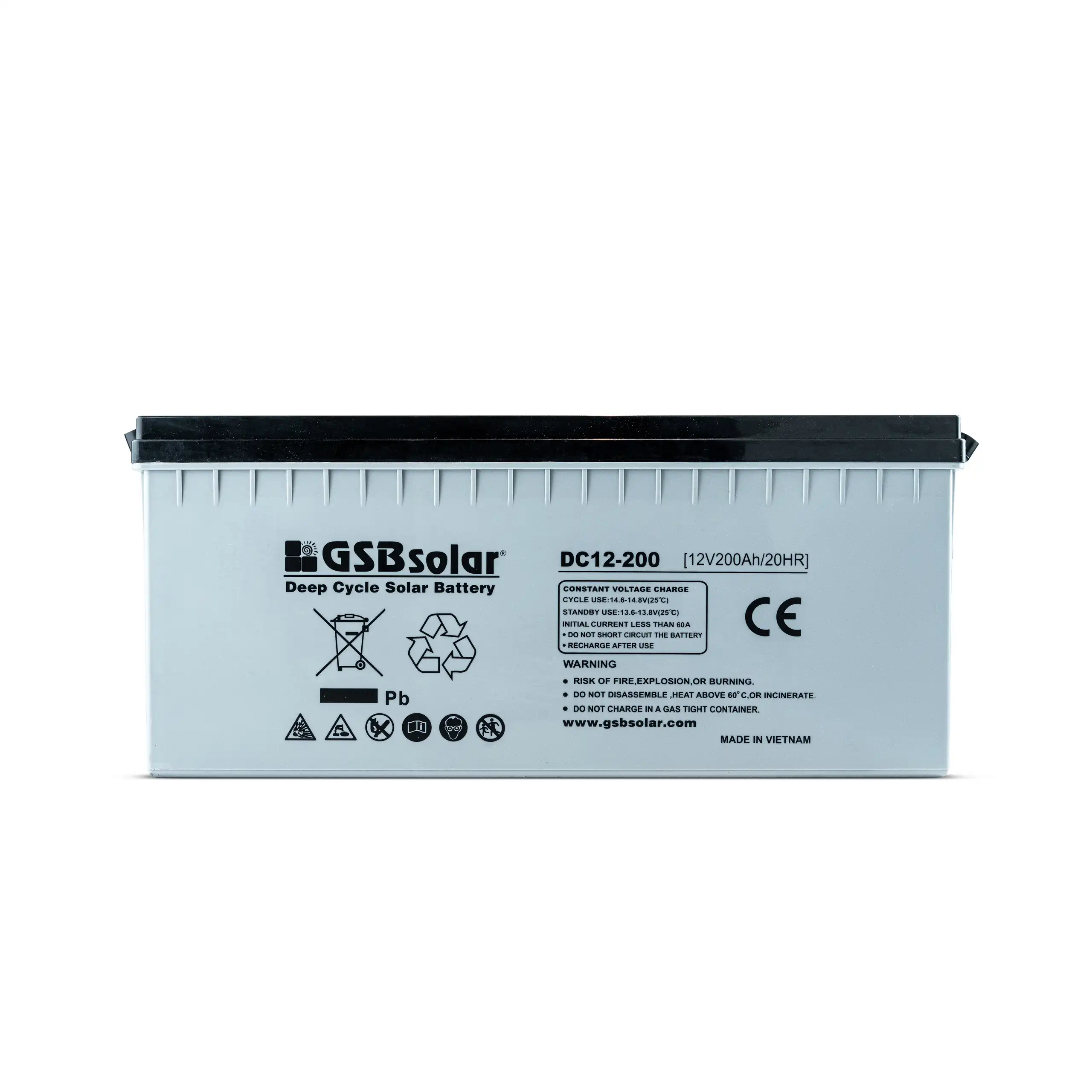
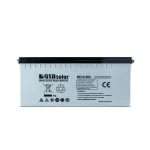
Battery storage is another significant factor to evaluate. As of 2022, homes with energy storage systems saw a 35% increase in energy self-sufficiency. However, many batteries have a limited lifespan and performance can degrade over time. This may lead to underperformance years down the line. Knowing how each component functions can ensure that your solar kit meets your specific needs effectively.
Comparing Costs and Budget Considerations
When considering solar kits, cost is a primary factor. The price range varies based on power output, quality, and included components. Basic setups may start at a few hundred dollars, while comprehensive kits can exceed several thousand. It's crucial to assess your energy needs carefully. Overpaying for power you don't use is common.
Budgeting can be challenging. Hidden costs may arise, such as installation or additional equipment. Research potential tax incentives or rebates that can offset expenses. Sometimes, going for a more affordable option means sacrificing efficiency. Trade-offs may include battery storage or long-term warranties.
Take the time to compare all options. Reading reviews and seeking advice from experienced users can be helpful. Always calculate the long-term savings versus upfront costs. The ideal setup balances quality and price, catering to your specific energy requirements. Feel free to ask questions during the selection process. The more informed you are, the better your decision will be.
Considering Installation and Maintenance Requirements
When choosing a solar kit, installation and maintenance requirements are crucial factors. A recent report by the National Renewable Energy Laboratory states that nearly 75% of solar system issues arise from improper installation. This highlights the need for a kit that is easy for beginners, especially if professional help is not an option. Look for comprehensive manuals and online resources to guide you through the setup.
Maintenance is another consideration. Typically, solar panels require minimal upkeep, but dirt and debris can accumulate, reducing efficiency. Research suggests that cleaning panels can improve efficiency by 20%. Regular checks of your system can help catch issues early.
**Tip:** Schedule regular inspections of your solar kit every six months. This proactive step can save you money in the long run.
While doing your research, remember the balance between ease of installation and efficiency. Complex systems may seem appealing but could lead to frustration. Moreover, consider your local climate, as it impacts your system's performance over time. Understanding these factors will empower you to make an informed decision.
How to Choose the Best Solar Kit for Your Needs? - Considering Installation and Maintenance Requirements
| Solar Kit Type |
Power Output (W) |
Installation Complexity |
Maintenance Frequency |
Estimated Cost ($) |
| Off-Grid Kit |
1000 |
Moderate |
Annually |
2000 |
| Grid-Tied Kit |
1500 |
Easy |
Every 2 Years |
3000 |
| Hybrid Kit |
2000 |
Complex |
Every 6 Months |
5000 |
| Portable Kit |
300 |
Easy |
Annually |
500 |
| RV Kit |
600 |
Moderate |
Every 2 Years |
1200 |