How to Choose the Best Solar Panel Kit for Your Home?
Choosing the right solar panel kit can greatly impact your energy savings. The solar industry has seen significant growth, with a 42% increase in installations in 2020 alone, according to the Solar Energy Industries Association. Many homeowners are now looking for effective ways to reduce energy costs. A suitable solar panel kit can provide clean energy while decreasing utility bills.
When selecting a solar panel kit, several factors are crucial. Consider the kit's capacity, efficiency, and installation requirements. Installation can sometimes seem daunting. It requires careful planning and may lead to adjustments later on. Proper sizing is essential to meet your energy needs. An undersized kit could lead to unmet energy demands.
It’s also important to evaluate the warranty and manufacturer reputation. A quality kit often comes with a lengthy warranty, reflecting trust in the product. Yet, not all brands deliver on promises. Take time to research reviews and performance data. Your choice in a solar panel kit is an investment in both your home and the environment.

Understanding Your Energy Needs and Consumption Patterns
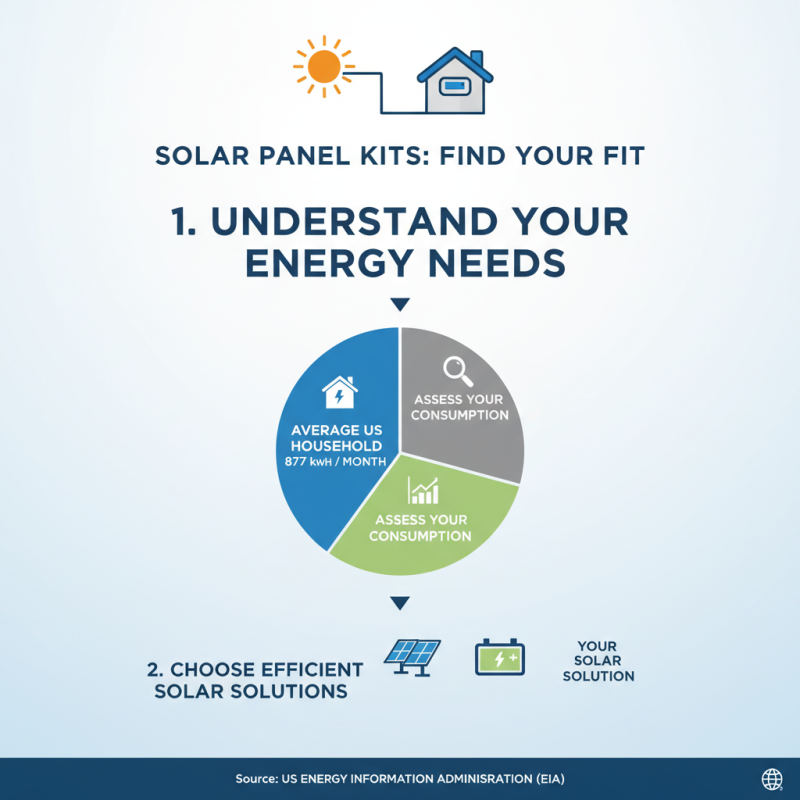
When considering solar panel kits, it's crucial to understand your energy needs. A detailed assessment of your energy consumption allows you to select the most efficient solar solution. According to the U.S. Energy Information Administration, the average U.S. household uses about 877 kWh per month. Recognizing this figure is the first step in determining a suitable solar kit.
Tips: Keep track of your monthly electricity usage. Note unusual spikes or patterns. This data can reveal inefficiencies or things you may need to adjust.
Next, consider the size and orientation of your roof. A south-facing roof usually maximizes sun exposure. The National Renewable Energy Laboratory reports that optimal panel placement can increase energy efficiency by up to 20%. However, not every roof is ideal. If your roof has shading or is too small, your energy production may vary.
Tips: If your roof isn't suitable, consider ground-mounted solar panels. These can often achieve better sunlight exposure. Evaluate whether this is a practical option for your property.
Ultimately, understanding your energy consumption and evaluating your home's unique characteristics are essential steps. This reflection leads to making informed choices, potentially avoiding over-investment in unnecessary equipment.
Evaluating Types of Solar Panel Kits Available in the Market
When choosing a solar panel kit, understanding the types available is crucial. Most kits fall into three categories: grid-tied, off-grid, and hybrid systems. Grid-tied systems connect directly to the local electricity grid. They are popular due to their cost-effectiveness. According to industry reports, these systems can reduce energy bills by up to 50%. Off-grid systems operate independently, ideal for remote areas. However, they require batteries, which can increase costs. Hybrid systems combine both, offering flexibility while still being pricey.
Consider your energy needs when selecting a kit. Determine how much electricity you consume daily. This will help in choosing the appropriate capacity of panels. A typical household may require around 6 kW to cover basic needs. For those concerned about environmental impact, solar energy can reduce carbon footprints by approximately 80% over traditional fossil fuels.
Tips: Assess installation requirements before making a decision. Some kits may seem appealing but can have hidden installation challenges. Research local incentives; these can offset initial costs. It’s essential to reflect on your long-term energy goals. Are you ready to invest? The journey into solar energy is not just financial; it’s a step toward sustainability.
Assessing Installation Requirements and Space Considerations
When considering solar panel kits, installation requirements are crucial. Space is a significant factor. According to the National Renewable Energy Laboratory, a typical residential solar system requires approximately 100 square feet for every kilowatt installed. If your roof isn't suitable, ground-mounted systems can also be an option. These systems need more land but can provide flexibility in positioning.
It’s vital to assess your roof's orientation and angle. South-facing roofs capture more sunlight. However, up to 25% of households have shaded roofs, which can reduce efficiency significantly. Local climate is another consideration. Areas with frequent cloud cover may not benefit as much from solar energy. Some reports indicate installations in these regions yield 20-30% lower performance.
Consider your energy needs too. The average U.S. household consumes about 877 kWh per month. If you can’t install enough panels to meet this demand, a smaller kit may not be worth the investment. Review energy bills to understand usage patterns. Is your family growing? Will energy consumption increase? These questions are key in making an informed decision. Careful planning can save money and improve energy efficiency.
How to Choose the Best Solar Panel Kit for Your Home? - Assessing Installation Requirements and Space Considerations
| Module Type |
Watts per Panel |
Number of Panels |
Total Capacity (kW) |
Space Required (sq ft) |
Installation Difficulty Level |
| Monocrystalline |
300 |
10 |
3.0 |
250 |
Moderate |
| Polycrystalline |
275 |
12 |
3.3 |
300 |
Moderate |
| Thin Film |
150 |
20 |
3.0 |
400 |
Easier |
| Bifacial |
350 |
9 |
3.15 |
275 |
Moderate |
Comparing Costs and Financial Incentives for Solar Panel Kits
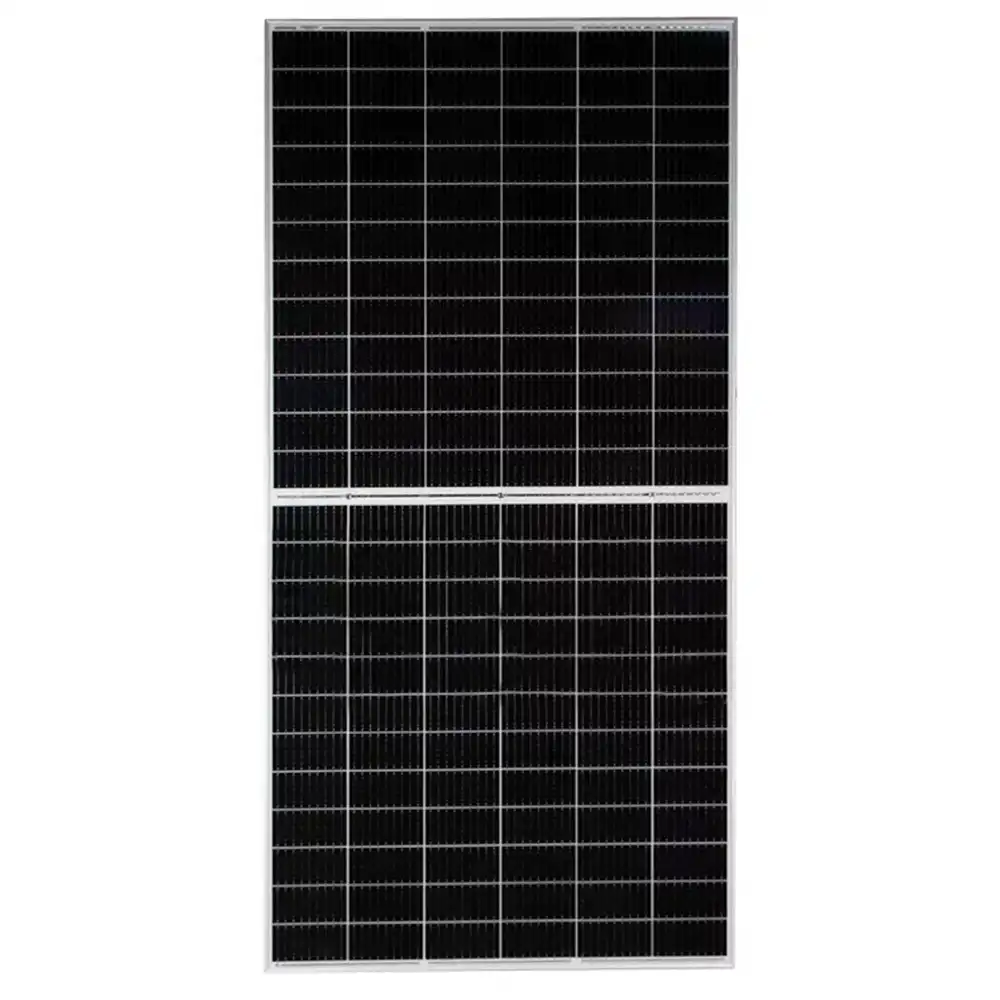
When considering a solar panel kit, understanding costs is crucial. Initial expenses can vary widely. On average, homeowners might spend several thousand dollars on a complete kit. Solar panel kits consist of panels, inverters, and mounting equipment. The quality of these components often affects the overall price. Installation fees can also add to your total costs.
Financial incentives can significantly offset these expenses. Many regions offer tax credits, rebates, and grants. These incentives can reduce your upfront investment. Research local programs to find available options. Some homeowners may miss out on these benefits due to lack of information. It’s easy to overlook specific state programs or utility incentives.
Additionally, pay attention to your electricity rates. Higher rates can make solar energy more appealing. Calculate potential savings over time when deciding. While solar panel kits promise savings, monitor costs closely. It's important to evaluate every detail. A small mistake in choosing a kit could lead to unexpected expenses down the line.
Researching Brands, Warranties, and Customer Reviews
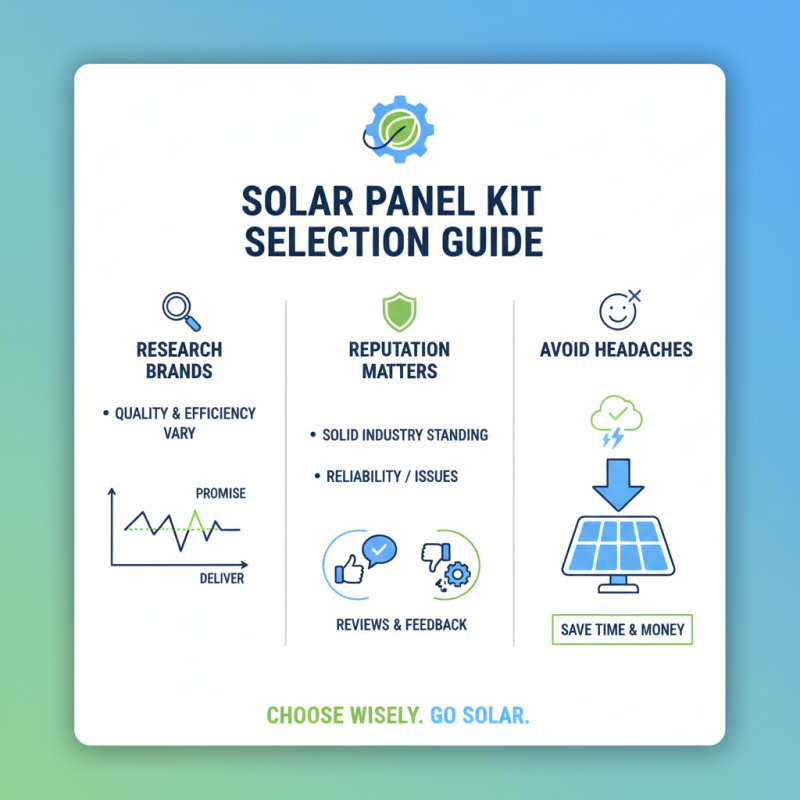
When selecting a solar panel kit, it's crucial to invest time in researching brands. Not all brands offer the same quality or efficiency. Some manufacturers might promise high output but deliver disappointingly low performance. Look for brands with a solid reputation in the industry. Reviews and customer feedback can reveal patterns of reliability or issues that others faced. This can save you from potential headaches.
Warranties can be another vital indicator of a brand's confidence in its product. A longer warranty period often suggests durability. Some brands may offer attractive warranties, but digging deeper is important. Are they easily honored? Customer experiences can shed light on this aspect. If previous customers had difficulty claiming warranties, that’s a red flag to consider. Additionally, seek out user reviews that detail real-world performance, especially under varied weather conditions.
Customer reviews are a goldmine of information. However, they can be mixed. Some users may have high expectations that are unrealistic. Others may share experiences that are overly negative due to installation errors. Focus on reviews that provide constructive feedback rather than just star ratings. Look for details about installation ease, customer support, and daily energy production. This nuanced perspective will help you make a more informed choice.