How to Choose the Best Solar Power Inverter for Your Needs?
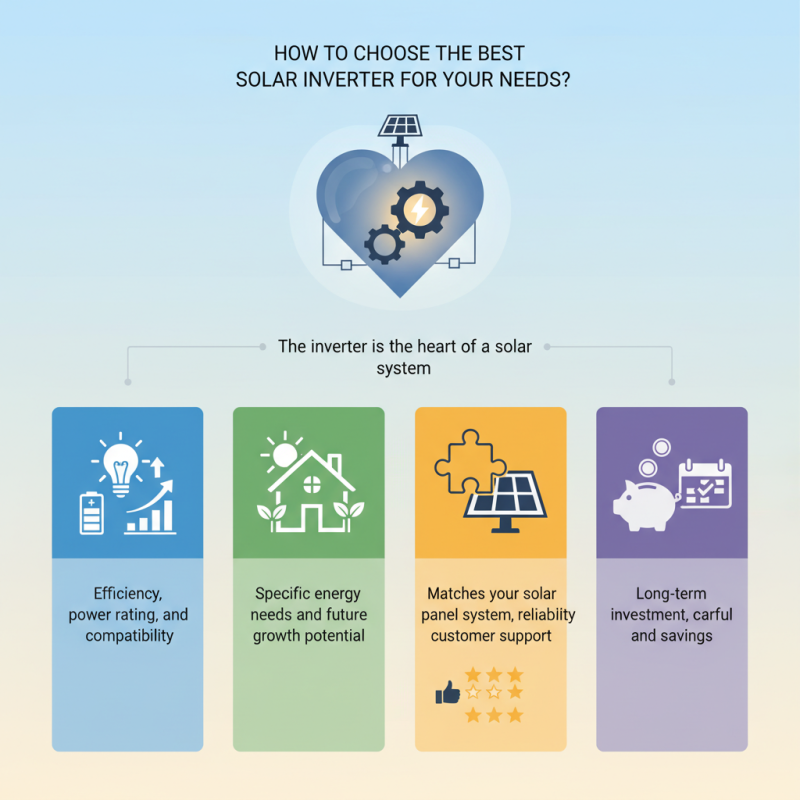
Choosing the right solar power inverter can be challenging. With so many options available, it’s easy to feel overwhelmed. Experts like Dr. Emily Watson, a leader in renewable energy technology, emphasize the importance of this choice. She states, “The inverter is the heart of a solar system.” This highlights just how critical the inverter is to the overall performance.
Understanding the key features is essential. Efficiency, power rating, and compatibility play significant roles in your decision. A good solar power inverter improves energy output and reduces losses. Consider your specific energy needs and future growth potential.
Opt for an inverter that matches your solar panel system. Brands vary in reliability and customer support. Read user reviews for insights into real-world performance. Remember, this is a long-term investment that requires careful thought and reflection. Don't rush; take the time to evaluate your options. A smart choice today can lead to savings tomorrow.
Understanding Solar Power Inverters and Their Functions
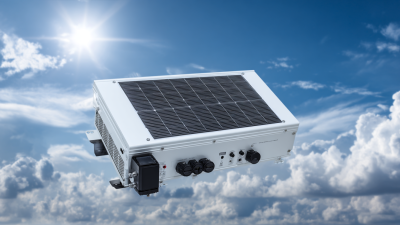
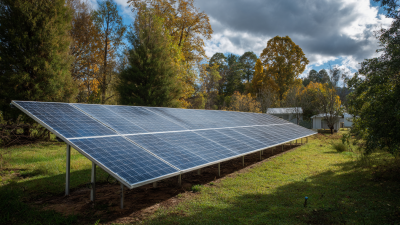
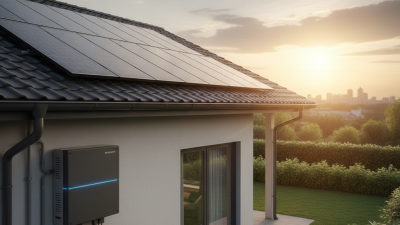
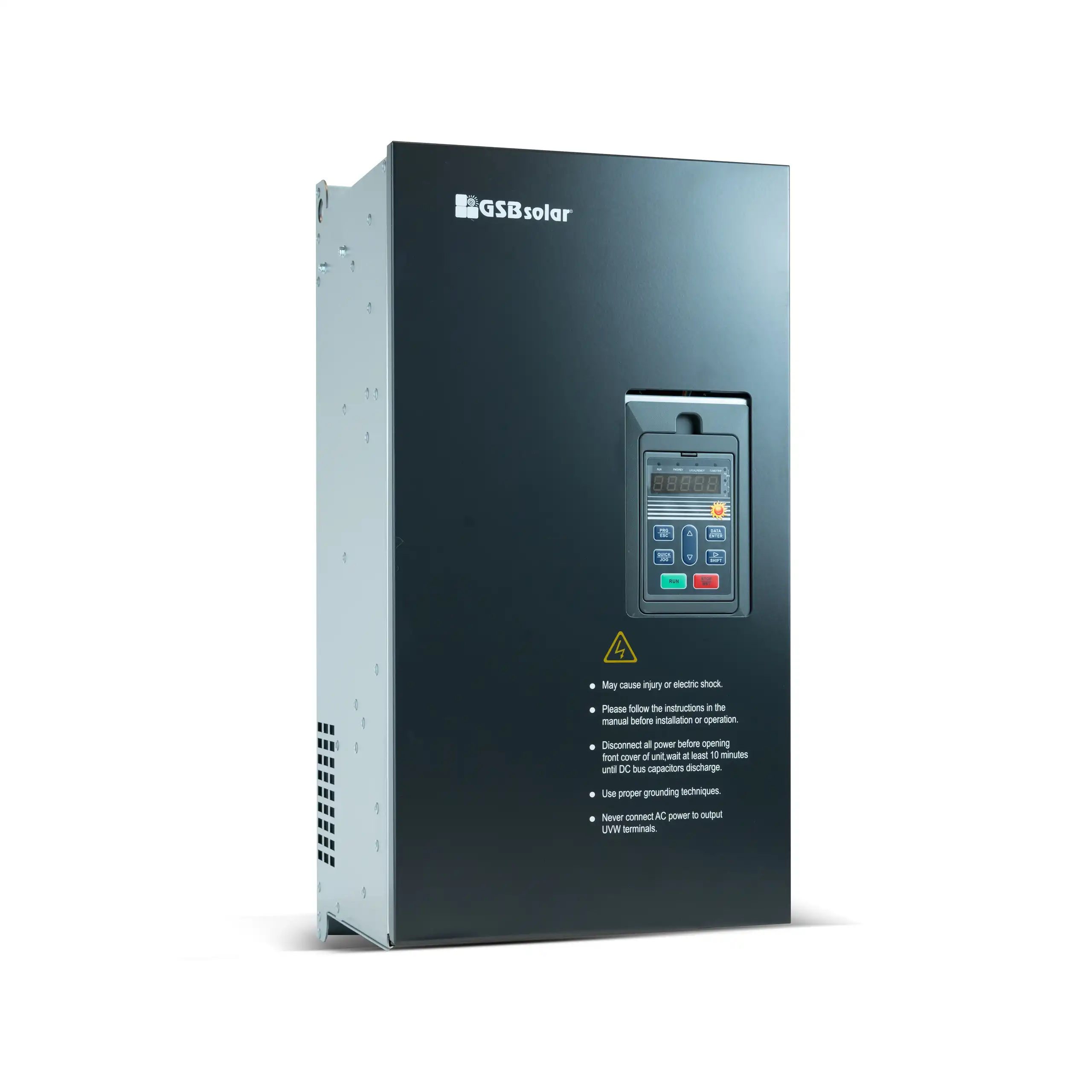
Solar power inverters are crucial for converting the direct current (DC) produced by solar panels into alternating current (AC) for household use. This process allows homeowners to utilize solar energy effectively.
According to the Solar Energy Industries Association, in 2021, residential solar installations increased by 19% compared to the previous year.
This growth indicates a rising demand for efficient solar power inverters.
Understanding the functions of solar inverters is vital. They not only convert energy but also manage power output and performance monitoring. A good inverter can optimize the energy harvested from solar panels.
It can also ensure safety by shutting off during system faults. Reports from industry experts suggest that the efficiency of inverters can range from 90% to 98%. Selecting an inverter with higher efficiency can lead directly to increased energy savings.
However, not all homes have the same energy needs. Some may require hybrid inverters for battery backups, while others might need grid-tied systems. The market is flooded with options, making it challenging to choose.
Potential buyers should carefully evaluate their specific energy consumption and future plans for energy independence. Balancing performance, quality, and cost is essential and sometimes tricky.
Making an informed choice can significantly influence overall solar energy effectiveness.
Types of Solar Inverters: Choosing the Right One for Your System
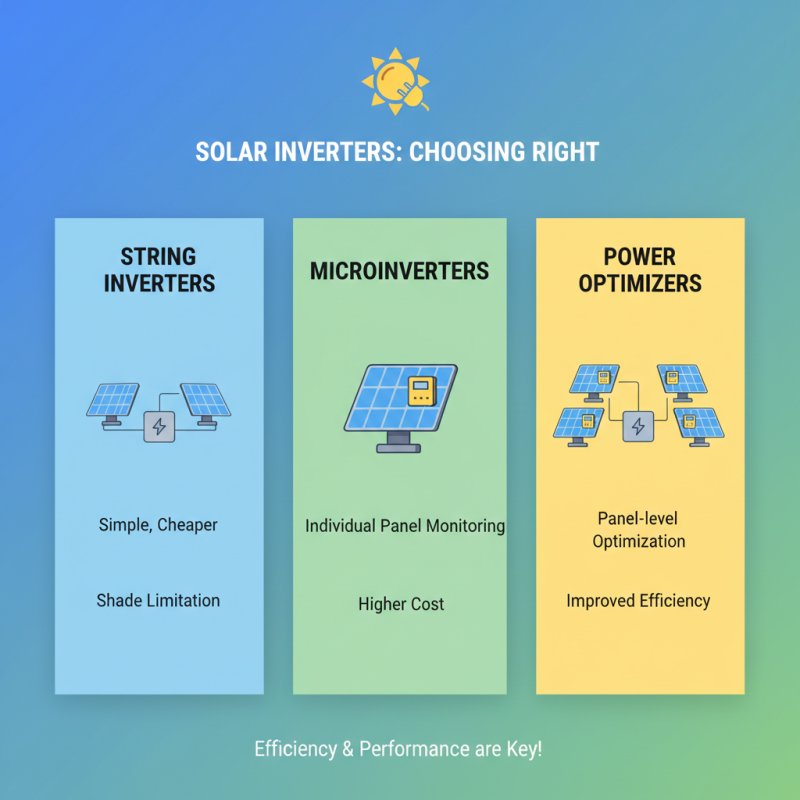
Choosing the right solar inverter is crucial for your solar power system’s efficiency and performance. There are several types of inverters: string inverters, microinverters, and power optimizers. Each type has its advantages and drawbacks. String inverters are often simpler and cheaper, but they can limit performance in shaded areas. Microinverters, on the other hand, offer individual panel monitoring but might come at a higher cost.
When selecting an inverter, consider your energy needs. Analyze your energy consumption patterns. A mismatched inverter may lead to inefficiencies. Think about the future. If you plan to expand your system, ensure your inverter can support additional panels.
Tip: Check the warranty. A longer warranty may indicate confidence in the product. Also, research installation requirements. Some inverters need professional installation, while others can be DIY-friendly. Don’t ignore compatibility with your solar panels. Incompatible systems can lead to unexpected issues. Reflect on your preferences, as the right inverter can lead to significant savings and better energy output.
Key Factors to Consider When Selecting a Solar Inverter
Choosing the right solar inverter is crucial for system efficiency. Start by determining the inverter type. There are two main types:
string inverters and microinverters. A report from the Solar Energy Industries Association indicates that
string inverters account for over 74% of the market due to their lower cost and simpler installation. However,
microinverters are gaining traction for their ability to optimize energy output at the panel level, especially in shaded areas.
Consider the inverter's efficiency rating. Most modern inverters have efficiencies above 95%. This figure directly impacts energy production.
A slight increase in efficiency, say from 95% to 98%, can make a difference in long-term savings. Inverter lifetime also matters;
average lifespans range from 5 to 15 years. Regular monitoring can help catch potential issues early, as over time, inverter performance may wane.
Users should be prepared for maintenance, as ignoring warning signs can lead to reduced power generation.
Power capacity is another significant factor. Assess your energy needs carefully. An undersized inverter will struggle to meet energy demands.
Conversely, a severely oversized inverter might not perform optimally during low sun conditions. Data from GTM Research shows many systems are oversized,
leading to possible inefficiencies. Choosing the right balance requires analysis of your energy consumption patterns and future needs.
Evaluating Efficiency and Performance Ratings of Inverters
When selecting a solar power inverter, efficiency and performance ratings matter. The inverter’s efficiency defines how much solar energy it converts into usable electricity. A higher efficiency rating indicates better performance. Look for inverters with certifications that list efficiency consistently above 95%. This ensures you'll harness more power from sunlight.
Another important factor is the inverter’s performance in various conditions. For instance, how does it operate in high temperatures? Some inverters perform poorly under heat, reducing energy output. Check how temperature affects output ratings. You may find different options that suit local conditions better. Also, consider the warranty. A longer warranty often suggests durability and reliability.
Pay attention to customer reviews. They can provide insights about real-world performance. Users sometimes report issues that technical specs don't cover. This isn't just about numbers; real experiences matter. It’s crucial to reflect on both efficiency ratings and personal energy needs. This approach can help in making a more informed choice.
Installation and Maintenance Considerations for Solar Inverters
When considering the installation of solar inverters, maintenance becomes crucial. Regular checks can prolong lifespan and enhance performance. The U.S. Department of Energy suggests that inverters may have a lifespan of 5 to 15 years, depending on the type. Routine maintenance ensures that these devices operate at peak efficiency.
One vital aspect is monitoring for overheating. Inverters generate heat, especially during peak sunlight hours. Installing them in shaded locations can minimize overheating risks. Additionally, keeping the inverter clean from dust and debris can prevent performance drops. A study from the National Renewable Energy Laboratory emphasizes that neglecting maintenance can reduce output by up to 20%.
Understanding installation requirements is equally important. Proper placement, ventilation, and securing electrical connections are critical for optimal function. A poorly installed inverter can lead to safety hazards or inefficient energy conversion. Reports show that a significant percentage of inverter issues stem from installation errors. Users must be proactive in verifying installation quality.