How to Choose the Best Vehicle Power Inverter for Your Needs?
Choosing the right vehicle power inverter can be a daunting task. Many factors come into play. It is essential to understand your needs before making a decision. A vehicle power inverter allows you to power various devices while on the road. Whether it’s charging a laptop or running small appliances, the right inverter makes all the difference.
Consider the wattage your devices require. This is crucial. Some inverters can handle hundreds of watts, while others manage only a fraction. If you plan to use multiple devices, look for higher capacities. Think about how often you travel and what devices you carry. Not all inverters are created equal. Look for reviews and user experiences.
Also, reflect on safety features. Overload protection can protect your devices, ensuring they remain functional. Compact size matters too; you don’t want a bulky inverter taking up space. Remember, a vehicle power inverter is an investment in your comfort on the road. Make sure it meets your specific needs and improves your travel experience.
Understanding Vehicle Power Inverters: Basic Concepts and Types
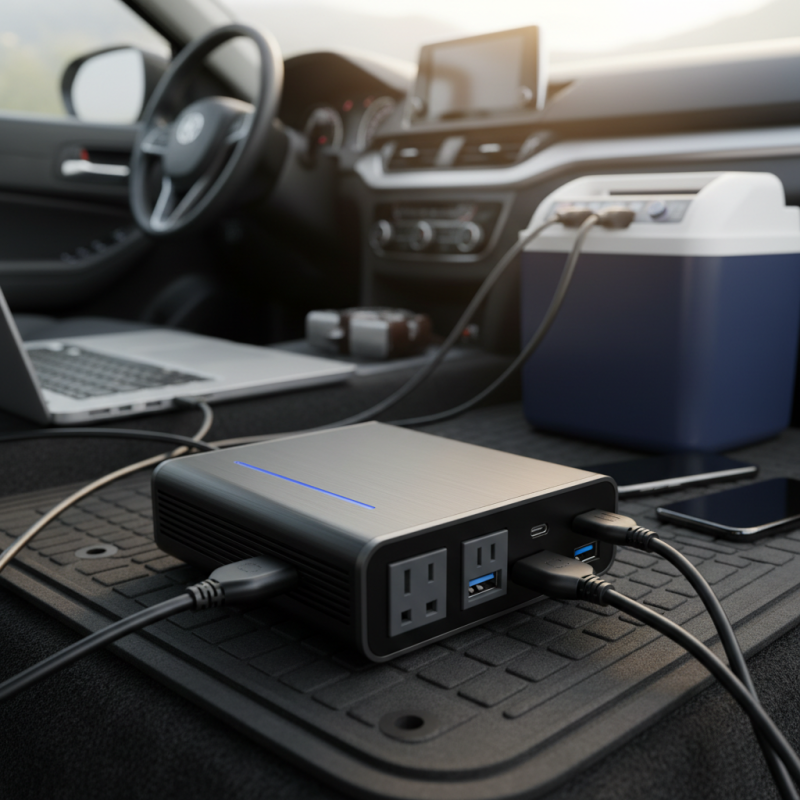
Vehicle power inverters are essential for anyone wanting to use household devices while on the road. They convert your car's DC power into AC power, allowing you to keep your gadgets charged. But how do you choose the right one?
There are several types of inverters. The most common are modified sine wave and pure sine wave inverters. Modified sine wave inverters are simpler and often cheaper. They can power many devices, but not all. For sensitive electronics, pure sine wave inverters are a better choice. They offer cleaner power, protecting your devices from potential damage.
When selecting an inverter, think about your power needs. Calculate the wattage of the devices you'll use. This will direct you to the correct inverter size. Note that some power inverters are heavy and bulky. If you’re short on space, portability matters. Remember, not all inverters are created equal. You might find some lacking in features or reliability. Take time to read reviews and find what really works for you.
Power Inverter Types and Their Efficiency Ratings
Assessing Your Power Needs: Calculating Wattage Requirements
Assessing your power needs is crucial when choosing a vehicle power inverter. Start by calculating the wattage requirements of your devices. The National Electrical Manufacturers Association states that the average household device consumes about 300 to 1,500 watts. For sensitive electronics, like laptops or phones, you may need a reliable inverter that can handle fluctuating power demands.
Consider both continuous and peak wattage. Continuous wattage is what your inverter can supply steadily. Peak wattage is the short burst of power devices need to start. For example, a microwave may require up to 1,000 watts to run but can use nearly 2,000 watts when starting. This discrepancy is critical in your calculations.
Create a list of devices you plan to use. Add their wattage ratings together. Don't forget to account for usage times. If your estimated total is above 1,500 watts, you may need a more robust inverter. Ignoring these details can lead to insufficient power when you need it most. Precision in these calculations will ultimately protect your devices and enhance your overall experience.
Key Features to Consider When Choosing a Vehicle Power Inverter
When choosing a vehicle power inverter, start with wattage. You need to know how much power your devices require. The average compact inverter provides 150 to 300 watts. Larger models can support up to 4000 watts, suitable for more demanding electronics. Consider what devices you plan to use. High-wattage devices need correspondingly powerful inverters.
Next, look at the inverter type: modified sine wave or pure sine wave. Modified sine wave inverters are more affordable and suitable for simple electronics. However, they may cause issues with sensitive devices, like some medical equipment. Pure sine wave inverters are costlier but deliver cleaner power. Reports show a 30% failure rate in sensitive devices with modified wave inverters.
Portability is another critical aspect. Many inverters are compact and lightweight, making them easy to transport. However, don’t overlook cooling features. High-wattage inverters generate heat. An active cooling system can prevent overheating and extend the inverter's life. Ensuring proper heat dissipation is vital for longevity.
Portability and Installation: Finding the Right Fit for Your Vehicle
When choosing a vehicle power inverter, portability is key. Consider the inverter's size and weight. A lightweight model can be easily transported. It allows for flexible placement within your vehicle. Compact units fit well in tighter spaces. This is especially useful for smaller cars or SUVs.
Installation is another important factor. Some inverters require professional installation. This can add to your costs. Look for plug-and-play options if you prefer a DIY approach. Ensure the inverter has a user-friendly design. Complicated setups can lead to frustration. Remember, it's critical to have clear instructions. Seek models with detailed guides that are easy to follow.
Measure your available space before purchase. Fitting the inverter in your vehicle enhances efficiency. A poor fit can obstruct your driving or cause safety issues. Also, think about how often you'll need to move it. If it’s frequently changed, a lightweight option is better. Balancing these factors will help you find a suitable power inverter for your needs.
How to Choose the Best Vehicle Power Inverter for Your Needs?
| Feature | Description | Importance |
| Power Output | Measured in watts, indicates how many devices can be powered. | High |
| Portability | Weight and size for easy transport and installation. | Moderate |
| Installation Type | Cigarette lighter plug or direct connection to the battery. | High |
| Safety Features | Overload, short circuit protection, and cooling fans. | High |
| Number of Outlets | Total number of AC and USB outlets available. | Moderate |
| Input Voltage | Compatible voltage levels based on vehicle battery. | High |
| Efficiency Rating | How effectively the inverter converts DC to AC power. | High |
Safety Considerations: Protecting Yourself and Your Equipment
When selecting a vehicle power inverter, safety should be a top priority. A good inverter helps protect both you and your devices. First, check for built-in safety features. Look for overload protection that prevents damage during power surges. Without this feature, your equipment could suffer. It's essential for long-term use.
Consider ventilation as well. Inverters generate heat during operation. Place the inverter in a well-ventilated area. Avoid areas with excessive dust or moisture. If you don't, it could lead to overheating or malfunction. Ensure that your connections are secure. Loose wires can cause short circuits, posing a risk to safety.
Be mindful of the inverter's power rating. Match it to your equipment's needs. Using an inverter with a lower wattage may result in failure. This doesn't just affect the inverter; your devices could also be at risk. Regularly inspect your inverter for any signs of wear or damage. Ignoring these signs could have serious implications. Remember, safety isn't just about choosing the right product. It's about consistent maintenance and awareness of your environment.