How to Choose the Right Solar Inverter for Your Home?
Choosing the right solar inverter is crucial for maximizing your home's energy efficiency. According to the Solar Energy Industries Association (SEIA), the U.S. solar market has grown over 167% since 2015. This growth emphasizes the importance of not only solar panels but also the inverters that convert solar energy into usable electricity.
Solar inverters play a key role in the performance of a solar power system. They help optimize energy output and ensure efficient energy conversion. With various types available, selecting the right one can be overwhelming. Homeowners often struggle with making informed decisions. In 2021, 30% of users reported not understanding the inverter's capabilities. Such misunderstandings can lead to poor energy production and higher costs.
Evaluating specifications is essential. Different solar inverters vary in efficiency, compatibility, and price. The Department of Energy emphasizes that the right inverter can improve system reliability and lifespan. However, budget constraints and technical knowledge can lead to suboptimal choices. It’s important to reflect on these factors when making a decision. The right solar inverter can significantly impact your energy outcomes.
Understanding the Different Types of Solar Inverters Available
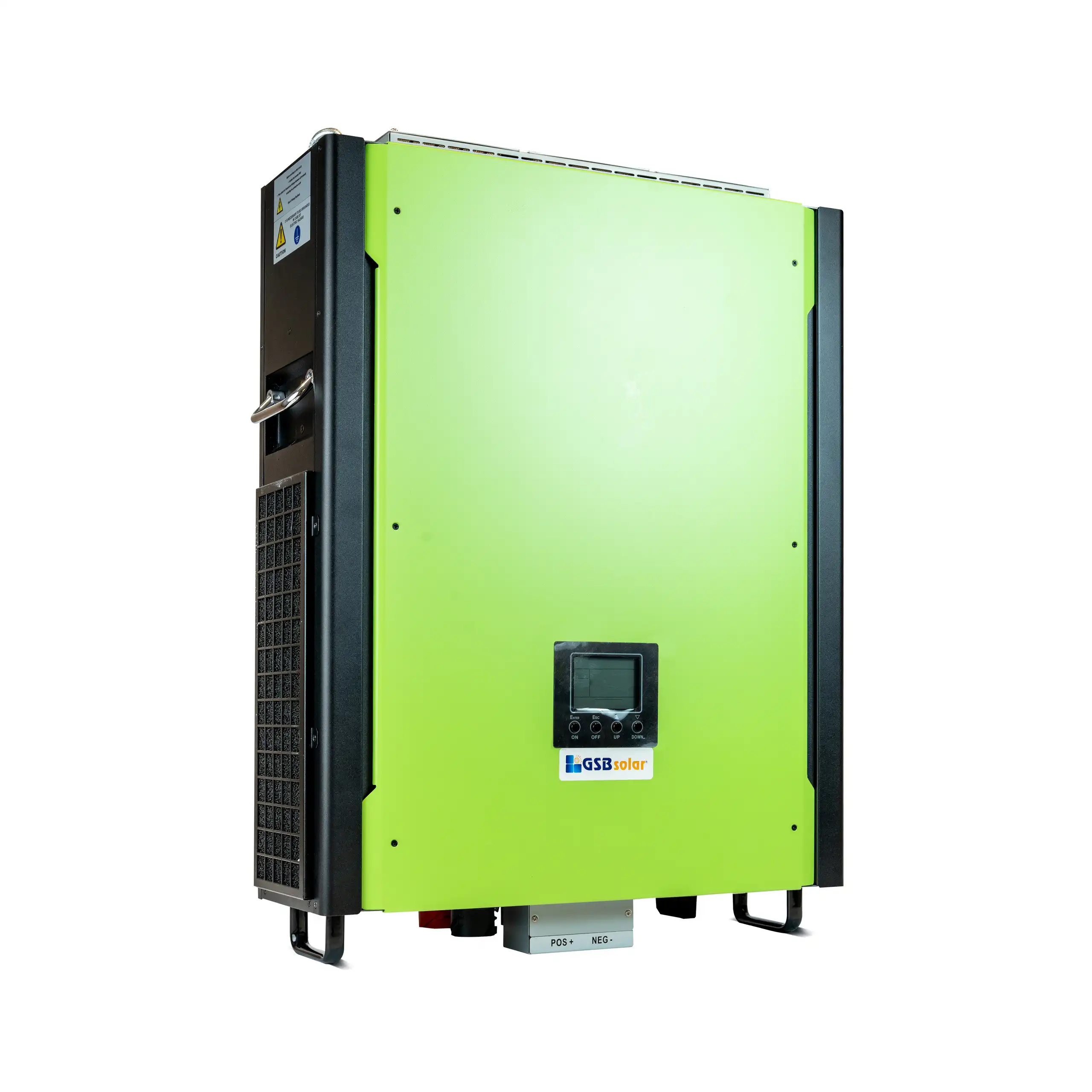
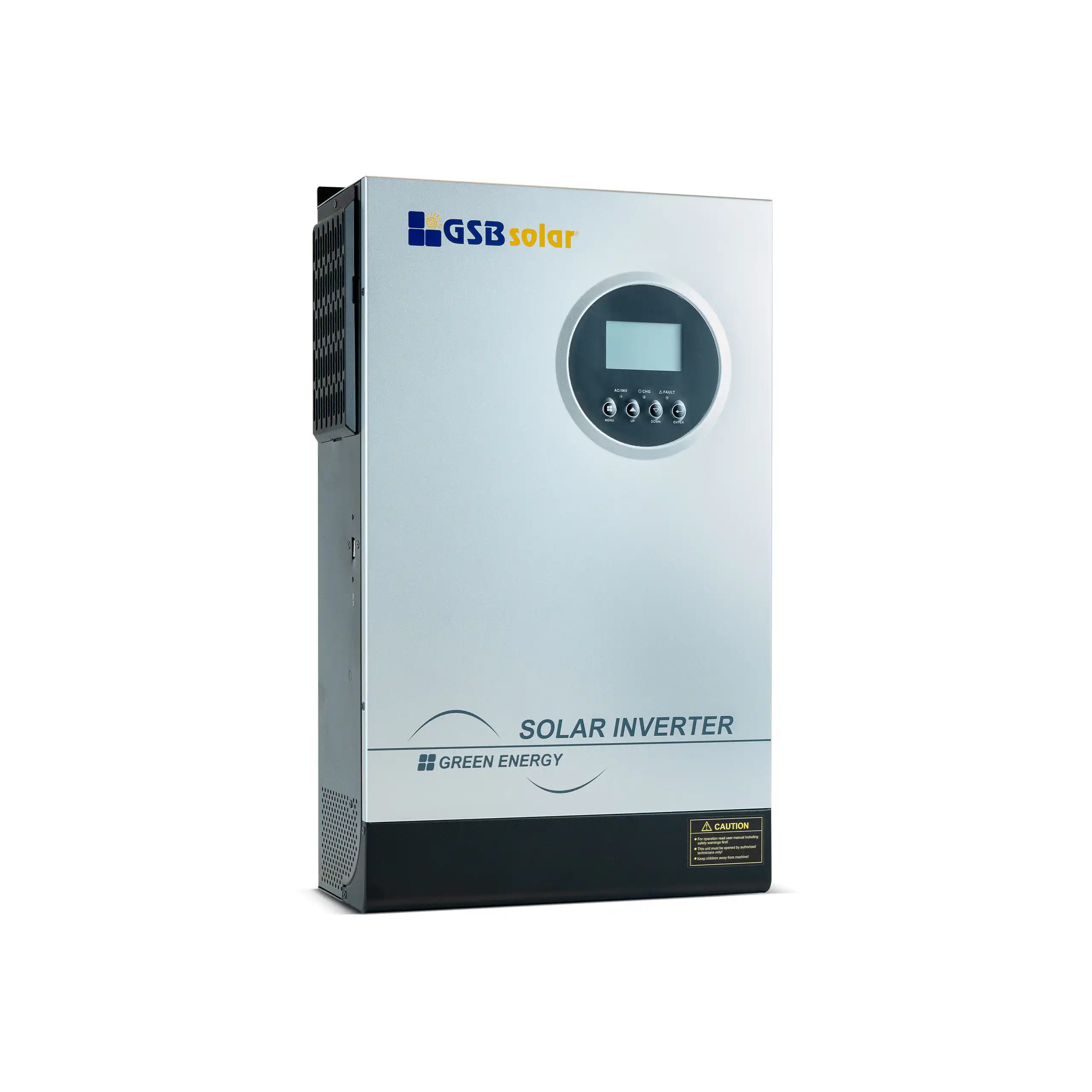
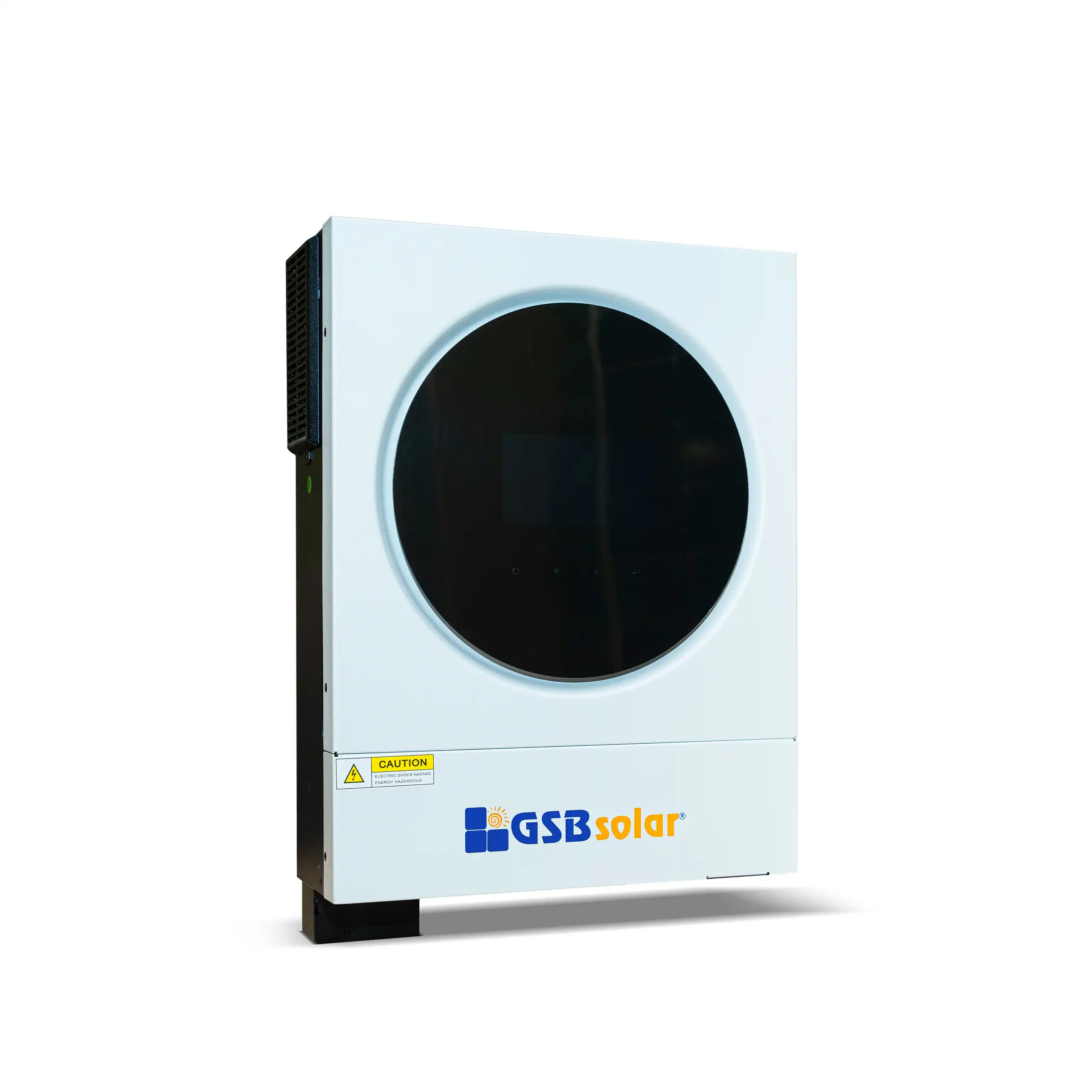
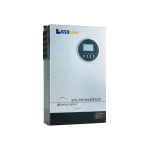
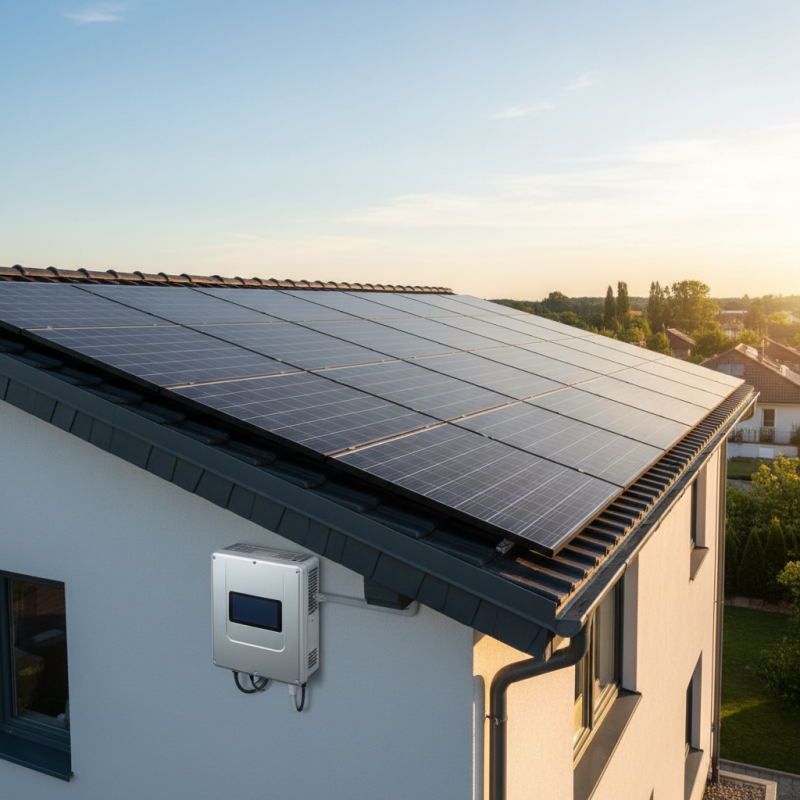
When selecting a solar inverter, understanding the types available is crucial. There are three main categories: string, microinverters, and power optimizers. String inverters are common for residential systems. They connect multiple panels together, which can lower costs. However, they are not always efficient in shaded conditions.
Microinverters offer individual optimization for each panel. This is ideal for homes with varying sun exposure. If one panel is shaded, it won’t affect the others. This can lead to improved energy output. On the downside, microinverters can be more expensive upfront. Installation can also take longer.
Power optimizers combine features of string inverters and microinverters. They enhance the performance of each panel while keeping costs lower. Though they are a good middle ground, they still require a compatible string inverter. Understanding these types helps homeowners make informed choices. Careful consideration of your specific needs and roof conditions is essential.
Evaluating Your Home's Energy Needs Before Choosing an Inverter
Evaluating your home's energy needs is crucial before selecting a solar inverter. Begin by reviewing your monthly electricity bills. This helps you understand your average energy consumption. Look for peak usage hours. Identifying these times can guide your inverter sizing.
Consider the appliances you use. Different devices consume varying amounts of energy. For instance, refrigerators need more power than LED lights. It’s essential to calculate the total wattage of all devices you plan to run simultaneously. A reliable estimation will enable a better match with your inverter's capacity.
Also, think about future changes. Do you plan to buy an electric vehicle? Will you add more appliances? These factors can impact your energy needs. Reflect on how your lifestyle might evolve. This proactive approach can help avoid potential upgrades later. It’s about making informed decisions now for a sustainable future.
Energy Needs Evaluation for Solar Inverter Selection
Key Features to Look for in a Solar Inverter
When selecting a solar inverter, several key features demand your attention. Efficiency is paramount. A high-quality inverter should have an efficiency rating above 95%. According to industry reports, inverters with efficiency levels of 98% can significantly reduce energy losses. These subtle differences impact your overall energy savings.
Another essential feature is the inverter's type, such as string, micro, or power optimizers. String inverters are common and cost-effective, but they may struggle with shading issues. Micro-inverters perform better in shaded conditions, according to a 2022 market analysis. They can increase energy production by up to 20% in such scenarios. However, the upfront cost is typically higher.
Also, consider monitoring capabilities. A good inverter allows you to track performance in real-time. Reports show that effective monitoring can achieve a 10-15% increase in efficiency through timely maintenance. Some users may overlook this, assuming their system will run perfectly. It's crucial to be proactive in maintenance. What works for one homeowner may not work for another. Each home's conditions are unique.
How to Choose the Right Solar Inverter for Your Home? - Key Features to Look for in a Solar Inverter
| Feature |
Description |
Importance |
| Efficiency |
The ratio of the inverter's output power to the input power, expressed as a percentage. |
A higher efficiency means more solar energy is converted into usable electricity. |
| Types of Inverters |
String inverters, microinverters, and power optimizers, each with different benefits. |
Choosing the right type affects system performance and installation complexity. |
| Warranty |
The duration and conditions under which the inverter is covered against defects. |
A longer warranty suggests reliability and manufacturer confidence. |
| Grid Compatibility |
The inverter must be compatible with the local grid specifications. |
Critical for ensuring proper operation and adherence to regulations. |
| Monitoring Options |
Features that allow users to monitor system performance remotely. |
Helps in identifying issues and optimizing energy production. |
| Safety Features |
Built-in protections against overloading, overheating, and system faults. |
Enhances the safety and longevity of the solar power system. |
Comparing Costs and Benefits of Various Inverter Options
When selecting a solar inverter, understanding costs and benefits is crucial. The market offers several types, including string inverters, microinverters, and power optimizers. Each has unique advantages and drawbacks. A study by the National Renewable Energy Laboratory indicates that efficient inverters can enhance overall system performance by up to 30%. However, installation costs vary significantly. String inverters are often cheaper, while microinverters can be pricier but offer better efficiency in shaded areas.
Tips: Consider your roof's layout. If you have multiple orientations or shading, microinverters may be a better choice. They operate individually, maximizing each panel's output. Conversely, string inverters are suitable for straightforward layouts. They are easier to install and maintain.
Additionally, pay attention to warranty periods. Longer warranties often indicate better product reliability. Most high-quality inverters have warranties ranging from 5 to 12 years. However, a shorter warranty may not reflect poor quality alone. Technological changes could render some models obsolete sooner than expected. Assess your long-term energy goals to avoid regrets later.