How to Choose the Right Solar Panel for Your Home?
Choosing the right solar panel for your home can be a daunting task. With many options available, making the right choice matters. According to a report from the Solar Energy Industries Association, solar power accounted for 43% of new electricity-generating capacity in the U.S. in 2020. This shows how vital solar panels are to future energy solutions.
Different energy needs and budgets must be considered. Not all solar panels are created equal. Performance, efficiency, and warranty differ greatly among brands. A study reveals that homeowners can save around $10,000 on energy bills over 20 years with the right panel. However, what works for one home may not work for another.
The market can be overwhelming. Prices fluctuate and technology evolves rapidly. You might feel unsure about which certifications matter or what warranties to look for. The right solar panel should balance cost, efficiency, and long-term performance. With the proper guidance, this decision can greatly enhance your home’s value and reduce your carbon footprint. Take your time; reflection before making the investment is key.
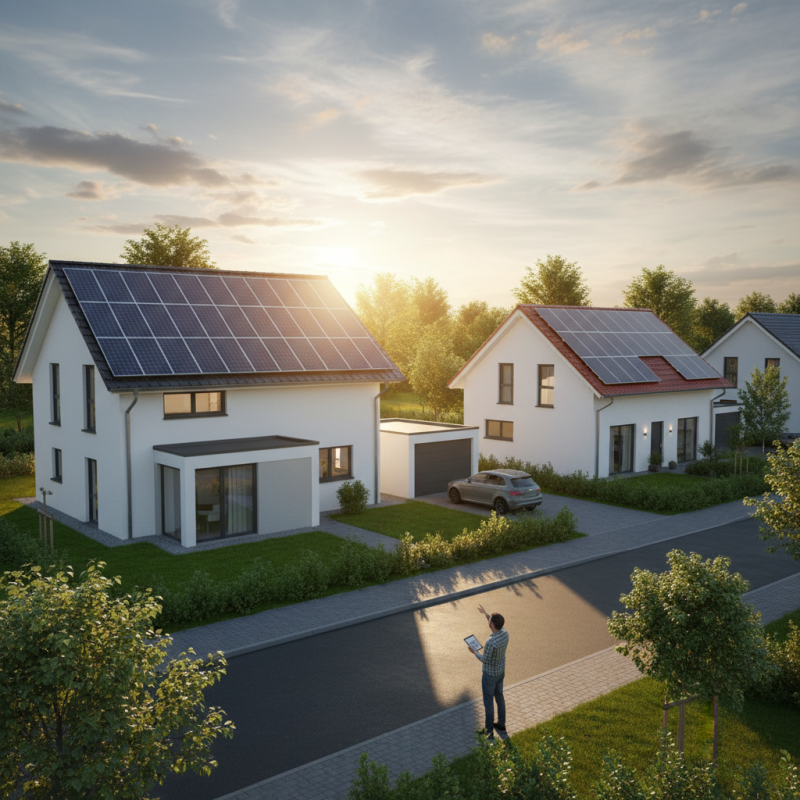
Understanding Solar Panel Types: Monocrystalline, Polycrystalline, and Thin-Film
When considering solar panels for your home, understanding the types available is crucial.
Monocrystalline panels are known for their high efficiency,
often around 20% or more. They take up less space due to their higher power output.
However, their cost can be a significant factor.
Polycrystalline panels are generally less expensive, with efficiencies ranging from
15% to 17%. They require more space, which might be a consideration if your roof area is limited.
Thin-film panels are lightweight and flexible, but their efficiencies are usually lower, sitting at around
10% to 12%.
Tip: Evaluate your roof space and energy needs carefully.
If space is restricted, you might lean towards monocrystalline for their efficiency. Consider the local climate as well.
Some panel types perform better in cloudy conditions than others.
Cost is not the only factor. The choice you make should also reflect your long-term energy goals.
Monocrystalline panels, while pricier, often come with longer warranties and durability.
Polycrystalline, though affordable, may not last as long. The gap in efficiency and longevity should be weighed against initial investment.
Tip: Make sure to read industry reports on solar technology developments.
These reports reveal trends in energy generation and costs. This information can help guide your decisions and ensure you're making an informed choice.
Assessing Your Energy Needs: Calculating Consumption and Future Requirements
Assessing your energy needs is crucial when choosing solar panels. Start by calculating your current energy consumption. Look at your electricity bills from the past year. Find the average monthly usage and convert it into daily kilowatt-hours. This will give you a baseline for your needs.
**Tips:** Consider seasonal changes in your energy usage. Some months will see higher consumption, like summer, when air conditioning is common. Don’t ignore future changes. If you plan to buy an electric vehicle, factor that into your calculations.
Next, think about future requirements. Will you add appliances? Will family size change? This can impact your energy demands significantly. A commonly overlooked factor is energy efficiency. Upgrading to energy-efficient appliances can reduce your needs.
**Tips:** Reassess your needs annually. Energy habits can change. Monitor your consumption after any major changes at home. This helps ensure your solar panel system meets all your needs effectively. It's worth reflecting on how lifestyle choices impact energy use over time.
Energy Consumption Comparison for Solar Panel Sizing
This chart shows the estimated monthly energy consumption in kilowatt-hours (kWh) throughout the year. Understanding these values can help in selecting the right solar panels to meet the energy needs of your home.
Evaluating Solar Panel Efficiency: What to Look for in Specifications
When evaluating solar panel efficiency, specifications are key. Look for the panel's conversion efficiency, which measures how much sunlight is converted into usable electricity. High efficiency means more power production in a smaller area. Aim for panels with efficiencies above 18%. Also, consider the temperature coefficient. A lower negative value indicates less efficiency loss as temperatures rise.
Don't overlook warranty terms. Panels usually come with 25-year performance guarantees. Shorter warranties may suggest less confidence in performance. Pay attention to degradation rates. A panel that performs well in the first few years should still be reliable over decades. Check if the specs provide information about how efficiency decreases over time.
It’s essential to assess the context of your installation. Your rooftop space and local climate can impact actual performance. Some panels may promise high efficiency but fail to deliver in less sunny regions. Other factors—like shading from trees or buildings—might affect output. The real world is more complex than the numbers suggest. Do your research before making a commitment.
How to Choose the Right Solar Panel for Your Home? - Evaluating Solar Panel Efficiency: What to Look for in Specifications
| Specification |
Standard Panel |
High Efficiency Panel |
Premium High Efficiency Panel |
| Efficiency Rate |
15% - 17% |
18% - 21% |
22% and above |
| Wattage |
250W - 300W |
300W - 370W |
370W and above |
| Temperature Coefficient |
-0.4%/°C |
-0.35%/°C |
-0.30%/°C |
| Durability (Years) |
25 |
25-30 |
30+ |
| Warranty (Years) |
10-15 |
15-20 |
20-25 |
Comparing Costs and Incentives: Budgeting for Solar Panel Installation
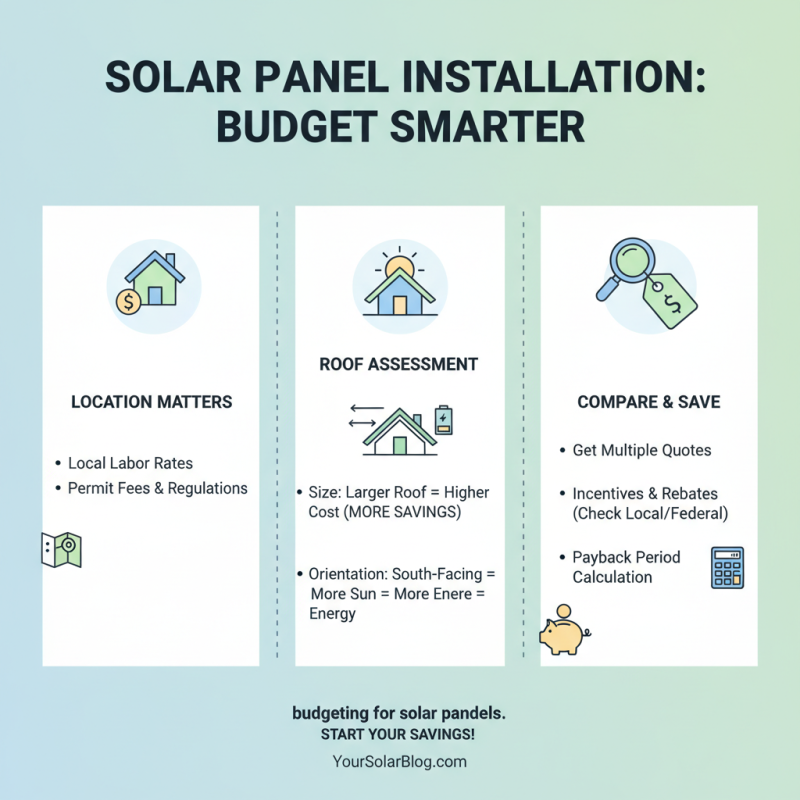
When budgeting for solar panel installation, it’s essential to compare costs carefully. Installation prices vary significantly based on your location. Local labor rates and permit fees can influence the overall cost. Assessing your roof size and orientation is also critical. Larger roofs generally mean higher costs, but they can lead to more energy savings.
Incentives can play a vital role in your budget. Many homeowners overlook tax credits and rebates. These can significantly reduce your initial investment. Research available programs in your area. It’s frustrating when potential savings aren't utilized. Sometimes, the paperwork can feel overwhelming. Yet, taking the time to understand these options can lead to substantial savings.
While considering your budget, be ready for unexpected expenses. Additional costs can arise during installation. These might include equipment upgrades or site preparations. Be flexible and allow a little room in your budget for surprises. Buying solar panels is a big decision. It requires thoughtful planning and consideration.
Selecting a Reputable Installer: Factors to Consider When Hiring an Expert
Choosing a reputable installer is crucial for a successful solar panel system. Start by asking for recommendations from friends or family. A personal referral often offers insights that online reviews cannot. Interview potential installers and ask about their experience. Look for professionals with certifications in the solar industry. This can make a difference in quality.
Furthermore, check their previous projects. Viewing completed installations in your area helps gauge their work quality. Pay attention to the materials used. High-quality panels and equipment ensure durability and performance. Be cautious of installers with unusually low prices; they may compromise on quality.
Trust your instincts during the hiring process. If something feels off, seek other options. Communication is vital. Ensure your installer explains the process and answers your questions. Misunderstandings can lead to costly mistakes. Taking the time to choose the right expert pays off in the long run.