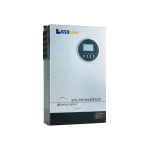
How to Choose the Right Solar Power Inverter for Your Home?
Choosing the right solar power inverter for your home is crucial for an efficient solar energy system. The inverter manages power conversion, ensuring that solar energy is usable for household appliances. With various options available, making the right choice can feel overwhelming.
Understanding your energy needs is the first step. Different homes require different capacities. A small household may not need as powerful an inverter as a larger one. Consider how much power your appliances require daily. This assessment will help narrow down your options.
Quality matters when selecting a solar power inverter. Look for reliable brands with a proven track record. Research and read reviews. However, remember that not all products meet expectations. Some inverters may underperform, leaving you dissatisfied. Even with thorough research, the choice can lead to regrets. Take your time to weigh all factors carefully before making a decision.
Understanding the Basics of Solar Power Inverters
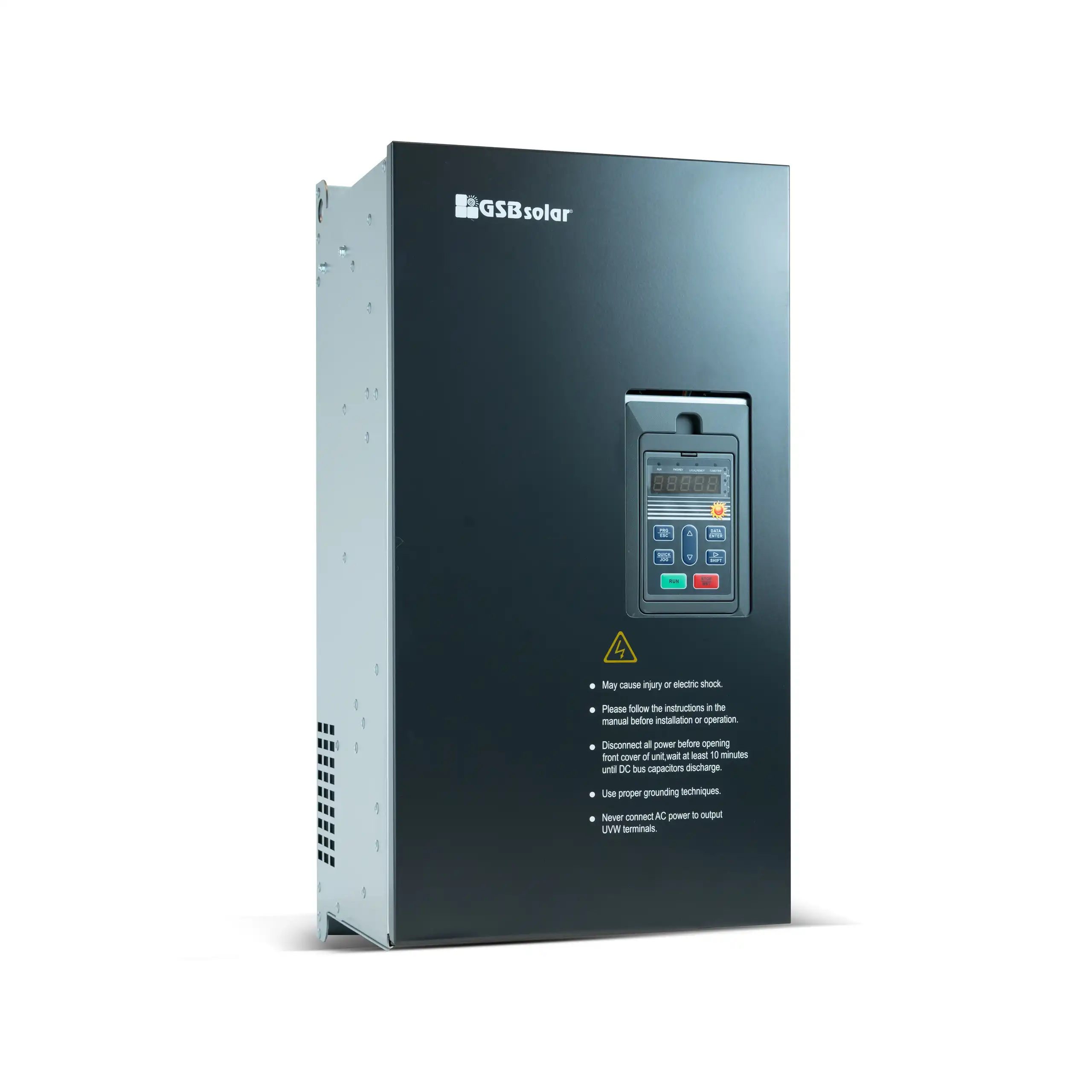
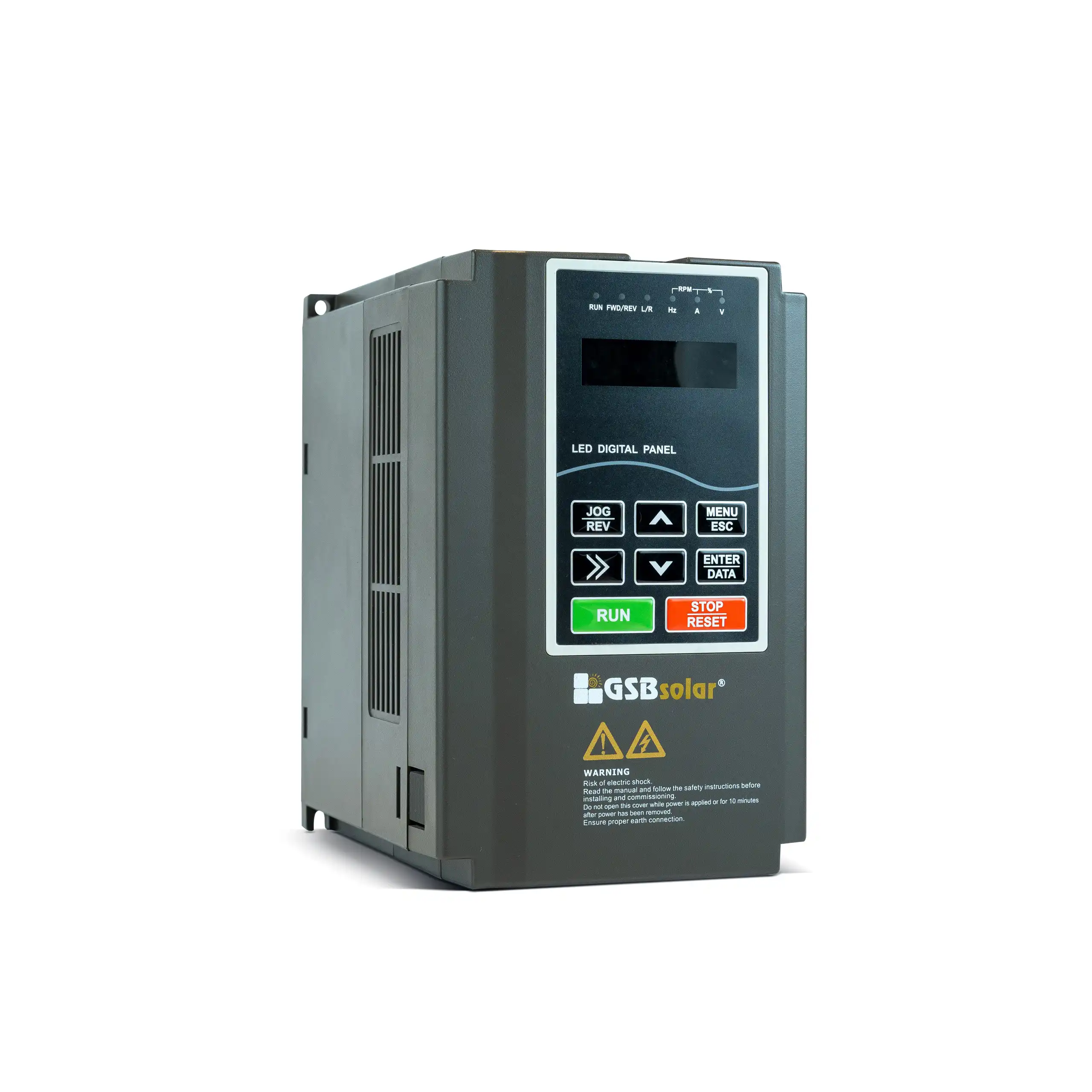
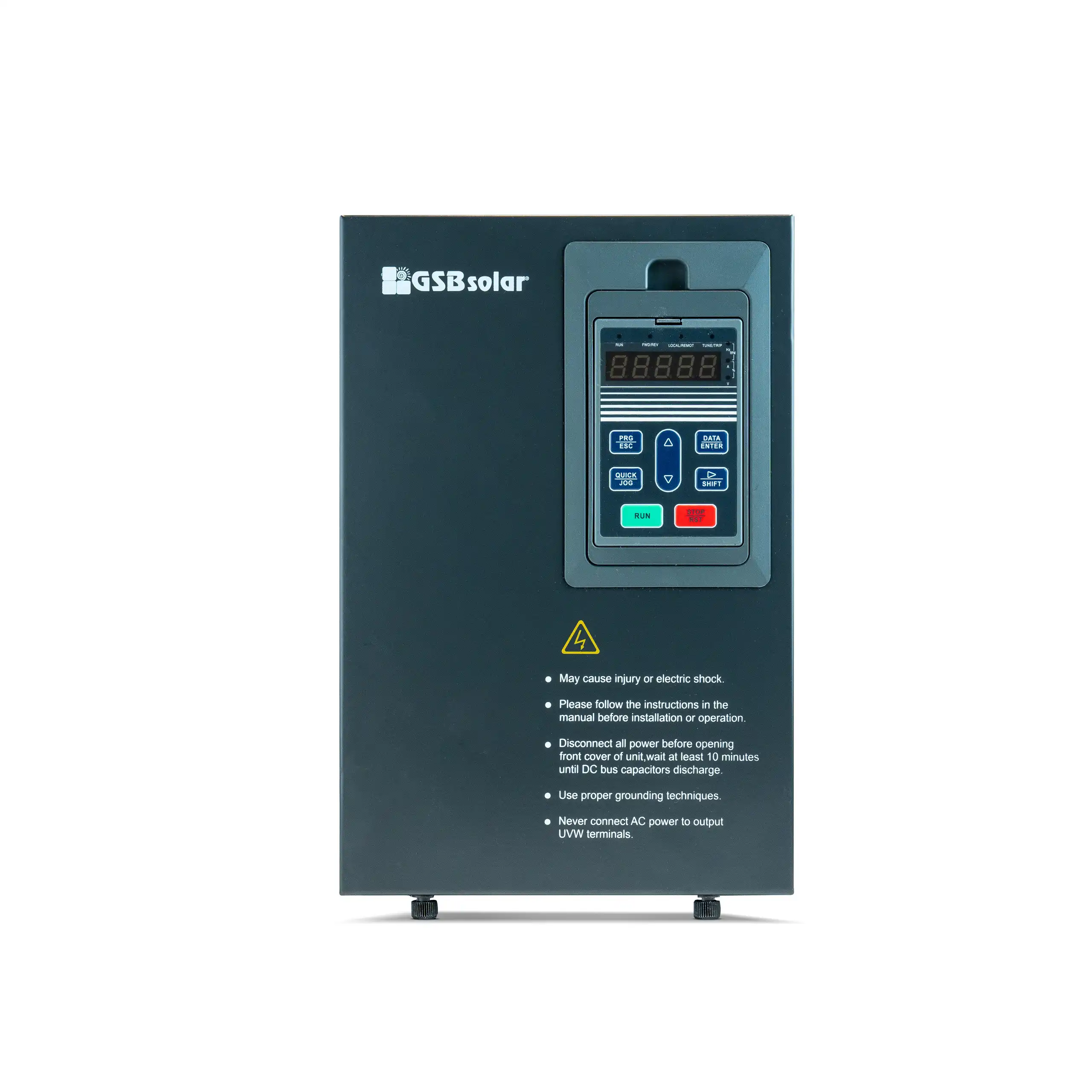
When exploring solar power inverters, it is essential to grasp their fundamental role. Solar power inverters convert the direct current (DC) generated by solar panels into alternating current (AC), which is used by most household appliances. This process is crucial for maximizing energy efficiency. Without a reliable inverter, the benefits of solar energy systems could diminish significantly.
Understanding inverter types is another vital aspect. There are several options available, including string inverters, microinverters, and power optimizers. Each type has its distinct advantages and limitations. For instance, string inverters are generally cost-effective but may struggle in partially shaded conditions. Microinverters, on the other hand, optimize energy output for each panel. This can lead to improved performance, especially in setups where shading is a concern.
Homeowners should consider their specific needs when choosing an inverter. Think about the size of your solar system and your energy consumption patterns. Research each option thoroughly to make an informed decision. Reflect on your unique circumstances, including location and budget. Assessing these factors is key to finding the right inverter for your solar energy journey.
How to Choose the Right Solar Power Inverter for Your Home?
| Inverter Type |
Efficiency (%) |
Power Rating (kW) |
Warranty (Years) |
Price ($) |
| String Inverter |
95 |
5-10 |
5 |
1,000 |
| Micro Inverter |
97 |
250-300 |
25 |
200 |
| Power Optimizer |
96 |
5-15 |
20 |
800 |
| Hybrid Inverter |
94 |
3-10 |
10 |
1,500 |
Types of Solar Power Inverters: Which One is Right for You?
When selecting a solar power inverter, understanding the different types is crucial. The most common types are string inverters, microinverters, and power optimizers. String inverters are cost-effective and suitable for systems with minimal shading. Microinverters work on each panel, enhancing efficiency in shaded areas. Power optimizers can boost performance while still using string-based systems.
Tips for Choosing: Consider your roof’s orientation and shading. If you have significant shading, microinverters might be the best choice. On the other hand, if your roof is unshaded, a string inverter could suffice. Check the inverter's efficiency rating. Higher efficiency often means better energy production.
Additionally, think about your energy needs. Evaluate your household consumption patterns. An undersized inverter can lead to energy loss. It's essential to choose one that matches your system’s capacity. Remember, the right inverter not only influences performance but also affects your long-term savings. A well-informed decision today can yield significant benefits over time.
Types of Solar Power Inverters
Key Features to Consider When Choosing a Solar Inverter
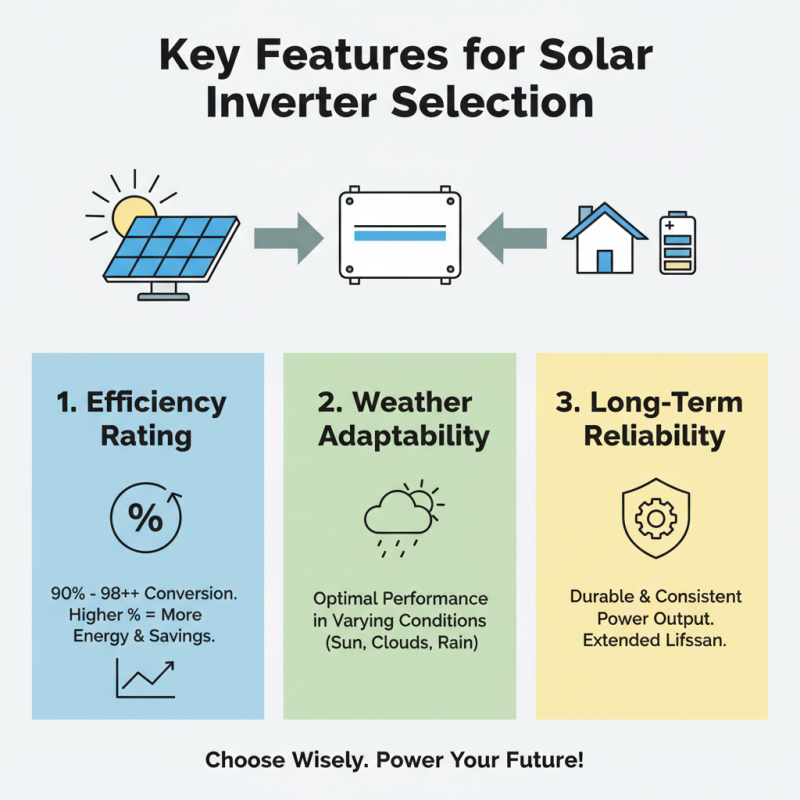
When selecting a solar power inverter, consider its efficiency rating. A higher efficiency means more energy conversion from sunlight to electricity. Typically, inverters range from 90% to over 98% efficiency. This small difference can lead to significant savings over time. However, achieving optimal efficiency can be challenging, especially in varying weather conditions.
Another essential feature is the inverter's capacity. It needs to match or exceed your solar panel system's output. Assess your energy needs and growth potential. If you plan to expand your system, choose an inverter with extra capacity now. But don't overlook the potential for underperformance if your inverter is too small.
Monitoring options can also impact your choice. Real-time monitoring helps you track energy production and efficiency. Some inverters offer smartphone access, which can be convenient. Yet, be prepared to troubleshoot connectivity issues. Evaluating warranties and customer support is vital, too. A longer warranty indicates manufacturer confidence. Just remember, not all support experiences are equal. Look for reliability and responsiveness.
Assessing Your Energy Needs for Solar Inverter Selection
Assessing your energy needs is crucial when choosing a solar inverter. Start by evaluating your household energy consumption. Examine your electricity bills over the past year. Calculate the average monthly usage in kilowatt-hours (kWh). This figure will guide you in selecting an inverter with the right capacity.
Consider your appliances as well. Each device has a specific power requirement. List essential appliances like refrigerators, air conditioners, or heating systems. Pay attention to their wattage ratings. This information helps determine how much energy you need during peak times. If you miss this step, you might end up with an undersized inverter.
It's also wise to think about future needs. If you plan to expand your energy use, factor that into your inverter choice. Perhaps you intend to add an electric vehicle or larger appliances. An inverter with a higher capacity offers more flexibility. Remember, an ill-fitting inverter may lead to issues. It might struggle to handle energy loads. This could result in inefficiency and damage.
Installation and Maintenance Considerations for Solar Inverters
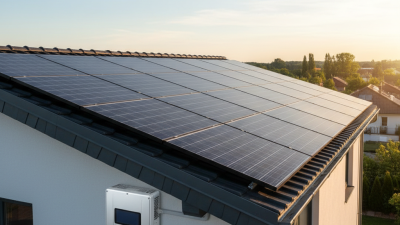
When installing a solar power inverter, it’s crucial to consider its placement. The inverter should be located in a shaded area to avoid overheating. High temperatures can lead to reduced efficiency. Ideally, choose a spot with good airflow. This simple step can prolong the inverter's lifespan.
Regular maintenance is essential for optimal performance. Check the inverter for dirt or debris accumulation. Cleaning it helps ensure it operates efficiently. Look for any warning lights or error codes regularly. Addressing issues promptly can prevent costly repairs. It’s a routine task that shouldn't be overlooked.
Finally, think about the inverter’s durability. Harsh weather can impact its functionality. Consider protective housing or enclosures. Also, review the warranty details. A strong warranty reflects quality and gives peace of mind. Monitoring these factors will help maintain your solar system's health effectively.