How to Choose the Right Solar Power System for Your Needs?
As the global demand for renewable energy surges, choosing the right solar power system becomes increasingly crucial. According to the Solar Energy Industries Association (SEIA), U.S. solar installations grew by over 42% in 2020, showcasing a significant shift towards solar technology. Experts like Dr. Emily Carter, a leading renewable energy researcher, emphasize, “Selecting an efficient solar power system tailored to individual needs is vital for maximizing energy savings and environmental benefits.”
Consumers often face challenges in this process. A solar power system must align with specific energy requirements, budget constraints, and space limitations. Gathering accurate information can be overwhelming. Research indicates that many homeowners underestimate their energy consumption, which can lead to inadequate system sizing. This misjudgment underlines the importance of professional consultations to optimize system performance.
Moreover, technology is ever-evolving. The best solar power systems today may not meet the needs tomorrow. Striking the right balance between initial investment and long-term savings is essential. Evaluating different brands and installation methods requires time and careful thought. In a rapidly changing market, staying informed is not just beneficial—it’s necessary for homeowners looking to invest sustainably.
Understanding Your Energy Needs and Consumption Patterns
Understanding your energy needs is crucial when choosing a solar power system. Start by examining your past electricity bills. This gives you valuable data on your average monthly consumption. According to the U.S. Energy Information Administration, the average household uses about 877 kWh per month. Analyzing your personal usage can help you determine the right system size.
Consider daily patterns in your energy consumption. Are there times of day when usage spikes? For example, running appliances like dryers or air conditioners can drastically increase your total. Understanding these patterns helps optimize your solar energy production. Studies from the National Renewable Energy Laboratory show that households with defined peak usage benefit from tailored solar systems.
Be mindful of seasonal variations in energy consumption. Many households consume more energy during summer months due to air conditioning. This fluctuation can affect your ideal solar setup. By reflecting on these factors, you can create a more personalized approach. Gathering and analyzing accurate data is essential for selecting the right solar power system for your specific needs.
Evaluating Different Types of Solar Power Systems
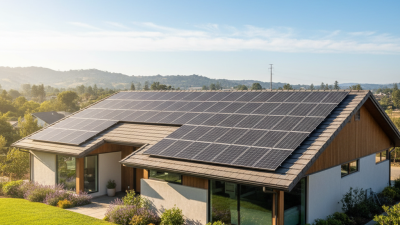
When choosing a solar power system, it's crucial to evaluate the different types available. Photovoltaic (PV) systems convert sunlight into electricity. They are commonly used for residential and commercial applications. Installing PV panels can significantly lower electricity bills and reduce carbon footprints. However, these systems require adequate sunlight and space for installation.
Another option is solar thermal systems, which focus on heating rather than electricity generation. These systems use sunlight to heat water or air for residential heating, pools, or even industrial processes. They are efficient for specific uses, but the initial installation may be complex. It’s important to consider available space and usage needs.
Each type of system has its pros and cons. Factors like location, budget, and energy needs impact your choice. Reflecting on your energy usage patterns is essential. It may be beneficial to consult with experts. They can provide insights tailored to your unique circumstances.
Assessing the Solar Resource in Your Area
Assessing the solar resource in your area is crucial for choosing an appropriate solar power system. The amount of sunlight you receive directly impacts system performance. According to the National Renewable Energy Laboratory, solar insolation levels vary widely across different regions. For example, areas like the Southwest receive over 6 kWh/m²/day, while regions in the Northeast average closer to 4 kWh/m²/day. Understanding these figures helps in determining the size and type of system you need.
Local climate also plays a vital role. Frequent rainy days or heavy snowfall can reduce system efficiency. A study by the U.S. Department of Energy indicates that solar panels can perform at about 80% efficiency in less-than-ideal conditions. This means areas with high cloud coverage might require larger systems to compensate for reduced energy production. Additionally, shading from trees or buildings should be evaluated. Even a small amount of shading can significantly decrease output, suggesting the need for careful site assessment.
Using solar resources effectively involves balancing potential with practical limitations. Tools like solar maps can aid in assessing local potential. Yet, they should not be the sole reference. Ground-level assessments and consultations with local experts can uncover challenges that data may overlook. It is essential to adapt plans as conditions change or new data becomes available.
Solar Resource Assessment by Region
The following chart displays the average solar irradiation (in kWh/m²/day) for various regions in the United States. This information is crucial for assessing the potential of solar power systems in different locations.
Determining Your Budget and Financial Incentives
When choosing a solar power system, financial considerations should take center stage. Understand your budget first. Solar systems can have different price ranges. Knowing what you can afford will guide your options. Analyze your current energy bill to estimate potential savings. This helps in evaluating the total cost vs. benefits.
Consider any local, state, or federal incentives. Many areas offer tax credits or rebates for solar installations. These can significantly lower initial costs. Research energy efficiency grants or funding opportunities in your region. It’s vital to stay informed about changing policies. They can impact your financial decision-making.
Look for ways to maximize savings. Consider smaller systems if your budget is tight. They can still offer substantial reductions in your energy bills. In some cases, financing options can spread costs over time. However, remember that loans can add to the total expense. Balancing immediate budget goals and long-term savings is essential. Always ensure that your choices align with reliable information and expert advice from reputable sources.
Choosing the Right Installation Method and Service Provider
Choosing the right installation method and service provider for your solar power system can be daunting. A report by the Renewable Energy Industry Association highlights that nearly 25% of solar installations face issues that could have been avoided with proper provider selection. It’s crucial to focus on providers with relevant experience and certifications. Look for companies that have completed projects similar to yours in size and complexity.
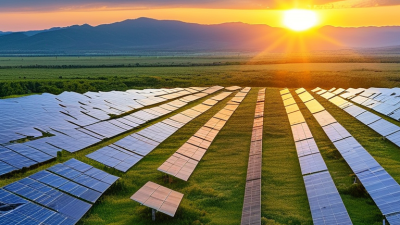
Additionally, consider the installation method. There are various approaches, such as rooftop or ground-mounted systems. A study shows that ground-mounted systems can offer up to 20% more efficiency. However, they require more land and may incur higher installation costs. It's essential to weigh the benefits against your available space and budget.
Moreover, customer reviews and testimonials play a vital role in making a decision. Data from the Solar Reviews website reveal that customers often prioritize professionalism and reliability over cost. Many have reported that choosing an experienced provider led to smoother installation and better long-term performance. Finding a balance between quality and affordability is key, and engaging with several providers can provide better insights into their services.