ALL PRODUCTS
- Solar Panel
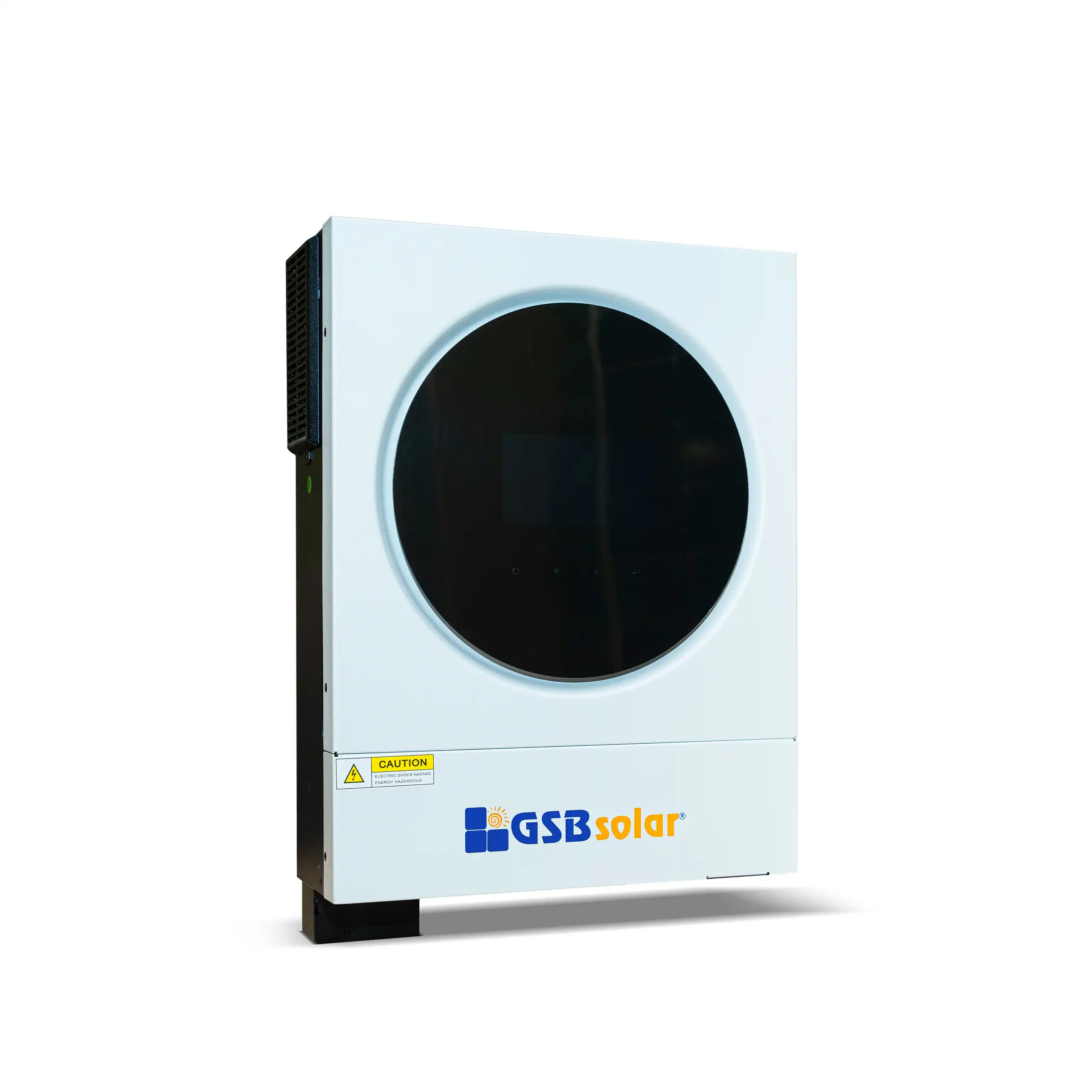
- Hybrid Inverter
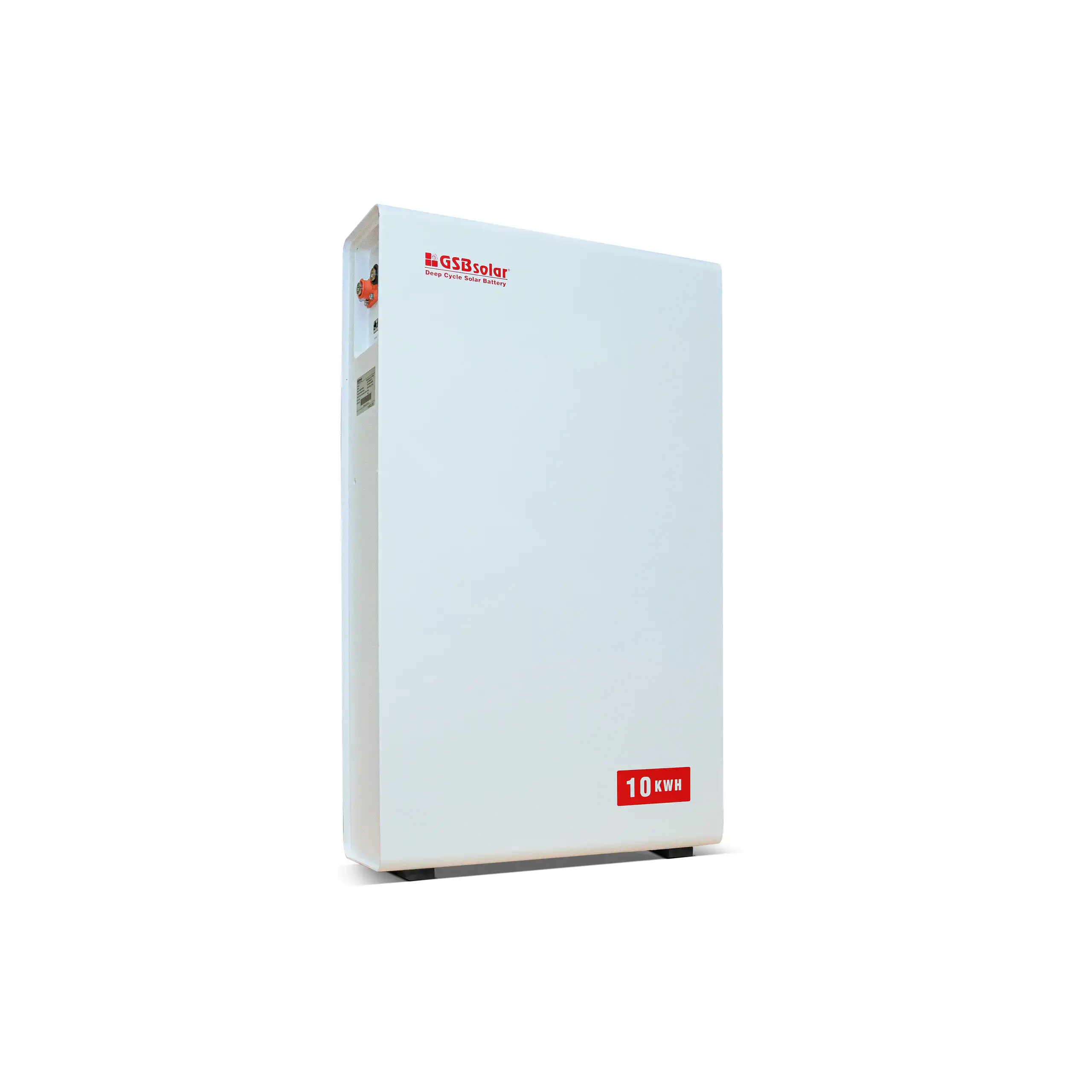
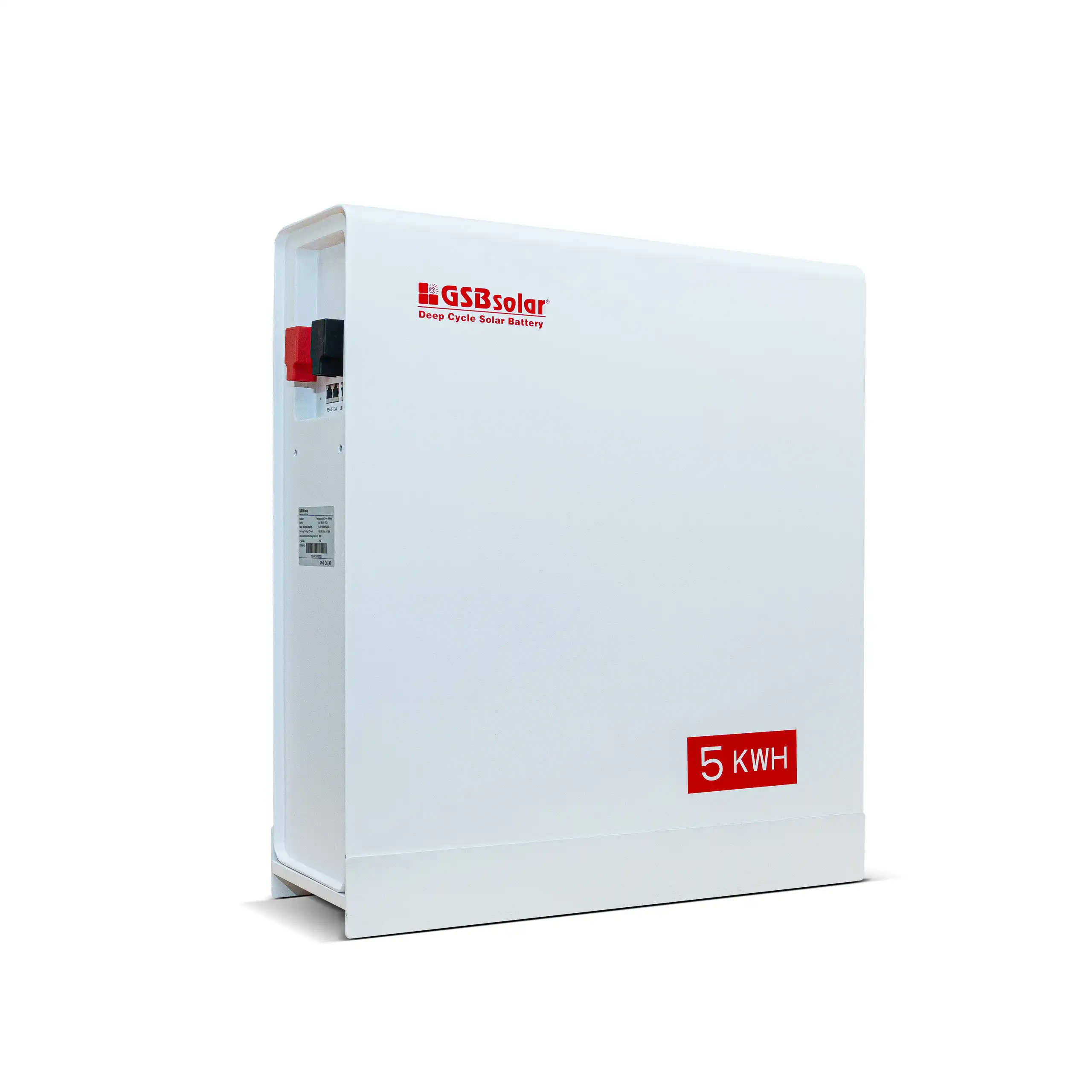
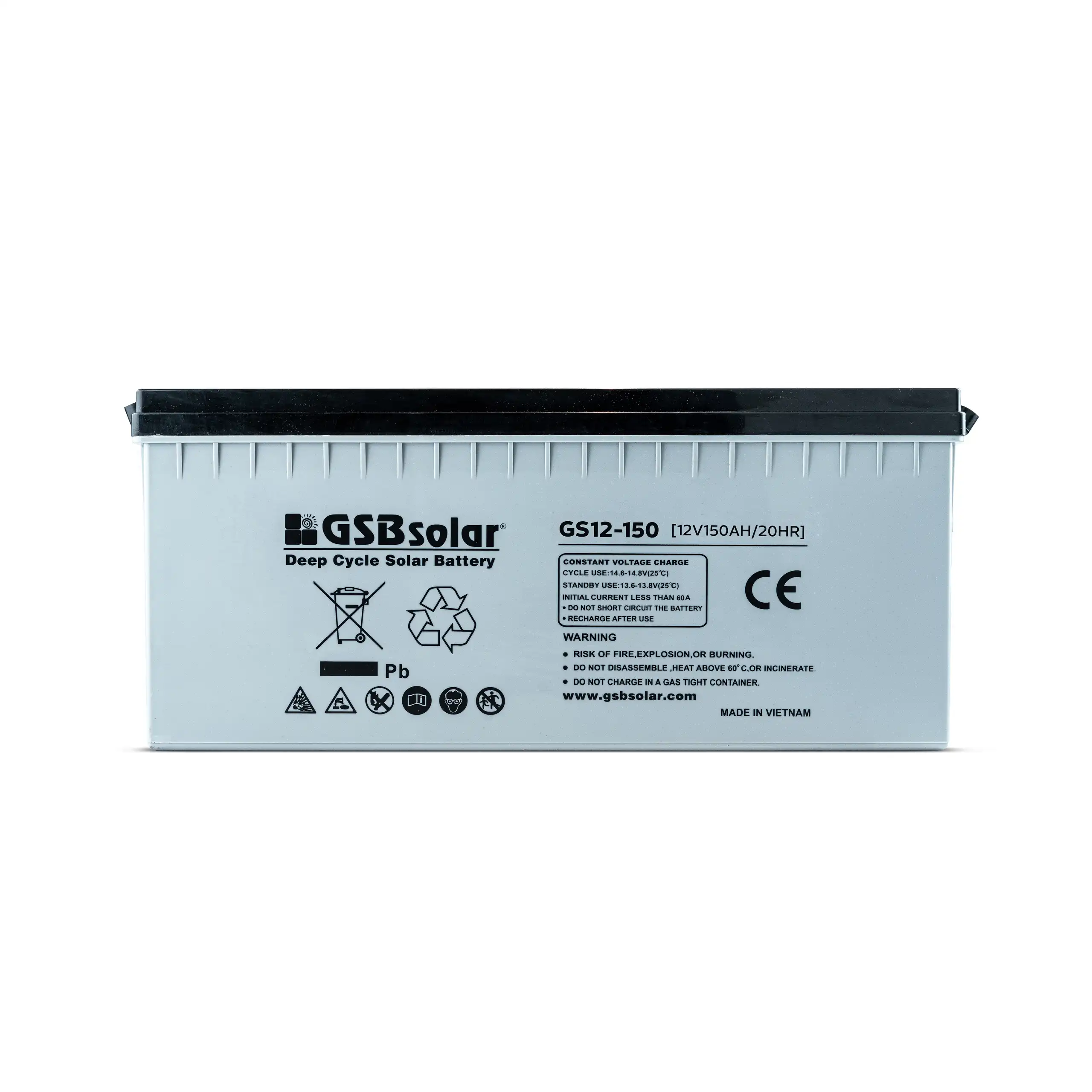
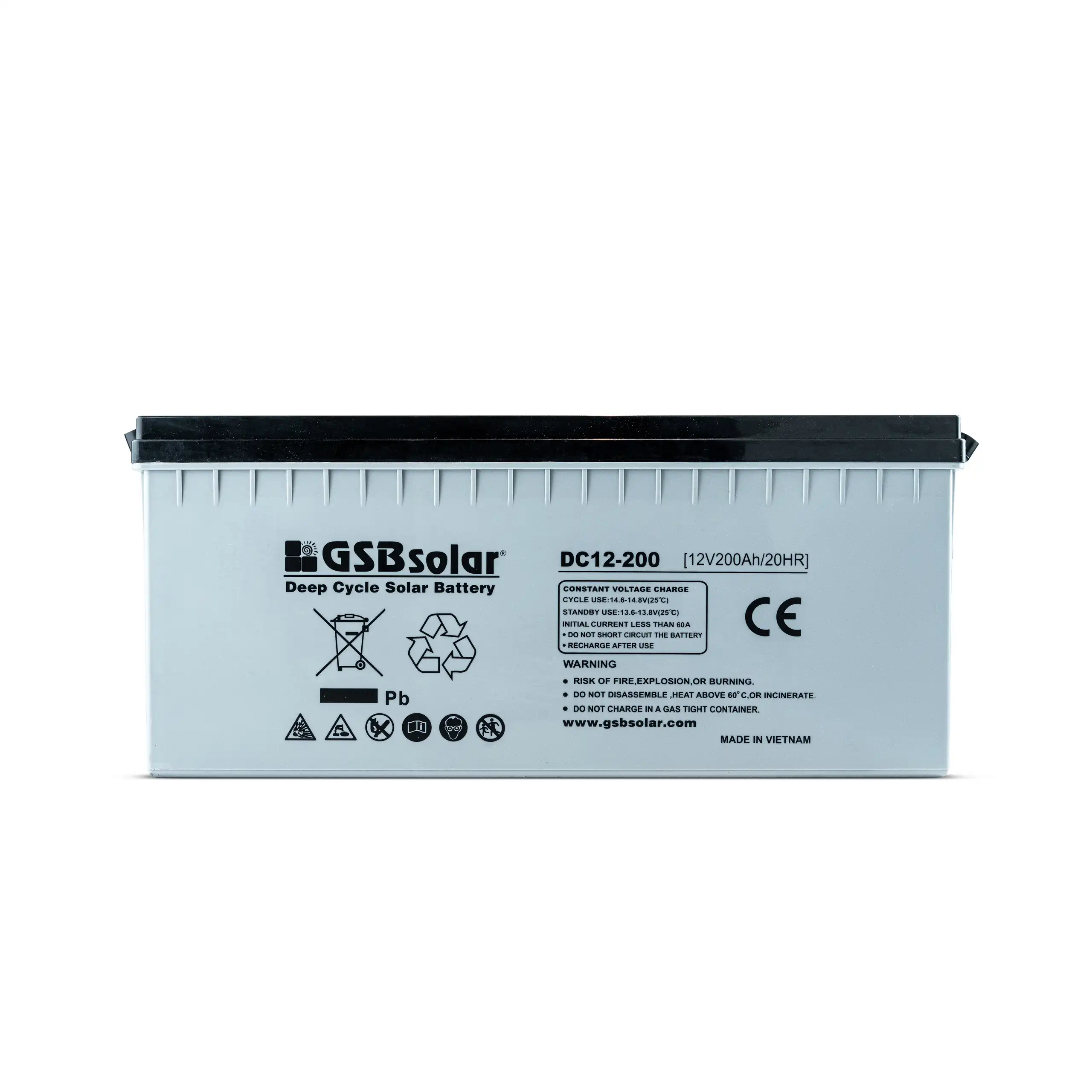
- Lithium Battery
GSB SOLAR LITHIUM BATTERIES
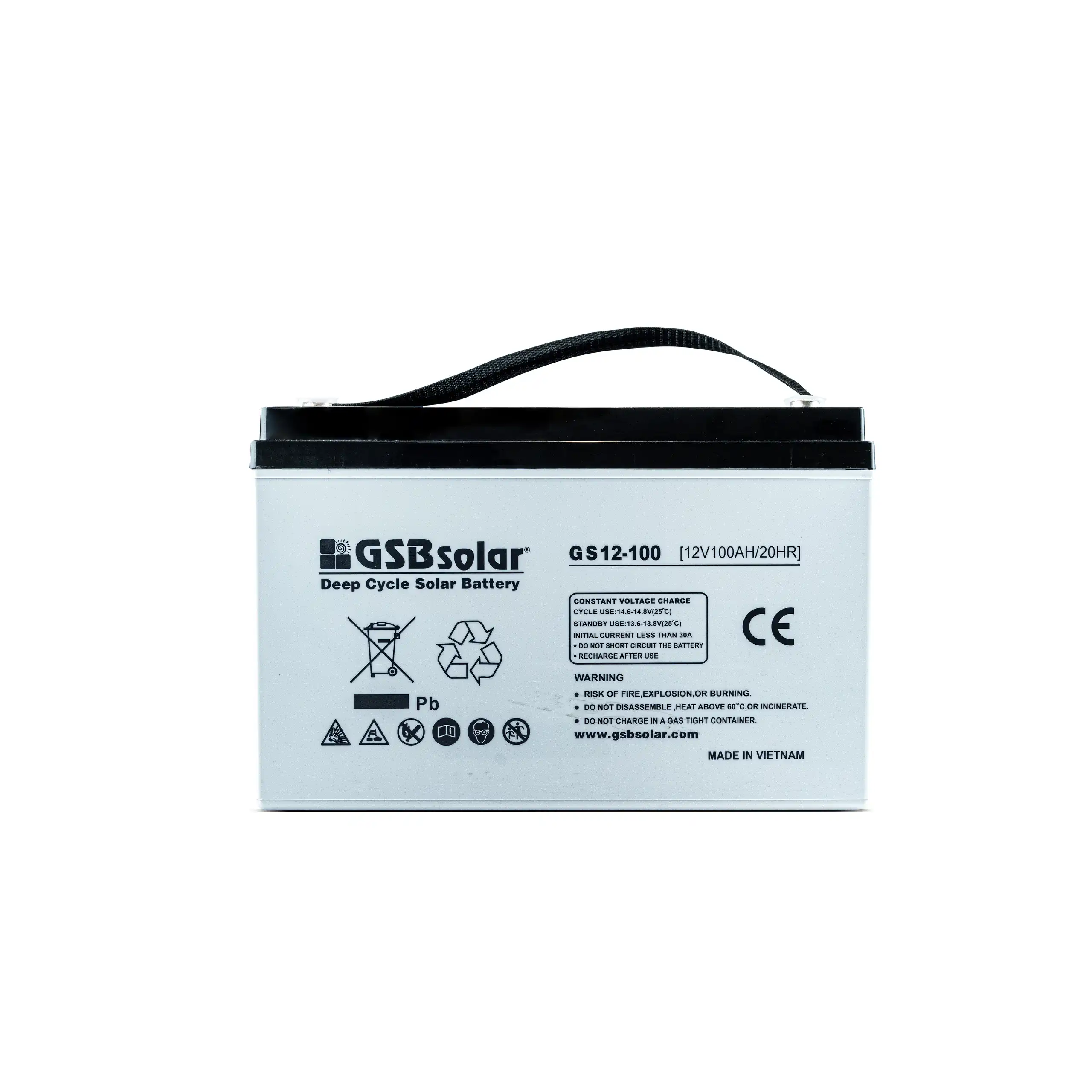
- Gel Battery
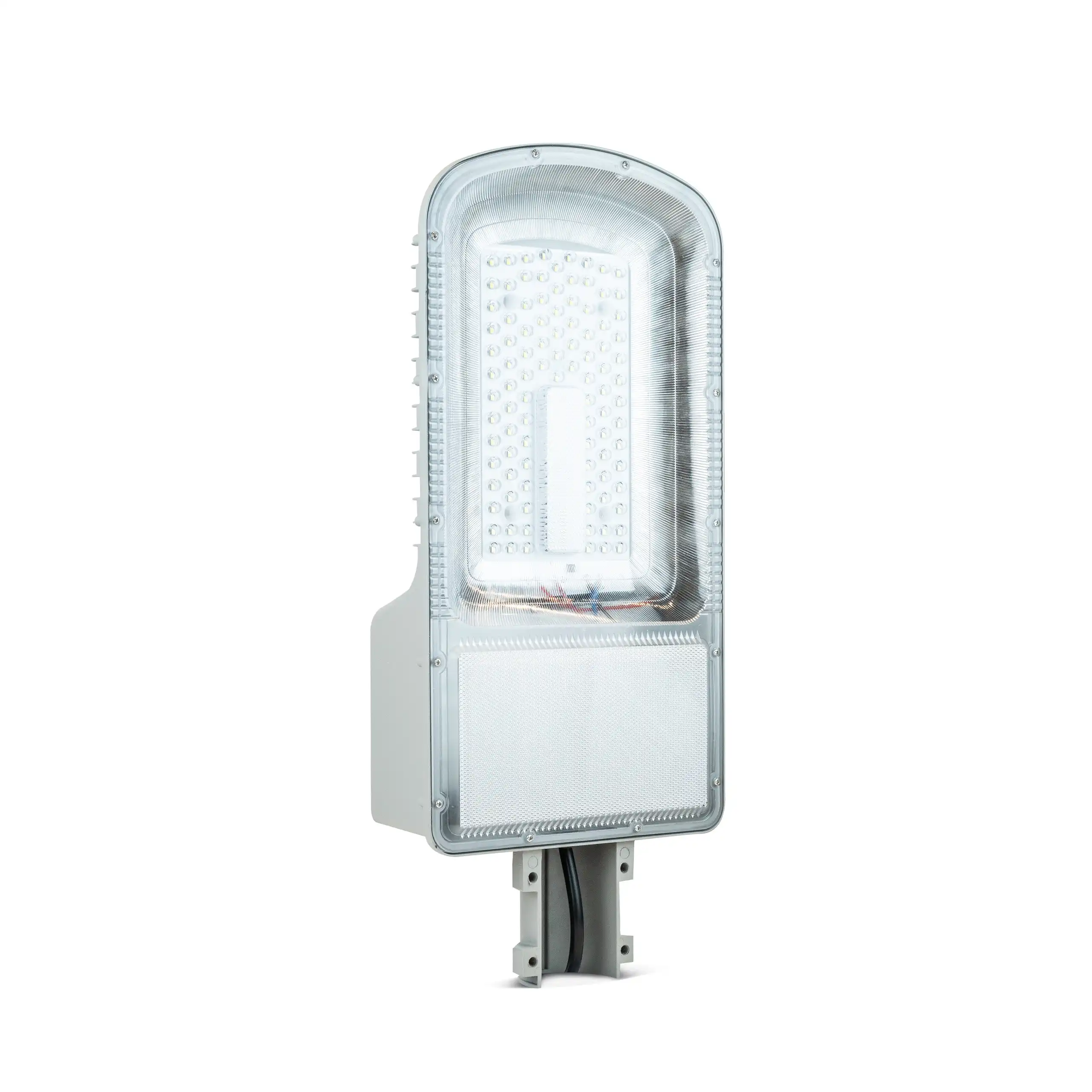
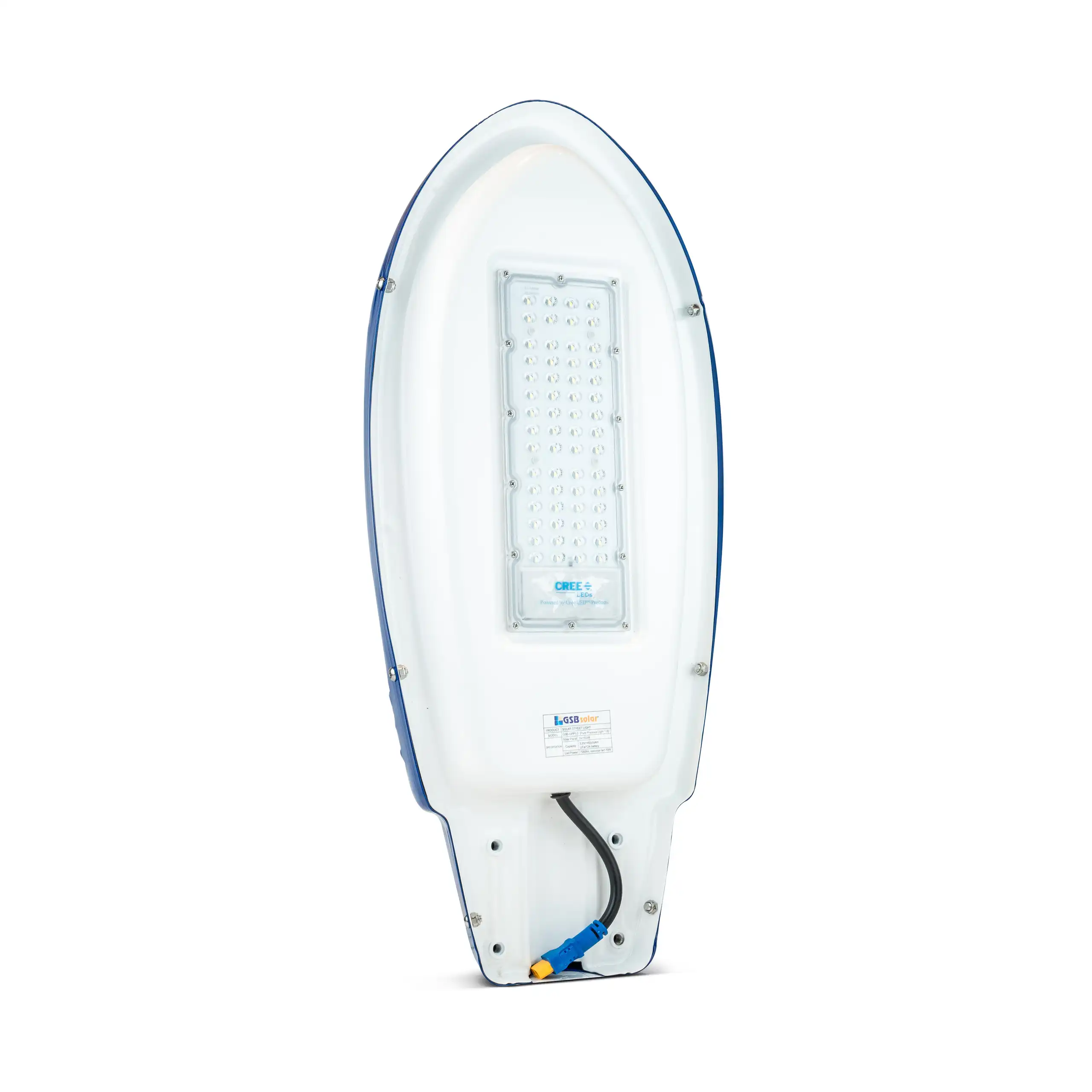
- Solar Street Lights
- Pump Inverter
As energy costs continue to rise and concerns over environmental sustainability deepen, more homeowners are looking for effective solutions to meet their energy needs. Among these solutions, a solar kit emerges as a practical and accessible option. A solar kit typically encompasses all essential components necessary for harnessing solar energy, making it easier than ever for individuals to transition to renewable energy sources. With advancements in technology, solar kits have become increasingly efficient and user-friendly, appealing to a broad range of homeowners.
Incorporating a solar kit into your home not only allows you to reduce your reliance on traditional electricity sources but also contributes to a greener planet. By generating your own power, you can lower your utility bills significantly and even increase the value of your property. Furthermore, many regions offer incentives for solar installation, making it a financially sound decision. As we explore the reasons why a solar kit should be a serious consideration for your home energy needs, it becomes clear that investing in solar technology is not merely about saving money; it is also about embracing a sustainable future for generations to come.
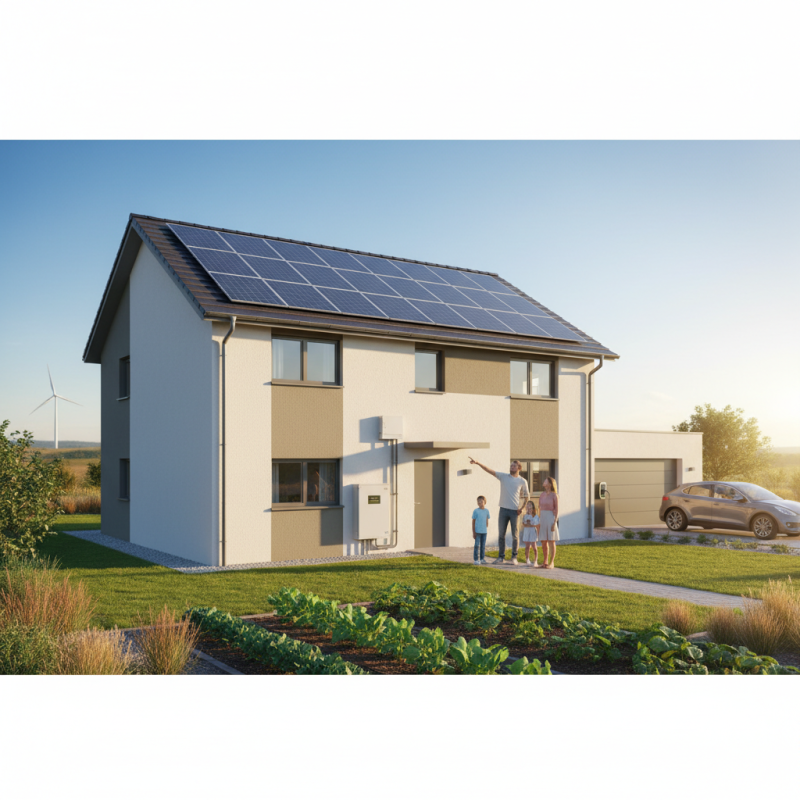
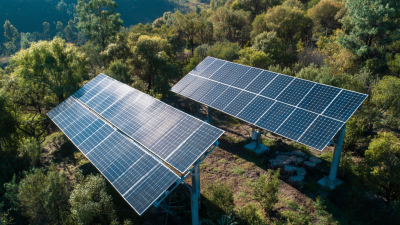
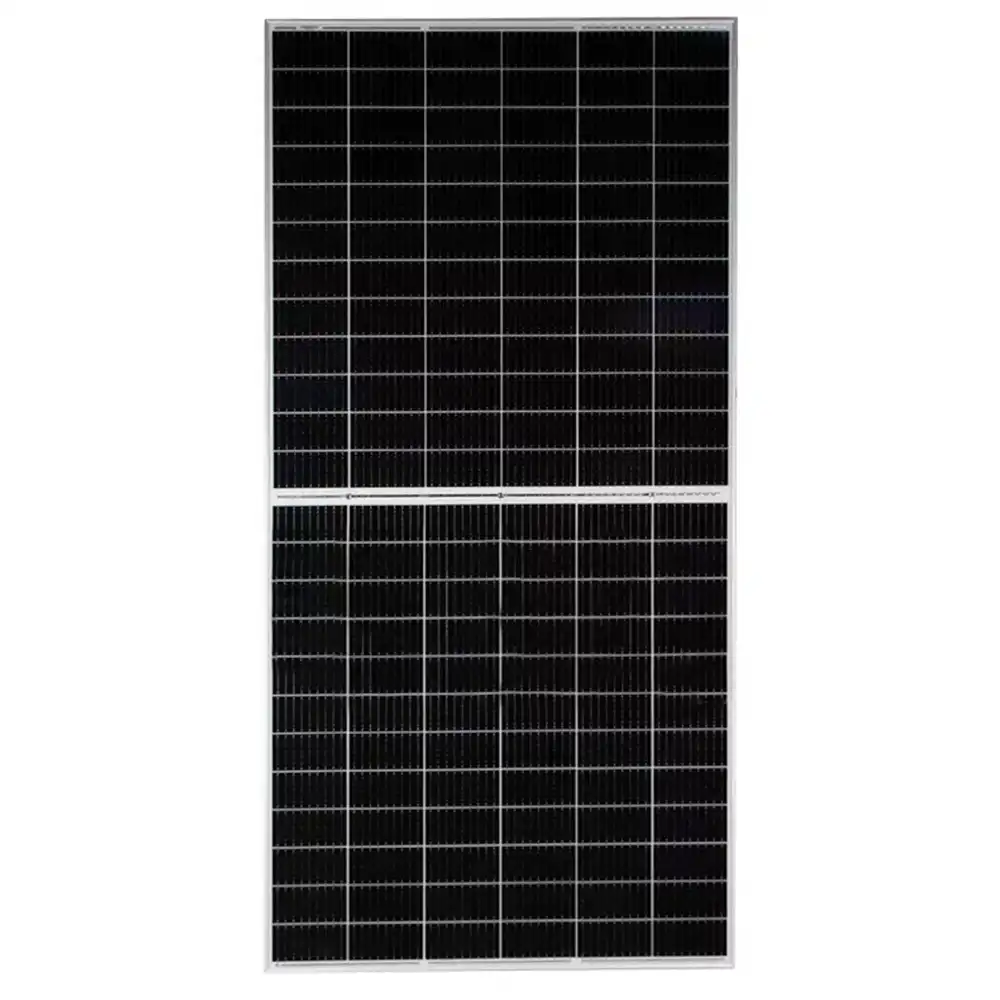
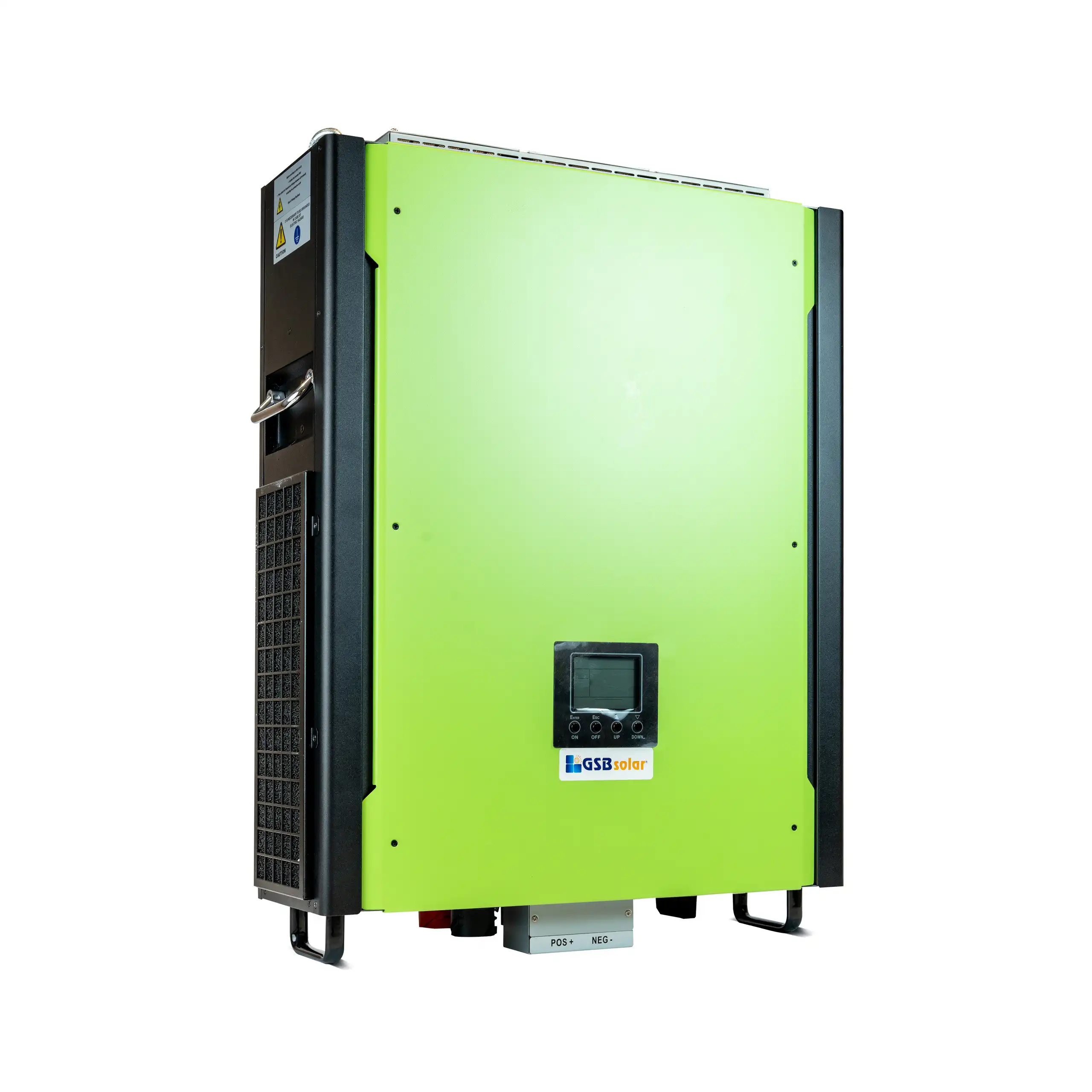
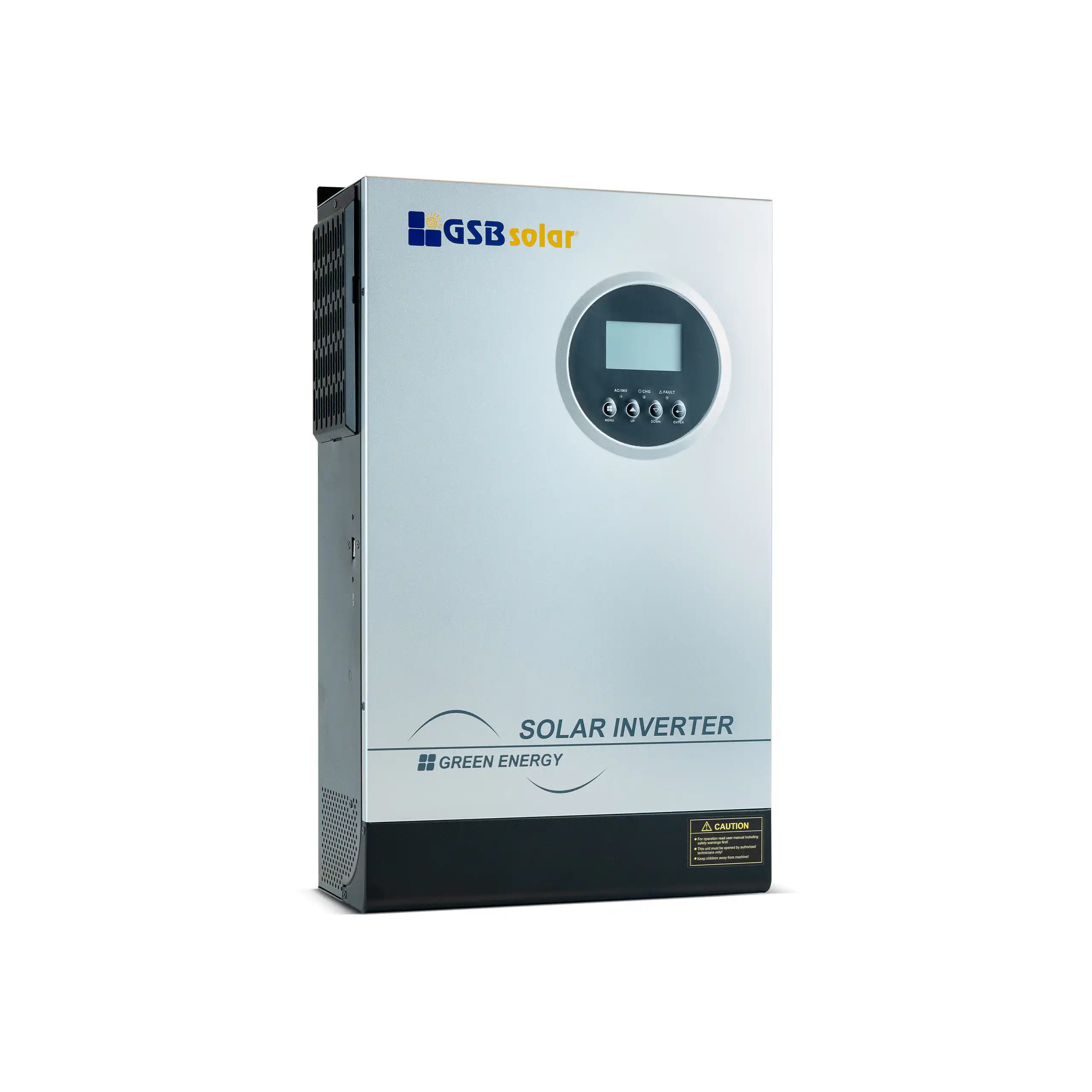
Solar kits are comprehensive packages that provide everything needed to harness solar energy for residential use. Typically, these kits include solar panels, an inverter, mounting hardware, and a user manual. The solar panels capture sunlight and convert it into electricity, while the inverter transforms direct current (DC) electricity produced by the panels into alternating current (AC) electricity, which is then used to power home appliances. Additionally, many kits come with battery storage options, allowing homeowners to store excess energy for use during cloudy days or nighttime, enhancing the reliability of their solar energy system.
In terms of installation, solar kits are designed with simplicity in mind, making them accessible even for those with limited technical skills. Most kits include detailed instructions, and many homeowners can complete the installation as a DIY project. This not only reduces installation costs but also empowers homeowners to take control of their energy production.
Understanding how solar kits function can be a game changer, as they combine technology and practicality, offering a sustainable solution to rising energy costs and environmental concerns. By providing a reliable source of clean energy, they represent a forward-thinking choice for those looking to reduce their carbon footprint and increase energy independence.
Utilizing a solar kit for home energy solutions presents numerous benefits that cater to both environmental and economic needs. One major advantage is the significant reduction in electricity bills. By harnessing solar energy, homeowners can generate their own power, decreasing reliance on the grid and trimming down monthly energy expenses. This self-sufficiency not only results in immediate savings but can also protect against future utility price increases.
In addition to financial benefits, solar kits contribute to a more sustainable lifestyle. They enable families to reduce their carbon footprint by utilizing renewable energy sources. As solar energy is clean and abundant, switching to a solar kit helps to decrease greenhouse gas emissions and combat climate change. Moreover, many solar kits are designed for easy installation and maintenance, making them an accessible option for a wide range of households looking to embrace greener energy solutions without the complexities often associated with larger solar systems.
When considering a solar kit for your home energy needs, there are several key factors to keep in mind. One of the most critical elements is the system's wattage output. According to the U.S. Department of Energy, an average American home consumes about 877 kWh per month, which translates to roughly 29 kWh per day. To meet this demand, you should look for solar kits that can generate enough power to not only cover your daily consumption but also account for seasonal variations and inefficiencies inherent in energy production. A system with a capacity of 6kW to 10kW is often advisable for the average household to achieve energy independence while leaving room for future power needs.
Another significant factor is the quality of the components included in the solar kit. The efficiency of solar panels is measured under standard test conditions, and industry reports indicate that top-tier panels can achieve efficiencies upwards of 20%. Furthermore, the durability of the inverter and the mounting hardware is paramount—many solar inverters come with warranties of around 10 years, but investing in higher-quality options can lead to longer operational lifespans and better performance. As such, ensuring that all components meet or exceed industry standards can maximize your long-term savings. Selecting a solar kit that includes a combination of high-efficiency panels and reliable inverters can ultimately enhance your home’s energy generation and reduce reliance on grid power.
| Factor | Details | Importance |
|---|---|---|
| System Size | Consider the energy needs of your household and choose an appropriate system size. | High |
| Efficiency Rating | Look for solar kits with higher efficiency ratings to maximize energy production. | High |
| Cost | Evaluate the total cost of the solar kit, including installation and maintenance. | Medium |
| Warranty | Check the warranty period for equipment and installation to ensure reliability. | High |
| Local Regulations | Research local regulations and incentives that may affect system installation. | Medium |
| Installation Process | Choose solar kits that are easy to install or come with professional installation options. | Medium |
| Performance Monitoring | Select systems that offer monitoring options to track performance and efficiency. | Medium |
When considering a solar kit for your home, understanding the installation and maintenance processes is crucial for maximizing its efficiency and longevity. First, proper installation begins with selecting an appropriate location for your solar panels - ideally, a spot that receives ample sunlight throughout the day while being free from shade from nearby trees or buildings. Ensure that the mounting system is securely installed to withstand wind and other elements. If you're not experienced in electrical work, it's advisable to consult with a professional to handle the wiring and connections to ensure safety and compliance with local regulations.
Maintenance of your solar kit is equally important to keep it functioning optimally. Regularly inspect the panels for dirt, debris, or any obstructions that could hinder sunlight absorption. Cleaning the panels a few times a year can significantly increase their efficiency. It’s also essential to check the inverter and battery (if applicable) periodically to ensure they are operating correctly and meet the required specifications. By implementing these installation and maintenance tips, homeowners can maximize the benefits of their solar energy systems while contributing to sustainable energy solutions.
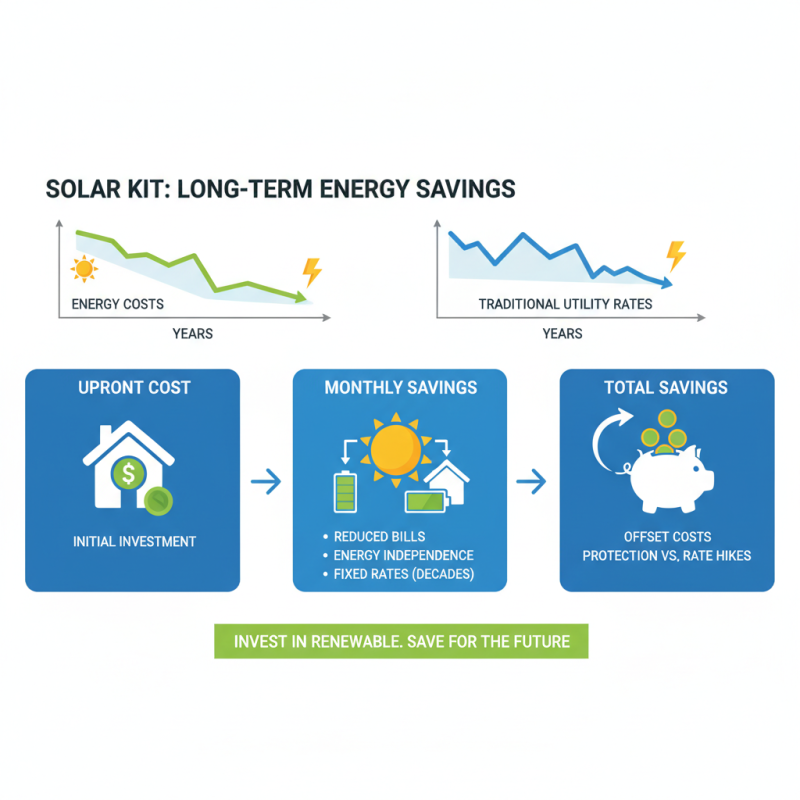
Investing in a solar kit can lead to significant long-term savings on energy costs. Initially, homeowners may see the upfront installation costs as a barrier; however, a closer examination reveals that these costs are often offset by substantial savings on monthly energy bills. With solar energy systems, homeowners can reduce or even eliminate their reliance on traditional utility providers, which typically increase rates over time. By harnessing renewable energy, homeowners lock in lower costs for decades, effectively insulating themselves against rising energy prices.
In addition to the reduction in utility bills, many regions offer financial incentives for adopting solar energy, such as tax credits, rebates, and net metering. These incentives can significantly reduce the initial investment, making solar kits more accessible. Over years of use, the cumulative savings on electricity can easily surpass the total investment made in the solar system, highlighting the long-term economic benefits. Furthermore, as solar technology advances and installation costs continue to decline, the value proposition for solar energy only becomes more attractive, ensuring that homeowners who adopt this technology today are likely to see lasting financial rewards.