10 Essential Tips for Choosing a Solar Battery Storage System?
As the world shifts towards sustainable energy, the solar battery storage system has become essential for homeowners. These systems enable efficient energy use by storing excess solar power for later use. However, choosing the right solar battery can be challenging. It's important to make informed decisions to maximize your investment and benefits.
Not every solar battery storage system is suitable for all homes. Factors like storage capacity, lifespan, and charging speed play crucial roles. Your energy needs are unique. A system that works for one household may not meet another's requirements. Furthermore, installation costs and available rebates can vary significantly. Evaluating these criteria takes time and patience.
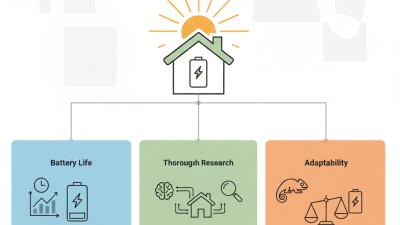
This decision holds long-term implications for your energy independence and financial savings. Rushing through the selection process can lead to regrets. Consider consulting experts who specialize in solar technology. Invest time in research to ensure you choose the best solar battery storage system for your needs.

Understanding Solar Battery Storage Systems
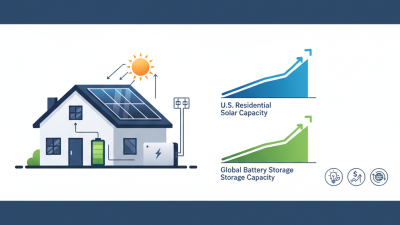
Understanding solar battery storage systems is crucial in today’s energy landscape. A solar battery allows homeowners to store excess energy generated by their solar panels. According to the U.S. Department of Energy, up to 80% of energy produced by solar panels can be stored for later use. This could mean significant savings on electricity bills and greater energy independence.
When selecting a solar battery, it’s essential to consider capacity and lifespan. Most batteries have a capacity measured in kilowatt-hours (kWh). The average home may require a storage capacity between 10 kWh to 15 kWh to cover daily energy consumption, optimizing usage and minimizing waste. Additionally, the lifespan of batteries is typically around 10 to 15 years, which can influence long-term investment decisions.
Moreover, understanding efficiency ratings is key. Efficiency indicates how much stored energy is usable. Many batteries boast around 80-90% efficiency, but other variables can affect real-world performance. Environmental factors and temperature fluctuations can degrade battery performance. Engaging with industry reports can provide further insights, helping residential users make informed choices while reflecting on potential drawbacks.
Evaluating Your Energy Needs and Usage Patterns
When selecting a solar battery storage system, understanding your energy needs is crucial. Evaluating your average daily energy consumption helps determine the battery capacity required. For instance, a typical U.S. household uses around 30 kWh per day. If you plan to store enough energy to cover this consumption, a system with at least 10 kWh capacity is recommended. However, lifestyle patterns vary widely, so it's essential to analyze peak usage times and seasonal variations.
Consider how your energy needs translate to daily usage. The U.S. Energy Information Administration states that most households experience higher consumption during mornings and evenings. This fluctuation can impact the size of the battery system you choose. A smaller unit may suffice for those who are generally away during the day.
It's vital to assess whether your existing solar panels can support your energy goals. Some systems may not provide adequate charge during cloudy days or in winter months. An analysis of your energy needs should include possible scenarios for grid outages and emergency usage. Discussions with energy professionals often reveal that customers underestimate their reserve requirements. Ultimately, understanding personal usage patterns will guide you in selecting a battery that meets both current and future demands.
Assessing Battery Types: Lithium-ion vs. Lead-acid
When considering a solar battery storage system, the choice between lithium-ion and lead-acid batteries is crucial. Lithium-ion batteries dominate the market due to their high energy density and longer lifespan. According to the U.S. Department of Energy, lithium-ion batteries can have a cycle life exceeding 5,000 cycles, while lead-acid batteries typically last only 1,000 to 1,500 cycles. This means lithium-ion batteries offer better long-term value for investment.
However, lead-acid batteries still hold an important place due to their lower upfront cost. They account for about 40% of the global battery market, making them accessible for many users. Yet, they require more maintenance and can be less efficient in performance. They can lose up to 20% of their energy capacity over time, unlike lithium-ion options, which retain most of their capability. Users must weigh immediate costs against long-term efficiency.
It's essential to think about your energy needs critically. A solar battery should match your consumption patterns and lifestyle. Finding the right type isn’t always straightforward. Consider factors like installation space, budget, and maintenance readiness. Investing in a solar battery isn’t just about choosing a type; it’s about planning for the future and ensuring sustainability in your energy consumption.
Considering Capacity, Efficiency, and Lifespan
When selecting a solar battery storage system, capacity is crucial. This defines how much energy your battery can store. A larger capacity suits households that consume more energy. If you use less energy, a smaller capacity may suffice. Think about your daily energy needs and how much solar power you generate. Choosing the wrong capacity can lead to deficiencies or excess energy waste.
Efficiency also plays a significant role in your decision. It measures how much energy a battery can convert and store effectively. Higher efficiency means more usable power from the stored energy. However, highly efficient batteries can come at a higher cost. Weigh your budget against the benefits they provide.
Lifespan is another key factor. A battery’s lifespan indicates how long it will operate efficiently. This is usually measured in charge cycles. Investing in a system with a longer lifespan can save you money over time. However, not all long-lasting batteries perform well in varying conditions. Balancing these factors requires thoughtful consideration of your specific situation and energy patterns.
Examining Warranty and Support Options for Battery Systems
When selecting a solar battery storage system, examining warranty and support options is key. A solid warranty can signal a manufacturer's confidence in their product. Look for warranties that last at least ten years. A longer warranty often indicates better durability and reliability. It's crucial to understand what is covered. Some warranties cover only specific issues, while others provide more comprehensive protection.
Support options play a vital role in your decision-making. Are there local technicians available for installation and maintenance? Quick access to help can save time and money later. Look at online reviews to gauge customer satisfaction. A responsive support team can make a significant difference. If you encounter issues, knowing who to contact matters. Many users overlook these aspects, only focusing on the battery's capacity and price.
Consider potential challenges. Warranty claims can be complex. You may need to provide extensive documentation. This can be frustrating, especially if the process is slow. Ensuring clarity on support options may help avoid confusion in the future. Always read the fine print. Getting informed can help you make a better decision.