10 Essential Tips for Maximizing Efficiency of Your Hybrid Solar System in 2023
As the world increasingly turns to renewable energy sources, hybrid solar systems have emerged as a favored choice for many homeowners and businesses looking to enhance their energy efficiency. A hybrid solar system, which combines traditional solar panels with battery storage and often incorporates other energy sources, can provide significant advantages in terms of energy independence and cost savings. According to Dr. Emily Carter, a leading expert in solar energy technologies, “By optimizing your hybrid solar system, you can not only reduce your electricity bills but also contribute positively to the environment.”
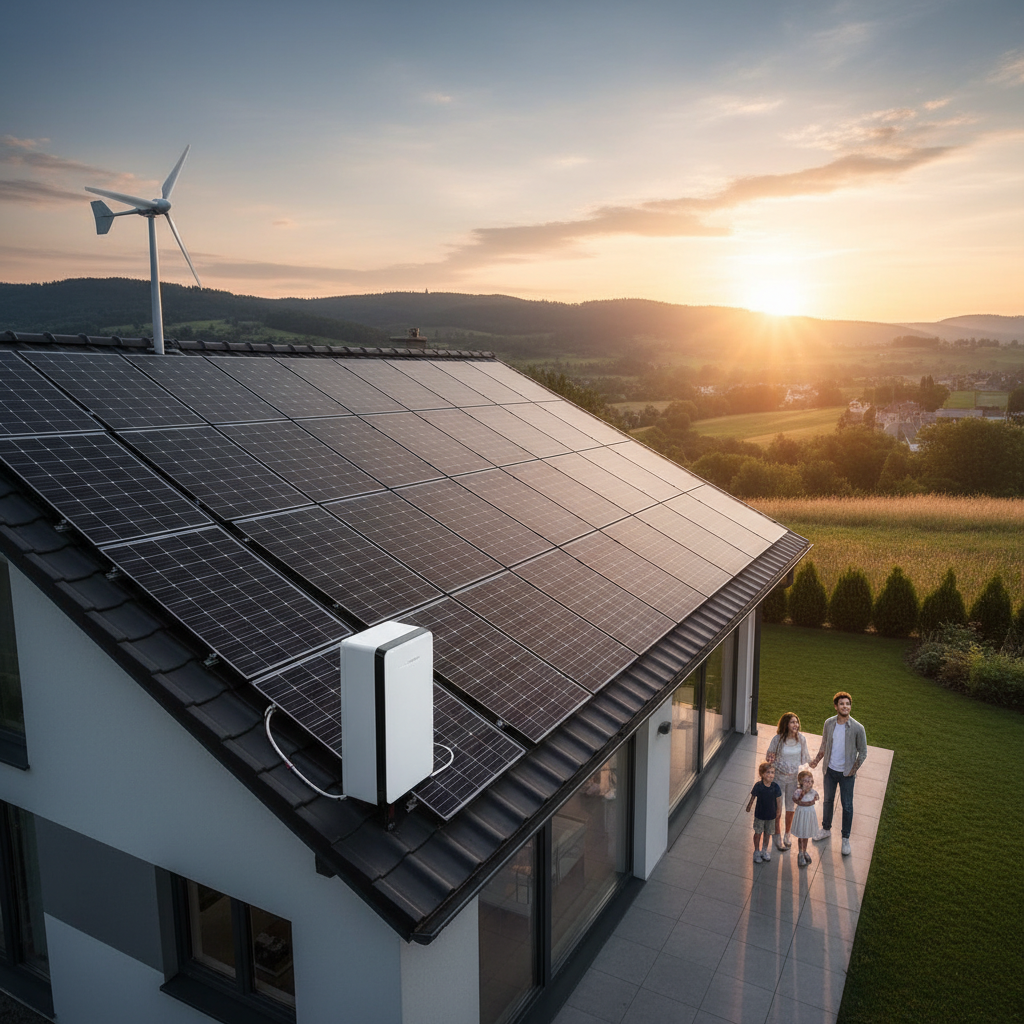
In 2023, maximizing the efficiency of your hybrid solar system is more crucial than ever, given the advancements in technology and the growing demand for clean energy solutions. With the right strategies, you can ensure your system operates at peak performance to harness the full potential of your investment. In the following sections, we will explore ten essential tips designed to help you get the most out of your hybrid solar system, ensuring it meets your energy needs effectively while maximizing savings. Embracing these practices will not only enhance your system's operation but also promote a sustainable energy future.
Optimizing Solar Panel Placement for Maximum Sunlight Exposure
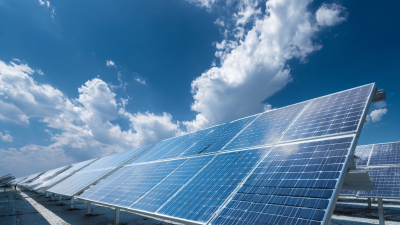
When it comes to maximizing the efficiency of your hybrid solar system, optimizing the placement of solar panels is crucial for ensuring maximum sunlight exposure. The angle and orientation of your panels play a significant role in capturing solar energy, especially in regions with varying sunlight conditions throughout the year. Ideally, for most locations in the Northern Hemisphere, solar panels should face south at an angle that matches the latitude of your location. This positioning helps to harness the sun's rays during peak hours, leading to more effective energy production.
In addition to angle and orientation, it's vital to consider potential shading from trees, buildings, or other obstructions. Before installation, conduct a thorough assessment of your property to identify any elements that could block sunlight at different times of the day. Utilizing tools like shading analysis software can help visualize how sunlight moves across your space, allowing you to make informed decisions about placement. Furthermore, regular maintenance to clean the solar panels and ensure that surrounding foliage doesn’t encroach on sunlight access can keep your system operating at its peak efficiency throughout the year.
Understanding and Managing Hybrid System Components Efficiently
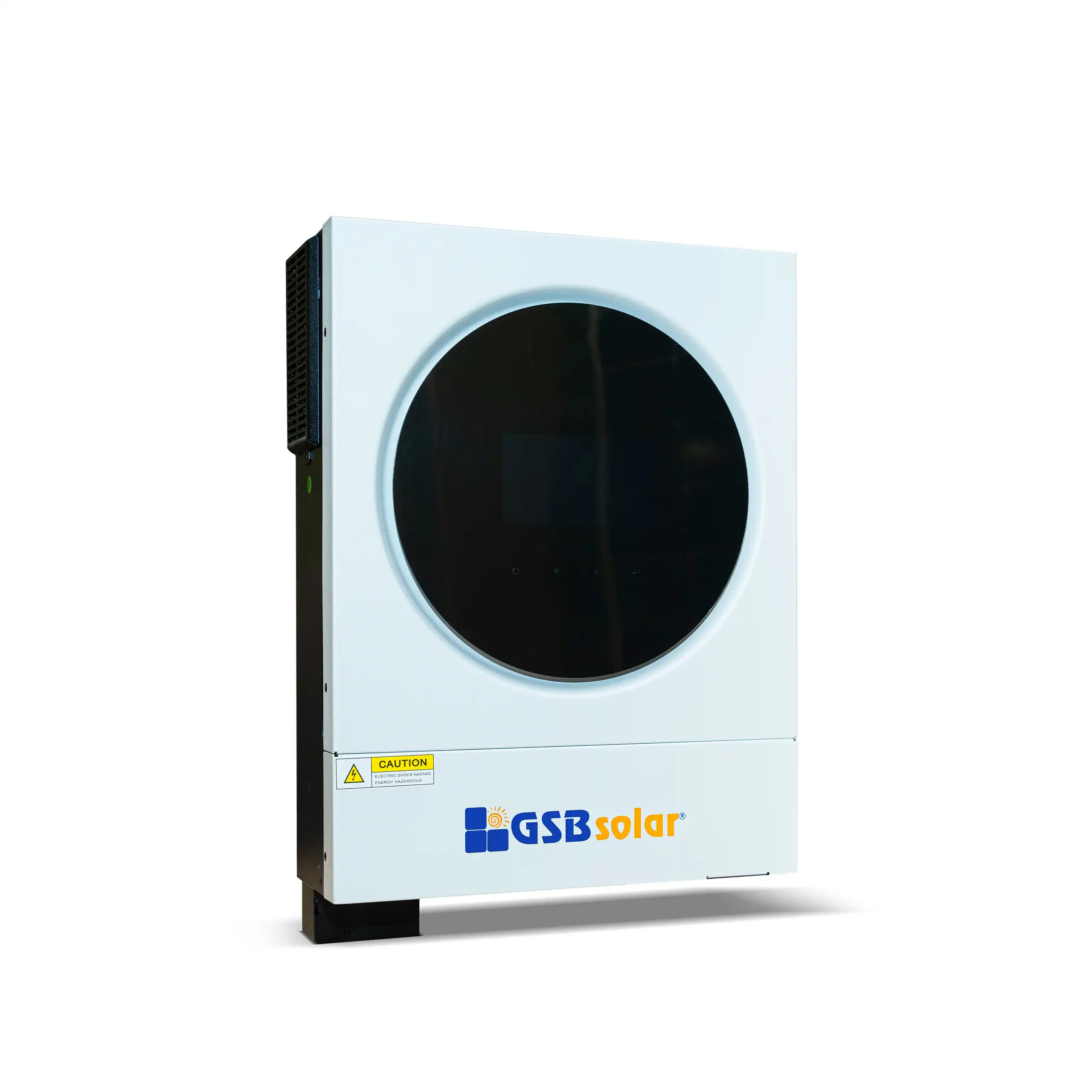
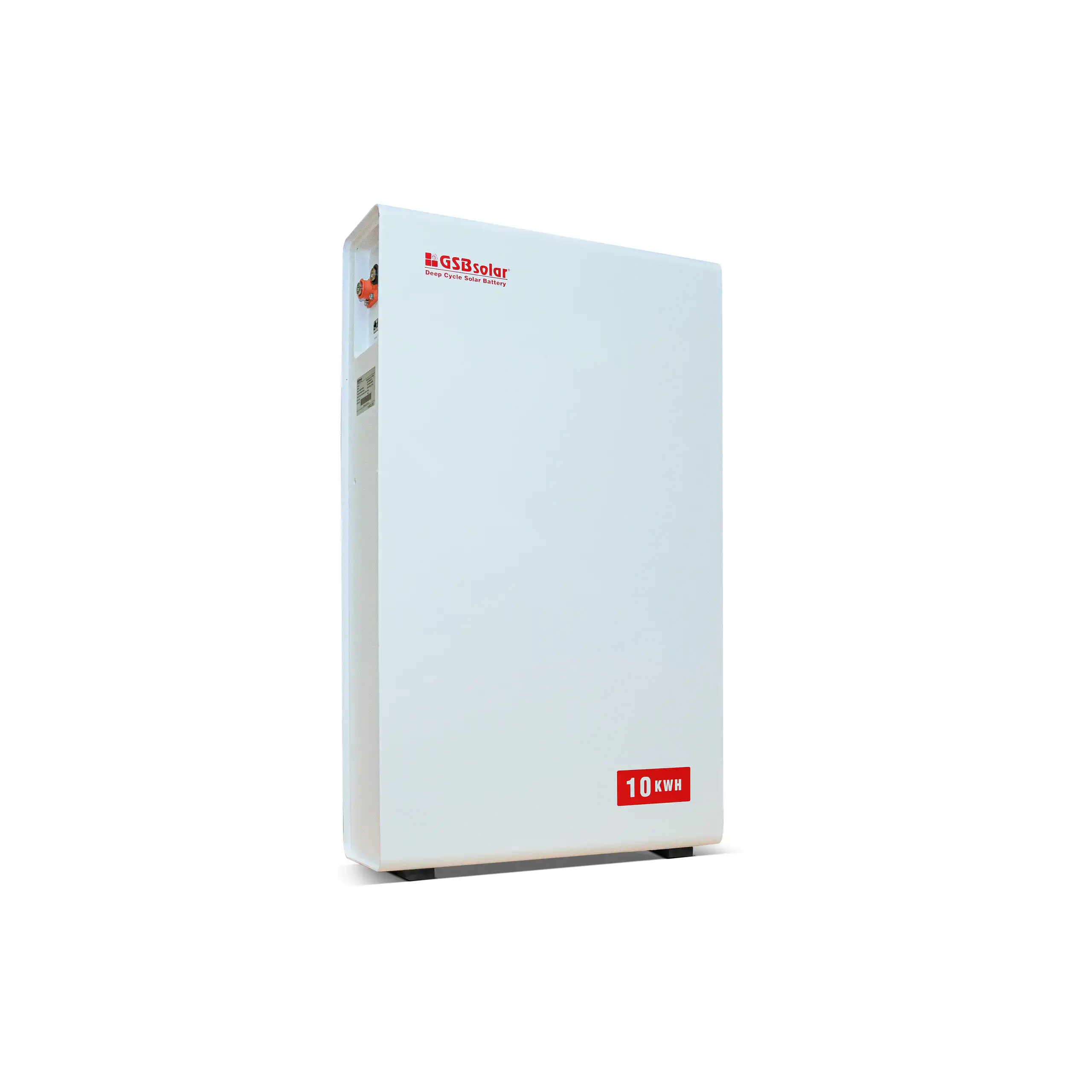
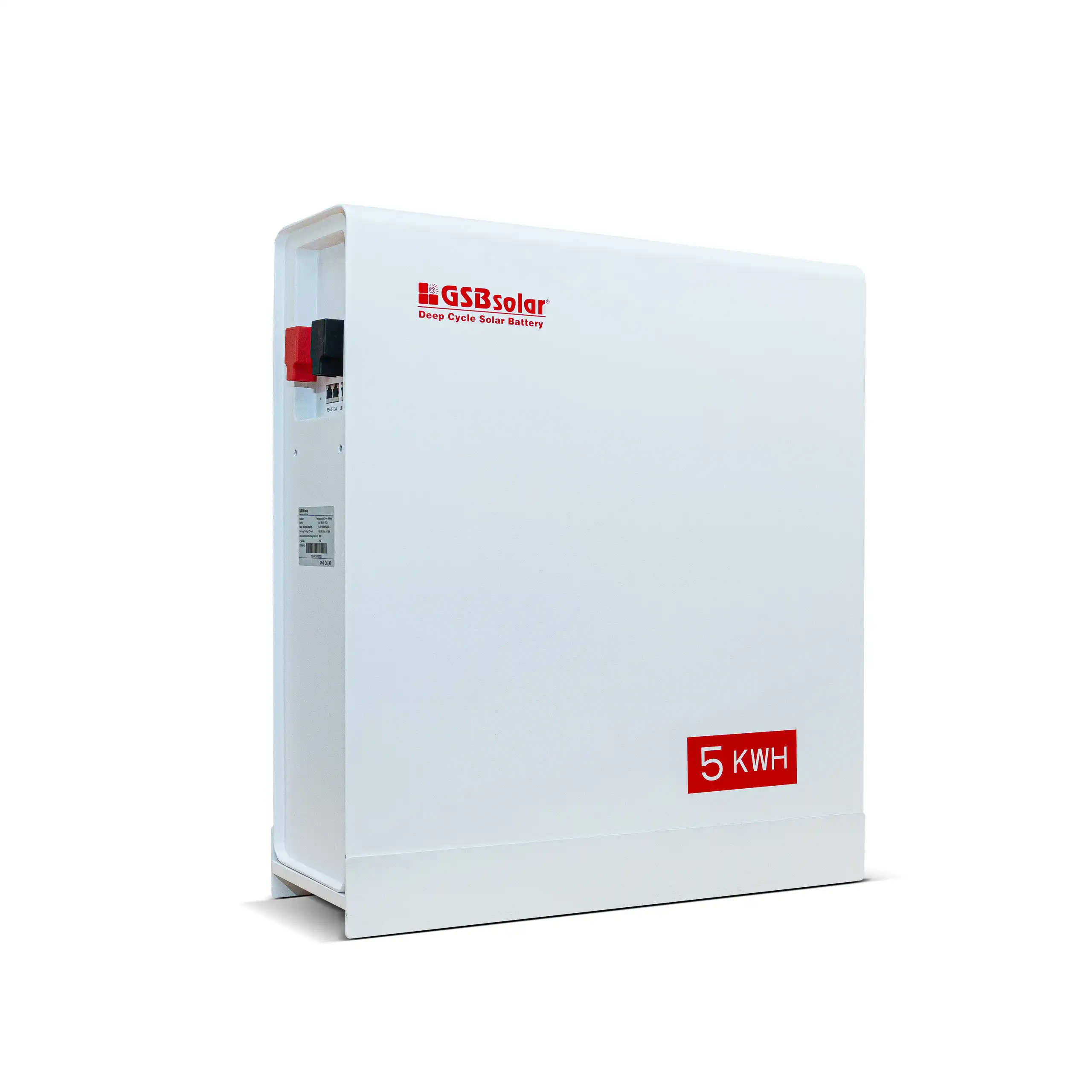
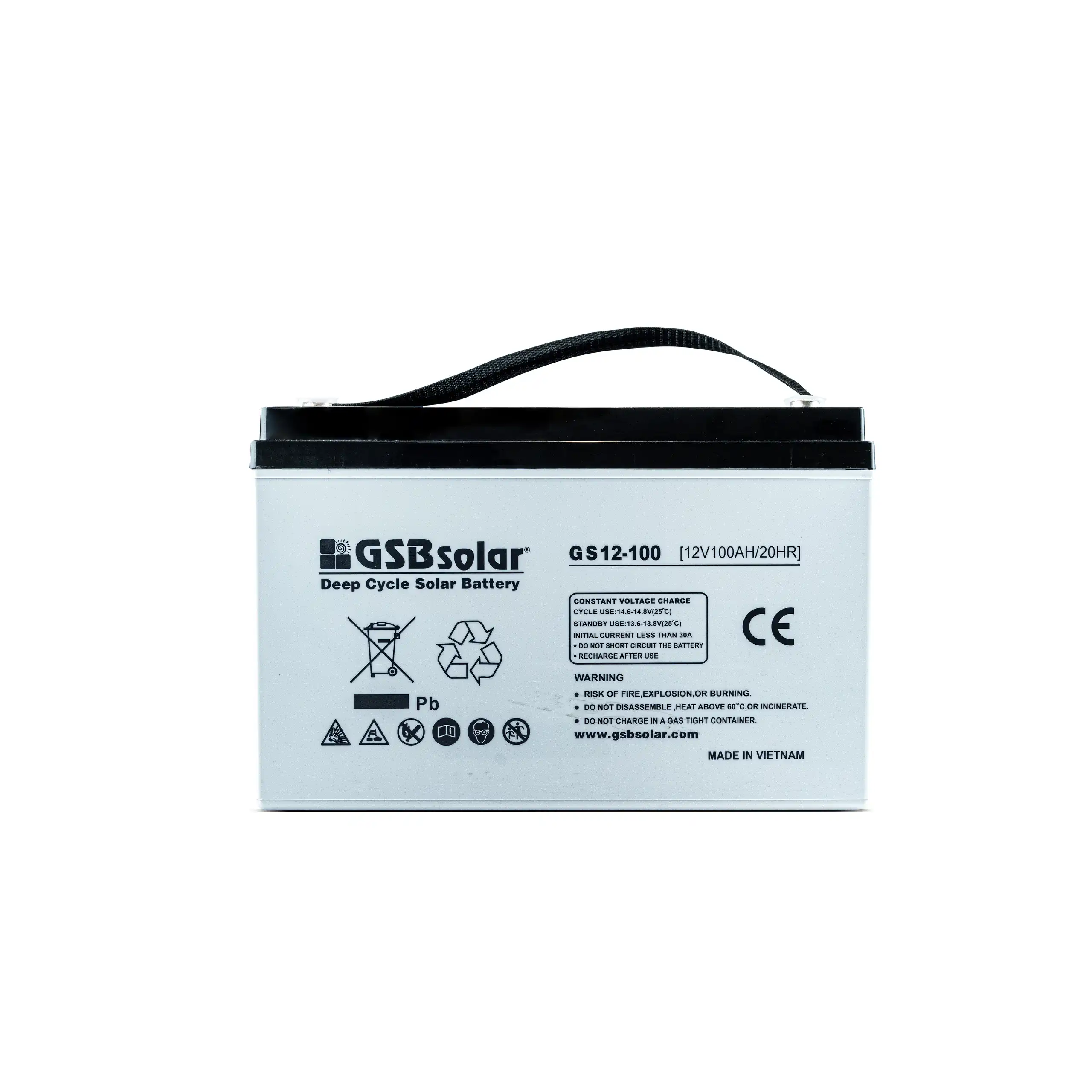
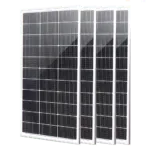
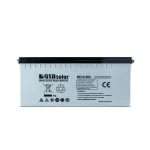
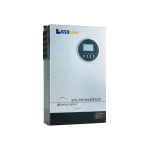
When managing a hybrid solar system, understanding its components is crucial for maximizing efficiency. Hybrid systems typically comprise
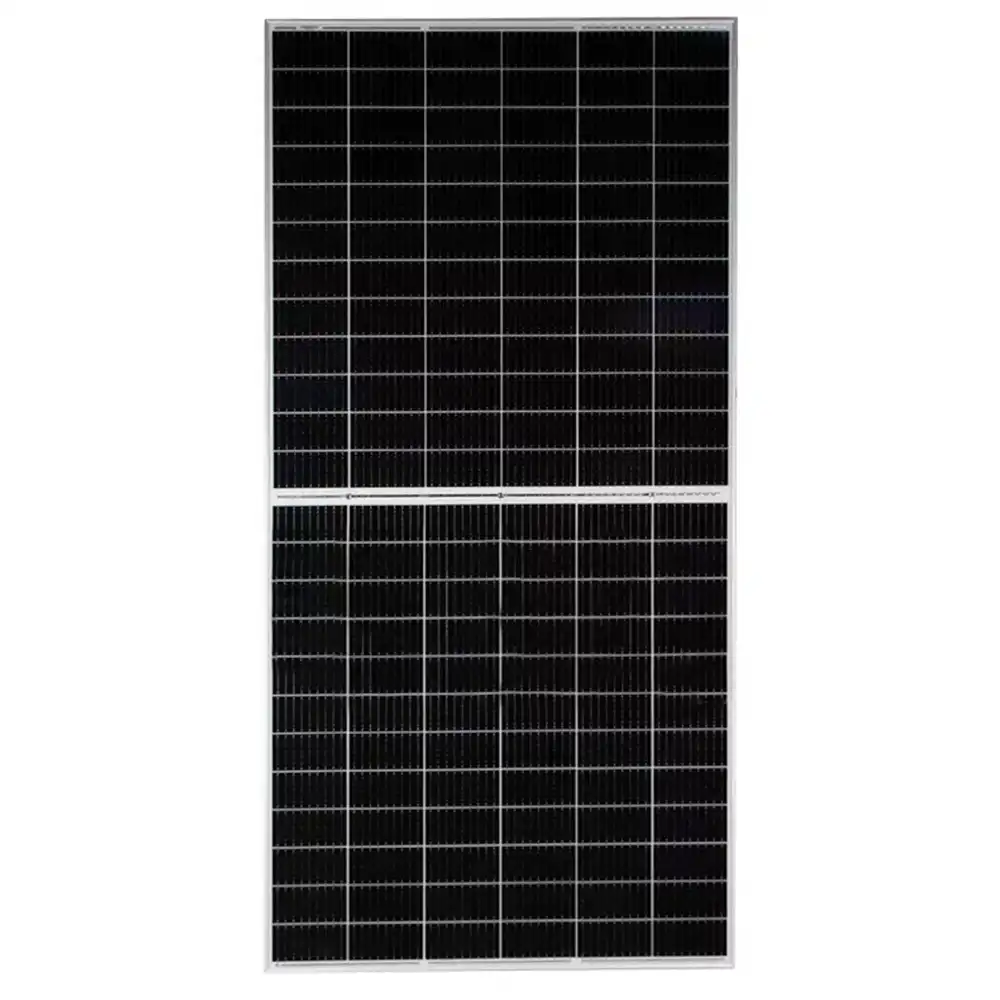
solar panels,
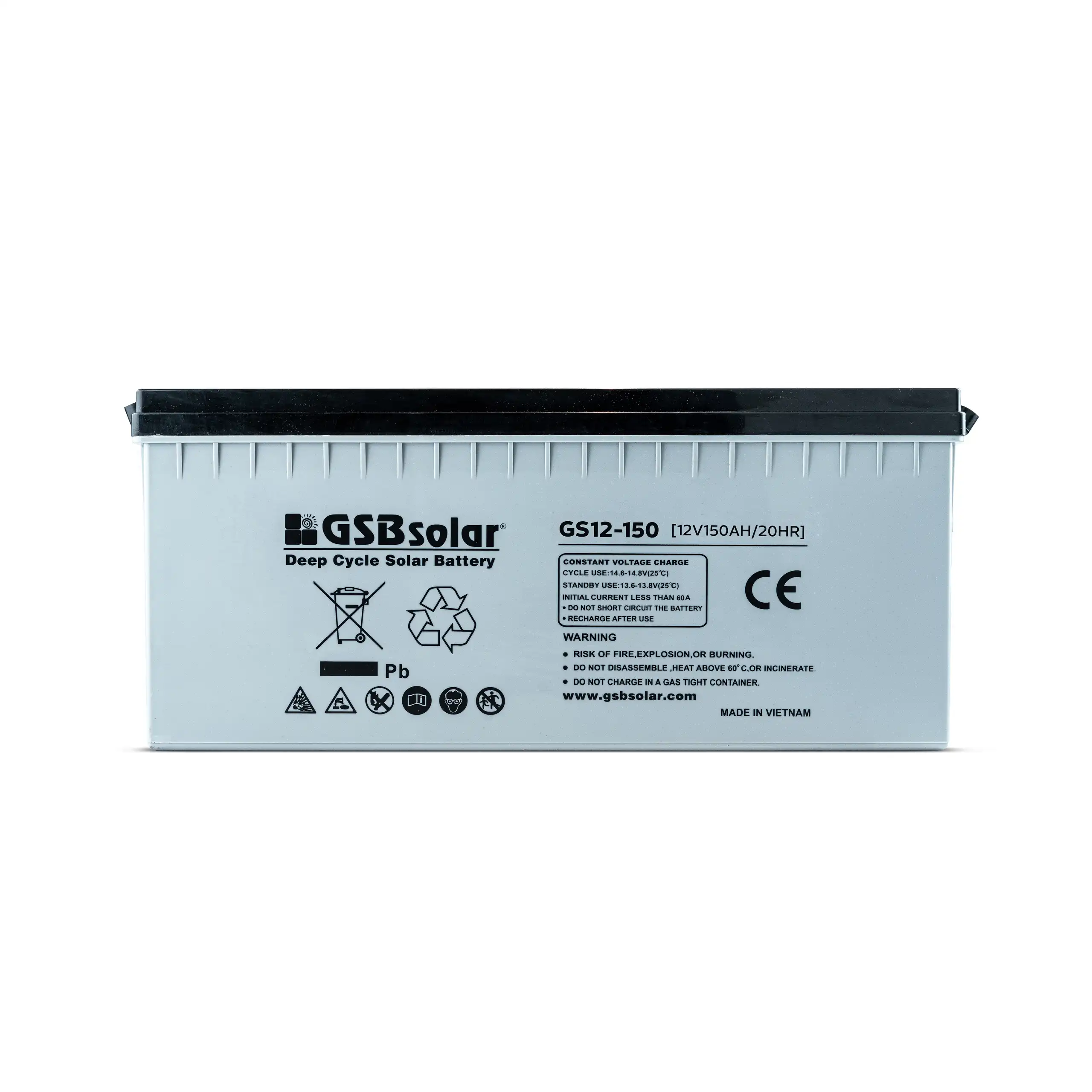
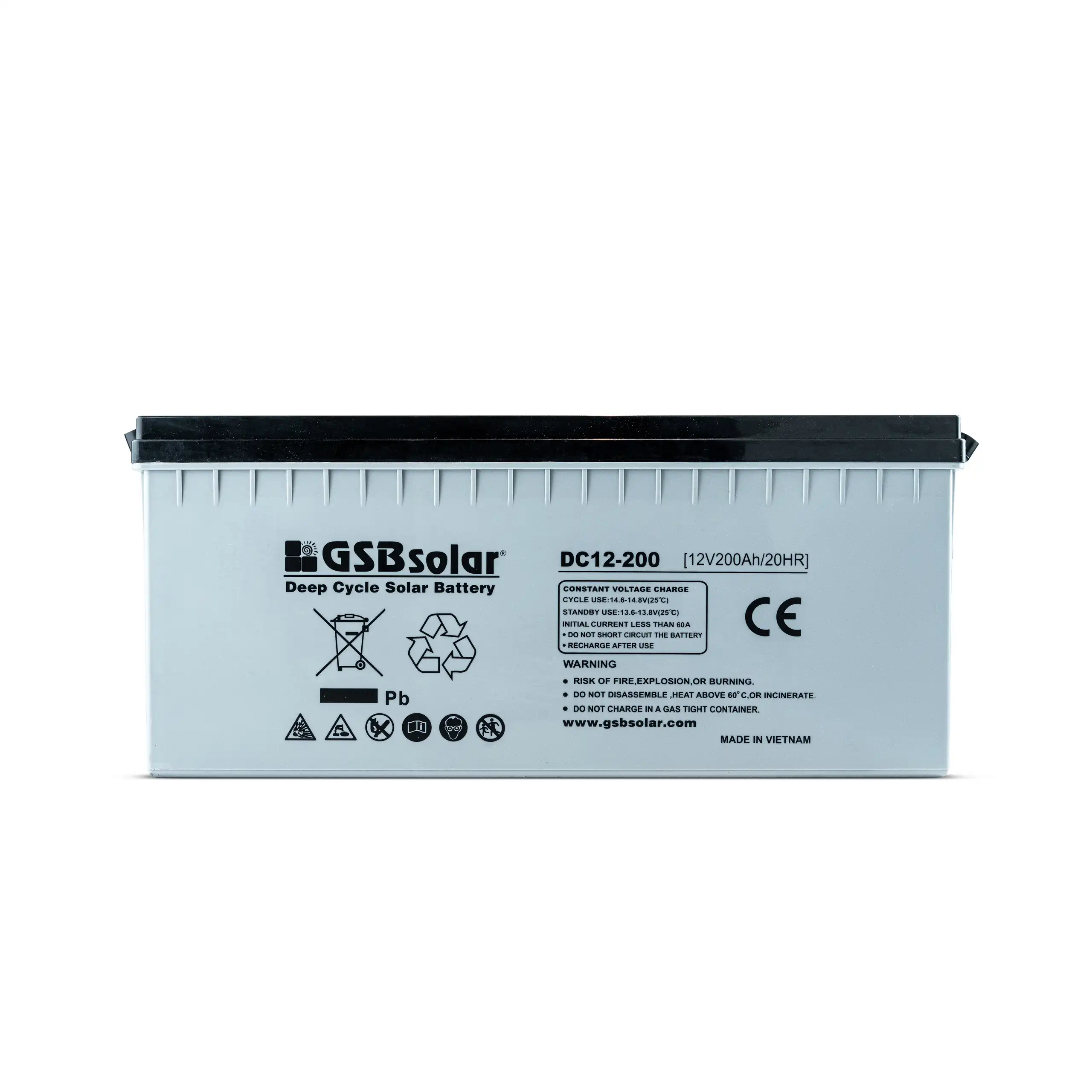
batteries,
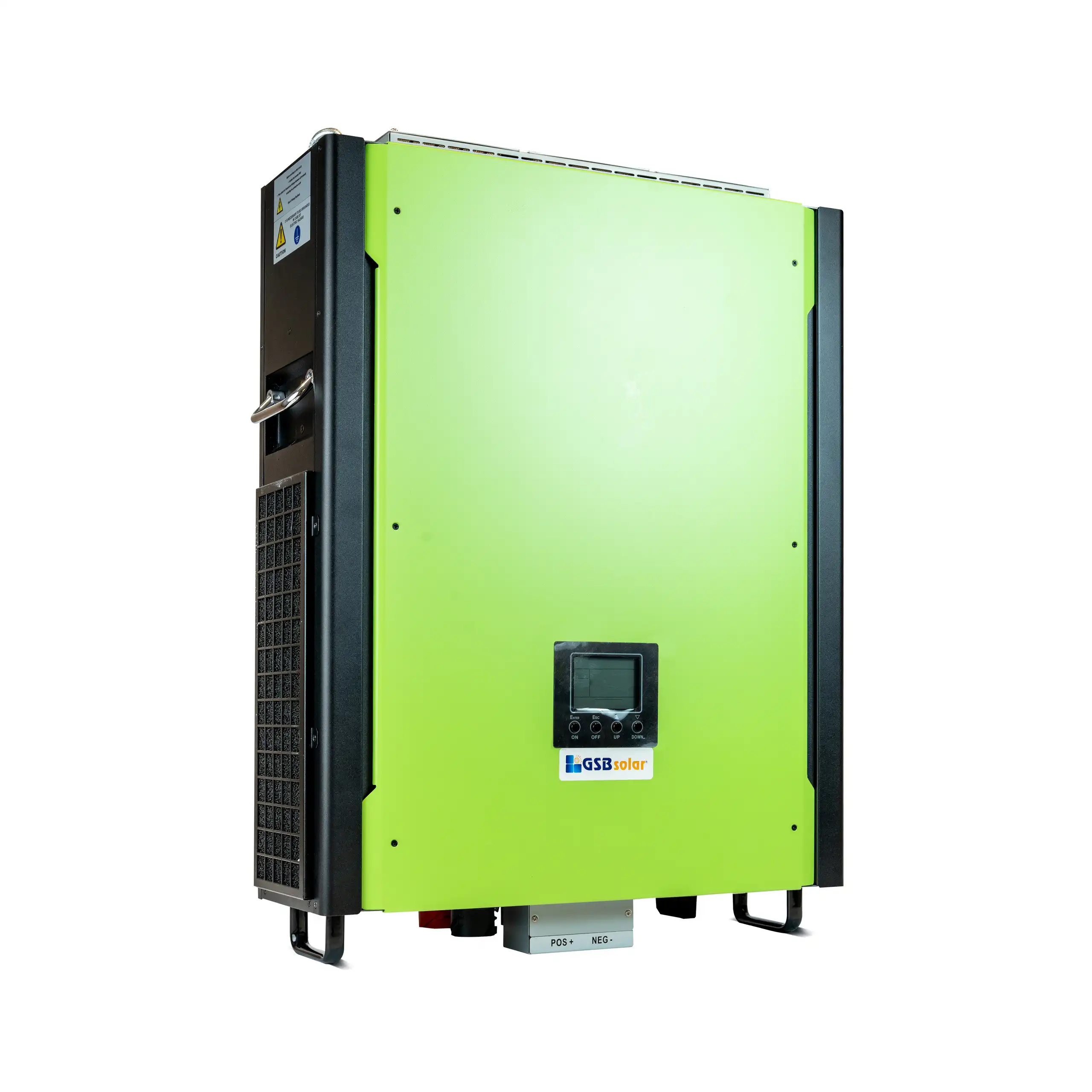
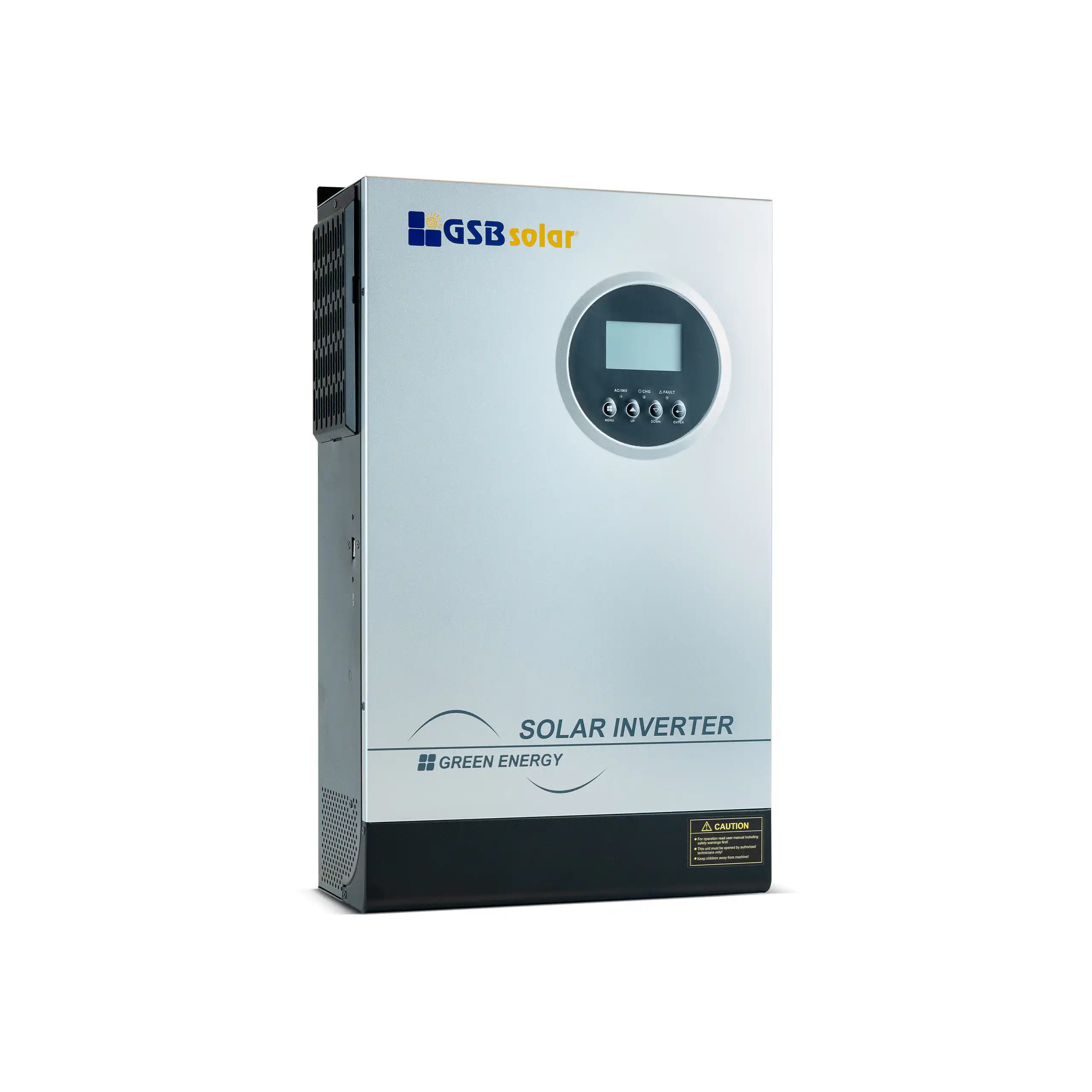
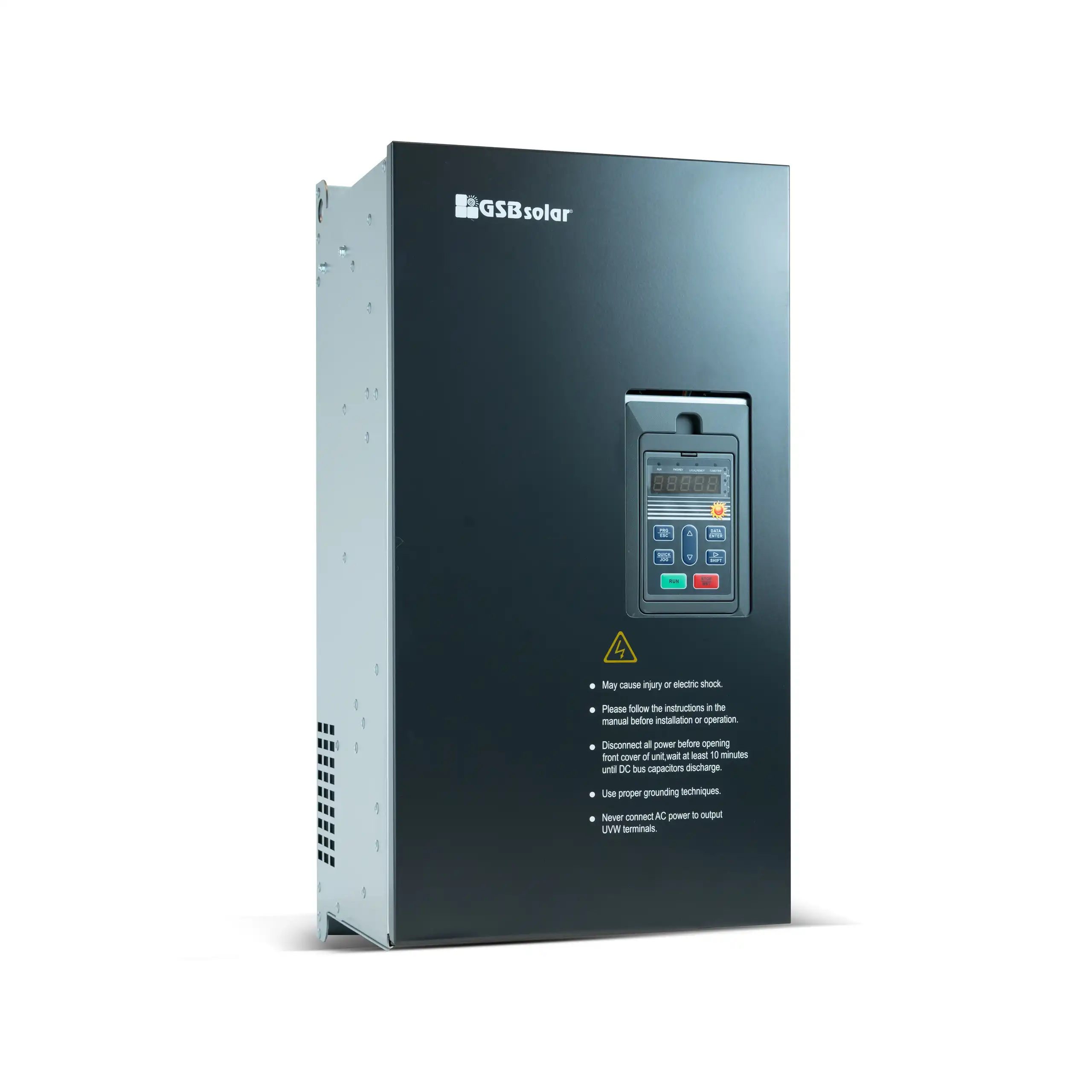
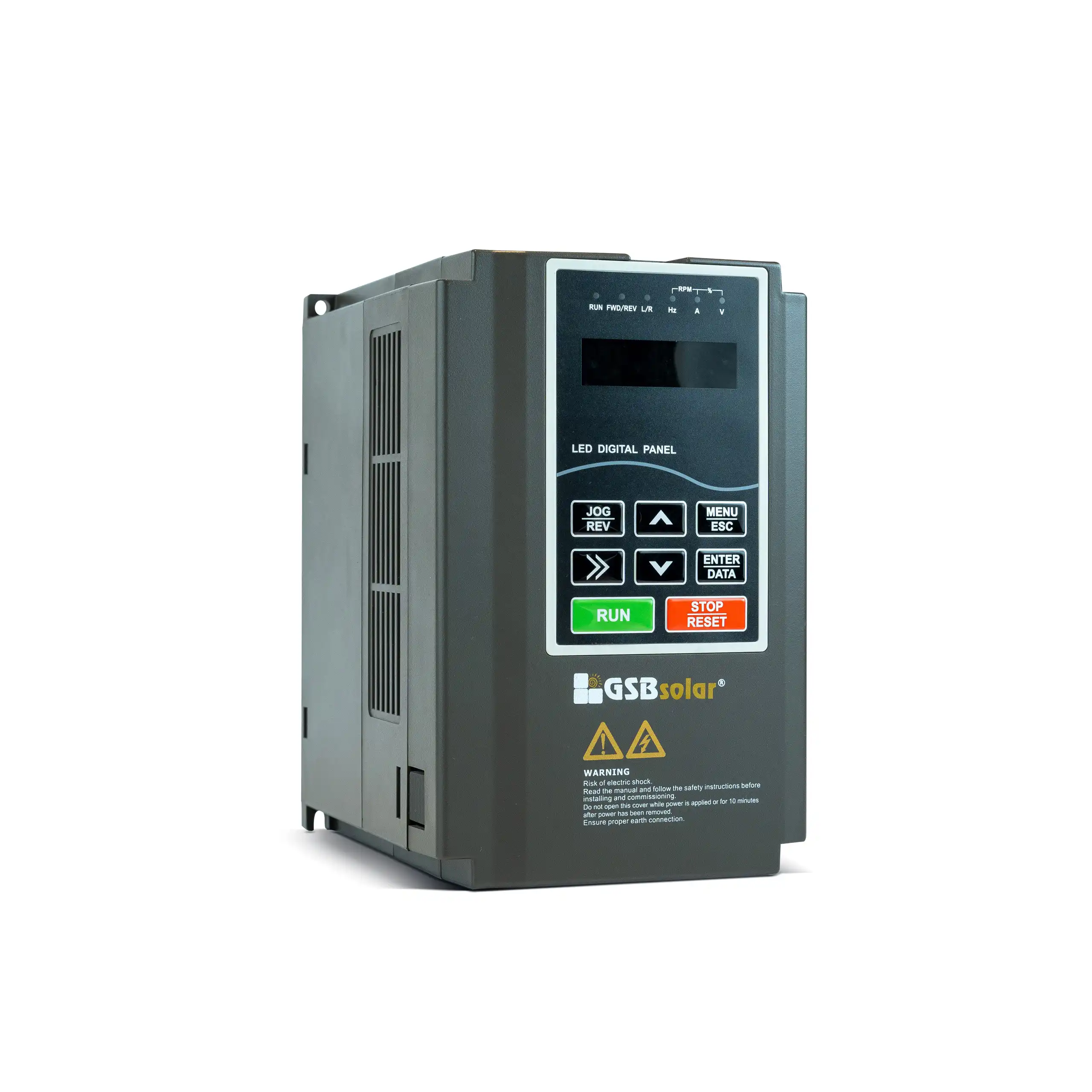
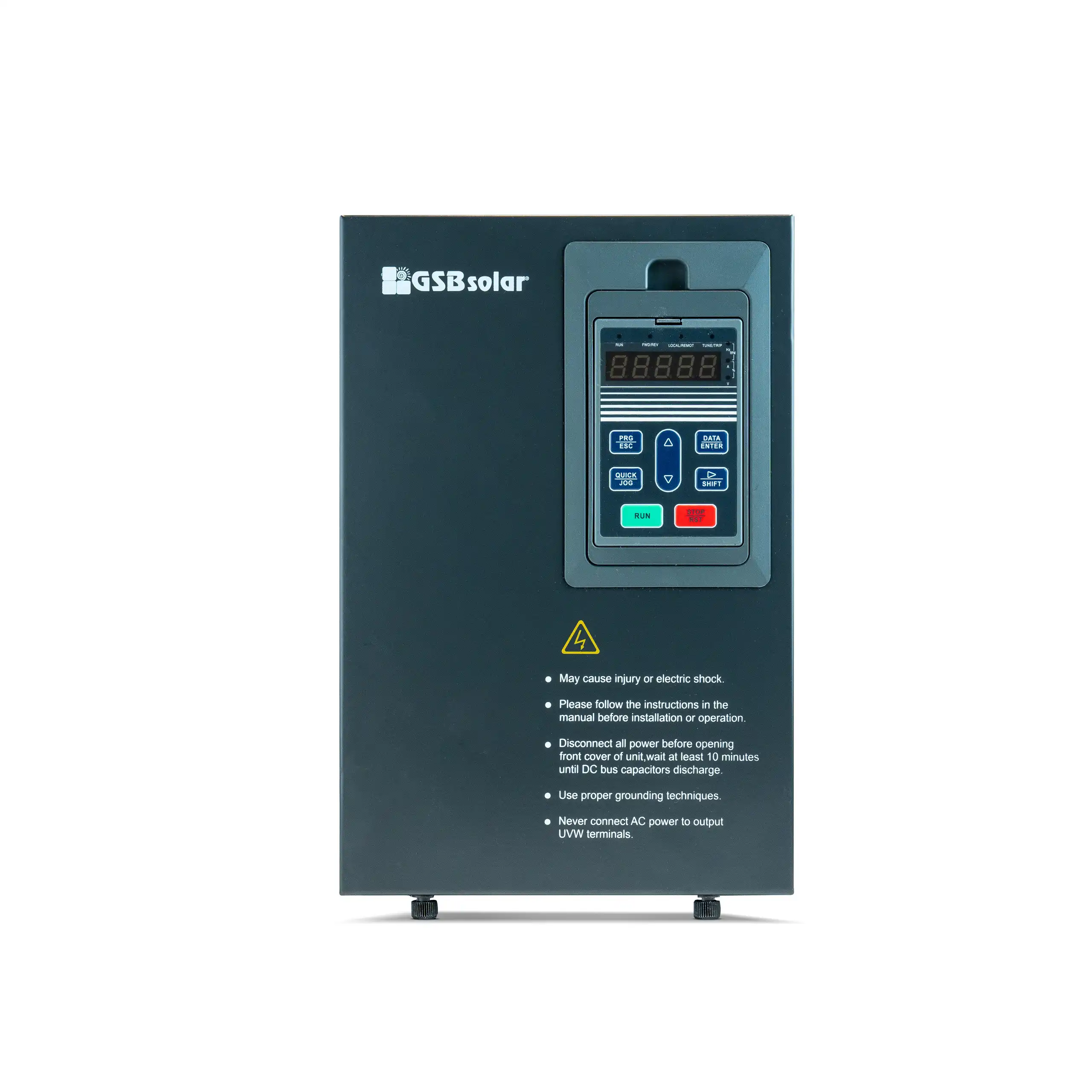
an inverter,
and a backup generator. It's essential to ensure that all these elements are compatible to optimize performance. Regular maintenance of each component not only enhances their lifespan but also ensures the system operates effectively. For instance, performing routine checks on the battery health can prevent unexpected outages and allow for better energy management.
One of the best tips for enhancing efficiency is to implement smart energy management software.
These programs can analyze energy consumption patterns and automatically adjust the system's operations, thus ensuring that your solar energy is used when it’s most beneficial. Additionally, consider investing in
high-efficiency solar panels and inverters.
These upgrades may have a higher initial cost but will yield significant long-term savings on energy bills and provide improved energy output.
Lastly, educate yourself about local energy policies and incentives. Many regions offer
rebates or tax credits for solar installations, which can help offset initial investment costs. Understanding these incentives allows you to make informed decisions about expanding your system or incorporating additional components, ultimately enhancing overall functionality and efficiency.
Implementing Smart Monitoring Tools for Real-Time Energy Management
Implementing smart monitoring tools is crucial for optimizing the efficiency of your hybrid solar system in 2023. These advanced technologies allow homeowners and businesses to track energy production and consumption in real-time, providing valuable insights into how energy is being utilized. By integrating smart monitoring solutions, users can identify patterns in energy usage, detect inefficiencies, and make informed decisions to optimize their system's performance. This proactive approach not only enhances energy savings but also prolongs the lifespan of solar components by ensuring they operate in the most efficient manner.
Moreover, real-time energy management leads to better decision-making when it comes to energy consumption. With access to analytics, users can determine the best times to utilize energy or switch to battery backup, thereby minimizing reliance on the grid and reducing energy costs. Additionally, incorporating features like predictive alerts for maintenance needs can prevent potential issues before they escalate, ensuring uninterrupted operation. Ultimately, embracing smart monitoring tools empowers individuals to take control of their energy landscape, maximizing the benefits of their hybrid solar systems while contributing to a more sustainable future.
Regular Maintenance Practices to Keep Your System Running Smoothly
Regular maintenance is crucial for ensuring the efficient operation of your hybrid solar system. One of the most important practices is to conduct regular inspections of the solar panels. This includes checking for dirt, debris, or any physical damage that may hinder performance. A clean solar panel can absorb sunlight more effectively, so periodically washing them using soft materials and non-abrasive solutions will help maximize energy production.
In addition to cleaning the panels, it's essential to monitor the inverter's performance regularly. The inverter is a critical component that converts the energy captured by the solar panels into usable electricity. Keeping a close eye on its performance metrics can help identify issues early on. Furthermore, scheduling professional checks at least once a year can ensure that all components of the hybrid system are functioning optimally. This proactive approach will not only enhance efficiency but also extend the lifespan of your hybrid solar system.
Exploring Incentives and Rebates to Enhance Financial Efficiency
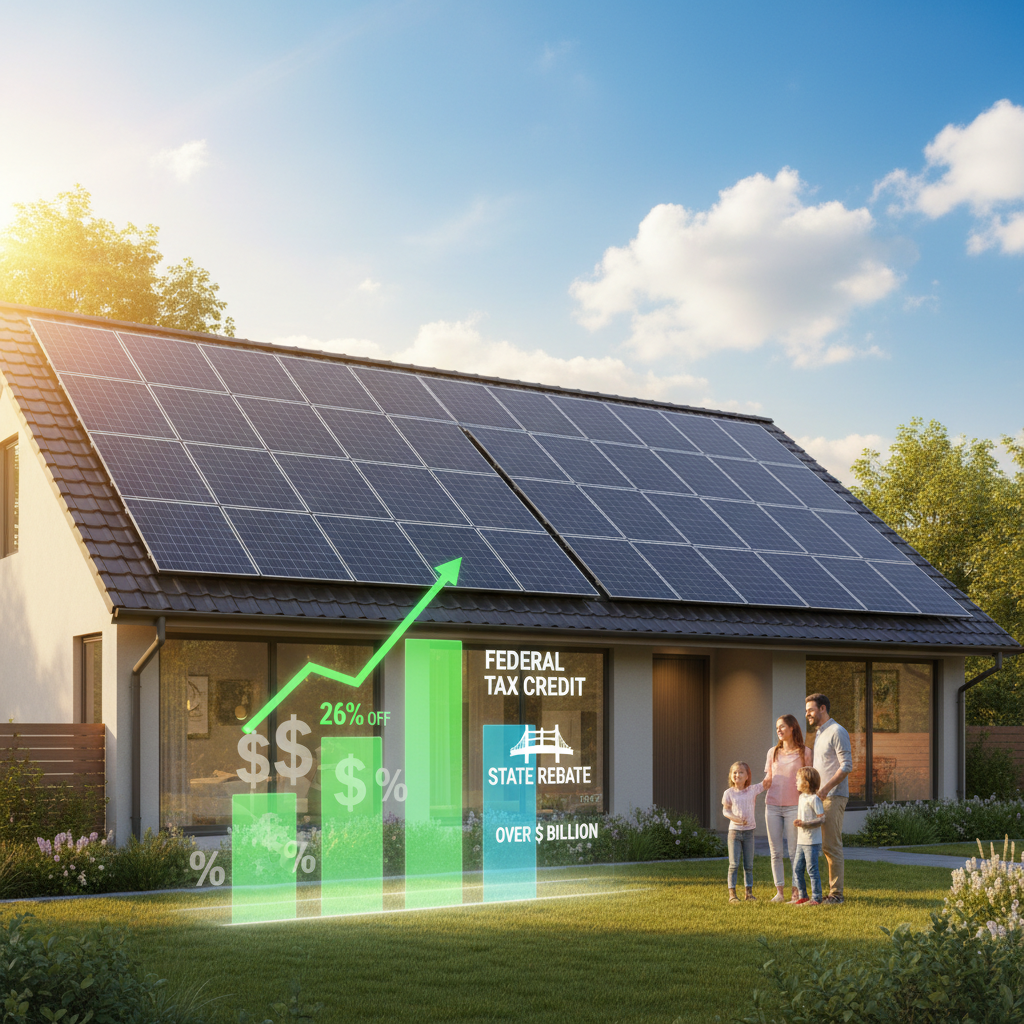
Exploring incentives and rebates is crucial for enhancing the financial efficiency of your hybrid solar system in 2023. According to the Solar Energy Industries Association (SEIA), federal tax credits provide up to 26% off the installation costs of solar systems, a substantial incentive that can dramatically lower the upfront investment. Additionally, many state programs offer rebates, which can vary significantly; for instance, California's Solar Initiative has allocated over $2 billion since its inception, helping homeowners offset their expenses and making solar energy more accessible.
Moreover, local utility companies are increasingly providing their own incentives for solar adoption. For example, net metering programs allow homeowners with solar systems to receive credit for excess energy generated, further optimizing financial returns. A report by the National Renewable Energy Laboratory (NREL) found that homeowners can save an average of $1,500 annually on electricity bills by combining incentives from state programs and local utilities. Leveraging these financial opportunities not only enhances the affordability of your hybrid solar system but also contributes to a more sustainable energy future.