What is Solar Power and How Can It Benefit Your Business?
Solar power has emerged as a transformative energy source for businesses globally. According to the International Energy Agency (IEA), solar energy accounted for nearly 10% of the world’s electricity generation in 2022. This figure is projected to rise as more companies seek to reduce their carbon footprint and energy costs. The solar industry continues to grow, fueled by advancing technology and supportive policies.
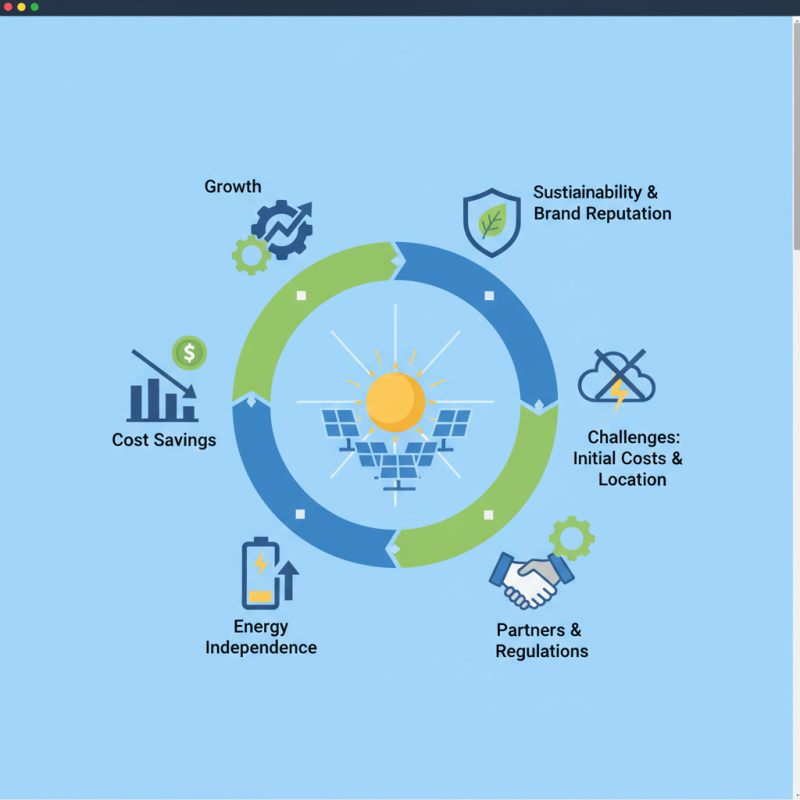
Incorporating solar power can lead to significant cost savings. Businesses that have adopted solar energy report an average reduction of 30% in their energy expenses. Additionally, many organizations gain energy independence, which shields them from fluctuating energy prices. Transitioning to solar power also conveys a message of sustainability to stakeholders and customers, enhancing brand reputation.
However, the transition is not without challenges. Initial installation costs can be high, and not all locations receive adequate sunlight. Companies must also navigate regulatory demands and find reliable partners to implement these systems effectively. Businesses should weigh the upfront investment against the long-term savings and environmental impact. Overall, solar power presents a compelling opportunity for businesses ready to embrace innovation and sustainability.
What is Solar Power? An Overview of Its Definition and Functionality
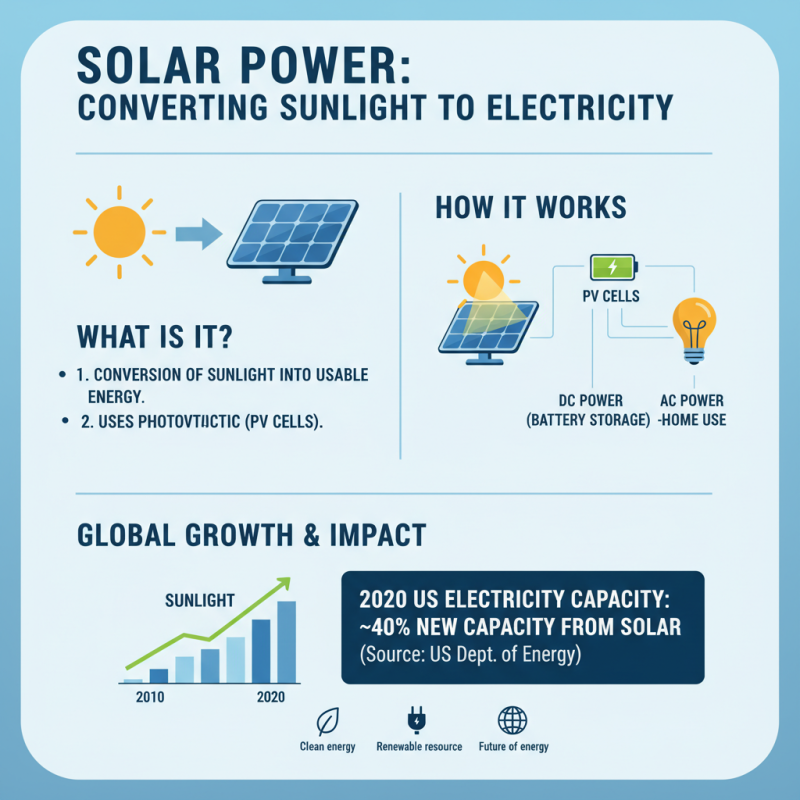
Solar power is the conversion of sunlight into electricity. This process utilizes photovoltaic cells that capture sunlight and turn it into usable energy. Over the last decade, solar power has rapidly evolved, becoming a vital component of the energy landscape. According to the U.S. Department of Energy, solar energy accounted for nearly 40% of all new electricity generating capacity in 2020. This shift reflects growing recognition of solar power's potential.
Businesses can leverage solar power to significantly reduce operational costs. The Solar Energy Industries Association states that businesses can see energy savings of up to 75% through solar installations. By investing in solar, companies not only lower energy bills, but they also enhance their brand image. In an era where sustainability is crucial, an eco-friendly approach attracts socially conscious consumers. However, transition challenges exist, such as initial installation costs and space requirements. Not all businesses have roofs suitable for solar panels.
Regulatory policies and financial incentives vary by region. Some areas offer tax credits, while others may not support such initiatives. This inconsistency can complicate planning for solar projects. Understanding local regulations is essential for achieving maximum benefits. As the technology continues to improve, the potential of solar power remains vast, but businesses must carefully consider their unique circumstances.
The Science Behind Solar Power: How Solar Energy is Generated
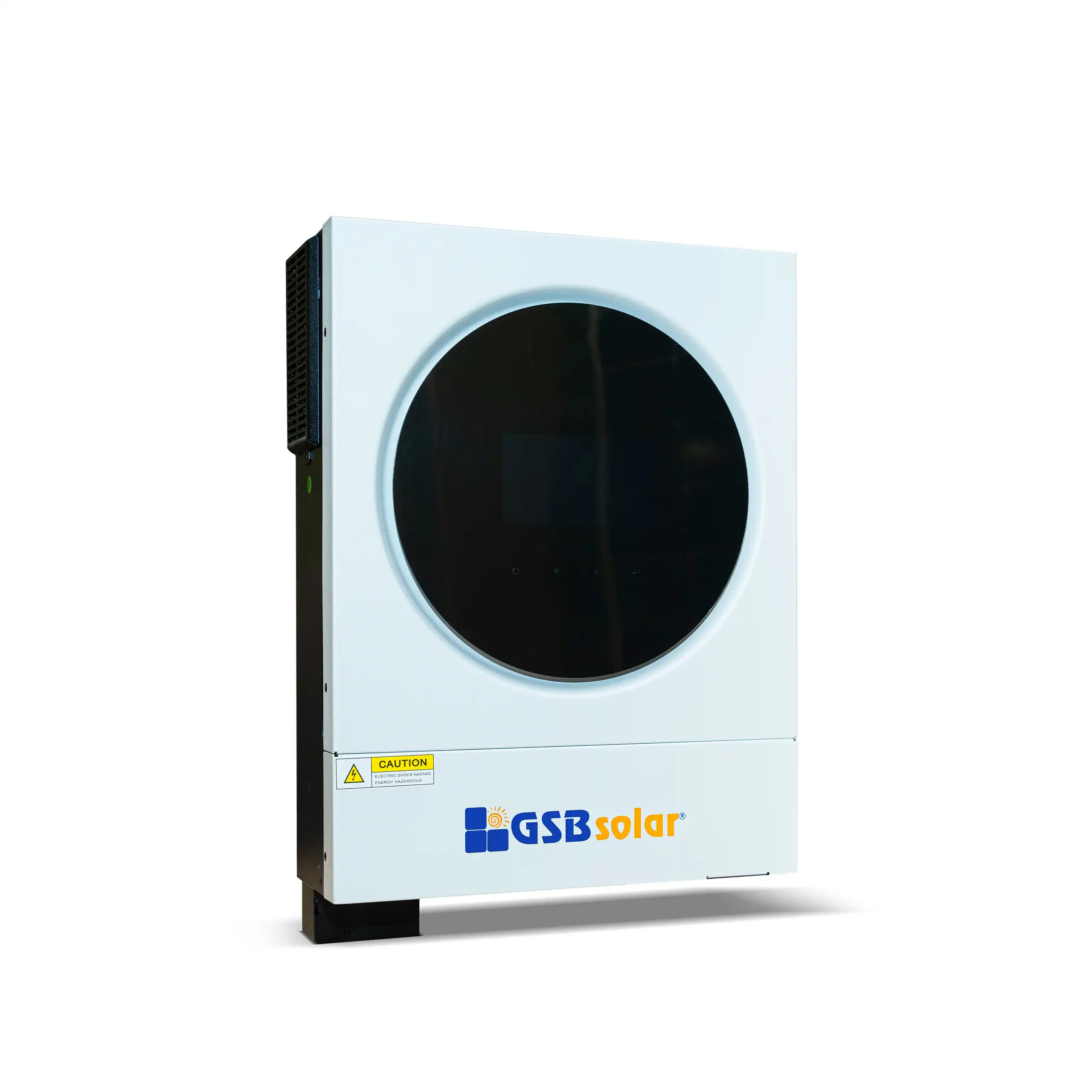
Solar power harnesses the sun's energy to generate electricity. The process begins with solar panels absorbing sunlight. These panels contain photovoltaic cells that convert sunlight into direct current (DC) electricity. This electrical current then passes through an inverter, transforming it into alternating current (AC), which powers your business.
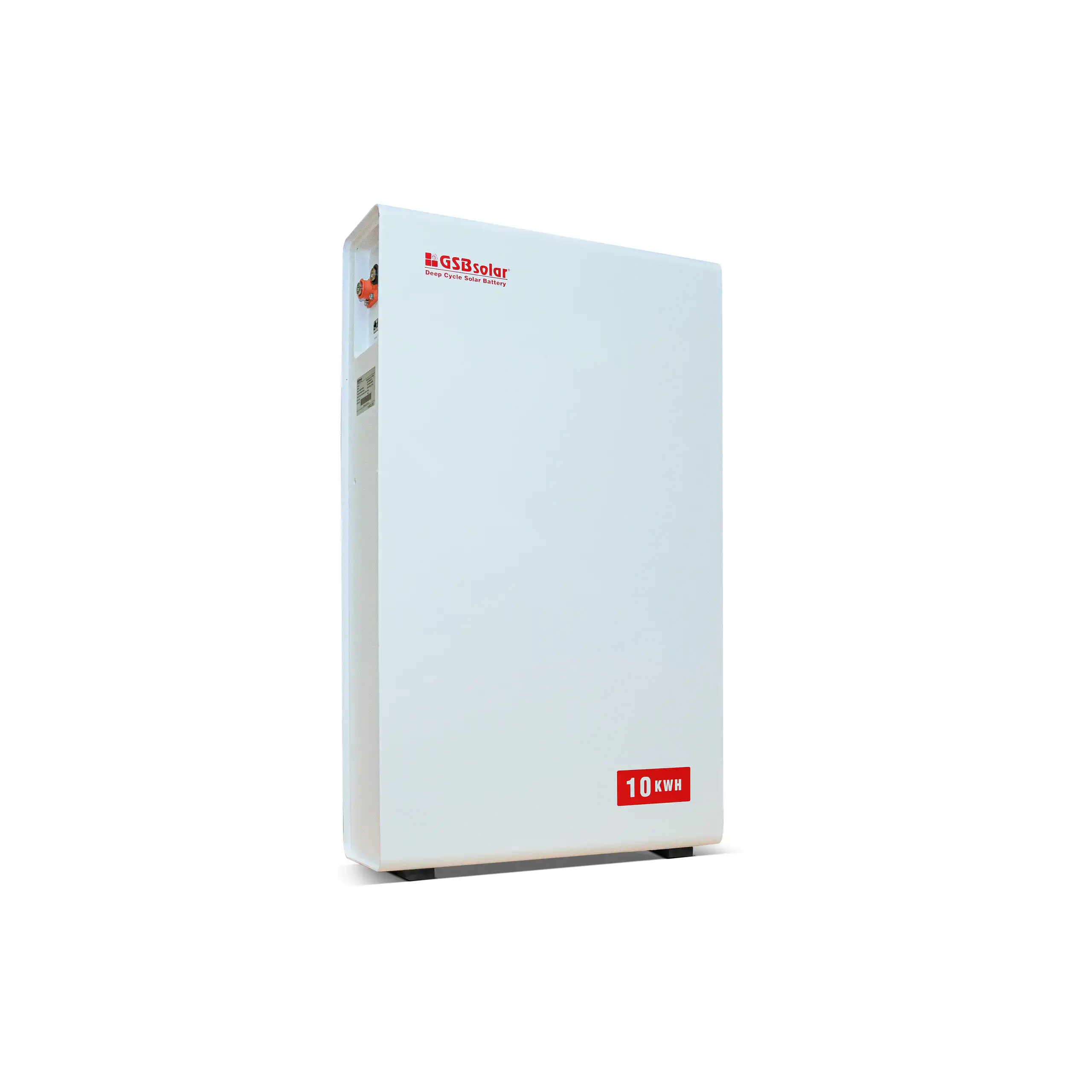
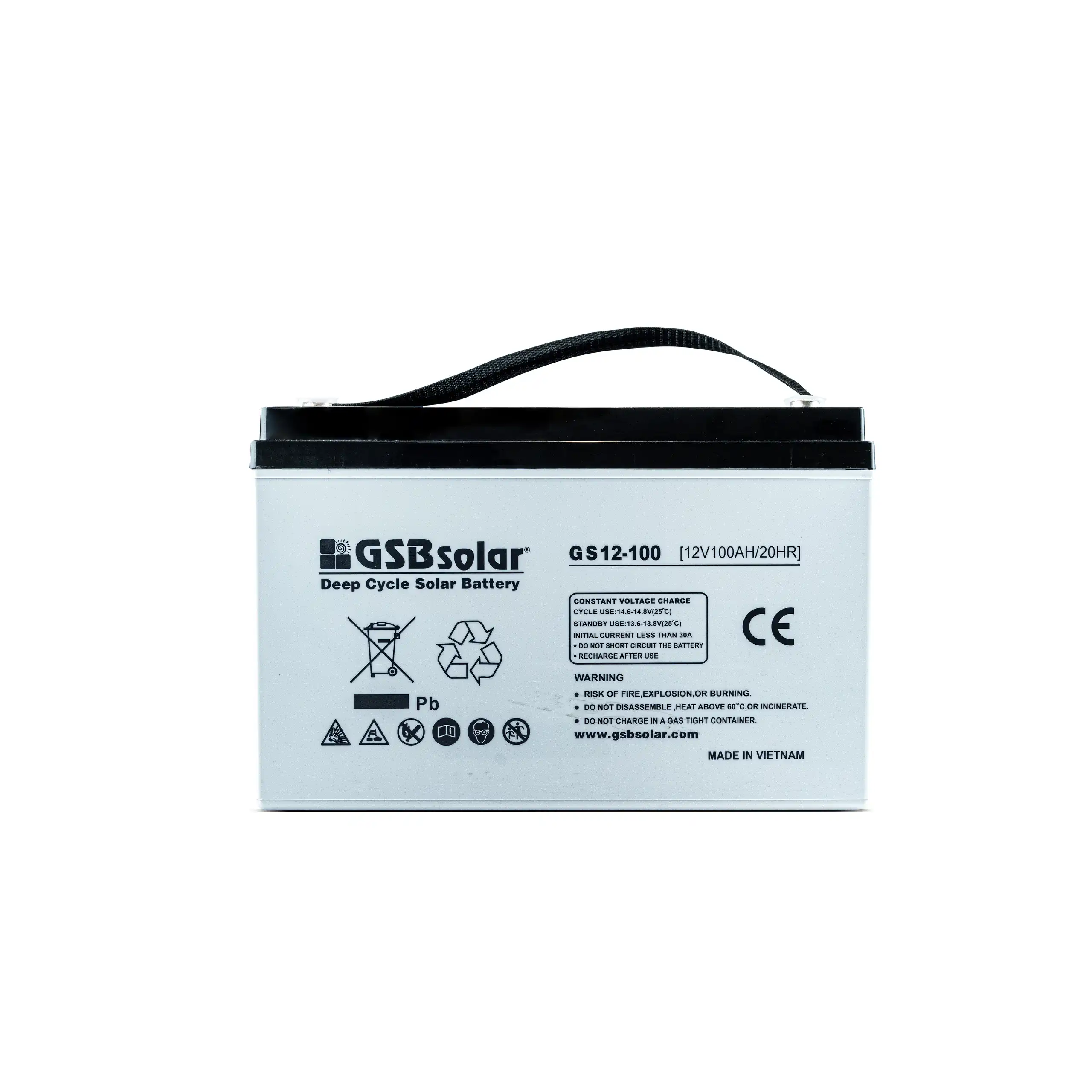
The science behind solar energy relies heavily on the principles of physics. Photons from sunlight strike the photovoltaic cells. This interaction frees electrons, creating an electric current. Various factors, such as angle and intensity of sunlight, affect energy production. In cloudy weather, energy generation can drop significantly. This variability prompts many businesses to consider energy storage solutions, like batteries, to maintain a steady power supply.
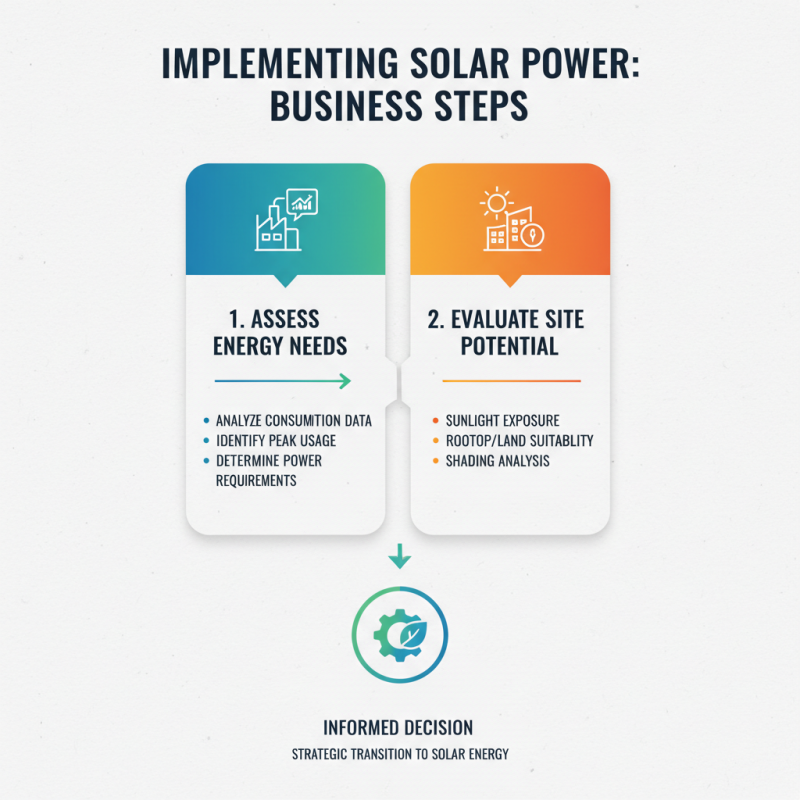
Implementing solar energy can present challenges. Initial installation costs may be high, though many businesses find long-term savings. Understanding local regulations and incentives is crucial. Every business must evaluate its own energy needs against solar power's benefits to make informed decisions. Adapting to renewable energy is a journey, and careful planning pays off.
Benefits of Solar Power for Businesses: Cost Savings and Sustainability
Solar power is an increasingly popular choice for businesses looking to enhance sustainability while cutting costs. Transitioning to solar energy can lead to significant financial savings. By reducing reliance on traditional electricity, businesses can see lower monthly utility bills. Over time, the return on investment becomes clear. However, the initial setup costs may seem daunting. It's important to consider long-term benefits versus short-term expenses.
In addition to cost savings, solar power promotes environmental sustainability. Using clean energy reduces carbon footprints. This commitment to eco-friendliness can resonate with customers. Many consumers prefer businesses that are environmentally responsible. However, some companies may still hesitate. There could be concerns about the reliability of solar energy or the complexities of installation.
Embracing solar power can offer a competitive edge. It shows a proactive approach to modern business challenges. Nonetheless, successful integration requires careful planning and research. Companies must assess their energy needs and evaluate local regulations. Keeping up with technological advancements in solar technology is crucial, as the industry evolves rapidly. Balancing these factors is essential for maximizing the benefits of solar energy.
Benefits of Solar Power for Businesses: Cost Savings and Sustainability
Incentives and Subsidies for Businesses Using Solar Power Solutions
In recent years, many businesses have turned to solar power as a viable energy solution. This shift not only promotes sustainability but also offers financial benefits. One of the primary incentives available for companies adopting solar technology is the federal Investment Tax Credit (ITC). This credit allows businesses to deduct a significant percentage of solar installation costs from their federal taxes, leading to substantial savings.
Moreover, several states provide additional subsidies and incentives for businesses that utilize solar energy. These may include rebates, grants, and power purchase agreements. Such financial assistance can reduce the initial setup costs significantly, making solar energy more accessible. However, navigating these incentives can be complex. Business owners may need expert guidance to maximize potential benefits.
It's essential to consider the long-term impact of solar adoption carefully. While immediate savings are attractive, the upfront investment can still be daunting for some. Companies should evaluate their energy needs realistically and assess the expected return on investment. Engaging with professionals in the solar field can offer clarity. This process could reveal not only financial advantages but also potential challenges that require strategic planning.