Essential Tips for Choosing the Best Solar Panel Kit?
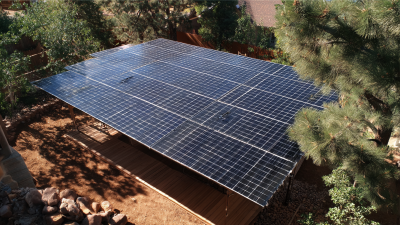
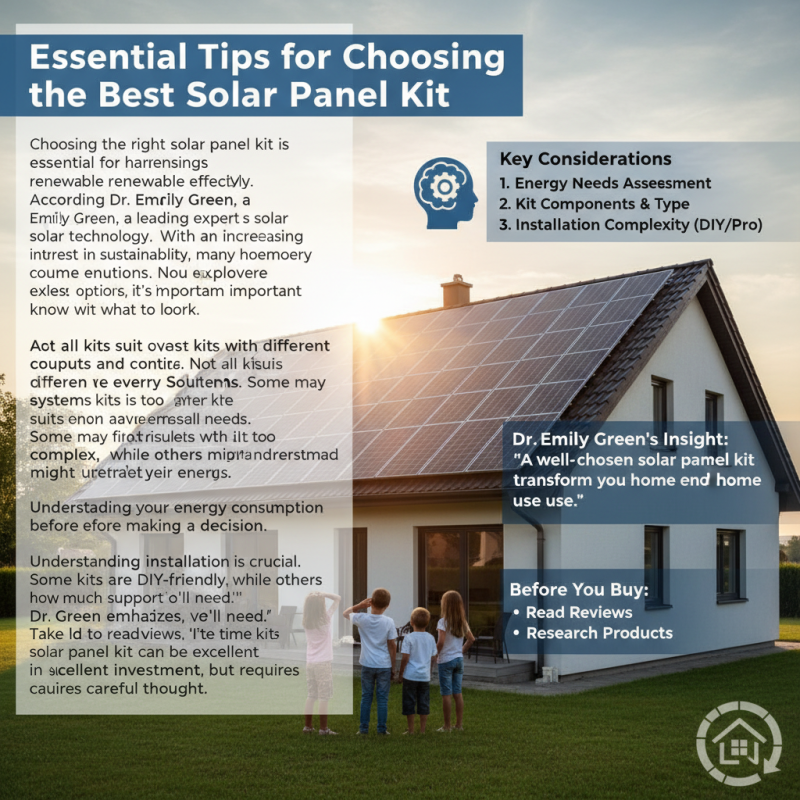
Choosing the right solar panel kit is essential for harnessing renewable energy effectively. According to Dr. Emily Green, a leading expert in solar technology, "A well-chosen solar panel kit can transform your home energy use." With an increasing interest in sustainability, many homeowners are considering solar solutions.
As you explore options, it's important to know what to look for. The market offers various kits with different power outputs and components. Not all kits suit every household's needs. Some may find a system that is too complex, while others might underestimate their energy requirements. Evaluating your energy consumption is critical before making a decision.
Understanding installation requirements is crucial. Some kits are DIY-friendly, while others may need professional help. Dr. Green emphasizes, "It's vital to consider how much support you'll need." Take time to read reviews and research products thoroughly. A solar panel kit can be an excellent investment, but it requires careful thought.
Understanding Your Power Needs for Solar Panel Kits
When choosing a solar panel kit, understanding your power needs is crucial. Begin by calculating your daily energy consumption. According to the U.S. Energy Information Administration, the average American household uses about 877 kWh per month. This equates to roughly 29 kWh per day. Consider what appliances you plan to power with solar energy. Listing them can help you identify your requirements.
Next, assess your location's solar potential. The National Renewable Energy Laboratory reports that solar efficiency varies by location and average sunlight hours. For instance, an area receiving 5 hours of sunlight daily can produce more energy than one getting 3 hours. Also, factor in your roof space and orientation. Limited roof space may restrict the size of the solar setup you can install.
Remember that oversizing your system may lead to unnecessary costs. On the other hand, underestimating your needs could leave you with insufficient power. It's a delicate balance. Be realistic about your expectations. Many users initially ignore energy losses due to inverter efficiency or shading. These can significantly impact overall performance. Engage with professionals for insights tailored to your specific situation.
Power Needs Assessment for Solar Panel Kits
This chart illustrates the estimated average daily power needs for various household appliances, helping you understand how to choose the best solar panel kit based on your energy requirements.
Evaluating Different Types of Solar Panels Available
When selecting a solar panel kit, it’s crucial to understand the various types of solar panels available. There are mainly three types:
monocrystalline,
polycrystalline,
and thin-film.
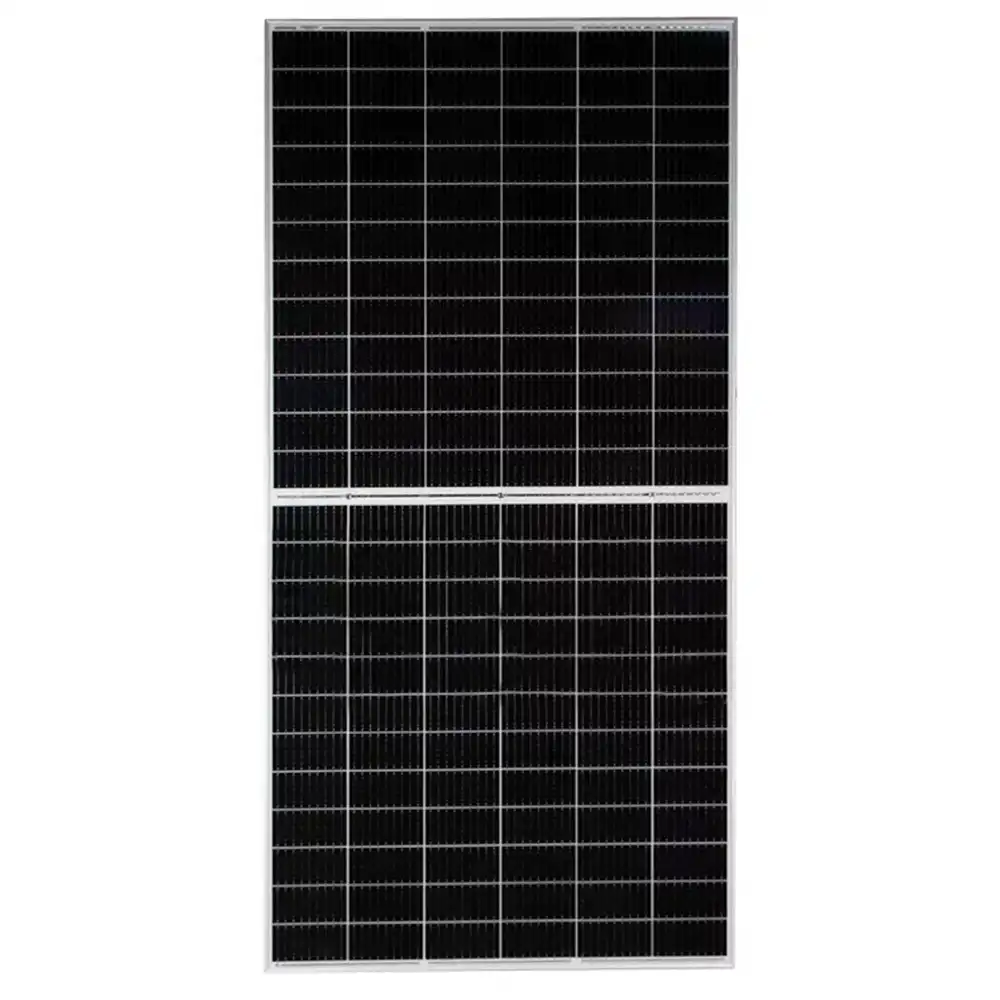
Monocrystalline panels are known for their efficiency and longevity. They are often the most space-efficient.
However, their cost may be higher, which can be a drawback for some buyers.
Polycrystalline panels are usually more affordable but take up more space.
Their efficiency is lower than monocrystalline panels.
This could be an issue if your roof space is limited. Thin-film panels are the least efficient but are lightweight and flexible.
They can be a good choice for specific applications, though their lower performance may not meet everyone's needs.
Before making a decision, evaluate how much energy you need. Consider your household size and energy consumption.
Sometimes, people underestimate their actual needs. You might also want to think about the installation process and whether you’ll need professional help.
There’s a learning curve involved, and not everything will go smoothly.
Take your time and consider these details carefully.
Key Components to Look for in a Solar Panel Kit
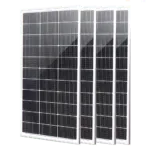
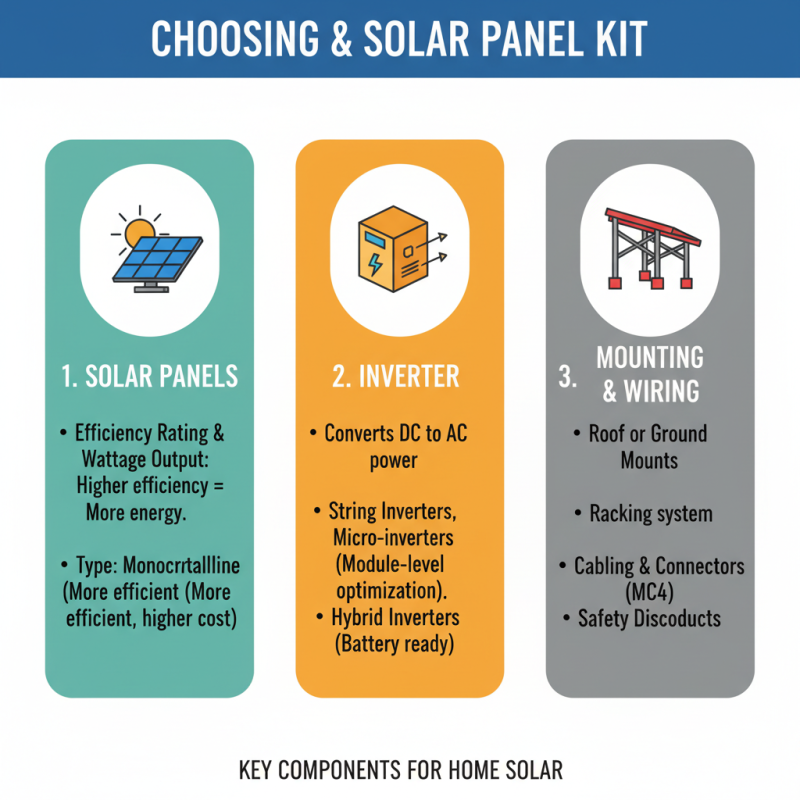
When choosing a solar panel kit, it's crucial to pay attention to its key components. Start with the solar panels themselves. Look for efficiency ratings and wattage output. Higher efficiency panels generate more energy from sunlight. You'll also want to consider the type of panels. Monocrystalline panels are often more efficient, but they may come at a higher cost.
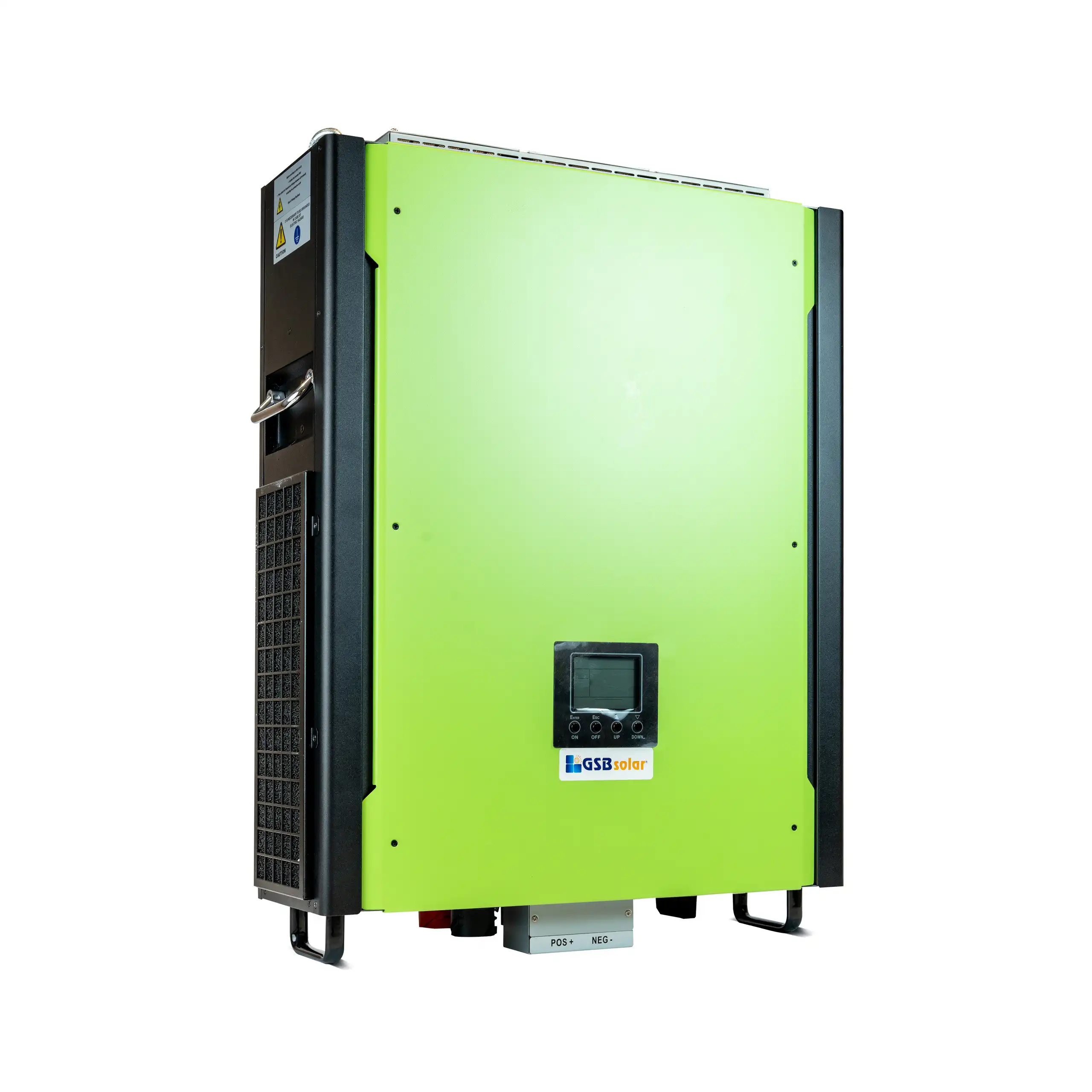
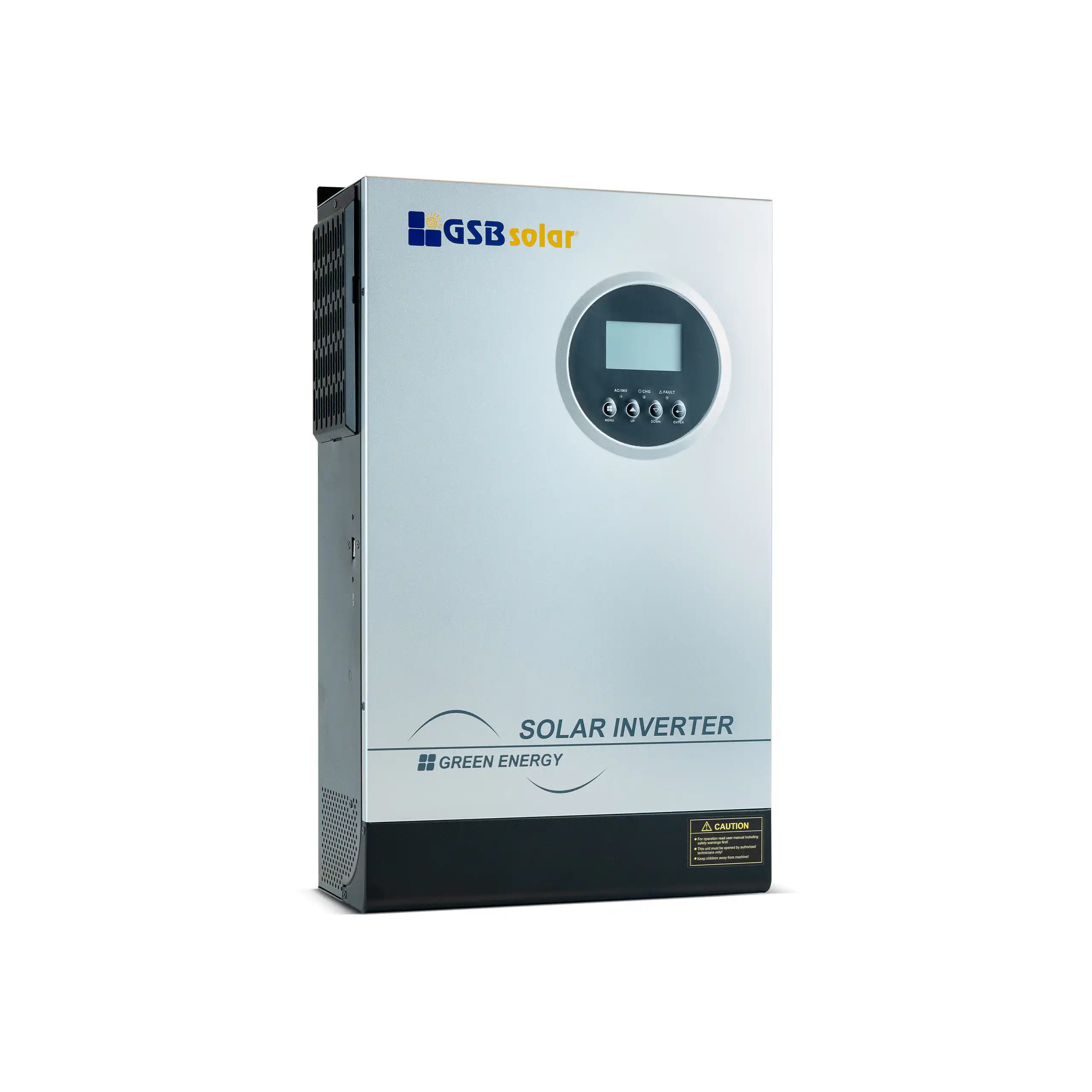
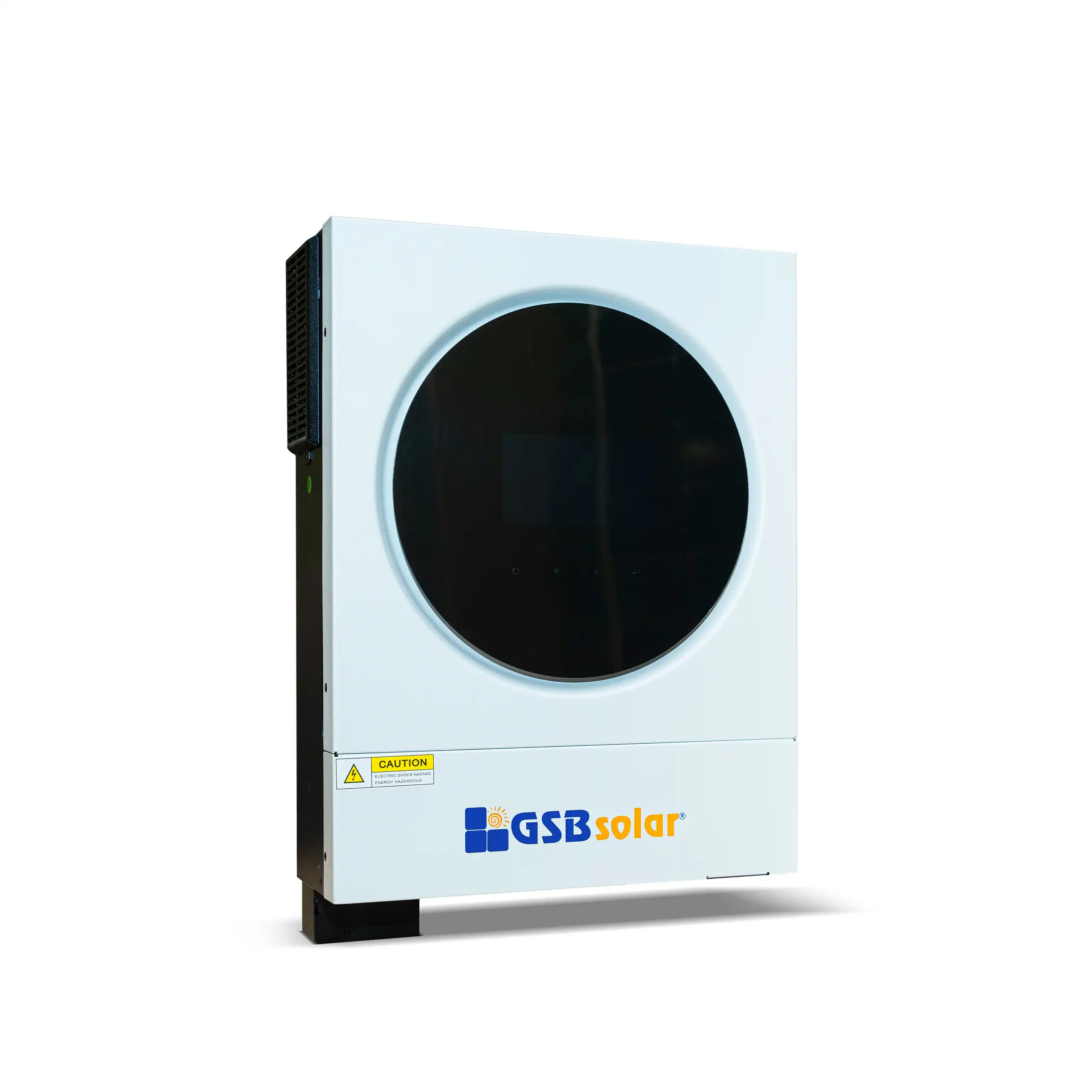
Next, evaluate the inverter included in the kit. A quality inverter converts the solar energy generated into usable electricity. It’s essential for maximizing the energy output of your system. Check the inverter's efficiency ratings and compatibility with the solar panels you select.
Additionally, don't overlook mounting hardware. This holds everything in place and ensures optimal sun exposure. The material and durability of mounts matter. Some kits may skimp on these details, impacting long-term performance. A strong kit can withstand harsh weather conditions. Lastly, investigate warranty options. A solid warranty reflects the manufacturer's confidence in their product. Always consider what issues may arise, and whether you're willing to tackle them.
Assessing the Quality and Warranty of Solar Panels
When choosing a solar panel kit, assessing the quality is vital. High-quality panels provide efficient energy conversion and durability. Look for panels with a glass layer to protect against weather elements. They should also have a solid frame made from corrosion-resistant materials. These characteristics can significantly affect performance and longevity.
Warranties speak volumes about a product's reliability. A good solar panel warranty typically lasts 25 years or more. It reflects the manufacturer's confidence in their product. Pay attention to what the warranty covers. Some only cover major defects but not performance loss. It’s essential to understand these details to avoid future frustrations.
Consider how you will use the solar panels. You may need more than just a basic kit for your situation. Take time to research and think about your energy requirements. A hasty decision could leave you with insufficient power or unnecessary costs. A well-thought-out choice can lead to long-term satisfaction.
Essential Tips for Choosing the Best Solar Panel Kit
| Feature |
Description |
Quality Assessment |
Warranty Period |
| Efficiency |
The percentage of sunlight converted into usable electricity. |
Higher efficiency panels are recommended for limited space. |
Typically ranges from 10 to 25 years. |
| Durability |
Ability to withstand environmental factors such as hail, snow, and wind. |
Look for certifications such as IEC 61215. |
Usually 10-25 years based on the manufacturer's claims. |
| Temperature Coefficient |
The effect of temperature on panel efficiency. |
Lower coefficients indicate better performance in high temperatures. |
Does not directly influence warranty but is crucial for performance. |
| Shading Tolerance |
Ability to perform under partial shading conditions. |
Panels with bypass diodes are preferable. |
Not specifically covered by warranty, more a performance factor. |
| Certifications |
Industry standards ensuring quality and reliability. |
Look for UL, IEC, and CE certifications. |
Warranty may include certified compliance. |
Budgeting for Installation and Maintenance Costs
When planning to install a solar panel kit, budgeting is crucial.
Installation costs can vary greatly. It depends on the size and type of the system chosen. You might estimate a range of $10,000 to $30,000. Unexpected expenses can arise, so be ready. Wiring, permits, and labor might add to your bill. Don't overlook these potential costs.
Maintenance is another factor to consider. Most solar panels require minimal upkeep, but it's not free. Regular inspections help ensure longevity. You can expect to pay around $300 annually for maintenance. These costs may seem small, but over time, they add up. Think about cleaning, repairs, and potential part replacements.
Your location also impacts prices. Installation costs might be higher in urban areas. Compare quotes from different contractors. Take your time. Understanding these costs helps you make informed decisions. Solar energy is a long-term investment. Plan wisely to reap the benefits in the future.