What Are the Top 10 Solar Packages for Global Buyers?

Global buyers are no longer choosing solar packages by panel wattage alone. They compare batteries, inverters, warranties, monitoring systems, installation support, and long-term service.

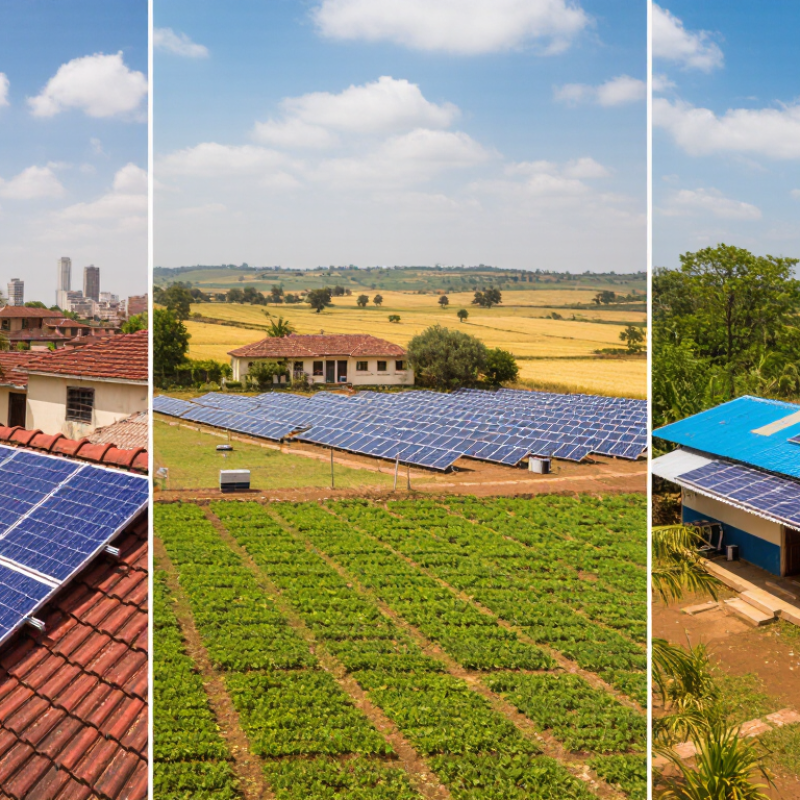
The International Energy Agency reported that solar photovoltaic capacity additions reached a record level in 2023. IRENA also recorded more than 1,400 gigawatts of global renewable power capacity by the end of 2023, with solar leading new growth. These figures reveal strong momentum, but they do not guarantee a suitable purchase. A rooftop in Nairobi, a farm in Spain, and a remote clinic in Indonesia need different designs.

This guide examines the top 10 solar packages for global buyers. It considers energy output, storage capacity, equipment quality, climate performance, replacement access, financing clarity, and installer experience. Small details matter. A dusty inverter room can reduce reliability. A weak warranty can become an expensive surprise.

Walburga Hemetsberger, CEO of SolarPower Europe, said, “Solar is the energy of the people.” Her statement reflects the technology’s wider accessibility, yet affordability must be assessed carefully. The cheapest package may exclude batteries, grid protection, shipping, or professional commissioning.

No ranking is universal. That deserves attention.

The SolarPower Europe Global Market Outlook 2024–2028 shows continued market expansion, while IEA analysis highlights falling solar costs and rising deployment. Still, product quality varies between suppliers and regions. Our comparison therefore balances published data with practical buying concerns, including local sunlight, load patterns, import conditions, and after-sales support. Some conclusions remain debatable, because real performance depends on installation and daily use.
What Are the Top 10 Solar Packages for Global Buyers?

What Defines a Solar Package for Global Buyers?

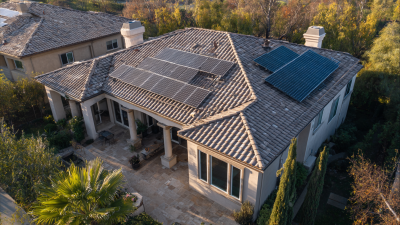
A solar package for global buyers is more than panels, batteries, and an inverter in one box. It is a matched system designed for a specific site, climate, and electrical network. A reliable package includes load calculations, mounting hardware, protection devices, cables, monitoring tools, and clear installation documents. Each component should work within the same voltage, frequency, and safety requirements.

Real buying decisions begin with local conditions. A coastal project may need stronger corrosion protection, while a remote farm may require larger battery storage and simpler maintenance. Temperature, dust, roof structure, sunlight hours, and transport access also affect system design. Certificates and test reports should be easy to verify, not hidden in vague product descriptions. Warranty terms need practical details, including response times, replacement procedures, and service limits.

The strongest packages also include commissioning guidance and training for local technicians. That support can prevent loose connections, poor battery settings, and unsafe cable routing. A low price can look attractive. It may create higher costs later. No package is universally perfect. Even experienced buyers can underestimate seasonal demand or shipping delays. I would allow room for design changes after a site survey, because early assumptions are often incomplete. Clear drawings, spare parts, remote diagnostics, and realistic delivery schedules make a package more dependable across borders.

How to Compare the Top 10 Solar Package Types

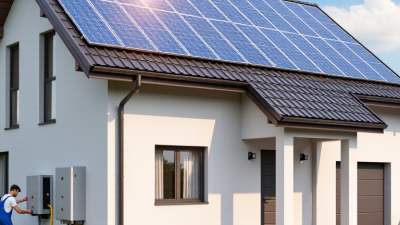
Comparing the top 10 solar package types starts with the buyer’s daily energy pattern. Grid-tied systems suit stable utility networks and reduce daytime electricity costs. Hybrid packages add batteries for evening use and short outages. Off-grid systems require larger storage and backup planning. They are not automatically better. They demand careful load control.

For mobile or smaller needs, balcony, portable, and recreational-vehicle packages usually use compact panels and smaller inverters. Check mounting safety, battery chemistry, weather resistance, and connector compatibility. Farm packages may support water pumping, fencing, or refrigeration. Commercial rooftop packages need structural surveys, fire-access planning, and professional monitoring. Community solar can help buyers without suitable roofs, but contract terms deserve close reading. Solar water-pumping packages should be compared by flow rate, well depth, and seasonal sunlight, not panel wattage alone.

A reliable comparison uses usable energy, not only rated capacity. Measure annual sunlight, peak demand, battery round-trip efficiency, warranty coverage, and replacement access. Local grid codes and import requirements also matter. Ask whether installers provide test records and clear maintenance schedules. A cheap package may hide weak cables or limited support. That mistake is expensive. In warmer climates, high temperatures can reduce battery performance more than expected. Dust also changes cleaning costs. I would leave room for uncertainty, because weather forecasts and household habits rarely match sales estimates. A practical design should still perform when usage rises, sunlight falls, or one component needs replacement.

What Are the Top 10 Solar Packages for Global Buyers? - How to Compare the Top 10 Solar Package Types

Rank Solar Package Type Typical Application Typical System Size Battery Storage Indicative Installed Cost
(USD)
Typical Annual Yield Backup During Grid Outage Main Advantage Main Limitation
1 Grid-Tied Rooftop Solar Homes and small businesses with reliable grid access 3–10 kW None required $4,000–$20,000 900–1,700 kWh/kW/year No; normally shuts down for safety Lowest upfront cost and simple operation Cannot provide power during a blackout without storage and backup controls
2 Hybrid Solar-Plus-Storage Homes and businesses requiring energy savings and backup 5–20 kW 5–40 kWh lithium-ion battery $12,000–$60,000 900–1,700 kWh/kW/year Yes; commonly 4–24 hours for essential loads Combines bill reduction, energy shifting, and backup Higher capital cost and battery replacement planning
3 Off-Grid Solar Home System Remote homes, cabins, islands, and areas without grid service 1–10 kW 5–50 kWh, usually with generator support $8,000–$70,000 700–1,600 kWh/kW/year Yes; designed for independent operation Avoids grid extension and supports energy independence Needs careful load management and adequate storage for cloudy periods
4 Commercial Rooftop Solar Warehouses, offices, retail buildings, and factories 30–500 kW Optional; 50–1,000 kWh when required $30,000–$750,000 900–1,700 kWh/kW/year Usually no; available with storage and controls Uses available roof space to offset daytime demand Roof structure, interconnection, and demand charges affect returns
5 Ground-Mounted Solar Array Homes, farms, institutions, and commercial sites with available land 10–500 kW Optional $12,000–$750,000 1,000–1,900 kWh/kW/year No unless paired with storage Better orientation, easier maintenance, and fewer roof constraints Requires land, site security, civil work, and possible permitting
6 Solar Water-Pumping Package Agricultural irrigation, livestock watering, and community wells 1–50 kW Usually none; water tank stores energy $2,000–$100,000 Output varies by pump head, flow rate, and sunlight No; water storage or generator may be used Reduces fuel and operating costs for daytime pumping Pump sizing must match well depth, flow, and seasonal demand
7 Solar Mini-Grid Package Villages, remote communities, campuses, and small industrial clusters 10–500 kW 20–2,000 kWh $30,000–$1,000,000+ 700–1,700 kWh/kW/year Yes; normally supported by batteries and sometimes generators Serves multiple users where a central grid is unavailable Requires distribution design, metering, governance, and maintenance
8 Solar Carport and EV-Charging Package Parking areas, workplaces, retail sites, and fleet depots 20–500 kW Optional; 50–1,000 kWh $50,000–$1,000,000+ 900–1,700 kWh/kW/year Only with compatible storage and backup equipment Produces electricity while providing shaded parking and charging Steel structures, chargers, and grid upgrades increase cost
9 Community Solar Subscription Renters and households without suitable roofs Shared project; often 500 kW–5 MW Usually none for the subscriber Typically $0 upfront; subscription terms vary Project-dependent; commonly 900–1,800 kWh/kW/year No direct backup at the subscriber’s property Accesses solar savings without owning or installing equipment Savings, eligibility, and cancellation terms depend on the project
10 Solar Thermal Water-Heating Package Homes, hotels, hospitals, and facilities with high hot-water demand 2–20 m² collector area Not applicable; insulated hot-water tank included $1,500–$20,000 Can supply roughly 40–80% of annual hot-water energy in suitable climates No; auxiliary electric or gas heating is normally included Efficiently reduces electricity or fuel used for water heating Does not generate electricity and needs freeze/overheat protection where applicable
Comparison note: Costs are broad 2025–2026 planning ranges in USD and vary by country, labor, taxes, financing, site conditions, interconnection requirements, and equipment specification. Annual yield assumes a well-oriented system with limited shading; actual output depends primarily on local solar irradiance, temperature, system losses, and maintenance.

Which Solar Packages Suit Different Energy Needs?

The ten most practical solar packages serve very different energy needs. A small lighting package can power four LED lamps, phone charging, and a compact radio. It suits remote households with modest evening demand. An apartment backup package usually combines rooftop panels, a battery, and a protected circuit for lights, routers, and refrigeration.

A family home may need a hybrid package with a larger inverter and battery storage. This setup can support fans, a television, a pump, and selected kitchen appliances. For farms, a solar water-pumping package may be more useful than household backup. Irrigation demand changes with sunlight, crop cycles, and water depth. A cold-storage package needs stable output, careful temperature control, and enough battery capacity for cloudy periods.

Small businesses often choose packages for workshops, shops, or offices. These may include efficient lighting, computers, security equipment, and limited machinery. A rural clinic needs dependable backup for medical refrigerators, lights, communication devices, and basic equipment. Remote communities may require a modular microgrid with shared batteries and load controls. Telecom sites typically prioritize continuous operation and low maintenance. Electric-vehicle charging packages need stronger inverters and a clear assessment of daily driving patterns.

I have seen buyers oversize panels while underestimating battery replacement costs. That mistake is easy to make. A package should match measured loads, local sunlight, roof structure, wiring standards, and seasonal weather. Independent testing, qualified installation, surge protection, and documented warranties improve reliability. Local regulations still matter. Sometimes the cheapest package is the least practical.

What Features, Costs, and Standards Should Buyers Check?

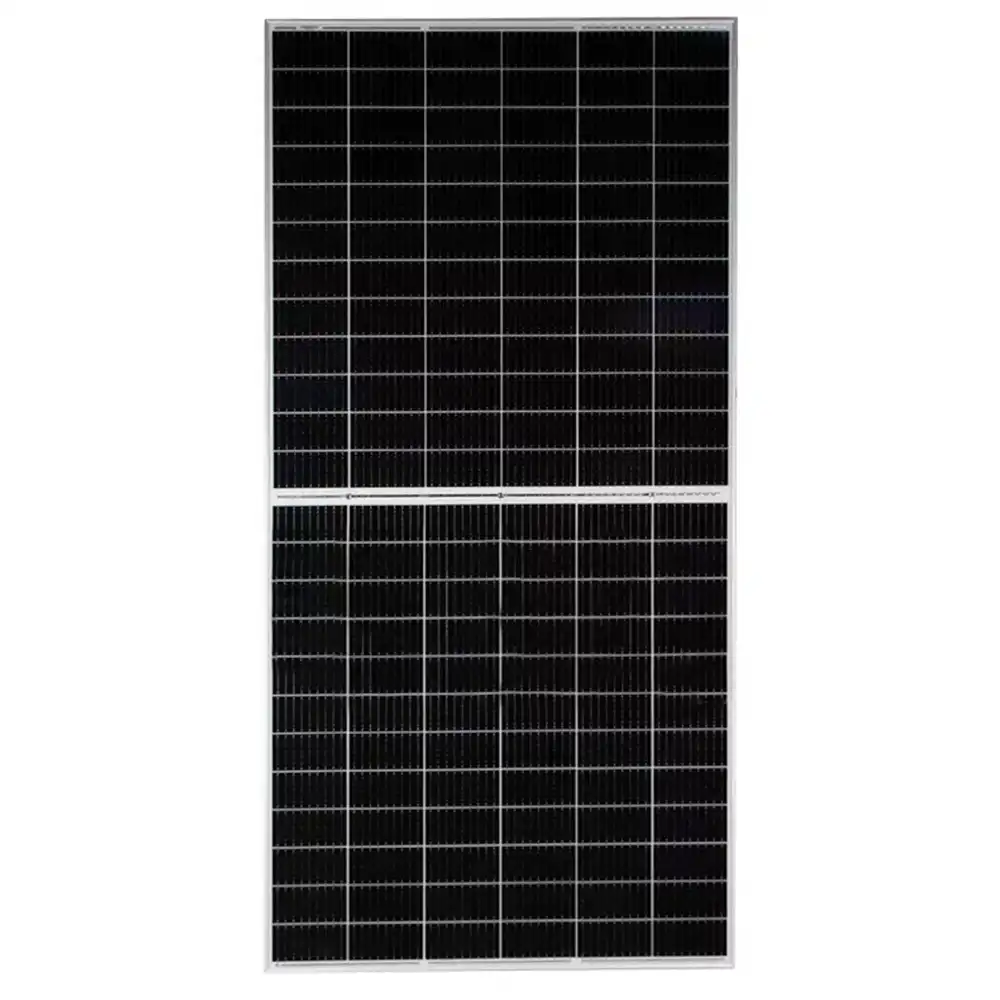
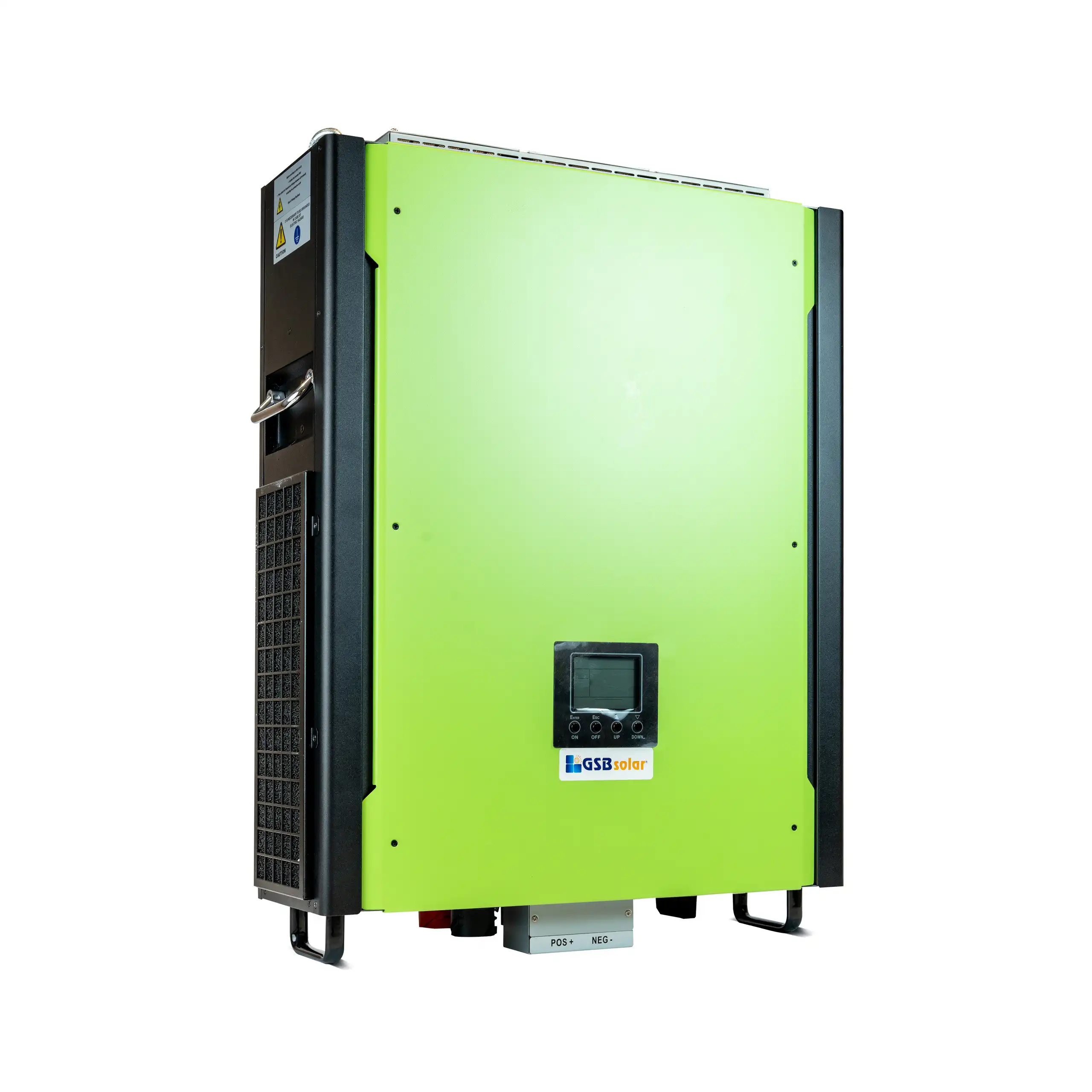
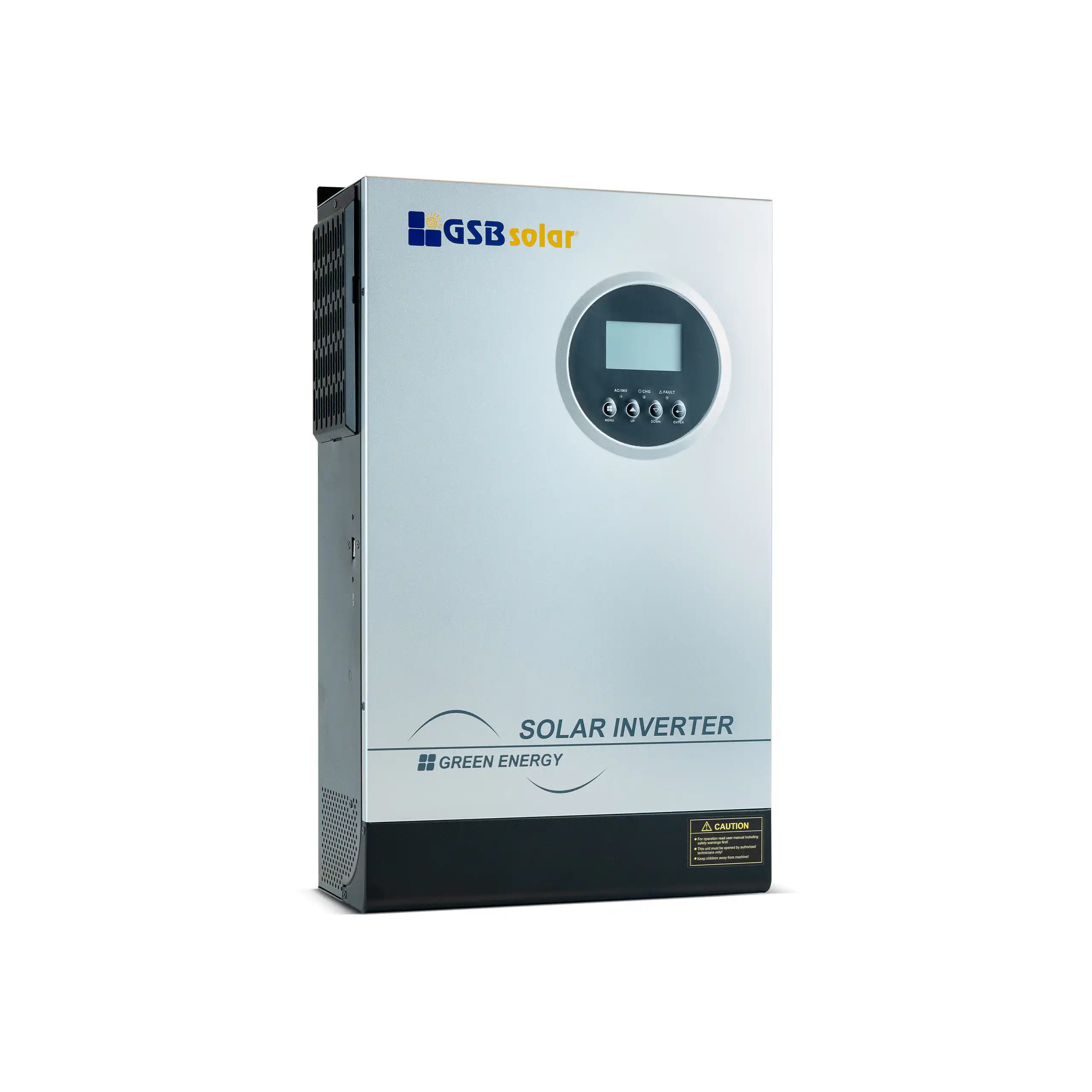
Global buyers should compare solar packages by use case, not by panel count alone. Rooftop, hybrid, off-grid, and commercial packages need different designs. Check module output, temperature performance, inverter efficiency, battery chemistry, and protection ratings. A reliable package should include monitoring, surge protection, safe cabling, and clear installation drawings. Small details matter.

Ask for a complete cost, including shipping, duties, mounting hardware, labor, permits, and future battery replacement. A low quote may exclude critical parts. In procurement reviews, I have seen “complete” systems arrive without grounding equipment or suitable connectors. That delay cost more than the original savings. Request production estimates for your location, using local sunlight data rather than generic charts. Also examine warranty terms, service response times, spare-part access, and payment protection.

Standards deserve careful checking. Modules and inverters should carry relevant IEC testing, while some markets also require national certification, grid-code compliance, or electrical inspection approval. Battery systems may need transport documentation and fire-safety requirements. Verify certificates with the issuing body. Do not trust a logo on a scanned brochure.

Performance claims need skepticism. An advertised ten-year battery life may assume mild temperatures and shallow daily cycling. Real usage can be harsher. Buyers should model seasonal output, cloudy weeks, voltage differences, and maintenance skills locally. A technically impressive package can still fail if installers lack training. Ask for test reports, serial traceability, and references from comparable climates before signing.

Top 10 Solar Packages for Global Buyers

Indicative turnkey prices for generic solar package configurations, shown in USD. Estimates include photovoltaic modules, inverter, mounting, protection equipment, installation, and battery storage where specified. Actual prices vary by country, labor, logistics, permitting, taxes, grid conditions, and certification requirements.

Buyers should verify IEC 61215 and IEC 61730 module compliance, IEC 62109 inverter safety, IEC 62116 anti-islanding testing, IEC 63049 or applicable battery safety standards, local grid-code approval, IP protection ratings, product warranties, battery cycle life, energy yield assumptions, and total delivered cost before comparing offers.

How to Choose and Purchase the Right Solar Package Worldwide

Choosing among the top 10 solar packages starts with your actual energy pattern, not a popular product list. Common options include home backup, remote cabin, farm, water pumping, mobile, telecom, balcony, rooftop, hybrid battery, and small microgrid packages. Each serves a different load profile.

Record daily consumption before requesting quotations. Note refrigerators, pumps, heaters, and evening lighting separately. A package with a larger battery may suit weak-grid areas, while a grid-connected system may need less storage. Check local sunlight data, roof direction, shading, temperature, and available installation space. Ask for panel output, inverter capacity, battery chemistry, usable storage, expected degradation, and replacement costs. Specifications matter more than attractive pictures.

I have seen buyers compare only wattage and overlook protection equipment. That mistake can create expensive delays. Verify electrical certifications, warranty terms, spare-part access, and installer qualifications in your country. Confirm customs duties, grid-connection rules, recycling requirements, and weather ratings before payment. Request a written energy estimate using conservative assumptions. It should explain winter performance and cloudy-day operation. Do not accept unclear claims.

Buyers should also inspect the supplier’s testing records and communication process. Can they provide serial tracking and remote support? Can a local technician maintain the system? I would leave room for uncertainty. Solar production changes with dust, storms, aging, and user behavior. A slightly smaller package with reliable service may perform better than an oversized package that nobody can repair._久久爱

Facebook X Instagram Pinterest WhatsApp WhatsApp
We use cookies to improve your experience on our website. By browsing this website, you agree to our use of cookies.