ALL PRODUCTS
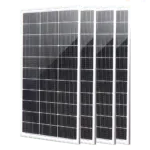
- Solar Panel
- Hybrid Inverter
- Lithium Battery
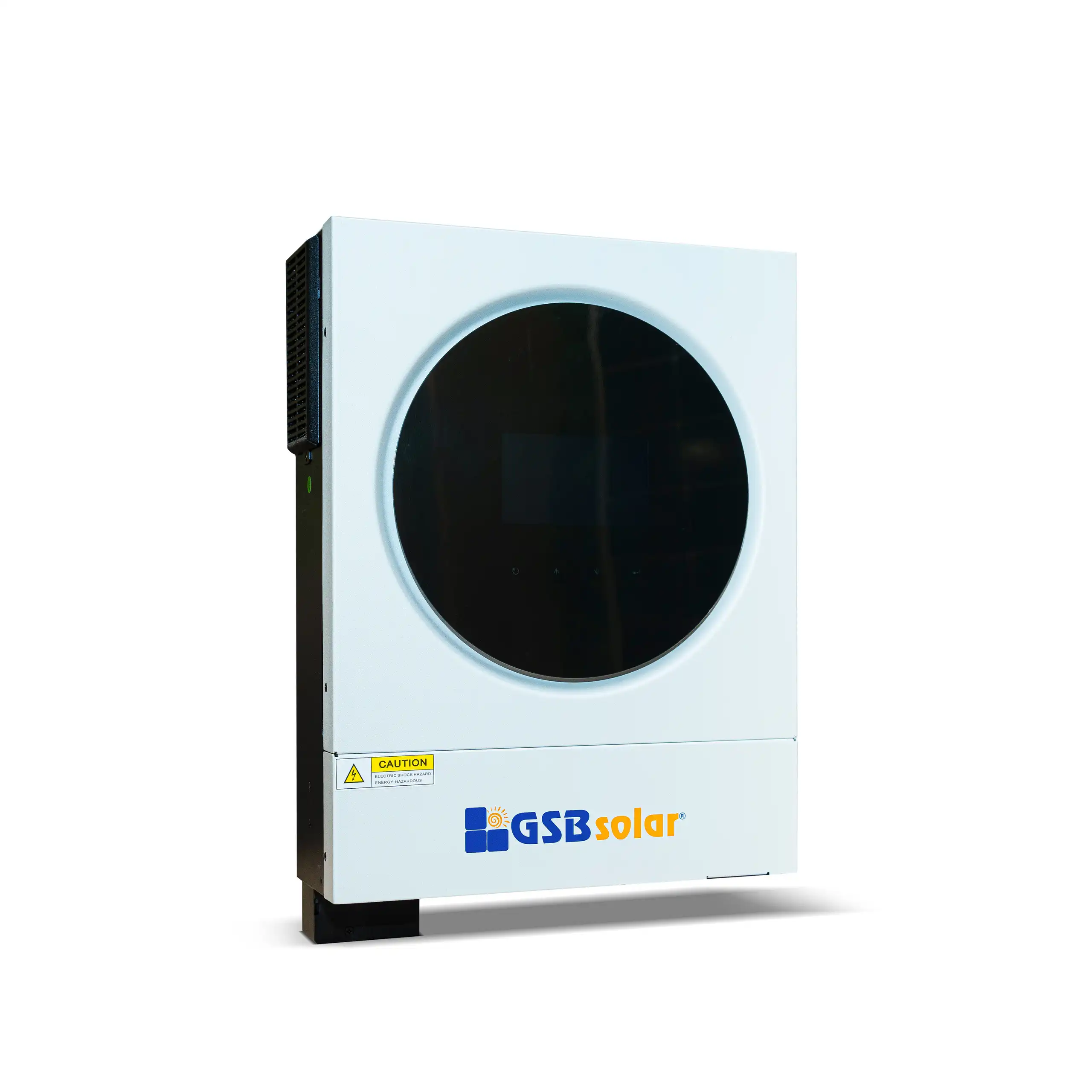
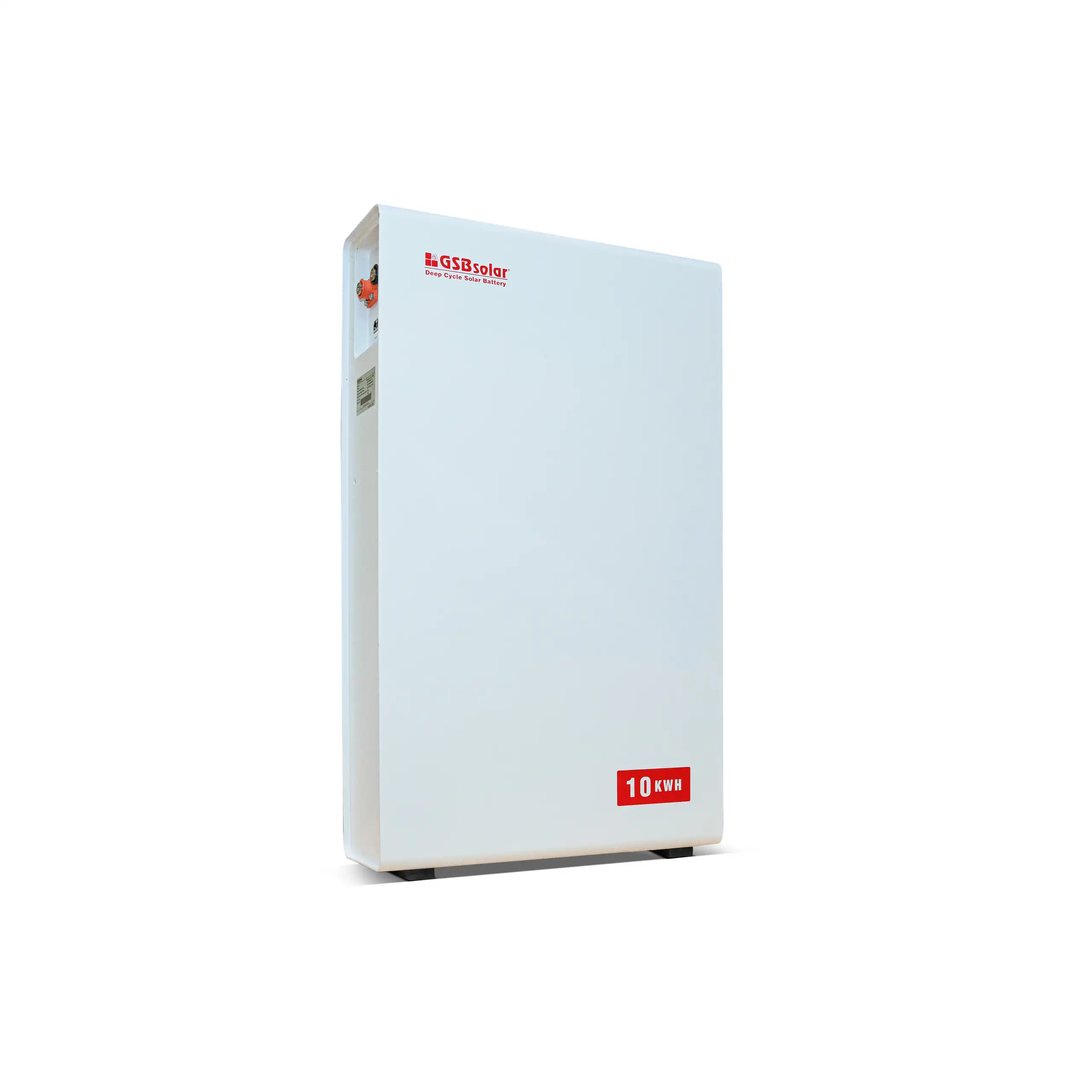
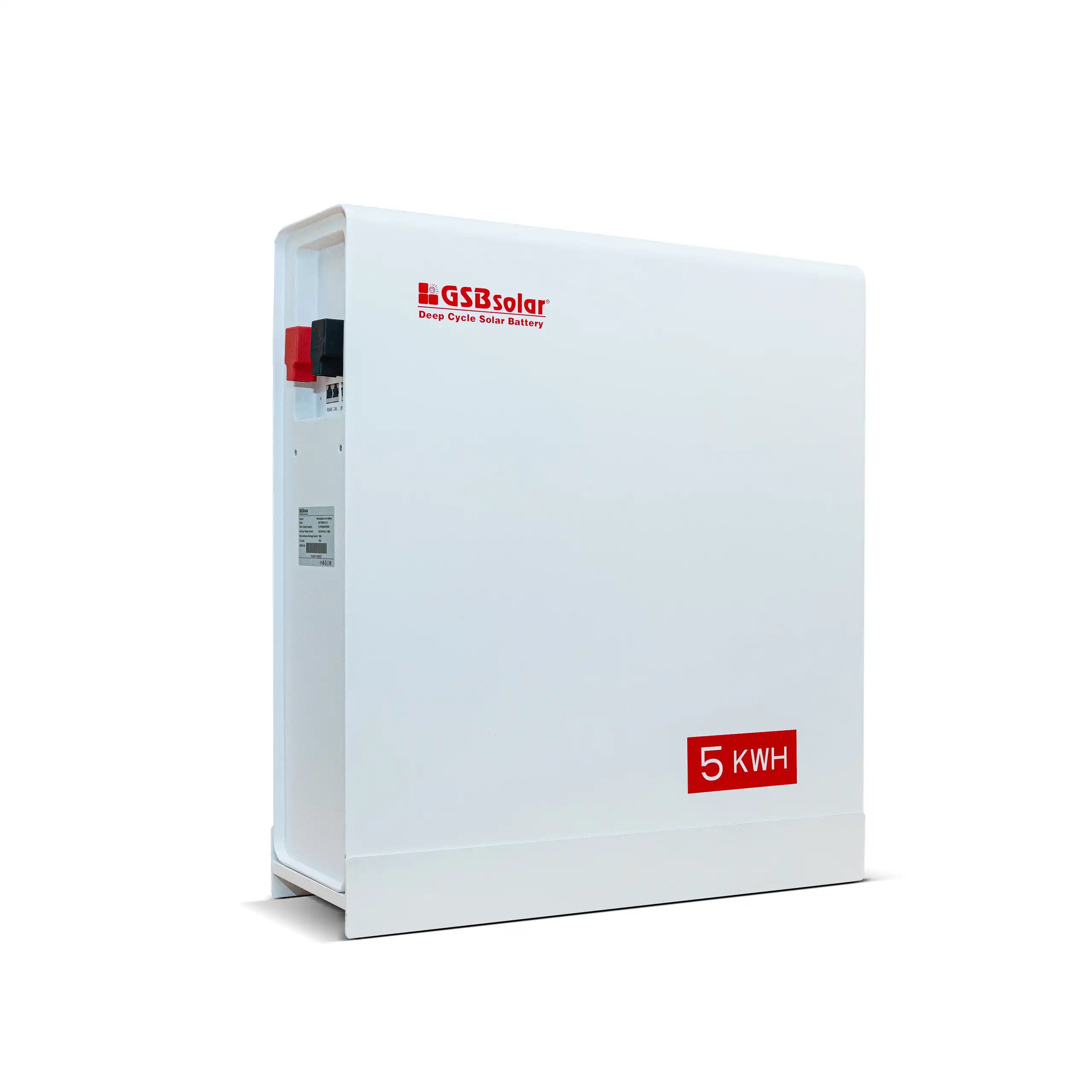
GSB SOLAR LITHIUM BATTERIES
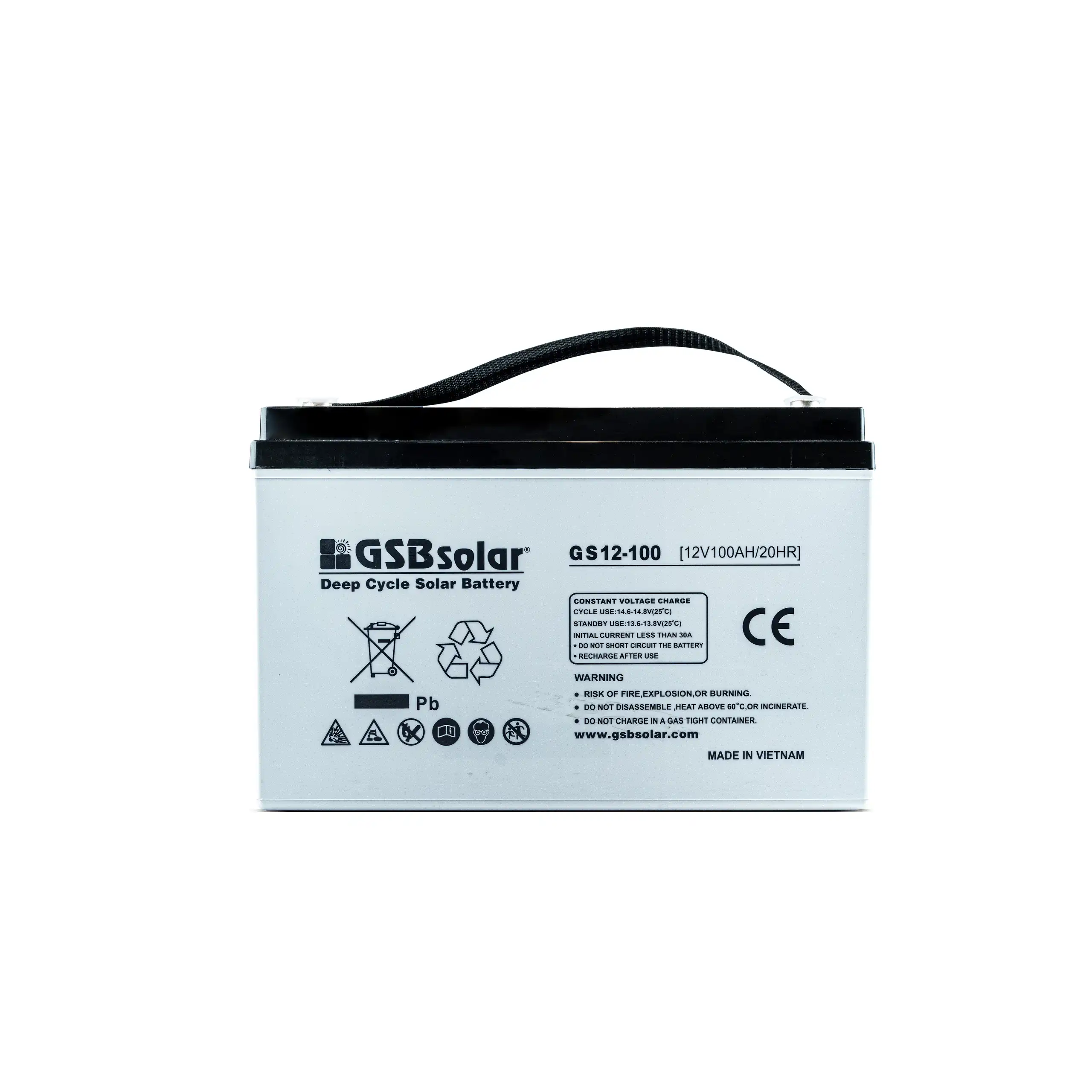
- Gel Battery
- Solar Street Lights
- Pump Inverter
China has become a major source of solar panels, inverters, batteries, and complete home solar systems. But choosing a manufacturer is not as simple as comparing brand names. A rooftop array in bright, dry conditions faces different demands from one exposed to coastal humidity, winter shade, or frequent grid interruptions. The inverter must also work with the household’s battery plans and local electrical requirements. Small details matter: monitoring software, warranty terms, and the availability of replacement parts can shape years of ownership.
International Energy Agency Executive Director Fatih Birol described solar as “the new king of electricity markets around the world.” His remark captures the technology’s growing importance, though it does not tell homeowners which supplier to trust. That takes closer inspection. This guide looks at well-known Chinese manufacturers, including LONGi, JinkoSolar, Trina Solar, Huawei, Sungrow, Growatt, GoodWe, and Deye. Their products and strengths differ; a large production footprint alone does not guarantee the best fit for a particular home. A tidy ranking can mislead. We will consider product range, efficiency, system compatibility, service support, and publicly available company information, while noting where comparisons have limits. Some details are easy to verify; local after-sales support can be harder to judge from a brochure. That distinction deserves attention. The aim is a practical starting point, not a promise that one brand suits every roof, budget, or household.
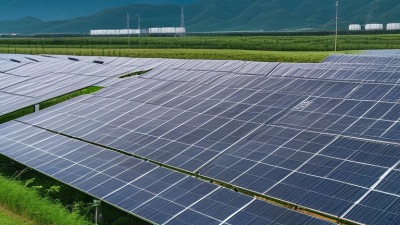
China’s residential solar manufacturing industry is built on a broad, vertically integrated supply chain. The International Energy Agency’s 2022 Special Report on Solar PV Global Supply Chains estimated that China held more than 80% of global manufacturing capacity across key stages, including polysilicon, wafers, cells, and modules. The scale is striking. Yet a home system is not just panels: it also needs an inverter, mounting hardware, cables, and monitoring equipment.
Products must suit real rooftops. A tiled roof, a metal shed, coastal humidity, or winter snow can change installation requirements. Manufacturers need to account for structural load, waterproofing, shade, and access for maintenance. Small details matter. A vent casting shade can reduce output, while a poorly sealed roof penetration can cause trouble years later. This is easy to underestimate.
China’s National Energy Administration recorded 96.29 GW of new distributed solar capacity in 2023. That category includes residential and commercial projects, so it is not a household-only figure. It does show the scale of rooftop deployment. For buyers, rated power alone offers an incomplete picture: component compatibility, tested durability, warranty terms, and local service also shape a system’s performance. Even strong manufacturing capacity cannot remove every site-specific risk.
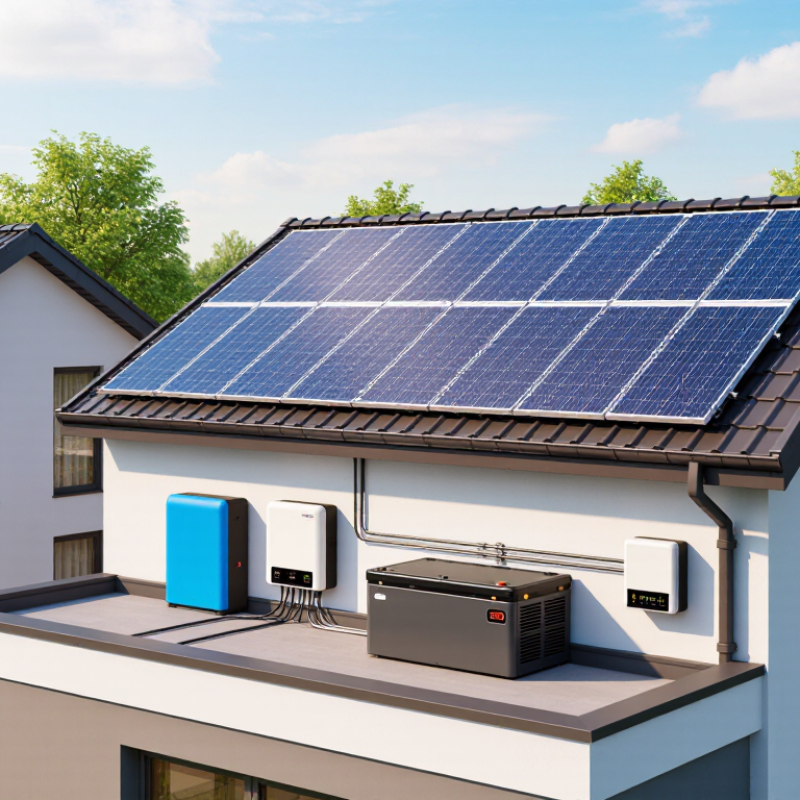
A home solar system begins with a site survey, not a standard kit. Designers measure roof pitch, usable area, shading, and weather exposure. They review electricity bills to estimate daytime loads and evening demand. A family running air conditioning after sunset may need battery storage. Not every home does. That distinction matters.
Engineers match solar modules with an inverter, protection devices, wiring, and optional battery capacity. They check voltage ranges and expected output in hot and cool conditions. On the factory floor, cells are connected, laminated between protective layers, framed, and sealed against moisture. Technicians inspect electrical connections and test insulation, output, and visible defects. A small crack can be easy to miss. Checks need consistency.
Quality work extends beyond the modules. Assemblers verify inverter settings, connectors, and battery communication before packing components for installation. Glass edges and cable ends need protection during transport. Reliable manufacturers document test results and track production batches, making faults easier to investigate. Still, factory testing cannot reproduce every roof, installer choice, or season. A design may need revision when a survey reveals a vent, shadow, or weaker roof section. That is careful engineering, even if it makes the process less tidy.
How a Residential Solar System Is Designed
This illustrative 6 kW residential design uses fifteen 400 W solar modules and a 5 kW inverter, giving a DC-to-AC capacity ratio of 1.2. Actual system sizing depends on household electricity use, roof conditions, local sunlight, and whether battery storage is included. Manufacturers typically engineer and test modules, inverters, and other system components separately before they are integrated.
China’s home solar system manufacturers work across several parts of the supply chain. Some produce photovoltaic modules, while others make inverters, batteries, mounting hardware, or integrated packages. This manufacturing depth can help buyers find systems suited to different roof sizes and household electricity needs. But a product catalogue alone says little about field performance.
Experienced manufacturers document module output, inverter operating limits, battery capacity, and temperature ranges. Ask for test reports and clear warranty terms, then check whether the system components are designed to work together. A roof in a hot, dusty region may need different equipment from a shaded home with heavy winter use. Small details matter.
Reliable suppliers also explain installation requirements and after-sales support without promising unrealistic savings. Buyers should compare usable battery capacity, monitoring functions, safety protections, and the availability of replacement parts. Manufacturing scale can be useful, but it does not guarantee a good fit for every home. That distinction is easy to miss. Some specifications are confusing even to careful readers, so written answers are worth keeping. A qualified local installer can confirm roof condition, wiring needs, and expected production before an order is placed.
| Manufacturing Segment | Typical Residential Product | Common Market Specifications | Role in a Home Solar System | What Buyers Should Verify |
|---|---|---|---|---|
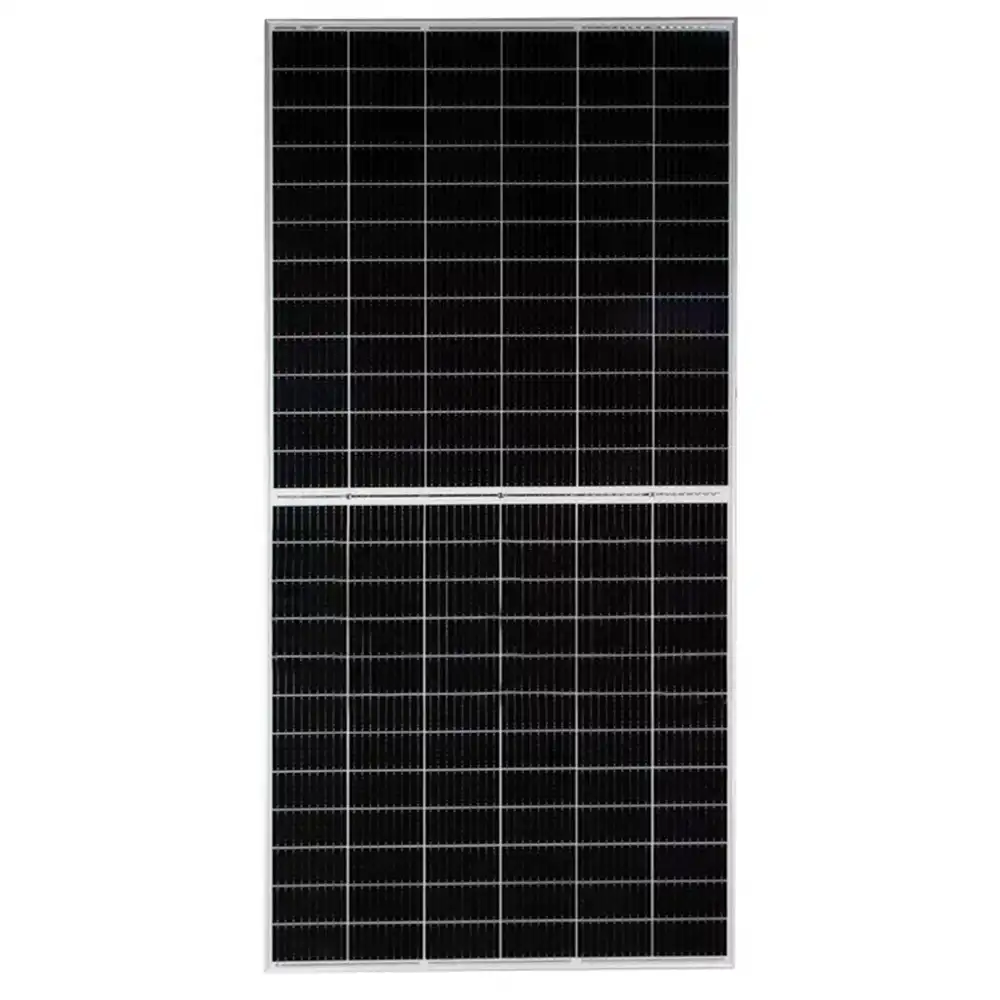
| Solar modules | Monocrystalline photovoltaic panels | Many current residential modules are rated at roughly 400–600 W, with module efficiency commonly around 20–23%. Exact values vary by model and production generation. | Convert sunlight into direct-current electricity for household use or storage. | Certified test reports, product and performance warranty terms, dimensions, mechanical-load ratings, and degradation guarantees. |
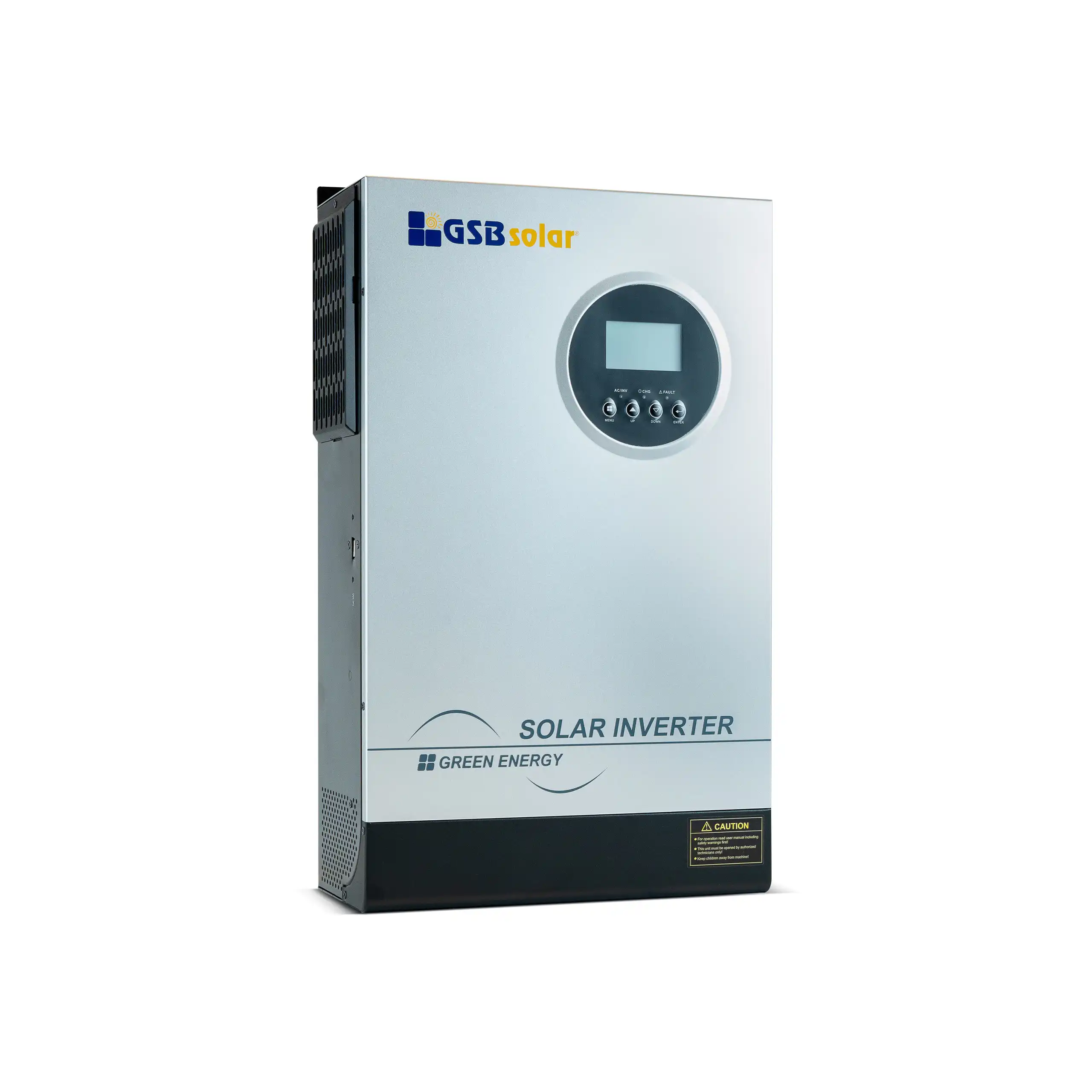
| Grid-connected inverters | Single-phase string inverter | Residential models are commonly sized from a few kilowatts to around 10 kW. Peak conversion efficiency is often specified in the high-90% range. | Convert panel output into grid-compatible alternating-current electricity. | Grid-code compatibility, operating-voltage range, protection functions, monitoring support, and warranty coverage. |
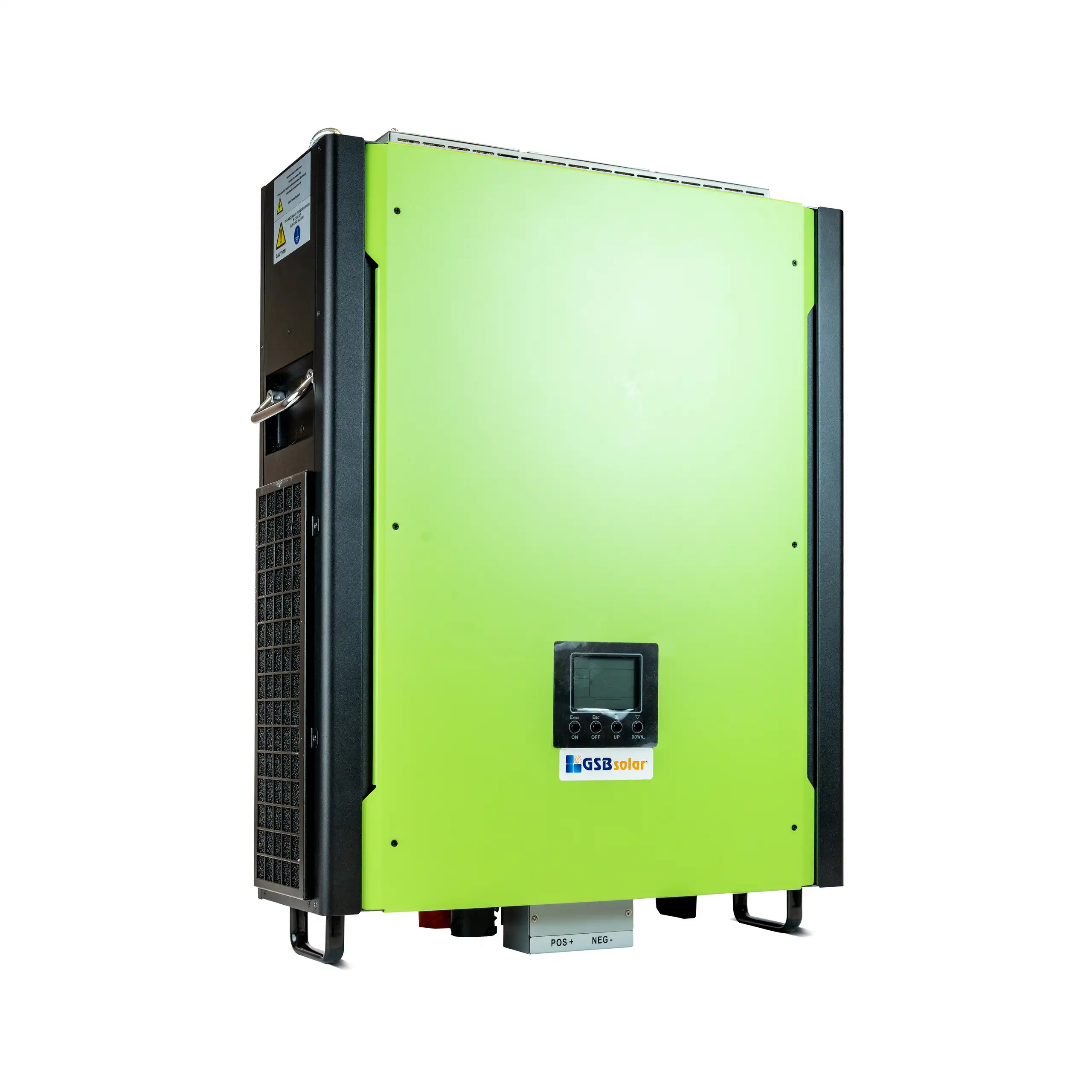
| Hybrid inverters | Inverter with solar and battery connections | Residential power ratings commonly span approximately 3–10 kW, although available sizes and backup features differ by model. | Manage solar generation, household loads, grid power, and a compatible battery. | Battery compatibility, backup-output rating, transfer behavior, phase configuration, and local electrical-code compliance. |
| Home battery storage | Lithium iron phosphate (LFP) battery system | Residential systems commonly offer several kilowatt-hours of usable capacity; modular systems can be expanded. Cycle-life claims depend on operating conditions and the test method. | Store surplus solar electricity for later use and, where supported, provide backup power. | Usable rather than nominal capacity, permitted operating temperature, safety certifications, cycle-life test conditions, and warranty limits. |
| Mounting structures | Roof-mounted rail, clamp, or tile-roof system | Material and attachment design vary with roof type, wind exposure, snow load, and local building requirements; there is no single suitable specification for every home. | Secure modules to a roof or ground-mounted structure while maintaining the designed orientation and tilt. | Structural calculations, corrosion resistance, roof compatibility, waterproofing details, and applicable wind- and snow-load ratings. |
| Monitoring and energy management | Inverter or system monitoring platform | Features may include production monitoring, consumption tracking, alerts, and battery-status reporting; availability depends on system configuration. | Help homeowners review system output and identify faults or changes in performance. | Data access, internet requirements, privacy terms, supported devices, and whether monitoring remains available after warranty service. |
The specifications above are indicative ranges for residential solar products available in the market, not rankings or verified specifications for any particular manufacturer. Actual ratings, certifications, warranties, and system compatibility should be checked against the product documentation and local requirements.
Chinese home solar manufacturers differ less by location than by what they build and support. Some focus on panels, while others supply inverters, batteries, mounting hardware, or complete systems. A lower-priced package may include fewer monitoring features or a shorter service commitment. Check the component list carefully. Details matter.
Product design also varies. One system may suit a compact roof with partial shade; another may prioritize battery storage for evening use. Ask for the inverter’s operating range, battery capacity, and monitoring functions in writing. Request test reports and warranty terms for each component, not just the full package. A neat brochure is not enough.
Service can be an even bigger difference. Some manufacturers provide remote troubleshooting, installation guidance, and replacement-part support; others rely heavily on local distributors. Response times and technical documentation deserve specific questions. Who handles a fault? How quickly can parts ship? These details affect downtime. They are easy to overlook. I would also compare support in the language your installers use. It may seem minor, but unclear instructions can create real friction. No supplier can promise a trouble-free system, so compare evidence, not confident wording.
Evaluating a Chinese solar manufacturer takes more than comparing panel efficiency and quoted prices. A datasheet is only a starting point. Ask for recent test reports, production quality records, and clear product specifications. Check that the tested model matches the one in your quotation. Small differences in cell type, frame thickness, or glass can affect performance and durability.
Look closely at warranty terms, including who handles claims and what evidence is required. Ask how defects are tracked across production batches, and whether the manufacturer can share anonymized inspection records. Request details on output tolerances, connector compatibility, and packaging. These can matter when panels travel long distances or arrive at a busy installation site. Numbers need context. A high rated power figure does not explain performance in heat, shade, or low light.
Factory visits or live video inspections can help verify equipment, storage conditions, and quality checks. Still, one visit cannot prove consistent production over time. Ask about component sourcing and how changes are communicated. Request a sample shipment or third-party inspection when the project scale justifies it. Compare response times, too. Clear technical answers before payment are useful; vague promises are harder to assess later. I would not treat a polished brochure as proof. It is easy to overlook the less visible details.