Top 10 Solar and Battery Solutions for Global Buyers?
As the world continues to embrace renewable energy, solar and battery solutions have gained significant traction. These technologies are essential for a sustainable future. They offer reliability and efficiency, transforming how we consume energy globally. With advancements in technology, numerous products are available to meet diverse needs.
However, selecting the right solar and battery systems can be challenging. Buyers must navigate a complex landscape of options. It’s critical to consider factors like efficiency, durability, and cost-effectiveness. While some solutions shine, others may not live up to expectations. It's important to research and individually assess product claims.
The market offers promising innovations, yet not all products deliver as advertised. Engaging experts and reviewing case studies can help buyers make informed decisions. By focusing on credible sources and thorough evaluations, global buyers can discover the best solar and battery solutions for their unique circumstances.
Top 10 Solar Solutions: Criteria for Global Buyers
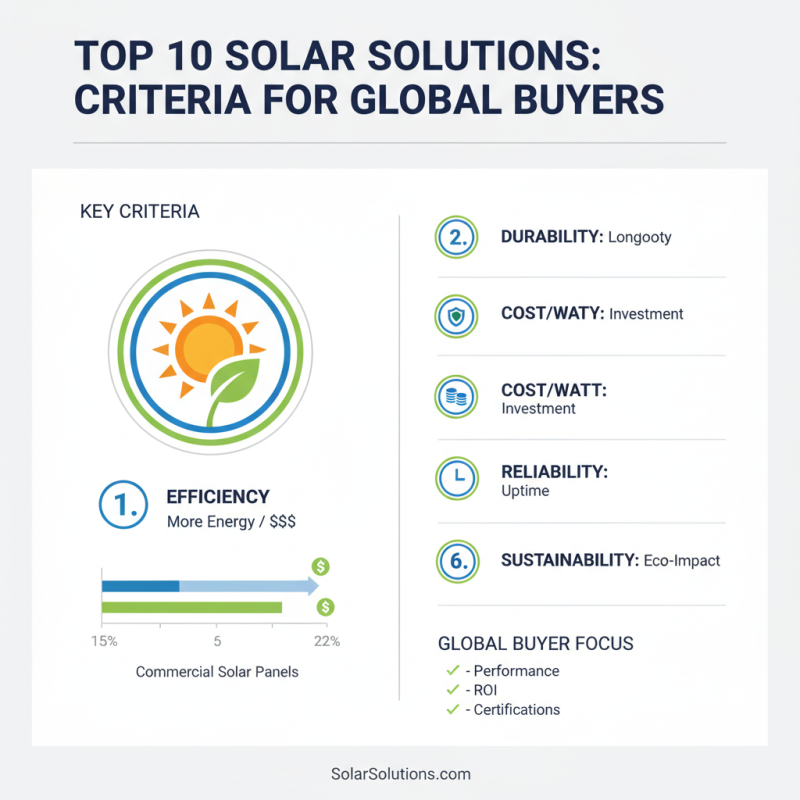
When considering solar solutions, global buyers should focus on key criteria. Efficiency is paramount. Recent reports show that the average efficiency of commercial solar panels hovers around 15% to 22%. Higher efficiency equates to more energy production over time, making it a vital aspect for solar investments.
Another critical factor is longevity. Leading studies indicate that solar panels can last 25 years or more. A warranty period of at least 25 years is advisable. This reflects the manufacturer’s confidence in their product’s durability. Also, look at degradation rates. Many panels lose about 0.5% efficiency per year, so understanding these figures is essential.
**Tips**: Always request performance data and warranties during your search. Don't overlook local climate conditions, as they influence overall efficiency and energy output.
Additionally, consider the environmental impact. Sustainable sourcing of materials is increasingly important. Research suggests that solar manufacturing contributes to pollution and waste. An eco-friendly approach not only promotes marketability but enhances brand loyalty.
**Tips**: Investigate a company’s sustainability practices. Engaging with trustworthy industry reports can unveil hidden challenges in your choices.
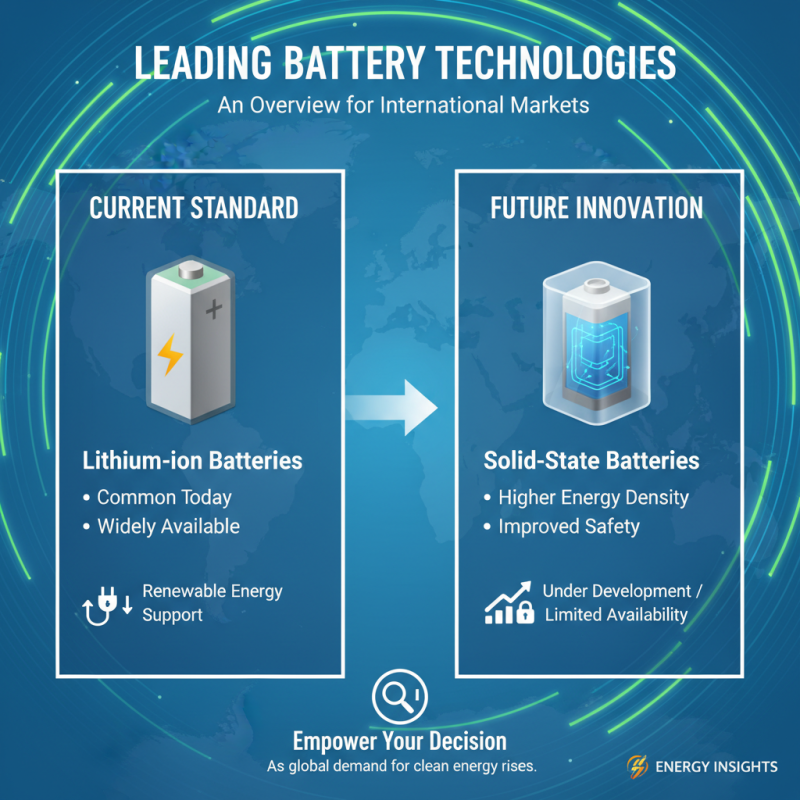
Leading Battery Technologies: An Overview for International Markets
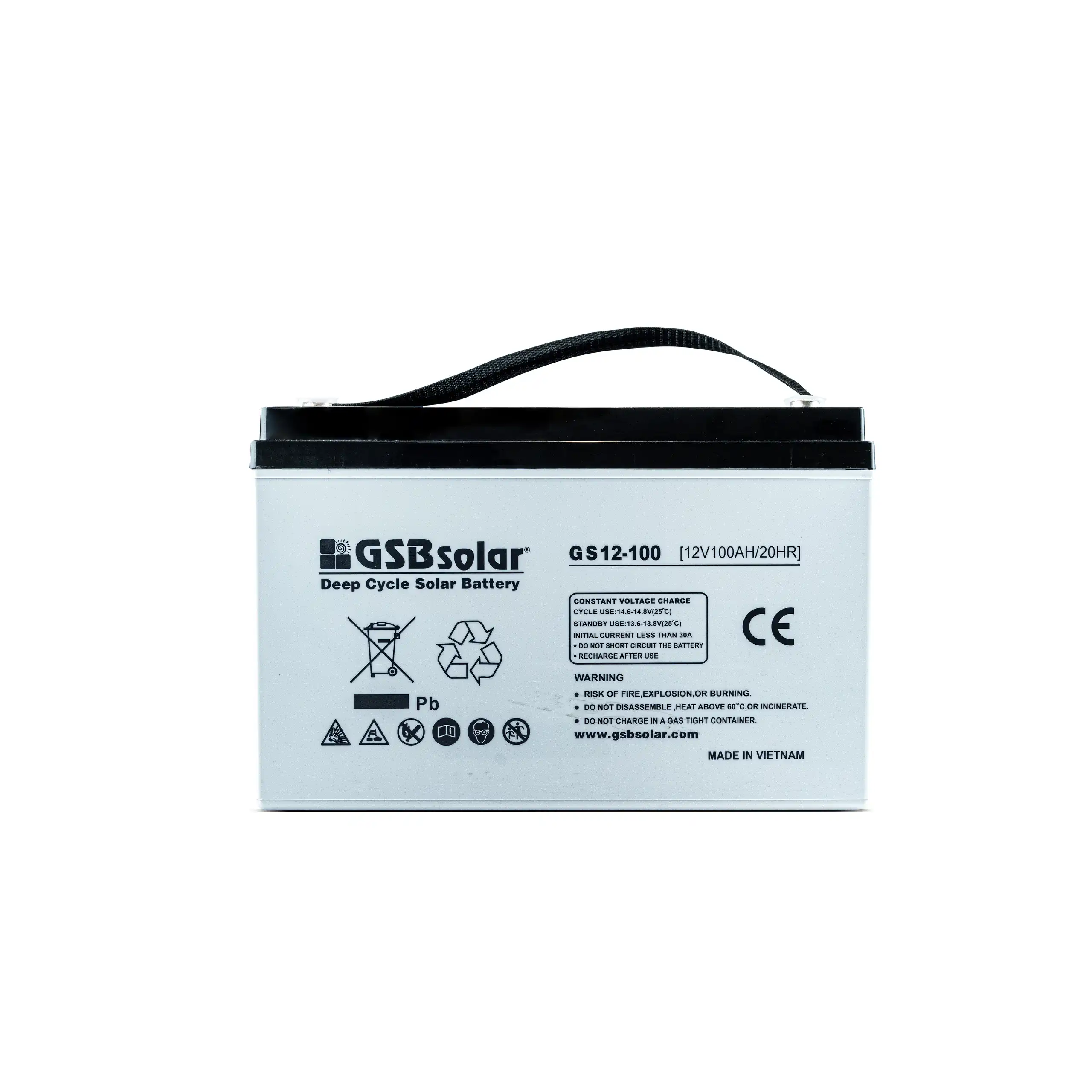
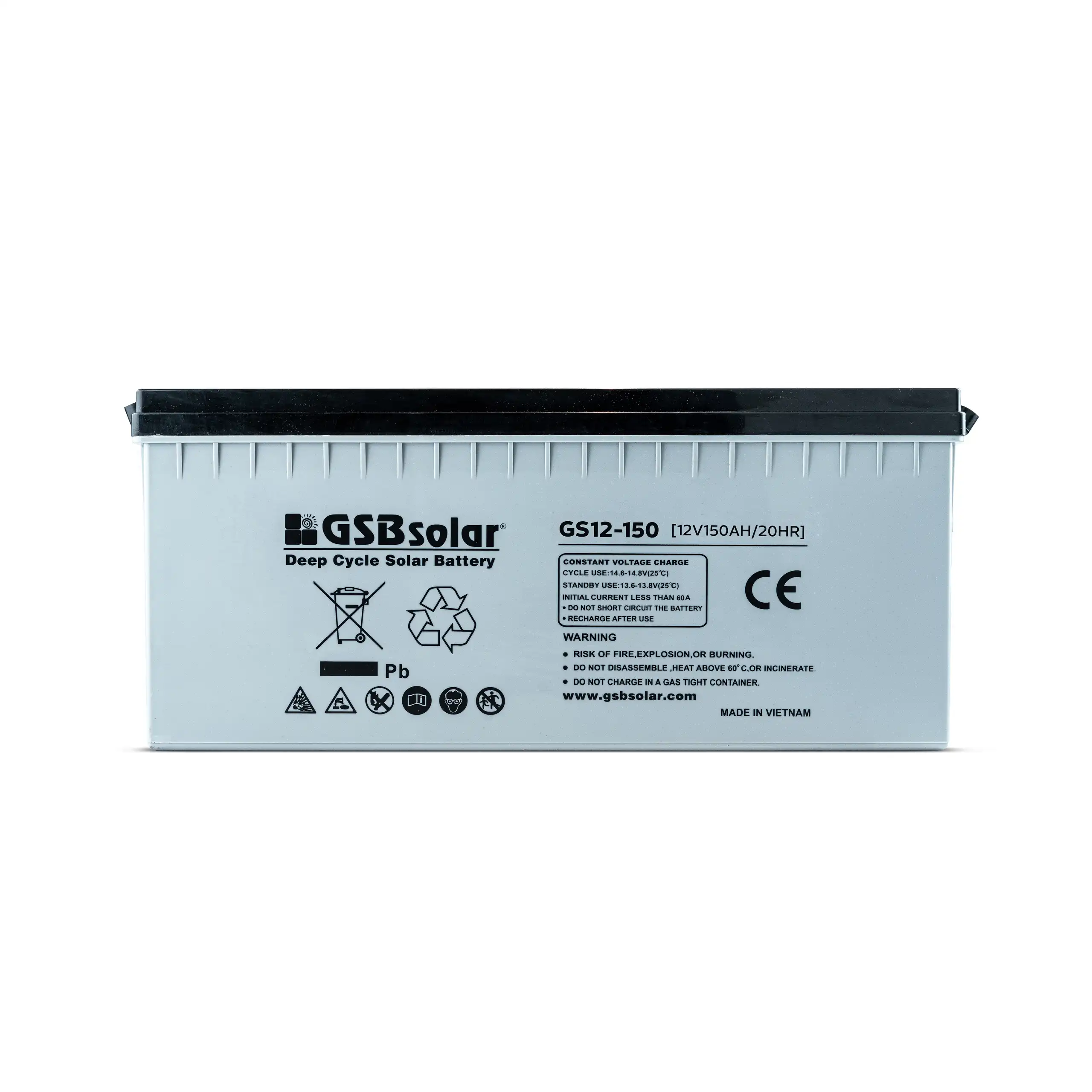
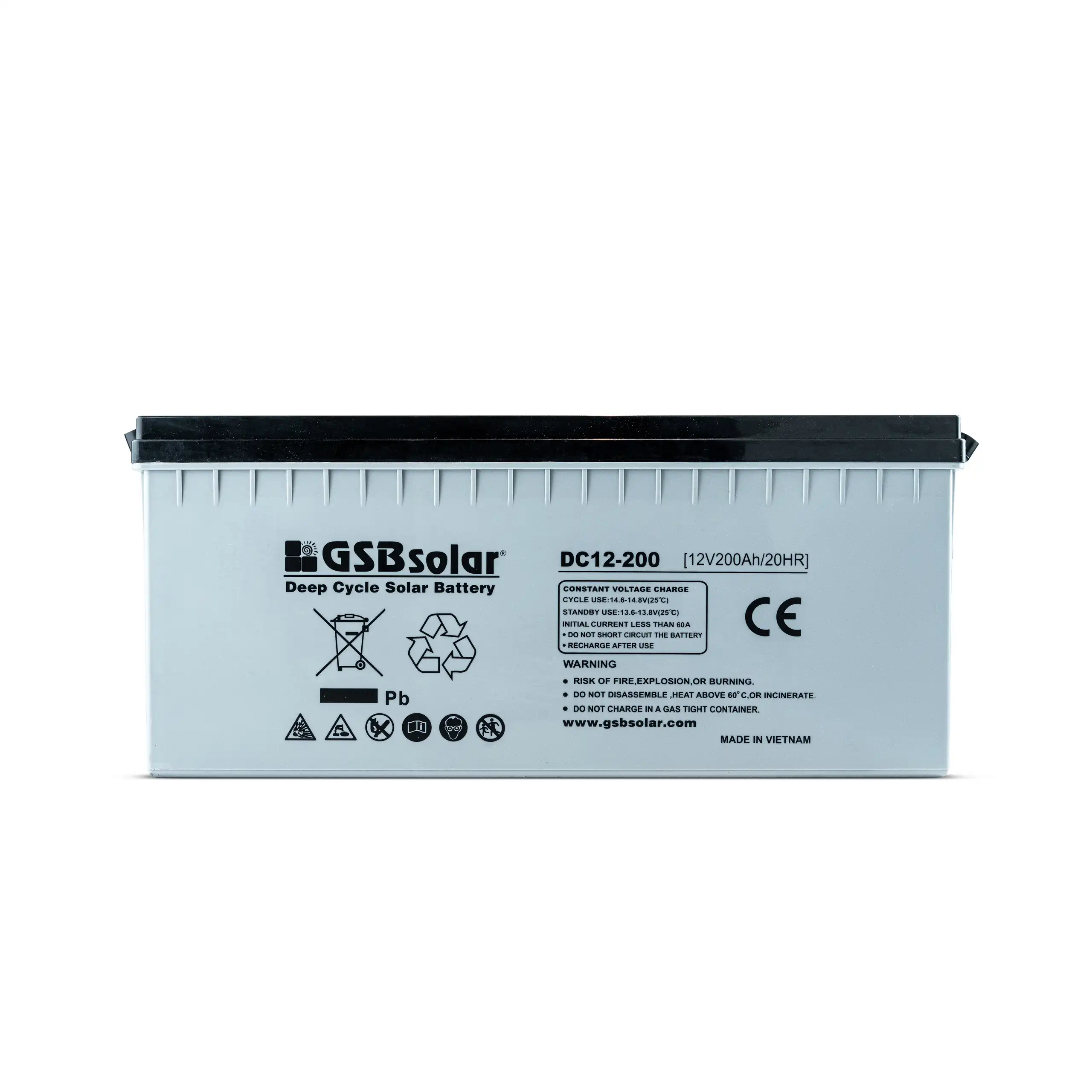
As global demand for renewable energy rises, battery technologies play a crucial role. Understanding these technologies can empower buyers to make informed decisions. Lithium-ion batteries are common today, but alternatives like solid-state batteries are gaining attention. These offer higher energy densities and improved safety features. However, they are still in development and may not be widely available yet.
When evaluating battery solutions, consider the lifespan and efficiency. Some batteries may show degradation after a few years, impacting performance. You might face trade-offs between capacity and weight. Researching user reviews and technical specifications is essential.
Tips: Always check for warranty options. A strong warranty can indicate a manufacturer’s confidence in their product. Also, think about integration. Your chosen battery should align with your solar system for optimal performance. Compatibility is key to enhancing energy use.
Comparative Analysis: Solar Panels for Diverse Climate Conditions
The effectiveness of solar panels varies significantly based on climate conditions. In regions with high solar irradiance, such as deserts, monocrystalline panels often outperform other types. A study by the National Renewable Energy Laboratory (NREL) reveals that these panels can achieve efficiency rates above 20% in such environments. Meanwhile, polycrystalline panels, while less efficient, provide a cost-effective solution in moderate climates where temperature fluctuations are minimal.
Contrarily, in cooler climates, thin-film solar panels can be advantageous. Their lower efficiency is offset by better performance under partial shading and high temperatures. The U.S. Department of Energy reports that thin-film technology can capture energy in overcast conditions effectively. Still, potential buyers must consider that the installation and maintenance of these panels can be more complex due to unique requirements.
Battery solutions also play a critical role in optimizing solar energy usage. Energy Storage Association notes that lithium-ion batteries dominate the market due to their high energy density and efficiency. However, these systems often face challenges like high costs and disposal issues. Exploring alternative battery technologies can provide more environmentally friendly options in the long term, but further research is necessary to improve their commercial viability.
Top 10 Solar and Battery Solutions for Global Buyers
| Rank |
Solar Panel Type |
Efficiency (%) |
Temperature Coefficient (%/°C) |
Warranty (Years) |
Battery Capacity (kWh) |
Cycle Life (Cycles) |
| 1 |
Monocrystalline |
21.5 |
0.35 |
25 |
10 |
3000 |
| 2 |
Polycrystalline |
18.5 |
0.40 |
25 |
10 |
2500 |
| 3 |
Bifacial |
22.0 |
0.32 |
30 |
12 |
3500 |
| 4 |
Thin-Film |
12.0 |
0.45 |
20 |
8 |
2000 |
| 5 |
High-Efficiency |
23.5 |
0.30 |
25 |
15 |
4000 |
| 6 |
Building-Integrated |
18.0 |
0.40 |
20 |
10 |
2500 |
| 7 |
Flexible |
15.0 |
0.50 |
15 |
7 |
1800 |
| 8 |
Solar Roof Tiles |
19.0 |
0.37 |
25 |
8 |
3000 |
| 9 |
Panel with Storage |
20.0 |
0.35 |
20 |
10 |
2500 |
| 10 |
High-Durability |
21.0 |
0.33 |
30 |
12 |
3500 |
Future Trends in Solar and Battery Solutions for Sustainability
The future of solar and battery solutions is rapidly evolving as global demand for sustainability increases. Innovations emerge daily, creating a vibrant market. Technologies like solar photovoltaics and energy storage systems become more efficient and accessible. However, challenges persist. The integration of these technologies into existing infrastructure can be complex and costly.
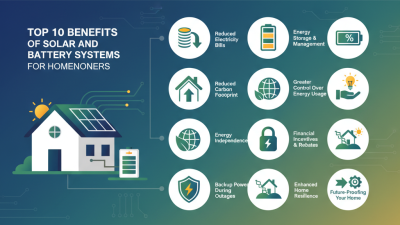
Decentralization of energy generation is a key trend. Homeowners are increasingly opting for solar panels coupled with battery storage. This not only ensures energy independence but also reduces dependency on traditional grids. Nevertheless, there are barriers to entry for many consumers, particularly costs and installation processes. Education about these systems is crucial for widespread adoption.
Emerging markets show a significant shift toward renewable energy. As solar technology improves, the prices fall, enabling more households to participate. Community-driven programs can bridge the gap in access. Yet, skepticism remains among potential users who question the reliability and efficiency of these solutions. The path towards sustainable energy is promising but requires ongoing dialogue and continuous innovation.
Top 10 Solar and Battery Solutions for Global Buyers
This chart displays the estimated average efficiency and storage capacity of the top ten solar and battery solutions available in the market. The efficiency percentage indicates how effectively each solar solution converts sunlight into energy, while the storage capacity is measured in kilowatt-hours (kWh), reflecting the amount of energy the battery can store for later use.