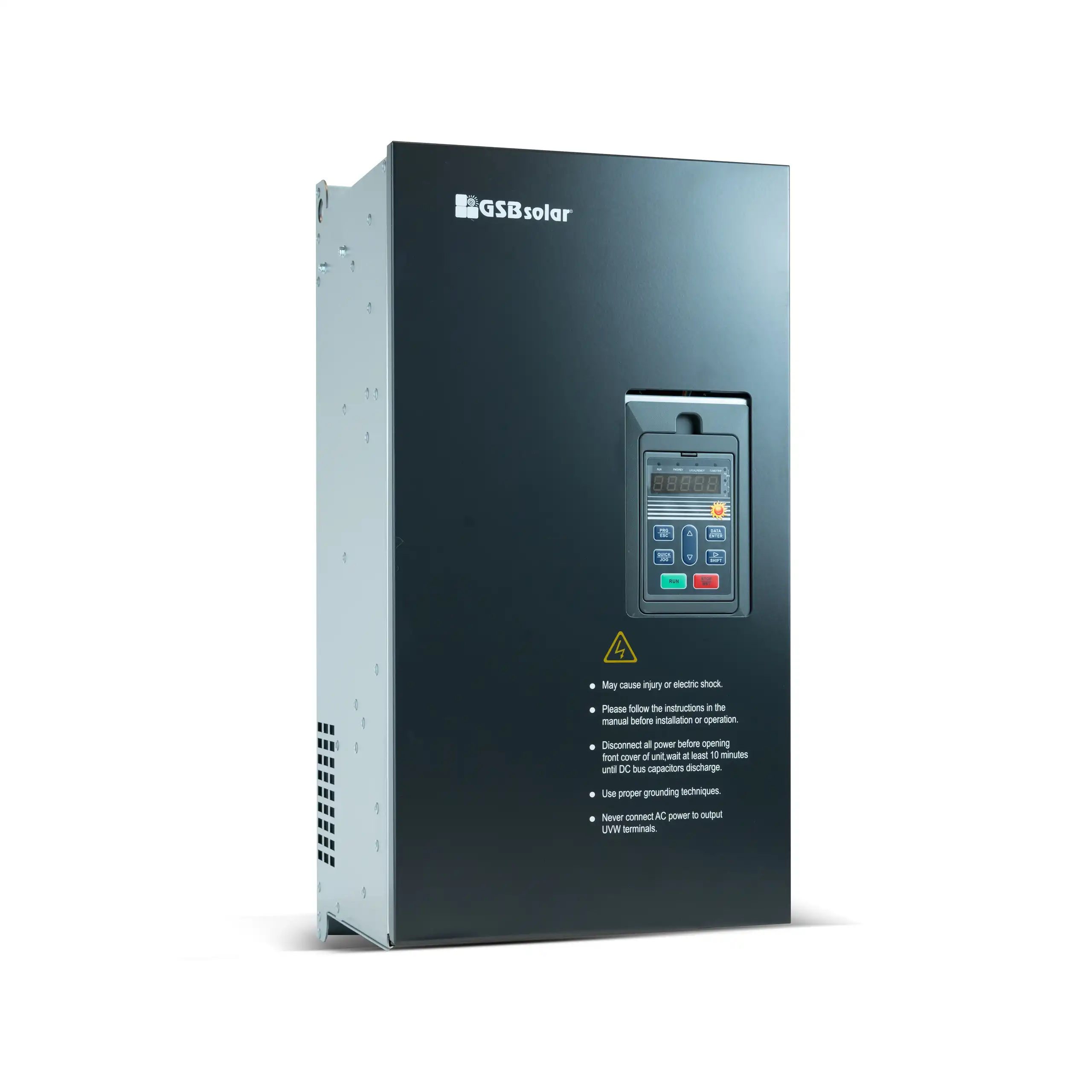
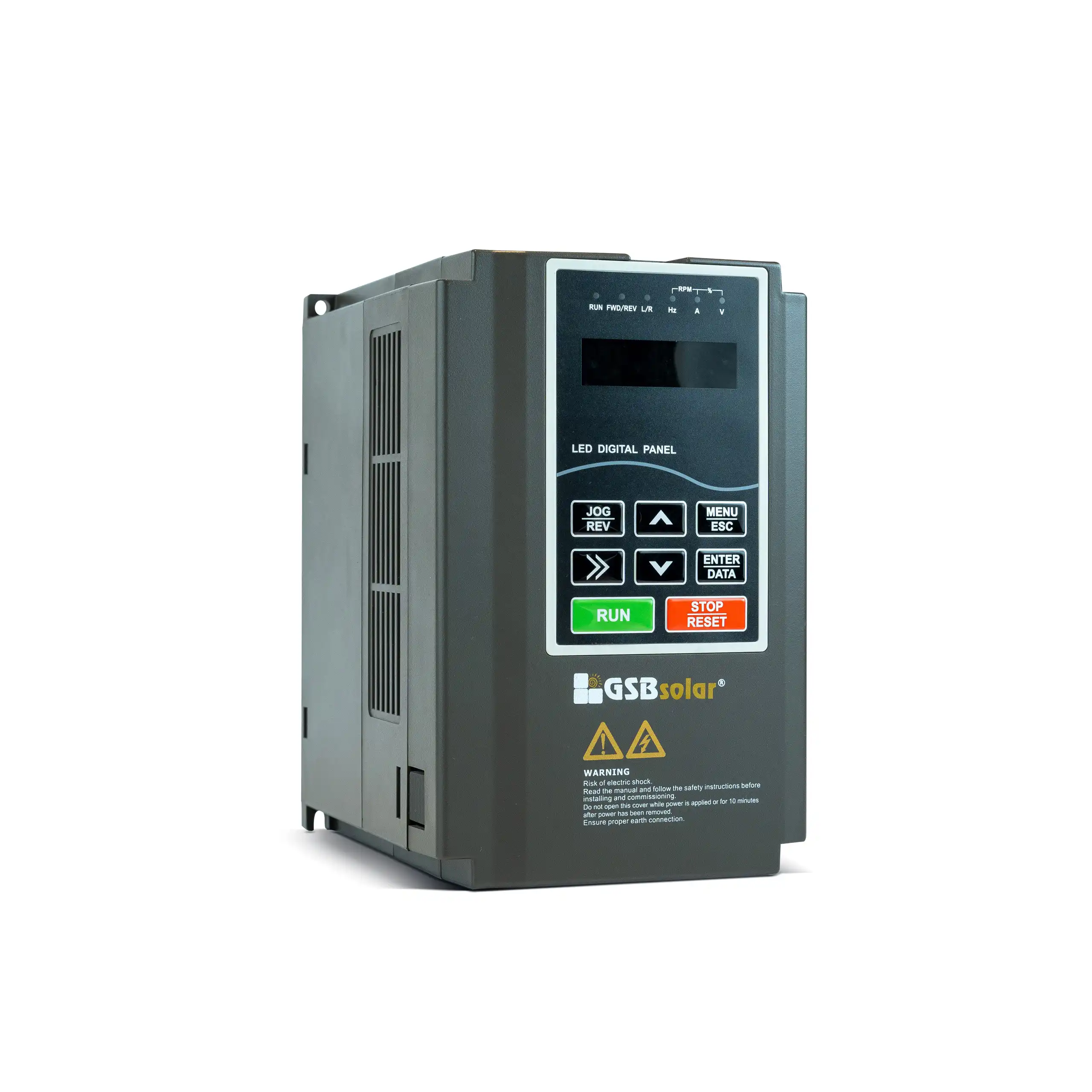
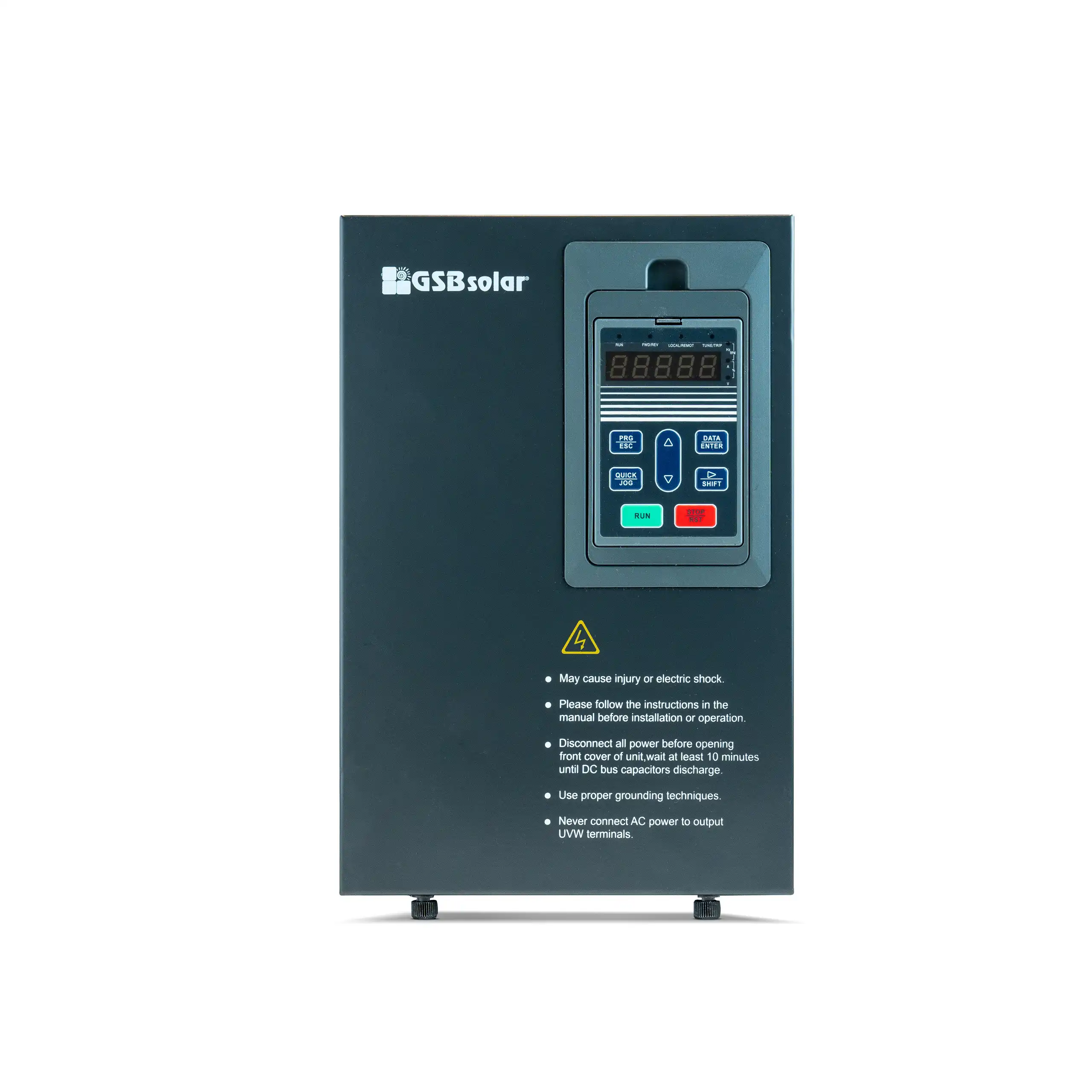
7 Best Hybrid Inverters for Global Buyers in 2026?

Global solar markets are expanding quickly, but choosing a reliable hybrid inverter remains surprisingly difficult. Equipment that performs well in Australia may struggle with weak grids, humid climates, or different certification requirements elsewhere.

The International Energy Agency’s Renewables 2024 report forecasts almost 5,500 gigawatts of new renewable power capacity between 2024 and 2030. Solar photovoltaic systems are expected to deliver nearly 80% of that growth. IRENA’s Renewable Capacity Statistics 2025 recorded 585 gigawatts of renewable capacity additions in 2024. These figures show why flexible energy management is becoming essential for households, businesses, and remote projects.

Storage matters now.

A modern hybrid inverter can coordinate solar panels, batteries, grid electricity, backup generators, and selected household loads. However, its real value depends on more than headline efficiency. Battery compatibility, surge capacity, transfer speed, monitoring software, thermal management, and local service support can determine whether a system performs smoothly during a blackout.

This guide compares seven leading hybrid inverter options for global buyers in 2026. The selection considers published specifications, manufacturer documentation, safety certifications, warranty terms, and practical installation requirements. It also reflects findings commonly emphasized by research firms such as Wood Mackenzie and BloombergNEF: falling storage costs are encouraging adoption, but supply chains and regional standards remain uneven.

No ranking is universal. A small apartment, a farm, and a commercial microgrid need different architectures. Some specifications also look impressive on paper yet require careful field verification. Readers should confirm grid codes, battery approvals, installer expertise, and after-sales coverage before purchasing.
7 Best Hybrid Inverters for Global Buyers in 2026?

What Is a Hybrid Inverter and How Does It Work?

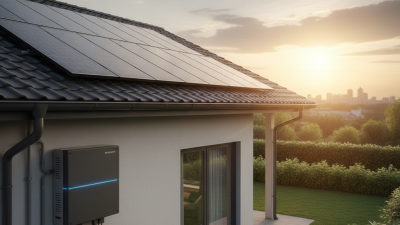
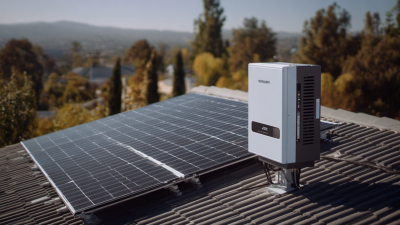
A hybrid inverter manages electricity from solar panels, batteries, and the public grid. It converts direct current into usable alternating current for household appliances. It can also reverse that process when charging a battery. Think of it as a traffic controller inside the energy system.

During daylight, solar power can run appliances first. Surplus electricity charges the battery or flows to the grid. At night, stored energy supplies selected circuits. If the battery becomes empty, the grid takes over. During an outage, compatible systems can isolate the home and maintain backup power. The exact result depends on wiring, battery capacity, and local grid rules.

The market need is expanding quickly. The International Energy Agency reported about 510 gigawatts of renewable capacity additions in 2023, with solar providing roughly three-quarters. Its Electricity 2024 report also projected global electricity demand growth of about 3.4% annually through 2026. These figures support stronger interest in flexible energy systems. A hybrid inverter may improve self-consumption, but it is not magic. Poor battery sizing can waste money. Oversized loads can still trip backup circuits. A practical site check should measure daily consumption, peak starting power, roof output, and outage priorities. Real installations often reveal gaps that product brochures simplify.
Key Features to Compare When Choosing a Hybrid Inverter

When comparing the seven best hybrid inverters for global buyers in 2026, focus on real operating conditions, not impressive brochure numbers. A strong unit should support your local grid voltage, frequency, and safety requirements. Check continuous output power, surge capacity, and battery voltage range. These details matter when a refrigerator starts or a pump runs during an outage.

Tips: Request the complete datasheet. Confirm battery compatibility, MPPT voltage range, and backup transfer time. A high efficiency rating can still disappoint if the inverter performs poorly in heat. Look for a suitable IP rating, clear monitoring tools, and service support in your region. Warranty length matters, but repair access matters more.

I have found that installation quality often decides long-term reliability. Leave space around the inverter for airflow, especially in hot utility rooms. Compare independent test results when available, rather than trusting marketing claims alone. Some systems offer advanced control features, but those features may be difficult to configure. That is worth questioning. Also check whether software updates require a stable internet connection. Remote monitoring is useful, yet local controls remain important when connectivity fails. A qualified installer should verify cable sizing, grounding, isolation, and local approval requirements before commissioning.

Seven Leading Hybrid Inverters for Different Global Use Cases

The seven leading hybrid inverter types serve different global use cases, climates, and electrical systems. A compact off-grid unit suits a remote cabin, where battery charging and generator control matter most. A residential grid-connected model fits homes with rooftop solar and evening loads. It should shift power smoothly when the grid fails. That detail matters.

A high-output backup inverter supports medical equipment, refrigeration, or home offices during outages. Small shops often need a three-phase hybrid inverter for pumps, compressors, and display lighting. Agricultural sites may prefer a rugged unit with wide voltage tolerance and remote monitoring. In cold regions, battery temperature control protects charging performance. Hot, dusty locations need strong thermal management and suitable enclosure protection. Coastal users should check corrosion resistance, not just headline efficiency.

Professional installers usually compare continuous output, surge capacity, battery compatibility, transfer time, and local certification requirements. They also inspect the monitoring platform before recommending a system. A clear fault message can save hours in the field. However, no inverter is perfect. Some lose output near their thermal limit, while others depend heavily on proprietary batteries. I have seen paper specifications disappoint when cable runs were too long or ventilation was poor. Buyers should match the inverter to real loads, not the largest number on the brochure. Safety settings must be reviewed by a qualified electrician under applicable local rules.

7 Best Hybrid Inverters for Global Buyers in 2026? - Seven Leading Hybrid Inverters for Different Global Use Cases

Indicative 2026 market specification ranges. Actual ratings, certifications, and compatibility vary by model and country.
Use Case Typical Rated Output Battery Voltage Typical PV Array Size Peak Efficiency Backup Transfer Time Operating Environment Key Strength Important Buying Check
Compact residential backup 3–6 kW, single-phase 48 V low-voltage battery 6–9 kWp 97–98% Typically below 20 ms Indoor or sheltered outdoor; IP65/IP66 versions common Affordable backup for essential household circuits Check battery communication protocol, generator input, and local single-phase grid rules
High-power household system 8–12 kW, single-phase 48 V or high-voltage battery 12–18 kWp 97.5–98.5% Typically 10–20 ms when backup output is supported Outdoor-rated enclosures commonly available Supports larger homes, heat pumps, pumps, and high evening loads Verify continuous output, surge rating, phase balance, and export-limiting functions
Three-phase home or farm 10–20 kW, three-phase Approximately 100–600 V high-voltage battery 15–30 kWp 98–98.5% Usually 10–20 ms, depending on backup architecture Outdoor installation is common; IP65 or higher is widely used Balances three-phase loads and supports larger solar arrays Confirm neutral support, phase-unbalance limits, and three-phase grid approval
Small commercial energy storage 20–50 kW, three-phase Approximately 200–800 V high-voltage battery 30–75 kWp 98–99% About 10–30 ms if an integrated backup function is provided Industrial indoor rooms or weather-protected outdoor areas Peak shaving, self-consumption, demand management, and backup Check thermal management, metering accuracy, parallel operation, and warranty cycle limits
Off-grid and weak-grid rural power 3–8 kW, usually single-phase 48 V low-voltage battery 4.5–12 kWp 94–97% Not applicable in fully off-grid mode; often below 20 ms in UPS mode Rugged outdoor installation; wide temperature ranges are preferable Operates with batteries, solar, and generator input where utility supply is unreliable Check generator compatibility, idle consumption, cold-start capability, and overload duration
AC-coupled retrofit 5–15 kW, single- or three-phase 48–600 V, depending on battery architecture Existing PV system; new DC input may be optional 94–98% Typically 10–30 ms when backup switching is included Indoor or outdoor, depending on enclosure rating Adds battery storage without replacing a functioning solar inverter Confirm AC-coupling control, frequency-shift capability, blackout operation, and compatibility with the existing inverter
Modular microgrid and larger commercial site 30–100 kW per unit, three-phase Approximately 400–1,000 V high-voltage battery 50–150 kWp per unit 98–99% About 10–30 ms; seamless transfer may require additional equipment Dedicated electrical room or engineered outdoor power enclosure Scalable capacity, microgrid control, black start, and generator coordination Review protection coordination, islanding controls, communications, fire safety, and grid-interconnection certification

Note: Efficiency, transfer time, protection features, battery voltage range, and certifications are specification-dependent. Buyers should verify compliance with the destination market’s applicable requirements, such as IEC 62109, IEC 62477-1, IEC 62116, IEC 61727, UL 1741, or equivalent national standards.

Regional Compatibility, Installation, and Grid Requirements

7 Best Hybrid Inverters for Global Buyers in 2026?

Regional compatibility matters more than a long feature list. North American homes commonly use 120/240V split-phase power at 60Hz. Many European and Australian systems use 230V single-phase power at 50Hz. Three-phase properties need different inverter architecture, protection settings, and commissioning procedures. A perfect global inverter does not exist.

Grid approval can decide the purchase. Buyers should check anti-islanding protection, voltage ride-through, frequency response, export limits, and approved battery communication protocols. The International Energy Agency reported that annual grid investment must rise from about USD 400 billion to over USD 600 billion by 2030. That pressure may bring stricter connection rules. Local certification is not optional. It can also change by utility territory.

Installation details are equally practical. Confirm roof cable routes, ambient temperature, enclosure ratings, battery clearance, and backup-load separation. In hot climates, poor ventilation can reduce output before noon. In cold regions, battery charging limits become critical. IRENA reported 585 GW of renewable capacity additions in 2024, representing 92.5% of global power-capacity growth. That expansion increases demand for flexible storage systems, but installer quality still varies. One overlooked issue is neutral switching. It can cause nuisance trips or unsafe backup behavior. Review the utility’s interconnection manual before comparing seven models. The cheapest option may become expensive after rewiring, certification, and inspection.

Pricing, Warranty, and Long-Term Ownership Considerations

Choosing among the seven best hybrid inverters for global buyers in 2026 requires more than comparing purchase prices. A lower-cost unit may become expensive after installation, firmware updates, replacement batteries, or specialist service. Check the inverter’s efficiency at partial load, usable battery capacity, and compatibility with local grid standards. Warranty terms matter equally. A five-year warranty sounds strong, but exclusions for heat, dust, poor ventilation, or battery cycling can reduce its real value. Read the service process carefully. Who pays shipping? How long does repair take? These details affect household resilience.

Long-term ownership also depends on climate and installer quality. In a hot garage, internal fans may run harder and shorten component life. In coastal areas, corrosion protection deserves attention. Ask for documented operating temperatures, IP ratings, spare-parts availability, and clear software support policies. Independent testing is useful, but real installation records can reveal practical weaknesses. No model is perfect. I would not rely on advertised savings alone.

Tips: Request a written, itemized quote covering installation, monitoring, taxes, and future labor. Compare warranty length with warranty conditions, not marketing claims. Keep photos of wiring, settings, and commissioning reports. They may simplify a future claim. Also, leave room in your budget for battery replacement. Even reliable systems age.

Facebook X Instagram Pinterest WhatsApp WhatsApp
We use cookies to improve your experience on our website. By browsing this website, you agree to our use of cookies.