How to Choose Solar Panels and Battery for Your Home?

Choosing solar panels and battery for a home is not simply a matter of buying the largest system available. Your roof angle, local sunlight, electricity tariff, daily habits, and emergency needs all affect the decision. A family that cooks electrically at night needs a different design from a household that uses most power during daylight.

Energy-efficiency expert Amory Lovins offers a useful principle: “Efficiency is the cheapest, fastest, cleanest way to provide more energy.” That idea should guide every solar assessment. Better insulation, efficient appliances, and smart energy use may reduce the required system size. They can also lower installation costs.

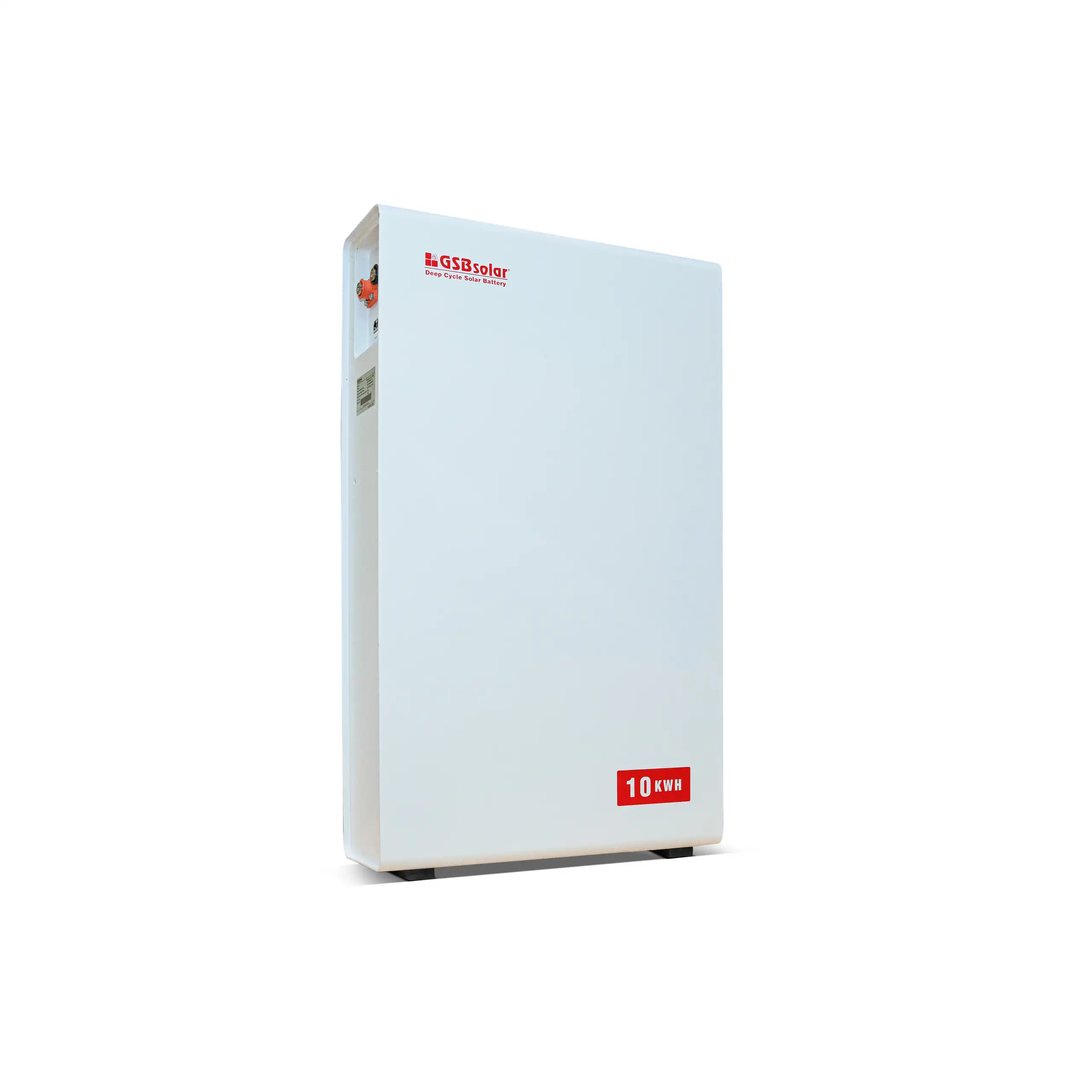
This guide examines panel efficiency, battery chemistry, usable capacity, warranty terms, inverter compatibility, and long-term performance. It will also explain why a battery’s advertised capacity may not equal the energy your home can actually use. For example, a 10-kilowatt-hour battery might provide less after reserve limits and conversion losses.

Real-world details matter. A shaded chimney can reduce panel output. A cold garage may affect battery performance. Winter demand can expose a weak design.

There is no perfect calculation. Some households may overestimate backup needs. Others may underestimate evening consumption. Honest planning requires both careful measurements and professional advice from a qualified installer. The right solar panels and battery should fit your roof, budget, climate, and expectations—not merely look impressive on a product brochure.
How to Choose Solar Panels and Battery for Your Home?

Define Your Home’s Solar Energy Needs

Defining your home’s solar energy needs starts with real electricity data, not guesswork. Review twelve months of utility bills and record each month’s kilowatt-hour use. Note seasonal changes, such as summer cooling or winter heating. A single high bill can distort your estimate. Look for the average daily consumption and the highest monthly demand.

Walk through your home and list major appliances. Include refrigerators, water heaters, pumps, ovens, and heating equipment. Record their wattage and expected daily running time.

A 2,000-watt heater used for three hours needs about 6 kilowatt-hours. This simple calculation reveals which devices drive your load. Also check whether your household may add an electric vehicle or new appliances.

Your roof, sunlight, and backup expectations shape the system size. Shade from trees or nearby buildings can reduce production, especially during peak hours. A site assessment should examine roof direction, pitch, usable area, and local weather patterns. Battery capacity depends on what you want to protect. A small battery may cover lights, internet, and refrigeration. Whole-home backup requires much more capacity and inverter power. My first estimate once ignored cloudy winter days, so it looked practical only on paper. Recheck calculations with seasonal production data and local electrical requirements. Ask a qualified installer to verify the design, permits, wiring, and safety protections before purchase.

Compare Solar Panel Types, Efficiency, and Durability

Choosing solar panels for your home requires more than comparing prices. Compare technology, efficiency, and durability together.

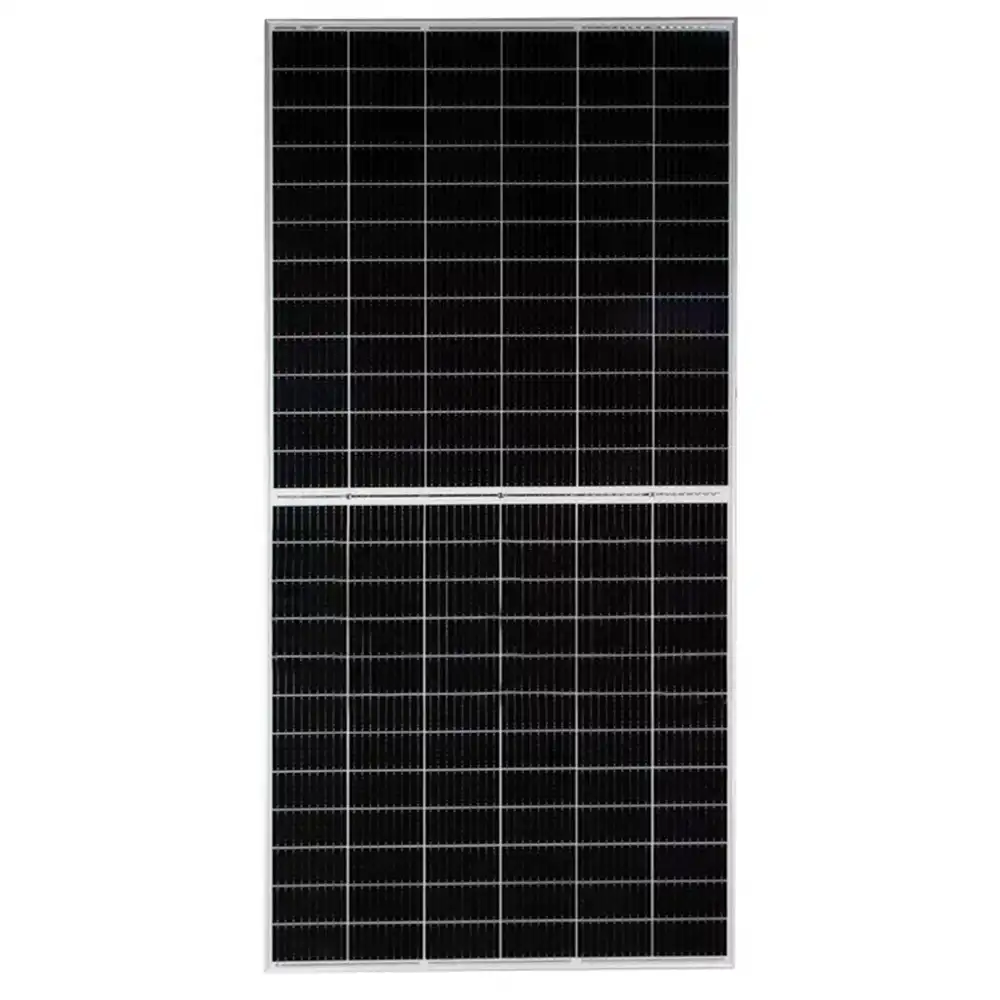
Monocrystalline panels usually offer the highest efficiency, often around 20% to 23%. They suit small roofs where every square meter matters.

Polycrystalline panels generally cost less, but they may need more roof space.

Thin-film panels are lightweight and flexible. They can suit unusual surfaces, although their lower efficiency requires careful planning.

Efficiency ratings do not guarantee identical household output. Shade, heat, dust, roof direction, and inverter losses reduce production. A highly rated panel may perform differently above your attic. Ask for temperature-coefficient data and a realistic annual production estimate.

Durability deserves equal attention. Look for strong load ratings, sealed edges, and a clear degradation rate. Panels face hail, wind, moisture, and repeated heating and cooling. Poor installation can damage a good panel faster than ordinary aging. That is easy to overlook.

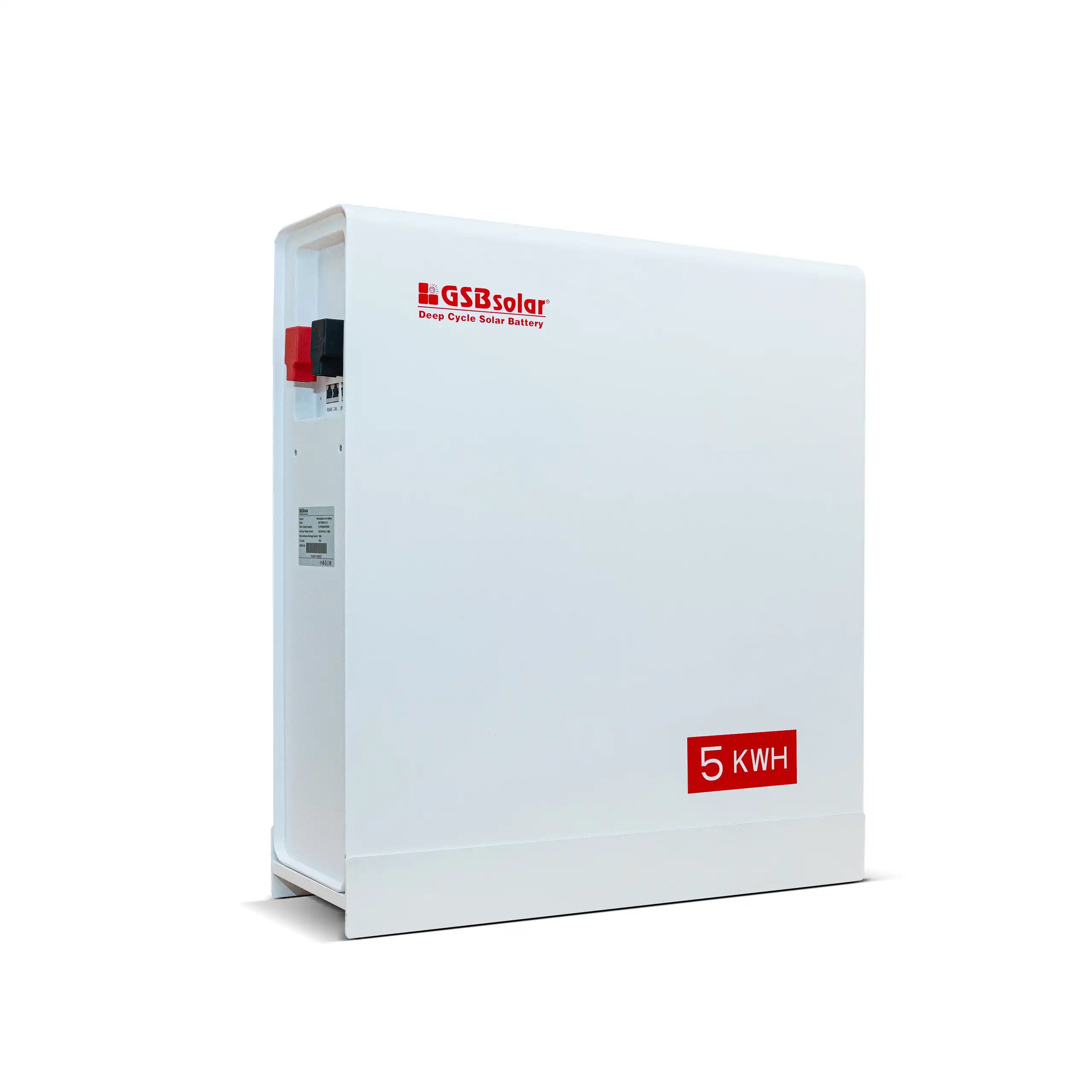
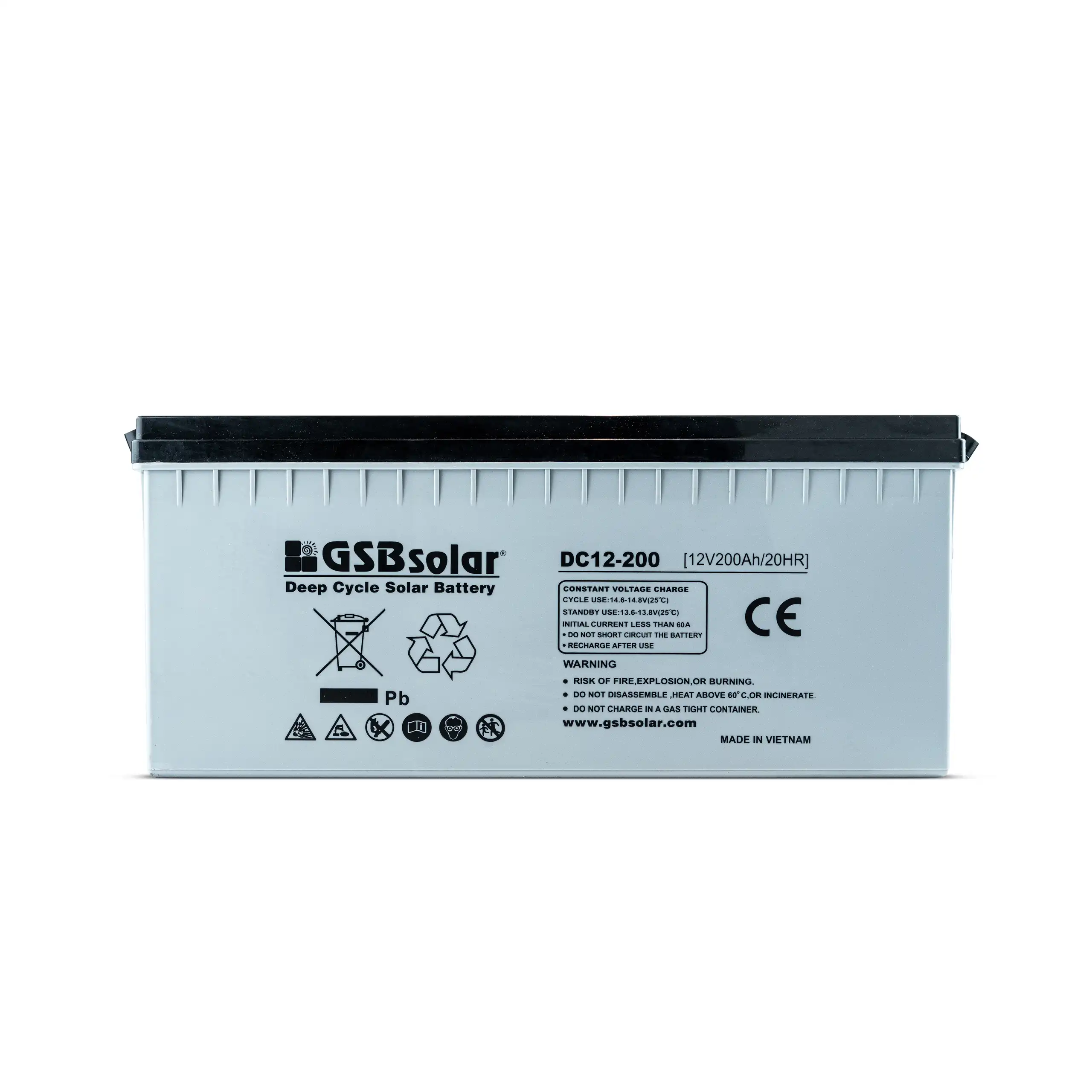
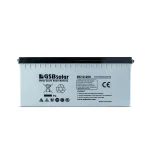
Your battery should match daily electricity use, not idealized promises. Lithium-based systems usually provide high usable capacity and efficient cycling.

Check usable capacity, round-trip efficiency, operating temperature, and cycle warranty. A larger battery is not automatically better. Oversizing can leave expensive capacity unused.

Review one week of hourly consumption before choosing storage. My early estimates were too optimistic during cloudy winter weeks. Leave room for revision.

A qualified installer should inspect roof age, wiring, ventilation, and emergency shutdown access before quoting.

Determine the Right Battery Capacity and Technology

Choosing battery capacity starts with your evening load, not your panel rating.

Record electricity use for several days, including cooking, heating, refrigeration, and nighttime appliances. A practical estimate is daily consumption multiplied by backup days, then divided by usable depth of discharge and system efficiency. For example, 12 kWh of daily use may require about 16 kWh of installed storage.

Do not treat the nameplate rating as usable energy. The 2024 NREL Annual Technology Baseline models residential battery round-trip efficiency near 85%. Temperature, inverter losses, and aging reduce available power further. A battery rated at 10 kWh may deliver noticeably less during a cold evening. It may also reserve capacity for protection. That detail is easy to miss.

Lithium-ion systems usually offer high efficiency and compact installation, while alternative chemistries can provide stronger thermal stability and longer cycling. The International Energy Agency reported global battery demand reached about 2.4 TWh in 2023, showing how quickly storage technology is scaling. Still, market growth does not guarantee a perfect fit. Check cycle life, warranty conditions, usable capacity, charging speed, and emergency-load limits.

My own cautious rule is simple: size for essential circuits first, then test the estimate against winter production. Oversizing feels safe, but it can increase cost without improving resilience.

Match the System to Your Roof, Climate, and Budget

How to Choose Solar Panels and Battery for Your Home?

Match the system to your roof, climate, and budget before comparing equipment.

Measure usable roof space, not the entire roof. Chimneys, vents, and afternoon shade can reduce production significantly. A south-facing roof often performs well, but east- and west-facing roofs can still support useful generation.

Ask a qualified installer for a shading report and a roof inspection. Replacing an old roof later may require removing the panels.

Climate also changes the design. Hot temperatures can reduce panel output, while snow, wind, and salt air require suitable mounting methods.

Your battery should reflect your actual electricity use. Review a year of utility bills and identify evening loads, such as cooking, cooling, and water heating.

A battery sized only for emergency lighting may cost less, but it will not support heavy appliances for long.

Tips:

Keep recent bills nearby. Check roof age. Request production estimates for winter and summer. Compare warranties, installation records, and local electrical requirements. Ask how battery capacity changes after years of use. A simple payback estimate can be too optimistic if tariffs change or maintenance is overlooked. It is worth testing the assumptions. A smaller system may fit your budget better, especially when efficiency upgrades reduce household demand.

Evaluate Installation, Maintenance, Warranties, and Safety

Choosing solar panels and a home battery starts with the installation site, not the sales brochure. Shade, roof age, orientation, wind exposure, and local permitting can change the result. The International Energy Agency Photovoltaic Power Systems Programme reported more than 1.4 terawatts of global solar capacity by the end of 2023. Scale is growing quickly, but every roof remains different. Ask an installer for a shade analysis, structural review, single-line diagram, and realistic annual production estimate. I would also verify electrical licenses, insurance, and inspection records. A neat spreadsheet can still be wrong.

Maintenance is usually modest, not nonexistent. The National Renewable Energy Laboratory reports a median photovoltaic degradation rate near 0.5% annually. Inspect panels for dirt, cracks, loose wiring, and bird damage after severe weather. Keep ventilation clear around batteries. Never store tools or flammable materials beside them. Safety guidance from NFPA 855 and UL 9540A emphasizes fire prevention, tested equipment, separation, and emergency access. Local code requirements still control the installation.

Read warranties line by line. Separate product coverage, performance coverage, labor, battery capacity retention, and replacement shipping. A long warranty may exclude poor installation, unauthorized repairs, or extreme temperatures. Ask how the battery behaves during outages and whether it can power essential circuits only. My own weak point would be oversizing storage for rare blackout events. Compare usable capacity, round-trip efficiency, cycle limits, and service response times. Get these promises in writing.

How to Choose Solar Panels and Battery for Your Home? - Evaluate Installation, Maintenance, Warranties, and Safety

Category Option Typical Performance Installation Considerations Maintenance Common Warranty Range Safety Considerations
Solar Panels Monocrystalline silicon Generally about 19%–23% module efficiency; strong output per square metre and good performance in limited roof space. Requires a structurally sound roof, suitable mounting rails, code-compliant wiring, and access for maintenance. Professional installation is recommended. Usually low maintenance. Inspect mounting hardware and wiring periodically; clean only when dirt, pollen, or snow significantly reduces output. Product warranty commonly 10–15 years; performance warranty commonly 25–30 years, often covering gradual output degradation. Panels produce hazardous DC voltage in daylight. Use certified electrical equipment, rapid-shutdown provisions where required, proper grounding, and adequate roof fire clearances.
Polycrystalline silicon Generally about 15%–18% module efficiency; usually needs more roof area for the same system capacity. Installation requirements are similar to monocrystalline panels. Confirm roof loading, shading, orientation, tilt, and local permitting requirements. Low routine maintenance. Keep nearby trees trimmed where practical and arrange periodic visual and electrical inspections. Product warranty commonly 10–15 years; performance warranty commonly 25 years, subject to the written warranty terms. Apply the same DC isolation, grounding, overcurrent protection, fire-access, and qualified-installation requirements as other photovoltaic modules.
Thin-film Often about 10%–13% module efficiency; can perform relatively well in diffuse light but typically requires more installation area. May suit large roofs or ground-mounted systems. The mounting method varies by product, so roof compatibility and wind loading must be checked carefully. Cleaning and inspection needs are generally low, but flexible or lightweight systems require careful checks for surface damage and attachment integrity. Product and performance warranties vary widely; commonly around 10–25 years depending on construction and installation method. Follow the specific electrical, fire, wind, and mounting requirements. Do not walk on modules unless the installation instructions explicitly permit it.
Home Battery Lithium iron phosphate (LFP) Typically offers high usable capacity and around 3,000–7,000 or more full equivalent cycles, depending on temperature, depth of discharge, and operating conditions. Needs a compatible inverter or integrated system, adequate wall or floor strength, ventilation as specified, and installation in an approved location away from escape routes. Generally low maintenance. Keep the unit dry and unobstructed; check system alerts and arrange professional inspection after faults, flooding, or physical damage. Often 10–15 years or a specified energy-throughput limit, commonly with a minimum retained capacity stated in the warranty. Use a certified battery-management system, overcurrent protection, thermal monitoring, and approved clearances. Never open, modify, or repair battery modules yourself.
Lithium nickel manganese cobalt (NMC) High energy density and compact size; cycle life commonly falls around 2,000–5,000 cycles, depending on design and operating conditions. Can reduce space requirements, but installation must follow strict temperature, spacing, enclosure, and ventilation instructions. No routine fluid maintenance. Monitor alarms, temperature, state of charge, and software updates through the approved system interface. Often 10 years or a specified throughput limit, with warranty conditions for capacity retention and operating temperature. Requires certified protection against overcharge, overheating, short circuits, and thermal events. Keep away from heat sources and combustible storage.
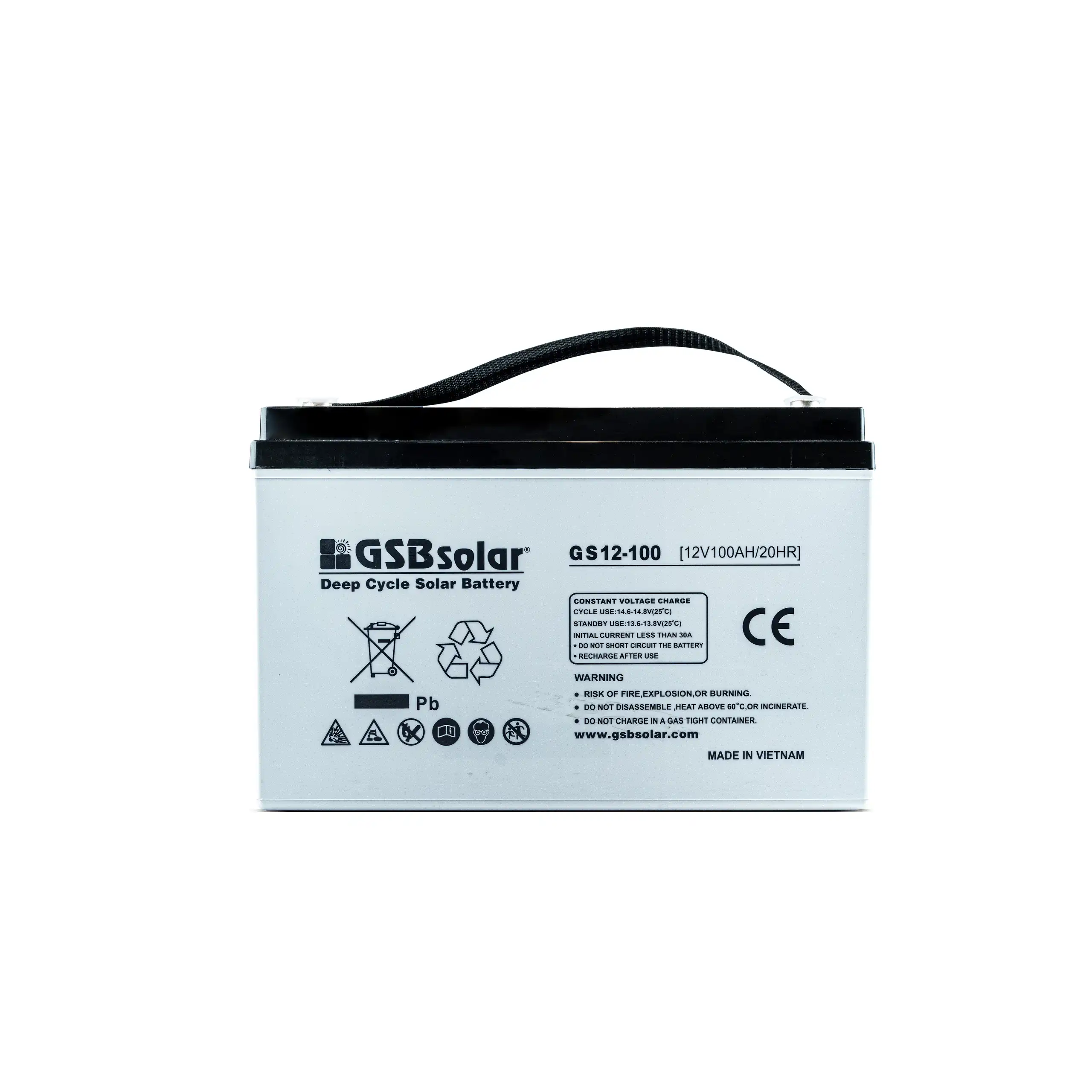
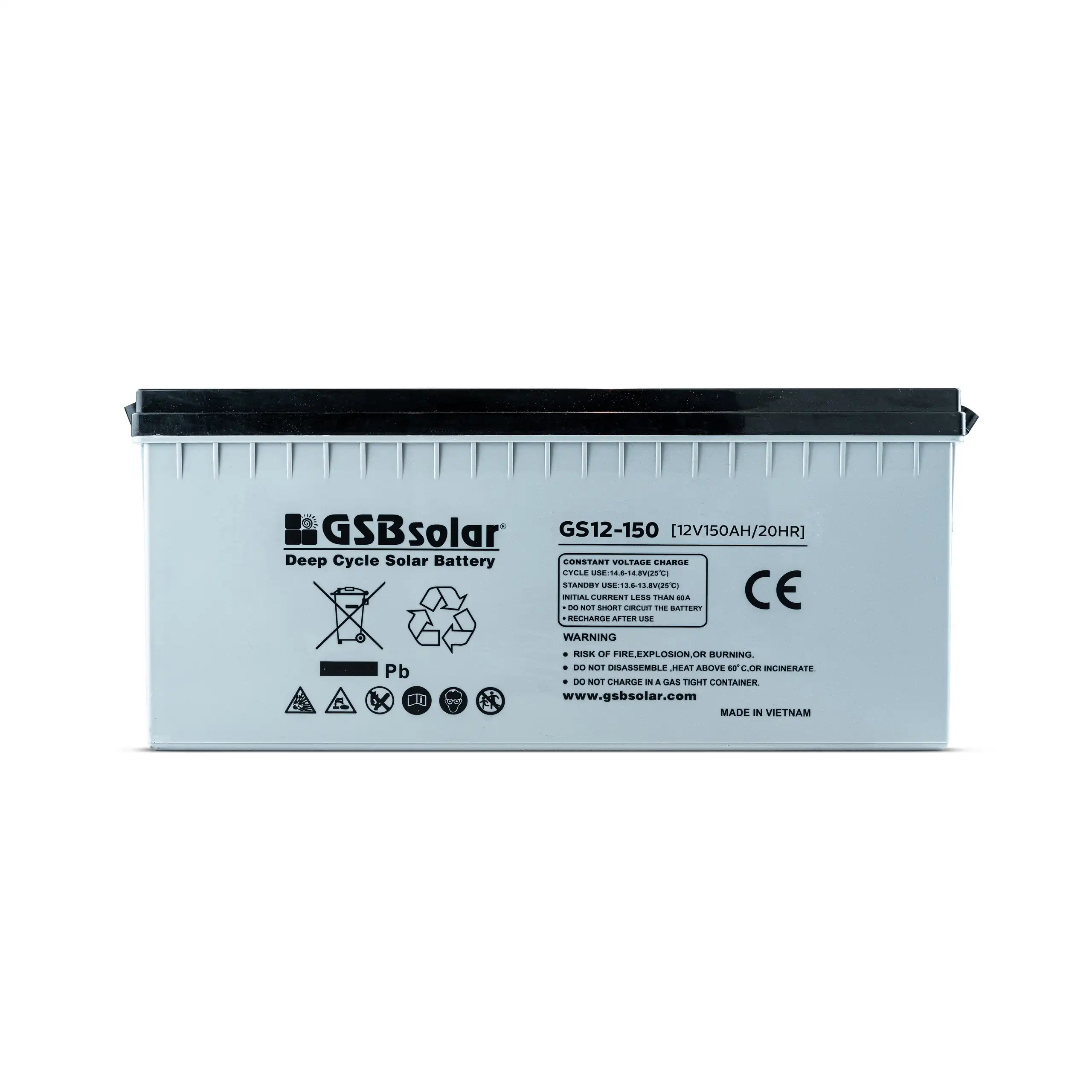
Lead-acid Lower upfront cost, but commonly fewer usable cycles and lower recommended depth of discharge than modern lithium systems. Heavy and bulky; requires a suitable floor, correct ventilation, and protection from moisture. Flooded designs need additional installation controls. Flooded batteries may require electrolyte-level checks and ventilation maintenance. Sealed designs need less routine attention but still require inspections. Commonly about 3–7 years, although service life varies significantly with cycling, temperature, charging, and maintenance. Hydrogen gas may be released during charging by flooded types. Prevent sparks, provide required ventilation, wear protective equipment, and avoid contact with electrolyte.
Selection checklist: Compare total installed cost, available roof area, local sunlight, shading, household electricity use, backup-power needs, usable battery capacity, inverter compatibility, local permits, installer qualifications, warranty exclusions, fire-code requirements, and end-of-life recycling or disposal arrangements.

Performance figures are typical industry ranges rather than guarantees. Actual results depend on system design, climate, orientation, shading, temperature, installation quality, operating settings, and the exact written product warranty.

Facebook X Instagram Pinterest WhatsApp WhatsApp
We use cookies to improve your experience on our website. By browsing this website, you agree to our use of cookies.