How to Choose the Best Home Solar Systems for Your Needs?
Choosing the best home solar systems for your needs can be a daunting process. With numerous options available, it’s important to evaluate what works for your unique situation. Factors like your home’s design, energy consumption, and budget play crucial roles.
Home solar systems harness energy from the sun, providing significant savings on electricity bills. They can reduce your carbon footprint and contribute to environmental sustainability. However, not all systems are created equal. Quality and efficiency vary among different brands and models. Sometimes, what looks good on paper may not perform well in real life.
It is essential to conduct thorough research before making a decision. Talk to industry professionals and read reviews from actual users. This will help you avoid common pitfalls and make a more informed choice. Remember, investing in home solar systems is a long-term commitment. Make sure to weigh all options carefully before diving into your purchase.
Understanding Your Energy Needs and Consumption Patterns
Understanding your energy needs is crucial when choosing a home solar system. Begin by analyzing your monthly energy bills. Look for patterns in your electricity consumption. Identify which months see the highest usage. This data will help you estimate how much energy your solar system should generate.
Consider your lifestyle and the appliances you frequently use. A larger family may demand more energy than a smaller one. Identify energy-hungry devices such as air conditioners, heaters, and refrigerators. This awareness can lead to a more tailored solar solution. You might also reflect on opportunities to reduce energy use through efficiency upgrades.
Be mindful of the variability in energy requirements. Seasons can change consumption patterns significantly. For instance, winter may see increased heating demands. A solar system should accommodate these fluctuations. Evaluating your past energy habits will guide you in making an informed decision. Remember to remain open to adjusting your habits to maximize the efficiency of your solar system.
Evaluating Different Types of Solar Panel Technologies
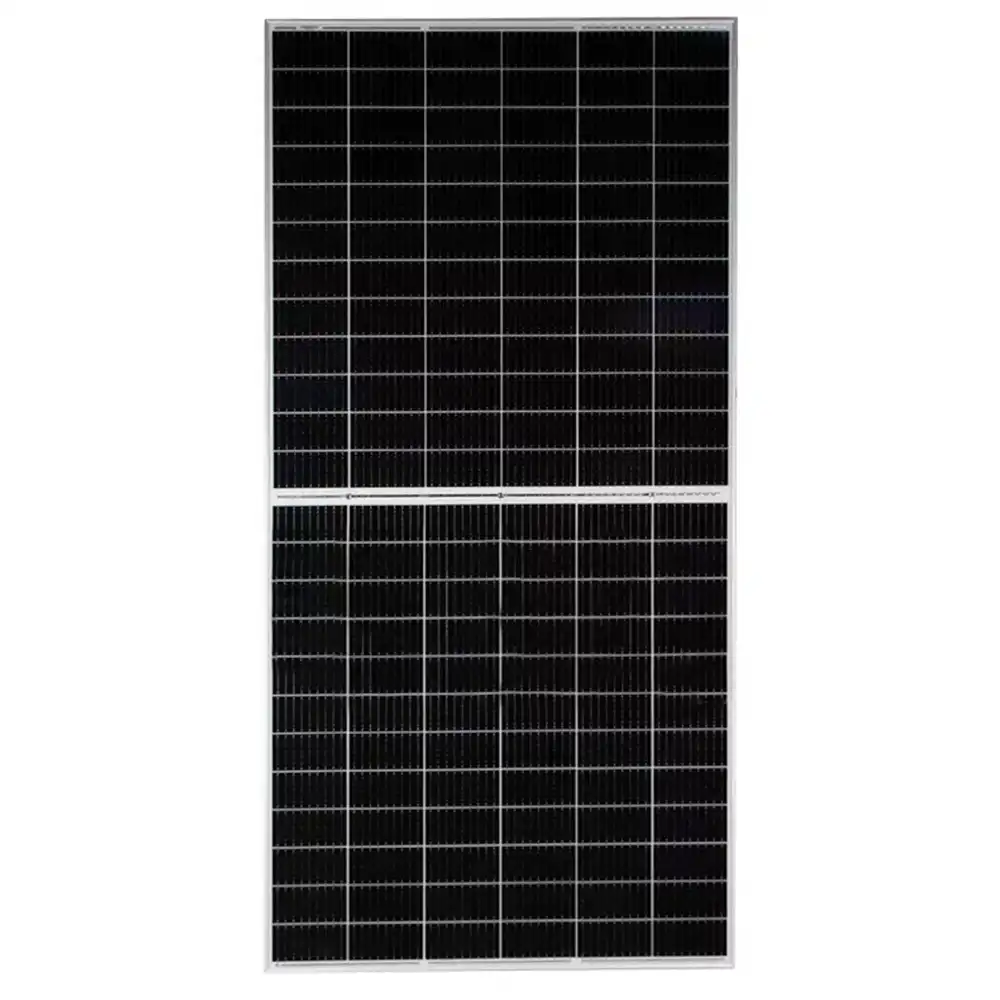
When evaluating different types of solar panel technologies, it’s essential to understand their features and efficiencies. Monocrystalline panels are known for their high efficiency and sleek appearance. They may be more costly, but their long lifespan justifies the investment. Polycrystalline panels, on the other hand, offer a more budget-friendly option with decent efficiency, though they tend to take up more space.
Thin-film technology is another alternative worth considering. These panels are lightweight and flexible, which makes installation more versatile. However, they tend to have lower efficiency and shorter lifespans. Each type comes with its pros and cons, and the choice depends on your specific energy needs and installation requirements.
It’s crucial to also consider environmental factors. For instance, shading from trees can impact the output of certain panels. Additionally, local regulations or building codes may affect your options. Reflecting on these aspects can lead to better decision-making compared to simply opting for the most popular choice. Each technology has unique characteristics that require careful assessment to match your energy goals.
How to Choose the Best Home Solar Systems for Your Needs? - Evaluating Different Types of Solar Panel Technologies
| Solar Panel Type |
Efficiency (%) |
Cost per Watt ($) |
Lifespan (Years) |
Ideal Usage |
| Monocrystalline |
15 - 22% |
$0.70 - $1.00 |
25 - 30 |
Residential rooftops, limited space |
| Polycrystalline |
13 - 16% |
$0.60 - $0.80 |
20 - 25 |
Large areas, lower budget |
| Thin-Film |
10 - 12% |
$0.50 - $0.70 |
10 - 20 |
Flexible installations, large-scale projects |
| Bifacial |
More than 20% |
$0.80 - $1.20 |
25 - 30 |
High-efficiency requirements, dual-sided sunlight capture |
Assessing Costs and Financial Incentives for Solar Installation
When considering the installation of solar systems, understanding costs is crucial. Solar installation costs can vary widely based on system size, location, and existing infrastructure. You might find that your local market has competitive pricing, but be cautious. Researching different installation options is essential. Many areas offer incentives to offset upfront costs. These can include tax credits, rebates, or even special financing plans.
Financial incentives differ by state and local programs. Some regions have substantial rebates that can significantly reduce your overall investment. Understanding these incentives can help you make a more informed decision. However, be prepared for potential changes in these programs, which can affect your financial calculations.
Grants and financing options can further ease the initial burden. Look for community programs designed to support solar adoption. Discussing these options with a knowledgeable consultant can provide clarity. The information from professionals in the field is invaluable. Always double-check the data you receive. This information is only as good as the sources behind it.
Selecting the Right Installer and Understanding Warranties
Choosing the right installer for your home solar system is crucial. Look for companies with solid experience in the industry. A seasoned installer will understand local regulations and adjust their approach based on your specific needs. They can provide tailored solutions and offer valuable insights about system design and performance. Ask potential installers about their experience level. This can help you gauge their reliability.
Understanding warranties is also essential. Warranties vary widely among manufacturers and installers. A good warranty can protect your investment. Look for comprehensive coverage on both the solar panels and the inverter. Pay attention to the duration of the warranty. A longer warranty often indicates higher quality equipment. However, questioning the terms is important. Make sure you fully understand what is covered and what is not.
Not all installers offer clear communication about warranties. This can be frustrating for homeowners. Ensure you have all details in writing. If the warranty seems vague, ask for clarification. Consider how the warranty aligns with potential future needs. As technology rapidly evolves, it’s worth reflecting on whether the equipment will remain suitable for years to come. A thoughtful approach at this stage can prevent unexpected challenges later on.
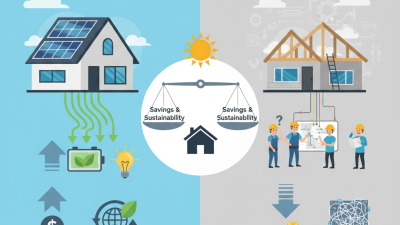
Understanding the Costs of Home Solar Systems
Determining Optimal System Size and Layout for Home Solar
Choosing the right solar system starts with understanding your energy needs. Assess your daily consumption by looking at past utility bills. Calculate the total kilowatt-hours you use monthly. This number guides you toward the right system size. Consider factors like the number of occupants in your home and the types of appliances you use.
Next, it’s essential to evaluate your roof space. It should receive ample sunlight throughout the day. Measure the available area and consider any obstructions like trees or vents. An experienced installer can help optimize the layout, ensuring maximum panel exposure. Reflect on the angle of your roof as well; south-facing setups often perform best.
Remember, this process is not always straightforward. You might discover unexpected factors affecting your energy production. It is worthwhile to consult multiple experts for diverse opinions. Engaging in discussions about your specific needs can lead to better decisions. Aim for a system designed for efficiency, but also remain open to adjustments based on professional advice.