ALL PRODUCTS
- Solar Panel
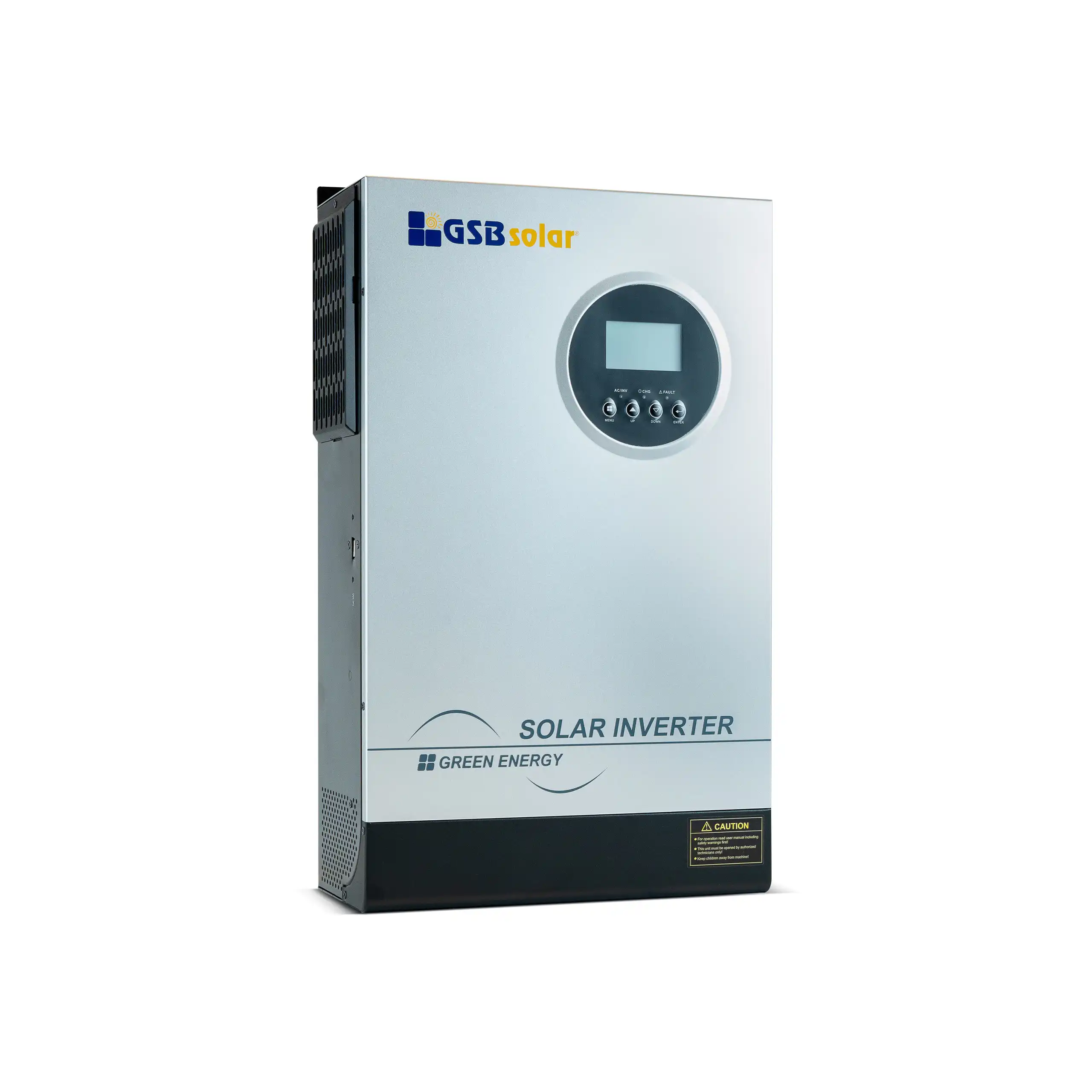
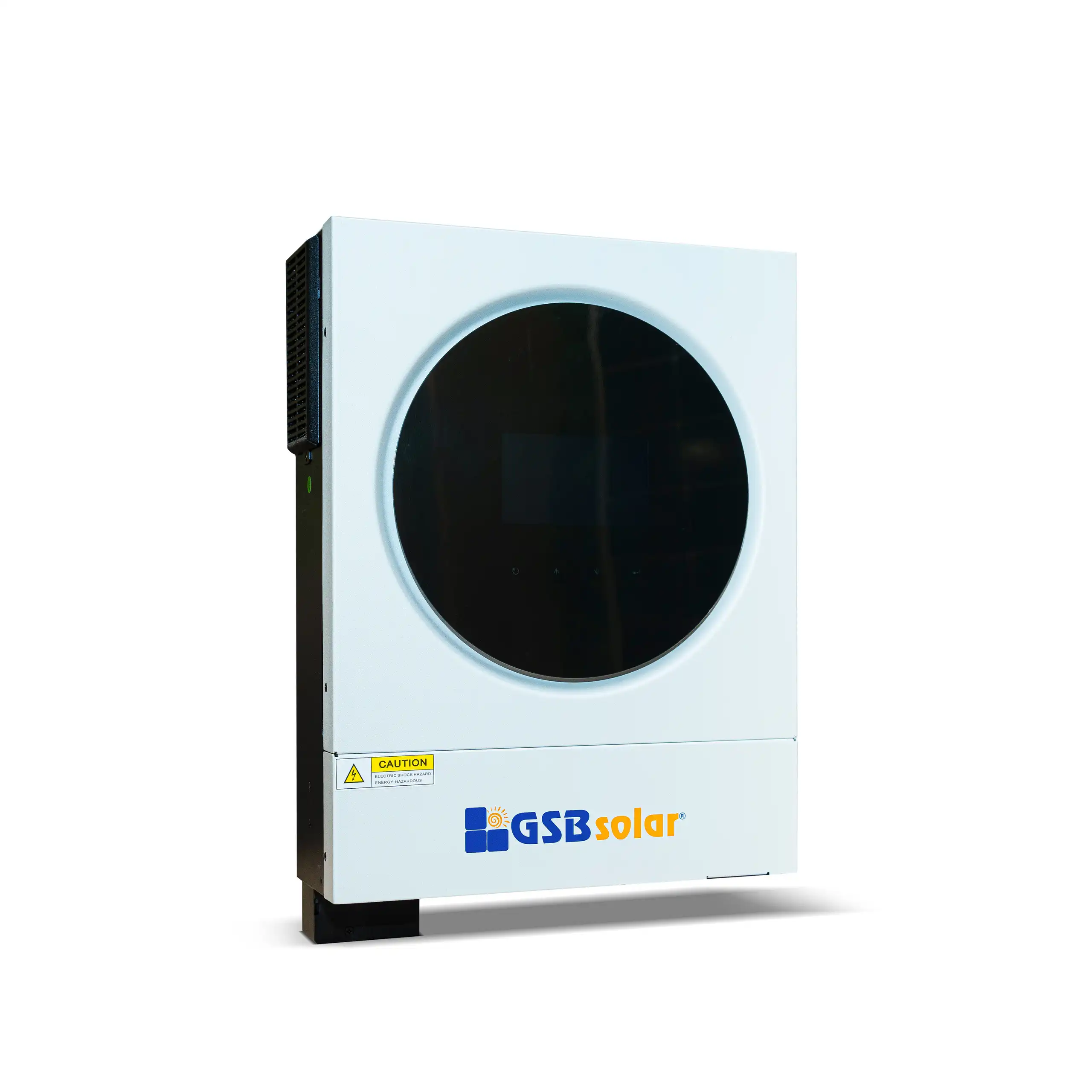
- Hybrid Inverter
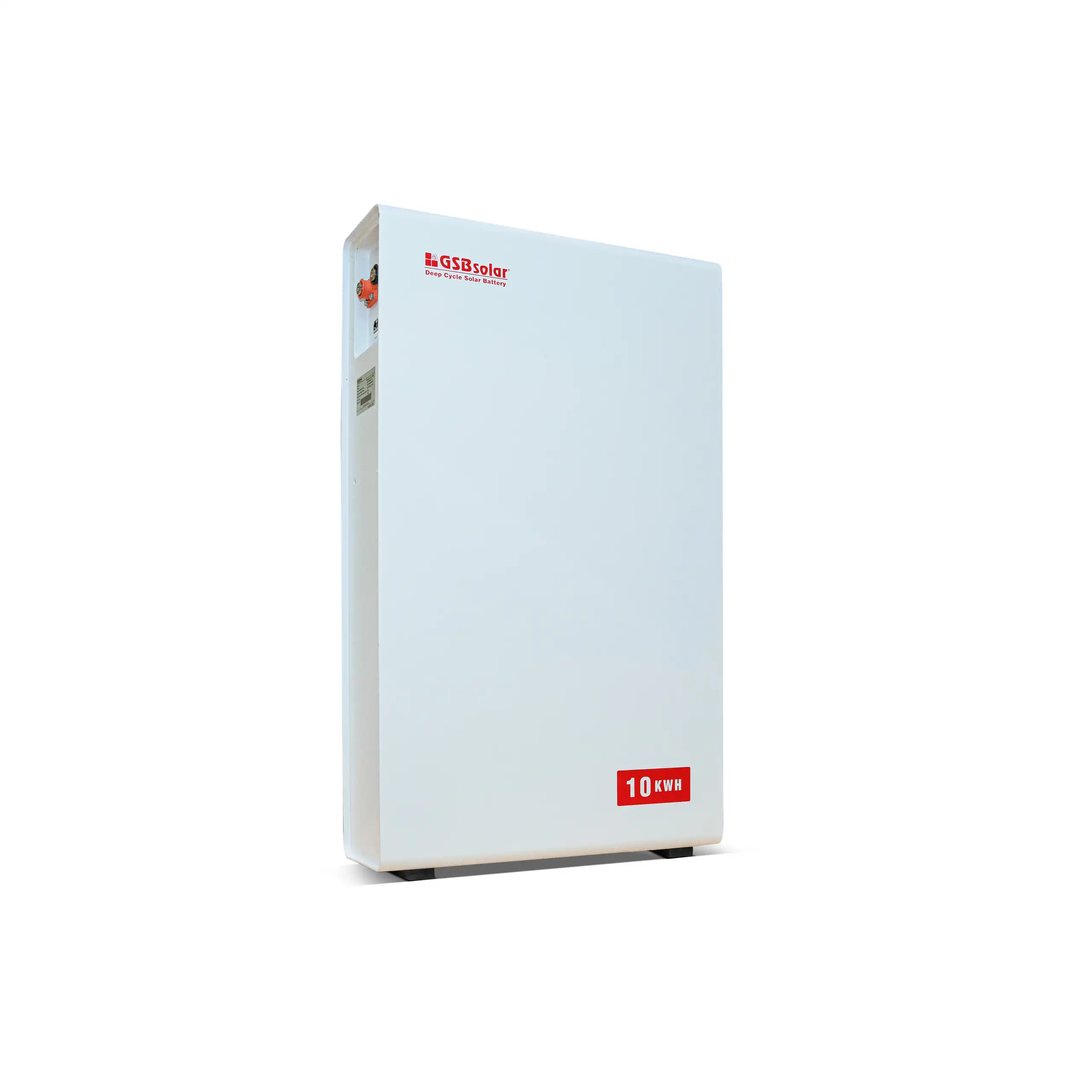
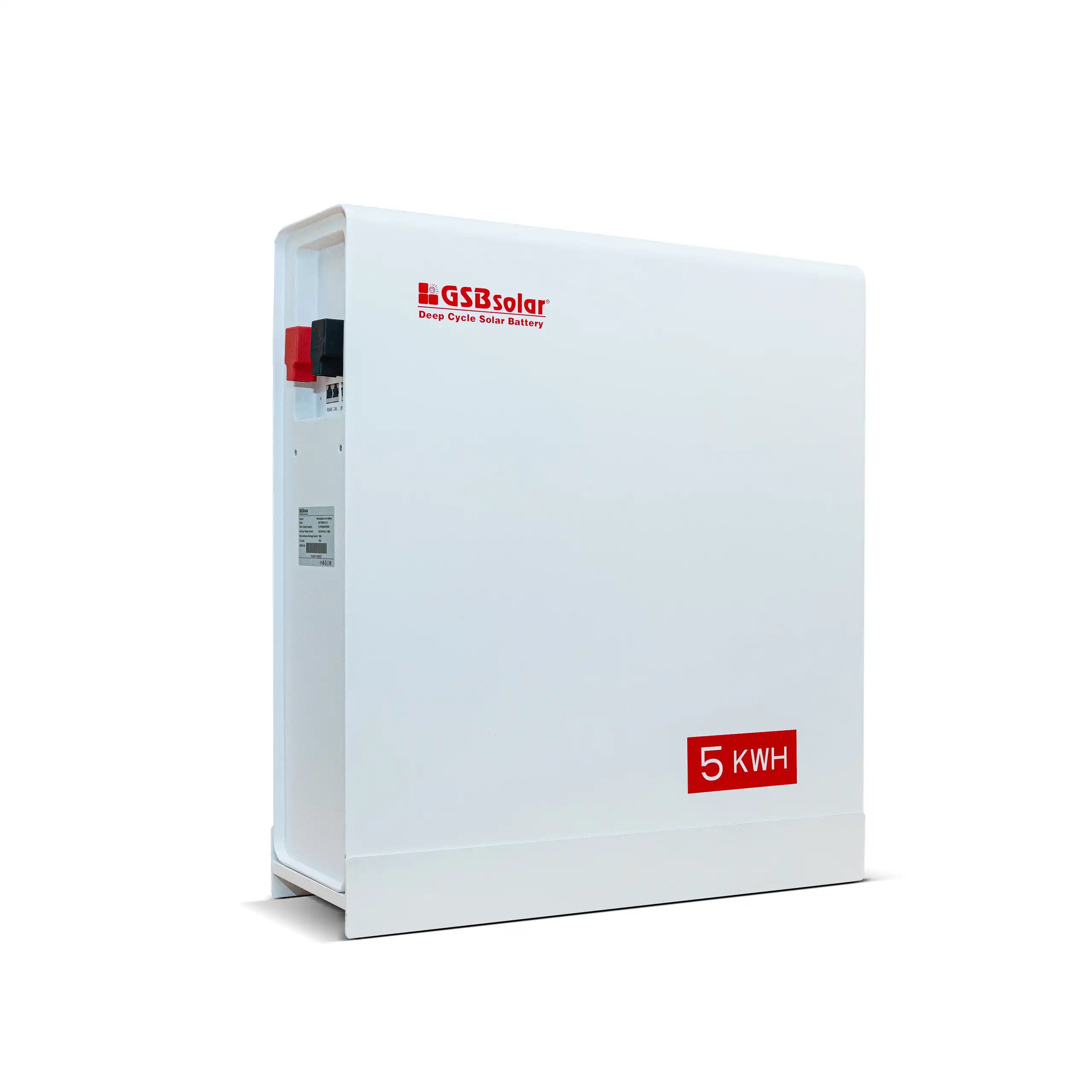
- Lithium Battery
GSB SOLAR LITHIUM BATTERIES
- Gel Battery
- Solar Street Lights
- Pump Inverter
Choosing the best battery for solar system use starts with a clear picture of what the system must power. A household may need evening lighting, a refrigerator, and internet during an outage. Another may want to shift daytime solar energy into the night. Those goals require different storage capacity, inverter power, and backup settings. The fit matters.
The International Energy Agency’s Batteries and Secure Energy Transitions report notes that battery storage additions in the power sector rose by more than 130% in 2023, adding 42 GW worldwide. The IEA also reports that battery prices have fallen sharply over the past decade. These trends widen consumer choice, but a lower price alone does not identify a suitable battery. System size, usable kilowatt-hours, continuous and peak output, round-trip efficiency, cycle life, warranty terms, and temperature limits all matter. So does compatibility with the inverter.
Start with actual electricity bills and, where possible, interval meter data. Estimate essential loads and how many hours they must run. Then compare usable capacity—not just the advertised battery size—and check whether the system can deliver the required power at once. Lithium iron phosphate and other chemistries differ in cost, operating characteristics, and product specifications. Verify details against manufacturer documentation rather than relying on a single headline figure.
A cold garage, a noisy inverter, or several cloudy days can change the real-world experience. Not just price. Even careful sizing cannot predict every household’s habits, so leave room to question assumptions and review the figures with a qualified installer.
Begin with the loads you actually need during an outage, not the whole-house average. Add their daily energy use in kilowatt-hours, then multiply by the number of backup days:
For example, 12 kWh per day for two days requires 24 usable kWh. Keep essentials specific: a refrigerator, lights, router, and a medical device draw differently from an electric water heater. Real homes are messier. Review utility bills and, where possible, measure critical circuits across different seasons.
The U.S. Energy Information Administration reported average household electricity use of about 899 kWh per month in 2022, roughly 30 kWh per day. That figure offers context, not a sizing target for your home. Check whether a battery’s stated capacity is usable energy or nominal capacity, and include inverter losses and any reserve you plan to keep. NREL’s 2024 Annual Technology Baseline uses 85% round-trip efficiency for utility-scale lithium-ion storage; residential systems can differ. Treat it as a planning reference, not a guaranteed home-system performance figure. I would still question any estimate that ignores cloudy-day charging or unusually heavy loads.
A solar battery’s chemistry affects how much stored energy you can regularly use. Depth of discharge, or DoD, is the share of a battery’s capacity removed before recharging. A 10-kilowatt-hour battery with a 50% usable DoD offers roughly 5 kilowatt-hours for daily use. The arithmetic is simple. Real results are not.
Lead-acid batteries are often kept near 50% DoD to limit wear and support a longer service life. That means choosing a larger battery if your home needs more usable energy overnight. Lithium-ion systems commonly allow about 80% DoD, and some are rated for 100%. The exact limit depends on the battery’s chemistry and manufacturer specifications, so check the manual. A higher DoD can reduce the capacity you need to buy, but it does not automatically make a system the better choice.
Compare usable capacity, expected cycle life, warranty terms, and operating temperature—not just the headline capacity. For example, a cloudy afternoon followed by heavy evening use may drain a battery more deeply than expected. I would leave some reserve rather than plan every day around the maximum DoD. That may cost more upfront. It can also make the system feel less constrained, though household habits and actual solar output matter more than a neat spreadsheet suggests.
When comparing batteries for a solar system, look beyond the capacity printed on the label. Round-trip efficiency shows how much stored energy you can use after charging and discharging. Lithium-ion systems commonly reach 85–95% under stated test conditions. In practical terms, putting 10 kWh into a battery might return about 8.5–9.5 kWh. Actual results vary. Check whether the quoted figure covers the battery alone or the full system, including the inverter.
Efficiency is only part of the choice. A battery’s continuous power rating, measured in kilowatts, determines which appliances it can run at once. Its surge rating matters for brief startup loads, such as a refrigerator compressor. A large capacity with modest output may not meet a home’s peak demand.
Check the datasheet for usable capacity, temperature limits, and warranty conditions, then compare them with your daily usage records. Cold mornings and high discharge rates can reduce real-world performance.
Small details matter. I would also leave some room for uncertainty: advertised figures rarely match every household’s pattern, and installation settings can affect the energy delivered.
A battery’s purchase price tells only part of the story. Compare its cycle life at the stated depth of discharge (DoD), not at a shallower test condition. A rating of 6,000 cycles at 80% DoD means something different from 6,000 cycles at 50% DoD. Check the test temperature and charge rate, too.
Real homes are less controlled. They have cloudy weeks, warm garages, and changing loads.
Estimate lifetime cost by adding the purchase and installation costs, plus likely replacement costs, then comparing that total with usable energy delivered over the battery’s life. Keep the estimate conservative. Cycle-life figures are not promises of identical performance in every home.
A typical 10-year warranty may set a minimum remaining capacity, a maximum energy throughput, or both. Read the conditions carefully: the warranty may end when either its time limit or throughput limit is reached. Small print matters.
I once underestimated this detail when comparing batteries; the lower-priced option looked better until its usable-energy allowance was included. Check how claims are measured, and whether routine operating records are required.
A safe solar battery choice starts with the exact system, not a familiar-looking connector. Check that the battery system carries a UL 9540 listing, then confirm its model and configuration match the proposed inverter. A listing alone does not prove every battery–inverter pairing is compatible. Compare the inverter’s supported DC voltage range, charge and discharge current limits, communication protocol, and firmware requirements with the battery specifications. Small detail. Big consequence.
NREL’s 2024 Annual Technology Baseline models utility-scale lithium-ion storage with a four-hour duration and 85% round-trip efficiency. These are planning assumptions, not a promise for a home system. Actual performance depends on equipment, temperature, settings, and use. Check the inverter’s continuous and surge power ratings, too, especially if backup loads include pumps or refrigerators. A clean specification sheet can still leave questions; ask the installer to confirm the exact equipment combination in writing.
Tips: Photograph both equipment nameplates and keep the listing documents with your system records. UL 9540 is a system safety standard; UL 9540A is a test method for evaluating thermal-runaway fire propagation. Don’t treat one as a substitute for the other.
Use this checklist to assess a battery and inverter as a complete energy storage system. Requirements vary by equipment, installation, and local code; confirm all final selections with the manufacturers and the local authority having jurisdiction.
| Check | What to verify | Evidence to request | Decision rule |
|---|---|---|---|
| UL 9540 system listing | Confirm that the energy storage system is listed to UL 9540 and that the listing covers the specific battery and inverter models being considered. | UL listing or certification record, system documentation, and installation instructions identifying the covered equipment and configuration. | Do not assume that separately certified components automatically form a UL 9540-listed system. Confirm the exact combination and any stated operating limits. |
| Component certifications | Check relevant component-level certifications, such as UL 1973 for stationary batteries and UL 1741 for inverters, where applicable to the equipment and installation. | Certification records and product labels showing the applicable standard, model, and certification details. | Component certifications are useful evidence, but they do not replace verification of the complete system listing or local requirements. |
| Battery voltage range | Compare the battery’s minimum, nominal, and maximum operating voltage with the inverter’s permitted battery-input range. | Battery and inverter datasheets, including voltage limits and any temperature- or state-of-charge-related restrictions. | The complete battery operating range must fit within the inverter’s specified limits. A matching nominal voltage alone is not sufficient. |
| Charge and discharge current | Compare the inverter’s maximum charge and discharge current with the battery’s continuous current ratings and the system’s configuration. | Manufacturer datasheets and installation manuals stating continuous and, where applicable, short-duration current limits. | Stay within the lowest applicable equipment limit. Do not treat a short-duration peak rating as a continuous rating. |
| Power versus energy | Check both power capability (kW) and stored energy (kWh). They describe different properties: how much power a system can deliver and how much energy it can store. | Battery and inverter ratings, plus usable-energy information and any stated reserve or operating limits. | Size power for the loads to be served and energy for the intended backup duration. Do not assume nominal energy is fully usable. |
| Current example for a 48 V-class system | For an illustrative 5 kW output at 51.2 V DC, the ideal DC current is about 98 A. At 95% conversion efficiency, it is about 103 A before considering other operating conditions. | Inverter efficiency and power specifications, battery voltage under load, and continuous battery current limits. | Use the manufacturer’s ratings and system design calculations; this example is not a universal current requirement or a recommended equipment pairing. |
| Communications and controls | Verify that the battery-management system and inverter support an explicitly approved communications method and compatible control settings. | Compatibility list, wiring diagram, supported protocol details, configuration instructions, and required firmware versions. | Matching connector types or a shared protocol name does not by itself establish compatibility. Follow the manufacturers’ documented pairing instructions. |
| Operating conditions | Review permitted charging and discharging temperatures, enclosure rating, installation location, clearances, and any ventilation or environmental limits. | Installation manuals and product environmental specifications. | Install only within the stated conditions and follow the required clearances, mounting, and temperature controls. |
| Grid connection and backup operation | Confirm support for the intended operating mode, such as grid-connected storage, backup power, or an approved AC-coupled arrangement. | System diagram, inverter operating-mode specifications, transfer equipment details, and applicable installation instructions. | Verify that the selected arrangement supports the planned loads and complies with applicable interconnection and electrical requirements. |
| Final installation review | Check applicable electrical codes, permitting requirements, utility rules, and the authority having jurisdiction’s acceptance criteria. | Current local requirements, approved plans where required, permits, and manufacturer installation documents. | Use the locally adopted requirements and have the system reviewed or installed by appropriately qualified professionals. |