ALL PRODUCTS
- Solar Panel
- Hybrid Inverter
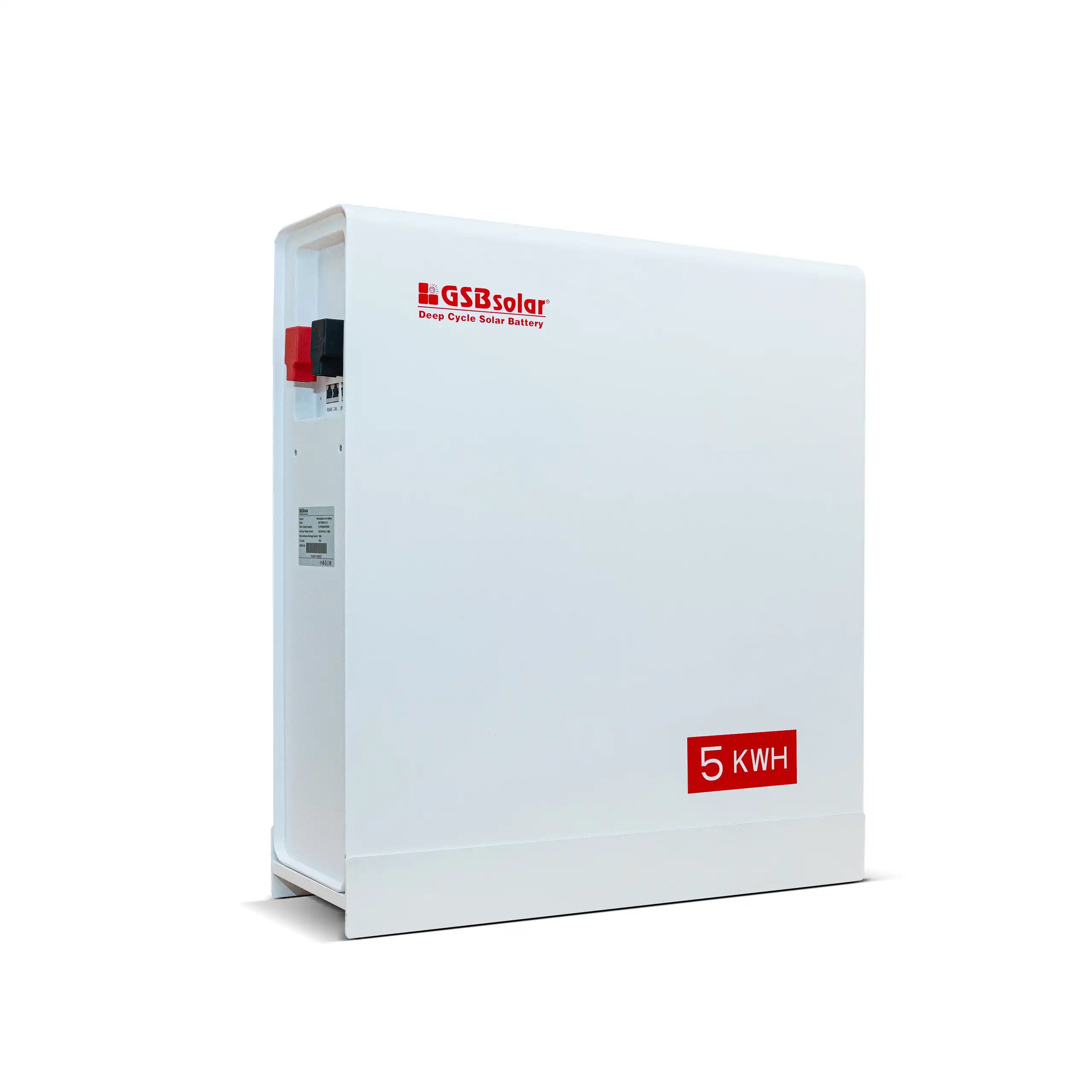
- Lithium Battery
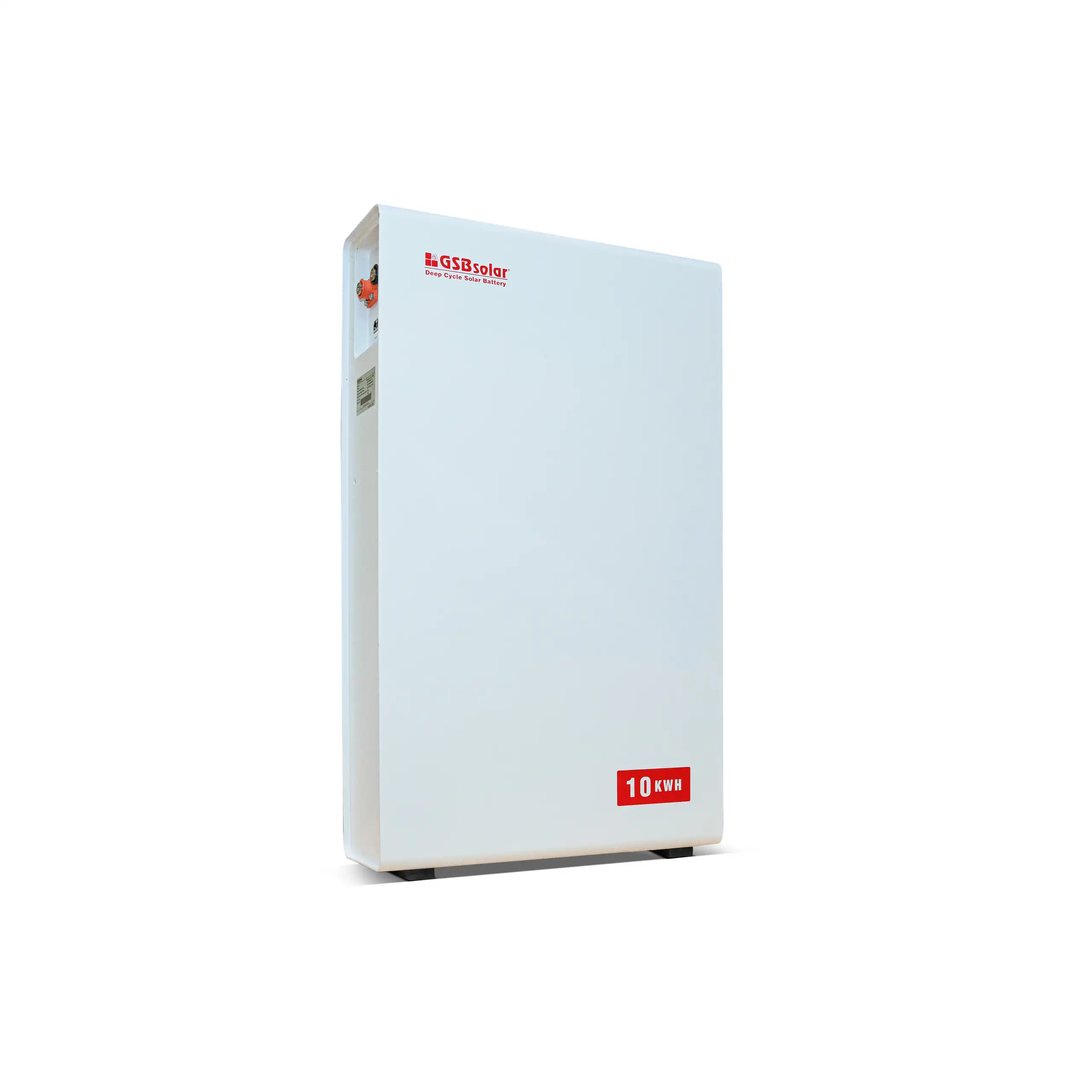
GSB SOLAR LITHIUM BATTERIES
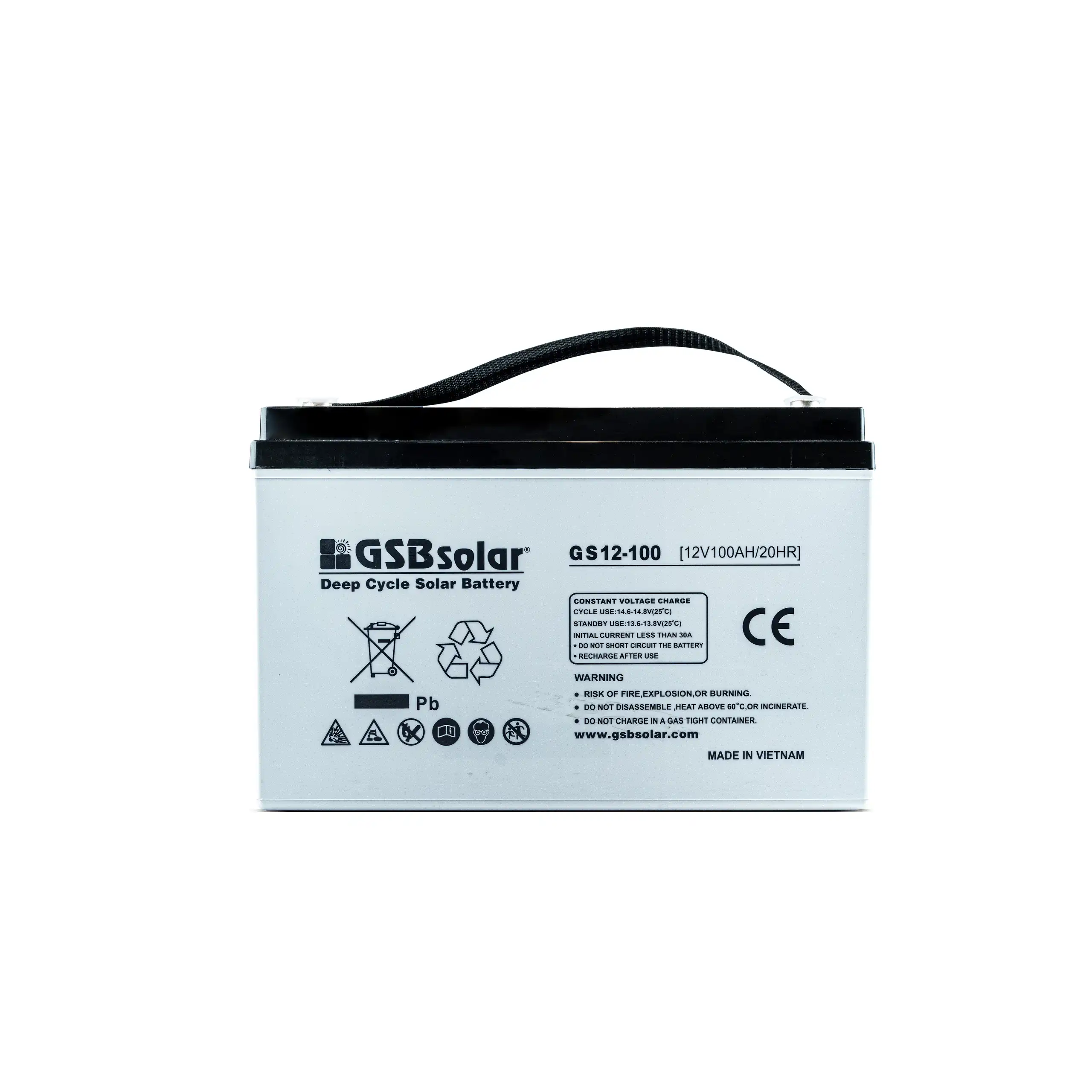
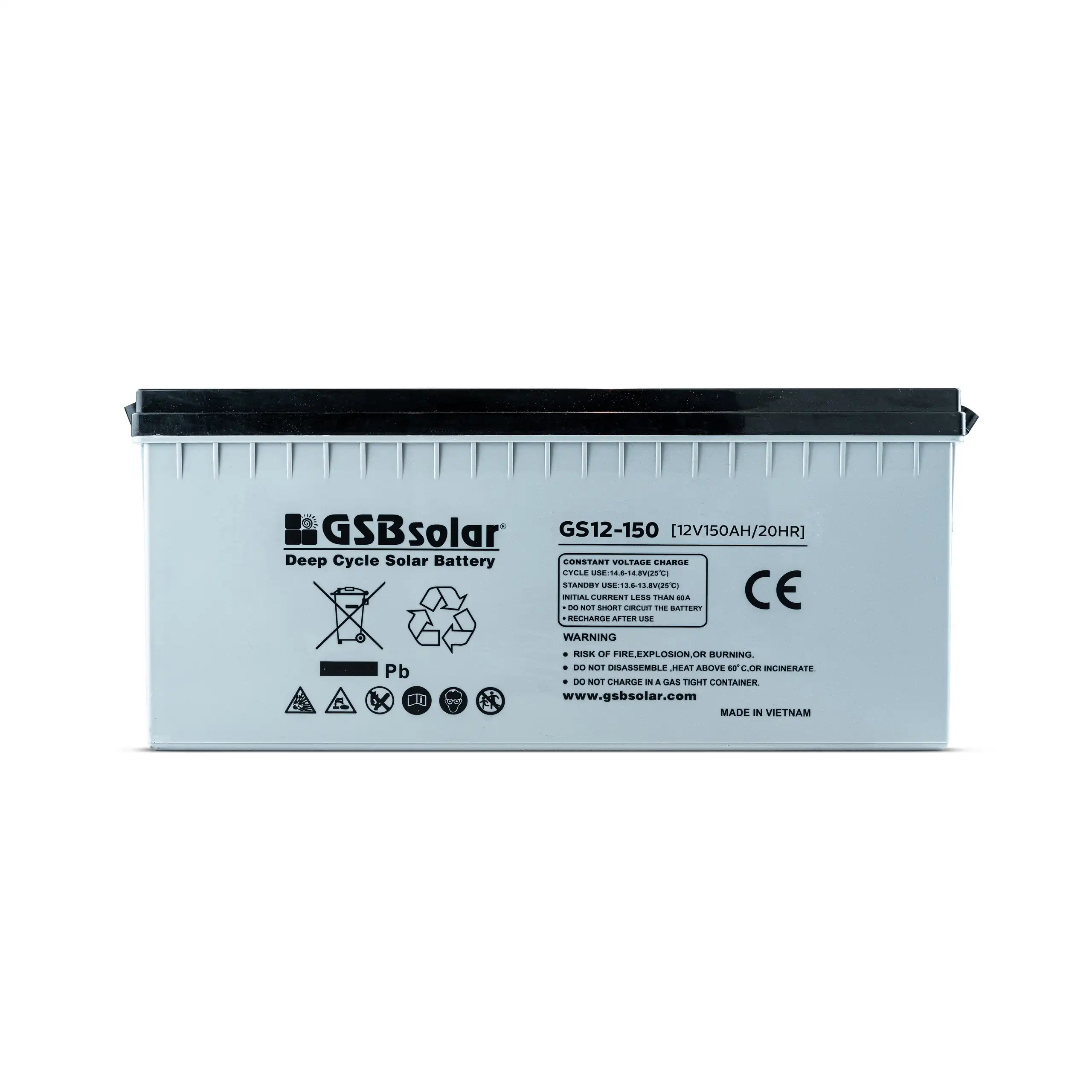
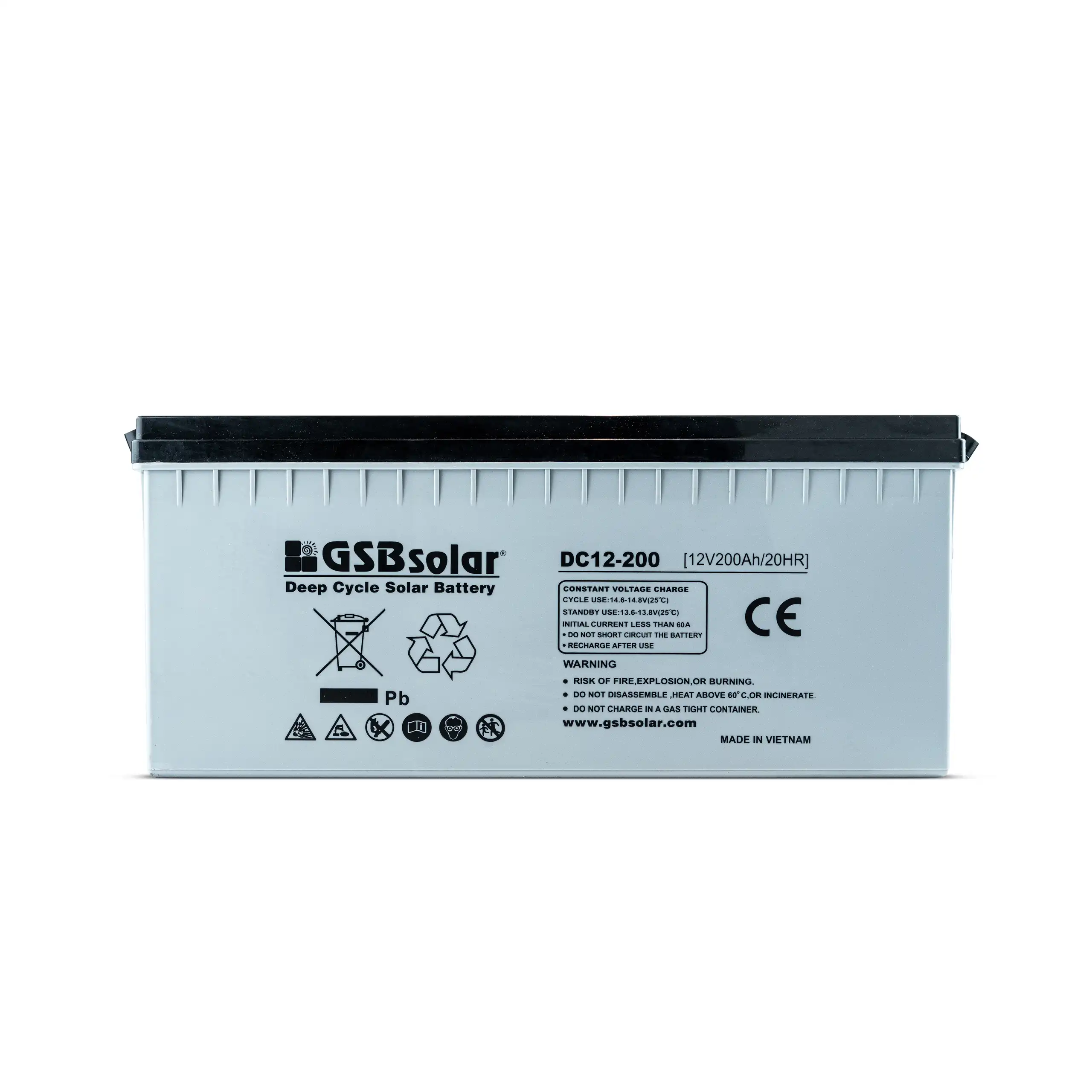
- Gel Battery
- Solar Street Lights
- Pump Inverter
Choosing a solar panel inverter is not a small technical detail. It affects how much of your panels’ direct-current electricity becomes usable alternating-current power. The market’s scale makes the decision more important. The IEA PVPS Snapshot of Global PV Markets 2024 reported about 447 GW of new solar capacity in 2023, bringing cumulative global capacity to roughly 1.6 TW. More systems mean more inverter options—and more specifications to compare.
A useful starting point is matching the inverter to the array, site, and household or business needs. Check rated power, operating voltage, efficiency, monitoring features, warranty, and compatibility with batteries if storage may be added. NREL’s PVWatts technical documentation includes inverter efficiency and the DC-to-AC ratio in its estimates of system output. That matters. A high efficiency figure alone does not guarantee the best annual performance; shading, roof direction, temperature, and system sizing also shape real-world results.
Look closely at the installation conditions. A shaded chimney may favor module-level power electronics, while an unshaded roof may suit a string inverter. Compare published test data, not just a bold number on a product page. Ask an experienced installer to explain expected output and maintenance needs for your actual roof. Even careful estimates carry uncertainty. That is worth admitting. This guide will help you weigh the main inverter types and choose one that fits your system, budget, and plans.
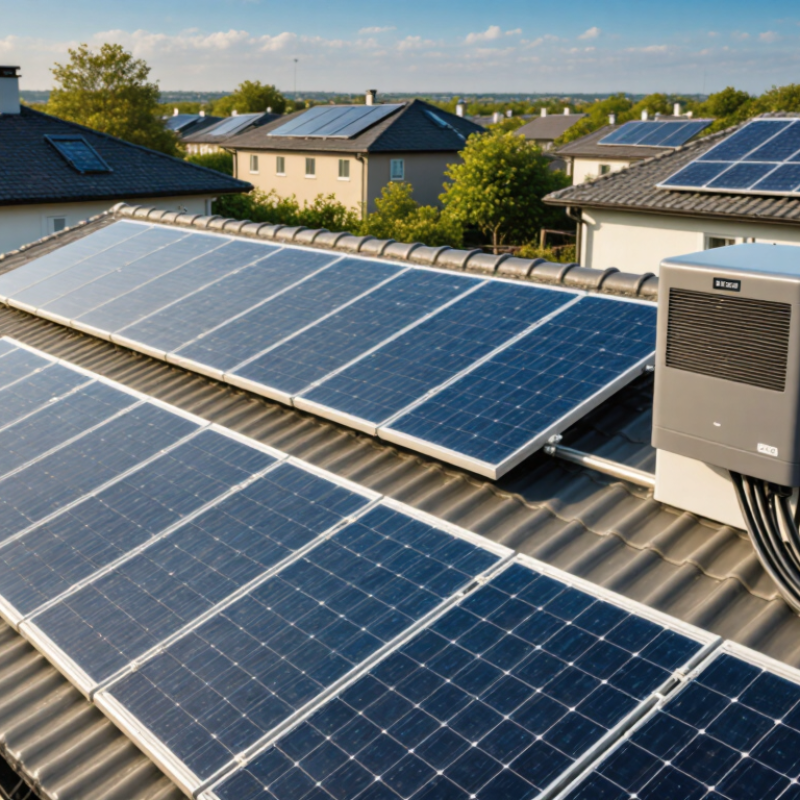
A solar inverter converts the panels’ direct-current electricity into alternating current used by household appliances. It also monitors production and helps keep the system within safe operating limits. That sounds simple. Yet inverter choice affects how a system handles shade, roof layout, and possible battery storage.
A string inverter connects several panels to one central unit, often mounted near a utility area. It can be a straightforward option when panels face the same direction and receive similar sunlight. But shade on one panel may reduce output across its connected string. Microinverters sit behind individual panels, allowing each one to operate more independently. They can suit complex roofs, though they add equipment across the roof and may cost more. Neither type is automatically better.
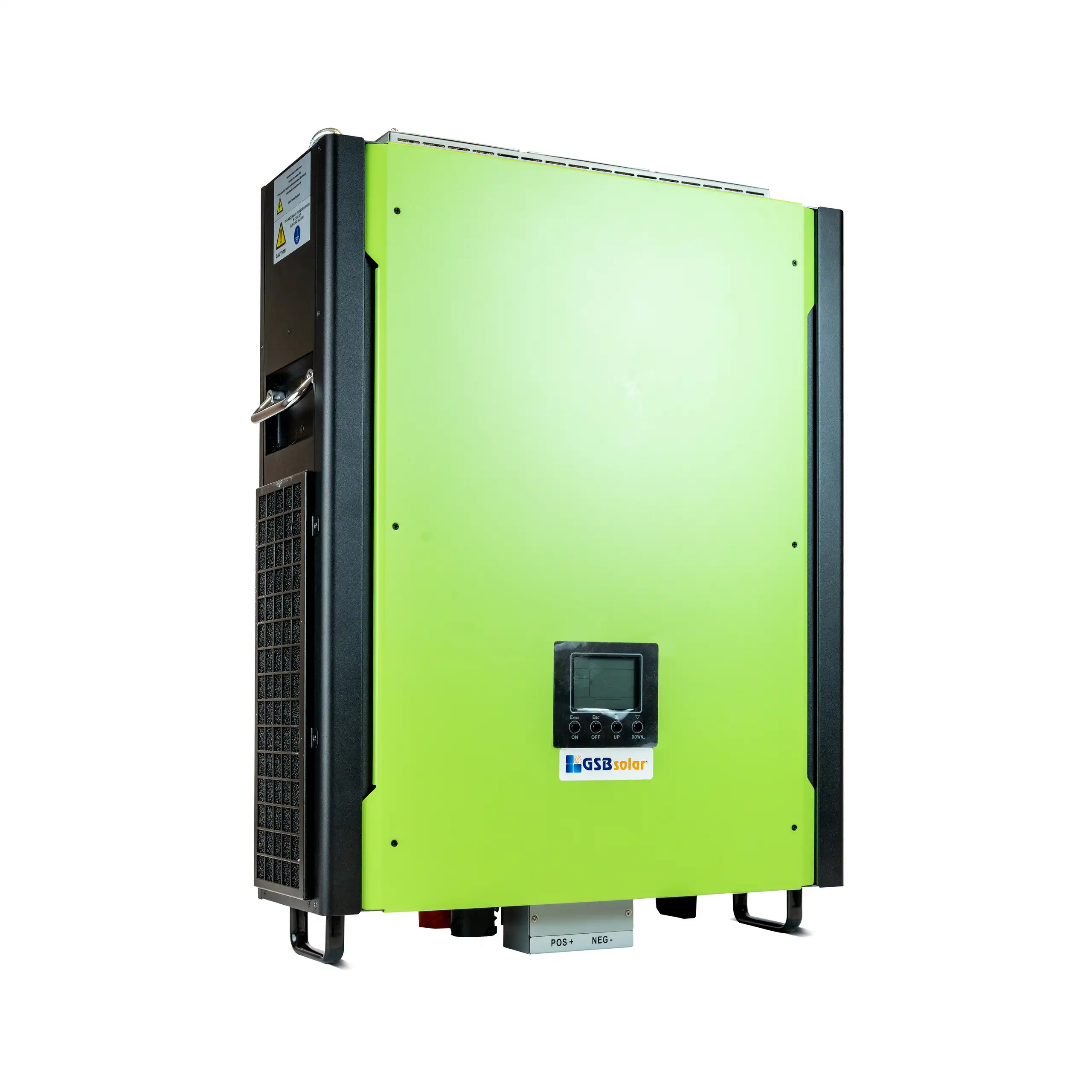
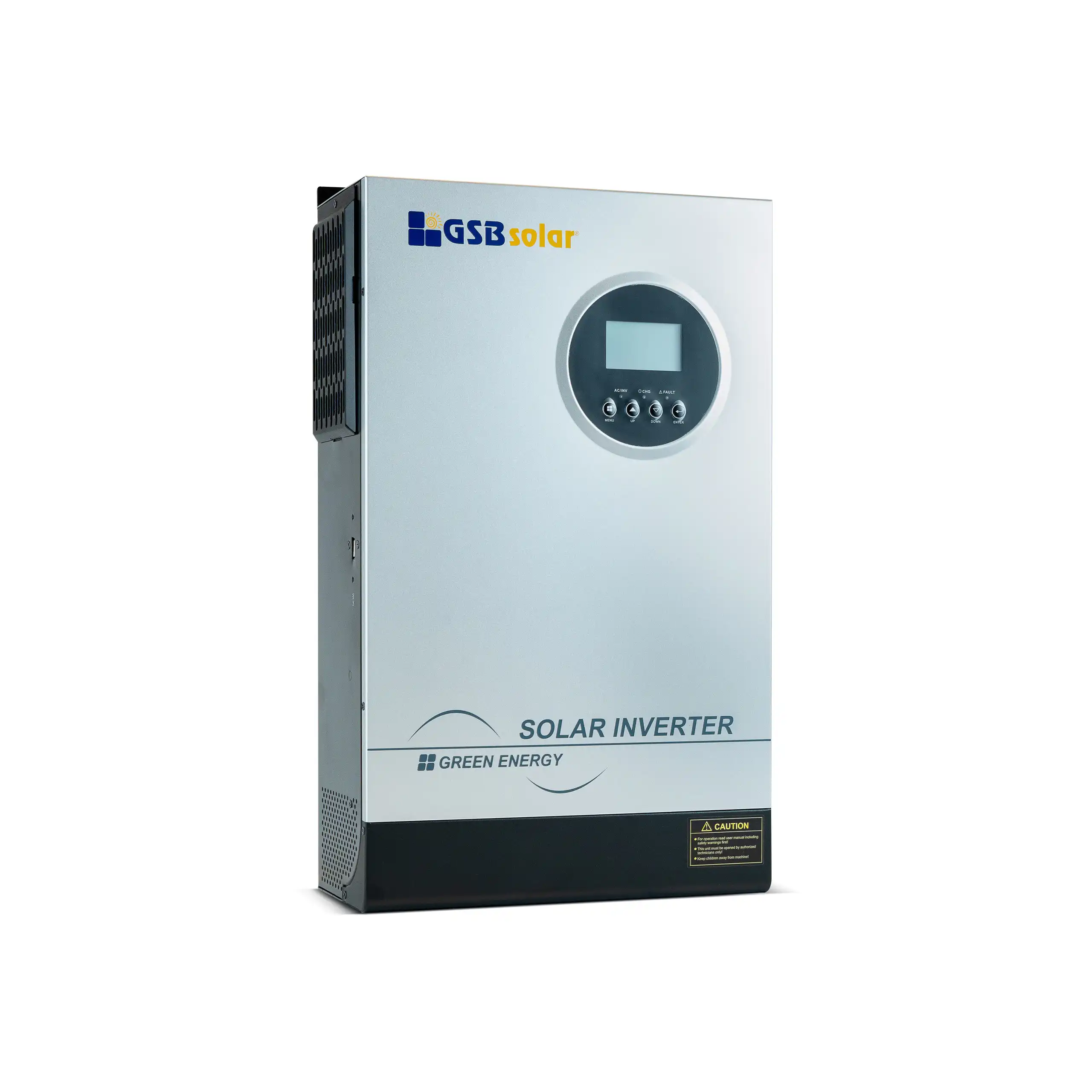
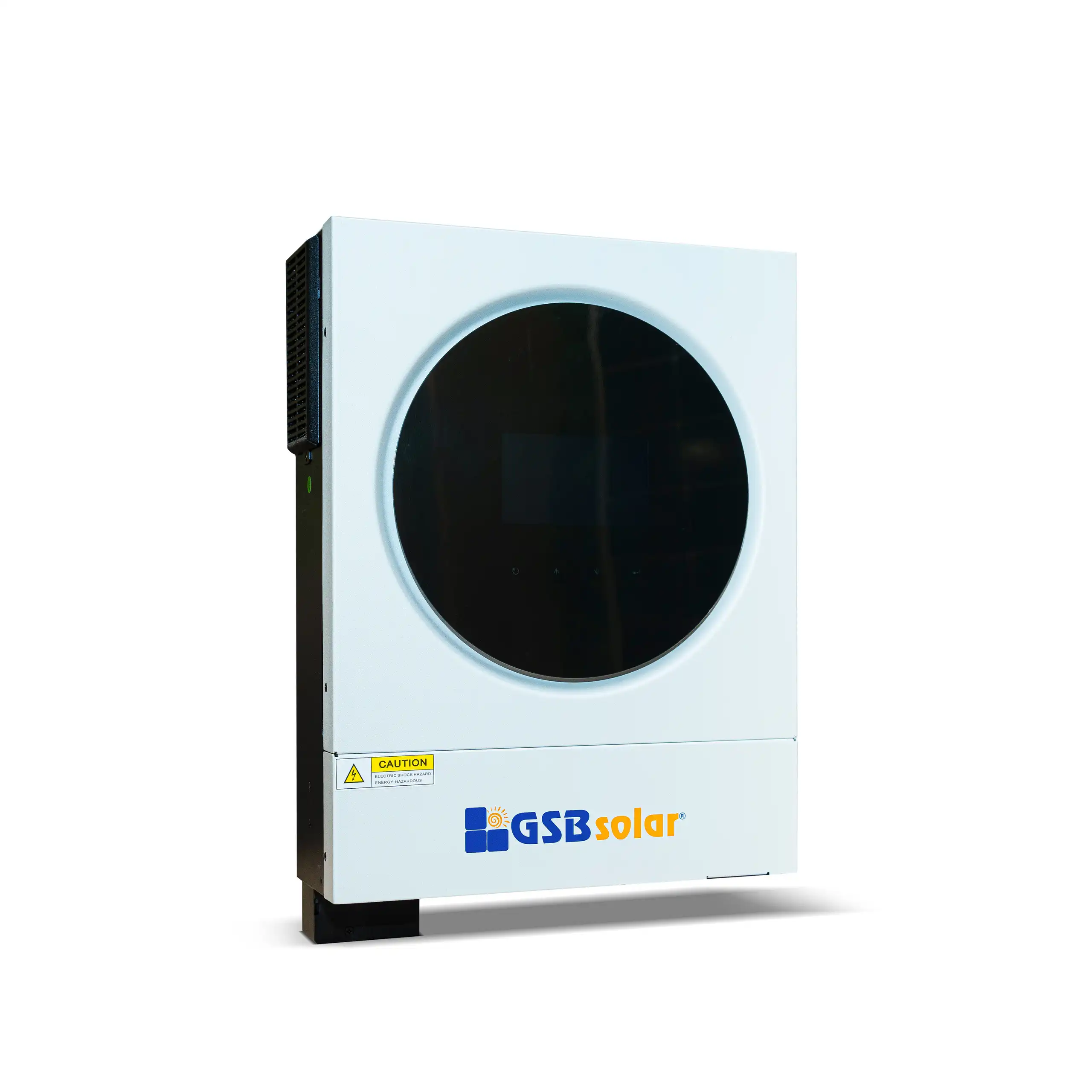
Hybrid inverters can manage solar electricity, household use, and a compatible battery. Their value depends on whether storage is planned and whether the model supports the intended battery and backup loads. Check the inverter’s capacity, voltage range, monitoring features, and warranty terms against the panel design. Ask how the system will perform during partial shade, not just under ideal conditions. A roof diagram helps. I would also verify service access and replacement procedures; these details are easy to overlook when comparing specifications.
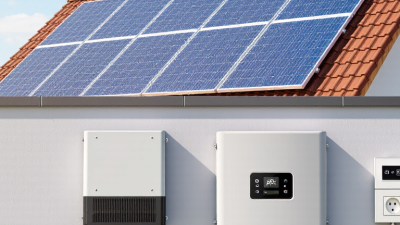
Choose an inverter by matching its output to the loads you expect to use together. Read each appliance’s nameplate and add the running watts for items such as lights, a refrigerator, and a laptop. A small worksheet helps. Do not add every appliance automatically; focus on realistic simultaneous use. Then check startup demand. A refrigerator compressor or pump may briefly draw much more power than it uses while running. The inverter’s surge rating must cover that short peak.
Allow some headroom rather than sizing right to your estimated total. For example, if simultaneous loads reach 1,600 watts, an inverter with a higher continuous rating gives room for variation and future additions. Check the actual specifications, including continuous output, surge duration, and battery voltage. Conversion losses also matter: the battery must supply more energy than the AC appliances receive. A system’s solar-panel wattage alone does not determine the right inverter size. Battery capacity and expected operating hours are separate calculations.
Tips: List the appliances you truly use at once, then verify their startup watts in manuals or product labels. Leave a practical margin, often around 20 percent, but adjust it to your measured loads. Estimates can be imperfect; real usage may surprise you. If wiring or battery compatibility is unclear, ask a qualified solar professional to review the design.
Choosing an inverter starts with the panels’ electrical specifications, not just the system’s advertised wattage. Check each panel’s operating voltage and current, then confirm they fall within the inverter’s permitted input range. The maximum voltage matters on cold, sunny mornings, when panel voltage can rise. A mismatch may limit production or create a safety concern. Read the equipment datasheets carefully.
The installation site shapes the inverter choice. A simple roof with one direction and little shade may suit a string inverter. If nearby trees cast shifting shadows, or roof sections face different directions, panel-level electronics may help reduce the effect on other panels. They can also make monitoring more detailed, though they add components and cost. Shade is stubborn.
Compare the inverter’s AC output with the panel array’s DC capacity. Some systems intentionally use a larger panel capacity than inverter capacity, but the right balance depends on local sunlight, roof orientation, and design limits. Ask a qualified installer to explain the expected clipping and show the assumptions behind the estimate. That part is easy to gloss over. Consider future battery or backup needs, too; not every inverter supports them in the same way. I’d revisit the choice after checking the roof plan, cable routes, ventilation, and service access. A technically compatible unit can still be awkward to maintain.
When comparing solar inverters, look beyond the highest efficiency number. Peak efficiency describes ideal conditions; weighted efficiency better reflects changing sunlight across a typical day. A small difference may matter less than how the inverter handles shade, heat, and your roof’s layout. Ask for performance figures under realistic operating conditions. Small details matter.
Monitoring should show daily energy production, system status, and clear fault alerts. Some systems report data at panel level, which can help identify one underperforming panel, while basic monitoring may only show total output. Check whether the system needs a steady internet connection, and whether you can still read local status when the connection drops. I used to think more graphs meant better monitoring; they can also make a simple problem harder to spot.
Safety features deserve direct questions. Confirm the inverter is compatible with the system’s required shutdown equipment and has recognized safety certifications. Have a qualified installer explain how faults are isolated and what maintenance access looks like. Warranty terms need the same close reading. Compare coverage length, labor costs, replacement shipping, and exclusions for installation or environmental damage. A long warranty may sound reassuring, but it can leave practical repair costs uncovered. Ask for the terms in writing.
A suitable inverter must match the electrical limits of your solar panels. Check the panels’ operating voltage and current against the inverter’s input range, then confirm how many panels each input can handle. The setup matters, too: string inverters connect groups of panels, while microinverters work at individual panels. If part of your roof gets afternoon shade, that difference can affect energy production. Small details matter.
Before choosing, look closely at installation requirements. Measure the available wall or roof space, check ventilation clearances, and consider where cables must run. Some systems need extra equipment for battery storage or monitoring. Ask an installer to inspect your panel layout and electrical service, rather than relying only on a product’s headline specifications. A neat diagram can miss awkward roof angles or a crowded utility area.
Compare the total installed cost, not just the inverter’s purchase price. Include labor, wiring, protective equipment, permits where applicable, and any battery or monitoring components you actually need. Also review warranty terms and likely replacement costs; an inverter may not last as long as the panels. That adds up. A higher-efficiency model can be worthwhile, but only if its added cost makes sense for your system’s expected output. Estimates are imperfect, and a little uncertainty is normal.