What Are the Top 10 Solar Packages for Buyers?
Buying solar is not just a matter of choosing the package with the most panels. A good fit depends on your roof, electricity use, budget, and plans for the home. The phrase “solar packages” can cover very different offers: panels and an inverter, or a larger system with a battery, monitoring, and installation. Buyers should look closely at what is included.
Energy-efficiency expert Amory Lovins, cofounder of Rocky Mountain Institute, is widely associated with the line, “The cheapest energy is the energy you don’t use.” It’s a useful reminder: before comparing equipment, check your recent bills and consider whether basic efficiency improvements could reduce the system size you need. Small details matter. A shaded roof, an aging inverter, or unclear workmanship coverage can change the value of an offer.
This guide introduces ten solar packages for buyers, with attention to equipment, estimated output, warranties, storage options, and overall cost. Compare each proposal using the same assumptions, including system size and expected annual production. Ask how estimates account for shade and seasonal changes. A polished quote is not a guarantee. Package details and savings vary by home, installer, and local utility arrangements, so verify the figures before signing. No option is perfect; even the strongest package may be a poor match for one roof.

Solar Packages: Definition, Components, and How They Work
What Are the Top 10 Solar Packages for Buyers?
Solar Packages: Definition, Components, and How They Work
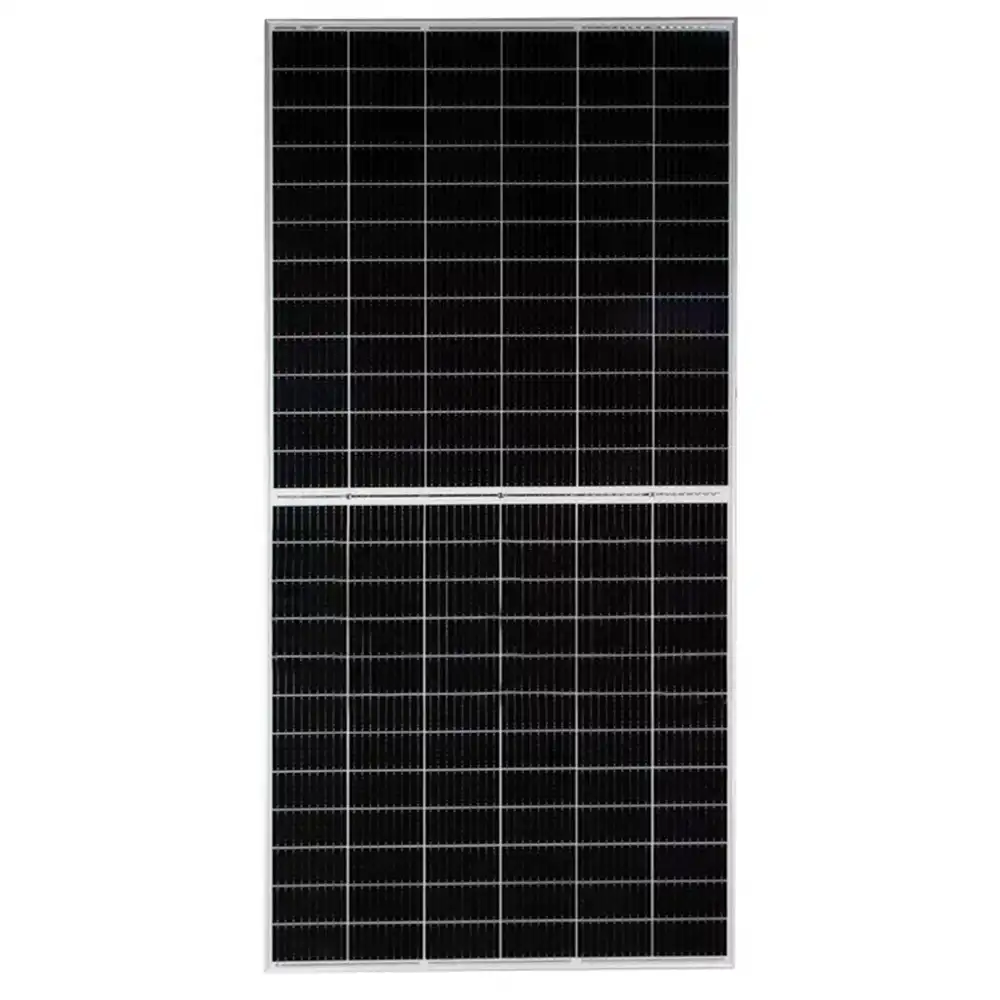
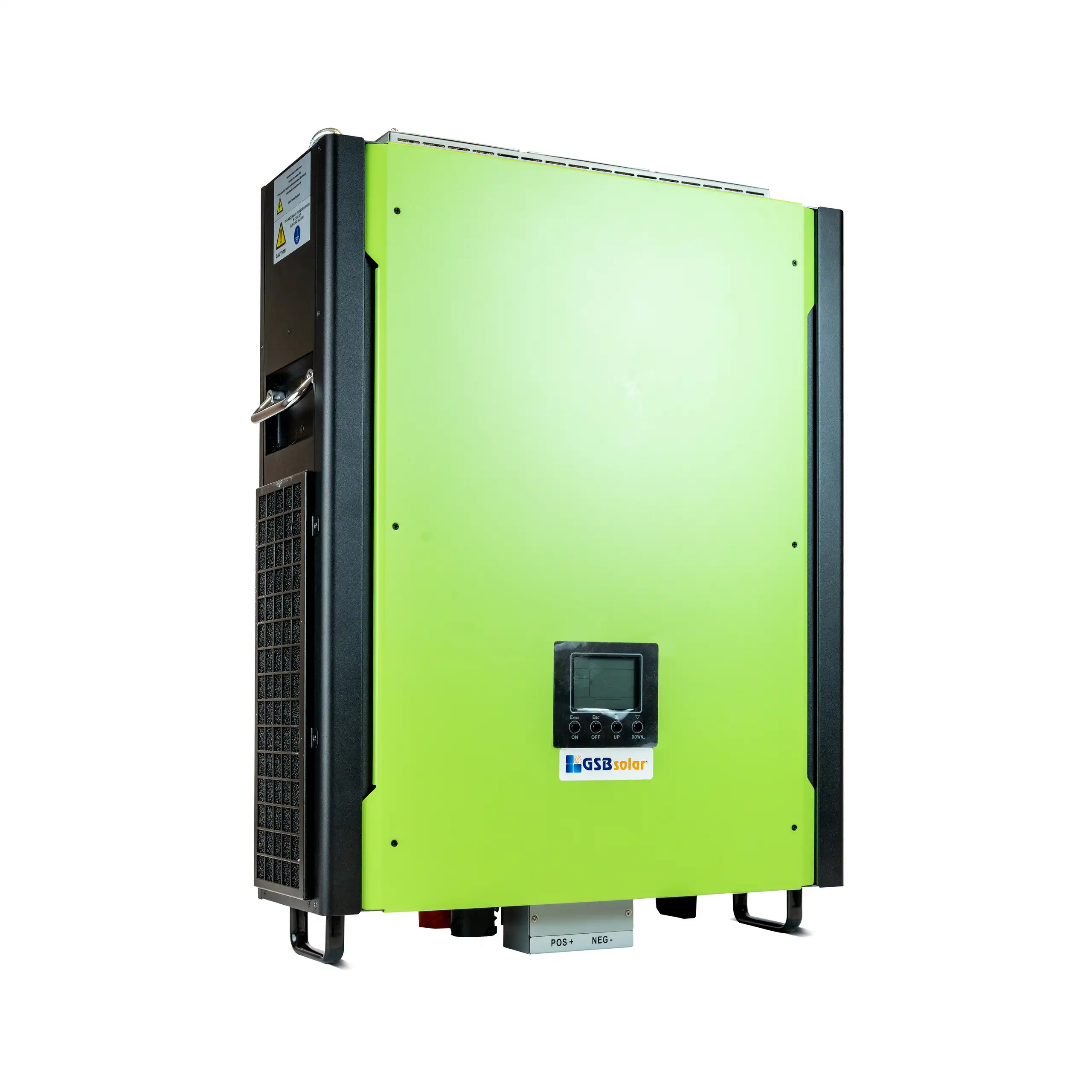
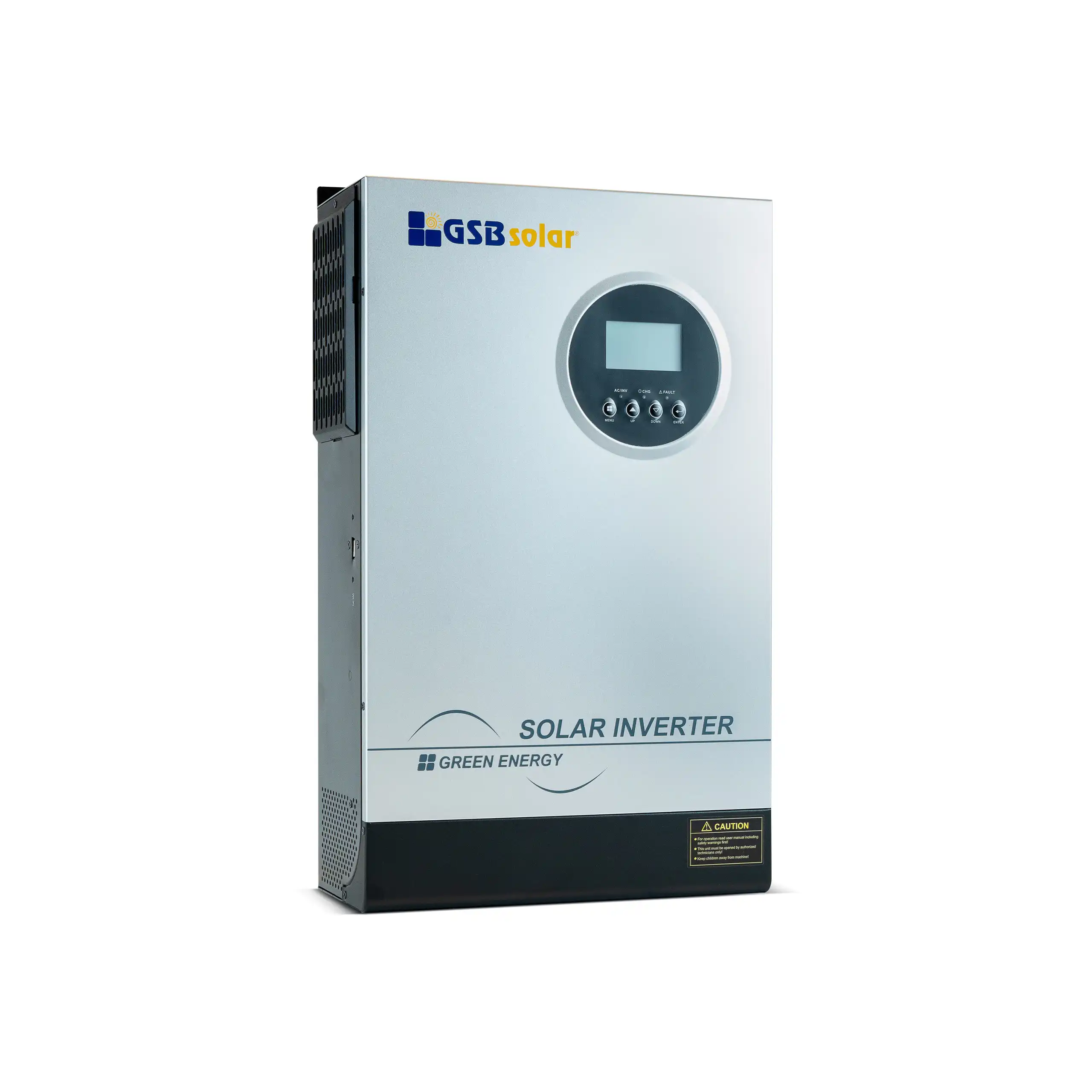
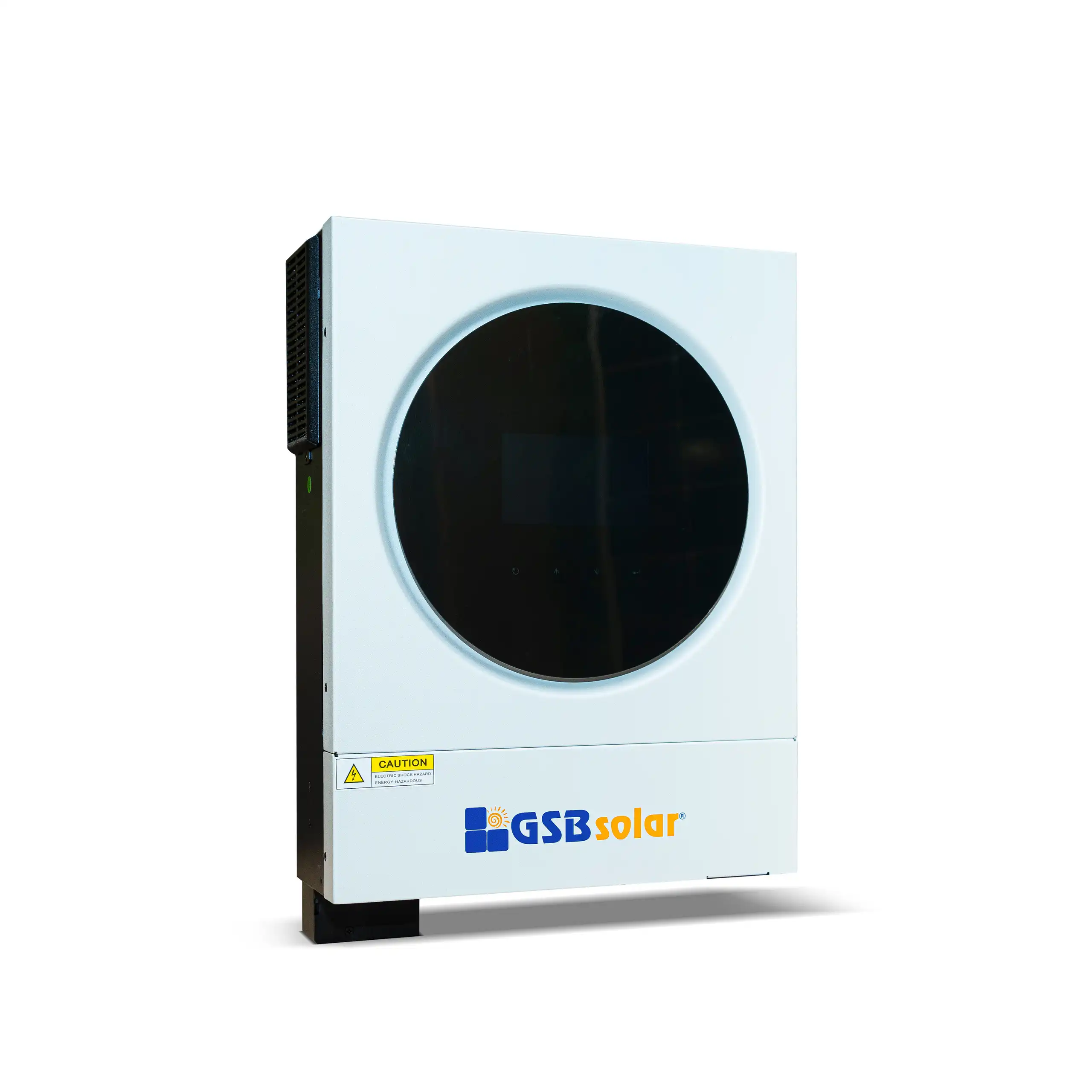
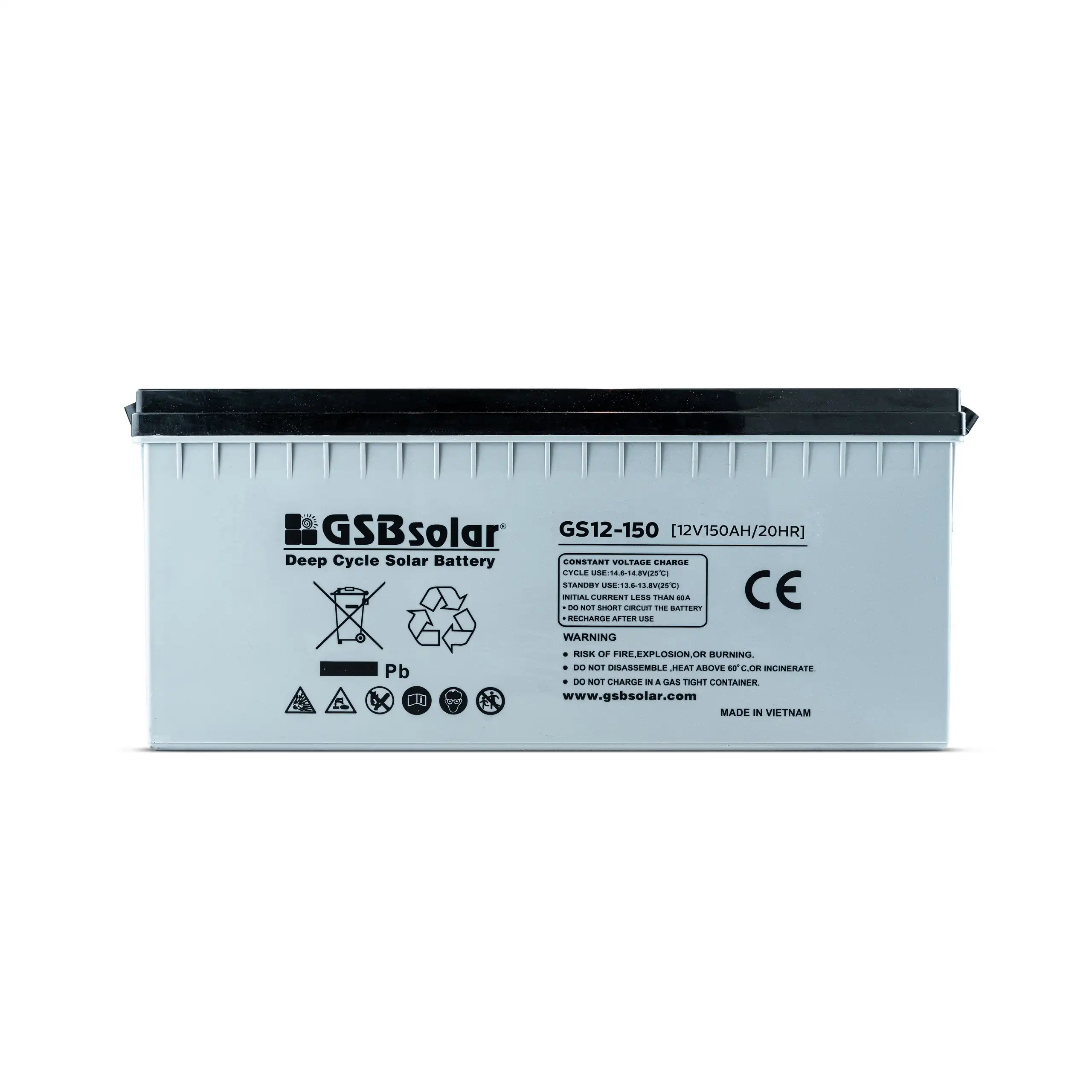
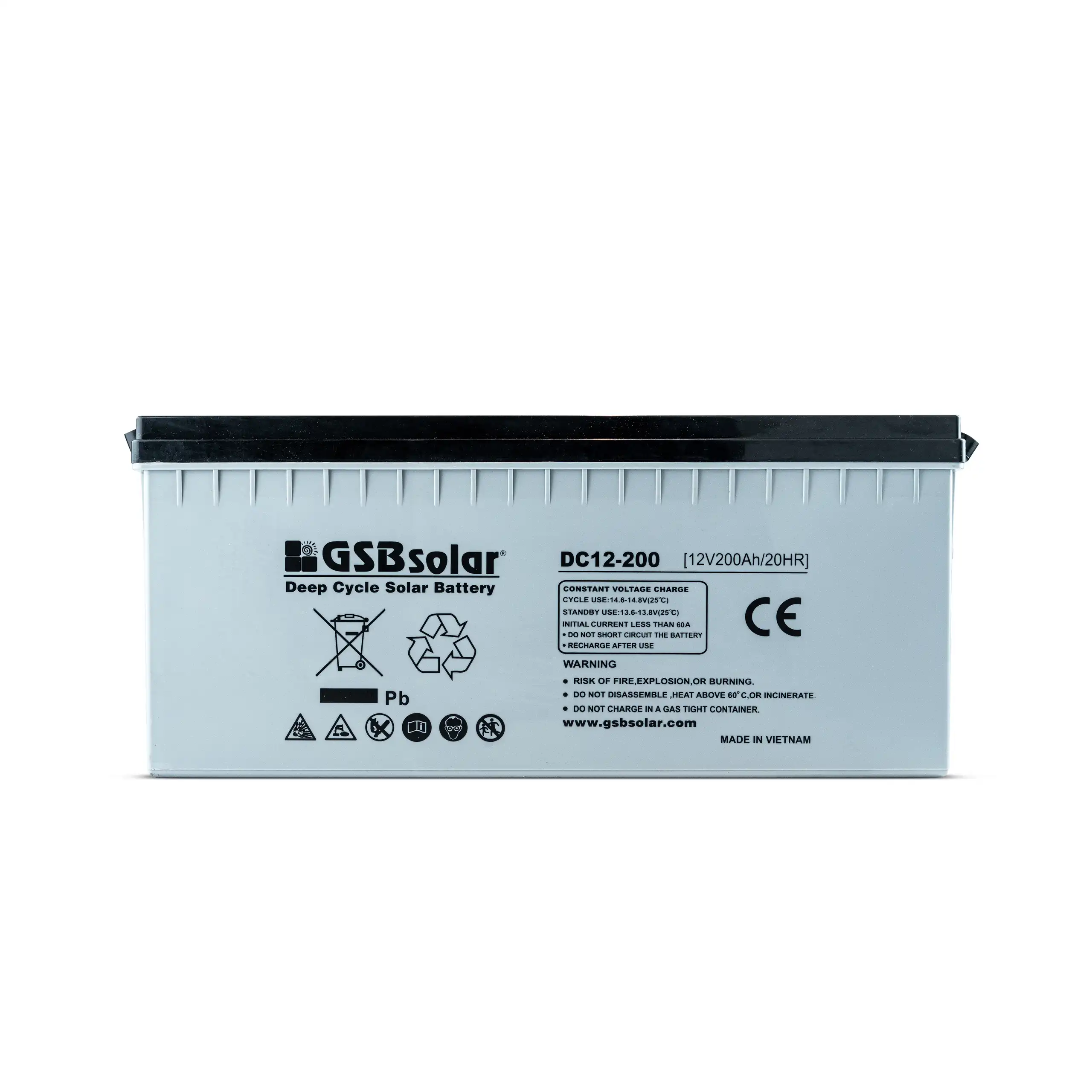
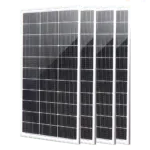
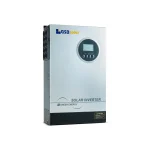
A solar package is a coordinated set of equipment and services for generating electricity at home. A typical system includes rooftop panels, mounting hardware, wiring, an inverter, and monitoring software. Batteries are optional. Panels produce direct-current electricity; the inverter converts it into alternating current for household use. Extra power may charge a battery or flow to the grid, depending on the system design. IEA PVPS estimated at least 407.3 gigawatts of new solar capacity was installed worldwide in 2023, reflecting the technology’s rapid expansion.
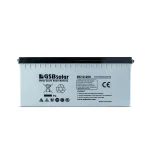
Packages differ in panel capacity, inverter type, battery storage, installation work, and support. A grid-connected system without a battery may cost less upfront, but it cannot usually provide backup power during an outage. The word “complete” can be misleading: some quotes exclude roof repairs, electrical upgrades, or monitoring fees. Those details matter. A precise production estimate should account for roof direction, shade, and local weather—not just panel count.
Tip: Compare estimated annual output, usable battery capacity, equipment warranties, and exclusions in writing. Ask how shade from a chimney affects the forecast. A tidy estimate is useful, but real roofs are rarely perfect.
Key Factors for Comparing Solar Packages
A useful comparison of solar packages starts with expected annual output, not panel count. A 6-kilowatt system may produce very different results on two roofs. Roof direction, shade from a chimney, and local weather all matter. Ask how each estimate was calculated, and compare packages using similar assumptions. Small details matter.
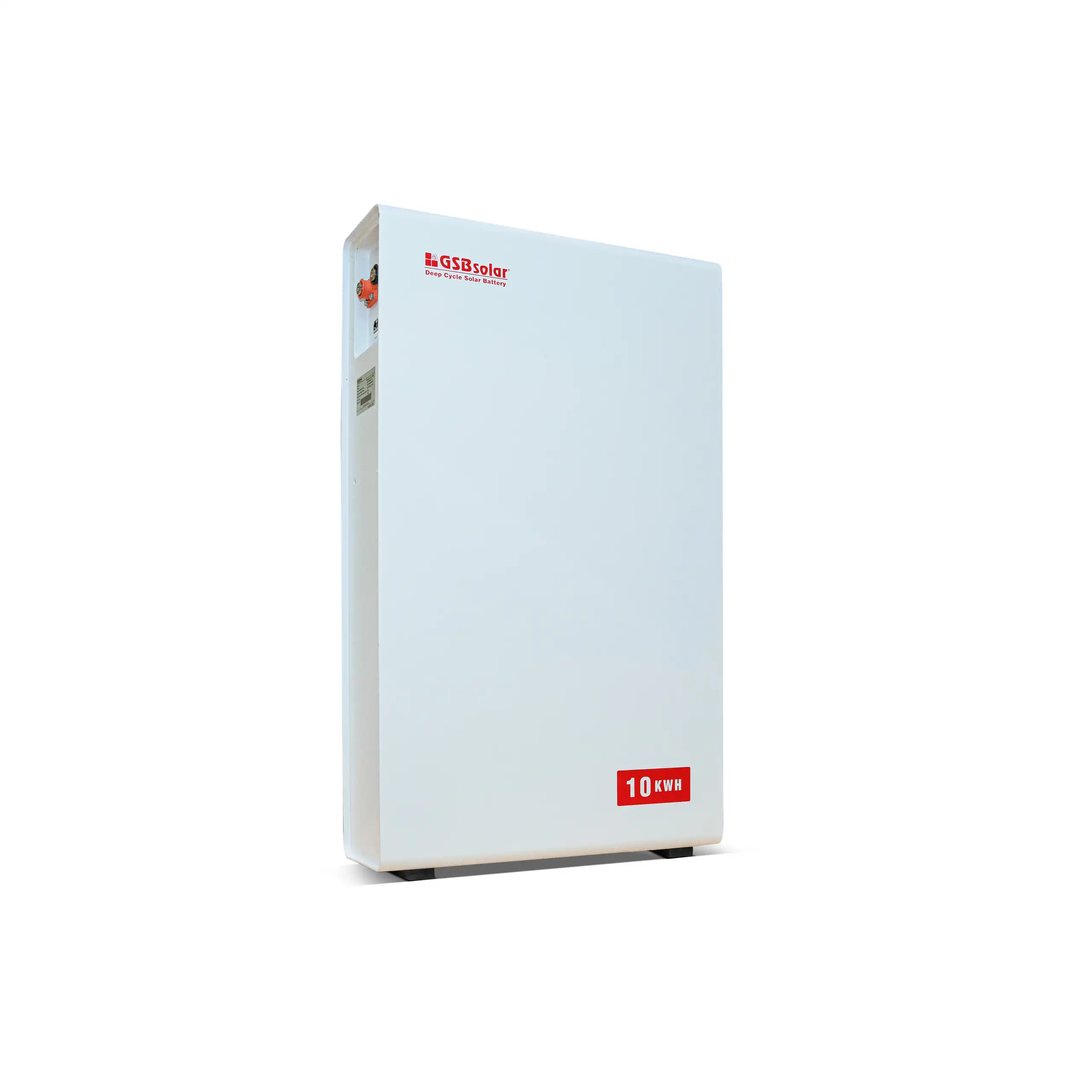
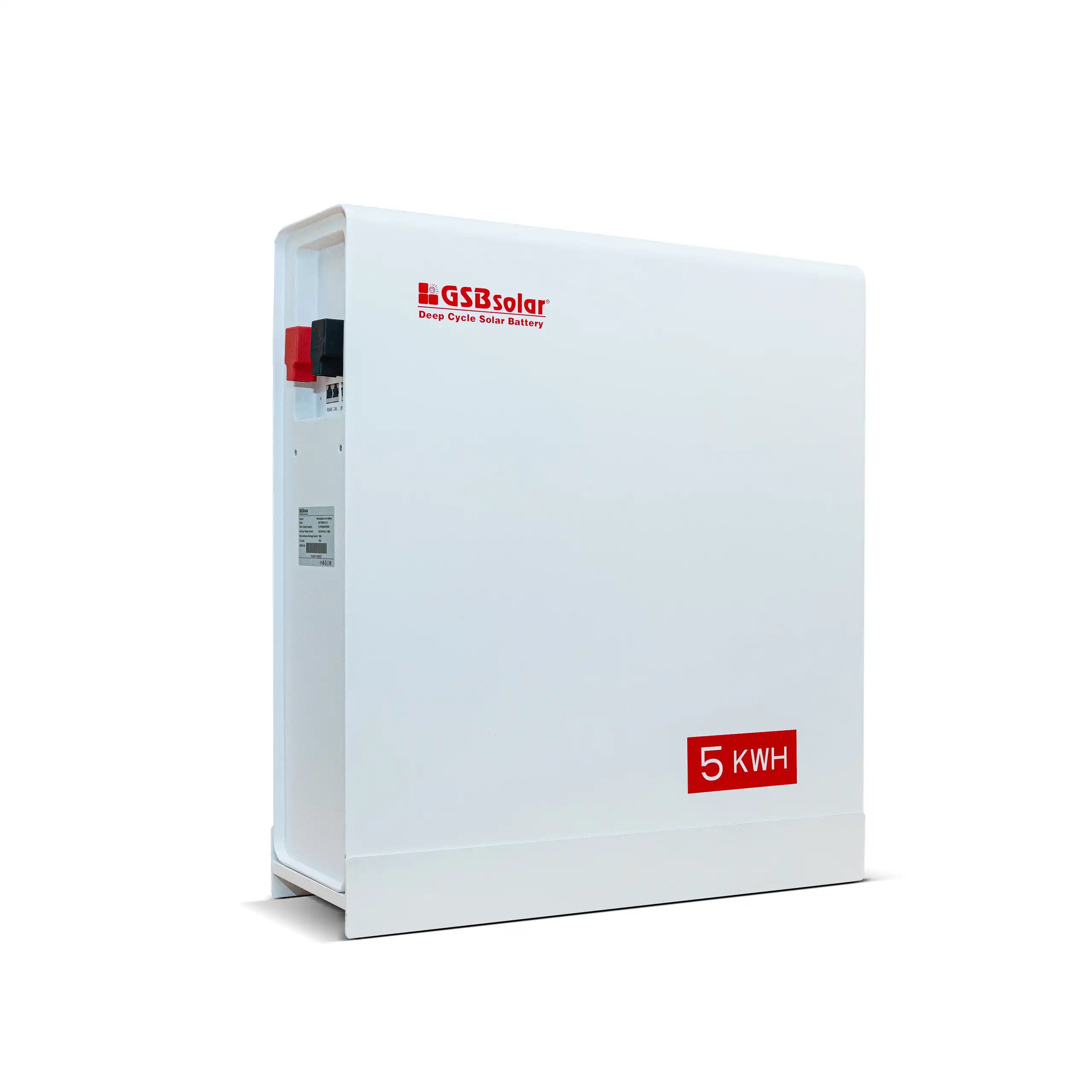
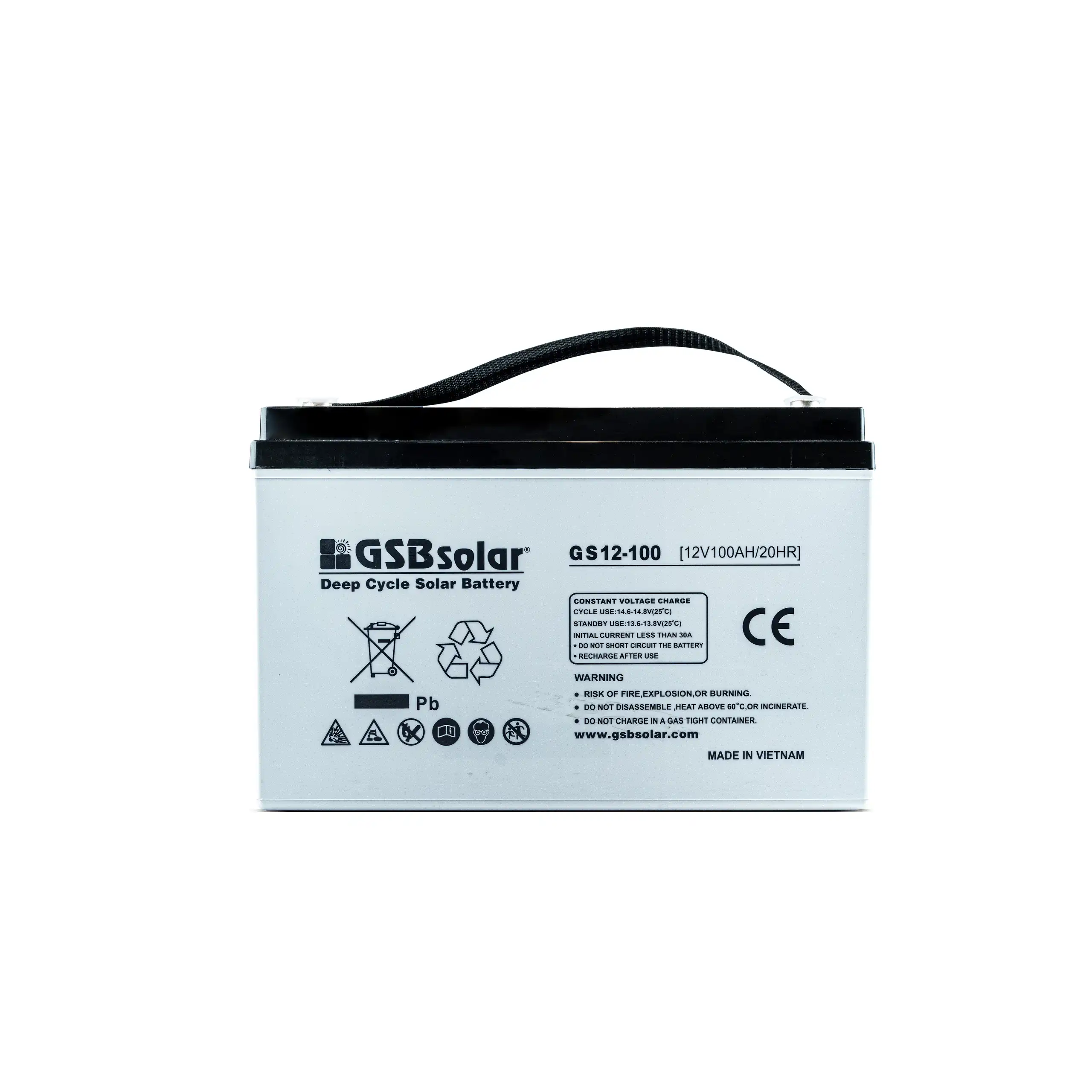
Review the equipment as a working system. Check panel output, inverter type, and whether a battery is included. If there is a battery, compare usable capacity and power, not just its advertised size. Read the warranty periods for equipment and installation separately. A long product warranty does not necessarily cover labor or roof repairs. This is easy to miss.
Look closely at the quoted price and installation scope. Confirm whether permits, wiring, monitoring, and any electrical-panel upgrades are included. Ask what happens if the roof needs extra work. Compare cash prices with financing costs over the full term; monthly payments can hide the total. Even a careful spreadsheet can miss a real roof complication, so request a site assessment and written production assumptions before choosing. These checks may feel fussy, but they make package comparisons more grounded.
Ten Solar Package Types for Different Buyer Needs
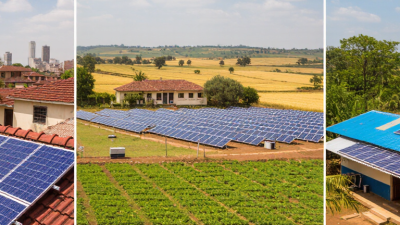
Solar packages work best when they match a buyer’s home, habits, and backup needs. A standard grid-tied package suits households focused on lowering daytime bills. A battery-ready package leaves room to add storage later. A hybrid package combines solar, batteries, and grid power. Off-grid systems serve properties without reliable grid access. Cabin packages can be sized for lights, a small fridge, and occasional tool use.
For travel, portable solar kits can charge devices or support an RV’s modest loads. Rooftop packages suit homes with usable, unshaded roof space. Ground-mounted systems offer more layout flexibility when land is available. High-efficiency packages help buyers with limited roof area, though they may cost more. Expandable starter packages can spread purchases over time, but added parts should be checked for compatibility. No package fits everyone.
Tips: List major appliances and note when they run; a fridge, well pump, and evening cooking create different demands. Ask for estimated annual production, battery capacity, and installation details in writing. Check roof condition and shading before comparing prices. Small details matter. A tempting package can still be undersized—or more complex than your household needs.
How to Match a Solar Package to Your Property and Energy Use
A solar package should fit the building, not just promise an impressive output. A compact, south-facing roof may suit a simple grid-connected system. A larger home with evening-heavy use may benefit from a battery. Start with twelve months of electricity bills, then note when appliances run. A household that cooks and charges a car after sunset has different needs from one using power mainly at midday.
Roof details can change the choice. Measure usable space around vents, skylights, and chimneys. Check which areas receive shade from trees or nearby buildings. Shade matters. Ask for an estimate based on the roof’s direction, pitch, and local weather—not just panel count. For older roofs, repair work may be sensible before installation. That extra step can feel inconvenient, but removing panels later may cost more.
Compare packages by usable capacity, expected annual generation, warranty terms, and monitoring features. If outages are common, confirm which circuits a battery can support; backup power may not run every appliance at once. Renters and owners with limited roof space might consider shared or ground-mounted options where available. A tidy proposal can still overlook future changes, such as a heat pump or electric vehicle. Leave room for those needs, but avoid paying for capacity you cannot use. The best fit is usually a careful estimate, not the biggest system.
Top 10 Solar Package Sizes by Annual Household Electricity Use
Use annual electricity consumption as a starting point when comparing solar packages. These illustrative system-size estimates assume a solar array produces 1,200 kWh per installed kW each year. Actual production varies with location, roof orientation, shading, and system design; battery storage is not included.
Installation, Warranties, and Long-Term Ownership Considerations
A credible solar package is more than panels and a low monthly payment. Compare installation scope: roof repairs, wiring, permits, utility interconnection, and cleanup. Ask who handles leaks and faulty workmanship, and for how long. Read the fine print. Berkeley Lab’s Tracking the Sun 2024 reported a median residential installed price of about $3.2 per watt for 2023 systems, before incentives. That figure is a benchmark, not a promise; roof complexity and local labor can change the quote. A neat proposal can still leave important work out.
Warranty length matters, but coverage matters more. Separate equipment defects from labor, shipping, and removal costs; these may be treated differently. Ask how service requests are handled if the installer closes or changes ownership. NREL research found a median solar-module degradation rate near 0.5% annually, though actual results vary. That matters. Over decades, modest output loss can affect savings, especially when estimates assume perfect production. Check whether the package includes monitoring, and confirm who pays if an inverter needs replacement. I would not rank a package by warranty years alone; exclusions and response times deserve equal scrutiny. Keep the proposal, warranty documents, and commissioning records together, and compare estimated output against your roof’s shade and orientation.