ALL PRODUCTS
- Solar Panel
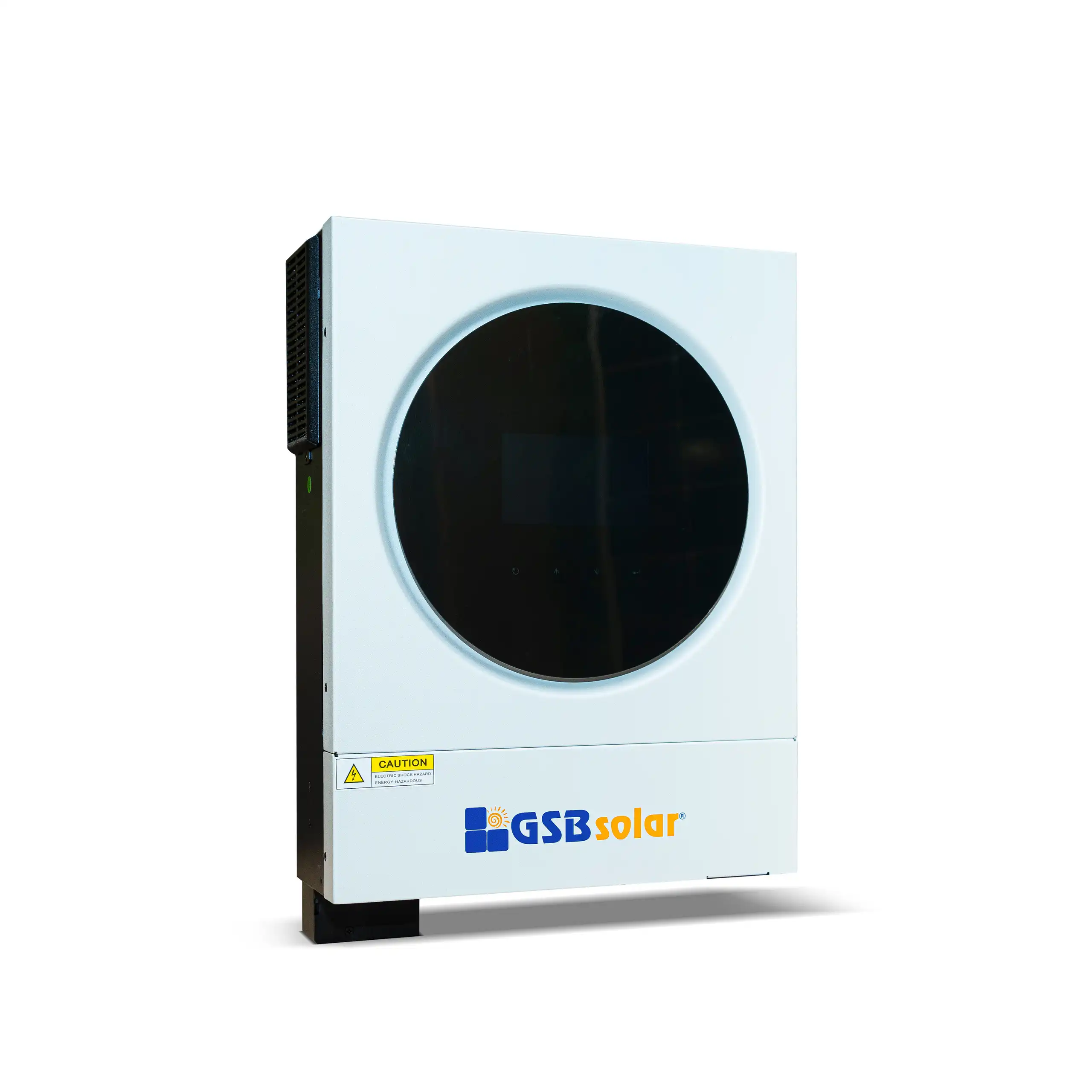
- Hybrid Inverter
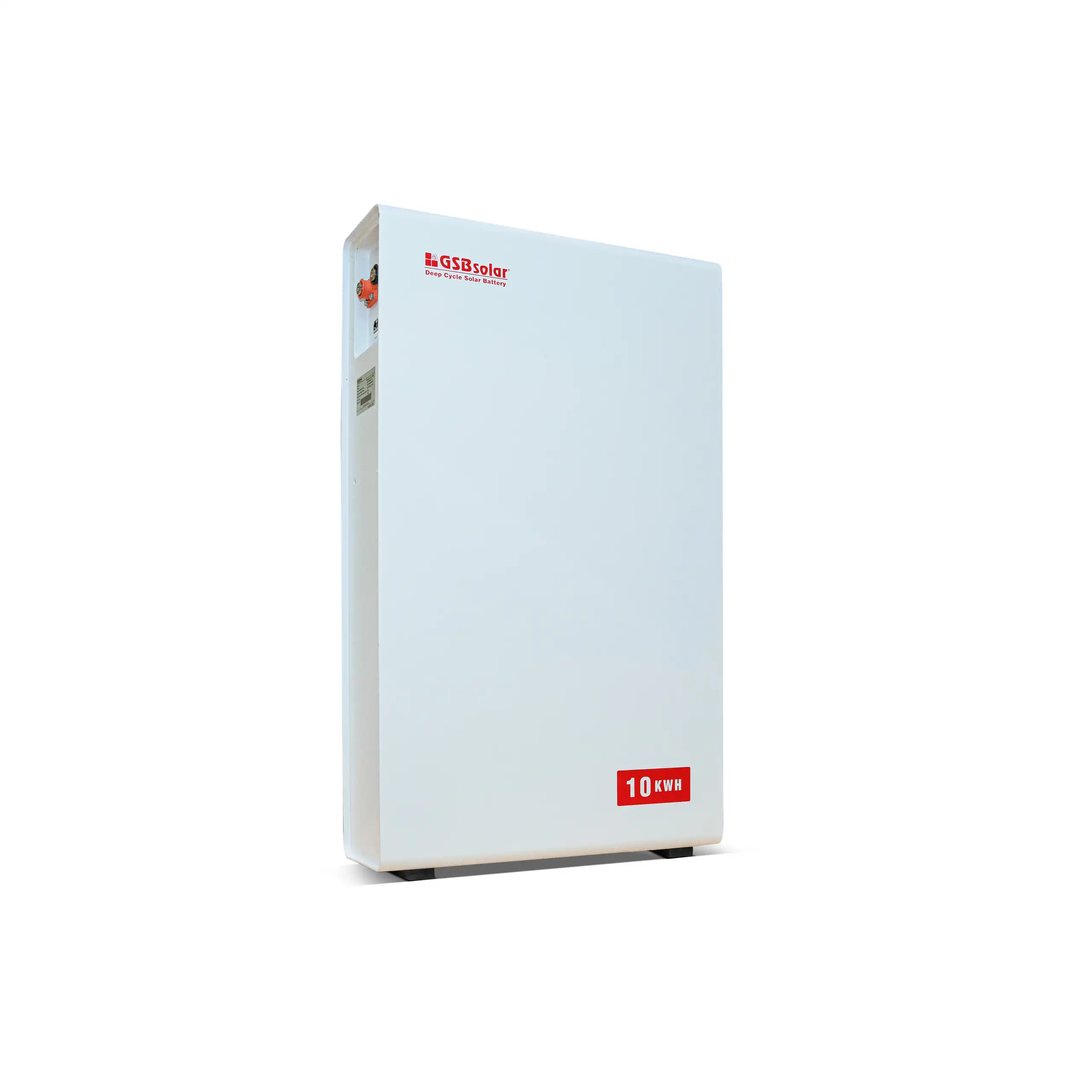
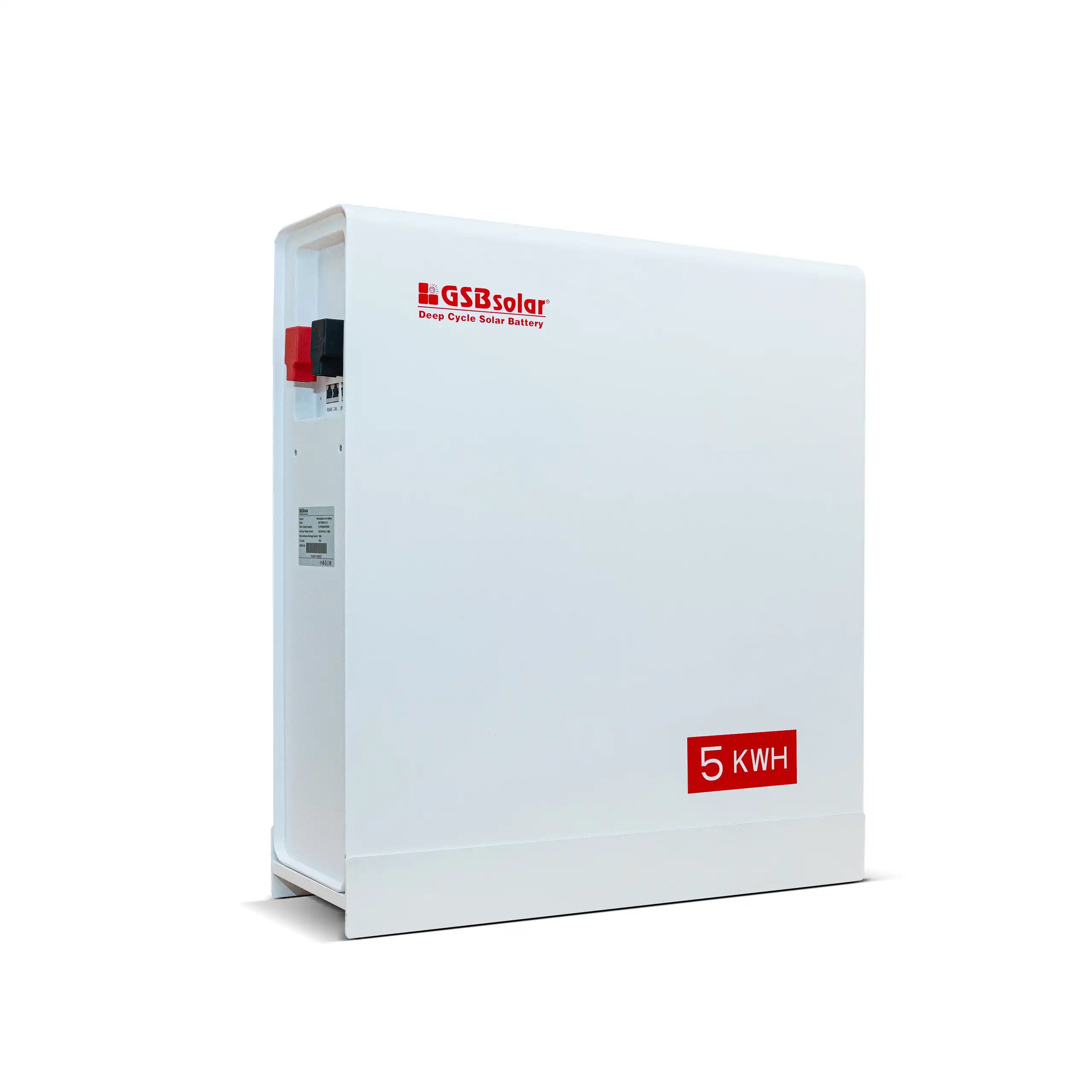
- Lithium Battery
GSB SOLAR LITHIUM BATTERIES
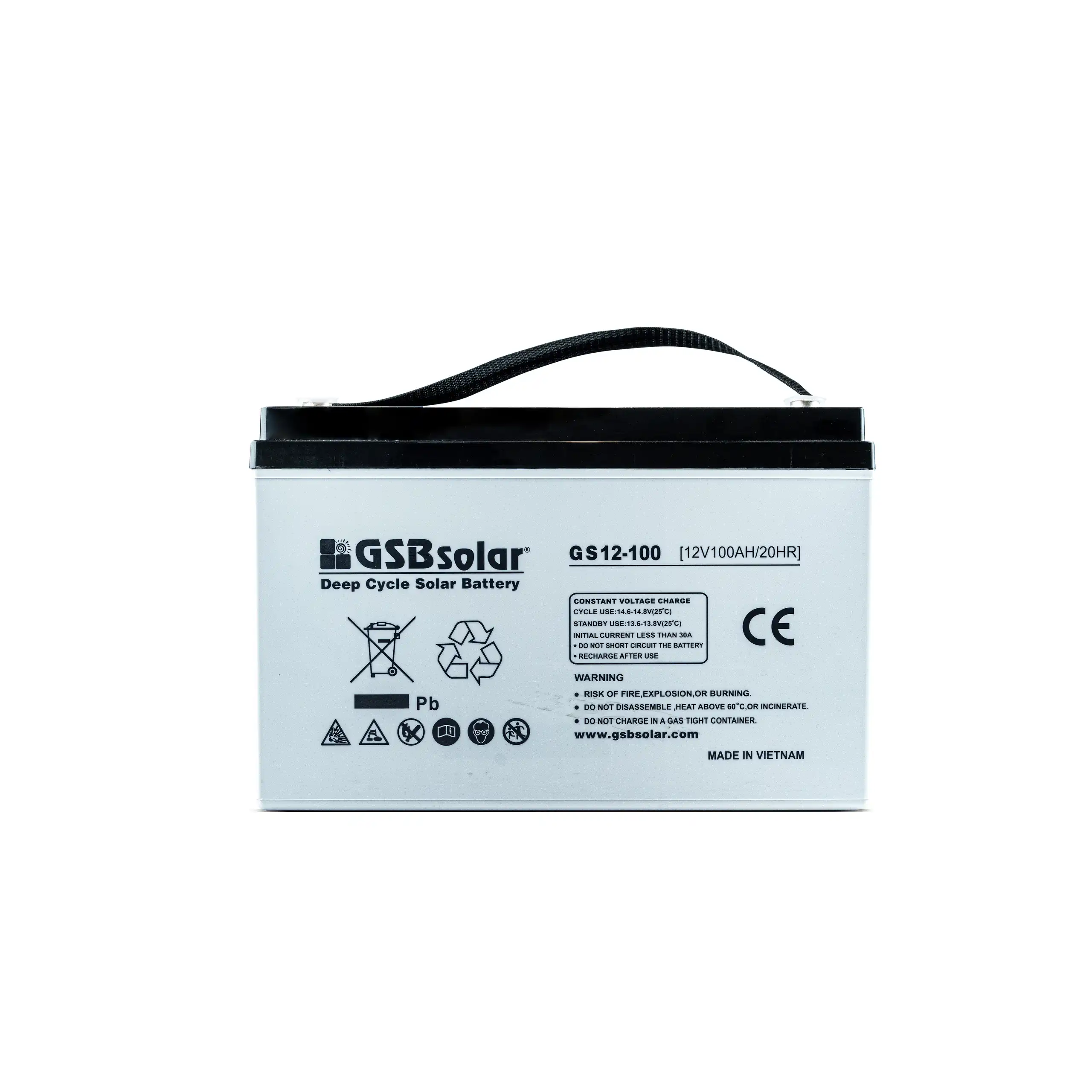
- Gel Battery
- Solar Street Lights
- Pump Inverter
A home solar kit can look simple on a product page: panels, an inverter, cables, and perhaps a battery. In practice, the right choice depends on roof space, daily electricity use, sunlight, and how much backup power a household needs. Details matter. Solar entrepreneur Elon Musk has described the sun as “a giant fusion reactor in the sky.” That image is inspiring, but turning sunlight into dependable household power takes careful system matching.
This guide compares 10 solar kits for home use in 2026, focusing on usable output, component quality, storage options, expandability, warranties, and installation requirements. A large advertised wattage does not guarantee the best fit. For example, a compact kit may suit a shed or modest daytime loads, while a family seeking evening backup may need a battery and compatible inverter. Local weather and shading can change real-world production, too.
The comparisons are intended to help readers ask better questions, not promise identical results in every home. Check current specifications and warranty terms before buying; product bundles can change, and listed capacity may not reflect usable energy. One point deserves extra scrutiny: a kit that appears affordable may require additional mounting hardware or professional installation. The rankings offer a starting point, not a substitute for a site-specific assessment.
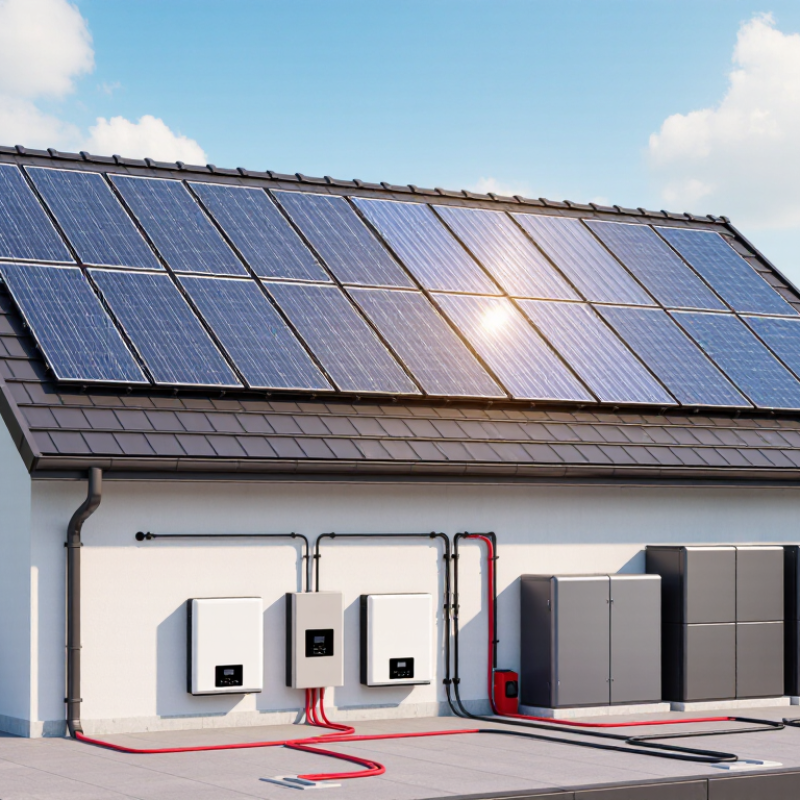
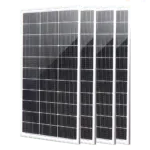
A home solar kit converts sunlight into electricity through photovoltaic panels. The panels produce direct current, or DC, power. An inverter changes it into alternating current for household appliances. If the system includes a battery, a charge controller helps manage charging and protects the battery from excessive input. Without storage, homes generally use solar power as it is produced, with grid electricity filling gaps when needed.
Kits commonly include panels, an inverter, mounting hardware, wiring, and basic monitoring equipment. Battery systems may add a battery and charge controller, though some components are integrated. Not every kit includes roof-specific brackets or all required electrical parts. Check the equipment list carefully. A kit can look complete on paper, yet still need parts suited to your roof, electrical panel, or local installation requirements. System sizing also matters: compare expected output with your actual energy use, not just the number of panels.
Tips: Check roof shade at different times of day, and confirm the inverter matches the system design. Ask a qualified installer to review wiring and panel compatibility. Small details matter. A neat equipment list cannot guarantee a good fit, and estimating your household’s future use is imperfect.
These are ten generic kit configurations for different household needs, not a verified ranking of retail products. Component quantities and system sizes are example specifications; actual kit contents vary.
| Configuration | Typical Use | Solar Array | Inverter / Power Station | Typical Storage | Estimated Daily Solar Energy | Common Kit Contents | How It Works | Key Consideration |
|---|---|---|---|---|---|---|---|---|
| 1. Small portable backup kit | Phones, lights, small electronics, and short outages | About 200 W; typically one portable panel | Portable power station with a built-in charge controller and inverter; around 300 W AC output | About 0.5–1 kWh | About 0.6 kWh | Portable panel, power station, charging cables, and basic setup guide | The panel produces DC electricity; the power station stores it and supplies AC through its built-in inverter. | Not intended to run high-power appliances such as kettles or space heaters. |
| 2. Everyday portable kit | Camping, a small cabin, or essential devices during an outage | About 400 W; often one or two portable panels | Power station with a built-in inverter; around 500–800 W AC output | About 1–2 kWh | About 1.3 kWh | Portable panels, power station, cables, and panel stands or kickstands | Solar energy charges the station during daylight; connected devices draw stored or incoming power. | Check the station’s continuous and surge output against the devices being used. |
| 3. Larger portable kit | Longer backup periods for electronics, lights, and selected small appliances | About 800 W; commonly two to four portable panels | Power station with a built-in inverter; around 1–2 kW AC output | About 2–4 kWh | About 2.6 kWh | Portable panels, power station, connection leads, and panel supports | The charge controller regulates panel power before it enters the battery; the inverter converts stored DC power to AC. | Recharge time depends on sunlight, panel angle, battery capacity, and simultaneous loads. |
| 4. Compact cabin or essential-load kit | A small, efficient home, cabin, or selected essential circuits | About 1.6 kW; four 400 W panels | About a 2–3 kW hybrid inverter | Typically 3–5 kWh, if included | About 5.1 kWh | Panels, mounting hardware, inverter, wiring, disconnects, and optional battery | The inverter converts panel DC to household AC and can manage battery charging where a compatible battery is installed. | Fixed installation may require permits, electrical inspection, and appropriate circuit design. |
| 5. Small home grid-tied kit | Reducing daytime electricity use in a smaller home | About 3.2 kW; eight 400 W panels | About a 3 kW grid-tied or hybrid inverter | Usually none in a basic grid-tied kit; optional battery | About 10.2 kWh | Panels, roof or ground mounts, inverter, wiring, and required protection equipment | Panels supply DC power to the inverter, which converts it to AC for household use; grid connection rules determine any export. | A standard grid-tied inverter generally shuts down during a grid outage unless designed with backup capability. |
| 6. Mid-size home kit | Offsetting a meaningful share of electricity use in an average home | About 5.2 kW; thirteen 400 W panels | About a 5 kW inverter | Optional; commonly sized to the backup goal and compatible inverter | About 16.6 kWh | Panels, mounting system, inverter, DC and AC wiring, and safety disconnects | Solar power serves household loads first; grid power can supplement demand when solar production is insufficient. | Roof area, orientation, shading, and local utility requirements affect the system design. |
| 7. Mid-to-large home kit | Homes with higher electricity use or substantial daytime loads | About 6 kW; fifteen 400 W panels | About a 6 kW inverter, subject to local design limits | Optional; battery capacity depends on desired backup duration | About 19.2 kWh | Panels, mounting hardware, inverter, wiring, protection equipment, and monitoring provision | The array generates DC electricity; the inverter supplies usable AC and monitors system operation. | Production can be limited by shade, roof layout, seasonal sun, and inverter sizing. |
| 8. Large home grid-tied kit | Higher-use homes with sufficient unshaded roof or ground space | About 8 kW; twenty 400 W panels | About an 8 kW inverter or a properly engineered equivalent | Optional; not automatically included in grid-tied packages | About 25.6 kWh | Panels, mounting system, inverter, wiring, disconnects, and monitoring equipment | During sunny hours, generated electricity can supply home loads; excess handling depends on the connection agreement. | Confirm that the service panel, roof structure, and utility interconnection can support the design. |
| 9. Extra-large home kit | Large homes or households with substantial annual electricity consumption | About 10 kW; twenty-five 400 W panels | About a 10 kW inverter or a suitable multi-inverter design | Optional; selected separately for backup needs | About 32 kWh | Panels, engineered mounts, inverter equipment, wiring, protection devices, and monitoring | The inverter converts array output to AC; a hybrid design can also manage a compatible battery. | Large systems need careful load, roof, electrical, and utility review before installation. |
| 10. Very large residential kit | High-use homes, electrified heating, or homes with an electric vehicle | About 12 kW; thirty 400 W panels | About a 10–12 kW inverter arrangement, subject to local rules and design | Optional; battery size should match the intended backed-up loads | About 38.4 kWh | Panels, mounting hardware, inverter system, electrical protection, wiring, and monitoring | Solar electricity serves active loads first; battery storage, if installed, stores surplus for later use. | Vehicle charging and electric heating can require system sizing based on measured annual consumption. |
Daily energy figures are rough examples calculated using 4 peak-sun-hours per day and an 80% overall system-performance factor: array size in kW × 4 × 0.8. Actual production varies by location, season, weather, shading, orientation, equipment, and installation. A home solar kit commonly includes panels, an inverter or power station, mounting, and electrical connections; batteries are often optional. Grid-connected installations should be designed and installed to applicable local electrical codes and utility requirements.