ALL PRODUCTS
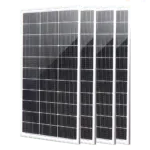
- Solar Panel
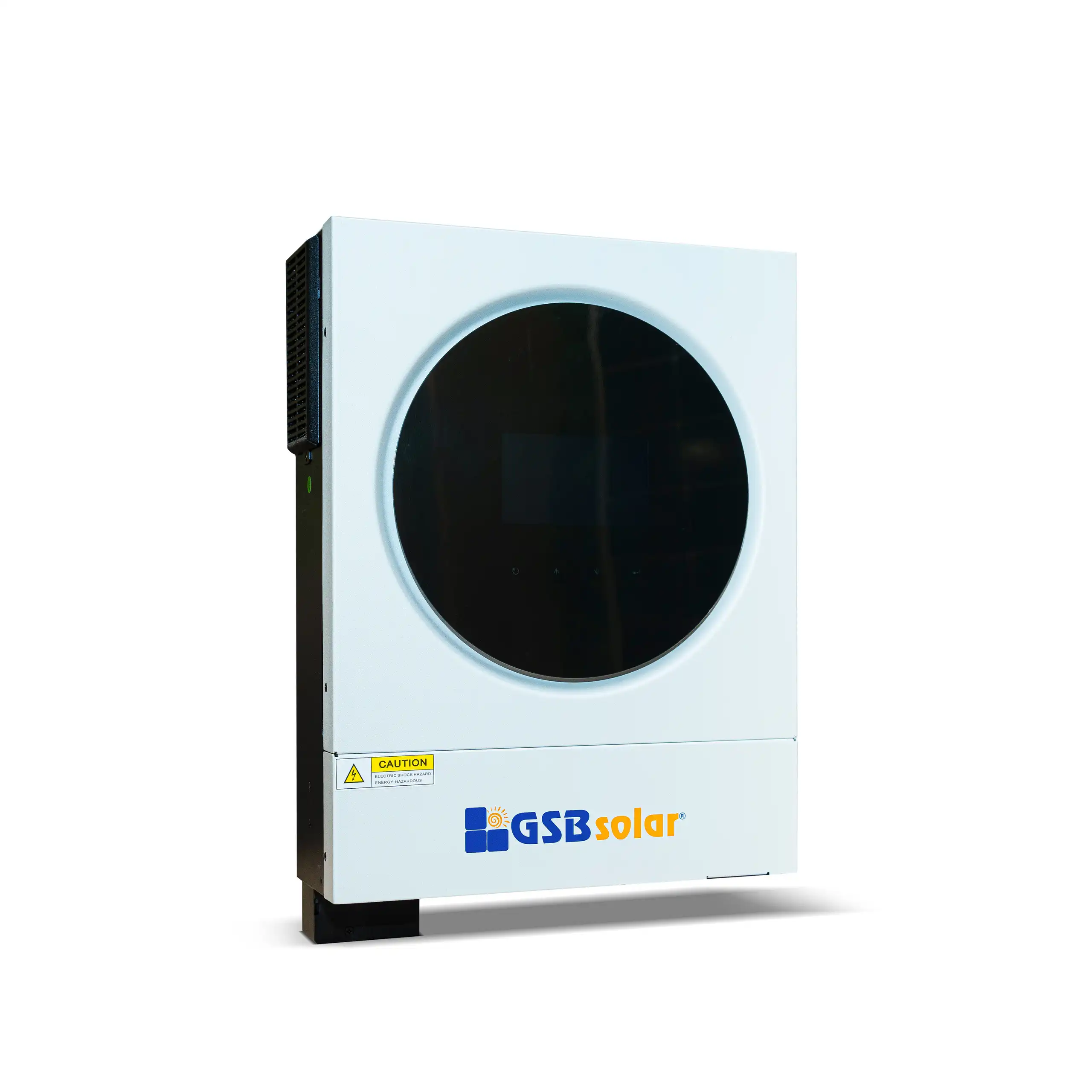
- Hybrid Inverter
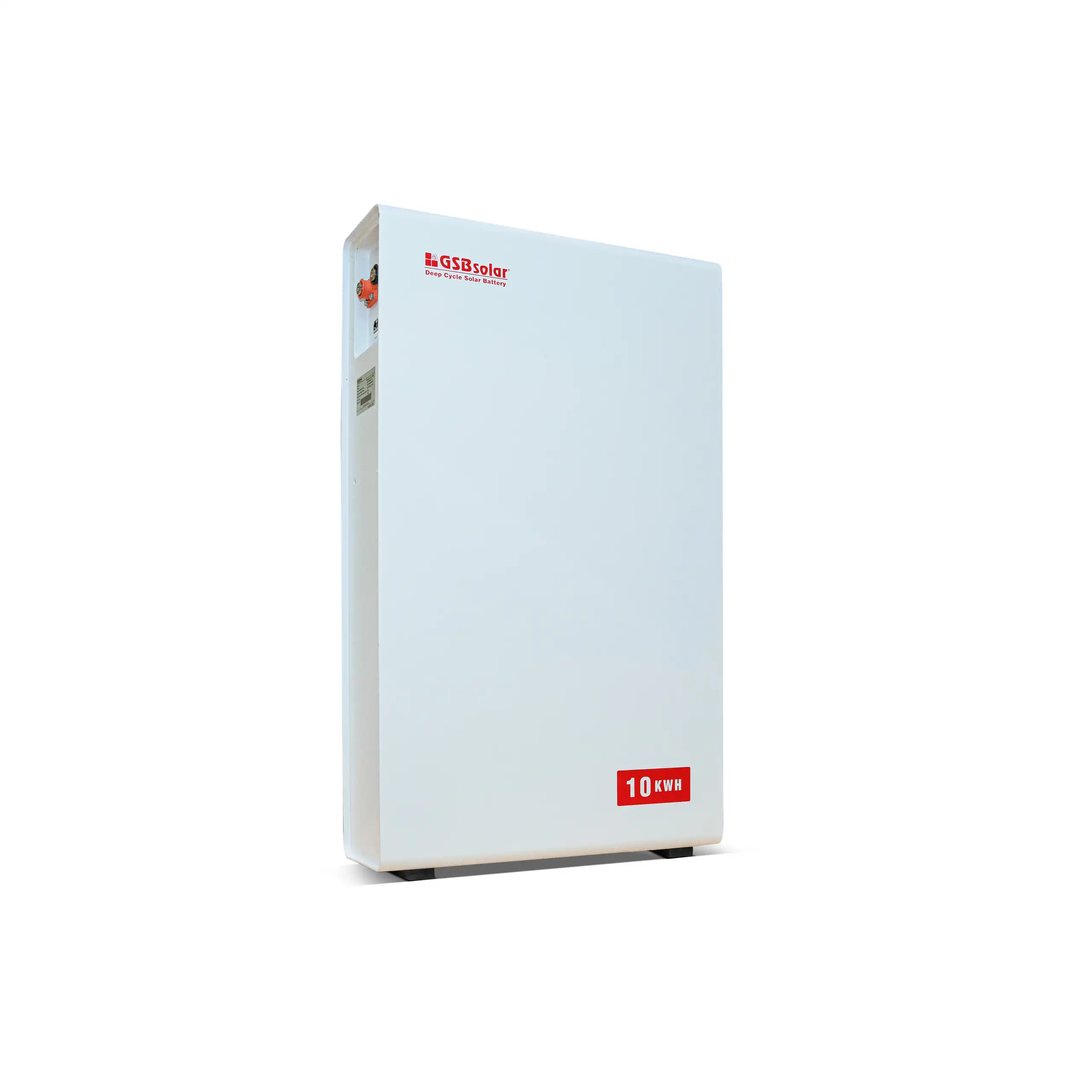
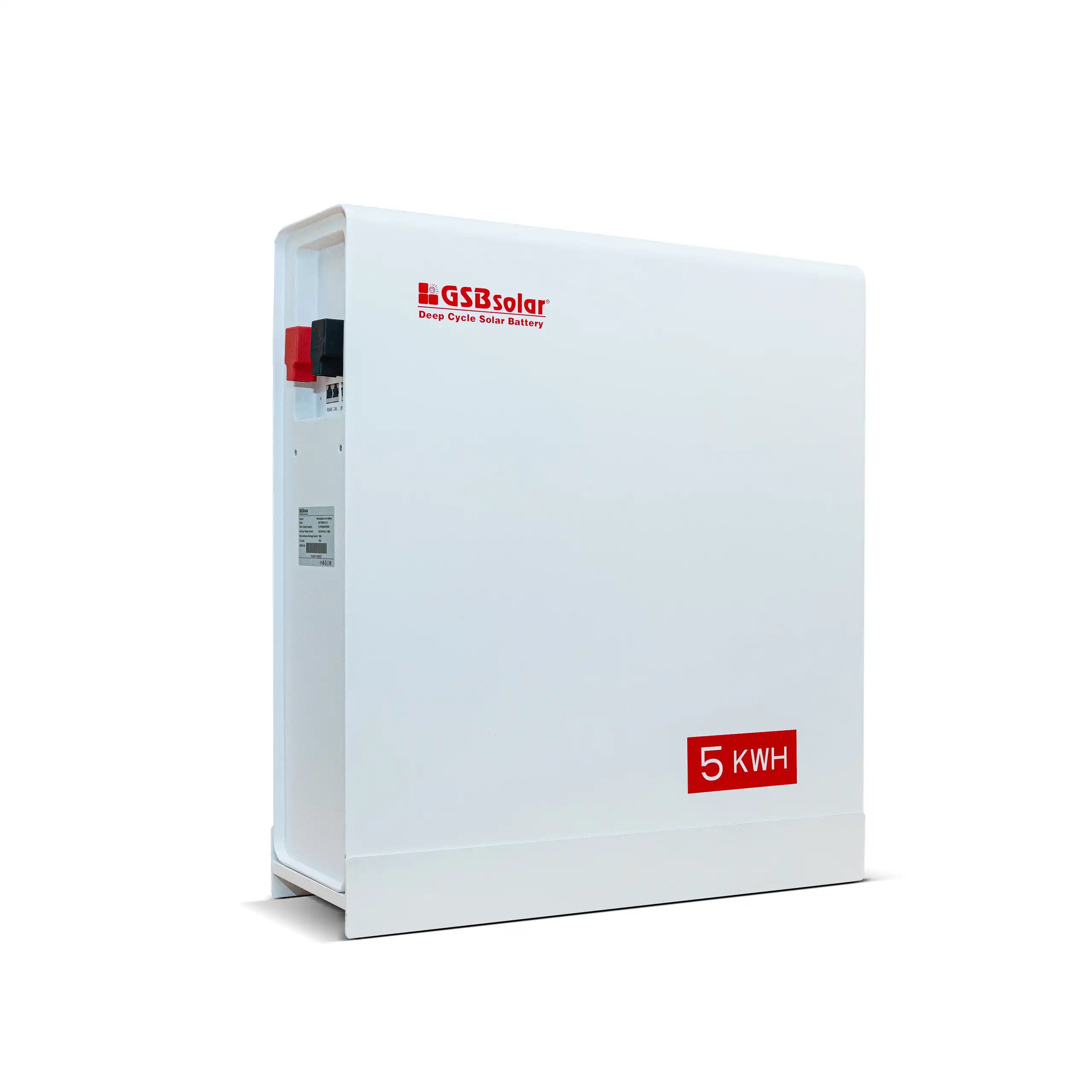
- Lithium Battery
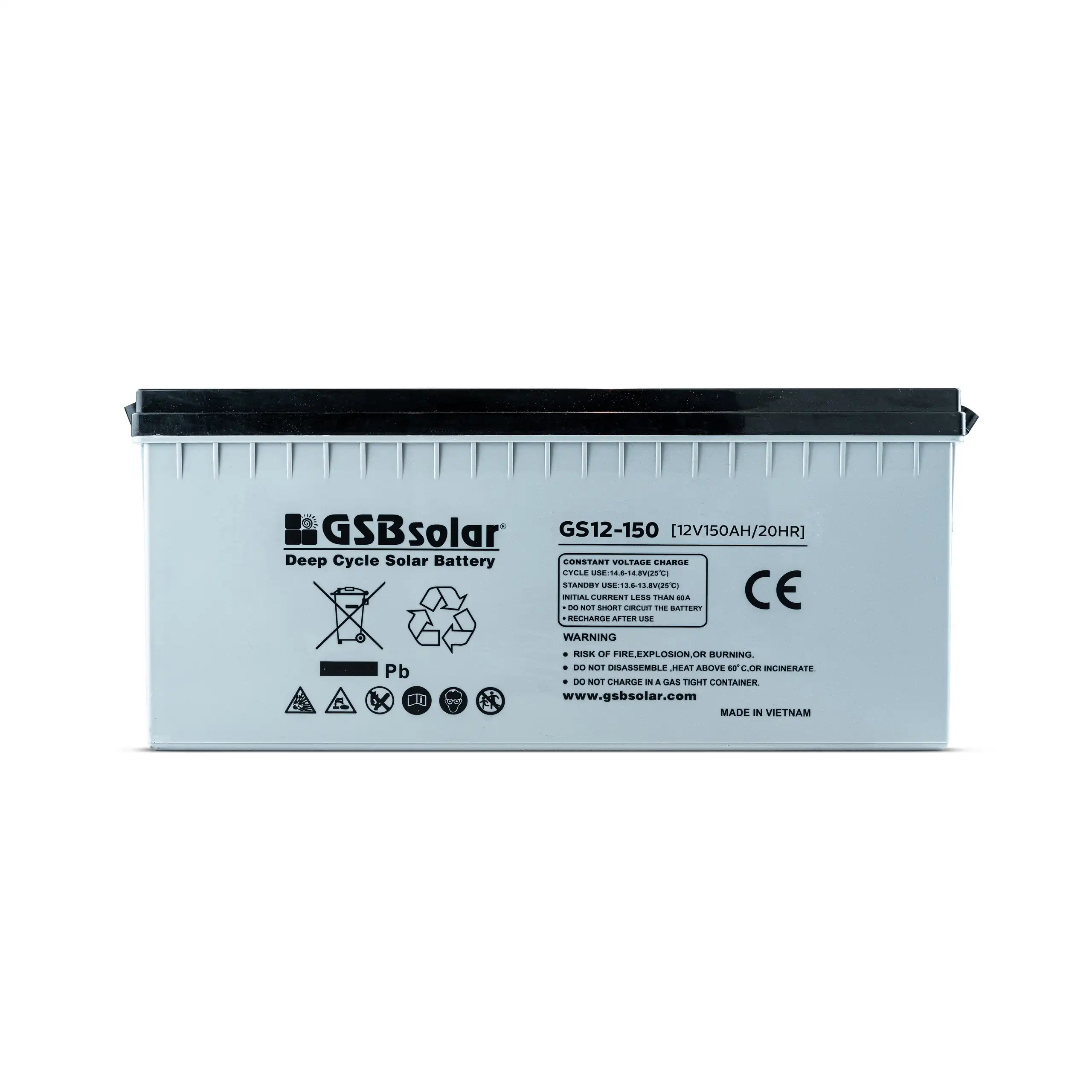
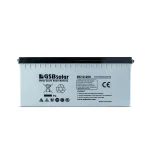
GSB SOLAR LITHIUM BATTERIES
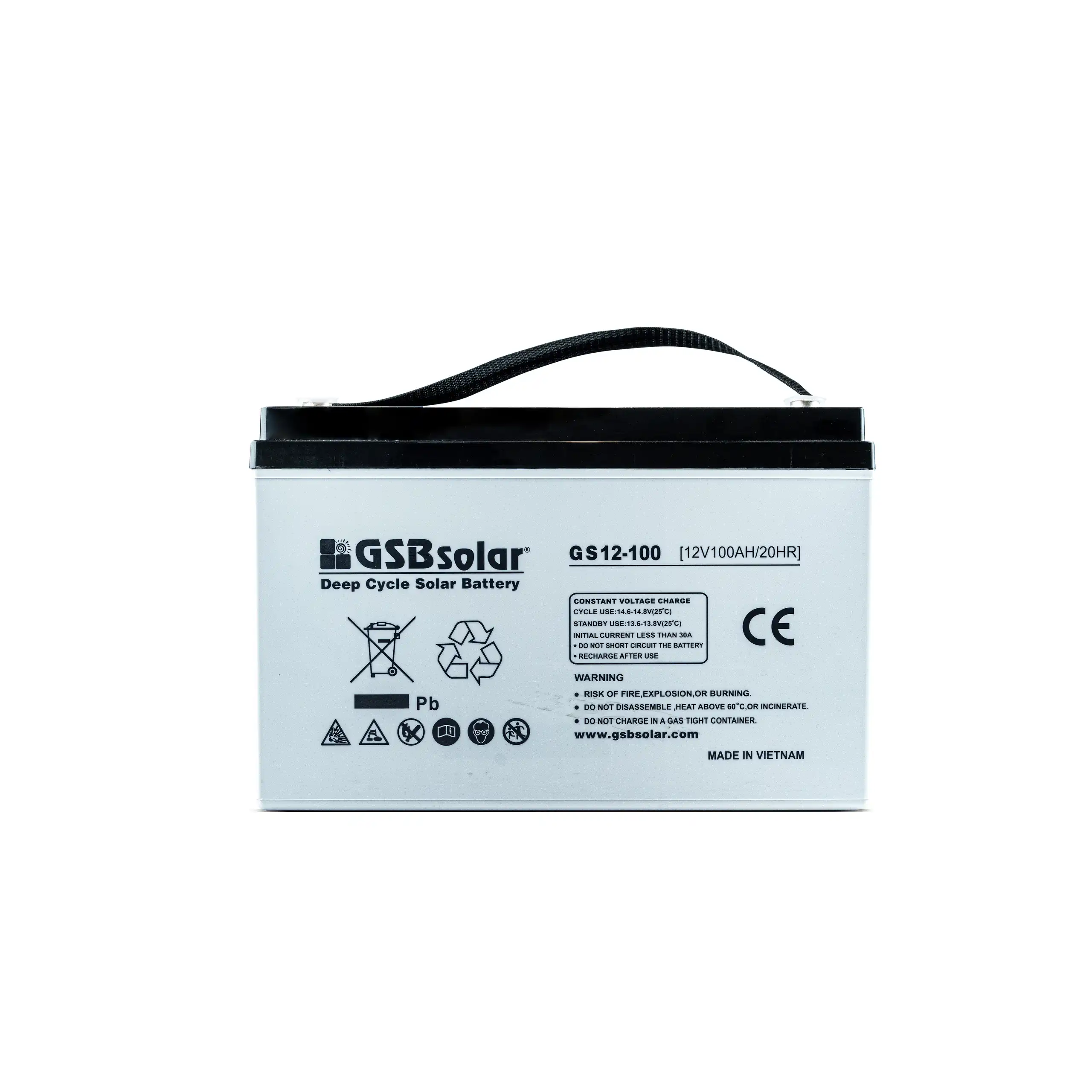
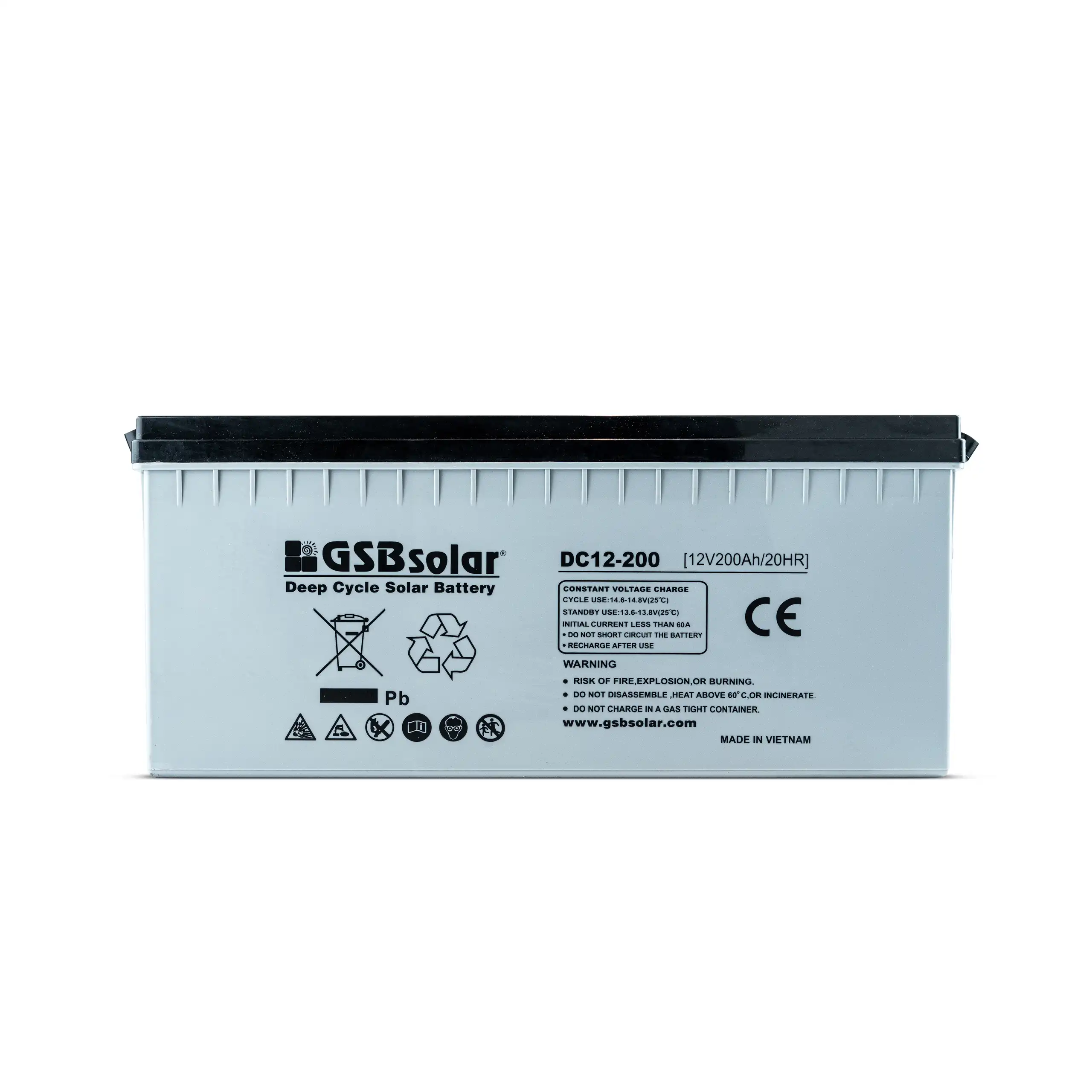
- Gel Battery
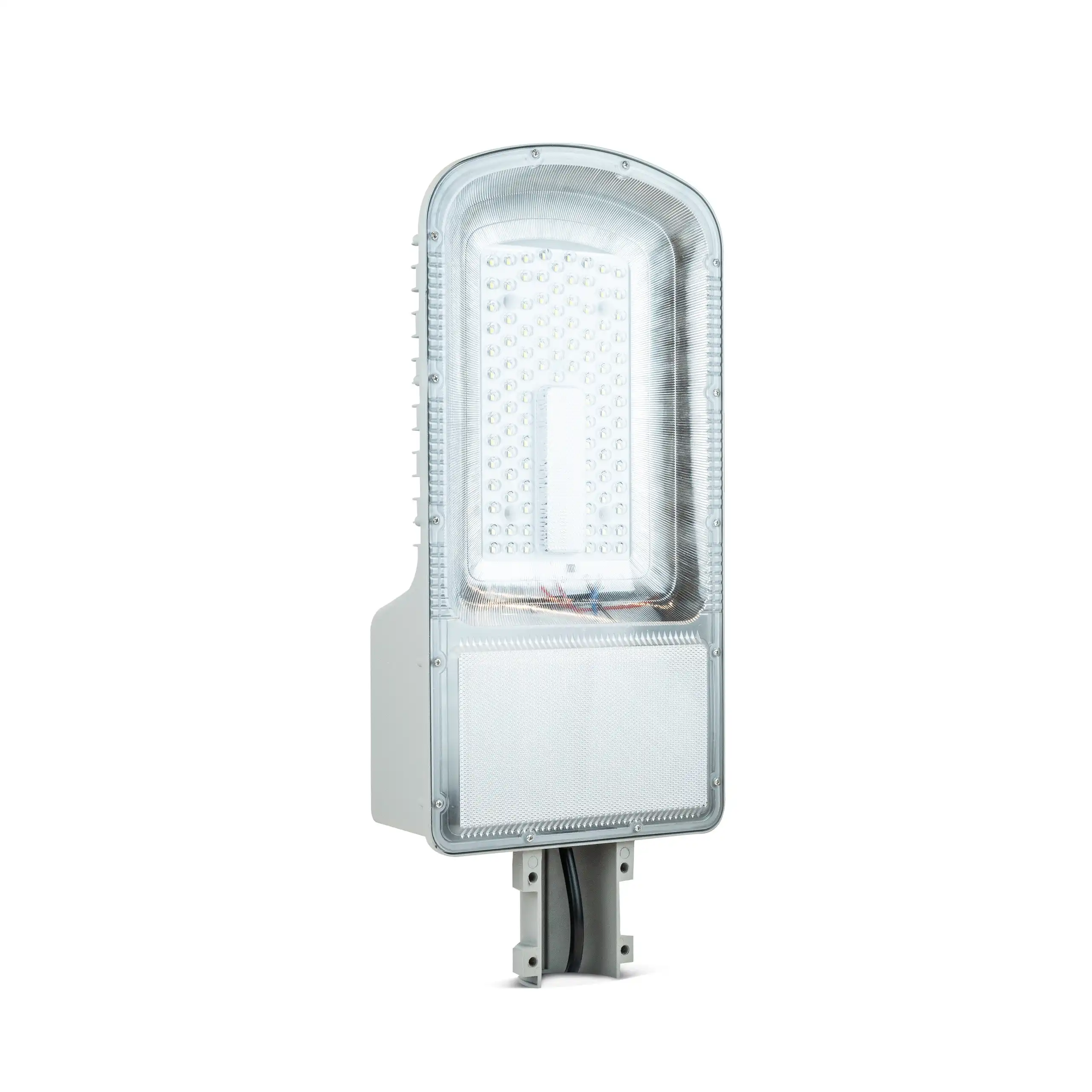
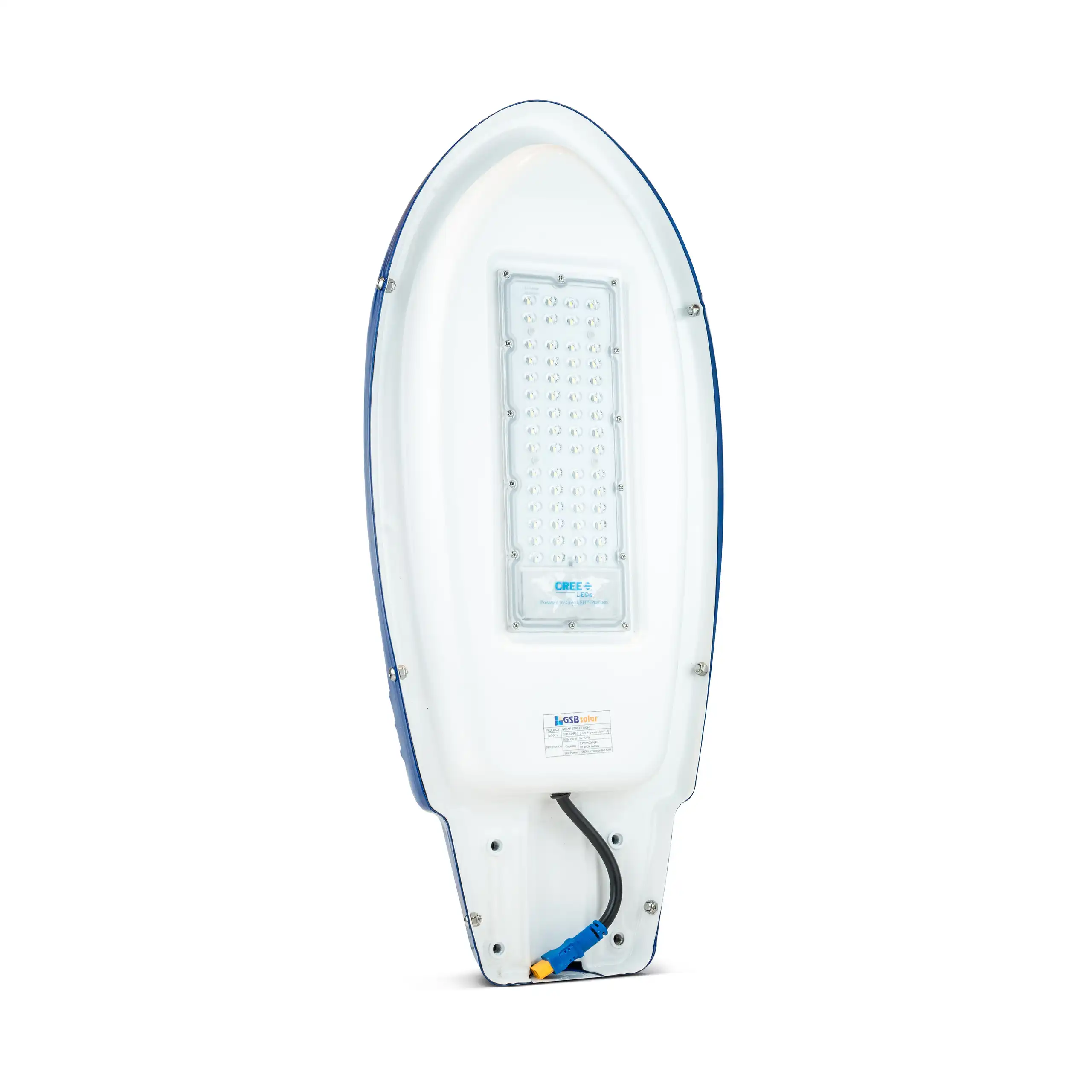
- Solar Street Lights
- Pump Inverter
Choosing a solar battery is less about buying the biggest unit and more about matching storage to daily life. A family that uses power after sunset may value usable capacity, while a home needing brief backup may care more about output. The distinction matters. Battery scientist Dr. Paul Albertus’s research offers a useful principle, paraphrased here: “Match the battery’s design to the job it needs to do.” That is a practical starting point, not a product endorsement.
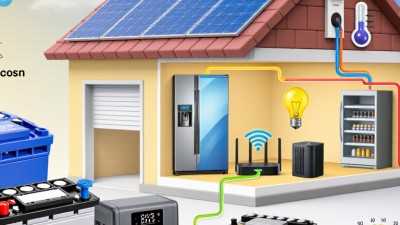
This guide will compare the details that shape a good choice: battery chemistry, usable capacity, power rating, efficiency, warranty, and expected service life. It will also explain how to estimate evening demand from real appliances, such as a refrigerator, router, and a few lights. Check inverter compatibility, too. A battery that looks suitable on paper may not work with an existing solar system without added equipment. Small details count.
Price deserves careful thought. A lower upfront cost can mean less usable storage or different warranty terms, while premium features may not suit every household. No single model is best for everyone. Even careful estimates can miss seasonal changes or future needs. That is worth admitting. The sections ahead will help readers compare specifications, ask installers clear questions, and weigh backup needs against everyday savings. The aim is a decision grounded in household usage and verified product documents—not a headline claim or a sales pitch.
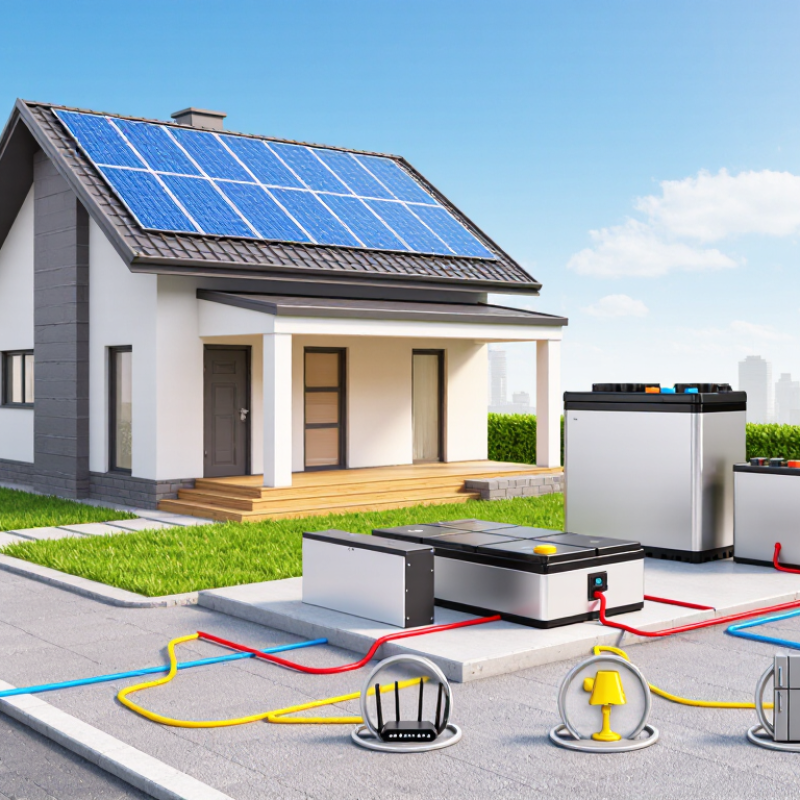
A useful solar battery starts with your actual loads, not your home’s square footage. The U.S. Energy Information Administration reported average residential electricity use of 10,791 kWh in 2022, or roughly 29.6 kWh per day. That is only a benchmark; heating, cooling, and local weather can shift household demand sharply. Check several recent utility bills, then list the devices you need during an outage. A refrigerator, modem, a few lights, and a medical device create a very different backup plan from running central air conditioning.
Start with the essentials. Note each device’s wattage and expected hours of use. A fridge might cycle through the day, while a kettle draws high power briefly. Those details affect both usable battery capacity and inverter output. A battery with enough stored energy may still struggle with appliances that start at once. Check the manufacturer’s usable-capacity and continuous-output figures, not just its headline capacity.
Decide how long backup must last: an evening, an overnight outage, or several cloudy days. Solar panels may recharge the battery, but winter sunlight and storm cover reduce that help. A simple load estimate is imperfect; people often forget small, constant draws from routers and standby devices. Revisit your list after tracking usage for a week. Tiny loads add up.

Choosing a battery starts with its chemistry and your daily use, not just its advertised capacity. Lithium iron phosphate batteries often provide long cycle life and substantial usable capacity, though their upfront cost may be higher. Lead-acid systems can cost less initially, but may need more capacity to deliver the same usable energy and require more maintenance. Flow batteries are another option, though they are less common in homes and can need more space. Specifications vary, so check the datasheet for the exact model. Chemistry alone doesn’t tell the whole story.
Capacity, measured in kilowatt-hours (kWh), indicates how much energy a battery stores. Compare usable capacity, not only the headline figure. A home using 8 kWh overnight may need more than an 8 kWh battery after allowing for backup reserves and conversion losses. Look at past energy bills or meter data, then list essential loads such as a refrigerator, lights, and router. Leave room for cloudy stretches. Habits change, too.
Power, measured in kilowatts (kW), describes how quickly a battery can deliver energy. A 5 kW rating may cover steady loads but struggle when a pump and air conditioner start together. Check both continuous and peak power, including how long surge output lasts. Compare efficiency, temperature limits, warranty terms, and inverter compatibility as well. A spreadsheet helps, but it can miss a real-life detail: what actually runs at 7 p.m.?
A solar battery must match more than your household’s energy use. Check the panel system’s voltage, inverter type, and maximum charging power. Then confirm the battery supports that exact configuration. A DC-coupled battery connects before the inverter; an AC-coupled battery connects to its output. The choice affects conversion steps, controls, and whether existing equipment can stay in place. That matters.
Read the inverter and battery manuals together, not separately. Look for approved communication protocols, operating-voltage ranges, and charge and discharge limits. Confirm whether the system can provide backup power during an outage; grid-connected operation alone does not guarantee this feature. A qualified installer can check compatibility against the equipment’s model numbers and wiring diagram before purchase.
Efficiency figures need context. NREL’s 2024 Annual Technology Baseline assumes 85% round-trip efficiency for utility-scale lithium-ion storage; that is a benchmark, not a promise for a home system. Ask for the battery’s tested efficiency under your expected operating conditions. Even a tidy specification sheet can leave an awkward gap: it may not explain how older inverters behave after a software update. Verify that detail in writing.
A solar battery’s efficiency determines how much stored electricity reaches your home. Compare round-trip efficiency, not just the amount of energy stored. NREL’s 2024 Annual Technology Baseline uses an 85% round-trip efficiency assumption for utility-scale batteries; household products can differ. Check the manufacturer’s tested figures and whether they account for inverter losses. Small losses add up.
Lifespan depends on temperature, charging habits, and daily use. NREL models a 15-year life for utility-scale battery storage, but that is a planning assumption, not a home-battery guarantee. Read the warranty closely: note its term, allowed energy throughput, and minimum remaining capacity. A ten-year warranty may sound reassuring. Its fine print matters more.
Safety deserves equal weight. Look for system-level certification, such as UL 9540 where applicable, and confirm that installation follows the equipment instructions and local requirements. Ask where the battery will sit; a hot garage corner can affect performance and service life. I would not choose on efficiency alone. A neat specification sheet cannot predict every home’s conditions.
| Battery Type | Typical Round-Trip Efficiency | Typical Service Life | Common Warranty Term | Safety Considerations | Best Suited For |
|---|---|---|---|---|---|
| Lithium iron phosphate (LFP) | About 90–95% | Often 10–15 years; cycle life varies with depth of discharge, temperature, and operating conditions. | Commonly around 10 years; check the guaranteed energy throughput and remaining-capacity terms. | Generally more thermally stable than other common lithium-ion chemistries. Still requires a compatible battery management system and installation according to local electrical and fire codes. | Homeowners seeking a long service life and a frequently used daily storage system. |
| Nickel manganese cobalt (NMC) | About 90–95% | Often around 8–15 years, depending on design, usage, and environmental conditions. | Commonly around 10 years; warranty coverage and throughput limits differ by product. | Requires battery management and appropriate installation. Compared with LFP, NMC generally has a greater need for careful thermal management. | Installations where compact size and high energy density are priorities. |
| Lead-acid (flooded or sealed) | About 70–85% | Often around 3–7 years; frequent deep discharges can shorten service life. | Often shorter than lithium-ion warranties; verify the exact term and any cycle or capacity conditions. | Flooded batteries need ventilation and maintenance, and can release hydrogen during charging. Follow manufacturer guidance for placement and handling. | Lower-cost systems with occasional use, where space and maintenance requirements are manageable. |
| Flow battery | About 65–85% | Can be long-lasting, but actual stack and system life depend on design, maintenance, and operating conditions. | Terms vary substantially by system; confirm coverage for both the stack and balance-of-system components. | Electrolyte handling, containment, ventilation, and installation requirements depend on the specific chemistry and system design. | Long-duration or larger installations where space and system complexity are less restrictive. |
| What to compare before buying | Compare usable energy and round-trip efficiency under similar test conditions. | Check stated cycle life, capacity-retention conditions, and expected operating temperature range. | Read the full warranty, including eligible throughput, minimum retained capacity, and installation requirements. | Look for applicable safety certifications and have the system installed by a qualified professional in accordance with local codes. | Match usable capacity and continuous power output to your household loads, backup goals, and solar production. |
Note: These are broad, indicative ranges rather than guarantees. Performance, lifespan, warranty coverage, and safety requirements vary by battery model, system configuration, usage, climate, and installation. Review the specific product documentation before making a purchase.
A solar battery’s price tag is only part of its cost. Compare quotes that include the battery, inverter, wiring, permits, labor, and any backup-panel work. NREL’s U.S. Solar Photovoltaic System and Energy Storage Cost Benchmark: Q1 2021 breaks system costs into hardware and installation components, a useful reminder to ask what each quote leaves out. Check usable capacity and continuous power, too. A battery may store enough energy overnight but still fail to run several large appliances together. Small gaps matter.
Size the system around actual use, not a hopeful guess. The U.S. Energy Information Administration reported average residential electricity consumption of 10,791 kilowatt-hours per customer in 2022, but household needs vary by climate, home, and equipment. Review hourly usage if available, then list essential loads such as a refrigerator, lights, and a medical device. Ask an installer to explain expected backup hours and how shade, temperature, and outages affect performance. Plan for future additions, too: an electric vehicle or heat pump can change demand substantially. Confirm whether the inverter and wiring can support expansion, and check warranty terms and replacement costs. I would still leave some margin; estimates are imperfect, and real habits change. A cheap system that cannot grow may cost more later.