ALL PRODUCTS
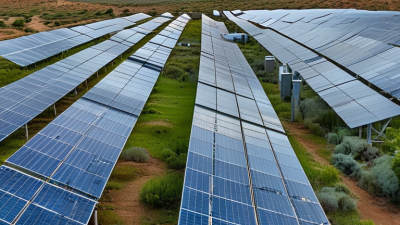
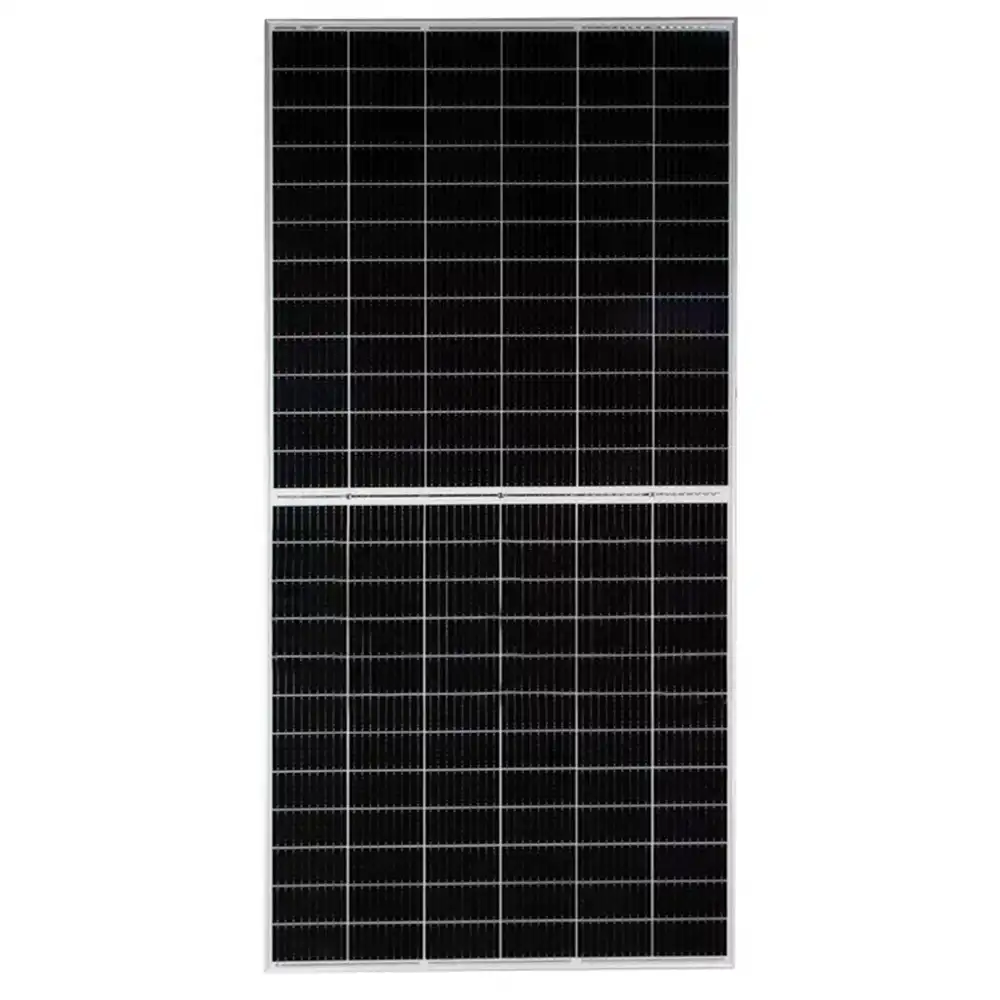
- Solar Panel
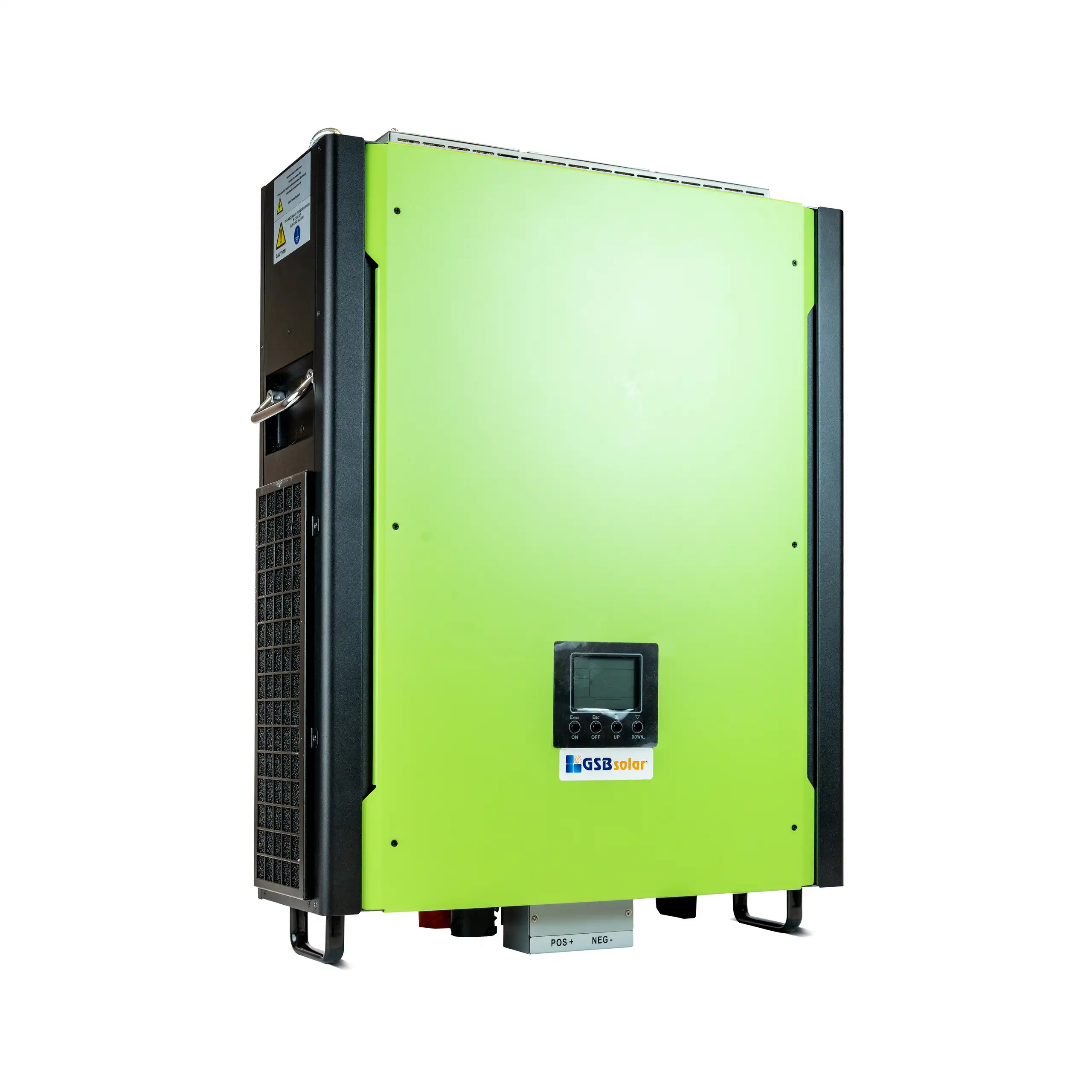
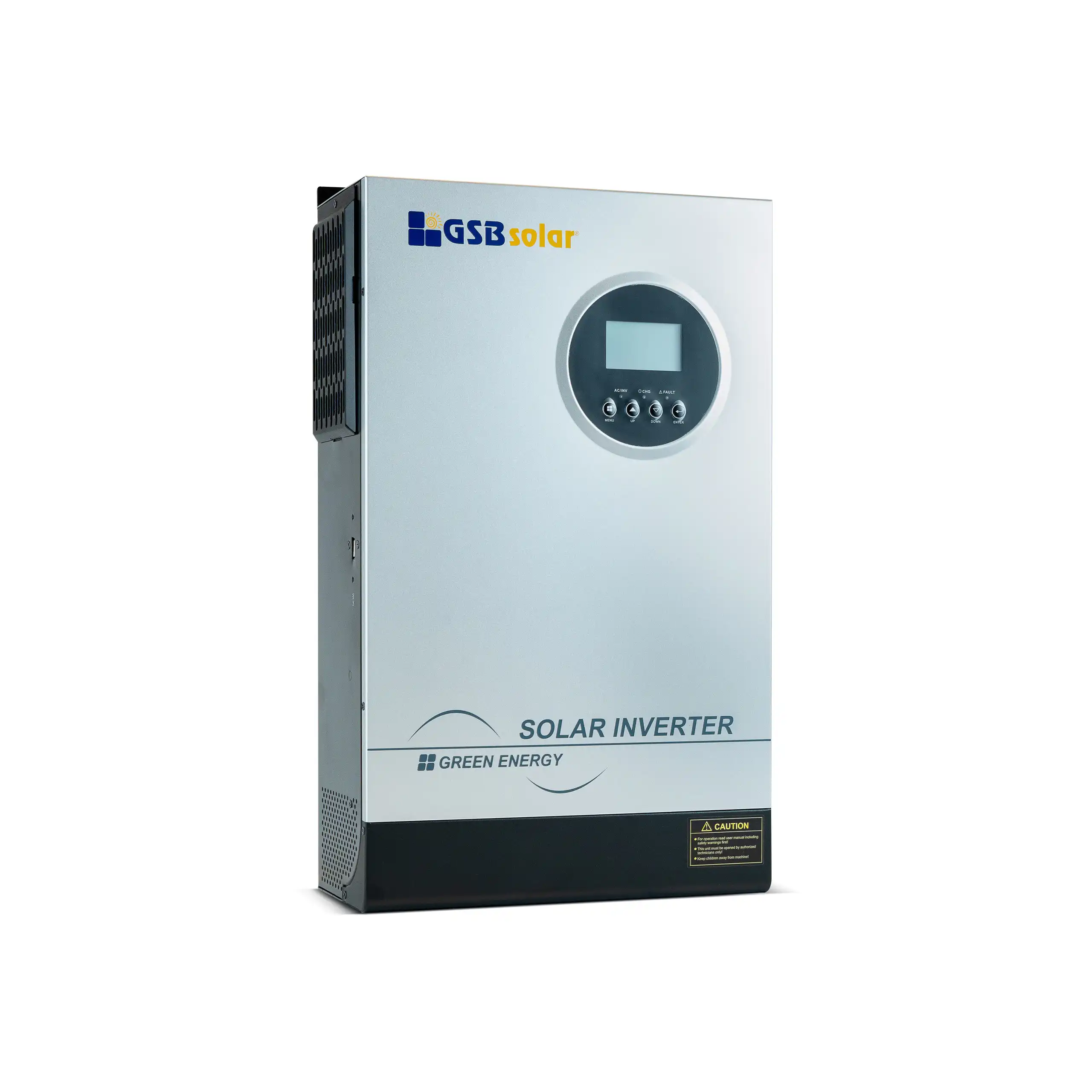
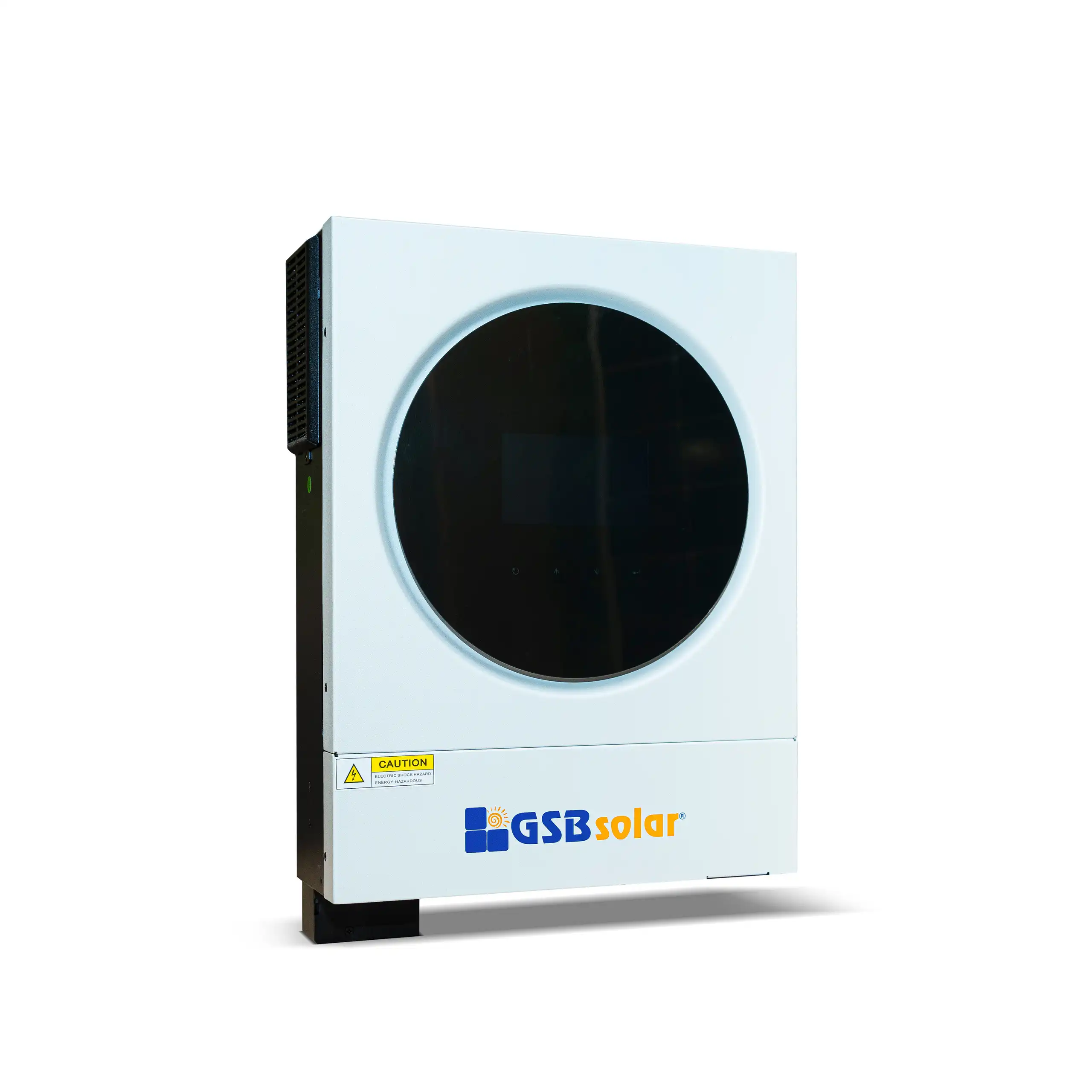
- Hybrid Inverter
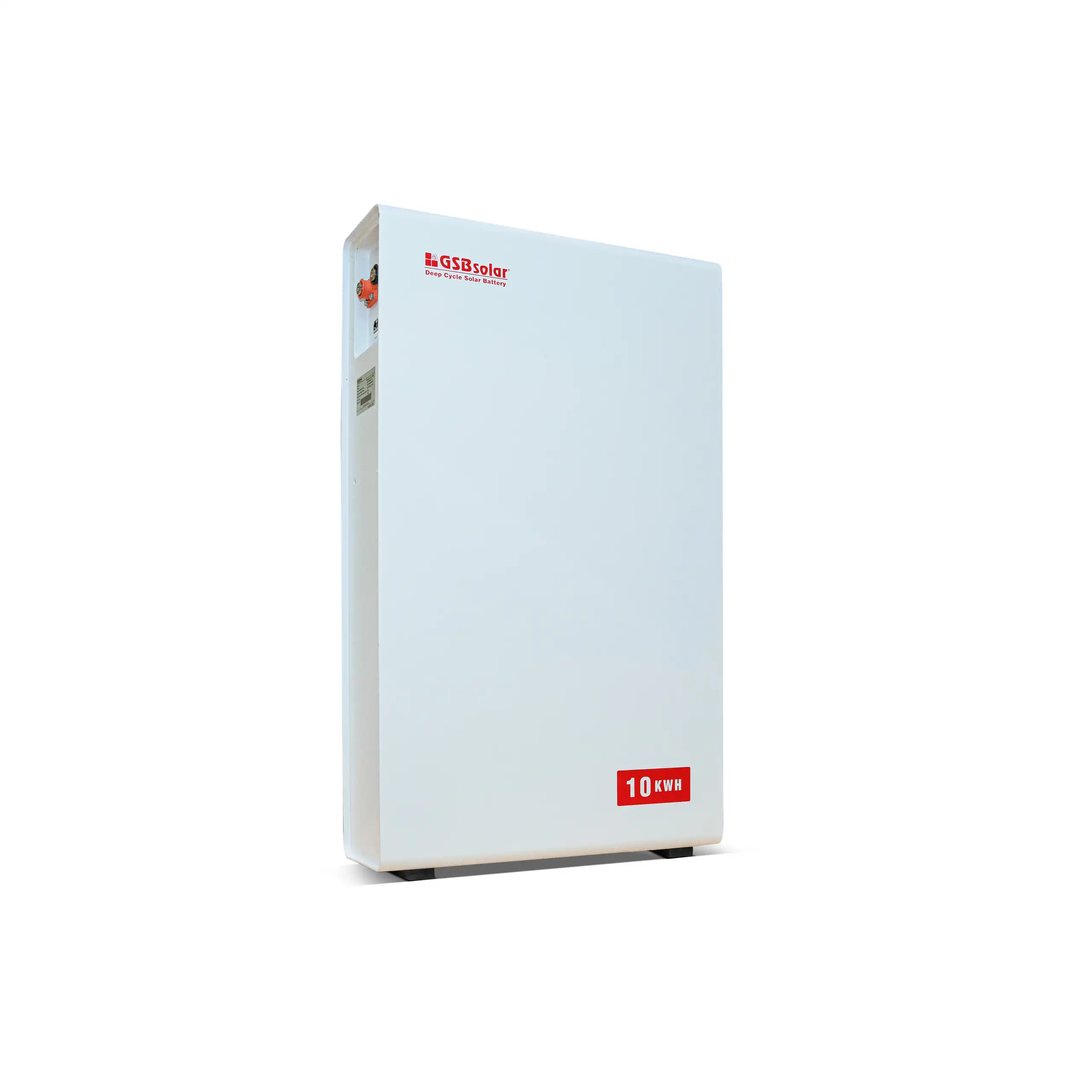
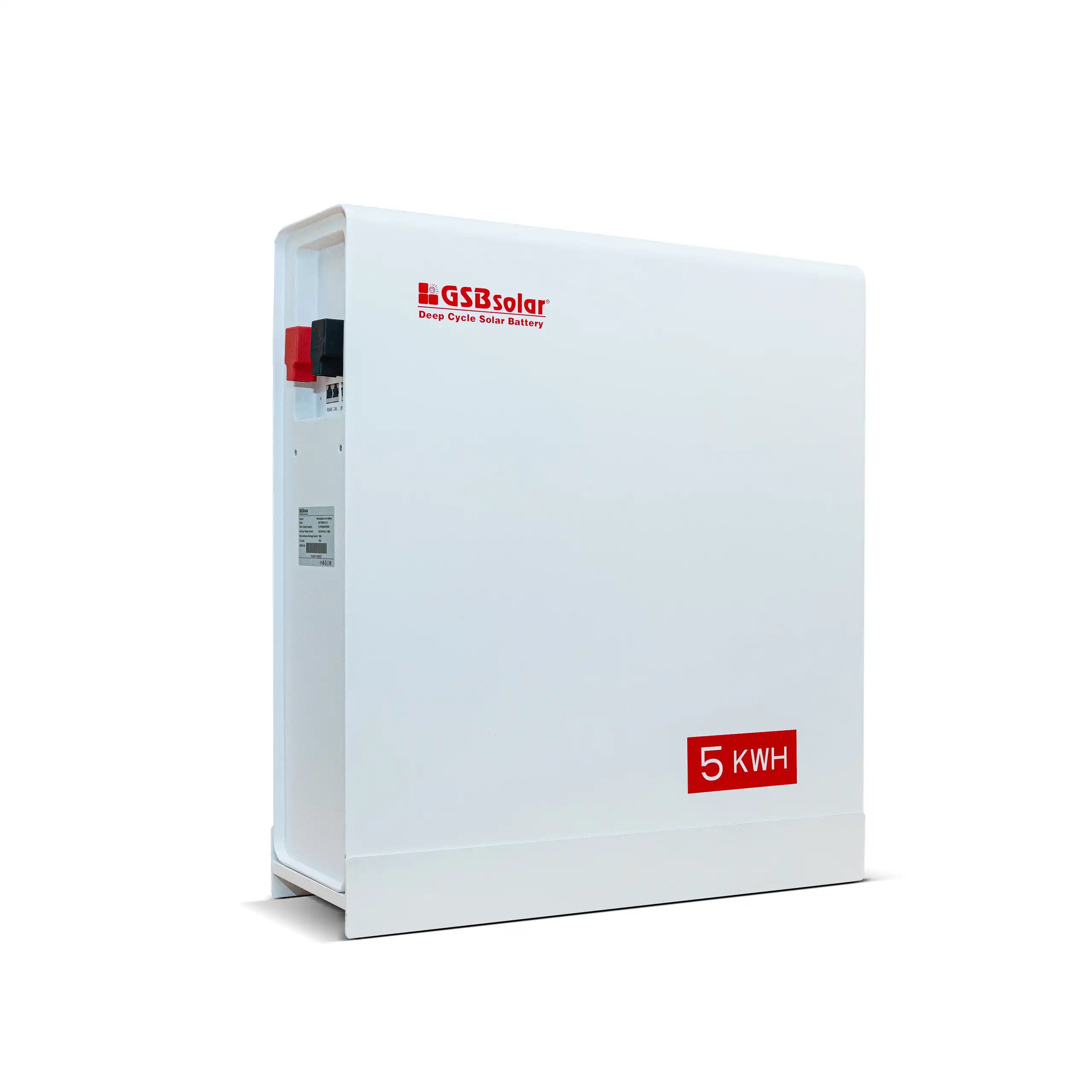
- Lithium Battery
GSB SOLAR LITHIUM BATTERIES
- Gel Battery
- Solar Street Lights
- Pump Inverter
Choosing the 2026 best solar panels and battery package requires more than comparing wattage and price. Global buyers need a complete energy system. Panel efficiency matters. Battery chemistry matters more in some climates.
An effective solar panels and battery package should match local sunlight, household demand, grid rules, and installation conditions. A rooftop in Dubai faces intense heat and dust. A home in northern Europe may need stronger winter performance. Coastal projects also require careful corrosion protection. These details can change the best choice.
IRENA Director-General Francesco La Camera has said, “Renewables are the backbone of the energy transition.” His statement reflects the wider market direction. Solar generation is expanding, while batteries help shift electricity into evening hours. Yet no package is perfect. Some high-efficiency panels cost more than they save. Some batteries promise long service life but provide limited usable capacity. That deserves closer attention.
This guide compares leading technologies, practical storage sizes, warranty terms, safety features, and supplier reliability. It also considers certification, installer support, replacement access, and long-term degradation. Real performance often differs from laboratory ratings. Small details matter.
The cheapest option may not be the best value. A slightly larger battery could reduce grid purchases, but it may extend the payback period. Buyers should review daily consumption, backup priorities, and local electricity prices before ordering. Independent testing helps. So does a written quotation.
The goal is simple: identify dependable packages for different markets, climates, budgets, and energy needs. Not flawless systems. Better-informed decisions.
What Defines a Solar Panel and Battery Package in 2026
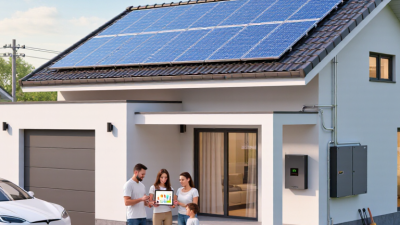
A 2026 solar panel and battery package is more than panels beside a storage cabinet. It combines photovoltaic modules, a hybrid inverter, battery management, mounting hardware, protection devices, monitoring, and commissioning support. The package should match local voltage, grid rules, roof conditions, and climate risks. IRENA reported global solar capacity above 1.4 terawatts at the end of 2023, showing how quickly system standards are becoming international.
Battery economics are also changing. BloombergNEF reported average lithium-ion battery pack prices near 115 dollars per kilowatt-hour in 2024, after a significant annual decline. However, a lower price does not guarantee better value. Buyers should examine usable capacity, round-trip efficiency, cycle life, thermal protection, and warranty conditions. A useful package might provide 10 kilowatt-hours of usable storage, but its real performance depends on evening loads, shading, temperature, and backup priorities. Small details matter.
Practical testing remains essential. During commissioning, installers should verify emergency shutdowns, cable protection, inverter settings, and battery ventilation. The International Energy Agency expects solar power to remain a major driver of renewable growth, but forecasts can miss local constraints. A package designed for a dry inland home may perform poorly in a humid coastal location. I would also question optimistic degradation claims. Real households change their habits, and batteries age unevenly. Transparent monitoring, documented test results, qualified installation, and accessible service support define reliability more clearly than a polished specification sheet.
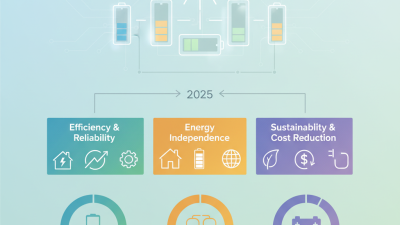
A high-quality solar panel and battery package is defined by efficient photovoltaic modules, a high-efficiency inverter, strong battery round-trip efficiency, and a high usable depth of discharge. The chart shows representative market benchmarks for common residential technologies in 2026; values are technology ranges, not company or brand rankings.
For most global residential buyers, a balanced package combines approximately 21–23% solar module efficiency, 97–99% inverter efficiency, 90–95% battery round-trip efficiency, and 90–95% usable battery depth of discharge. Local sunlight, electricity prices, climate, backup requirements, and installation standards should be considered before selecting system capacity.
Matching solar panels with battery storage begins with daily energy use, not package size. Review twelve months of electricity bills and identify evening loads, such as lighting, refrigeration, and water pumping. A home using 12 kilowatt-hours daily may need about 4 kilowatts of panels in a sunny location. Cloudier regions may require more capacity.
Battery sizing depends on the energy you want available after sunset. For 8 kilowatt-hours of overnight use, a battery rated near 10 kilowatt-hours can allow for reserve limits and conversion losses. Do not plan to drain it completely every night. That shortens useful service life. Keep emergency loads separate. A refrigerator, internet device, and medical equipment may need priority during outages.
Local sunlight, roof direction, temperature, and seasonal weather can change the calculation. Panel output printed on a specification sheet is measured under controlled conditions, not on a dusty roof in winter. I have seen systems perform below expectations because shading was checked only at noon. That mistake is easy to repeat. Measure morning and afternoon shadows, confirm inverter limits, and leave room for future electricity demand. Oversizing the battery is not always wise. An unused battery still adds cost, weight, and maintenance requirements. Review the design with a qualified installer familiar with local grid rules and electrical standards.
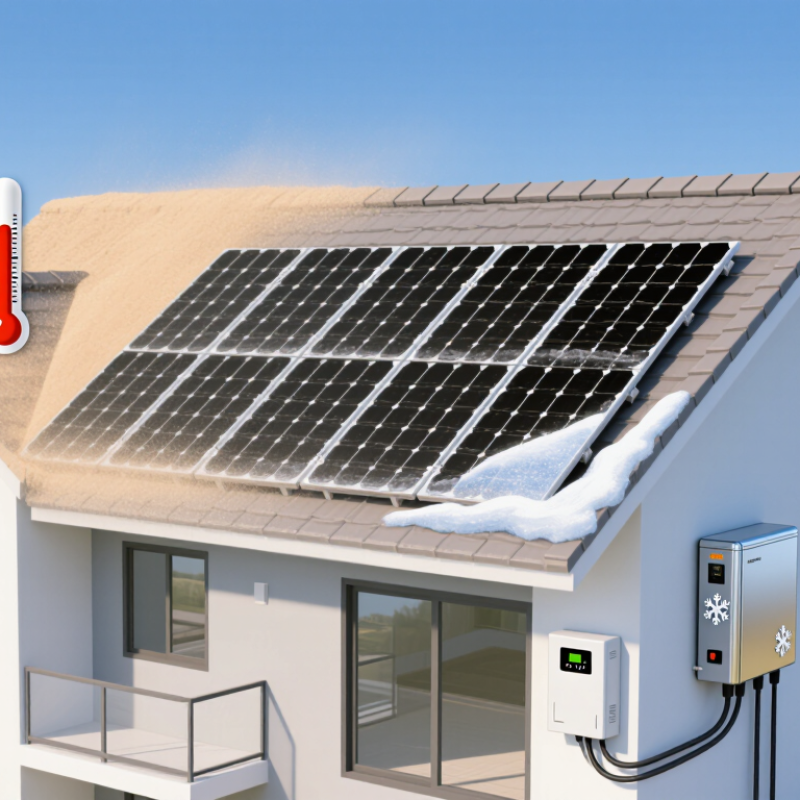
Choosing solar technology starts with climate, not appearance. In hot, sunny deserts, monocrystalline panels with low temperature coefficients can limit heat-related power losses. Leave space beneath each panel for airflow. Dust reduces production quickly. Easy cleaning access matters. A shaded battery enclosure is equally important. Lithium iron phosphate batteries support frequent cycling, but extreme heat still reduces their service life. Use an inverter with enough capacity for refrigerator motors, pumps, and other short startup surges.
Cloudy northern regions need a different approach. A larger panel array can capture more weak daylight. Bifacial panels may perform well beside bright snow or pale rooftops. Steeper mounting angles help snow slide away. Cold weather can improve panel voltage, but batteries may need insulation and controlled heating. Coastal and tropical sites require corrosion-resistant frames and sealed connectors. Heavy rain also exposes poor cable routing. Secure mounting and surge protection deserve attention before installation.
Do not size a system from annual sunlight alone. Measure seasonal loads, including overnight heating and refrigeration. Real consumption records are more useful than optimistic estimates. I have seen designs fail because one small pump was ignored. That mistake is easy to repeat. Verify regional certifications, installer competence, and battery operating limits before purchase. No package is perfect. A practical design leaves room for unusual weather and future demand.
2026 Best Solar Panels and Battery Package for Global Buyers
How to Compare Efficiency, Cost, Warranty, and Safety
Choosing a solar panel and battery package in 2026 requires more than reading the highest efficiency number. Efficiency should be checked against roof space, shade, temperature, and seasonal sunlight. A panel rated at 23% may produce less useful energy beside a chimney. Ask for independent test data, not only laboratory claims. Battery efficiency also matters because each conversion can lose energy. Round-trip efficiency matters.
Compare total cost, not just the purchase price. Include mounting, wiring, installation, monitoring, permits, and future replacement risks. A low-cost package can become expensive when installation support is weak. Request a written estimate with assumptions and expected annual production. Test those figures against a winter month, when optimism often fails. Payback forecasts are useful, yet tariffs, weather, and household habits can change them. Even a careful comparison remains imperfect.
Warranty language deserves careful reading. Check product years, performance guarantees, labor coverage, exclusions, and claim procedures. A long warranty means little if service response times remain unclear. Safety deserves equal attention. Look for certified components, battery temperature controls, fire protection, clear shutdown access, and qualified installation. Do not place equipment in a cramped, damp corner to save space. Ask about ventilation, emergency isolation, maintenance access, and battery recycling responsibilities before signing.
| Package Type | Typical System Size | Panel Technology & Efficiency | Battery Configuration | Estimated Usable Energy | Estimated Installed Cost (USD) | Typical Warranty Range | Safety & Compliance Priorities | Recommended Use |
|---|---|---|---|---|---|---|---|---|
| Essential Home | 3–5 kW solar + 5–10 kWh battery | Monocrystalline silicon; approximately 19%–22% module efficiency | Lithium iron phosphate (LFP), 5–10 kWh nominal capacity | Approximately 4.5–9 kWh per cycle, depending on the permitted depth of discharge | $9,000–$18,000 before incentives; highly location-dependent | Panels: 12–25 years product warranty; 25–30 years performance warranty Battery: 10–15 years or a specified energy-throughput limit |
LFP chemistry, battery-management system, over-temperature protection, certified inverter, local electrical-code compliance | Apartments, small homes, lighting, refrigeration, internet equipment, and short outages |
| Balanced Family | 6–8 kW solar + 10–15 kWh battery | Monocrystalline silicon with half-cut or multi-busbar design; approximately 20%–23% efficiency | LFP, 10–15 kWh nominal capacity; modular expansion preferred | Approximately 9–13.5 kWh per cycle | $15,000–$30,000 before incentives; installation and grid requirements can change the total substantially | Panels: 12–25 years product warranty; 25–30 years performance warranty Battery: commonly 10 years, subject to cycle or throughput conditions |
Verify anti-islanding protection, surge protection, emergency shutdown, ingress rating, and installation by a qualified electrician | Typical detached homes seeking bill reduction and overnight backup |
| High-Consumption Home | 8–12 kW solar + 15–25 kWh battery | High-power monocrystalline modules; approximately 21%–24% efficiency | LFP, 15–25 kWh nominal capacity; continuous output should match essential loads | Approximately 13.5–22.5 kWh per cycle | $24,000–$45,000 before incentives, including larger inverter and balance-of-system equipment | Panels: usually 25–30 years performance warranty Battery: commonly 10–15 years, with capacity retention terms often specified at 60%–80% |
Check maximum continuous power, short-circuit protection, thermal monitoring, fire separation, and local grid-interconnection rules | Large homes, heat-pump users, electric-vehicle charging, and frequent power interruptions |
| Backup-First Home | 5–10 kW solar + 15–30 kWh battery | Monocrystalline modules; approximately 19%–23% efficiency, selected for roof area and shading conditions | LFP with a hybrid inverter and automatic backup gateway | Approximately 13.5–27 kWh per cycle | $22,000–$48,000 before incentives; backup-panel installation may add cost | Panels: 25–30 years performance warranty Battery and inverter: commonly 10–15 years, subject to operating conditions |
Seamless transfer capability, islanding control, protected critical-load panel, fire-rating requirements, and documented maintenance procedures | Regions with hurricanes, storms, weak grids, load shedding, or long outage periods |
| Small Business | 15–30 kW solar + 30–60 kWh battery | High-efficiency monocrystalline modules; approximately 20%–24% efficiency | Modular LFP battery system with three-phase-compatible power conversion where required | Approximately 27–54 kWh per cycle | $55,000–$120,000 before incentives, taxes, and commercial electrical upgrades | Panels: commonly 12–25 years product warranty and 25–30 years performance warranty Battery: commonly 10 years or a defined throughput limit |
Commercial fire protection, monitored battery enclosures, fault isolation, arc-fault protection where required, and professional commissioning | Retail stores, offices, farms, clinics, and businesses with costly downtime |
2026 Best Solar Panels and Battery Package for Global Buyers
Global buyers should inspect the installation site before comparing package prices. Measure roof direction, usable area, shading, and structural strength. A powerful panel can perform poorly under frequent shade or extreme heat. Check the local grid voltage, connection rules, import duties, and required safety certificates. Requirements differ widely between countries.
Review the battery’s usable capacity, cycle life, operating temperature, and round-trip efficiency. Ask whether the system can provide backup power during grid failures. Confirm the inverter’s compatibility with local electrical standards. Warranty terms need careful reading, especially coverage for battery degradation and replacement procedures. A low purchase price may hide expensive freight, maintenance, or technician visits. No package is perfect. My own assessment would include a rainy-season estimate, not only the manufacturer’s ideal figures.
Tips: Request a written energy forecast based on your location. Check installer licenses and recent project records. Keep photographs of cables, roof anchors, and emergency switches after installation. Ask who will provide support five years later. Also, leave room for doubt: household consumption may grow, battery performance may decline, and weather data can be incomplete. Select equipment with documented testing, clear manuals, traceable warranties, and locally available technical service.