ALL PRODUCTS
- Solar Panel
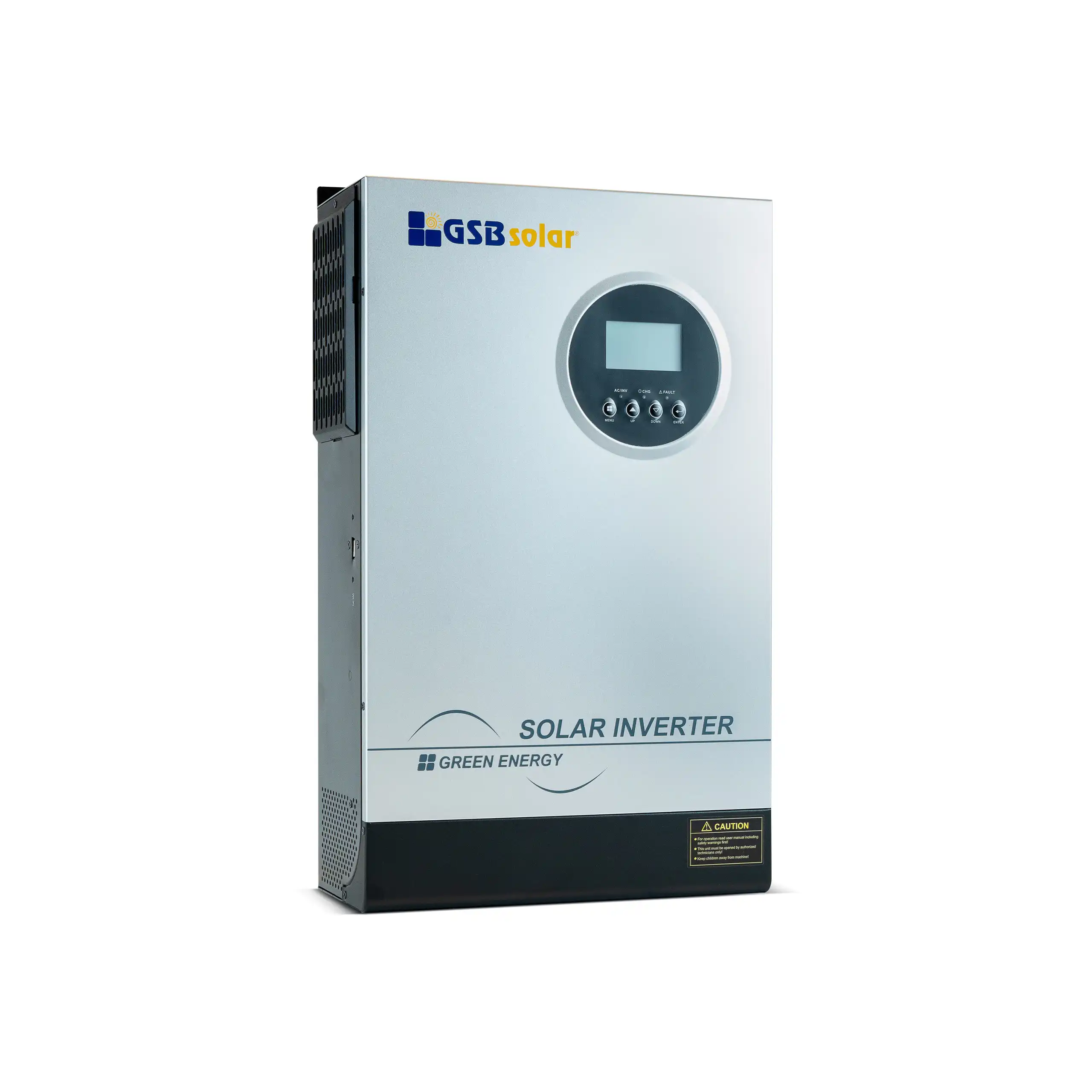
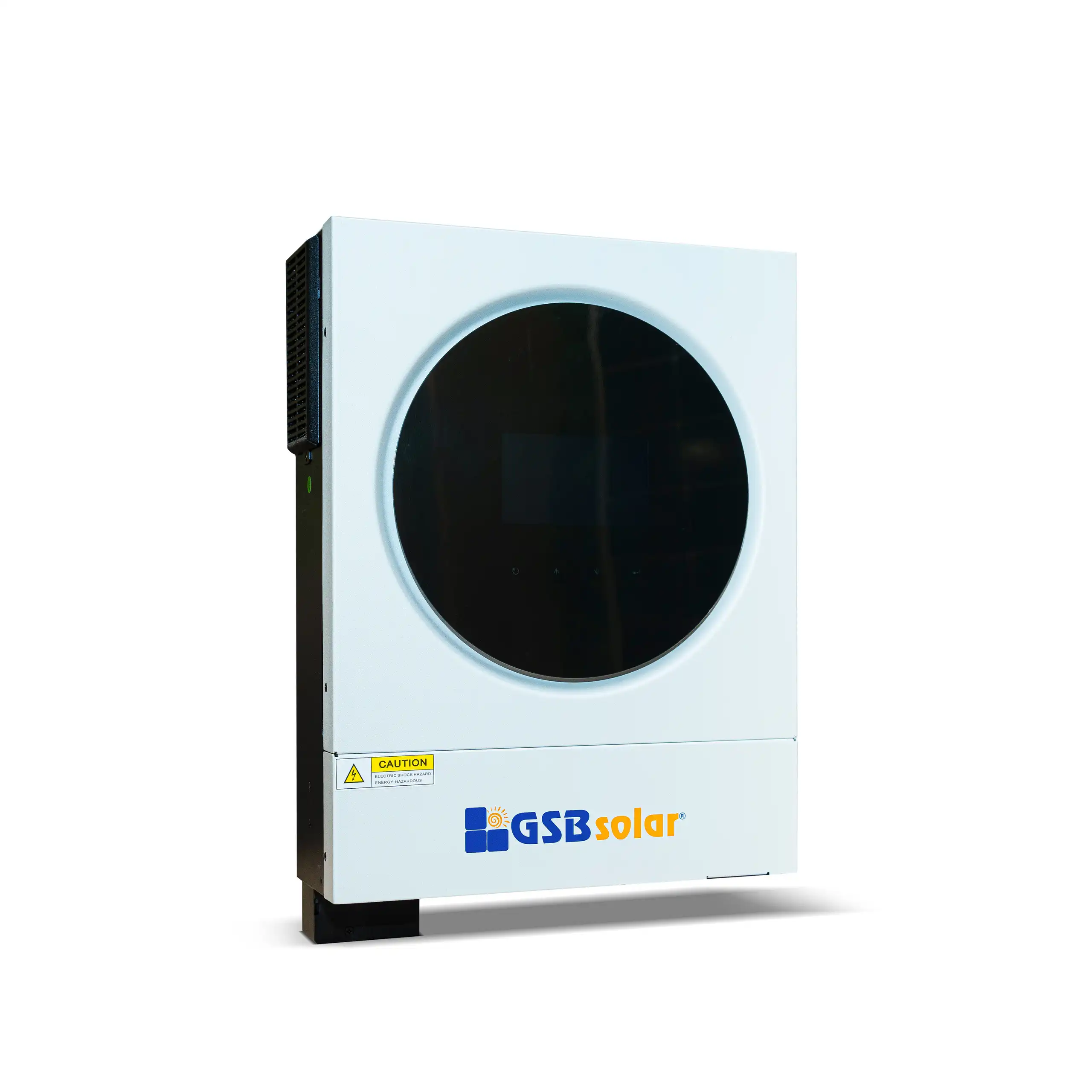
- Hybrid Inverter
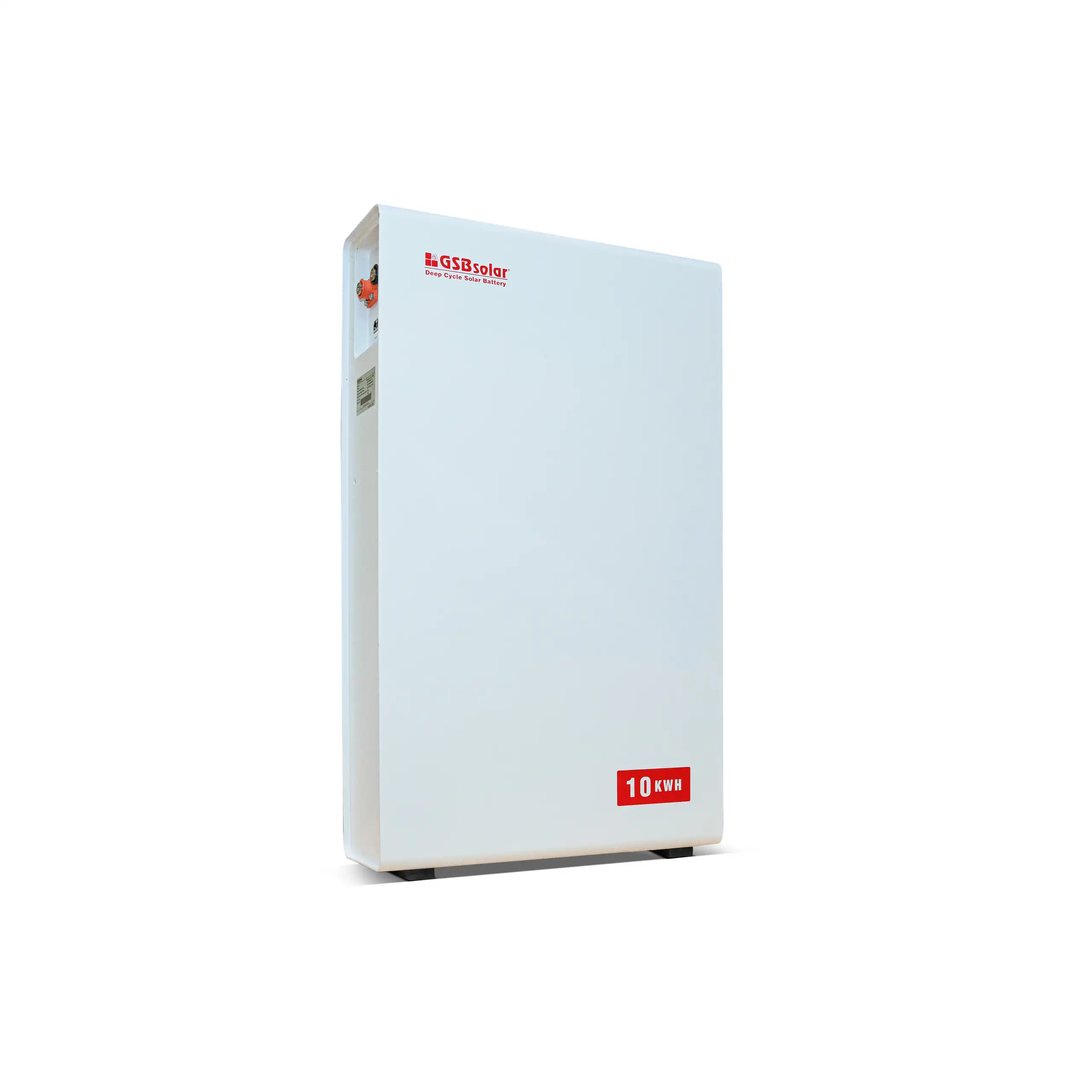
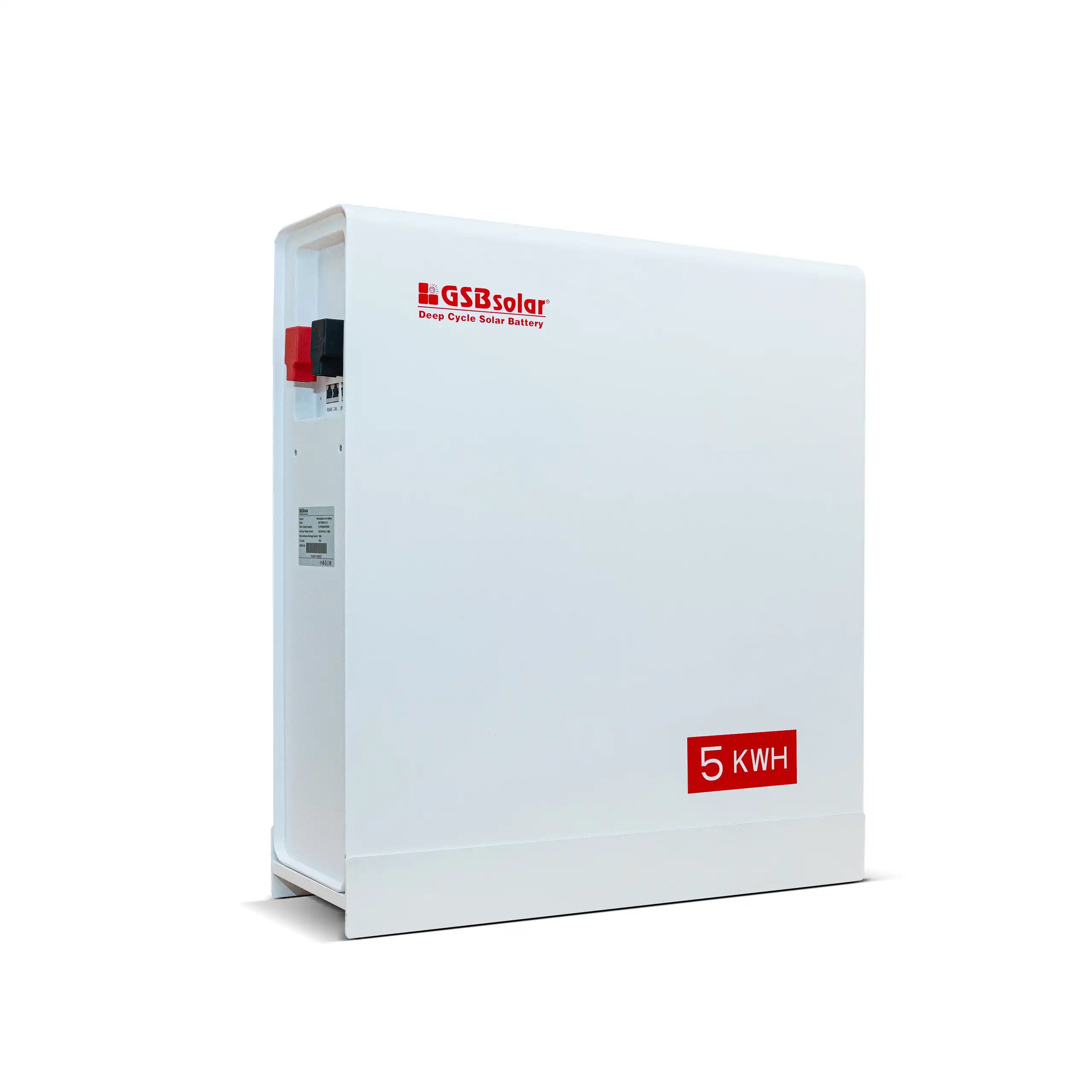
- Lithium Battery
GSB SOLAR LITHIUM BATTERIES
- Gel Battery
- Solar Street Lights
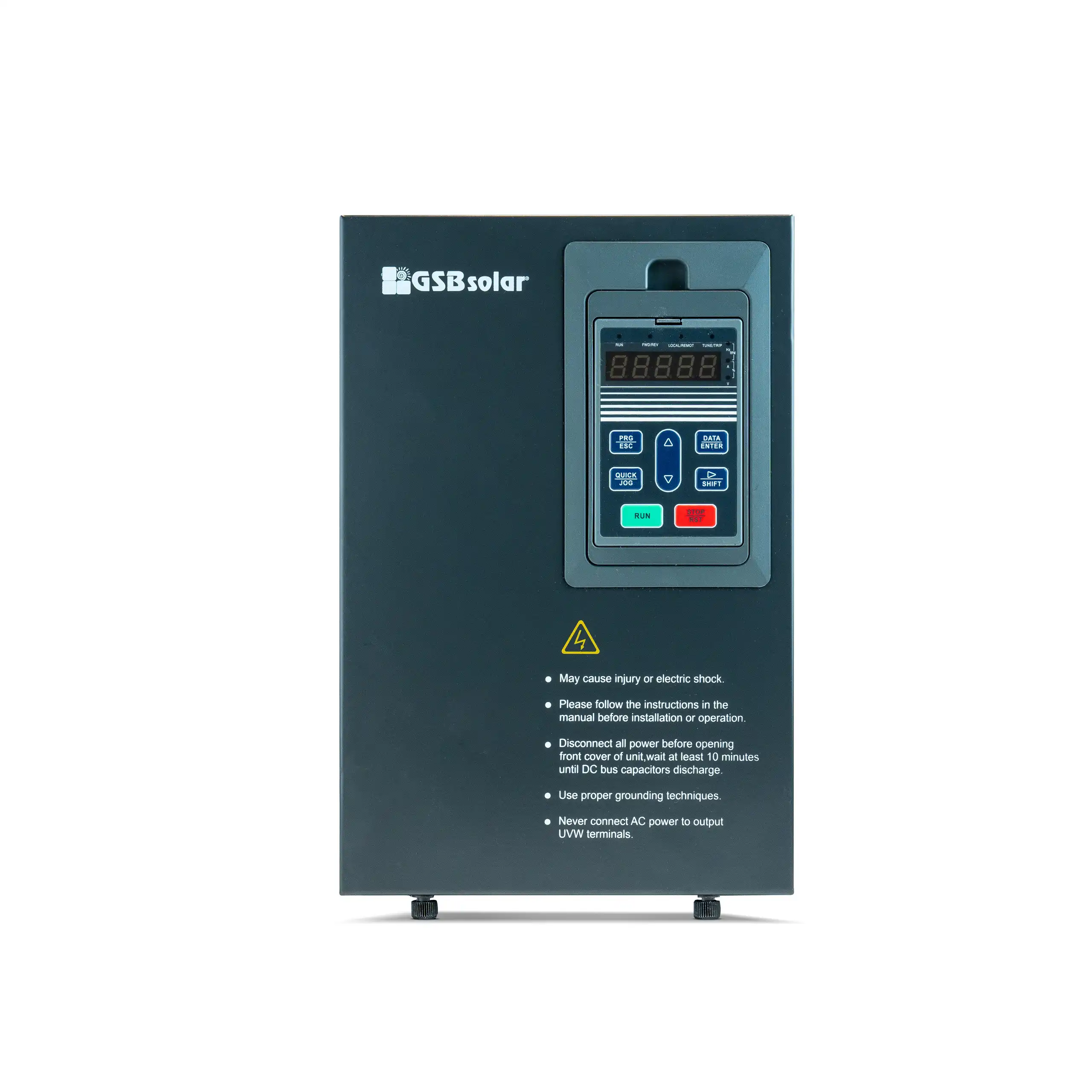
- Pump Inverter
Solar power is no longer a niche technology on rooftops. According to IRENA’s Renewable Capacity Statistics 2024, renewable capacity grew by approximately 473 gigawatts worldwide in 2023. Solar photovoltaic installations contributed nearly 346 gigawatts. That growth is impressive. Yet panels alone do not create a dependable energy solution.
A full solar panel system connects several working parts. It may include photovoltaic modules, an inverter, mounting rails, electrical wiring, monitoring equipment, safety disconnects, and a bidirectional meter. Batteries can store excess electricity for evening use. Professional design, roof assessment, permits, installation, and maintenance also matter. A bright roof is helpful, but it is not the whole system.
The International Energy Agency has described solar photovoltaic technology as “the new king of the world’s electricity markets.” Fatih Birol, the IEA’s Executive Director, made that statement in the agency’s Renewables 2020 analysis. His observation highlights solar’s extraordinary momentum. It does not remove practical questions. Will the roof support the array? Can the inverter handle peak output? What happens during a grid outage? Those details often determine real performance.
This guide examines each component, from sunlight capture to household consumption. It also considers battery storage, system sizing, warranties, monitoring, and long-term operating costs. Estimates can change with weather, shading, electricity tariffs, and local regulations. Some explanations may seem obvious. They still deserve scrutiny. A well-designed full solar panel system should produce electricity safely, transparently, and consistently—not merely look impressive on a roof.
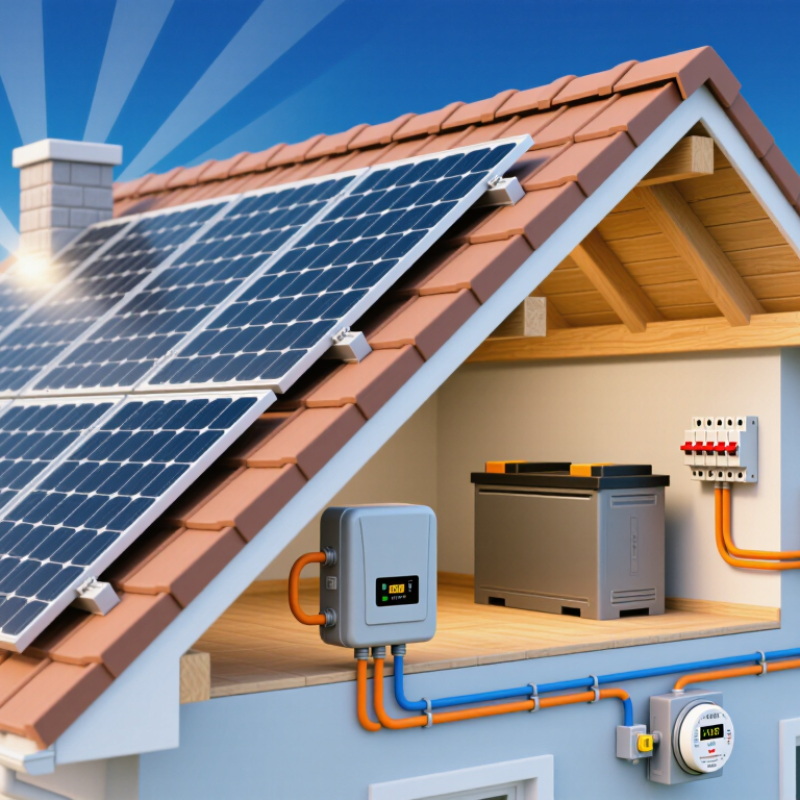
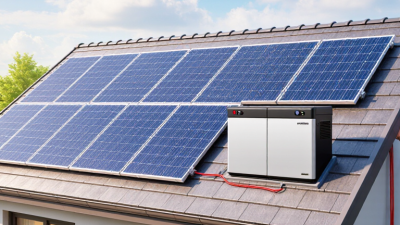
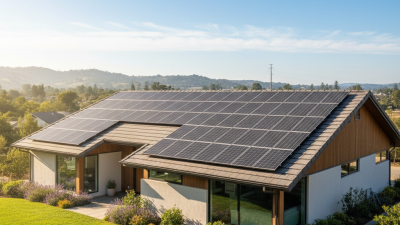
A full solar panel system is more than a row of panels on a roof. It is an integrated electrical setup designed to produce, control, and safely deliver electricity. Panels capture sunlight, while mounting rails keep them secure against wind and weather. Wiring carries the current to an inverter, which changes solar electricity into usable household power.
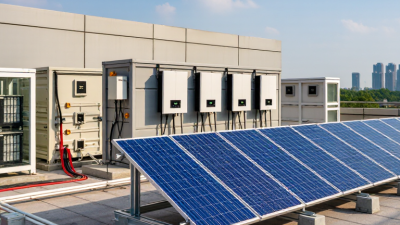
The inverter is central to system performance. Some systems use one unit, while others use smaller units across the array. A complete installation also includes disconnect switches, protection devices, grounding equipment, monitoring tools, and a connection to the property’s electrical panel. These parts are easy to overlook. They matter during maintenance and emergencies.
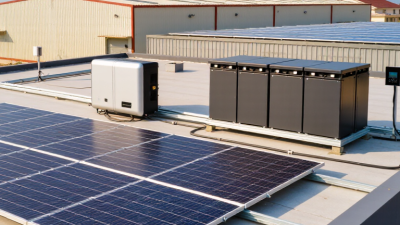
A battery is not automatically required. It becomes part of the system when energy storage is selected for backup power or evening use. Without storage, unused electricity may flow to the grid, depending on local rules and the utility agreement. A truly full system also needs a site assessment, structural checks, permits, inspections, and professional commissioning.
The word “full” can mislead.
A system may include every major component but still perform poorly if shading, roof age, or cable placement receives little attention. In practice, installers should document expected production, equipment ratings, warranty terms, and shutdown procedures. Homeowners should review these details instead of judging completeness by panel count alone. Even experienced teams can miss small roof obstacles, so a second inspection is worthwhile.
| System Element | Primary Function | Normally Included? | Typical Specification or Range | What Defines a Complete System |
|---|---|---|---|---|
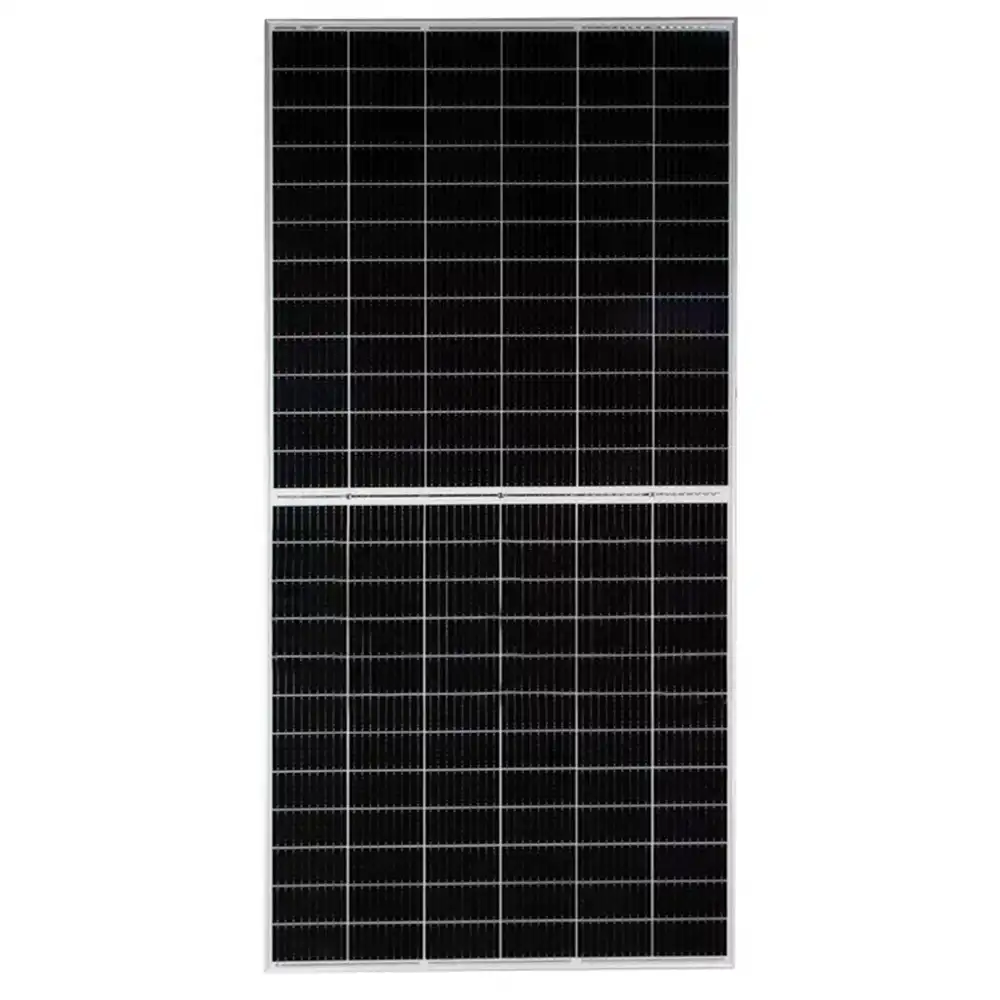
| Solar photovoltaic modules | Convert sunlight into direct-current electricity. | Yes | Common residential modules produce approximately 350–500 watts each. | The total module capacity is sized to the property’s electricity use, roof area, solar resource, and design goals. |
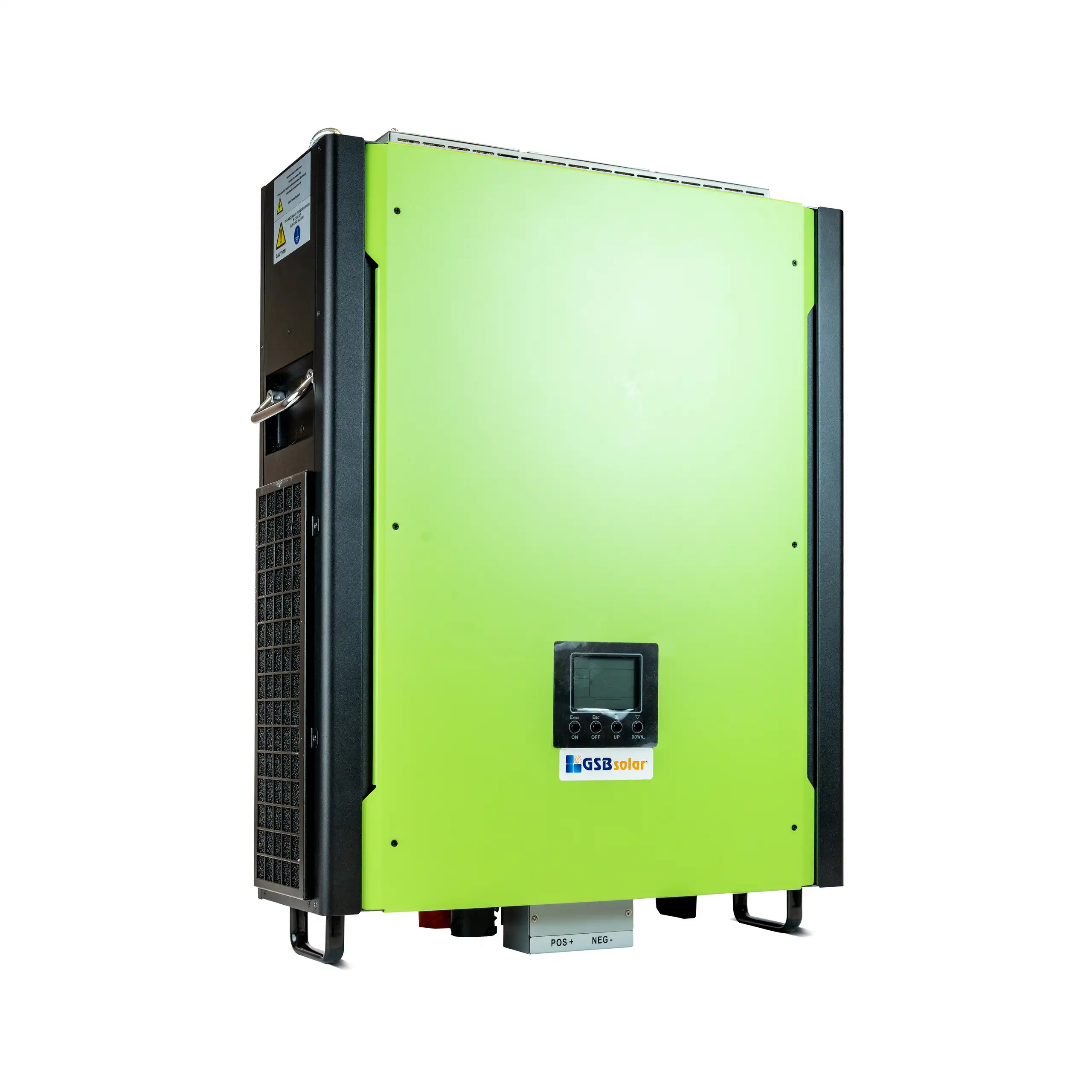
| Inverter system | Converts direct current from the modules into alternating current used by household appliances and the utility grid. | Yes | May be a central inverter, string inverters, or module-level power electronics; capacity is matched to the array. | A complete system requires compatible power conversion equipment and appropriate electrical ratings. |
| Mounting and racking hardware | Secures the modules to a roof, ground structure, or another approved mounting surface. | Yes | Includes rails, clamps, attachments, flashing, grounding hardware, or structural supports as required. | The design must account for roof type, wind, snow, corrosion, drainage, and local structural requirements. |
| DC and AC wiring | Carries electricity between modules, inverters, distribution equipment, and the service connection. | Yes | Outdoor-rated conductors, connectors, conduit, cable management, and appropriately sized circuits. | Conductors must be sized, protected, routed, and labeled according to applicable electrical codes. |
| Disconnects and overcurrent protection | Allows safe isolation of equipment and protection against excessive current or electrical faults. | Yes | May include DC disconnects, AC disconnects, circuit breakers, fuses, and surge protection. | Safety equipment must be accessible, clearly identified, and compatible with the system voltage and current. |
| Utility interconnection equipment | Connects a grid-tied system to the property’s electrical service and utility network. | Yes for grid-tied systems | May involve a dedicated breaker, service-side connection, meter configuration, or service-panel upgrades. | The connection must be approved by the utility and comply with local interconnection rules. |
| Monitoring equipment and software | Tracks energy production, system status, faults, and sometimes household consumption. | Usually | May provide local display, web access, mobile access, alerts, and production history. | Monitoring makes it possible to verify performance and identify operational issues. |
| Bi-directional utility meter | Measures electricity imported from and, where permitted, exported to the grid. | For grid export | Meter type and export-credit treatment depend on the utility and local regulations. | The system is not fully operational for grid export until the required meter and permission are in place. |
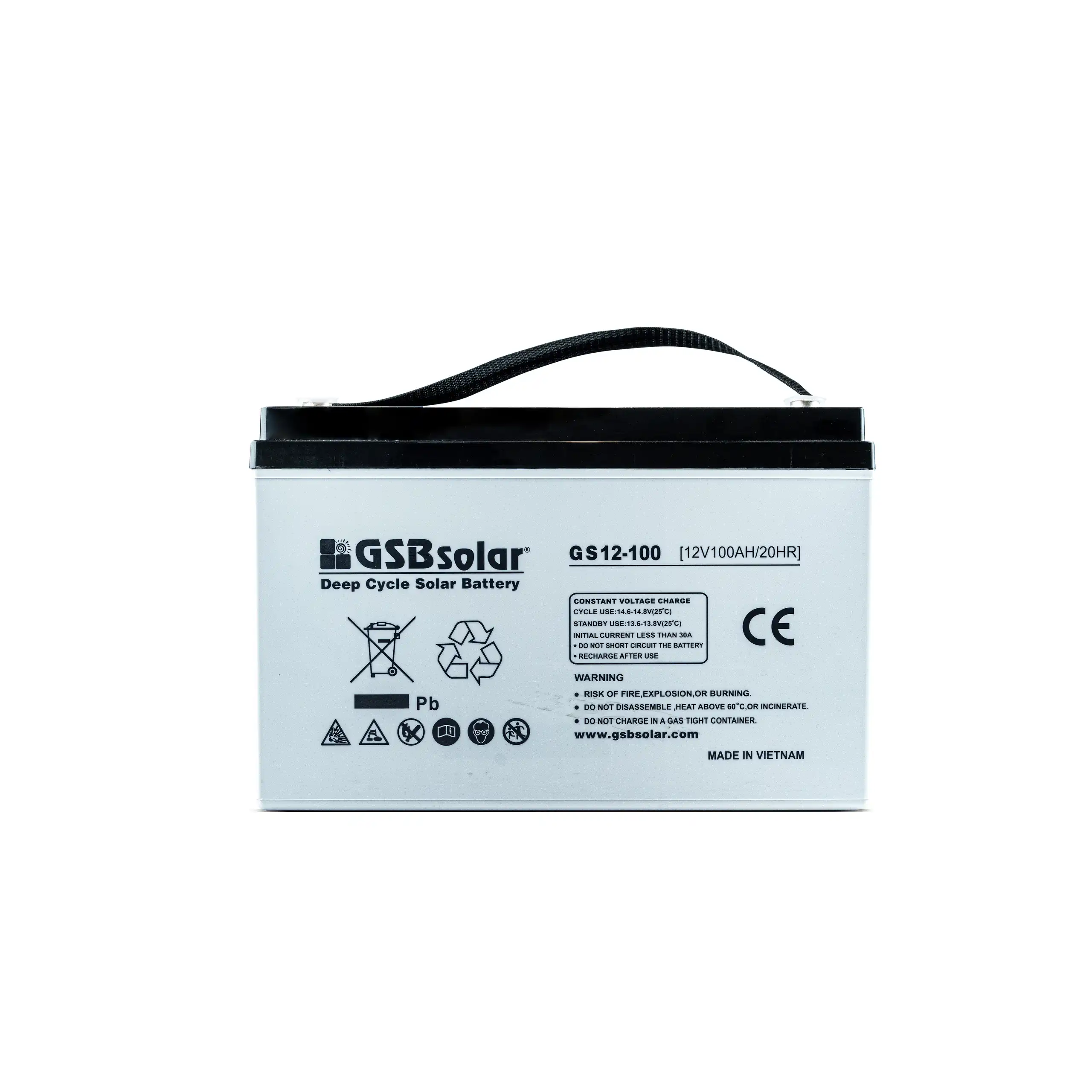
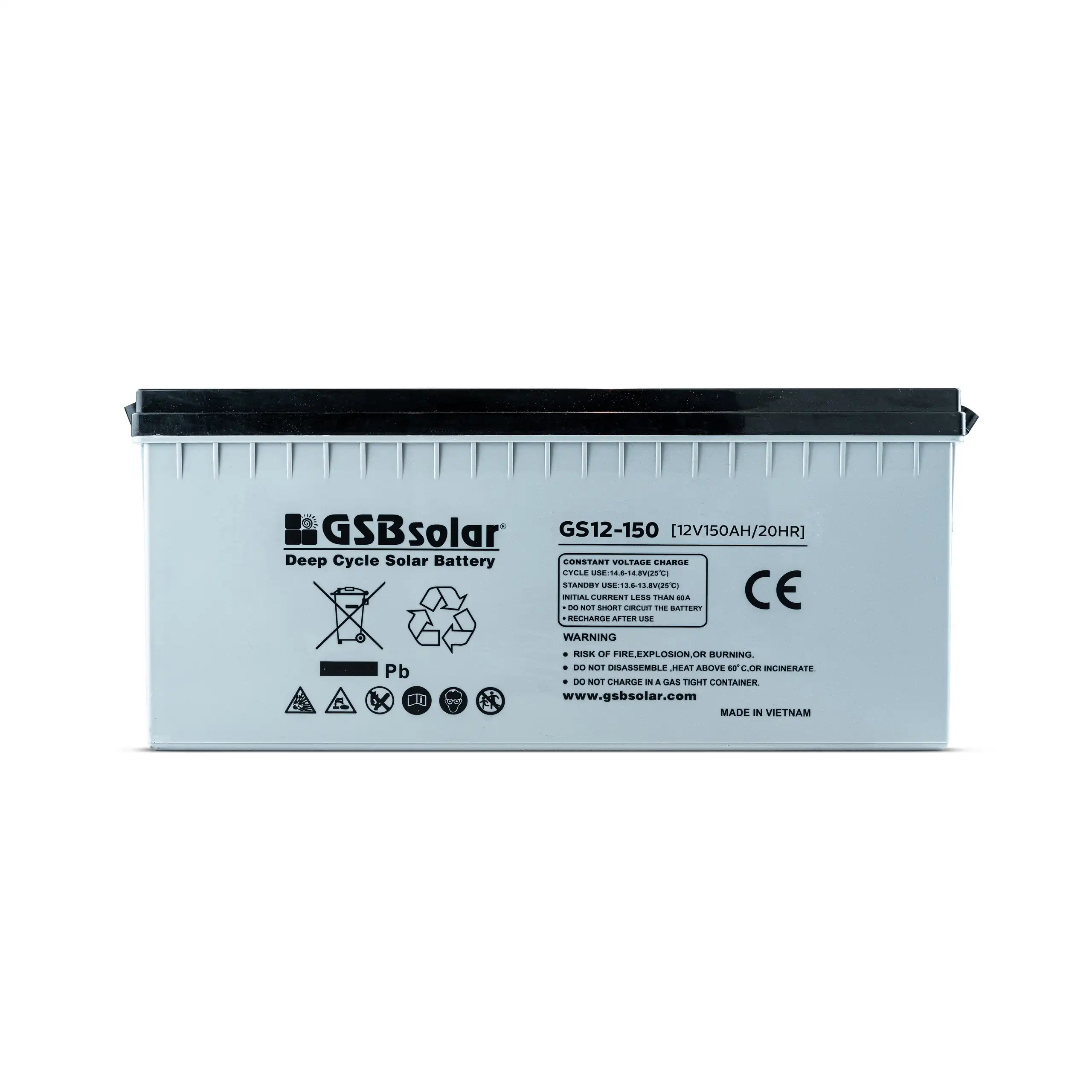
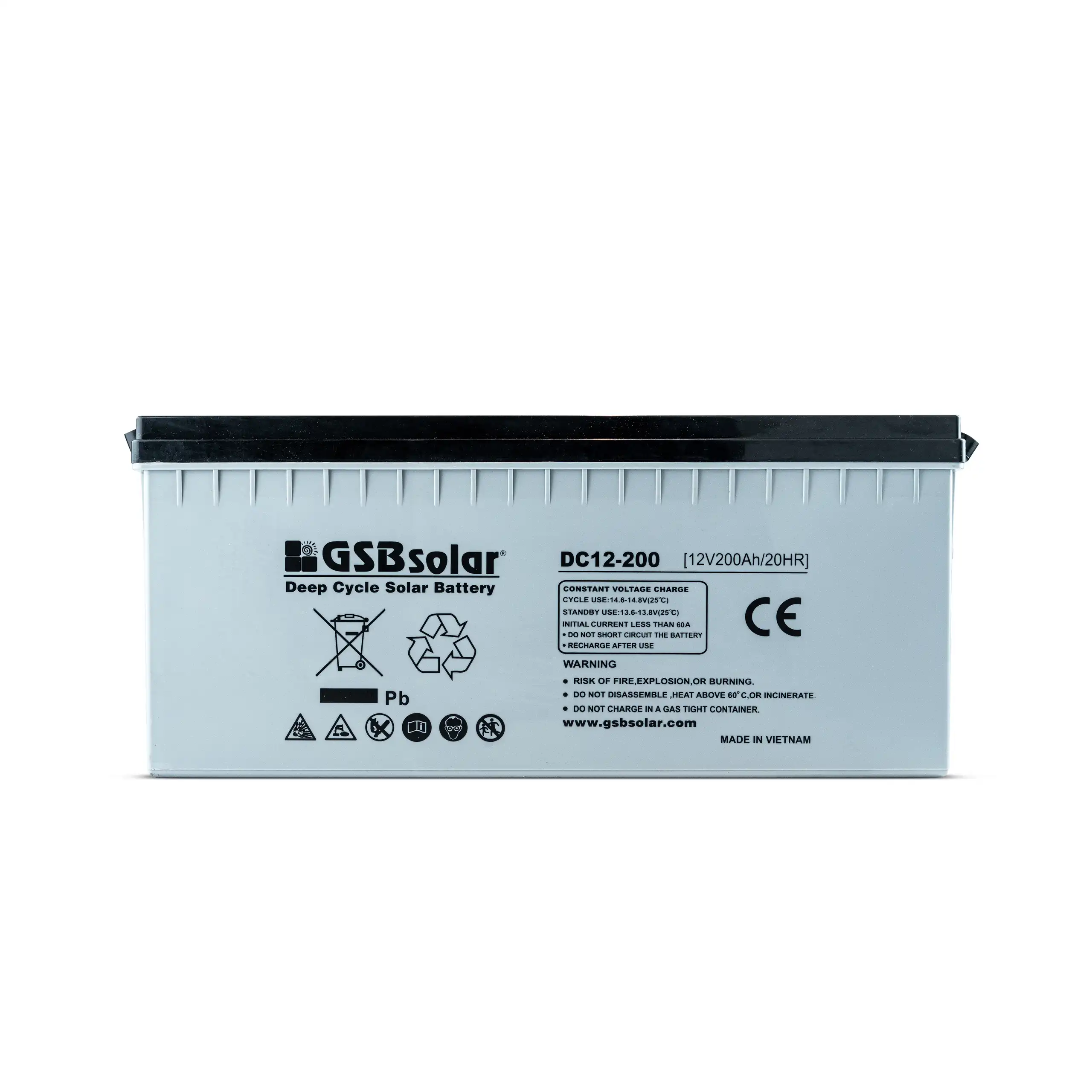
| Energy storage battery | Stores surplus electricity for use later and can support backup loads during an outage when properly configured. | Optional | Capacity is specified in kilowatt-hours; power output is specified in kilowatts. | A battery is required for storage or backup functionality, but not for a standard grid-tied solar-only system. |
| Backup and energy-management controls | Manages battery charging, selected backup circuits, load prioritization, and safe grid isolation. | Optional | May include transfer equipment, a backup-load panel, controls, and communications wiring. | Required when the system is intended to provide backup power during a utility outage. |
| System design and engineering | Determines array layout, electrical design, structural attachment, energy estimate, and equipment compatibility. | Yes | Typically includes a site assessment, shading review, single-line diagram, and equipment specifications. | A complete system is designed as an integrated electrical and structural installation, not just a group of panels. |
| Permits, inspections, and approvals | Ensure the installation meets building, electrical, fire-safety, and utility requirements. | Normally required | Requirements vary by jurisdiction, system size, location, and grid-connection method. | Permission to operate is generally needed before a grid-connected system can be energized for normal operation. |
| Installation, commissioning, and documentation | Covers physical installation, testing, activation, owner training, and delivery of system records. | Yes for a turnkey system | May include test results, equipment manuals, warranties, as-built drawings, maintenance guidance, and shutdown procedures. | The system is complete when it is safely installed, inspected, commissioned, and ready for its intended operating mode. |