China Top 10 Full Solar Panel System Manufacturers?
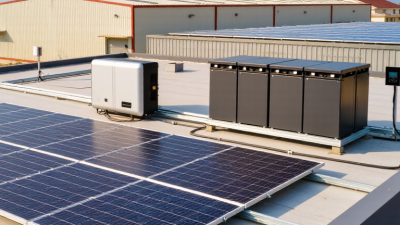
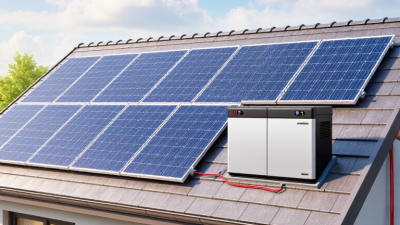
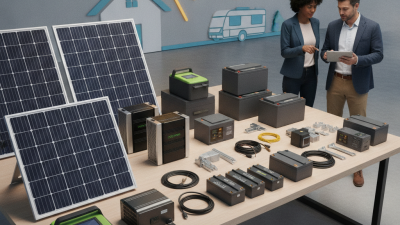
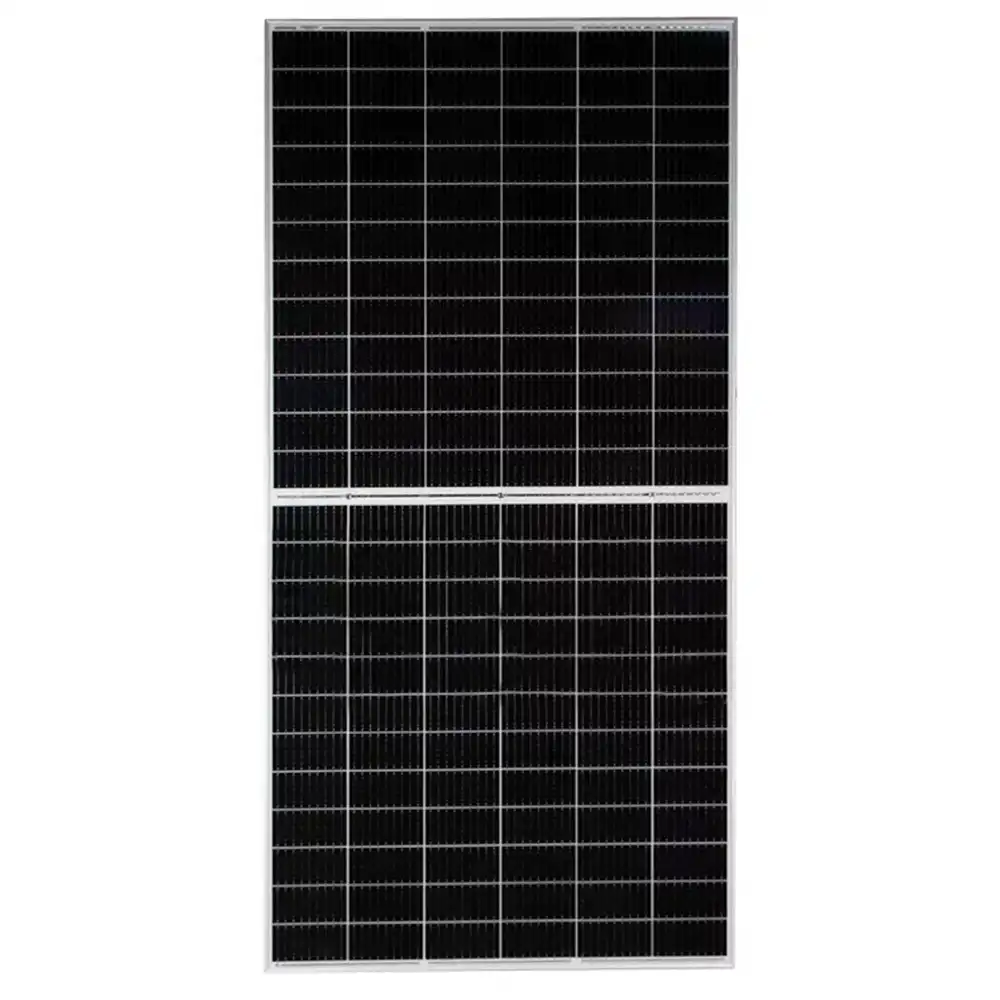
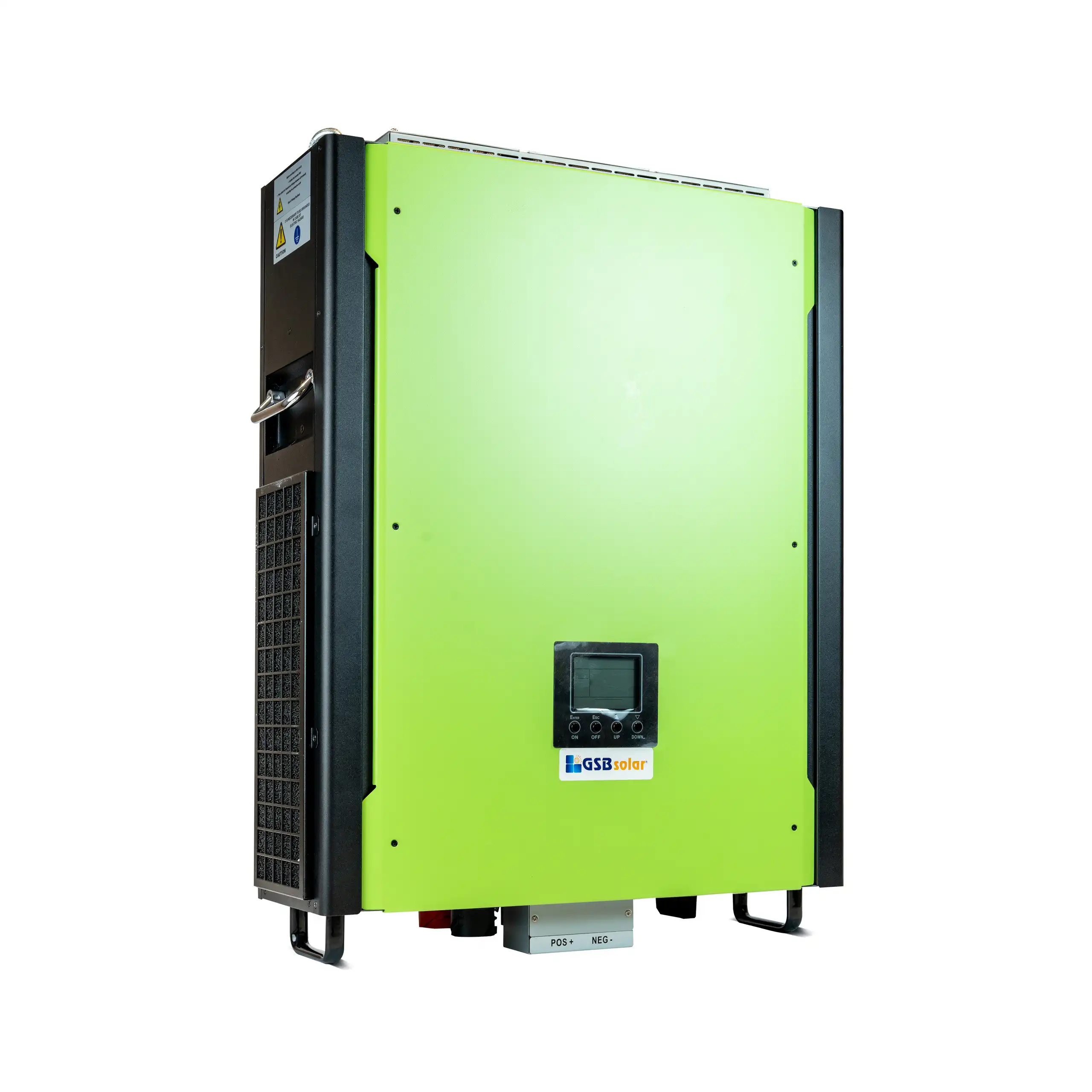
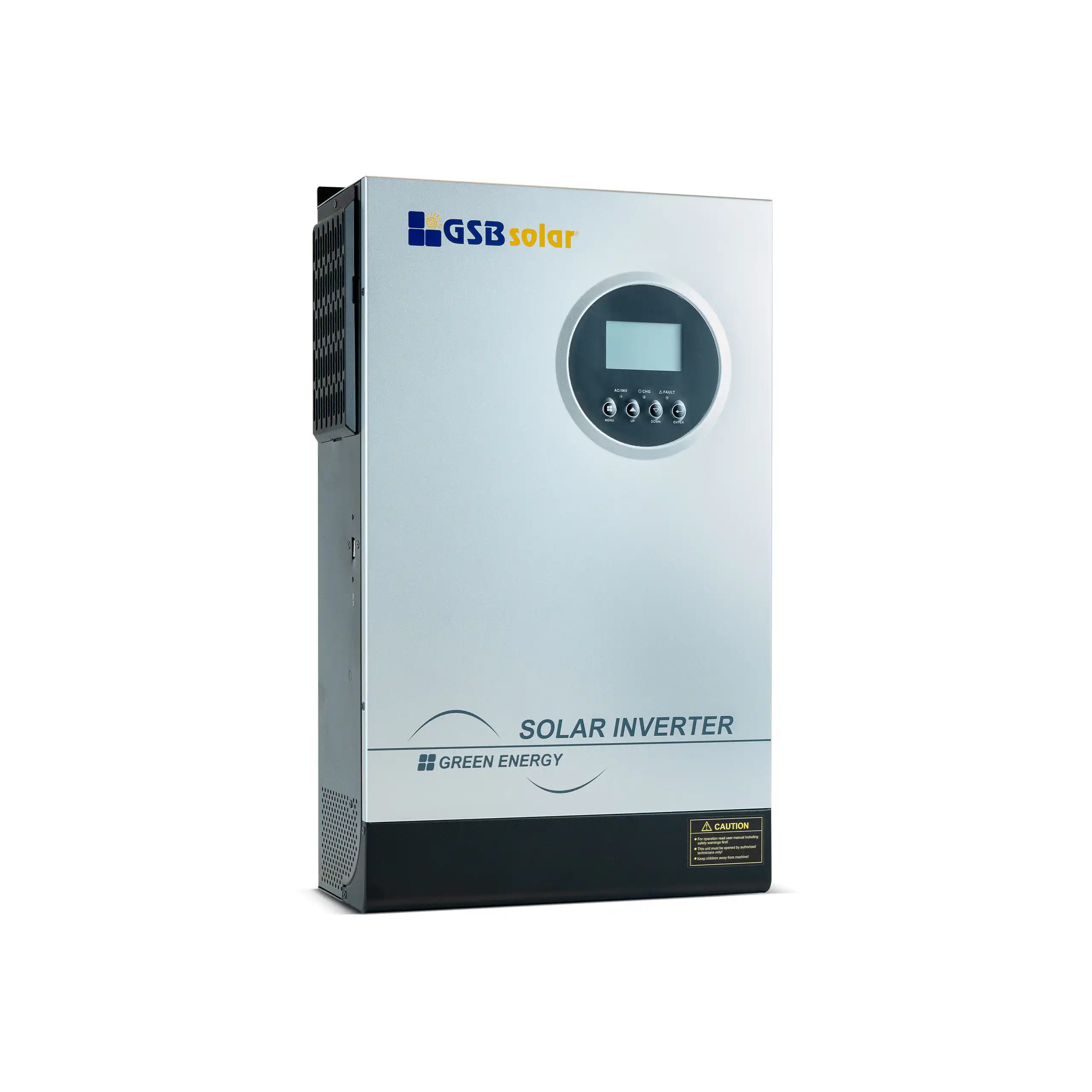
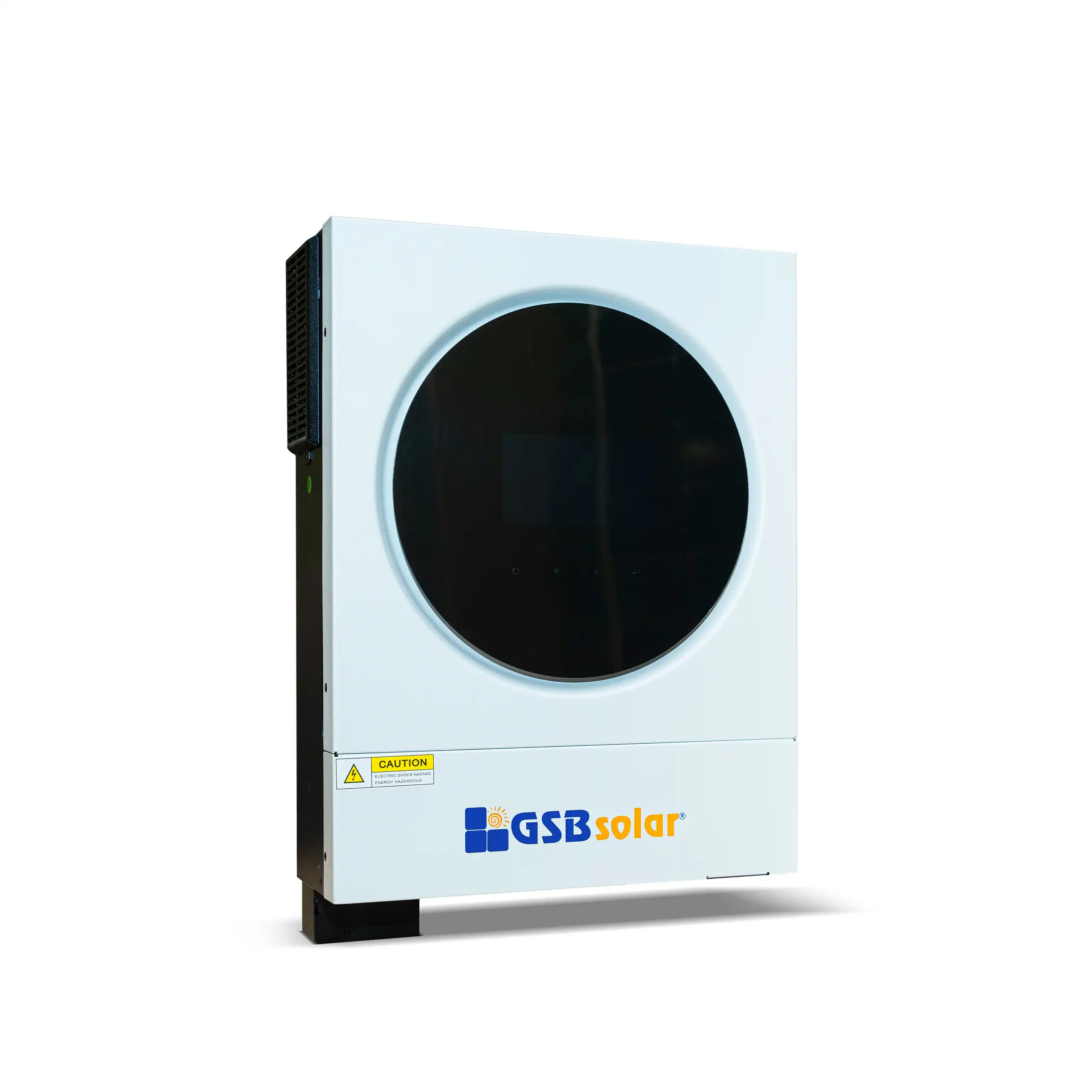
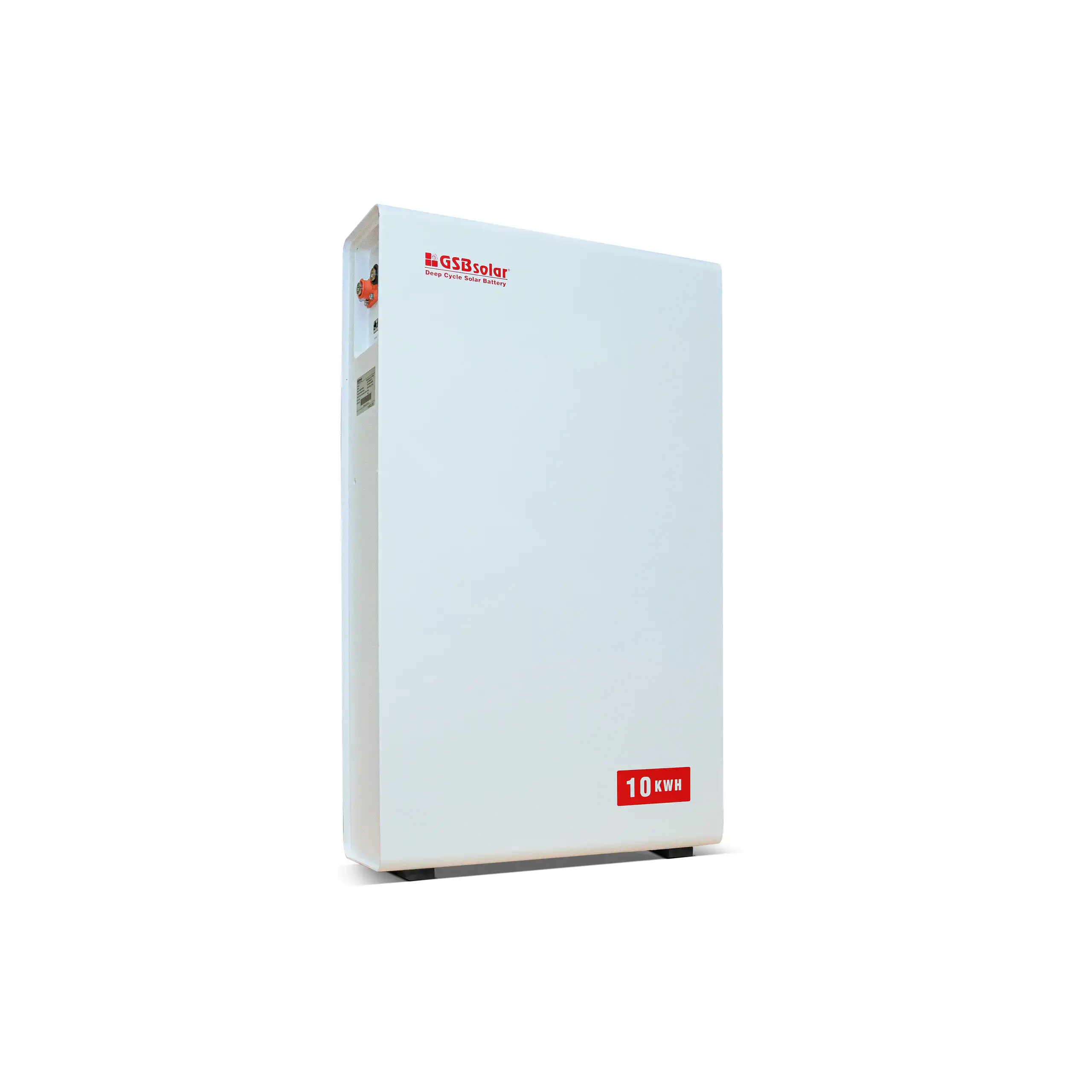
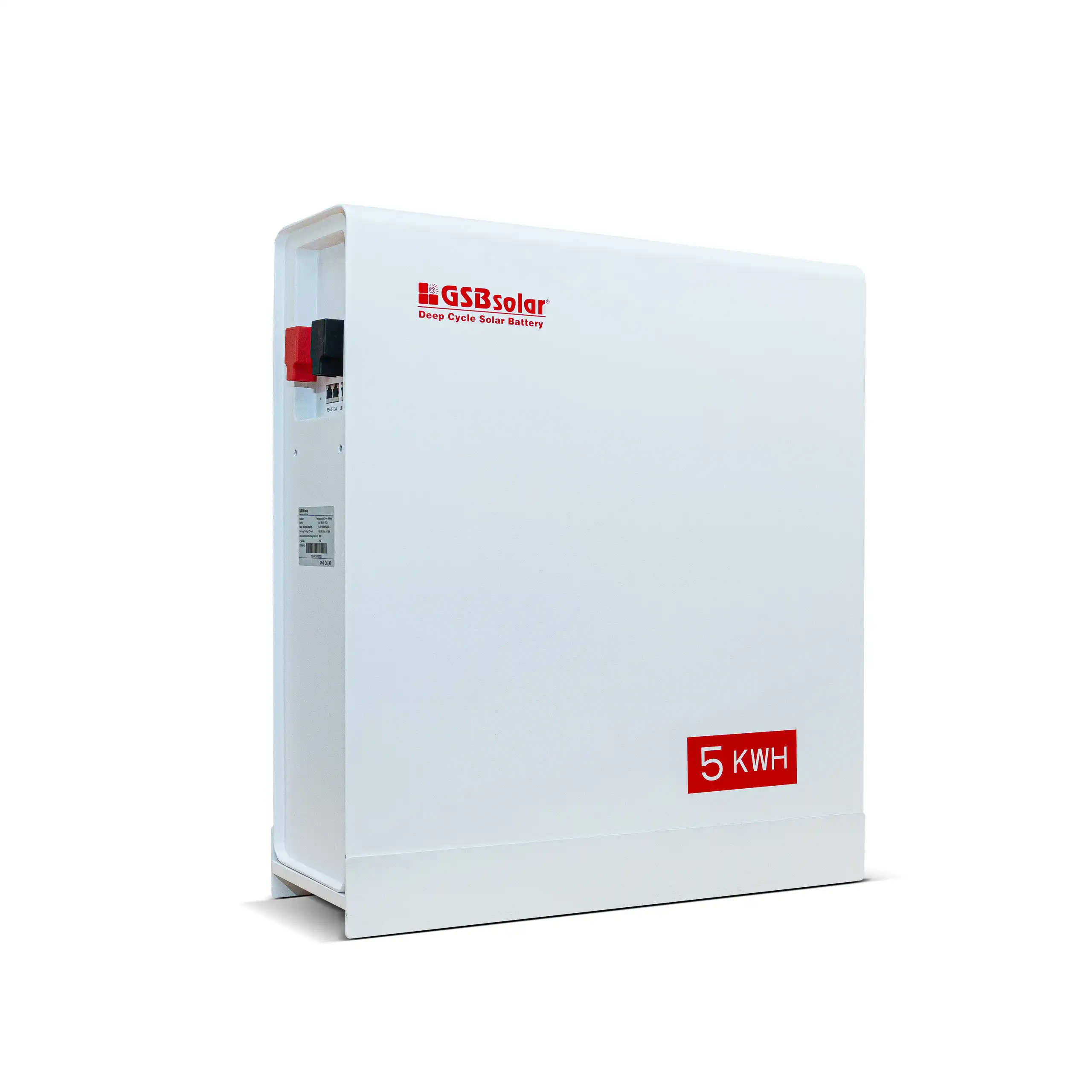
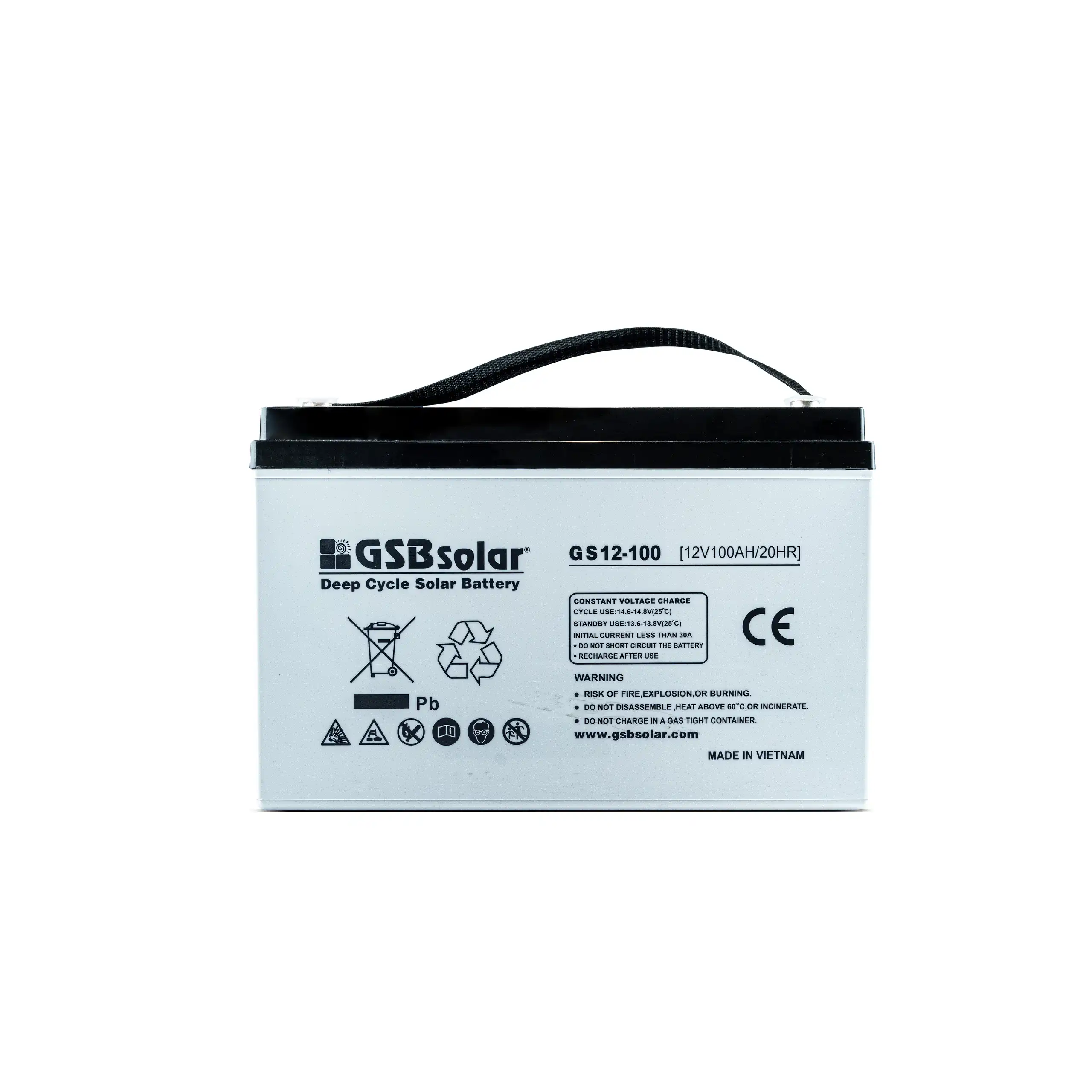
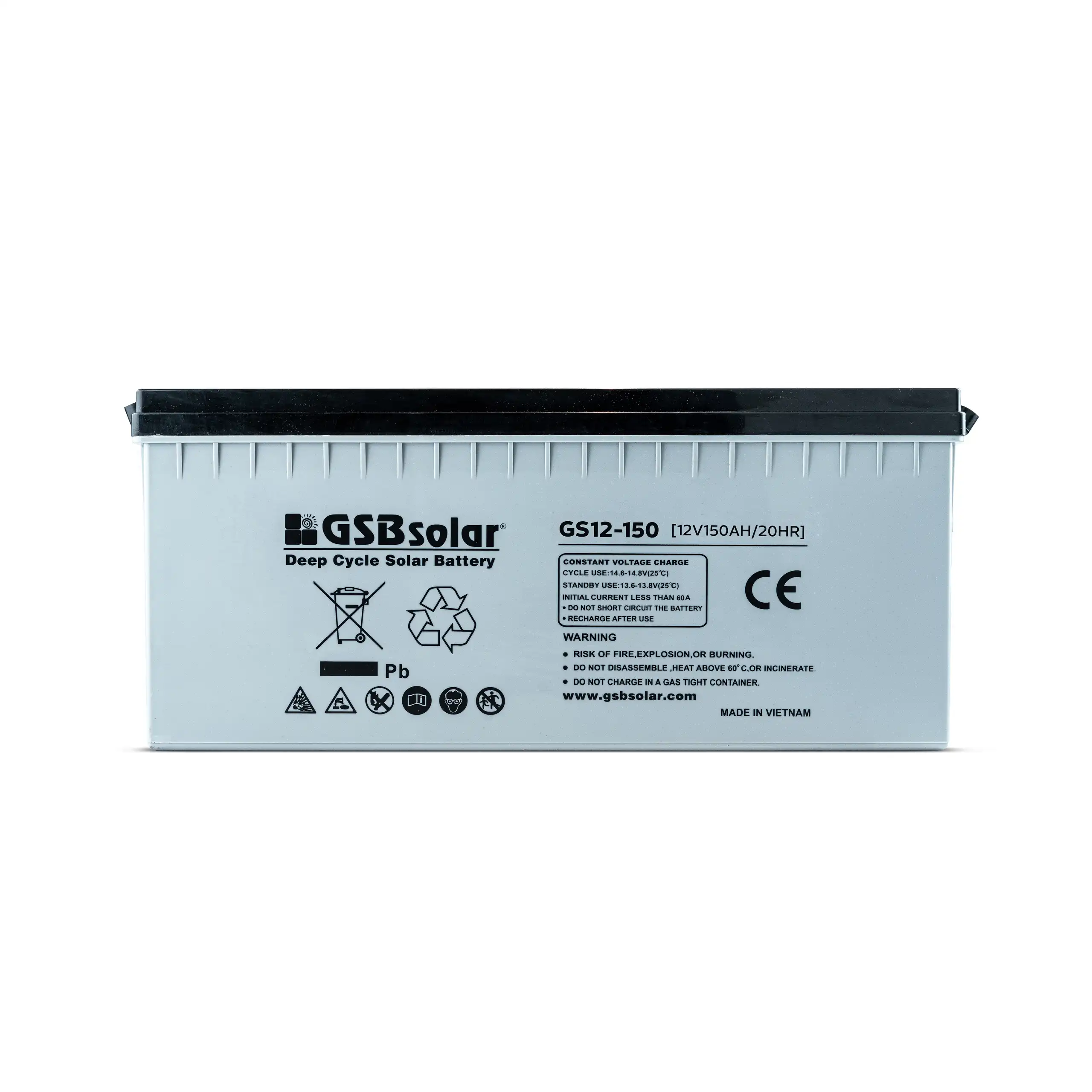
China is a major manufacturing base for photovoltaic equipment, serving residential, commercial, and utility-scale projects worldwide. This guide examines ten leading manufacturers associated with a full solar panel system, rather than panels alone. A complete package may include modules, inverters, mounting rails, batteries, cables, monitoring devices, and protection equipment.
The selection considers manufacturing experience, product range, export history, technical support, and documented quality controls. Practical evidence matters. A 10-kilowatt rooftop system should arrive with compatible components, clear wiring diagrams, reliable monitoring, and installation guidance. Details matter. Product datasheets, factory audits, warranty terms, and after-sales response can reveal more than promotional claims. Certifications such as IEC testing and recognized management standards may support credibility, but buyers should verify current certificates independently.
This overview does not treat company size as automatic proof of performance. Climate, grid requirements, roof structure, and local regulations can change the best choice. Some suppliers may offer strong modules but weaker storage support. Others may provide attractive prices while leaving integration responsibilities to the installer. That deserves scrutiny. Readers should compare degradation rates, inverter efficiency, battery safety information, lead times, spare-parts access, and realistic warranty conditions. Independent testing and references from completed projects can strengthen the decision. Still, no ranking remains perfect, because product lines and service quality change over time. Use this list as a research starting point, then request tailored quotations and technical documents before signing a purchase agreement.
Solar Power System Manufacturing in China: Scope and Evaluation Criteria
China’s solar power manufacturing sector covers far more than panel assembly. Many factories produce cells, modules, inverters, mounting structures, batteries, monitoring devices, and complete solar power systems. This broad scope matters because system performance depends on how these parts work together.
Evaluating a manufacturer should begin with production evidence, not catalogue claims. Review factory capacity, equipment age, quality-control procedures, and component traceability. Ask for laboratory test records, safety certifications, and documented inspection results. Reliable manufacturers can explain temperature testing, electrical safety checks, degradation rates, and shipment controls in clear language. Field experience also matters. Study operating projects in similar climates, especially sites exposed to heat, dust, humidity, or strong wind.
A serious assessment should include technical support and long-term service. Check whether engineers can help with system design, grid connection, installation training, and fault diagnosis. Examine warranty terms carefully. A long warranty is less useful when responsibility is unclear. Financial stability and spare-parts availability deserve attention too.
No evaluation is perfect. Factory visits show real conditions, but production quality can change after the audit. Published efficiency data may also come from ideal laboratory settings. I would compare records from several projects and request independent verification where possible. Small details matter: labeling on cartons, cable protection, response times, and how workers handle rejected components. These practical signs often reveal more than polished presentations.
Key Technologies Used in Complete Solar Panel Systems
Key Technologies Used in Complete Solar Panel Systems
A complete solar panel system combines modules, inverters, batteries, mounting structures, protection devices, and monitoring software. According to the IEA PVPS Trends 2024 report, global photovoltaic capacity exceeded 1.6 terawatts by the end of 2023. This rapid growth makes system reliability more important than headline module efficiency.
Modern modules increasingly use n-type TOPCon, heterojunction, or back-contact cell designs. These technologies reduce recombination losses and improve performance in high temperatures. Bifacial modules can also collect reflected light from bright roofs or prepared ground surfaces. The gain varies widely. Dust, shading, and poor spacing can reduce it sharply. That detail is often overlooked.
Inverters now use multiple maximum power point trackers to manage uneven roof layouts. Hybrid units coordinate solar production, battery charging, household demand, and grid export. Lithium iron phosphate batteries are widely selected for stationary storage because of their thermal stability and cycle performance. The U.S. National Renewable Energy Laboratory reports typical photovoltaic degradation near 0.5% annually, although installation quality changes real results. Monitoring platforms can identify abnormal voltage, temperature, and output patterns before failures become expensive. Surge protection, grounding, anti-islanding functions, and certified electrical components remain essential. Software is useful. It is not a substitute for inspection. The best system design still depends on local sunlight, roof structure, weather, regulations, and realistic consumption data.
Top 10 Chinese Manufacturers of Full Solar Panel Systems
China’s top 10 manufacturers of full solar panel systems should be judged by system depth, not panel output alone. Reliable suppliers often provide modules, inverters, batteries, mounting structures, monitoring software, and installation guidance. Some also support commercial rooftops, farms, remote homes, and industrial microgrids.
Factory experience matters. Buyers should inspect production lines, test records, quality-control procedures, and export history. Independent certifications can confirm electrical safety and performance claims. A strong supplier explains temperature losses, shading risks, battery cycling, and expected annual generation. It should also offer clear warranties, spare-parts planning, and responsive technical service.
No ranking is perfect. Project conditions change the result. A manufacturer with excellent modules may lack practical storage support. Another may offer competitive pricing but limited after-sales coverage. I would compare the ten suppliers through sample reports, factory audits, inverter compatibility, delivery records, and local service capacity. Ask for a complete energy model, not a polished brochure. Check cable sizes, roof loads, protection devices, and monitoring accuracy before signing. Small omissions can become expensive repairs. A dependable Chinese system manufacturer combines engineering discipline with honest communication, even when the answer is inconvenient.
How the Leading Manufacturers Compare in Quality and Services
When comparing China’s top ten full solar panel system manufacturers, quality extends beyond rated wattage.
Engineers should inspect module efficiency, temperature coefficients, inverter matching, mounting tolerances, and battery safety records. Factory audits matter. Ask for traceable material certificates, independent test reports, and warranty terms written in clear language. A polished brochure cannot replace production evidence. Field experience also exposes weaknesses that laboratory data may miss, including connector aging, cable routing, and rooftop water ingress.
Service separates a dependable supplier from a difficult one.
Strong manufacturers assign technical contacts, provide installation drawings, and respond with measured troubleshooting steps. Their teams should explain yield estimates using local sunlight, shading, roof angle, and seasonal weather. Vague promises deserve caution. Compare response times, spare-part availability, remote monitoring support, and training for local installers. Some suppliers offer attractive prices but limited after-sales coverage, which can turn a minor fault into weeks of downtime.
The comparison is not perfect.
Public rankings may favor visible certifications rather than long-term performance. Buyers should request operating data from comparable projects and speak with recent customers. I would also test how a supplier handles an uncomfortable question: who pays when output falls below the agreed model? Honest answers reveal more than sales language. Quality control can still vary between batches, so acceptance checks should cover serial numbers, insulation, packaging, and commissioning records.
Choosing the Right Chinese Solar System Manufacturer by Project Needs
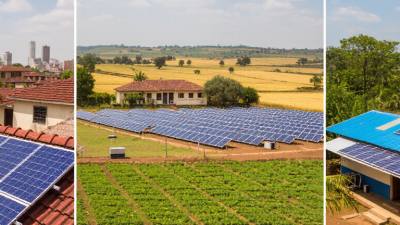
Choosing a Chinese solar system manufacturer should begin with project conditions, not a ranking list. A rooftop school, desert utility plant, and island microgrid need different designs. The International Energy Agency reported nearly 420 GW of global solar additions in 2023. China supplied a major share of that growth. Scale is impressive, but it does not guarantee the right engineering fit.
Check the complete system, not only the module datasheet. Confirm inverter compatibility, mounting design, battery safety, monitoring access, and replacement procedures. Request evidence of IEC 61215 and IEC 61730 testing, factory quality controls, and documented temperature performance. IRENA reported that China added about 217 GW of solar capacity in 2023. This manufacturing depth can support competitive pricing and faster customization. However, low quotations may hide weaker after-sales service, unclear warranties, or unsuitable components. I have seen technically attractive proposals fail because cable lengths and local grid rules were ignored.
Tips: Match the manufacturer to your site. Ask for a single-line diagram, yield simulation, component warranty terms, and three comparable project references. For hot climates, review temperature coefficients and ventilation details. For remote sites, prioritize spare parts and remote diagnostics. Do not accept “full system” as a complete definition; list every included item in the contract. A factory audit helps, but it is not perfect. Supplier claims still need independent verification.