ALL PRODUCTS
- Solar Panel
- Hybrid Inverter
- Lithium Battery
GSB SOLAR LITHIUM BATTERIES
- Gel Battery
- Solar Street Lights
- Pump Inverter
Solar power is no longer only about producing electricity at noon. For many households and businesses, storing that energy can help cover evening demand, reduce exposure to grid interruptions, or support backup loads. But a battery is not a universal fix. Its value depends on local tariffs, weather, installation quality, and how much power the site actually uses.
The International Energy Agency’s 2024 report, Batteries and Secure Energy Transitions, says global energy storage capacity needs to grow sixfold by 2030, reaching 1,500 GW in its pathway. Batteries account for 1,200 GW of that total. SolarPower Europe’s European Market Outlook for Battery Storage 2024–2028 also documents a fast-changing market, where adoption varies with policy and economics. These figures show why choosing a solar battery storage system deserves more than a quick comparison of advertised capacity.
Details matter. A 10 kWh battery may not supply a 10 kW appliance for a full day; usable energy, inverter output, and reserve settings shape the result. This guide compares ten systems for global buyers, examining capacity, chemistry, efficiency, warranty terms, monitoring, and compatibility. We also consider service access, because a strong specification sheet is less reassuring when replacement parts are far away. No ranking can settle every case. Real homes differ, and published test conditions may not match yours. Treat the shortlist as a starting point, then verify local installation requirements and obtain a site-specific load assessment before buying.
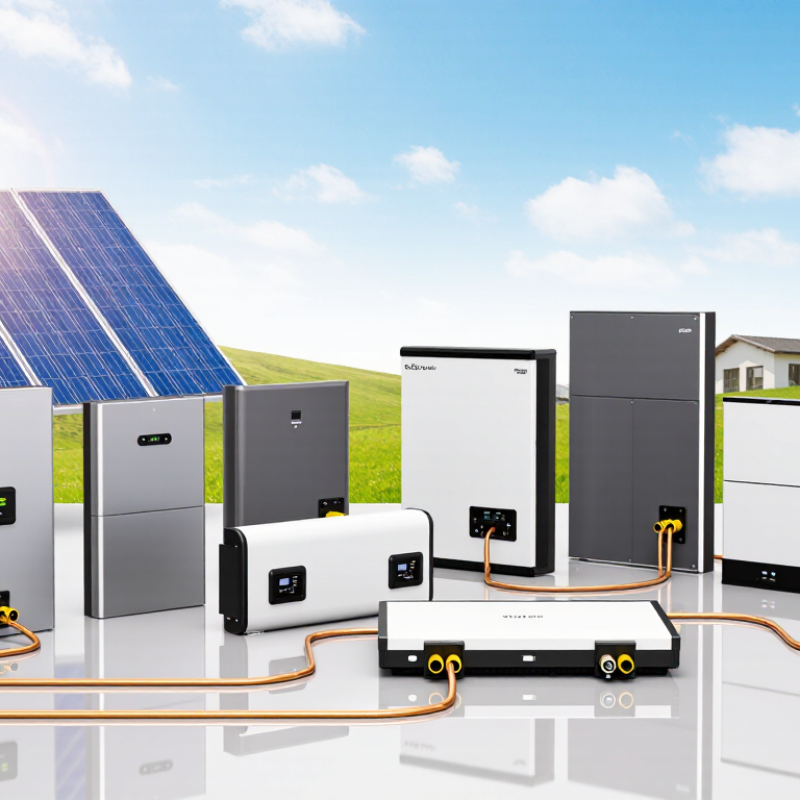
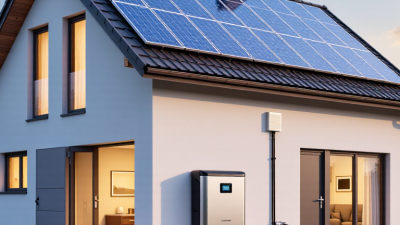
A solar battery storage system links photovoltaic panels, a battery pack, power electronics, and control software. Inside the pack, cells store energy as direct current. A battery management system monitors voltage and temperature, balances cells, and can reduce charging when conditions become unsafe. Thermal controls help keep the cells within their operating range. The inverter converts stored direct current into alternating current for household loads or grid connection. Small details matter. Cable size, ventilation, and installation conditions can affect performance, yet they are easy to overlook.
When solar production exceeds demand, an energy management system can direct surplus power into the battery. After sunset, the inverter releases stored energy to supply selected loads. Real systems are less tidy: cloudy weather, conversion losses, and high temperatures can change how much energy is available. The International Energy Agency’s Batteries and Secure Energy Transitions report states that global battery storage additions reached 42 GW in 2023. That rapid growth makes clear system design increasingly important, but capacity alone does not tell buyers how a system will perform at a particular site. Buyers should compare usable capacity, power rating, backup capability, and monitoring functions, then check whether the proposed setup fits their daily load profile. A neat specification sheet is not the whole story.
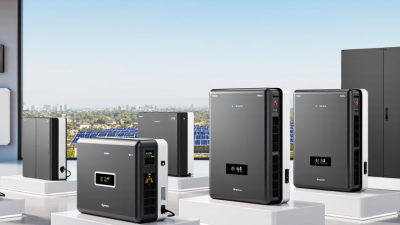
Choosing a storage system starts with matching usable capacity to the hours you need backup. A household using 8 kilowatt-hours overnight may need more than an 8 kilowatt-hour battery. Conversion losses, reserve settings, and aging reduce the energy available at the outlet. Check both nominal and usable capacity. They are not the same.
Power matters just as much. A battery rated for 5 kilowatts may run lights and a refrigerator, but struggle with a pump starting under load. Chemistry also shapes the decision. Lithium iron phosphate often offers long cycle life and strong thermal stability, while other lithium-ion chemistries may provide higher energy density. Compare warranties, operating temperatures, and stated cycle conditions, not chemistry names alone. Details matter.
Compatibility can quietly derail a good purchase. Confirm the battery’s voltage range, communication protocol, and approved pairing with the inverter or hybrid system. Ask how the system behaves during outages and whether expansion requires identical modules. For buyers across regions, installation support and replacement-part access deserve attention too. A datasheet rarely shows the whole picture. I would leave room for uncertainty: actual performance depends on installation, climate, and daily use, and estimates can look tidier than real life.
Compare representative configurations by usable energy capacity and rated continuous output. Hover over a system for its chemistry and compatibility notes.
How to compare: LFP and NMC are lithium-ion chemistries with different design trade-offs; check the system datasheet for operating limits and warranty terms. Compatibility depends on the inverter, controller, and local grid requirements. Figures are representative published specifications, rounded; AC and DC power ratings are not directly equivalent, and configurations vary by market. Units are anonymized and not ranked.
Ten solar battery systems for global buyers are not ten interchangeable boxes. The shortlist spans portable backup, DC-coupled hybrid, AC-coupled retrofit, modular low-voltage, high-voltage residential, off-grid, commercial peak-shaving, containerized utility, solar-plus-storage microgrid, and EV-charging support systems. Each serves different loads, grid conditions, and service needs. Small detail, big consequence: check usable energy, continuous output, surge rating, and round-trip efficiency—not just nominal kilowatt-hours.
The International Energy Agency’s Batteries and Secure Energy Transitions (2024) says global energy storage capacity must grow sixfold to 1,500 GW by 2030 in its net-zero pathway, with batteries providing 1,200 GW. This points to expanding deployment, not guaranteed local payback. BloombergNEF’s 2024 battery-price survey reported average lithium-ion pack prices of $115/kWh, down 20% year on year. Pack prices are not installed-system quotes. Freight, inverter compatibility, commissioning, and replacement planning can change the real cost.
For cross-border procurement, compare warranty throughput, temperature limits, cycle-life test conditions, monitoring access, and spare-part lead times. Request the cell chemistry and an independently verified safety test report. A system designed for a cool garage may lose output in a hot container yard. Tiny paperwork gap? It can become a long service delay. I would rank local service and clear operating limits above a polished app; that trade-off is too often overlooked.
A solar battery should fit the way a building uses power, not just its roof size. For a household, list essential loads such as a refrigerator, lights, internet equipment, and a medical device if applicable. Estimate how many hours they must run during an outage. A large capacity number can look reassuring, but usable energy and inverter output matter more. Check both.
Small detail, big difference. Review the battery’s continuous output for everyday appliances and its surge capability for motors, such as a well pump. Confirm that the battery and inverter can communicate and operate together. Also compare warranty terms, operating temperature limits, and expected performance over time. Actual results depend on installation and usage.
Commercial buyers
should examine interval consumption data, including evening peaks and critical equipment loads. A battery may reduce peak demand, but savings depend on the site’s tariff and control strategy.
For off-grid homes
size storage around overnight use and the least productive solar season, not an ideal summer day. Include a realistic backup plan for prolonged cloudy weather. A neat spreadsheet can still mislead: occupancy changes, aging equipment, and unexpected loads all affect demand. Leave room for those uncertainties, and have a qualified installer verify the design.
Regional compliance changes what a “top” storage system means. A battery certified for one market may still need local grid-interconnection approval, fire review, and electrical inspection elsewhere. Check IEC 62619 for industrial battery safety and IEC 62933-5-2 for grid-integrated storage; in the United States, NFPA 855 and applicable local codes also shape siting. Requirements can differ by project type and authority. Get written confirmation before ordering.
Installation details matter. A shaded, ventilated equipment area helps limit heat exposure, while clear access makes inspection and replacement safer. Ask who handles firmware updates, emergency response, and replacement parts. Small questions, big consequences.
The IEA’s Batteries and Secure Energy Transitions (2024) says global battery storage capacity needs to reach 1,200 GW by 2030, around six times the 2023 level.
BloombergNEF reported average lithium-ion pack prices of $139 per kWh in 2023, down 14% year over year.
That growth does not guarantee easy servicing in every region. But pack prices are not installed-system prices. Include labor, permits, inverter replacement, usable capacity after degradation, and recycling arrangements in a long-term cost estimate.
A spreadsheet can still miss reality: local service delays are hard to price.