ALL PRODUCTS
- Solar Panel
- Hybrid Inverter
- Lithium Battery
GSB SOLAR LITHIUM BATTERIES
- Gel Battery
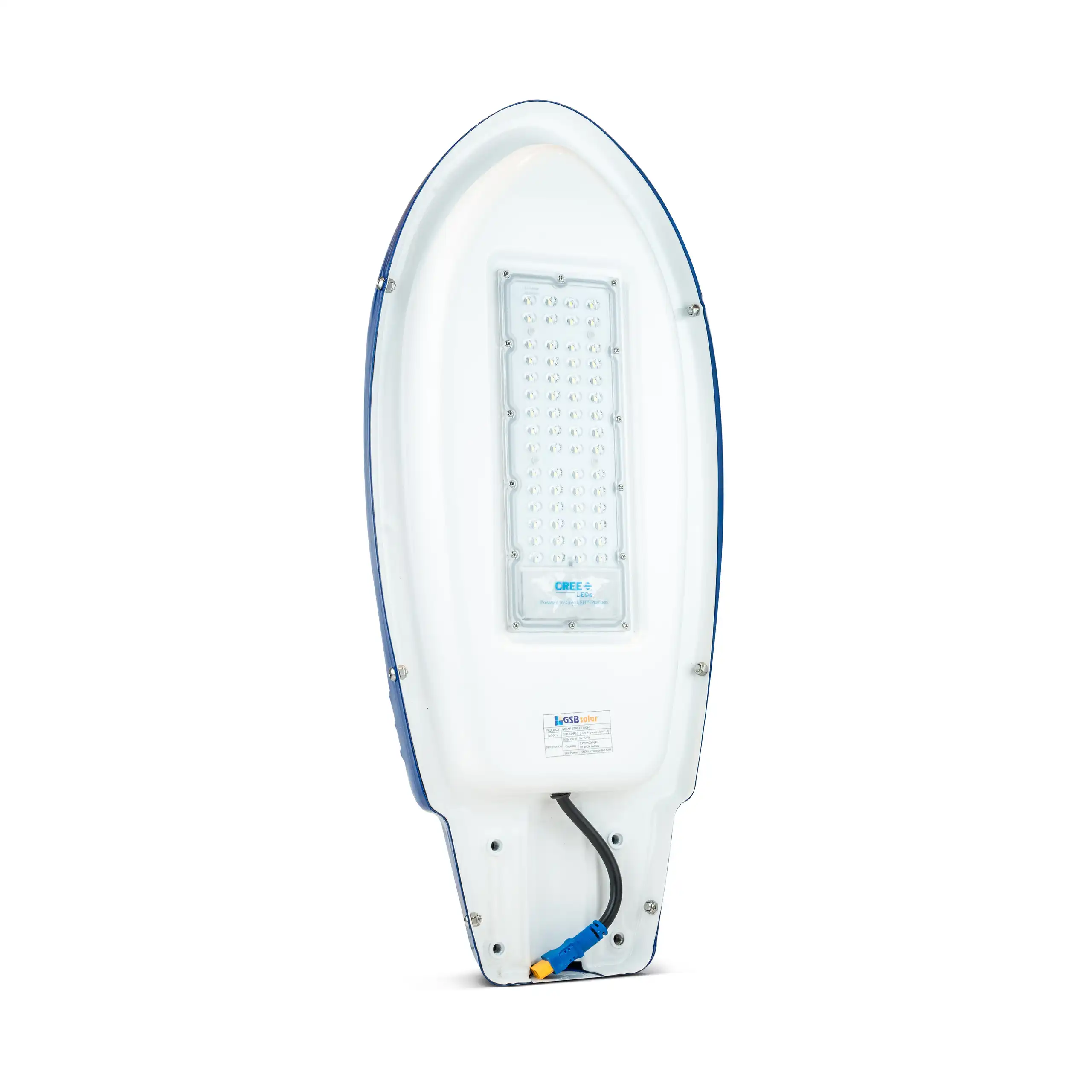
- Solar Street Lights
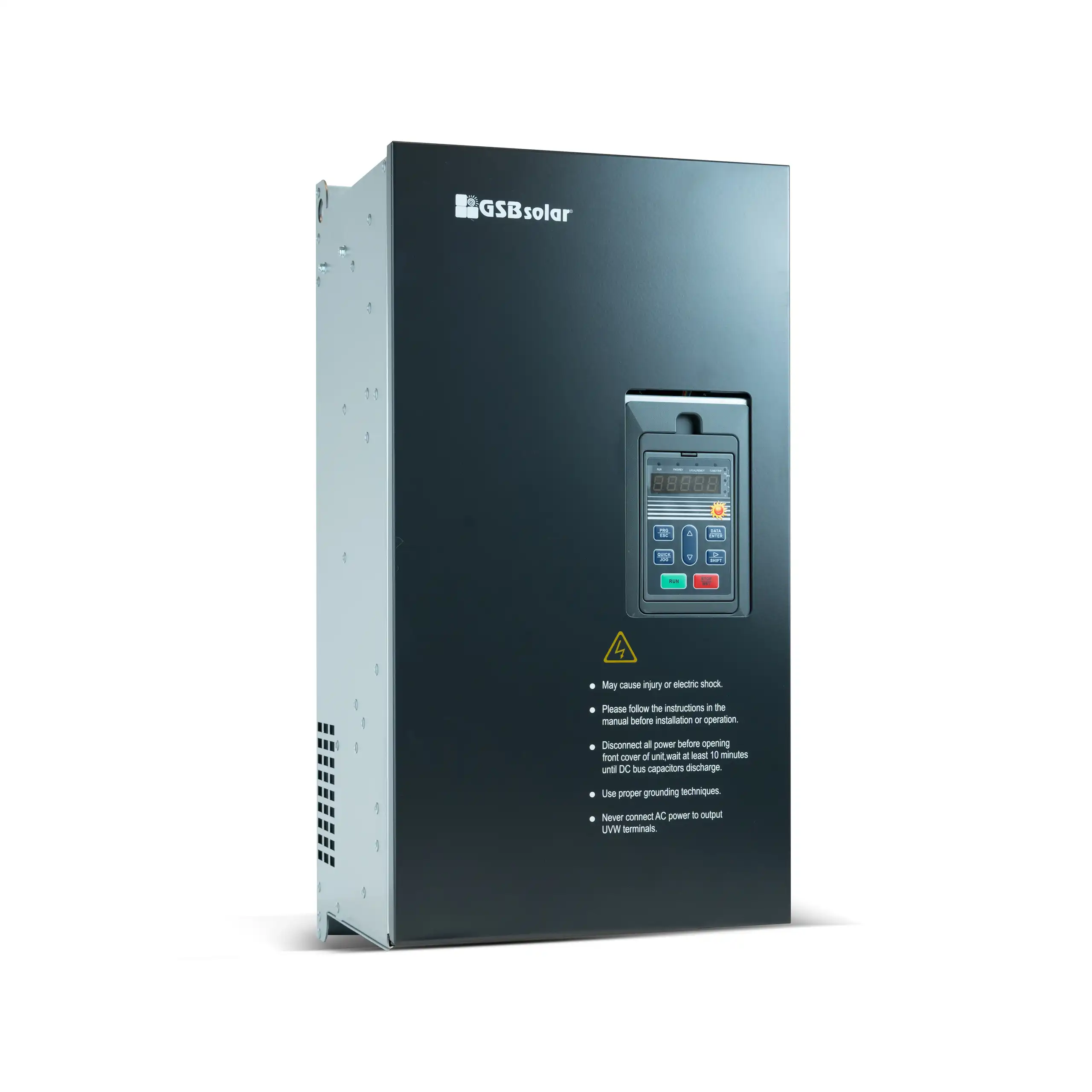
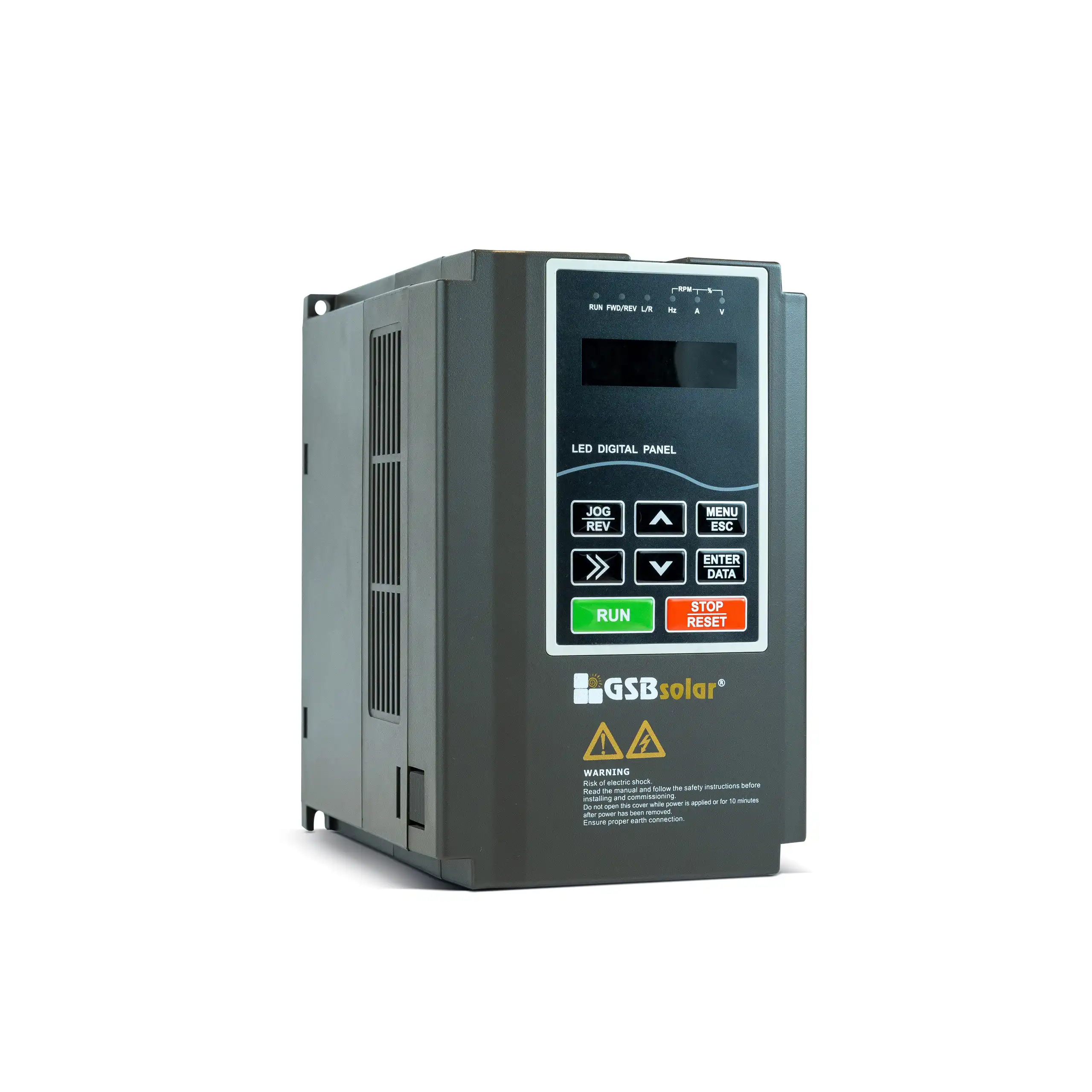
- Pump Inverter
China is a major sourcing market for solar battery storage system products, from compact home units to larger commercial installations. Yet a polished product page does not tell buyers everything. Battery chemistry, usable capacity, inverter compatibility, thermal management, and warranty terms can differ sharply between suppliers. The details matter.
This guide introduces suppliers in China and the factors worth checking before requesting a quotation. Look for clear datasheets, traceable product specifications, documented quality processes, and support that continues after shipment. Ask how the quoted capacity is measured, what operating conditions affect performance, and which certifications apply in your destination market. A factory visit or independent inspection may also help verify production capabilities, though neither guarantees a perfect product. That distinction is easy to overlook.
Price is only one part of the decision. Compare cycle-life assumptions, safety protections, communication protocols, spare-parts availability, and response times for technical questions. Request references for similar projects where possible, and confirm that the battery and inverter work together as a complete system. Some supplier claims may sound precise while leaving important test conditions unstated. Ask for the missing context. No shortlist can replace project-specific due diligence, and supplier information can change over time. The aim here is not to declare one company universally best, but to help readers assess options with practical questions and verifiable evidence.
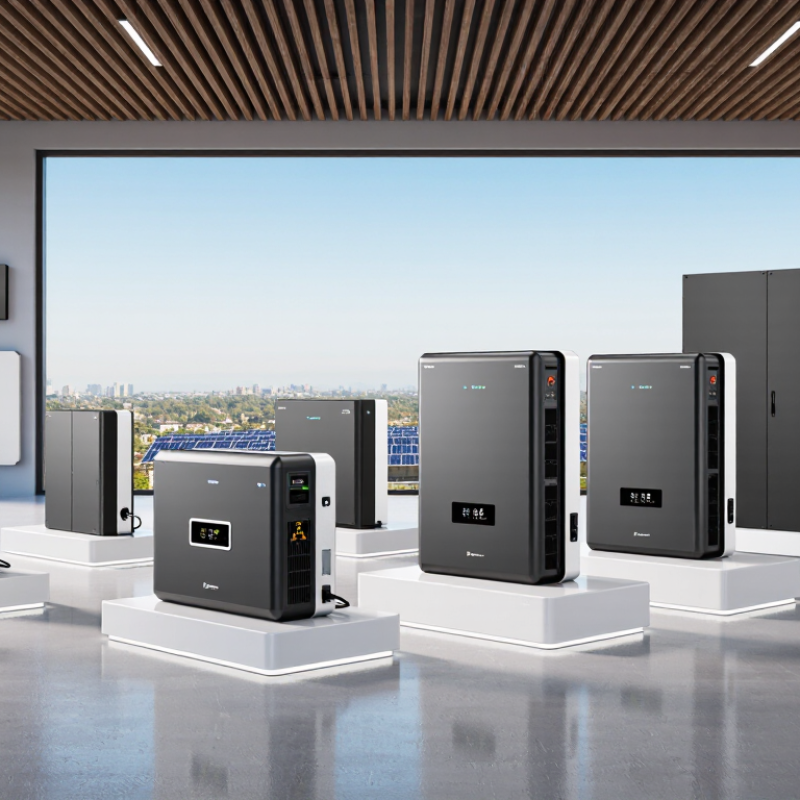
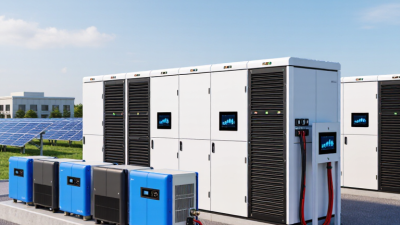
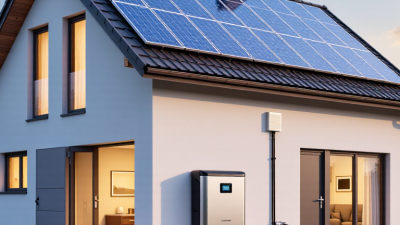
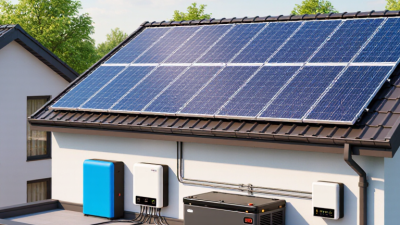
A solar battery storage system is more than a cabinet of cells. Its core components include battery modules, a battery management system, an inverter, thermal controls, protection devices, and an energy management system. The inverter converts power between the solar panels, battery, and home or grid. The management system tracks cell voltage and temperature, helping prevent unsafe operating conditions. Small details matter. A poorly ventilated installation can run hotter than expected, especially in a sunlit utility room.
Chemistry shapes cost, usable capacity, and service life. Lithium iron phosphate is widely used for stationary storage because it offers strong thermal stability and long cycle life; nickel-based chemistries can provide higher energy density. No chemistry wins every project. The International Energy Agency’s Batteries and Secure Energy Transitions report states that battery storage additions in the power sector reached about 42 GW in 2023, more than double the previous year. That growth makes clear specifications increasingly important. Common operating modes include solar self-consumption, time-based charging and discharging, and backup during outages. Actual performance depends on inverter settings, household load, and connection limits. I would not judge a system by its chemistry alone; installers and buyers can still overlook standby losses and real-world temperature swings.
| Category | Item | Typical Characteristics | Practical Considerations |
|---|---|---|---|
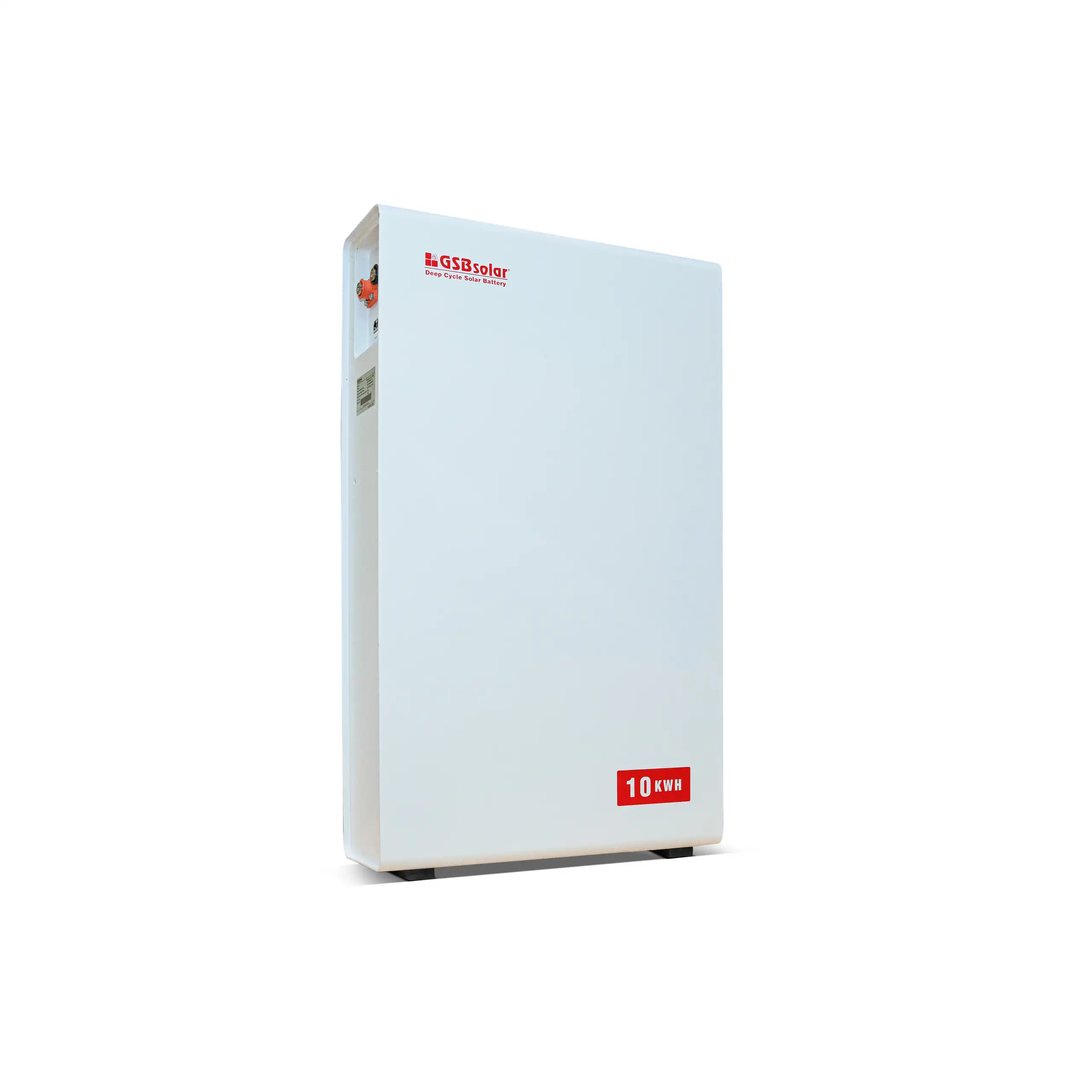
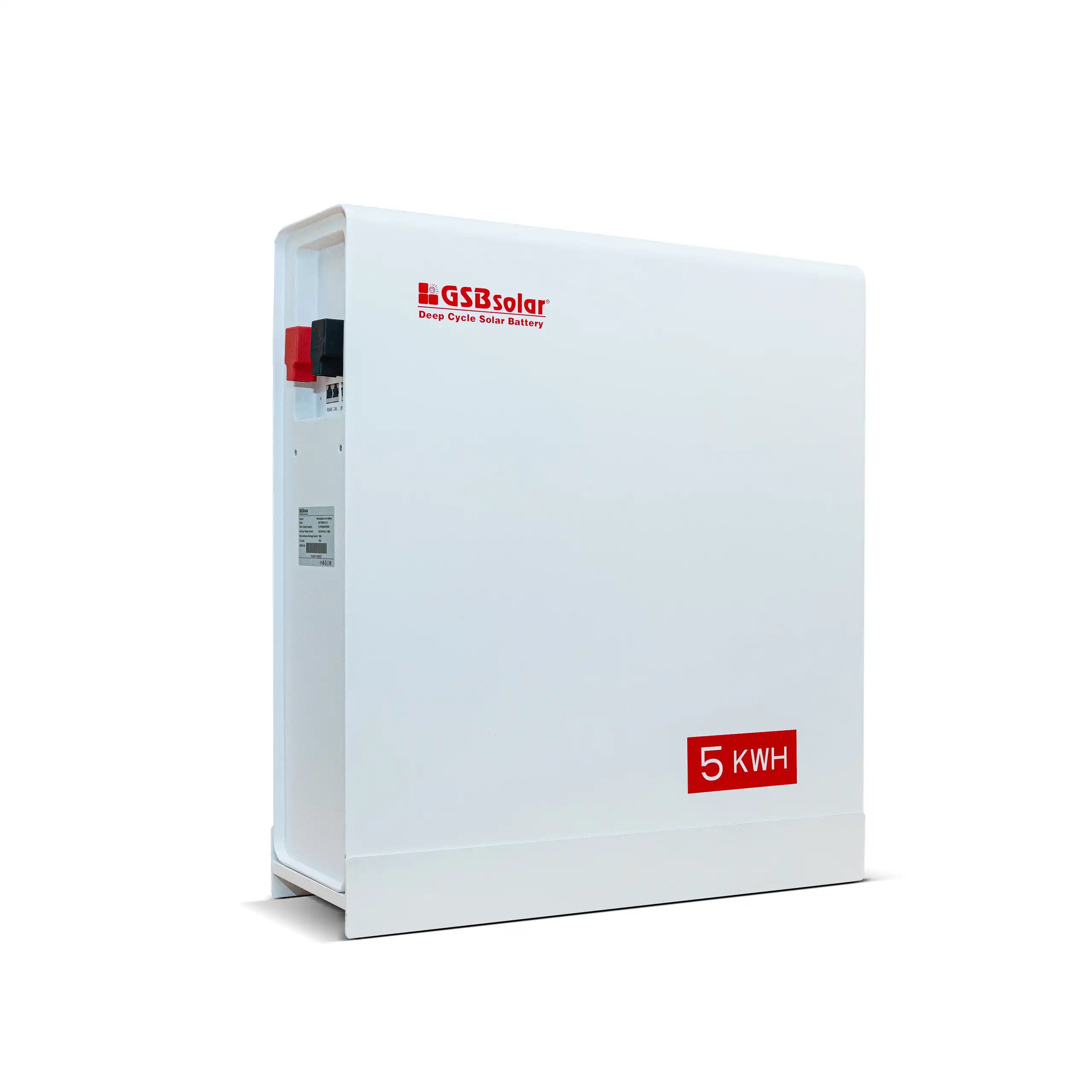
| System Components | Battery cells and modules | Cells are assembled into modules and packs to provide the required voltage and energy capacity. Lithium-ion cells commonly use a nominal voltage of about 3.2 V for LFP and about 3.6–3.7 V for NMC. | Check usable energy, permitted charge and discharge rates, operating-temperature limits, and warranty conditions for the complete battery system. |
| System Components | Battery Management System (BMS) | Monitors cell voltage and temperature, estimates state of charge, and can limit operation or disconnect the battery when configured safety limits are exceeded. | Confirm compatibility between the BMS, inverter, battery modules, and communications protocol. |
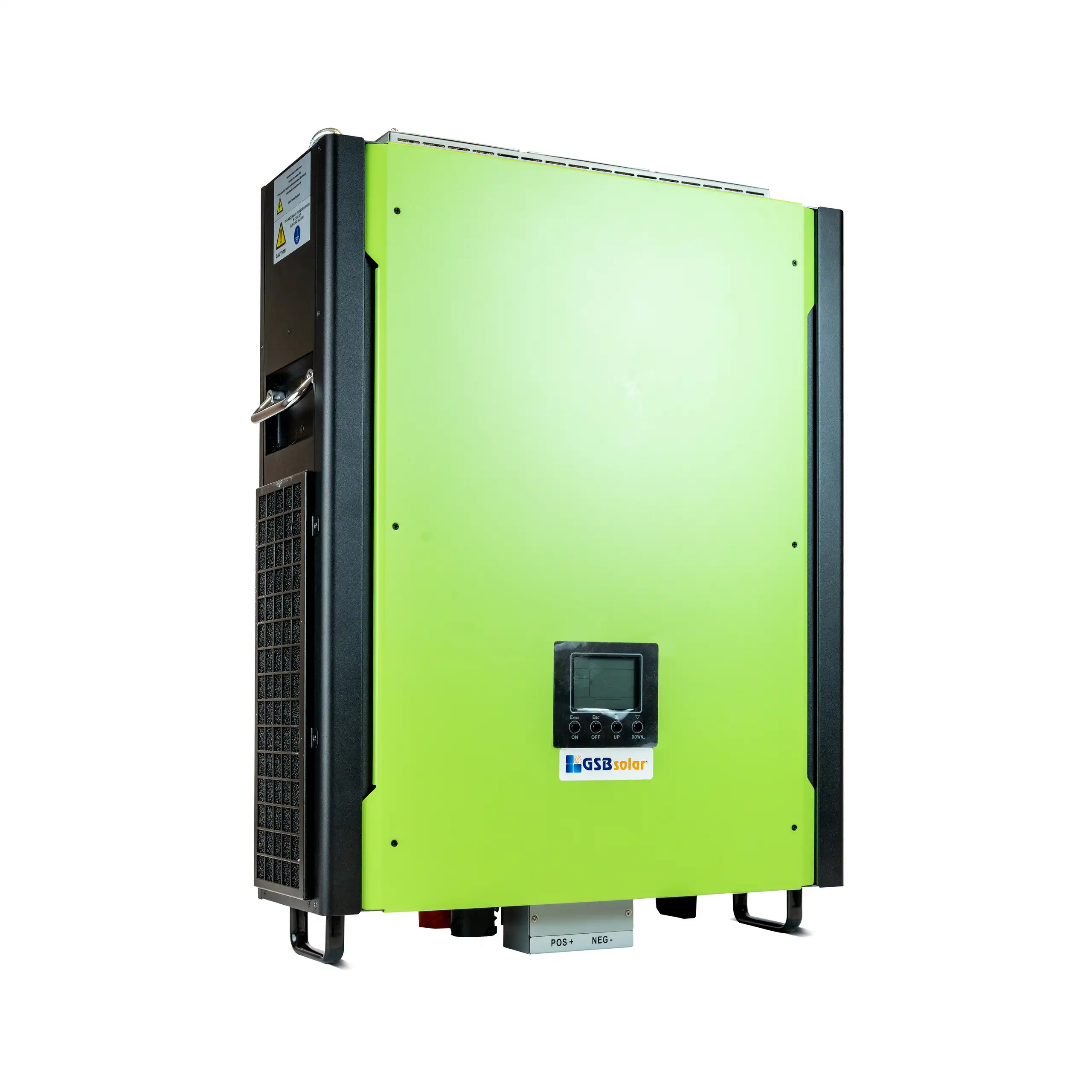
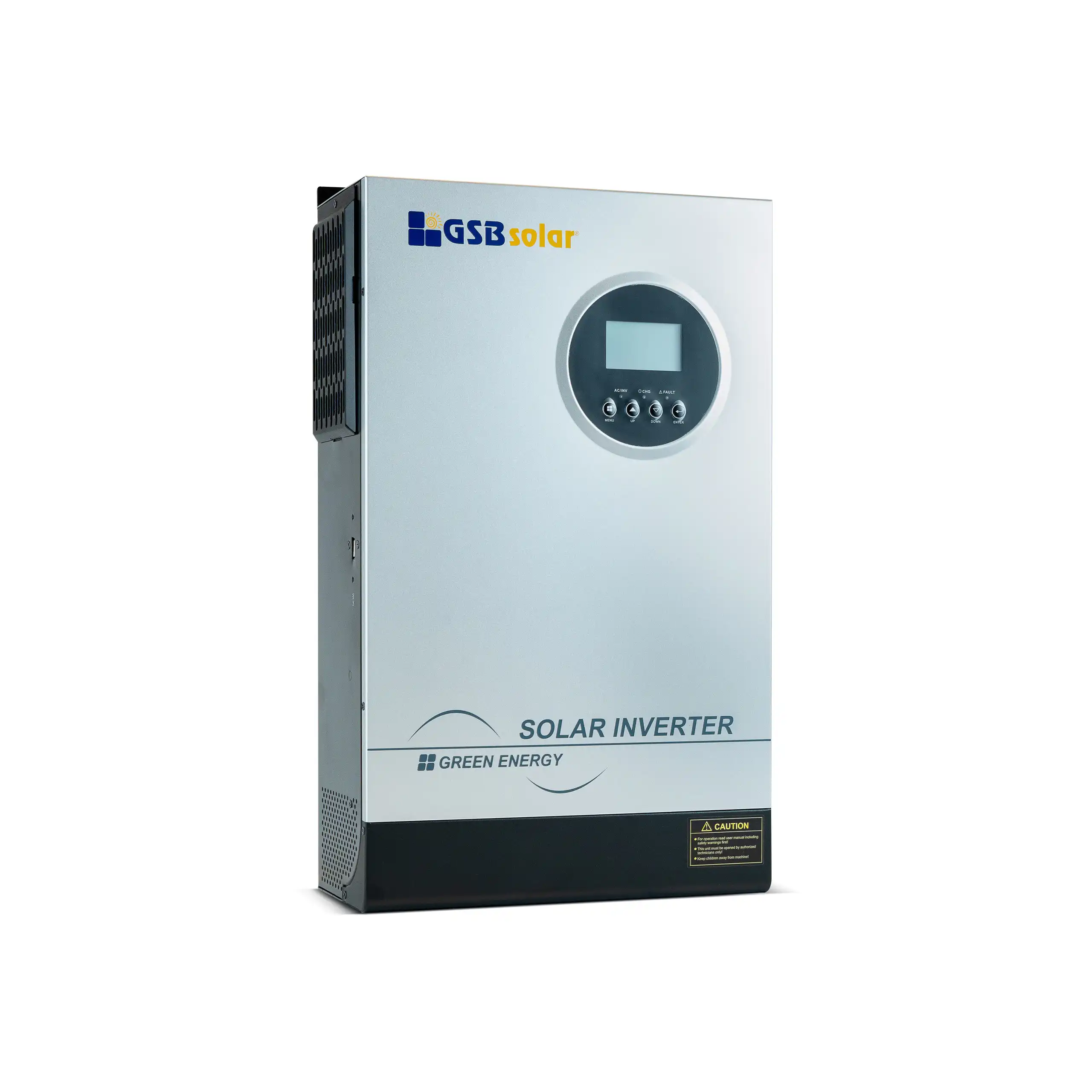
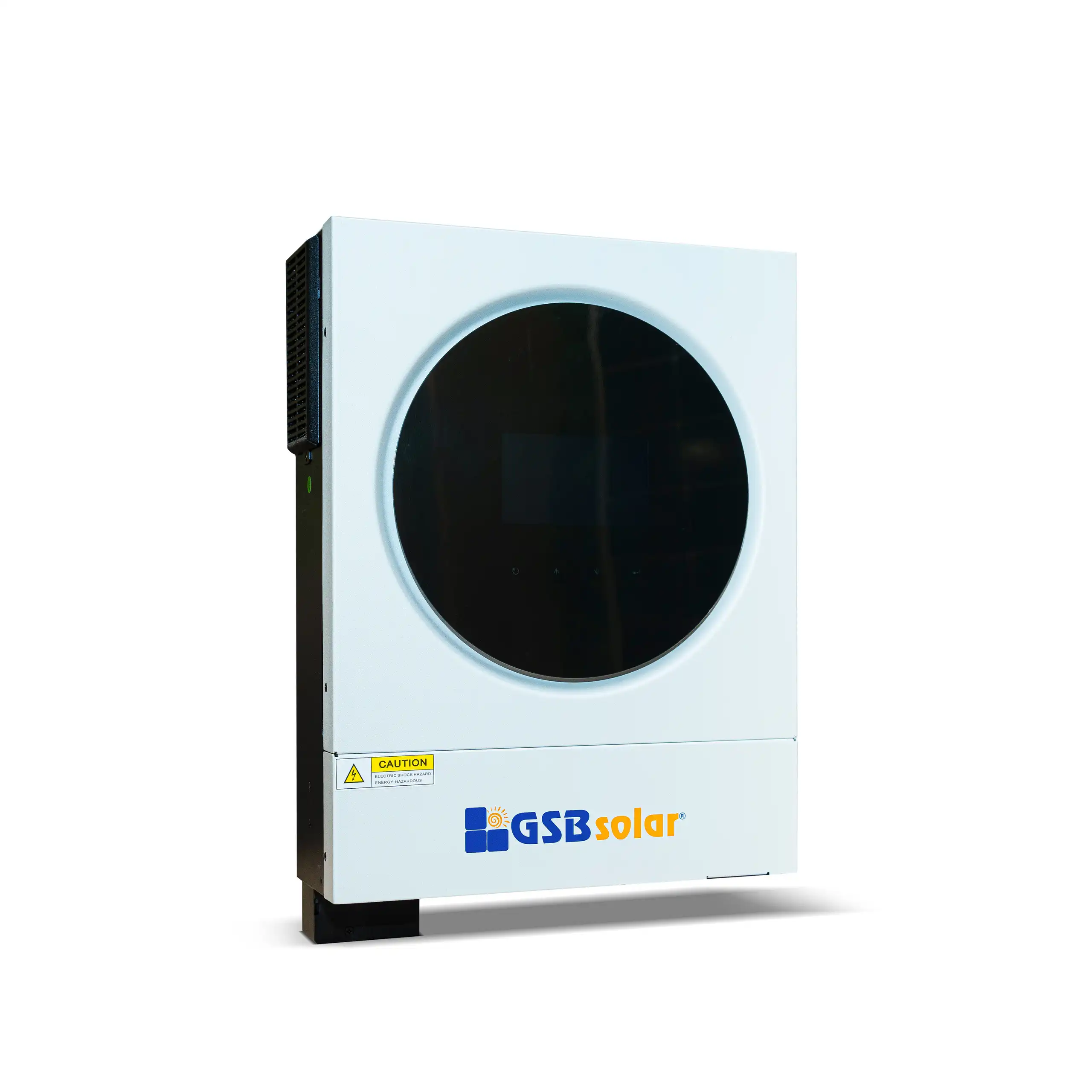
| System Components | Power conversion system | A hybrid inverter or battery inverter converts DC battery power to AC power and, when charging from AC, converts AC power to DC. | Compare continuous and peak power ratings, supported grid voltage and frequency, backup capability, and conversion efficiency. |
| System Components | Thermal management and enclosure | Depending on the design, systems use passive ventilation, fans, or liquid cooling. Enclosures provide mechanical and environmental protection. | Check the specified ambient-temperature range, installation clearances, ingress-protection rating, and local fire and electrical requirements. |
| Battery Chemistry | Lithium iron phosphate (LFP) | LFP cells have a nominal voltage of approximately 3.2 V per cell. This chemistry is widely used in stationary storage and is generally known for strong thermal stability compared with many other lithium-ion chemistries. | Actual service life and usable capacity depend on cell quality, temperature, depth of discharge, charge rate, and the system warranty. |
| Battery Chemistry | Nickel manganese cobalt (NMC) | NMC cells typically have a nominal voltage of approximately 3.6–3.7 V per cell and can offer high energy density. | System design should account for thermal management, operating limits, installation requirements, and the manufacturer’s safety documentation. |
| Battery Chemistry | Lead-acid | A lead-acid cell has a nominal voltage of about 2 V. Common stationary formats include flooded, AGM, and gel batteries. | Capacity and service life are affected by discharge depth and temperature. Flooded batteries also require suitable ventilation and maintenance. |
| Operating Mode | Solar self-consumption | Excess PV energy charges the battery; stored energy is later used by the site, commonly when solar production is low. | System controls should coordinate PV generation, household or facility demand, battery limits, and any grid-export settings. |
| Operating Mode | Time-of-use shifting | The battery charges during lower-cost periods or from surplus solar and discharges during higher-cost periods, subject to the utility tariff. | Economic results depend on tariff structure, round-trip efficiency, charging rules, and battery degradation. |
| Operating Mode | Backup power | When the grid fails, a suitably configured system can supply selected loads or a backed-up electrical panel. | Not every grid-connected inverter provides backup. Confirm transfer behavior, supported loads, starting surges, and whether the system can form an isolated AC supply. |
| Operating Mode | Off-grid operation | A battery and inverter supply loads without a utility-grid connection; PV or another generator can recharge the battery. | Capacity planning should account for seasonal solar production, peak load, autonomy requirements, and a suitable reserve for low-generation periods. |
| Operating Mode | Grid services and export control | Depending on local regulations and system settings, storage may support functions such as export limitation, peak reduction, or grid-support response. | Availability depends on inverter functions, utility interconnection rules, metering, communications, and applicable certification requirements. |
| Supplier Evaluation | Documentation and compatibility | Useful technical documentation includes datasheets, installation manuals, safety certifications, warranty terms, and approved inverter-compatibility information. | Verify that specifications apply to the complete system and intended region; request test reports and written confirmation of system compatibility. |