ALL PRODUCTS
- Solar Panel
- Hybrid Inverter
- Lithium Battery
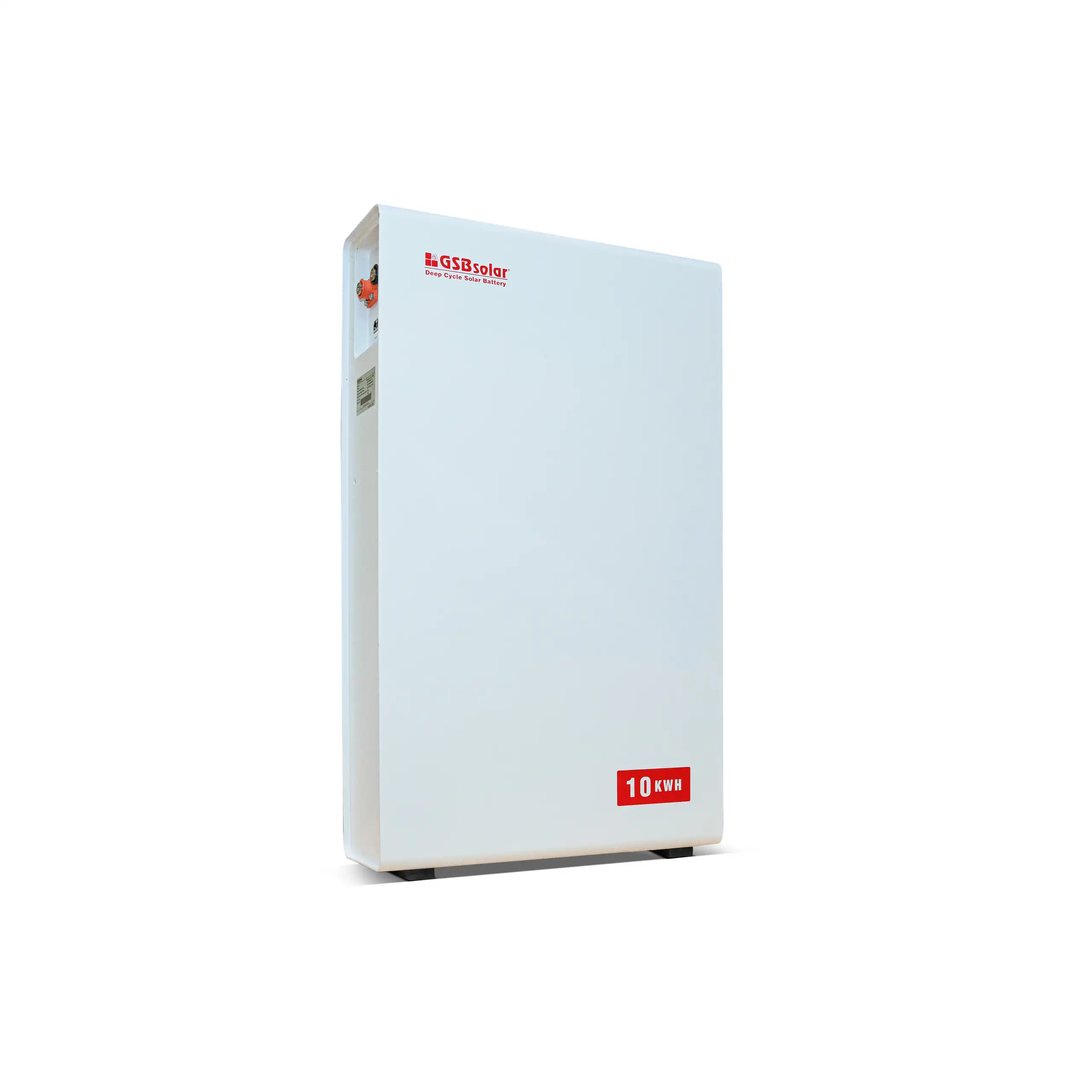
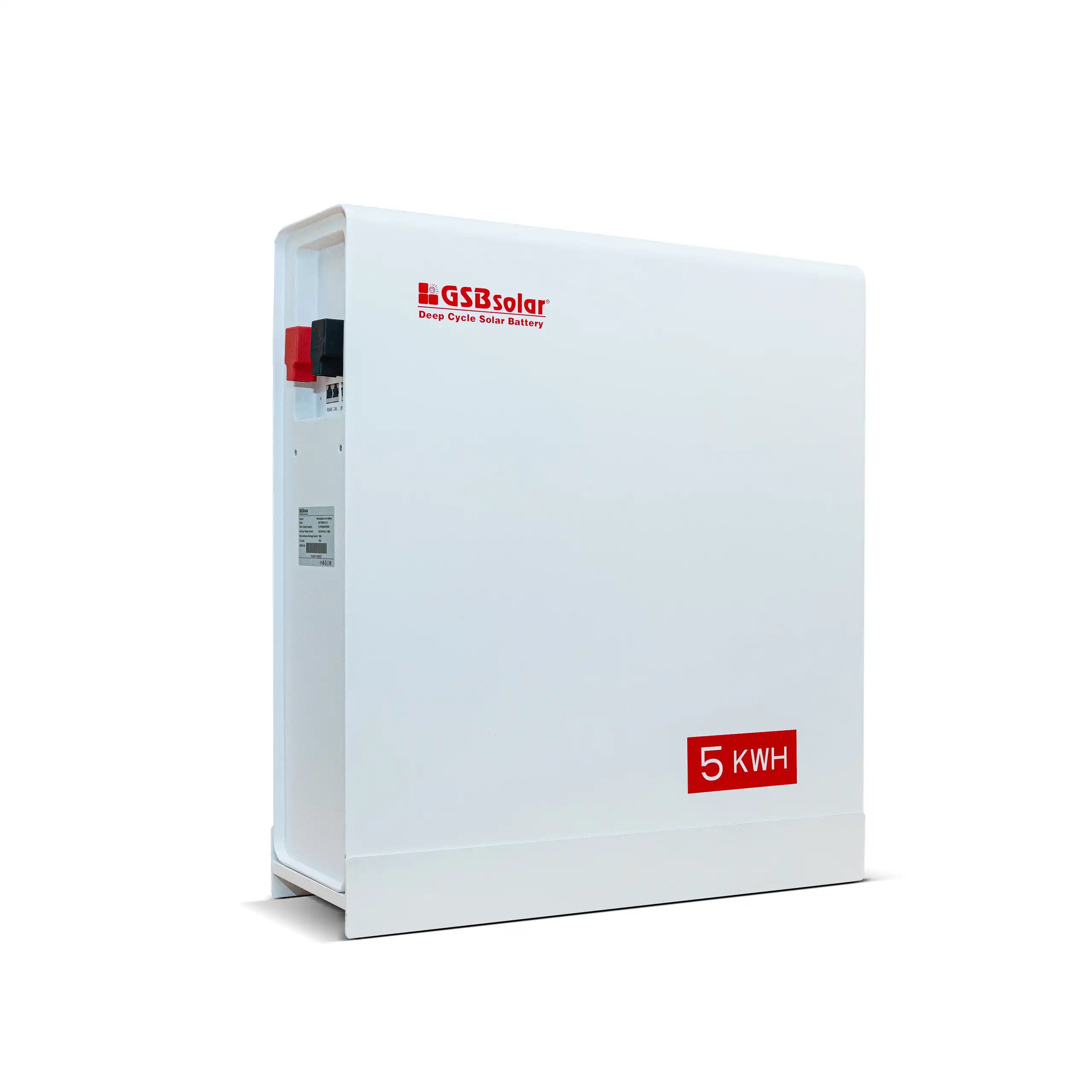
GSB SOLAR LITHIUM BATTERIES
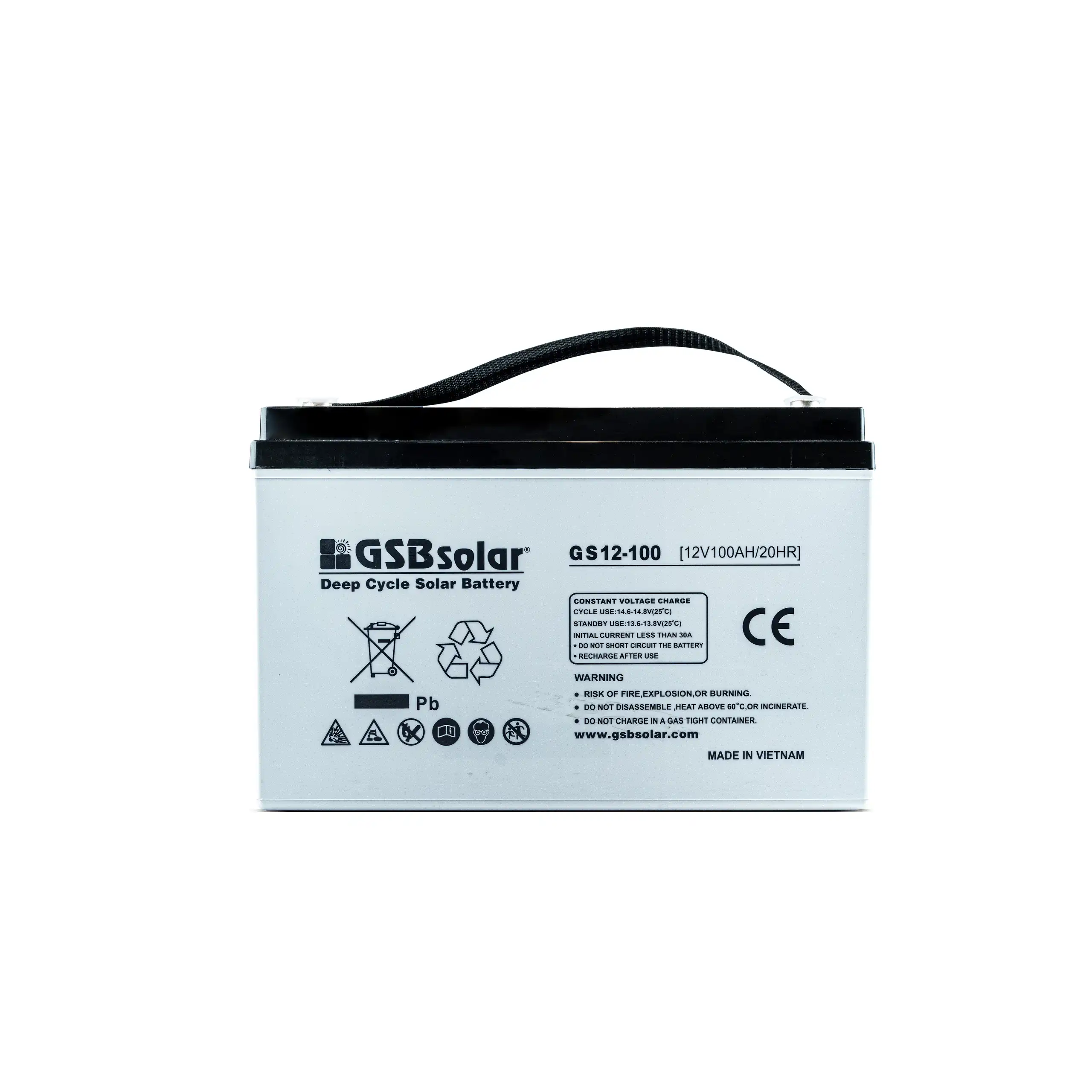
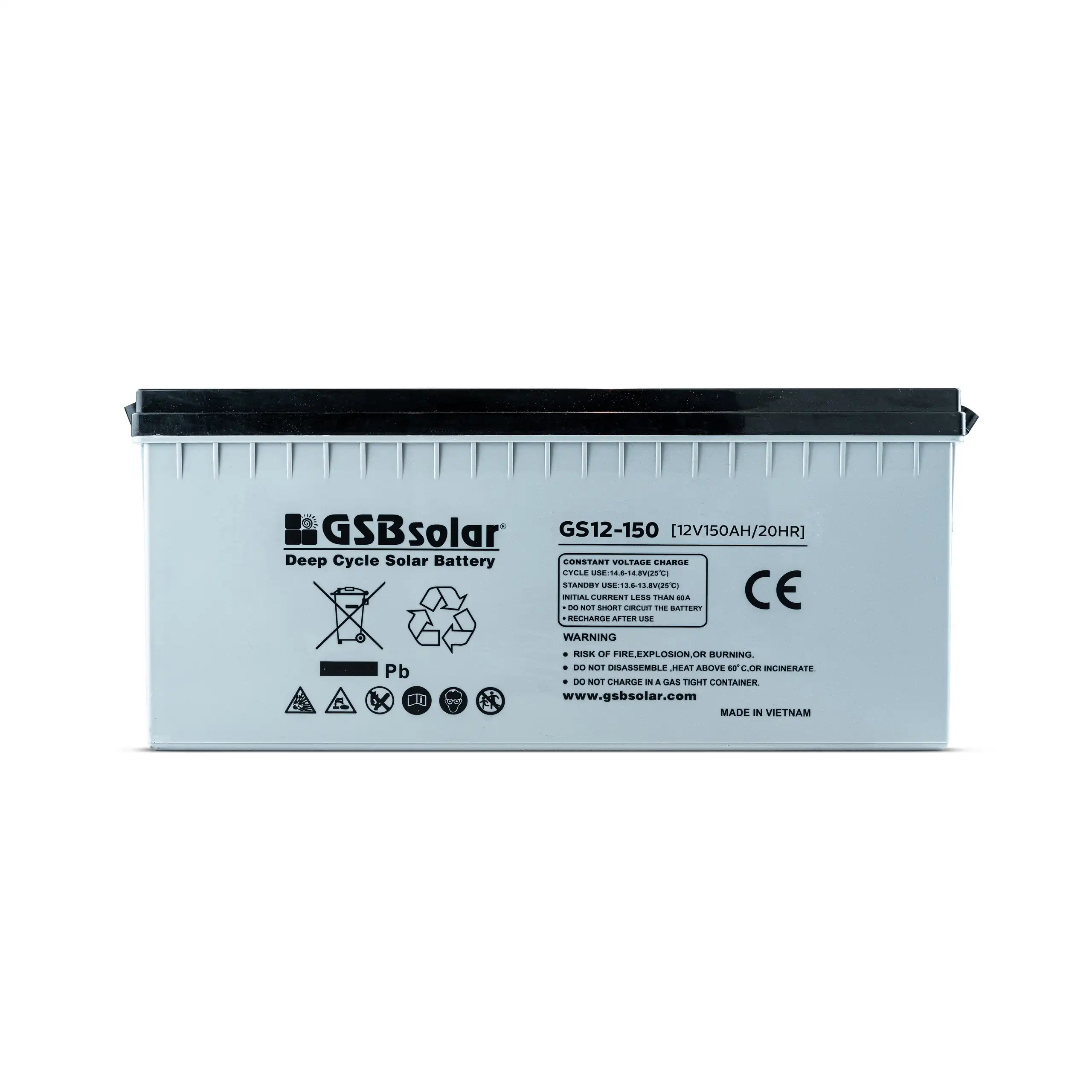
- Gel Battery
- Solar Street Lights
- Pump Inverter
Choosing the best hybrid solar inverter in 2026 depends on more than its advertised power rating. A home with rooftop panels, a battery, and evening cooking needs different features from a small business running refrigeration or office equipment. The right choice should match the solar array, battery voltage, expected loads, and local grid conditions. A higher rating alone does not guarantee better performance.
This guide compares practical factors buyers can verify: continuous and surge output, battery compatibility, MPPT inputs, backup changeover time, monitoring tools, warranty terms, and support availability. For example, a household may need dependable backup for a refrigerator and lights, while a workshop may require three-phase output and careful load planning. Check manufacturer specifications against your actual equipment list. Ask a qualified installer to confirm system sizing and compatibility before purchase.
There is no universal winner. Not even close. Prices, service networks, and battery options vary by region, and published efficiency figures may not reflect every installation. Real-world performance also depends on shading, wiring, temperature, and how the system is configured. A hybrid solar inverter can improve energy flexibility, but it cannot fix an undersized battery or poorly planned loads. Some comparison details are easy to overlook. The following overview helps homeowners and businesses identify suitable models, understand trade-offs, and ask better questions before investing.
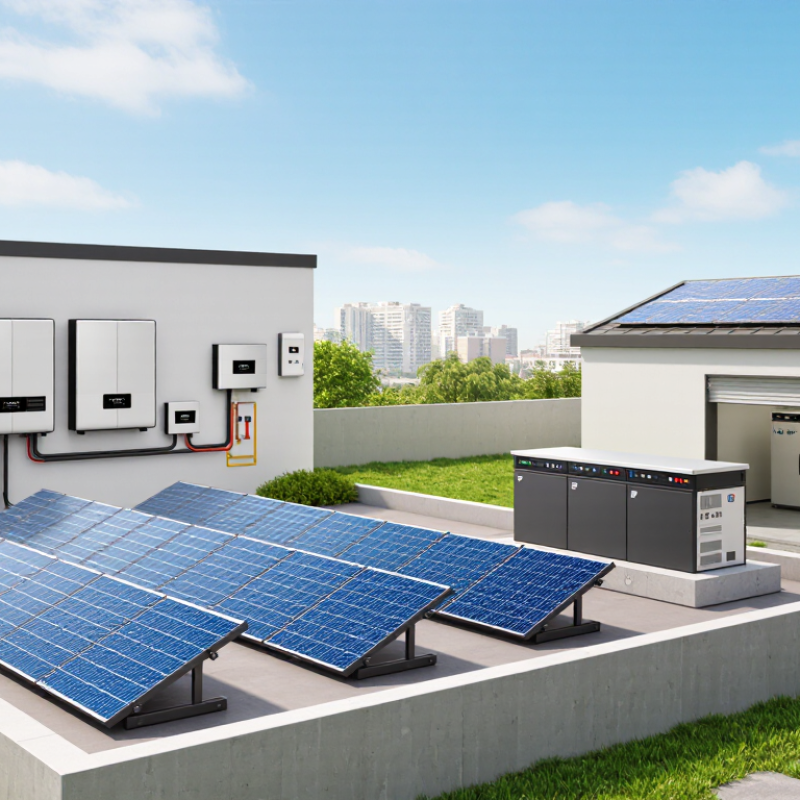
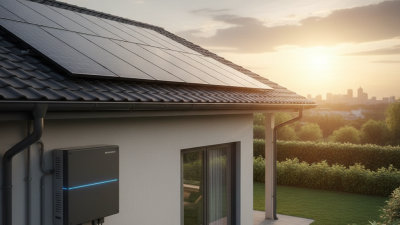
A hybrid solar inverter manages power from rooftop panels, a battery, and the utility grid. Solar panels produce direct current, while most household appliances use alternating current. The inverter converts electricity for those appliances and can route surplus solar energy into a battery. That matters. At night, or during cloudy weather, stored energy can supply selected loads before the system draws power from the grid.
In a home, those loads might include a refrigerator, lights, and a router. A small shop may prioritize a payment terminal, refrigeration, or essential office equipment. During a grid outage, backup power works only if the inverter is designed to isolate the property safely and the system has suitable backup circuits. Not every outlet stays on.
Battery capacity describes stored energy, while inverter power limits how many devices can run at once; these are easy details to confuse. Good system design starts with actual usage, not just the panel count. An installer should check peak demand, battery limits, and local electrical conditions. Even then, estimates can miss real habits: a business may run several machines together, while a family may use heating overnight. That uncertainty deserves a closer look before choosing equipment.
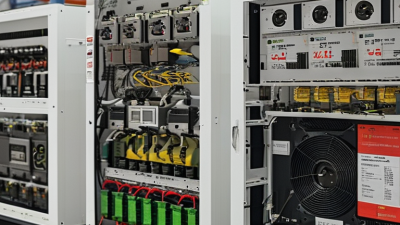
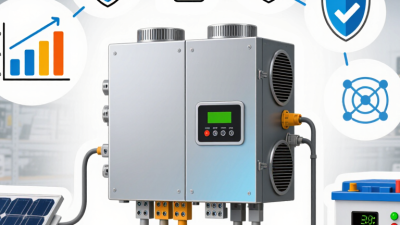
A hybrid inverter connects solar panels, batteries, the grid, and selected household circuits. Compare its continuous output with the loads you expect to run during an outage. A refrigerator, router, and several lights may fit within one system’s limits, while a pump or workshop tool can require much more starting power. Check surge ratings, too. Numbers matter.
Look closely at solar input limits, MPPT count, and battery compatibility. Two MPPTs can help when roof panels face different directions, but the layout still needs to match the inverter’s voltage and current range. Confirm supported battery chemistry and operating voltage before choosing storage. A broad compatibility claim is not enough; check the current technical documentation. Small details can decide whether components work well together.
Efficiency, backup transfer time, and monitoring features also deserve attention. Ask whether backup covers the whole building or only a dedicated load panel. Review performance at the temperatures your equipment may actually face, and check how the system handles low battery levels. Monitoring should show useful data, such as solar production and battery state, not just a glossy dashboard. I would compare warranty terms and local service options carefully. Spec sheets rarely tell the whole story, and installation quality can change real-world results.
Sizing starts with the loads the inverter must support, not the solar array’s advertised wattage. The U.S. Energy Information Administration’s 2020 Residential Energy Consumption Survey reports average household electricity use of 10,566 kWh per year, roughly 29 kWh daily. Daily energy is useful, but it does not reveal a home’s evening peak. A kettle, heat pump, and well pump can run together. Small loads matter. Check continuous AC output, short-duration surge capacity, battery charge limits, and essential-load circuits against real usage.
For businesses, avoid sizing from a generic “commercial” profile. EIA’s 2018 Commercial Buildings Energy Consumption Survey counted about 5.9 million U.S. commercial buildings, spanning very different uses and operating hours. Review interval-meter data, especially 15-minute demand peaks, before selecting inverter capacity. NREL’s PVWatts model uses a default DC-to-AC ratio of 1.2; that is a modeling assumption, not a universal sizing rule. Match PV input limits, battery power, and site demand, then check phase requirements and large motor starts. A clean spreadsheet can still miss a seasonal production shift. Human review helps.
A hybrid solar inverter does more than convert panel electricity. It manages energy between solar panels, a battery, the grid, and household circuits. Compare efficiency under realistic operating conditions, not only the peak figure on a specification sheet. Conversion losses can vary with load, temperature, and battery charging, so a datasheet alone cannot predict every home’s results. Small loads matter.
Battery compatibility starts with voltage range and supported battery chemistry. Check the inverter’s technical documentation for approved configurations, charging limits, and communication requirements. A battery that connects physically may still lack reliable communication with the inverter. Also compare usable storage with the loads you actually need to run. Oversizing storage without checking charging capacity can leave some capacity unused; this detail is easy to overlook.
Backup power depends on more than battery size. Review the inverter’s continuous output, surge capacity, and transfer time, then list the appliances that must stay on during an outage. A refrigerator may draw extra power when its compressor starts, while a well pump can demand a brief surge. Confirm which circuits receive backup power, and whether installation requires a separate backed-up circuit panel. Outage performance can differ from expectations, so verify the setup with a qualified installer before relying on it.
| System type | Typical AC capacity | Peak inverter efficiency* | Battery compatibility | Typical MPPT arrangement | Backup transfer behavior* | Best suited to |
|---|---|---|---|---|---|---|
| Single-phase residential hybrid | 3–10 kW | About 96–98% | Usually low-voltage (around 48 V) or high-voltage batteries; confirm approved battery models and communication protocol. | Typically 2 MPPTs; some units provide more. | Often around 10–20 ms when a backup output is provided; exact behavior is model-specific. | Most houses, especially where single-phase service is standard. |
| Three-phase residential hybrid | 5–20 kW | About 96–98% | Commonly high-voltage batteries; compatibility depends on battery-management communications and approved configurations. | Often 2–4 MPPTs, depending on capacity and design. | Frequently in the 10–20 ms range on supported backup circuits; whole-site backup may need additional equipment. | Large homes or properties with three-phase electrical service and substantial loads. |
| Small commercial three-phase hybrid | 20–100 kW | About 97–98.5% | Generally high-voltage battery systems; verify supported battery capacity, power limits, and control interfaces. | Often 4 or more MPPTs, with the count varying by inverter size. | Backup is configuration-dependent; critical-load panels or a separate transfer device may be required. | Small offices, workshops, retail sites, and farms with three-phase loads. |
| AC-coupled battery retrofit | About 3–30 kW per system; expandable configurations vary. | About 95–98% for the inverter stage; whole-system results depend on conversion path and operating conditions. | Typically compatible only with batteries approved for the storage inverter and its control system. | Existing PV inverter retains its MPPTs; the battery inverter manages storage separately. | Depends on transfer equipment and whether the existing PV system can operate safely during an outage. | Adding storage to an existing solar installation without replacing its PV inverter. |
*Figures are indicative ranges drawn from commonly published specifications for products in these categories, not guaranteed ratings for every unit. Peak efficiency is not the same as annual or battery round-trip efficiency. Before selection, check the exact datasheet, local grid requirements, battery approval list, backup output rating, and installation rules.
Choosing a hybrid inverter starts with the site, not the headline power rating. List the appliances or equipment that must keep running during an outage. A home may need lights, refrigeration, and internet; a workshop may also need pumps or motors with high startup demand. Check both continuous output and surge capacity. Small details matter.
Next, compare the inverter’s battery compatibility, solar input range, and number of electrical phases with your existing system. Ask how it handles cloudy periods and whether essential circuits need separate wiring. For a business, even a brief shutdown can cost more than expected. Yet buying extra capacity “just in case” can strain the budget without adding much practical value.
Look beyond the purchase price. Include installation, battery expansion, monitoring, and likely service costs in your comparison. Review warranty coverage and operating-temperature limits, especially if equipment will sit in a hot utility room. A lower-cost unit may suit a modest home, while a site with heavier loads may justify more capacity. I’d still leave room for doubt: load estimates are often imperfect, so have a qualified installer verify them before choosing.