China Top 10 Solar Energy Manufacturers for Global Buyers?
Choosing a solar manufacturer is a commercial decision, not a popularity contest. Global buyers need dependable products, transparent documentation, and support after shipment. This guide examines China’s top 10 solar energy manufacturers through practical criteria. These include production capacity, module efficiency, technology investment, certifications, warranty terms, and international delivery experience.
Performance data matters. A module rated at high efficiency may reduce rooftop space, but real results also depend on temperature, shading, inverters, and installation quality. Buyers should review third-party testing, product degradation rates, factory audits, and documented project references. Certifications such as IEC standards can support confidence, but they should not replace independent verification. Check the details.
Supply reliability deserves equal attention. A strong supplier should explain lead times, packaging methods, inspection procedures, and claims handling. Clear communication is especially important when containers cross several borders. After-sales service can include technical drawings, installation guidance, spare parts, and monitoring support. These details often decide whether a project runs smoothly.
No ranking is perfect. Company data changes, and public information may vary by market. Some manufacturers publish extensive technical evidence, while others provide less detail. That limitation should encourage careful comparison, not blind trust. The following overview aims to help distributors, developers, installers, and commercial buyers identify suitable partners. Each manufacturer should still undergo independent due diligence before signing a contract. A lower price can look attractive, yet uncertain warranties or delayed delivery may cost more later. Experience matters. Evidence matters more.
How China’s Solar Manufacturing Industry Serves Global Buyers
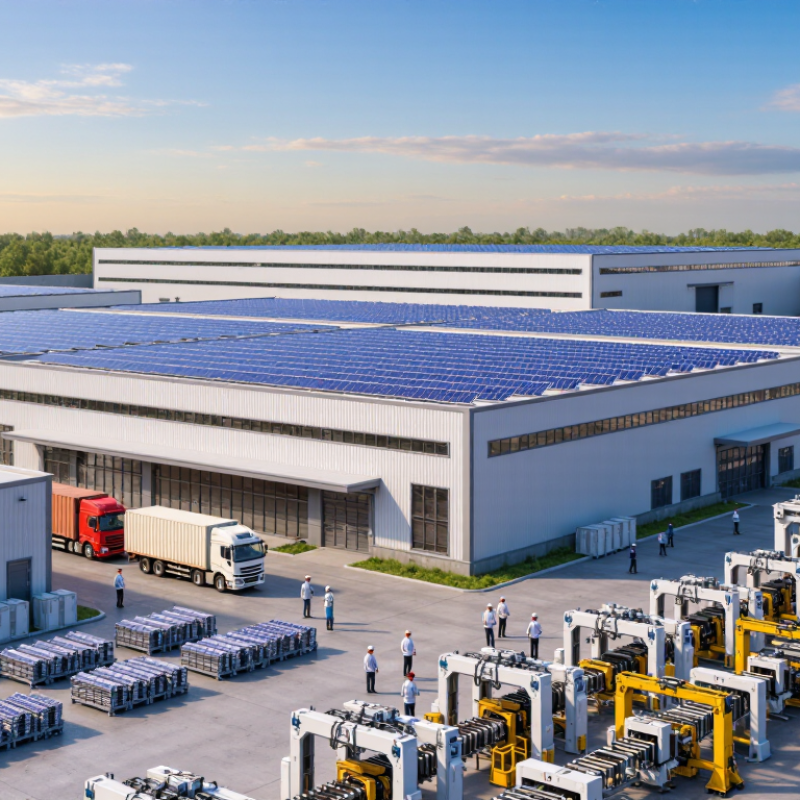
China’s solar manufacturing industry serves global buyers through a deeply connected production network. Polysilicon, wafers, cells, and modules often move through specialized facilities before export. This structure supports large orders, stable supply, and competitive pricing. It also creates quality risks when buyers focus only on quotations.
A careful buyer should examine factory records, product certifications, and independent test results. Module performance should match recognized international standards, including electrical safety and durability requirements. Factory audits can reveal details that brochures miss, such as cleanliness, soldering consistency, and storage conditions. Ask for serial-number traceability and clear warranty procedures. Small details matter.
Export support is another major advantage. Chinese suppliers commonly provide technical drawings, packing plans, installation guidance, and shipping documents. They can adapt voltage, frame design, packaging, and connector choices for different markets. Yet customization may increase lead times or complicate replacement work. This deserves honest discussion. Product samples should be tested before large contracts, especially in hot, humid, snowy, or coastal environments. A low price is useful, but it cannot replace verified performance, transparent communication, and realistic delivery commitments.
How to Evaluate the Top Chinese Solar Energy Manufacturers
When global buyers compare China’s top solar energy manufacturers, low pricing should not lead the decision. Evaluate production evidence, product consistency, and communication quality. Ask for recent capacity data, cell technology, factory location, and monthly output. Request an independent factory audit when order value is significant. Check serial-number traceability from wafer production to final packing. Review sample modules through electroluminescence imaging, flash testing, and visual inspection. Damp-heat and mechanical-load reports can reveal weaknesses that brochures hide. A polished showroom proves little. Numbers need context.
Compliance documents require careful reading. Verify current IEC and ISO certificates, testing laboratories, and certificate scopes. Confirm that the proposed module matches the tested model. Review warranty terms, degradation limits, replacement procedures, and response times. Speak with several overseas customers, not only the references selected by the supplier. Examine export experience to your climate, grid requirements, and installation conditions. Port handling also matters. Damaged pallets can erase a small price advantage. Financial stability, raw-material planning, and spare-parts support deserve attention too. An experienced buyer should compare the same specifications across manufacturers. This method is not perfect. A spreadsheet may miss factory culture or a delayed reply. Still, consistent evidence is more reliable than confident promises.
China Top 10 Solar Energy Manufacturers for Global Buyers: How to Evaluate the Top Chinese Solar Energy Manufacturers
China’s manufacturing position across key photovoltaic supply-chain stages provides important context for global buyers evaluating production scale, supply availability, technology maturity, and sourcing resilience.
Approximate share of global solar PV manufacturing capacity in 2023. Source: International Energy Agency, Advancing Clean Technology Manufacturing, 2024. Values are rounded estimates and are intended for market evaluation context rather than company rankings.
Key Technologies and Products Offered by Chinese Manufacturers
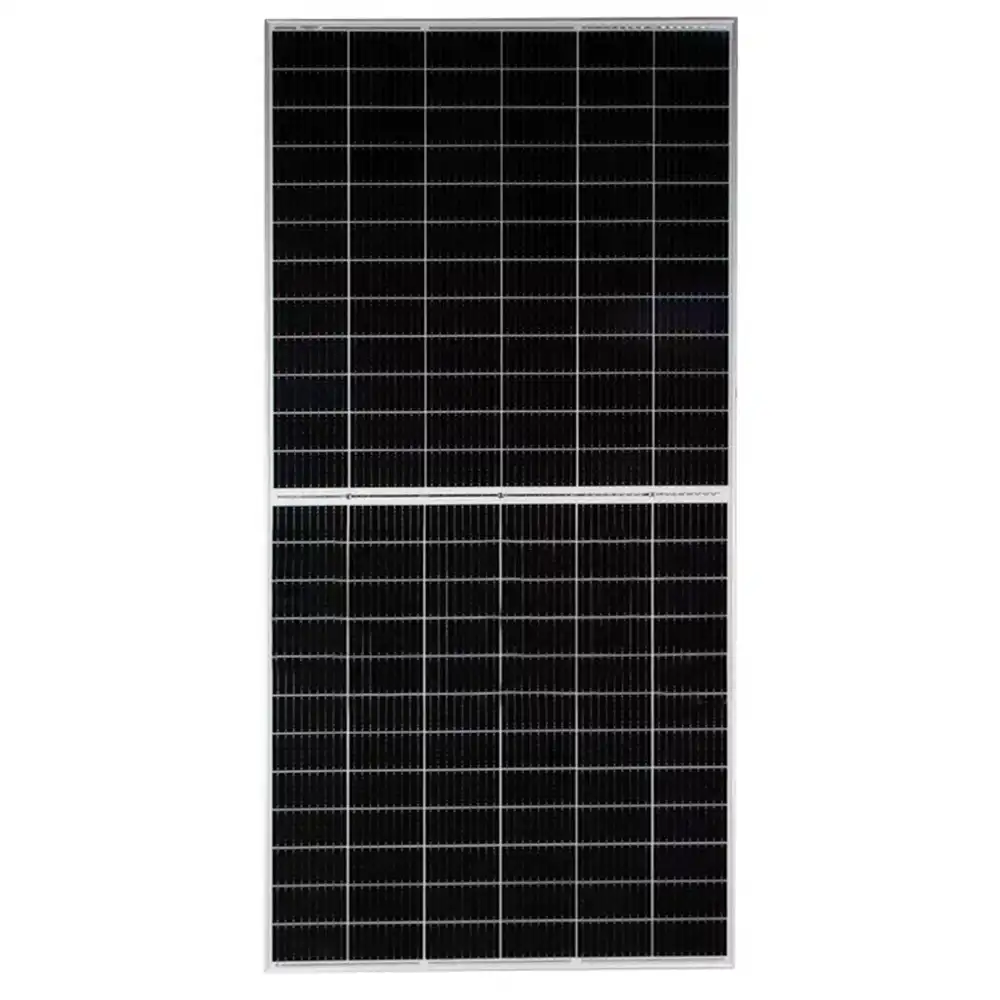
Chinese solar manufacturers now offer more than standard photovoltaic panels. Their portfolios commonly include monocrystalline wafers, N-type TOPCon cells, heterojunction cells, and back-contact designs. These technologies improve efficiency and reduce energy losses in limited roof space. Some modules exceed 700 watts, making large projects easier to configure. Yet higher power ratings do not automatically guarantee better returns. Buyers should compare temperature coefficients, degradation rates, and low-light performance.
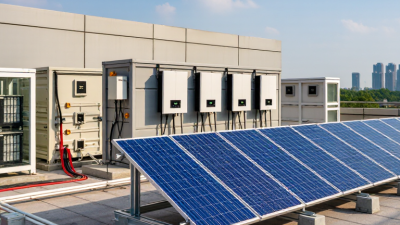
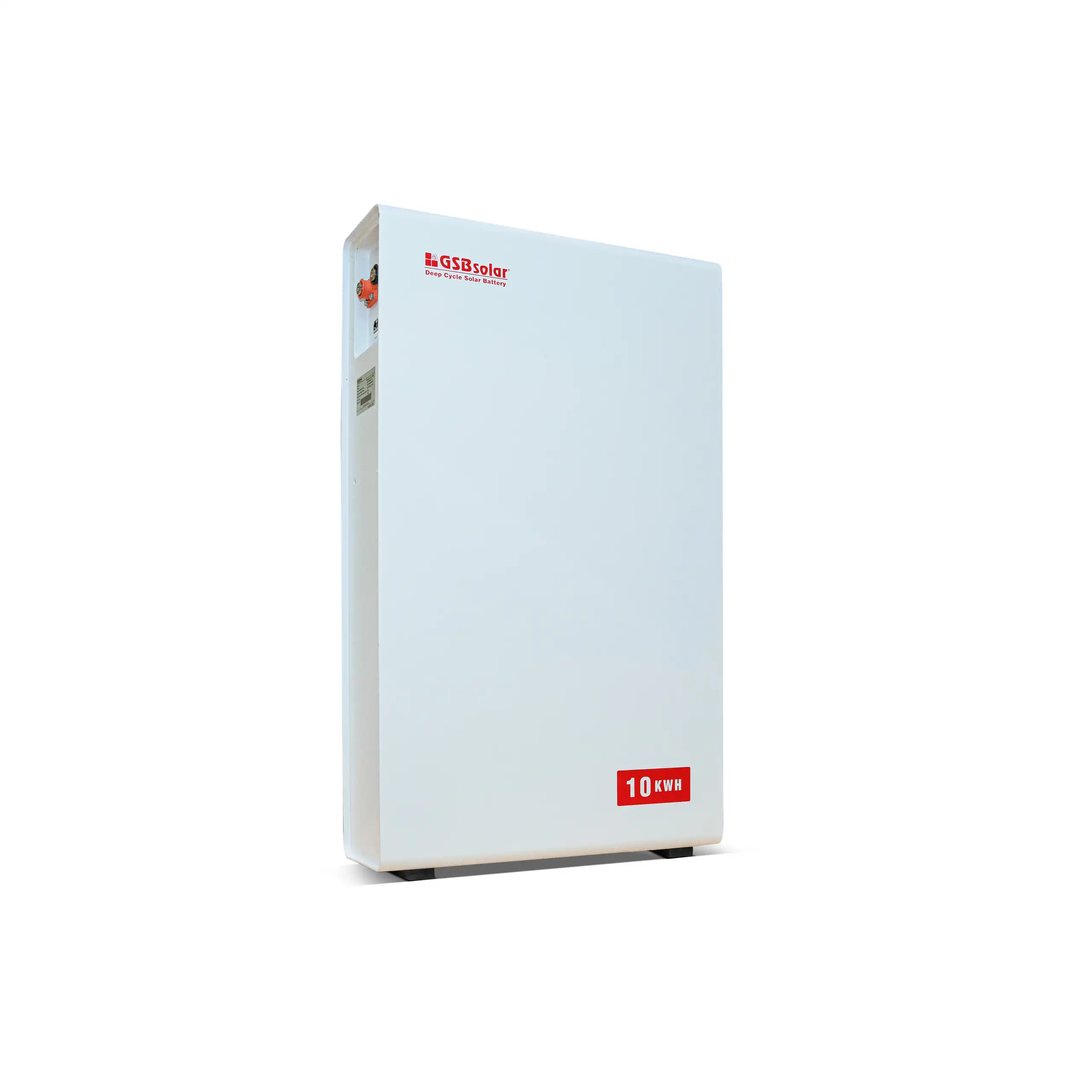
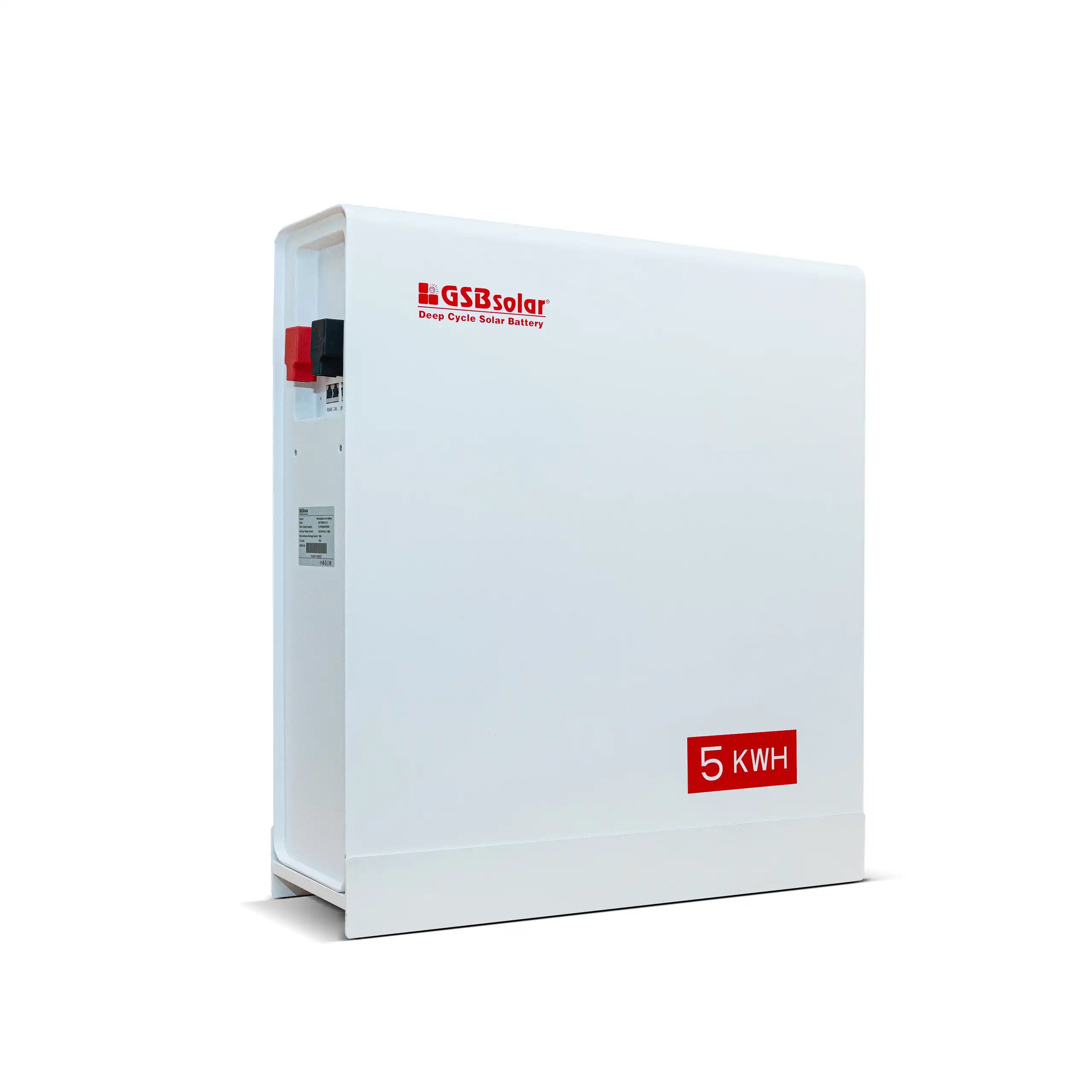
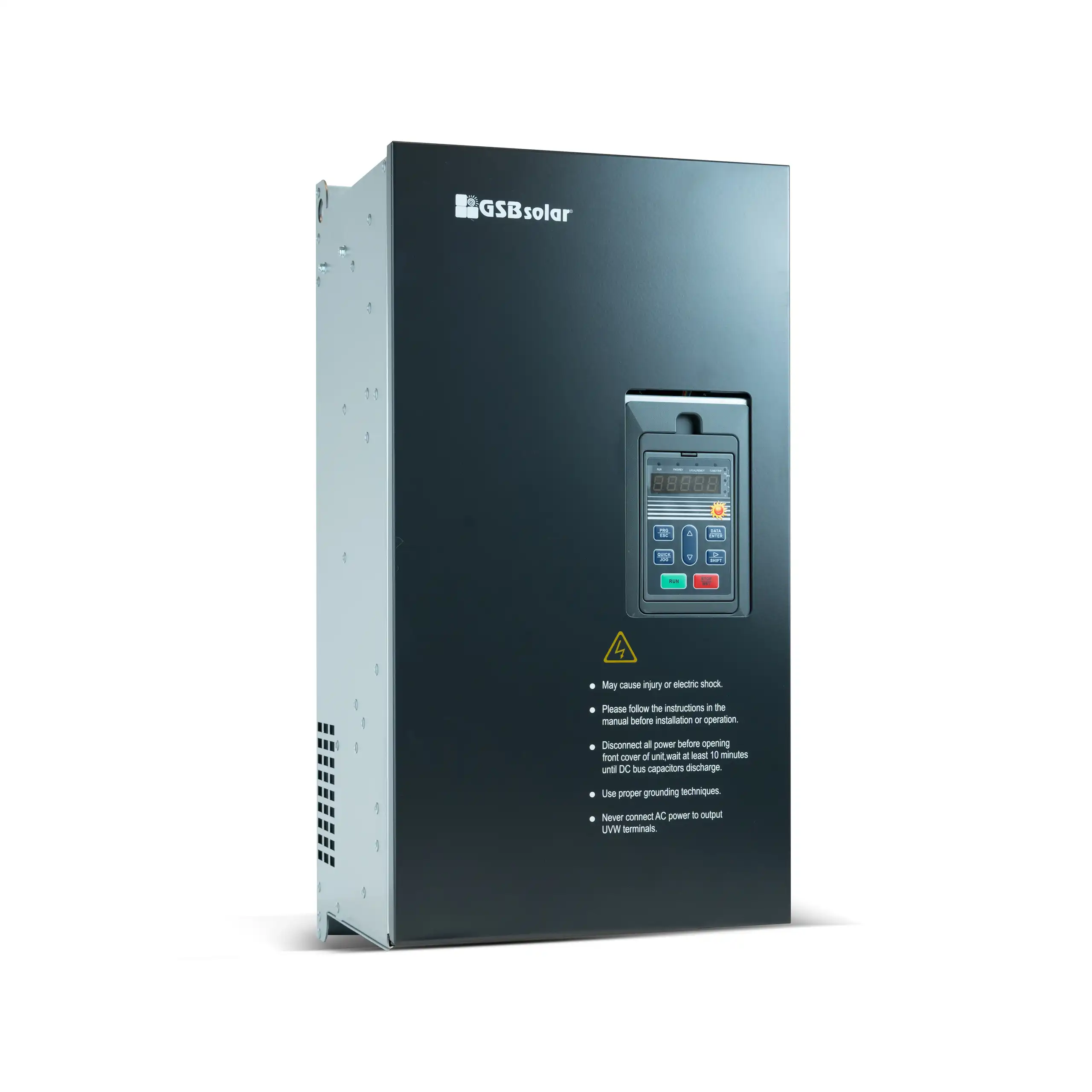
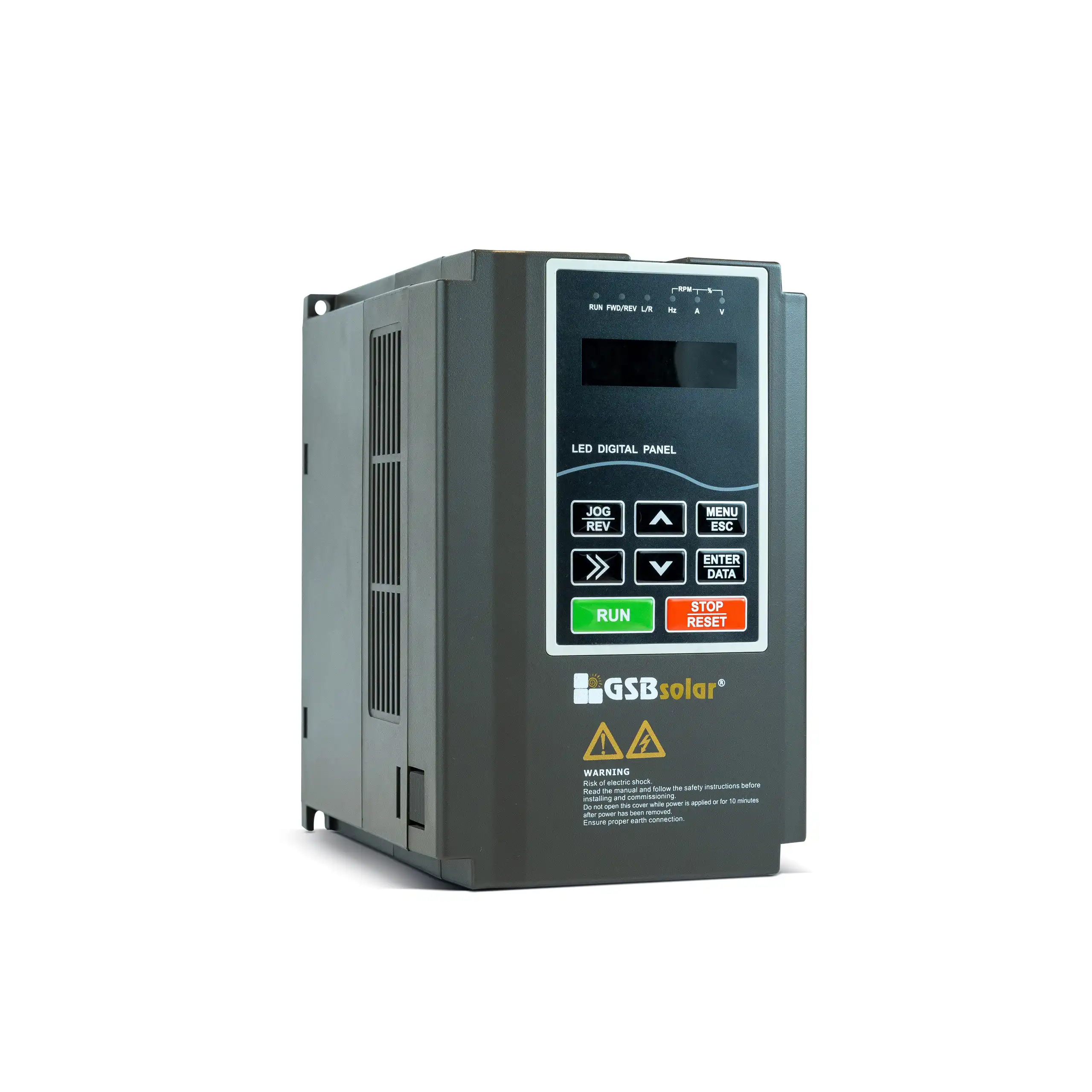
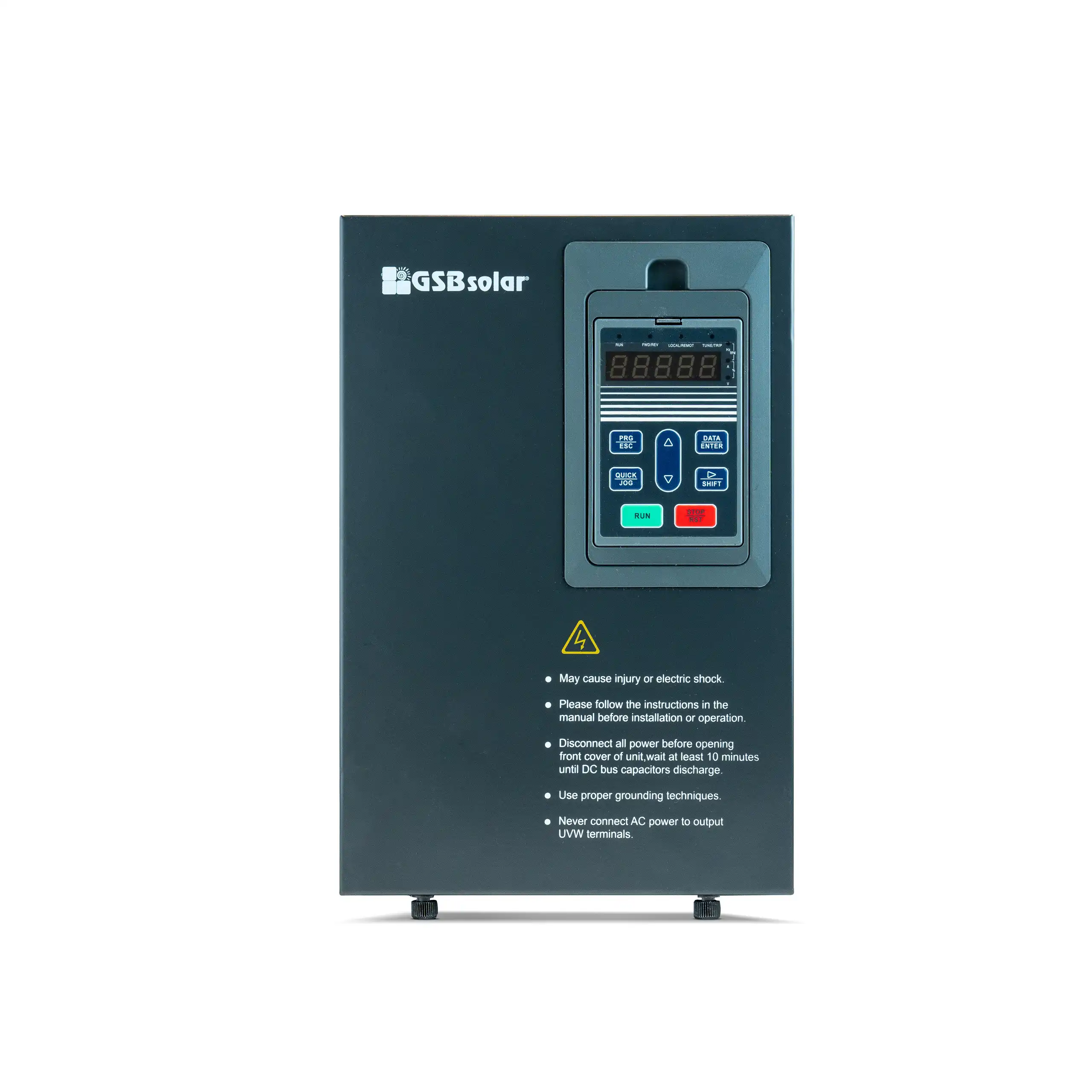
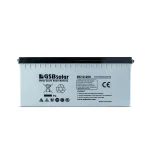
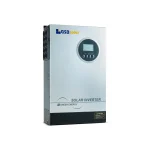
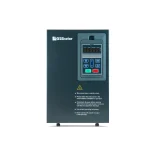
Manufacturers also produce string inverters, hybrid inverters, lithium iron phosphate batteries, and complete energy storage cabinets. A commercial system may combine rooftop modules with a 100-kilowatt inverter and a liquid-cooled battery unit. Smart monitoring platforms track voltage, temperature, fault codes, and daily production. For rural projects, adjustable mounting systems and solar trackers can improve output, but moving parts require regular inspection. Dust remains an ordinary problem.
Quality verification needs practical evidence. Request IEC test reports, factory audit records, serial-number traceability, and independent inspection before shipment. Check resistance to hail, salt mist, humidity, and potential-induced degradation. Warranty language deserves careful reading, especially exclusions and service response times. No factory is perfect, and published efficiency figures may reflect controlled laboratory conditions. Site climate, cable length, roof direction, and installation workmanship can change actual results. A cheaper module may still cost more after years of cleaning, replacement, and lost generation.
How Global Buyers Can Compare Suppliers and Select a Partner
Global buyers comparing China’s top solar energy manufacturers need more than a ranking. A polished website cannot prove production control, product consistency, or after-sales support. Request factory registration details, audited quality records, and recent project references. Ask who owns each production step. This matters. A supplier may assemble modules, outsource inverters, and present itself as a full manufacturer. During a plant visit, inspect cell storage, lamination lines, testing rooms, and packaging areas. Photograph serial-number labels and calibration certificates, with permission.
Compare suppliers using the same technical and commercial assumptions. Check module efficiency, temperature coefficient, degradation warranty, inverter compatibility, and delivery terms. Ask for measured flash-test data from recent batches, not only laboratory specifications. For an industrial rooftop, calculate output using local irradiance, roof loading, cable length, and seasonal heat. A low unit price can become expensive when replacement parts arrive slowly. Confirm spare-part stock, response times, remote monitoring access, and technician training. Put these commitments in contract language. Verbal promises are difficult to verify.
Reliability also depends on evidence. Review independent test reports, export experience, financial stability, and insurance coverage. Contact two comparable customers and ask about defect rates after one year. Be cautious with unusually short lead times or pressure for full prepayment. I have seen evaluations overvalue efficiency while ignoring packaging damage and unclear warranty procedures. That is an easy mistake. Use a weighted scorecard, but leave room for human judgment. Factory size is not equal to engineering competence. The best partner explains limitations clearly, shares traceable data, and keeps communication practical after the purchase order is signed.