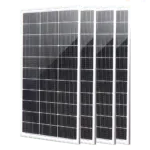
ALL PRODUCTS
- Solar Panel
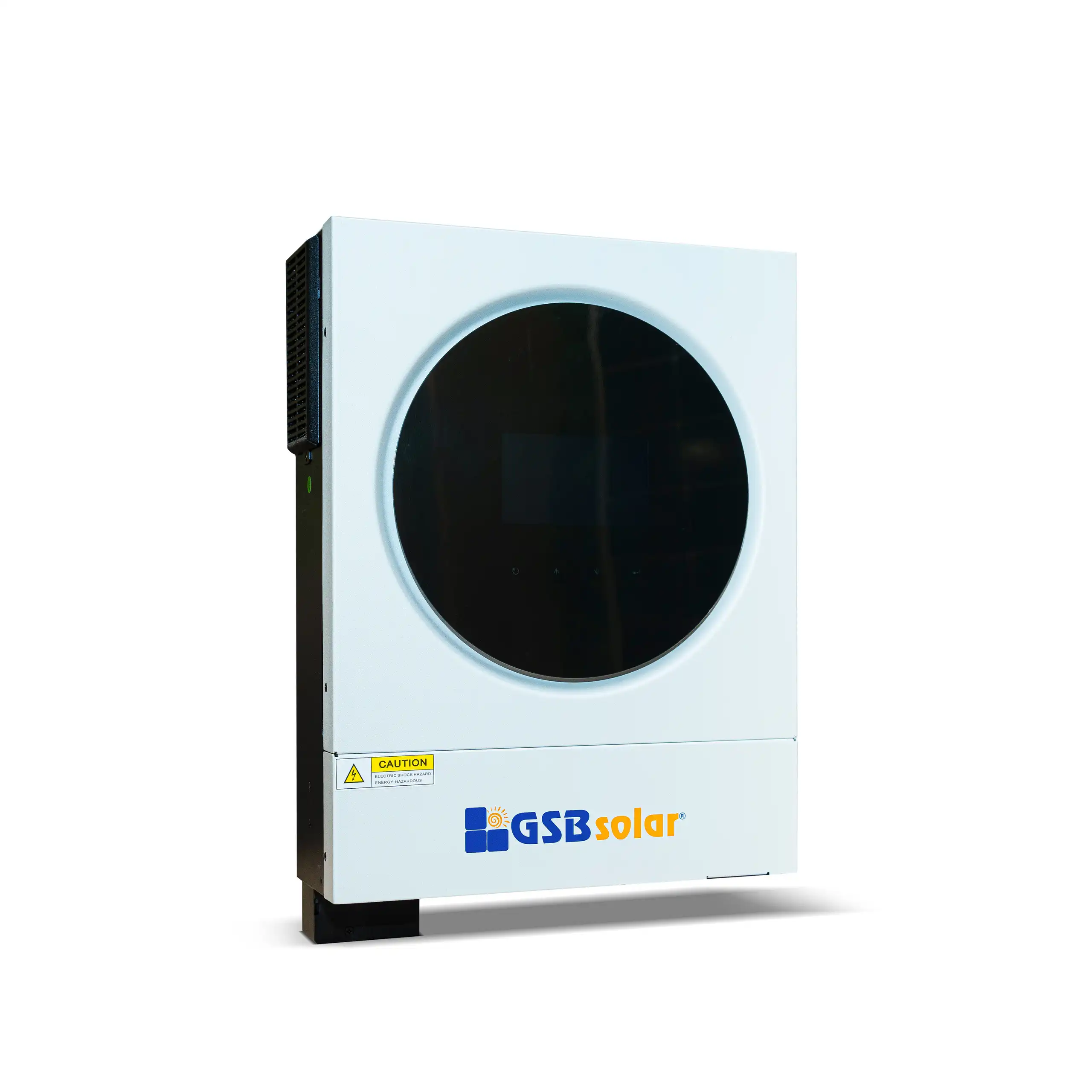
- Hybrid Inverter
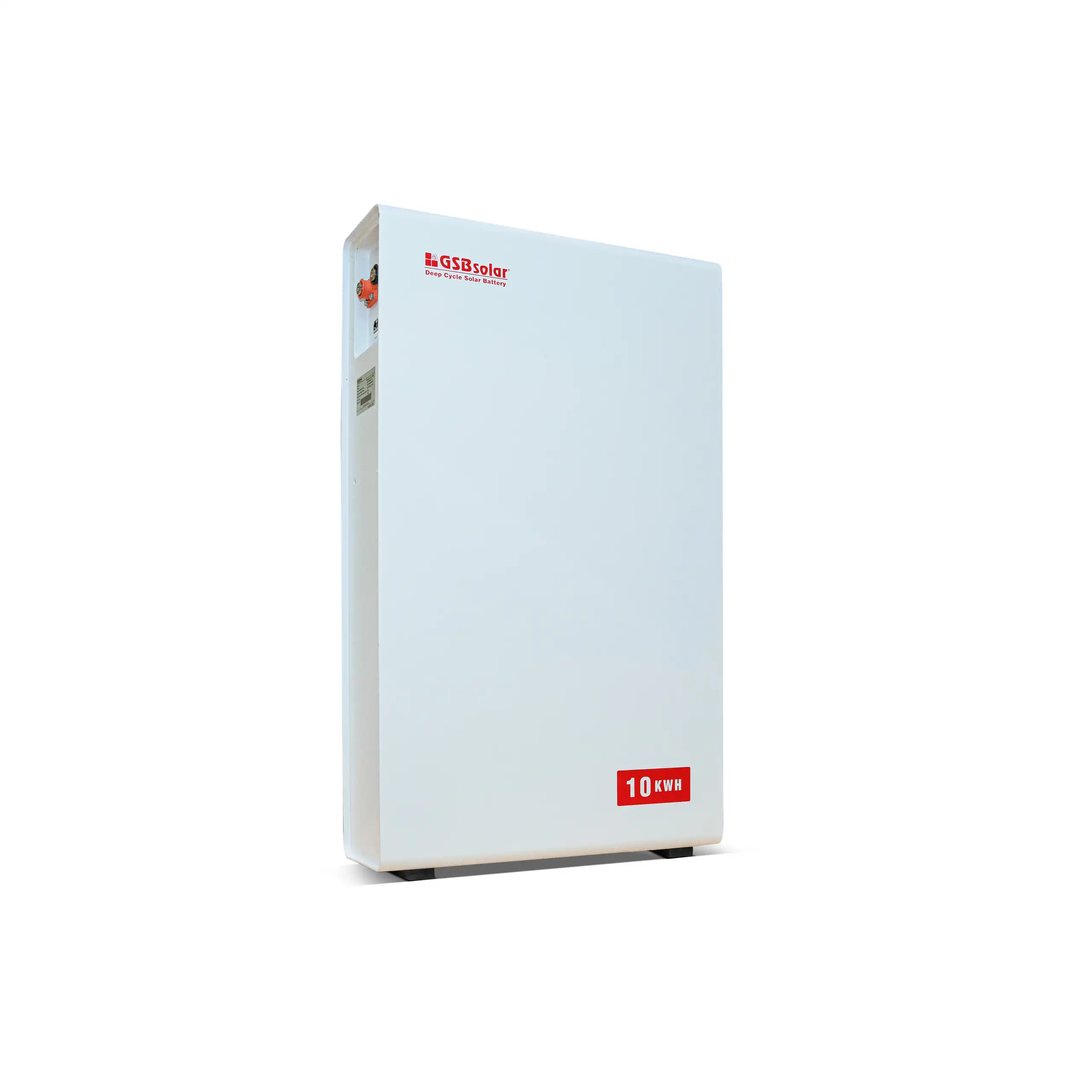
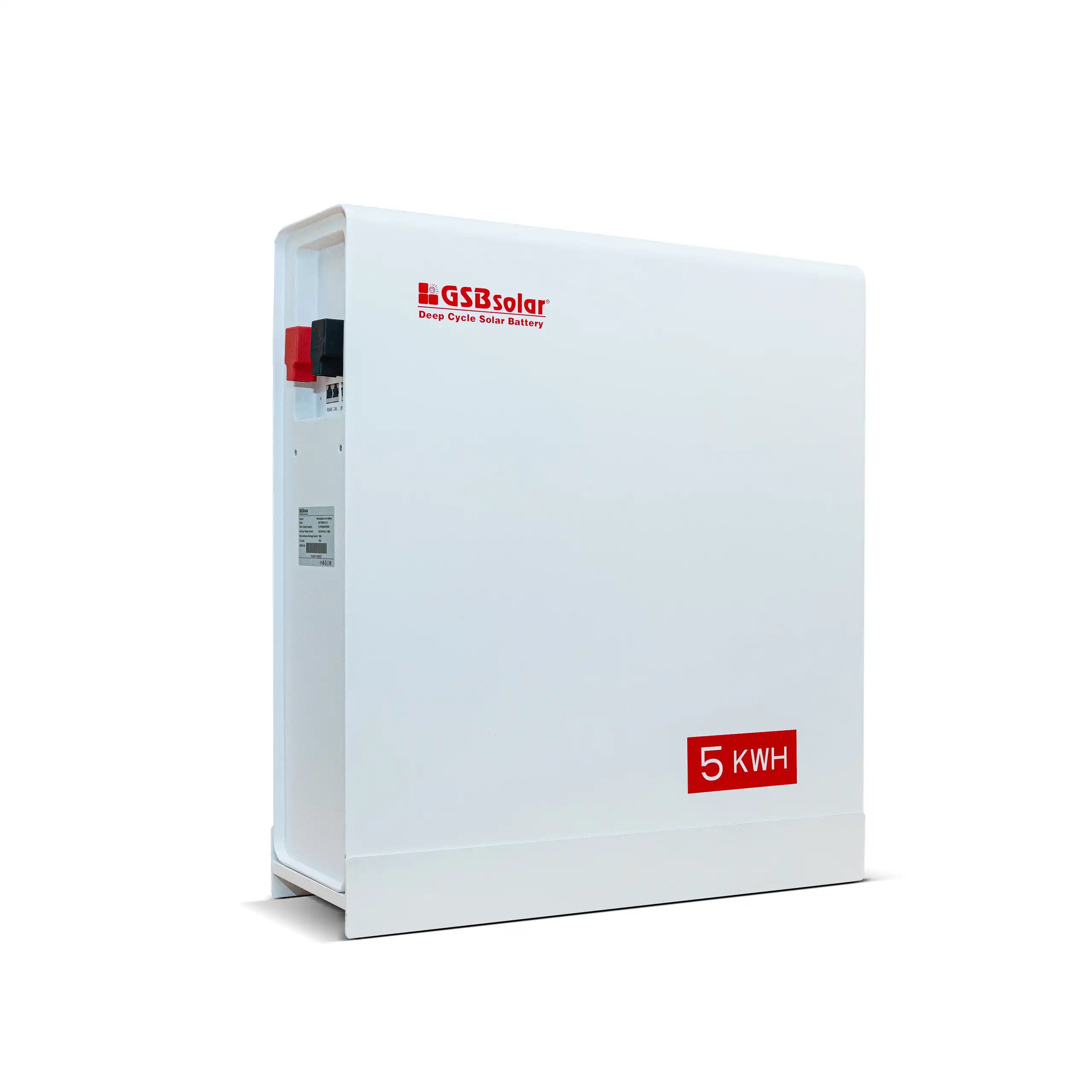
- Lithium Battery
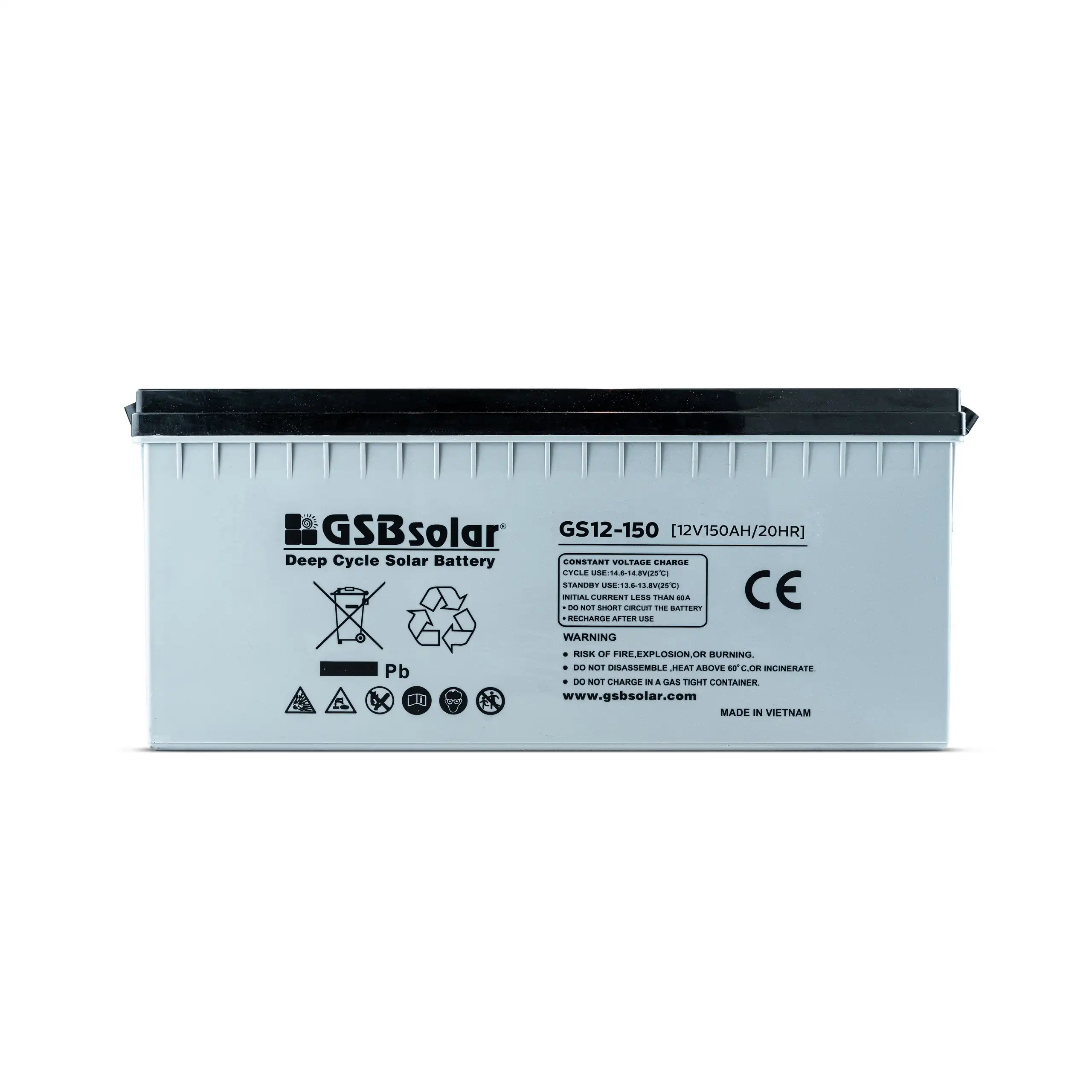
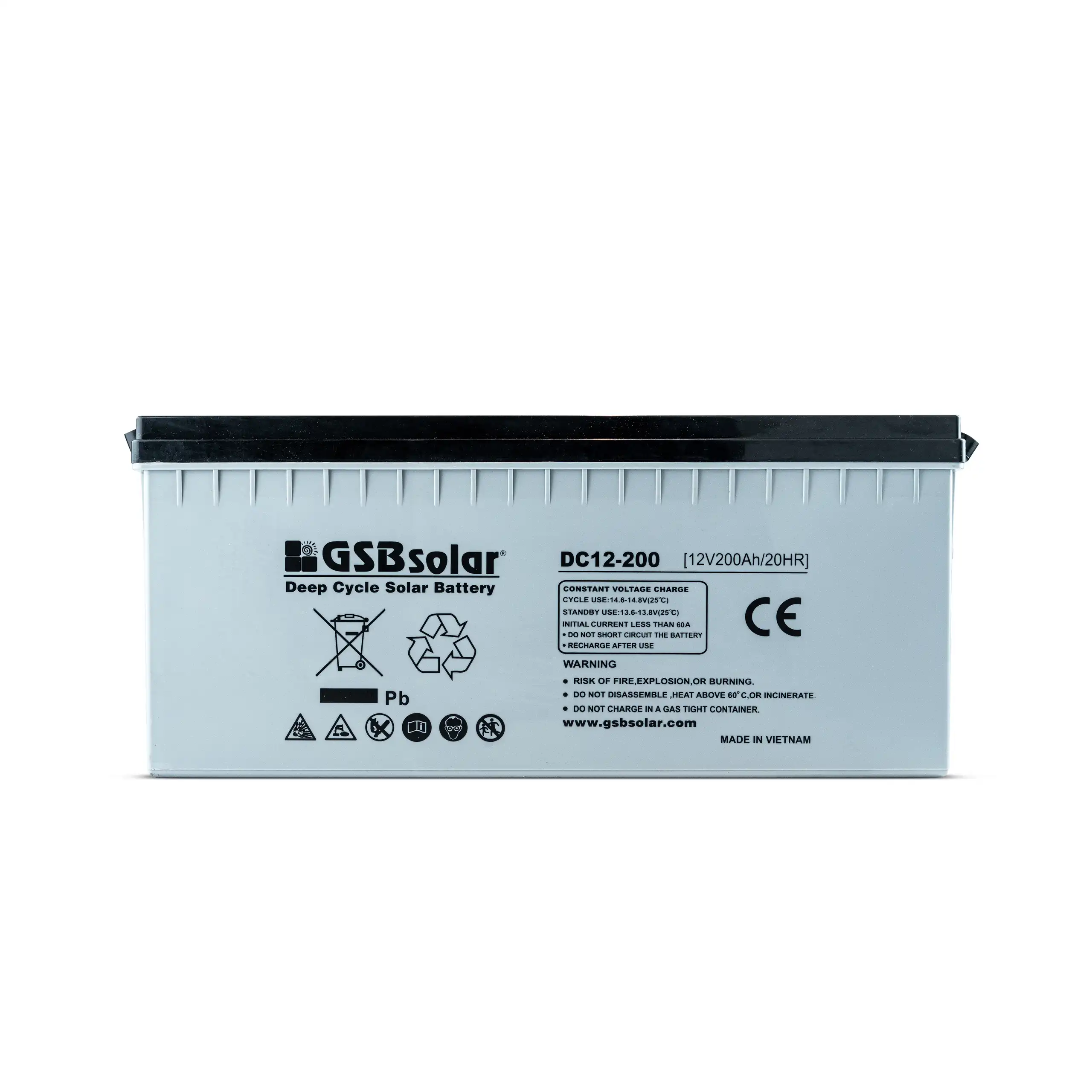
GSB SOLAR LITHIUM BATTERIES
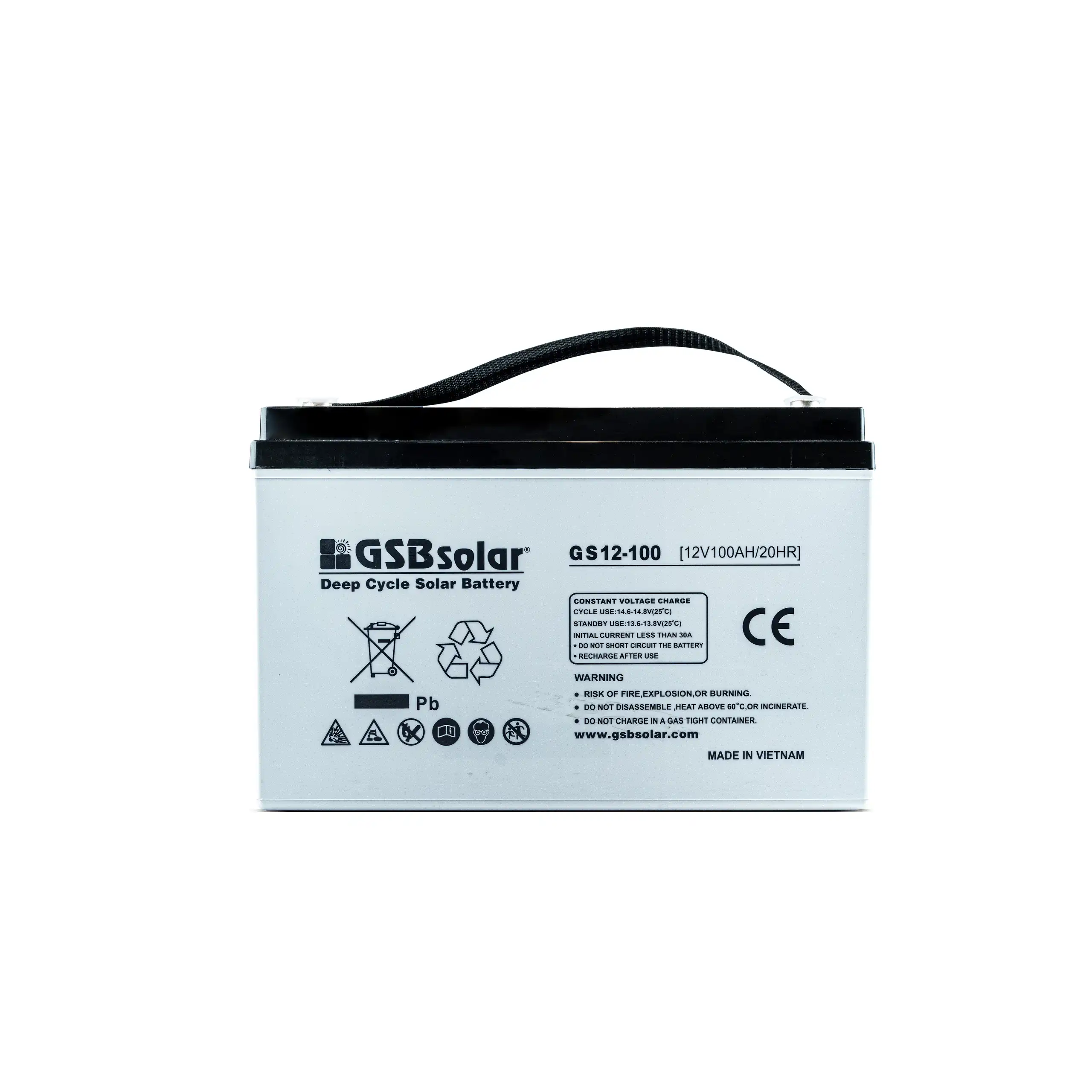
- Gel Battery
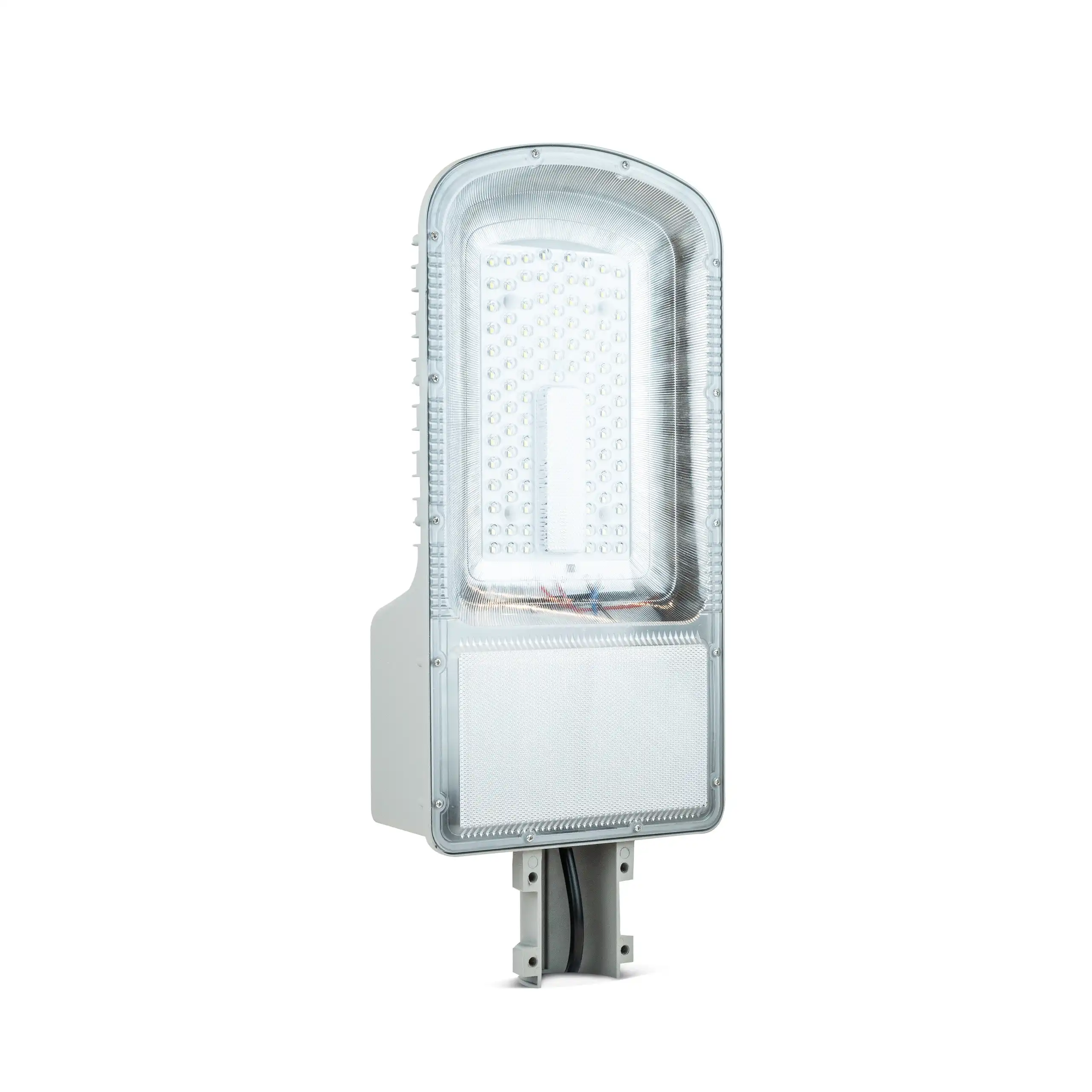
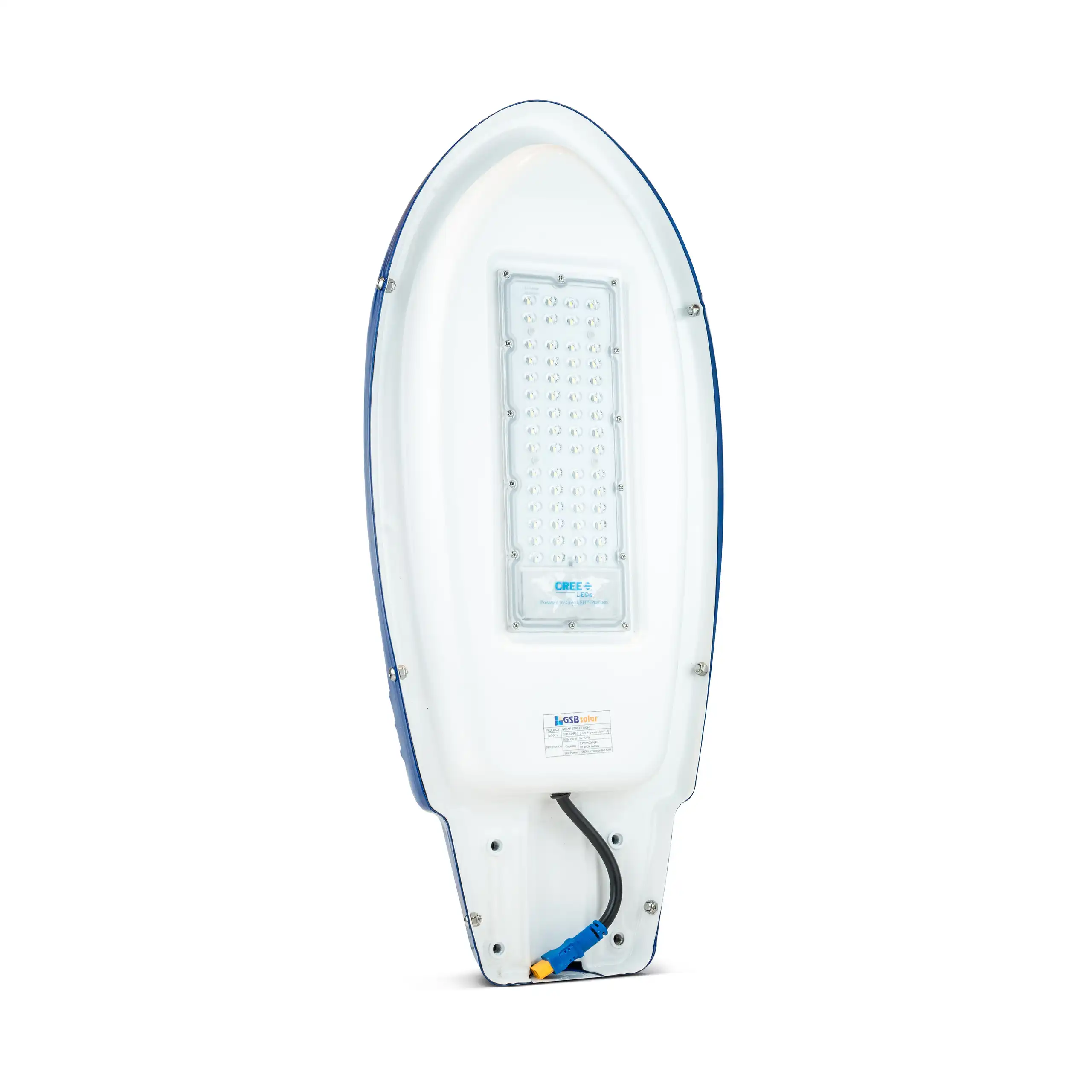
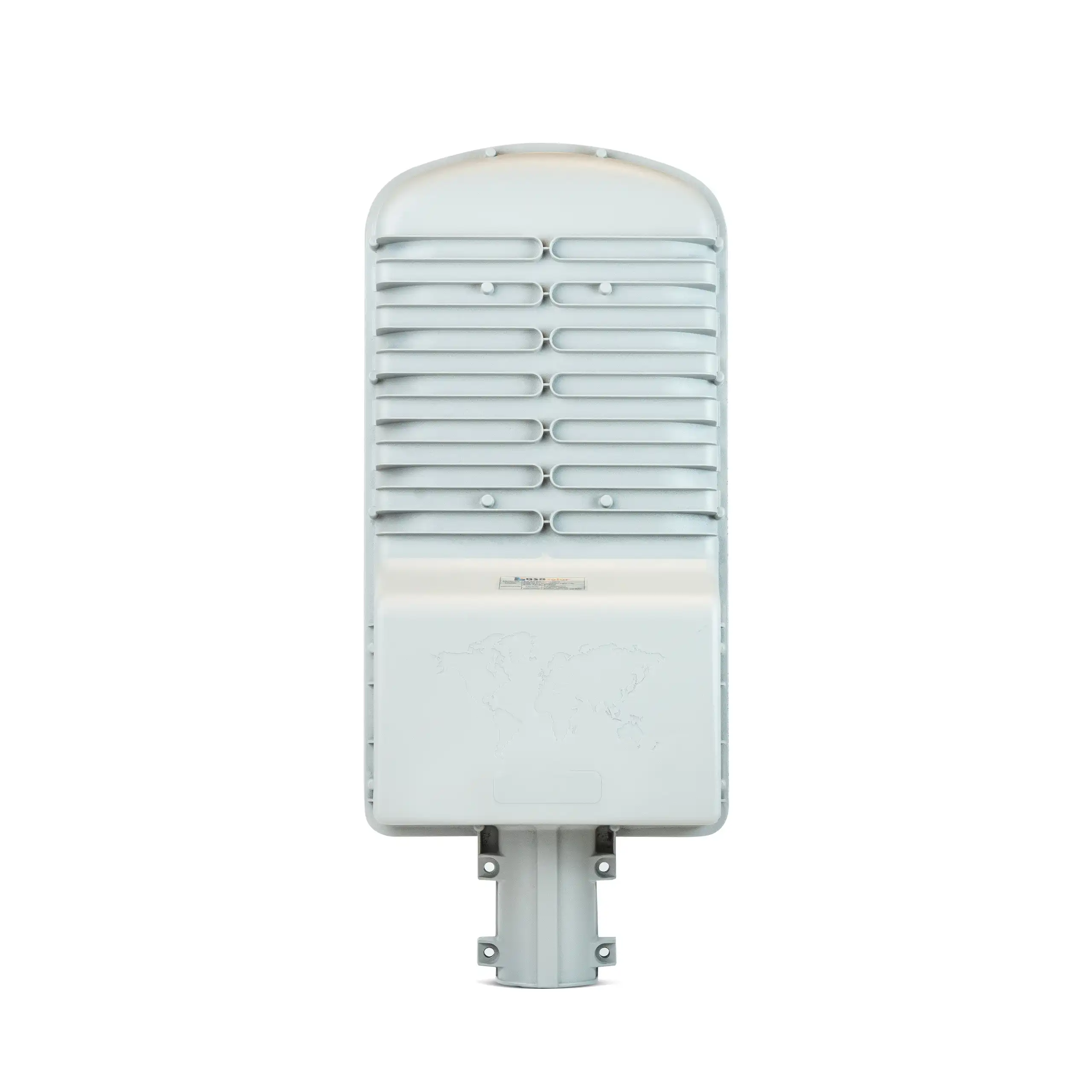
- Solar Street Lights
- Pump Inverter
China has become a major force in global solar manufacturing, from silicon wafers to complete energy-storage systems. This article examines ten leading Chinese suppliers of solar panels and battery products. It considers manufacturing scale, conversion efficiency, warranty terms, certification, project experience, and after-sales support.
The phrase “top supplier” can mislead. A large factory does not guarantee the best result for every project. Rooftop installers may value compact batteries, while utility developers may prioritize degradation rates, grid compatibility, and long-term bankability. Prices also change quickly. So do shipping conditions and technology choices.
Fatih Birol, Executive Director of the International Energy Agency, described solar PV as “the new king of electricity.” His statement reflects solar’s falling costs, but panels alone cannot provide power after sunset. That is where the solar panels and battery market becomes more important. A reliable system needs matched components, clear safety documentation, realistic performance data, and responsive technical service.
This guide compares suppliers through those practical details. It looks beyond impressive production numbers. Cell technology, battery chemistry, thermal management, monitoring software, and recycling plans also matter. Some companies offer broad product portfolios, yet their local support may be limited. That weakness deserves attention.
The selected companies are not identical. Some focus on panels, others on lithium battery storage, inverters, or integrated systems. Their strengths depend on climate, installation size, financing, and grid requirements. Readers should verify current certifications and warranty conditions before making a purchase. This ranking is a useful starting point, not a final verdict.
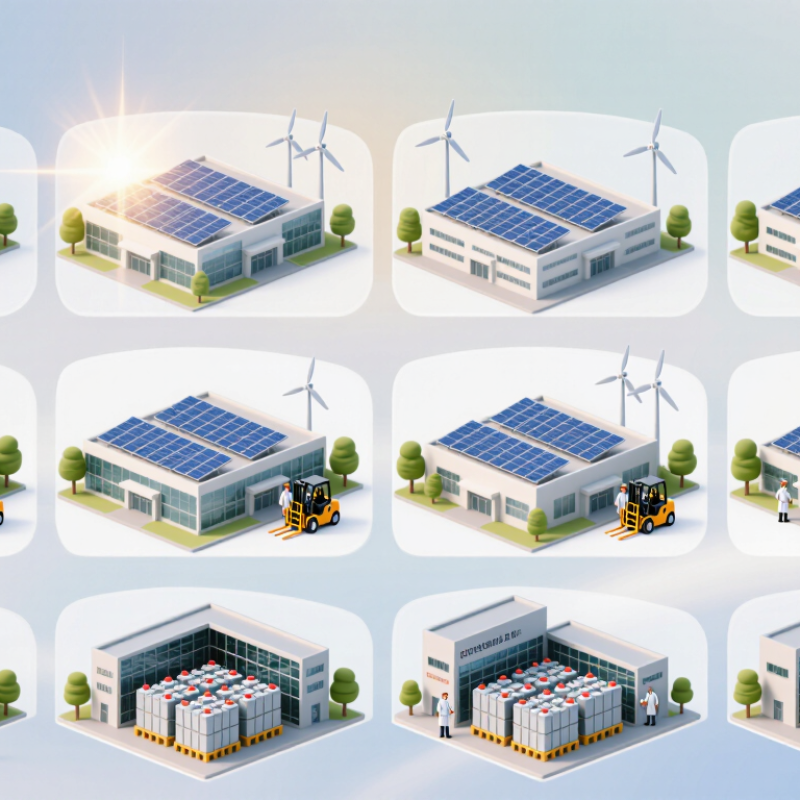
China’s solar panel and battery supplier industry has become a central part of the global clean-energy supply chain. The IEA PVPS Trends 2024 report recorded about 217 GW of new solar capacity in China during 2023. That figure represented nearly half of global additions. Manufacturing scale is impressive. Yet scale alone does not prove consistent quality.
China also dominates battery production. The IEA’s Global Supply Chains of EV Batteries report estimated that China held around 75% of global battery cell manufacturing capacity. Suppliers now compete through higher energy density, safer thermal systems, longer warranties, and stronger recycling plans. Panels increasingly use larger wafers and improved cell structures. Batteries often combine liquid cooling, monitoring software, and modular cabinets. These features sound technical. They affect installation space, maintenance time, and project risk. Still, public data can be uneven, and reported capacity does not always equal usable annual output.
Tips: Compare tested efficiency, temperature coefficients, degradation rates, and warranty conditions. Ask for third-party certification and recent factory inspection records. Check whether battery cycle claims use realistic operating conditions. Price deserves attention, but the cheapest quotation may hide weaker service coverage. I would also review shipment history and spare-part access. This step is often overlooked. A supplier with excellent laboratory results may still struggle with communication or delivery. Industry rankings can guide research, but they should not replace technical due diligence.
Anonymous supplier comparison based on publicly reported industry capacity ranges, manufacturing locations, product specifications, and export characteristics
| Rank | Anonymous Supplier | Main Manufacturing Hub | Core Solar Products | Cell Technology | Typical Module Power | Estimated Annual Module Capacity | Battery Segment | Common Battery Chemistry | Typical Export Markets |
|---|---|---|---|---|---|---|---|---|---|
| 1 | Supplier 01 | Jiangsu and Anhui | Utility-scale mono-crystalline modules | N-type TOPCon | 560–620 W | 15–25 GW | Utility-scale energy storage | LFP | Europe, Middle East, Australia, Latin America |
| 2 | Supplier 02 | Zhejiang and Jiangsu | Residential and commercial modules | N-type TOPCon | 430–620 W | 10–20 GW | Residential battery systems | LFP | Europe, North America, Southeast Asia |
| 3 | Supplier 03 | Sichuan and Yunnan | High-efficiency bifacial modules | N-type TOPCon and HJT | 570–730 W | 8–18 GW | Grid-scale battery containers | LFP | India, Middle East, Africa, Europe |
| 4 | Supplier 04 | Hubei and Jiangsu | Distributed-generation modules | P-type PERC and TOPCon | 405–600 W | 6–15 GW | Commercial and industrial storage | LFP | Europe, Southeast Asia, Africa |
| 5 | Supplier 05 | Guangdong and Guangxi | Flexible and lightweight modules | Thin-film and high-efficiency silicon | 100–550 W | 3–10 GW | Portable and off-grid batteries | LFP and NMC | North America, Europe, island markets |
| 6 | Supplier 06 | Xinjiang and Inner Mongolia | Large-format bifacial modules | N-type TOPCon | 560–630 W | 5–12 GW | Renewable-energy storage projects | LFP | Central Asia, Middle East, Latin America |
| 7 | Supplier 07 | Fujian and Jiangxi | Residential rooftop modules | N-type TOPCon and back-contact | 420–460 W | 4–10 GW | Home energy storage | LFP | Europe, Australia, Japan, South Korea |
| 8 | Supplier 08 | Shandong and Hebei | Agricultural and industrial solar modules | PERC and TOPCon | 450–610 W | 3–8 GW | Industrial backup systems | LFP and lead-carbon | Southeast Asia, Africa, Eastern Europe |
| 9 | Supplier 09 | Hunan and Guangdong | Small-format and specialty modules | Mono-crystalline silicon | 100–450 W | 2–6 GW | Mobile, marine, and camping batteries | LFP and NMC | North America, Europe, Oceania |
| 10 | Supplier 10 | Shaanxi and Henan | Cost-focused mono-crystalline modules | PERC and TOPCon | 450–590 W | 2–5 GW | Telecom and rural electrification storage | LFP and lead-acid | Africa, South Asia, Southeast Asia |
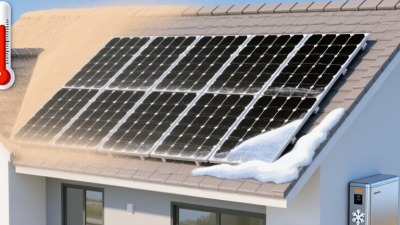
How to Evaluate Solar Panel and Battery Suppliers in China
China’s scale makes supplier selection both attractive and difficult. The IEA PVPS Trends 2024 report recorded more than 1.6 terawatts of global solar capacity by the end of 2023. China supplied the largest share of new installations. Capacity alone does not prove reliability. A supplier should provide traceable bills of materials, recent factory-audit records, and independent test reports.
Check whether modules were tested against IEC 61215 and IEC 61730 requirements. Ask for measured degradation data, not only a warranty headline. Request flash-test samples from different production batches. For batteries, examine cell origin, usable capacity, cycle-life testing, thermal protection, and battery-management software. IEC 62619 compliance supports industrial battery safety, but it is not a substitute for project-specific testing. The IEA’s Batteries and Secure Energy Transitions report states that global battery demand exceeded 750 GWh in 2023, increasing pressure on raw materials and manufacturing quality.
Inspect production before signing a large order. Confirm how rejected cells, laminate defects, and electrolyte incidents are recorded. Review quality-control checkpoints with photographs and dated records. Independent pre-shipment inspection is worthwhile. It can still miss slow capacity loss. That matters. Financial stability, spare-parts access, response times, and clear warranty exclusions deserve equal attention. IRENA’s Renewable Power Generation Costs in 2023 report shows that solar costs remain highly competitive, but cheaper equipment can create higher replacement and downtime costs. A written acceptance test, serial-number tracking, and transparent dispute process reduce avoidable surprises.
Use this procurement-weighting framework to compare suppliers without relying only on price. The criteria reflect practical checks for solar panels and batteries, including product quality, certifications, warranty support, production capability, financial stability, delivery performance, and total cost.
China’s top solar panel manufacturers compete through scale, engineering, and increasingly strict quality control. Many operate automated factories that produce high-efficiency monocrystalline modules for homes, commercial roofs, and utility projects. Their strongest advantages often include stable supply, technical support, and flexible order volumes.
A reliable manufacturer should provide verified test reports, clear warranty terms, and traceable production records. Check certifications for the target market, not only general factory documents. Ask about cell sourcing, temperature performance, degradation rates, and packaging strength.
In real projects, small details matter. Weak cartons can become expensive problems during long-distance transport. Factory visits or independent inspections add useful evidence, although they cannot remove every risk. Some published efficiency figures also reflect ideal laboratory conditions, not a dusty rooftop in summer.
Tips: Compare at least three technical quotations. Request recent flash-test data from the same production line. Review installation feedback from similar climates. Confirm spare-part support before signing. Do not judge a supplier by price alone. I would also examine communication speed, because delayed answers can signal future service difficulties. This is not a perfect method, but it exposes more practical differences between leading Chinese solar panel manufacturers.
China’s solar battery market includes ten strong supplier groups serving different project needs. They include manufacturers of lithium iron phosphate batteries, containerized storage systems, home energy units, industrial modules, backup batteries, and custom battery packs. Other leading suppliers focus on battery cells, power conversion equipment, thermal management, or integrated solar storage cabinets. This range matters because a rural microgrid needs different equipment from a factory rooftop system.
A reliable buyer should examine more than quoted capacity. Check usable energy, round-trip efficiency, cycle performance, operating temperature, and warranty conditions. Ask for recent test reports and production traceability. Factory audits can reveal wiring quality, fire protection, spare-parts planning, and software controls. In my experience, clear communication often predicts smoother commissioning. Small details matter.
Not every large supplier fits every project. Some offer excellent cells but limited after-sales service overseas. Others provide polished systems but less flexible customization. That weakness is easy to overlook. Project owners should compare installation records, response times, and local technical support before signing. Battery degradation also deserves honest discussion, especially in hot climates or systems with daily deep discharge. A practical shortlist of China’s top ten battery suppliers should therefore be based on verified performance, engineering compatibility, and dependable service, rather than shipment volume alone.
China’s leading solar panel and battery suppliers differ in more than factory size. A useful comparison starts with product design, testing records, and field experience.
For panels, review power ratings, temperature coefficients, degradation rates, and performance in weak sunlight.
For batteries, check usable capacity, cycle life, thermal management, and inverter compatibility.
Small details matter.
Certification evidence should be current and traceable. Look for IEC 61215 and IEC 61730 reports for modules, plus ISO 9001 production controls. Battery projects may require safety testing, transport documentation, and regional grid approvals. Ask for certificate numbers, testing laboratories, and model-specific documents. Marketing certificates are not enough.
Price comparisons can be misleading. Compare panel cost per watt and battery cost per usable kilowatt-hour, not only the invoice total. Include packaging, shipping, customs, installation support, warranty coverage, and replacement terms.
A cheaper battery may have shorter cycle life or limited remote monitoring. Global service also matters: response time, local technicians, spare parts, and clear English documentation can prevent long outages.
My first comparison was too simple. I focused on price and missed after-sales delays. Buyers should request sample data, inspect production quality, and speak with recent overseas customers. Not always easy. Performance claims still need independent verification.