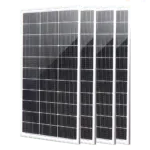
Why Choose Solar Panels and Battery Packages?
A solar panels and battery package brings generation and storage into one practical home-energy system. Panels produce electricity in daylight, while a battery can retain some surplus for evening use or a brief outage. The details matter. Roof angle, shade, household demand, battery capacity, and local utility rules all affect performance. A neat package cannot correct a poorly sized design.
Fatih Birol, Executive Director of the International Energy Agency, called solar “the new king of electricity markets in the world.” His observation highlights solar’s growing role, but a battery changes how some of that power can be used. It does not make a home automatically energy independent. Cloudy weather, seasonal production, and high evening demand can still mean drawing electricity from the grid.
Look closely at the equipment list. Check the inverter type, usable battery capacity, warranty terms, monitoring tools, and whether the system can provide backup power during an outage. Ask an installer to show estimated production against your actual bills, not a generic household profile. That comparison is useful. It may also expose trade-offs: larger storage can raise upfront costs, and a battery may not pay back equally well for every home. This guide explores the benefits, limits, and practical questions behind choosing a package that fits your roof, routine, and budget. A careful choice is better than a perfect-sounding promise.

How Solar Panels and Battery Packages Work Together
Why Choose Solar Panels and Battery Packages?
How Solar Panels and Battery Packages Work Together
Solar panels turn sunlight into direct-current electricity. An inverter converts that power into electricity used by household appliances. When the panels produce more than the home needs, the system can send the extra energy to a battery. It does not store every sunny hour perfectly; conversion and charging involve small losses.
After sunset, the battery can supply stored electricity to selected circuits or, depending on system design, more of the home. During a grid outage, ordinary grid-connected panels usually switch off for safety. A battery system designed to operate independently can keep chosen circuits running. Check which circuits are backed up.
Good sizing starts with real usage, not a guess based on roof space. Review electricity bills and note when major appliances run. A refrigerator, lights, and internet equipment may need less power than electric heating or cooking. Battery capacity affects how long stored energy lasts; inverter capacity affects how many devices can run at once. Winter days and cloudy weather matter, too. A monitoring display can reveal whether the battery regularly fills, or sits nearly empty. That detail may prompt a more careful system assessment.
Energy Independence and Backup Power Benefits
Why Choose Solar Panels and Battery Packages?
Energy Independence and Backup Power Benefits
Solar panels paired with home batteries can turn a roof into a practical source of resilience. During a grid outage, stored electricity can keep refrigerators, lights, routers, medical equipment, and selected outlets running. The battery does not usually power every appliance at once. Careful load planning matters.
In real-world installations, households often notice the difference during storms or scheduled maintenance. A charged battery can provide quiet backup power without fuel storage, engine noise, or indoor emissions. Solar panels can recharge it during daylight, even when the wider grid remains unavailable, if the system includes suitable backup controls. This arrangement also reduces dependence on changing electricity prices.
Energy independence has limits. Short winter days, heavy cloud, and high evening demand can reduce available power. Oversizing the battery may increase costs without improving daily value. A professional assessment should review roof direction, shade, local weather, electrical loads, and outage patterns. Proper permits and installation are essential for safe operation.
The system is not magic.
Some owners expect uninterrupted whole-home power, then discover that heating systems, pumps, and electric vehicles consume energy quickly. A clearly labeled critical-load panel can prevent confusion. Regular checks also help, because batteries, inverters, and connections need monitoring over time. Good planning creates dependable backup power, but honest expectations make the investment more useful.
Electricity Bill Savings and Long-Term Value
Why Choose Solar Panels and Battery Packages?
Electricity Bill Savings and Long-Term Value
Solar panels can reduce the electricity drawn from the grid during daylight hours. A battery stores unused solar power for evening use, when household demand often rises. After sunset, stored energy can run lights, appliances, and electronics. That timing matters.
Many households see lower monthly bills, but savings are not identical everywhere. Your result depends on roof direction, shading, local electricity prices, and daily energy habits. A careful estimate should compare current bills with expected production, battery capacity, installation costs, and financing charges. Ask a qualified installer to explain these figures clearly. Do not rely on optimistic projections alone.
Long-term value also depends on equipment quality and proper maintenance. Solar panels commonly operate for decades, although their output gradually declines. Batteries usually have shorter service lives and may need replacement earlier. Performance can vary. That is worth remembering.
An experienced professional should check roof condition, wiring, safety requirements, and local connection rules before installation. A reliable proposal should include warranties, monitoring details, expected maintenance, and realistic payback assumptions. Cleaning may be occasional, but inspections still matter. I would also review the estimate after one year, because actual usage may differ from the original plan. The package can create meaningful savings, yet its value is strongest when the system matches the home’s real energy pattern.
Why Choose Solar Panels and Battery Packages?
Illustrative 25-year estimate: Cumulative net value is estimated electricity-bill savings minus the initial system cost. In this scenario, solar alone reduces the first-year bill by 70%; solar with a battery reduces it by 85%.
Model assumptions: $2,000 first-year electricity bill, 3% annual electricity-price increase, 0.5% annual solar-output degradation, $24,000 upfront cost for solar, and $35,000 for solar with a battery. Estimates exclude maintenance, financing, incentives, and battery replacement. Actual costs and savings vary by location, usage, tariffs, and system performance; this illustration is not a savings guarantee.
Environmental Benefits and Grid Resilience
A rooftop solar system turns daylight into electricity, reducing the amount a household needs from the grid. When paired with a battery, extra daytime power can be stored for evening use instead of going unused. The environmental benefit depends on local conditions, including the grid’s energy mix and how often the battery is charged. That matters. Manufacturing panels and batteries also uses materials and energy, so the clean-energy benefit is not impact-free. Using stored solar power when grid electricity is more carbon-intensive may improve the overall benefit, but household usage patterns vary.
Battery packages can also help keep selected appliances running during an outage, such as a refrigerator, a few lights, or a phone charger. Still, trade-offs remain. A battery does not automatically power an entire home during a blackout; the system needs suitable equipment and careful setup. Its runtime depends on battery capacity, appliance demand, and available sunlight. During several cloudy days, stored energy may run low. A well-designed system should identify essential loads and reserve enough charge for them. Homeowners may need to adjust expectations: comfort and resilience are not always the same thing.
Key Factors for Choosing a Solar and Battery Package
A useful solar and battery package starts with your actual electricity use, not a headline capacity. Review a year of bills and note when consumption peaks: evenings, hot afternoons, or during outages. Then compare the panels’ expected output with your roof’s orientation, shade, and local weather. A clear roof can still have a weak winter profile. Check the assumptions.
Battery capacity, measured in kilowatt-hours, indicates how much energy it stores. Power, measured in kilowatts, determines which appliances can run at once. List essential loads, such as a refrigerator, lights, and internet equipment, and estimate their combined demand. The International Energy Agency’s Batteries and Secure Energy Transitions report says global battery-storage additions rose about 130% in 2023, reaching 42 GW. That growth signals a changing market, but it does not prove every home needs a large battery.
Compare usable capacity, round-trip efficiency, warranty terms, and backup capability—not just the quoted battery size. Ask whether the system can operate during a grid outage; some configurations cannot without suitable equipment. Check inverter limits and whether future expansion is practical. Get production estimates based on your location, and ask how shading or seasonal changes affect them. A tidy payback estimate can mislead if it assumes ideal sunshine or ignores household changes. The right package should fit your loads, roof, and budget, with assumptions you can inspect.