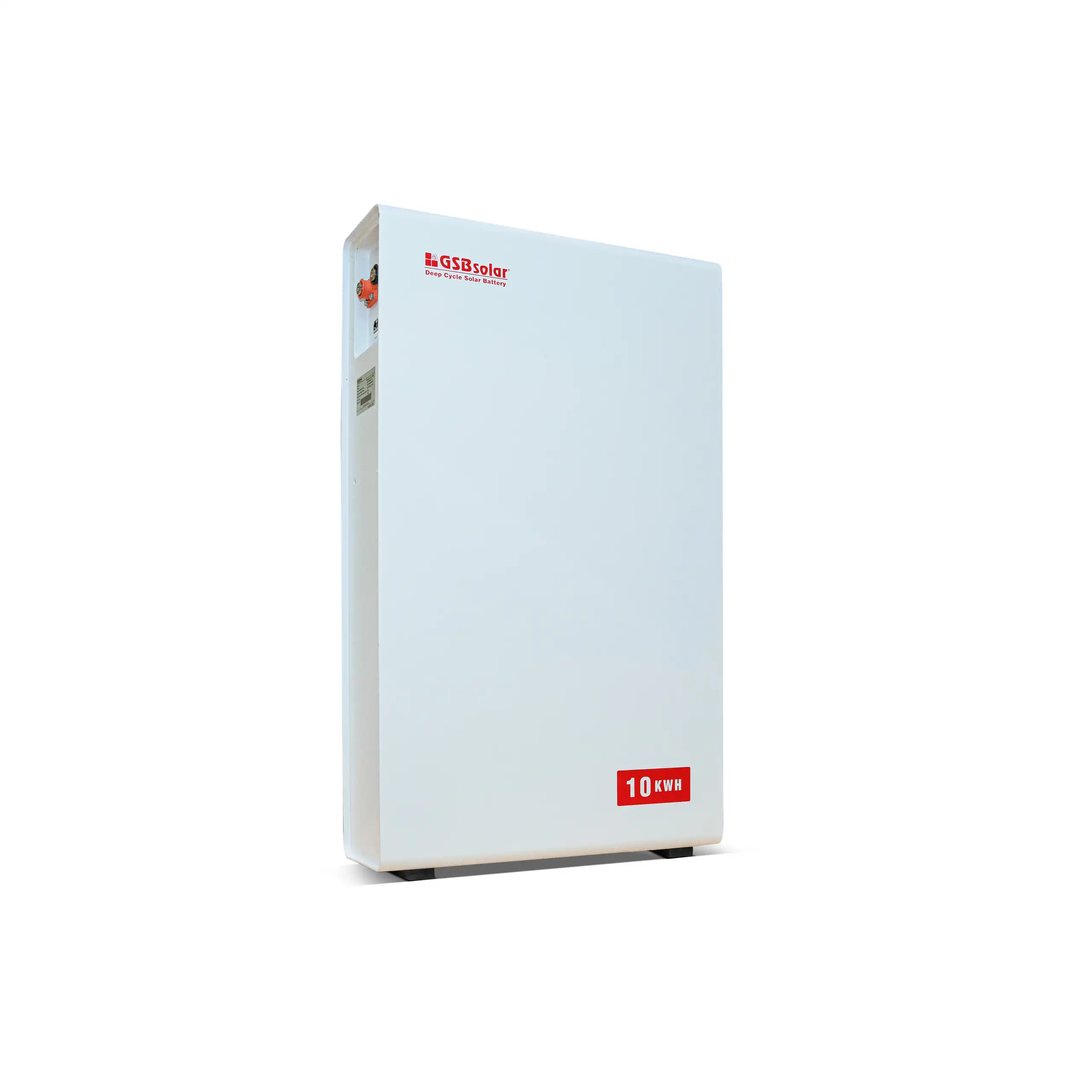
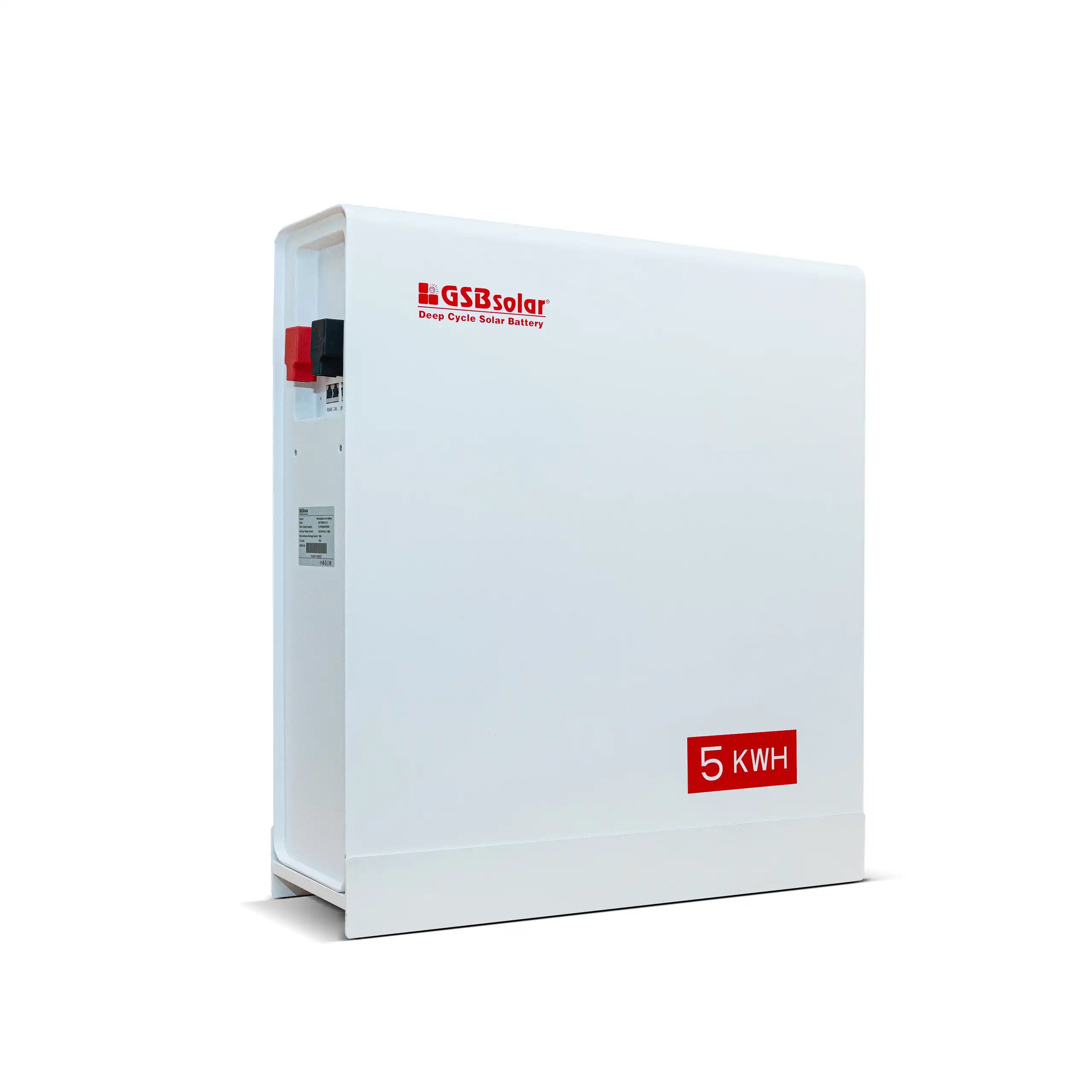
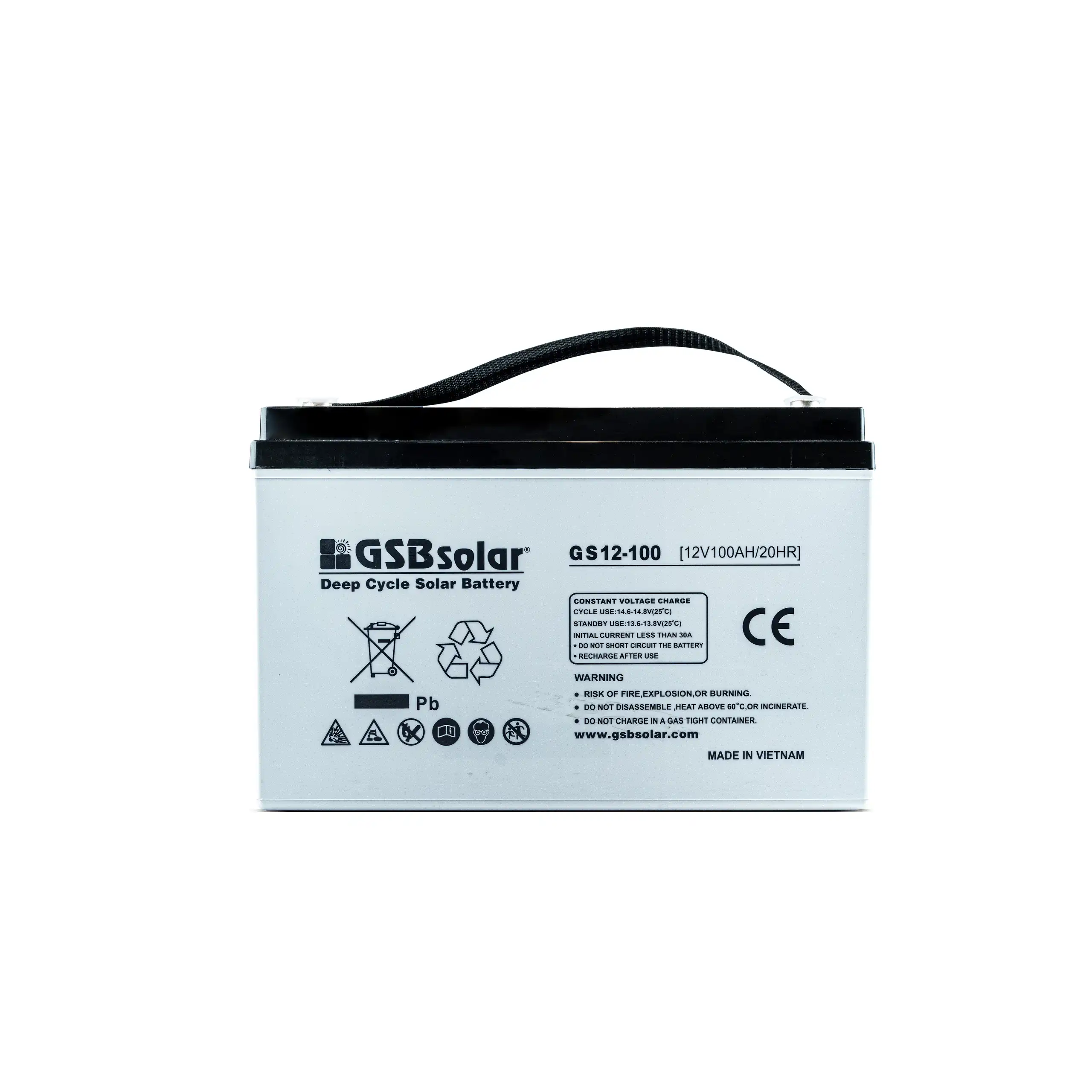
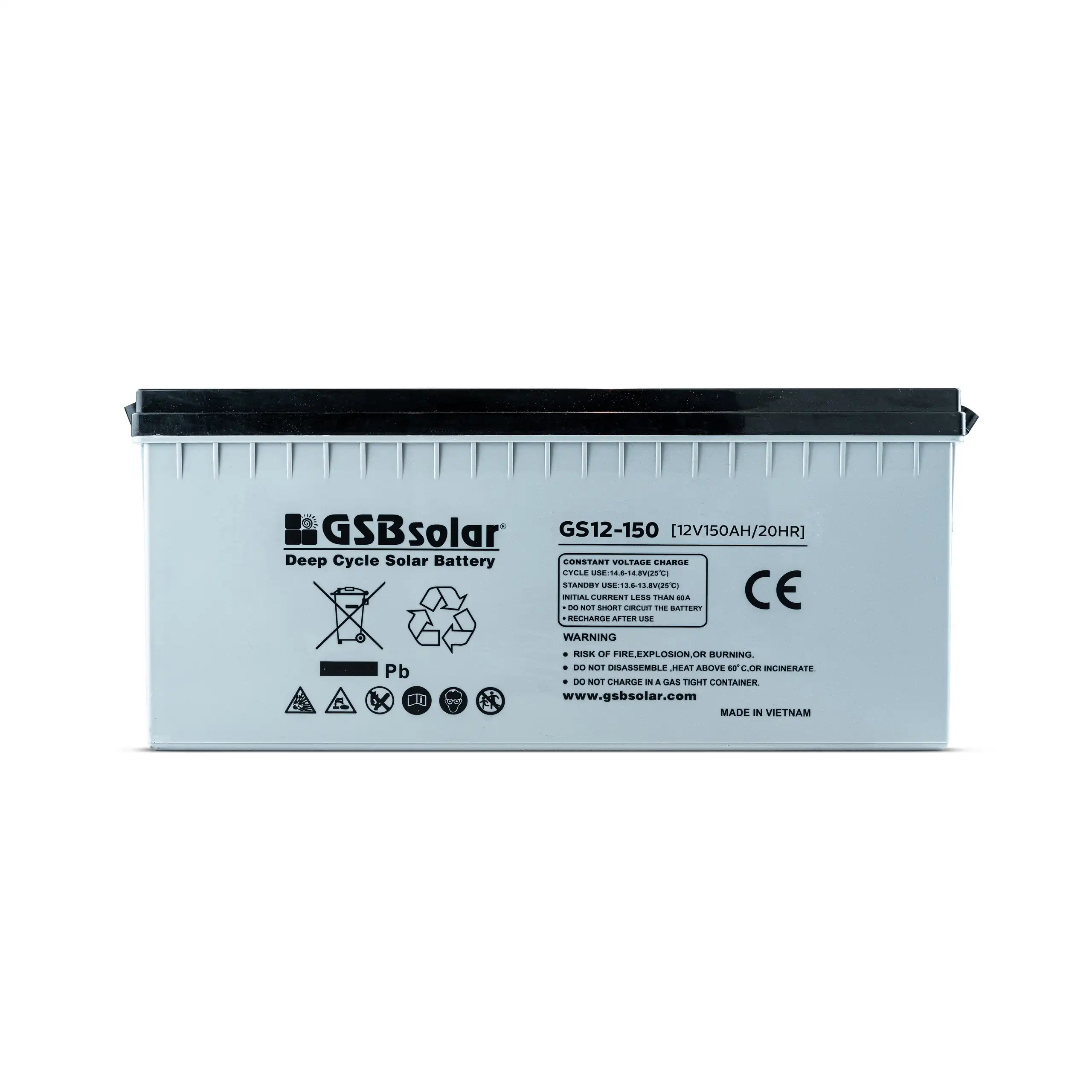
Top 10 Solar Panels With Battery Storage Systems

A solar panel can fill a battery on a bright afternoon, then help power a home after sunset. That simple shift is the appeal of a solar panel with battery system. Yet the best choice depends on more than panel wattage. Battery capacity, usable energy, inverter compatibility, warranty terms, and installation conditions all matter. A large battery is not automatically the right one.

Solar analyst Jenny Chase of BloombergNEF has emphasized the importance of evaluating solar through project economics rather than headline capacity; stated here as a paraphrase, not a verbatim quotation. That perspective is useful when comparing the top 10 solar panels with battery storage systems. The rankings should consider real household needs, including evening loads, cloudy days, and limited roof space. Look for clear specifications and transparent warranty details. Ask how much energy the battery can actually deliver, not just how much it can store.

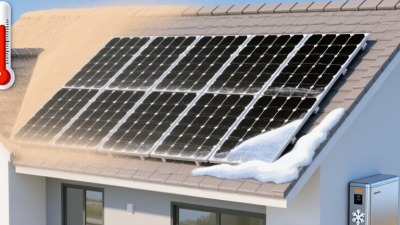
Small details count. A refrigerator, router, and several lights draw power differently from an electric vehicle charger. And battery performance can vary with temperature and usage. No list can predict every home’s results. Rankings are imperfect, too. The options below offer a practical starting point, not a promise of savings or uninterrupted power. Compare them against your own energy use and installation requirements before deciding.
Top 10 Solar Panels With Battery Storage Systems

How Solar Panels and Battery Storage Systems Work Together

Top 10 Solar Panels With Battery Storage Systems

How Solar Panels and Battery Storage Systems Work Together

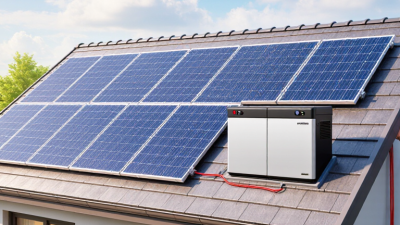
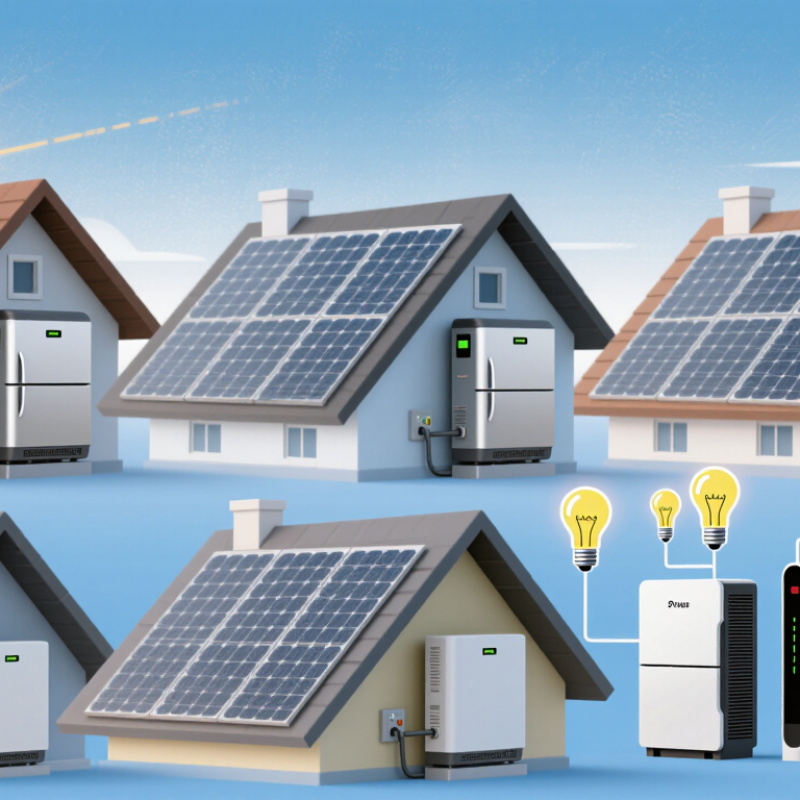
Solar panels produce direct-current electricity when sunlight reaches their cells. An inverter converts that electricity into alternating current for household appliances. A battery can store surplus power instead of sending it immediately to the grid. At night, stored energy passes through the inverter and can run selected household loads. Not magic. The system’s controls balance solar production, battery charging, and electricity use throughout the day.

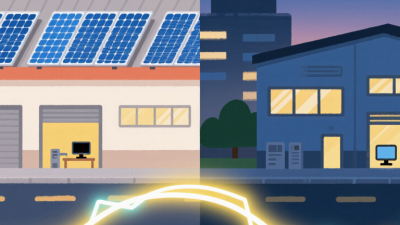
On a bright afternoon, panels might power a refrigerator and washing machine while charging the battery. If clouds arrive, the home can draw on stored energy or grid power, depending on its setup. Capacity matters: a small battery may cover lights and a router, but not several large appliances for long. It depends. Battery output limits matter too, especially when devices start up and briefly demand more power.

During an outage, ordinary grid-connected solar systems may shut down for safety. Backup power requires compatible equipment, proper installation, and suitable circuits; a battery alone does not guarantee whole-home power. The part people often underestimate is timing: a battery depleted overnight cannot help much before morning sunlight returns. Reviewing evening usage and local weather can help set realistic expectations. Even careful estimates miss something, and household habits change.

Top 10 Solar Panels With Battery Storage Systems - How Solar Panels and Battery Storage Systems Work Together

A brand-neutral comparison of example residential system configurations, from compact installations to larger homes.

Rank Example System Panel Configuration PV Array Size Usable Battery Capacity Estimated Daily Solar Generation Battery Type and Efficiency Typical Fit
1 Compact Essential-Loads System 8 × 400 W monocrystalline modules 3.2 kW 5 kWh About 10 kWh/day Lithium iron phosphate (LFP); approximately 90–95% round-trip efficiency Small homes or backup for selected essential circuits
2 Small Home Day-and-Night System 10 × 410 W monocrystalline modules 4.1 kW 7 kWh About 13 kWh/day LFP; approximately 90–95% round-trip efficiency Lower electricity use with evening energy shifting
3 Balanced Household System 12 × 420 W monocrystalline modules 5.04 kW 10 kWh About 16 kWh/day LFP; approximately 90–95% round-trip efficiency Average household use and routine overnight coverage
4 Balanced System with Extended Backup 14 × 420 W monocrystalline modules 5.88 kW 10 kWh About 19 kWh/day LFP; approximately 90–95% round-trip efficiency Homes seeking more daytime generation with moderate storage
5 Medium Home Storage System 16 × 425 W monocrystalline modules 6.8 kW 13.5 kWh About 22 kWh/day LFP; approximately 90–95% round-trip efficiency Higher daily use and greater evening consumption
6 Medium-Large Home System 18 × 430 W monocrystalline modules 7.74 kW 15 kWh About 25 kWh/day LFP; approximately 90–95% round-trip efficiency Homes with substantial daytime loads or longer backup needs
7 High-Use Household System 20 × 430 W monocrystalline modules 8.6 kW 20 kWh About 28 kWh/day LFP; approximately 90–95% round-trip efficiency Larger homes or households with heavier electrical demand
8 Large Home Flexible-Storage System 22 × 435 W monocrystalline modules 9.57 kW 20 kWh About 31 kWh/day LFP; approximately 90–95% round-trip efficiency High generation needs with the option to expand storage
9 Large Home Extended-Backup System 24 × 440 W monocrystalline modules 10.56 kW 25 kWh About 34 kWh/day LFP; approximately 90–95% round-trip efficiency Homes with high energy use and longer backup objectives
10 Very Large Residential System 26 × 450 W monocrystalline modules 11.7 kW 30 kWh About 37 kWh/day LFP; approximately 90–95% round-trip efficiency Large homes with high electricity use and substantial storage needs

How the systems work together: Solar panels generate electricity during daylight. Household loads use that power first; surplus energy can charge the battery, which can supply stored electricity later. Actual performance depends on sunlight, roof orientation, shading, weather, system losses, battery settings, and household consumption. Daily generation estimates use a simplified assumption of four peak-sun-hours per day and an 80% overall system performance factor; they are illustrative, not a site-specific forecast. Battery efficiency is a typical approximate range and varies by equipment and operating conditions.
Key Features to Compare in Solar-Plus-Storage Systems

When comparing solar-plus-storage systems, look beyond the battery’s headline capacity. Usable capacity shows how much energy your home can actually draw. A 10-kilowatt-hour battery may not provide all 10 kilowatt-hours for daily use. Check its continuous power rating too. That figure indicates whether it can run several appliances together, such as a refrigerator, lights, and a small pump. Short power surges matter as well. Some appliances need extra power when starting.

System compatibility can shape performance and installation costs. Confirm that the inverter works with the panels and battery, and ask whether future expansion is supported. Round-trip efficiency measures how much stored electricity remains available after charging and discharging. Warranty terms deserve a close read: compare coverage years, energy-throughput limits, and required maintenance. Backup operation varies, too. One system may power selected circuits, while another supports more of the home. The difference becomes obvious during an evening outage.

Tips: List the appliances you need during an outage, then estimate their wattage and run time. Ask an installer to explain which circuits receive backup power. A clear answer beats a larger capacity figure. Also check monitoring features; a useful app should show charging, household use, and remaining stored energy. Those numbers can be confusing at first, and estimates are not always exact.

Top 10 Solar Panels With Battery Storage Systems

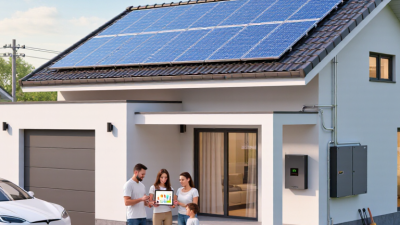
A solar-plus-battery system pairs rooftop panels with storage for power after sunset or during an outage. The right fit depends on daily use, roof space, and which circuits need backup. A refrigerator, a few lights, and internet equipment require less storage than whole-home air conditioning. Small details matter.

The International Energy Agency’s 2024 report, Batteries and Secure Energy Transitions, says global energy storage capacity needs to grow sixfold by 2030, reaching 1,500 gigawatts. Batteries account for 1,200 gigawatts of that target. This growth reflects storage’s role in balancing variable solar generation, but it does not mean every home needs a large battery. Compare usable capacity, power output, warranty terms, and whether the system can recharge during a grid outage.

Ask installers to model winter production and evening demand, not just annual savings. A battery may cover essential loads for hours, while a cloudy spell can stretch that estimate. Check whether panels and storage share compatible controls, and ask how much energy remains reserved for outages. A tidy payback estimate can still miss local shading or changing household routines. I would treat any single “best” ranking cautiously; the best configuration depends on the home.

Top 10 Solar Panels With Battery Storage Systems

A comparison of ten representative residential solar and battery system sizes.

These illustrative configurations span common residential system sizes; they are not product specifications or a performance ranking. Battery capacities are shown in kilowatt-hours (kWh), and solar array power in kilowatts (kW). At a constant 1 kW household load, a fully charged battery would provide approximately the same number of hours as its usable capacity in kWh, before accounting for conversion losses or solar generation.

Battery Capacity, Efficiency, and Backup Performance

Battery capacity matters most when it matches the loads you actually need to run. A 10-kilowatt-hour battery may support lights, a refrigerator, and internet equipment overnight, but not necessarily an electric oven or vehicle charger. Check usable capacity, not just the headline figure. Some energy is reserved to protect battery life. Round-trip efficiency also affects how much stored energy reaches your appliances; compare published figures under similar testing conditions.
Tips: List essential appliances and their wattage. Estimate how many hours each must run. Include brief startup surges from pumps or refrigerators. Then leave a little margin. Real use rarely follows a perfect spreadsheet.

Backup performance depends on more than battery size. The inverter’s continuous output limits which appliances can operate together, while its surge rating helps handle short bursts. For longer outages, consider daily solar production, winter shading, and cloudy weather. A sunny-day estimate can be misleading. Also confirm that the system can isolate backup circuits safely and restart after the battery runs low. Specifications are useful, but household habits vary; review your assumptions before choosing a system.

How to Match a System to Household Energy Needs

Matching a solar-and-battery system to a household starts with actual electricity use, not the biggest panel count. Review 12 months of bills, then note seasonal changes such as summer air-conditioning or winter electric heating. Look beyond monthly totals. A home using 25 kWh daily may still need a different setup if most demand occurs after sunset. Hourly smart-meter data can reveal whether cooking, laundry, or electric-vehicle charging overlaps with solar production. That timing matters. Battery capacity describes stored energy, while power rating determines how many appliances can run together. A battery with ample capacity may not support a kettle, oven, and heat pump at once. Count essential circuits and check inverter limits with a qualified installer.

Decide whether outage backup matters, or whether reducing evening grid use is the main goal. These goals can require different controls and battery sizes. Estimate how long critical loads must run, including refrigeration, lights, internet equipment, and medical devices. Keep a margin. Compare usable battery capacity, expected solar output, roof orientation, shading, and local weather across the year. Shaded roofs and short winter days can reduce charging, even when a system looks generous on paper. I would revisit estimates after checking real usage; household routines rarely match tidy calculator assumptions. A smaller system may fit better, though that can feel disappointing. Ask for written assumptions on efficiency losses, backup limits, and future expansion.

Facebook X Instagram Pinterest WhatsApp WhatsApp
We use cookies to improve your experience on our website. By browsing this website, you agree to our use of cookies.